
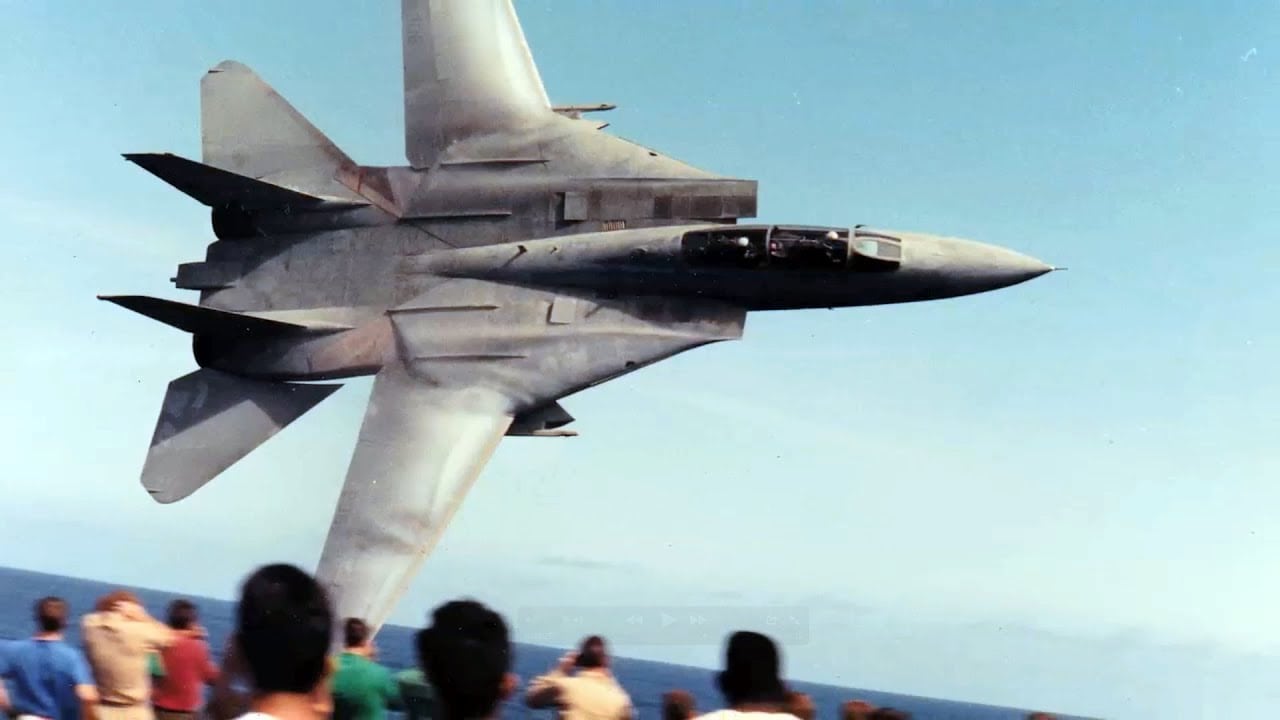
Iran Bought 80 F-14 Tomcats for Nearly $2 Billion. The Number Still Flying Is Unknown – Israel has struck Iran’s F-14 Tomcat fleet repeatedly, but it has not proved that the last airworthy aircraft is gone. Commercial satellite imagery showed at least two, and likely three, Tomcats destroyed at Isfahan’s 8th Tactical Air Base after attacks on March 7–8, 2026. The operational status of the aircraft hit there remains unknown, and earlier Israeli strikes destroyed or damaged additional F-14s at Tehran and elsewhere.
How did Iran even get the F-14 Tomcat? A June 1974 State Department record placed the 80-aircraft deal at almost $1.8 billion in then-year dollars before missiles. The United States also approved 274 AIM-54 Phoenix missiles for $150 million. Those documented figures alone approach $1.95 billion, explaining why the broader program is usually rounded to about $2 billion.
Only 79 of the 80 aircraft reached Iran before the 1979 revolution. Each F-14A carried a pilot and radar intercept officer, used two TF30 afterburning turbofans, and was rated for a maximum speed of 1,544 mph. Its variable-sweep wings spanned 64 feet when extended and 38 feet when swept, while maximum takeoff weight reached 74,348 pounds. The AWG-9 weapon system tracked 24 targets and supported simultaneous attacks on six.
The Shah bought that combination to stop Soviet MiG-25 reconnaissance flights and establish long-range control of Iranian airspace. The aircraft then outlived the monarchy, an American embargo, an eight-year war with Iraq, the collapse of its original supply chain, and the U.S. Navy’s own retirement of the type. Its survival became an achievement of maintenance and improvisation, even as age steadily reduced the fleet’s capabilities.
The Shah Chose the F-14 to Catch Soviet MiG-25s
US President Richard Nixon’s May 1972 visit to Tehran confirmed a far more permissive American arms policy toward the Shah. Washington relied on Iran to help contain Soviet influence and protect the Persian Gulf, giving Mohammad Reza Pahlavi unusual access to top-tier U.S. military technology.
Iran’s immediate air-defense problem involved Soviet MiG-25R reconnaissance aircraft operating at altitudes and speeds difficult for the country’s F-4 Phantoms to challenge. Iraq was also receiving Soviet MiG-23 fighters and Tu-22 bombers. In September 1973, the Shah pressed Washington for a firm written commitment that the F-14 and F-15 would remain available.

F-14 Tomcat in Museum. Image was taken by Jack Buckby for 19FortyFive.com. All rights reserved.
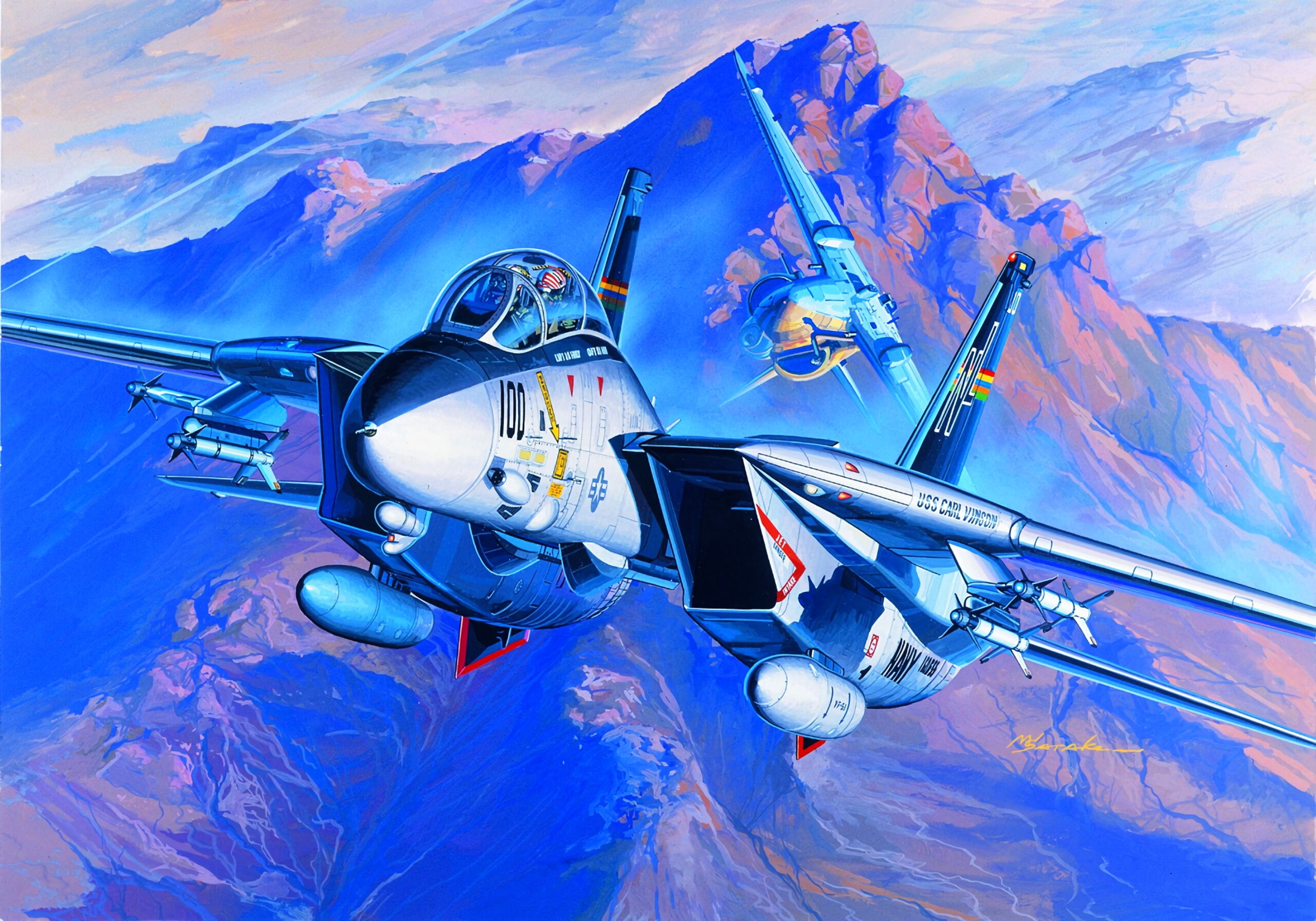
F-14 Fighter. Image Credit: Creative Commons.

F-14 Tomcat. Image Credit: Creative Commons.
Iran evaluated both fighters. The F-15 offered exceptional performance and a simpler land-based design. The F-14 was equipped with the Hughes AN/AWG-9 radar and the AIM-54 Phoenix, a long-range interception system developed to defend U.S. carrier groups against Soviet bombers and cruise missiles.
Iran first moved toward 30 F-14s in January 1974. The Shah approved another 50 in June, resulting in an 80-aircraft program rather than the earlier plan to divide the purchase between Tomcats and F-15s. Iran and the U.S. Navy also agreed to advance additional money to Grumman as the company faced a cash-flow crisis, helping keep F-14 production moving.
The Purchase Reached Nearly $2 Billion
Know this: The price is often reduced to a misleading per-aircraft number. A 1974 Government Accountability Office report identified an $844 million purchase of the first 30 F-14s, then under negotiation. The later State Department record put all 80 aircraft at almost $1.8 billion without missiles.
Those totals covered more than bare airframes. Iran needed pilot and radar-intercept-officer instruction, maintenance training, ground equipment, engines, radar support, spare parts, and construction for a new operating base. By 1979, 120 Iranian pilots and radar intercept officers had been trained, with another 100 personnel still in the pipeline. Technicians studied the engines, avionics, and weapons at Pratt & Whitney and Hughes facilities.
Khatami Air Base near Isfahan became the center of Iranian Tomcat operations. Smithsonian’s detailed history counts 284 Phoenix-family rounds delivered, including 10 ATM-54A training missiles. NAVAIR separately records 274 missiles under the $150 million agreement, with final delivery completed in May 1979.
The 80th aircraft remained in the United States when the monarchy fell. Official Navy production records list 636 F-14As, including 79 delivered to Iran.
The Iranian F-14 Tomcat Carried a Unique Radar and Missile Combination
The F-14A was built as a carrier interceptor, yet Iran operated it entirely from land. Its strong landing gear, arresting hook, and folding wings remained part of the airframe, adding weight while preserving the structural strength designed for catapult launches and deck landings.
The wings moved automatically between approximately 20 and 68 degrees in flight. They extended for lower-speed handling and endurance, then swept back for high-speed interception. Two Pratt & Whitney TF30 engines produced 20,900 pounds of thrust each with afterburner. The engine gave the F-14A its speed but carried a known risk of compressor stall during aggressive maneuvering and rapid throttle changes.
The Tomcat measured 62 feet 8 inches long and stood 16 feet high. Empty weight was about 40,100 pounds, maximum takeoff weight exceeded 74,000 pounds, and the published ceiling was above 56,000 feet. An internal M61A1 20mm cannon and combinations of AIM-9 Sidewinders, AIM-7 Sparrows, and AIM-54 Phoenix missiles supplied the weapons.
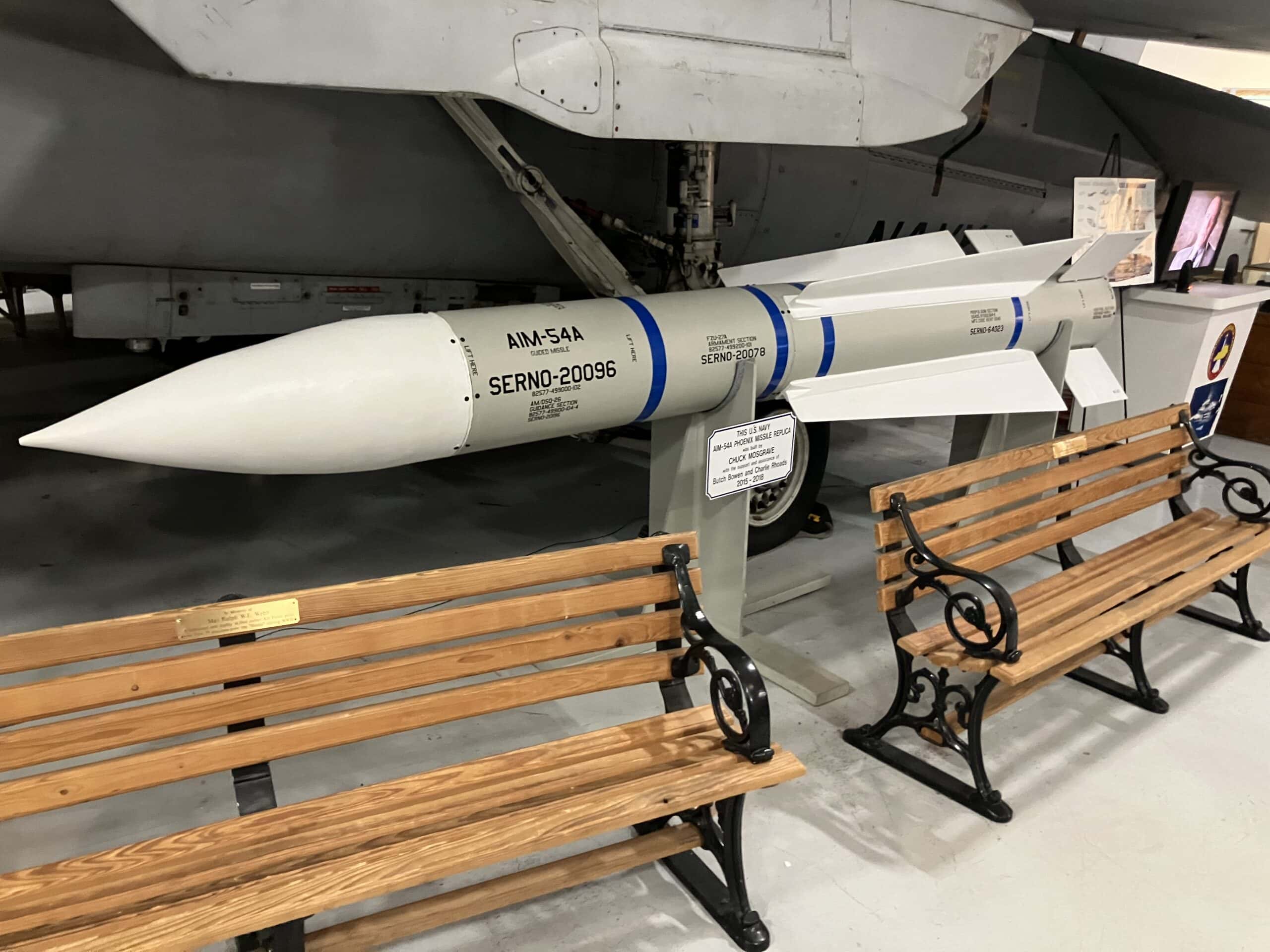
F-14 Tomcat Missile. 19FortyFive.com Image.
The AWG-9 made the Iranian fleet exceptional. It provided long-range search, track-while-scan, and multi-target engagement at a time when other regional fighters lacked anything comparable. During a 1973 American test, an F-14 fired six Phoenix missiles over 38 seconds against six targets about 50 miles away and achieved four direct hits. Another test launched a Phoenix against a drone at 110 nautical miles.
The aircraft were export F-14As, but public claims that they were heavily downgraded are difficult to verify. No authoritative public inventory defines every difference. Iran still received the central F-14A, AWG-9, and Phoenix capability that drove the purchase.
The Revolution Cut Off the Supply Chain Overnight
The Shah left Iran on January 16, 1979. The monarchy collapsed the following month, and the Islamic Republic was formally established on April 1. American contractors departed, training ended, and deliveries of aircraft, missiles, and replacement parts stopped. The seizure of the U.S. Embassy in November hardened the embargo.
The personnel damage was immediate. Twenty-seven F-14 pilots left Iran during 1979, including all but two members of the original cadre and 15 pilots who were still in training. Other aircrew and technicians were dismissed or imprisoned, and some were killed during revolutionary purges. The fleet built around continuous American support suddenly depended on an air force whose new political leadership distrusted many of its best-trained officers.
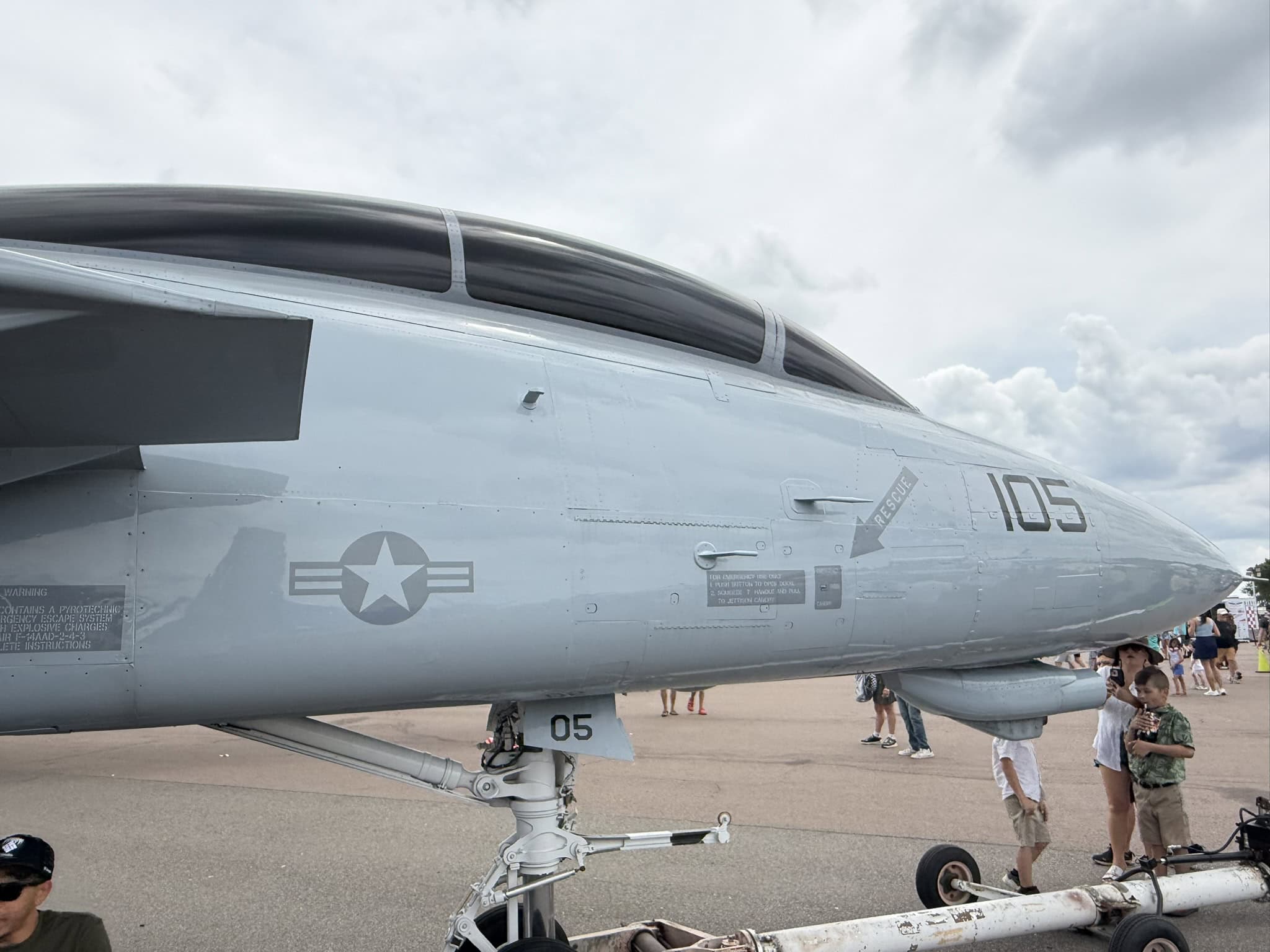
F-14D Tomcat from Lakeland, Florida Airshow. Image Credit: 19FortyFive.com. Taken on 4/19/2026.
Most of the 77 airframes that remained were grounded, and many lacked working radars when border fighting with Iraq intensified in 1980. Iranian maintainers recovered approximately a dozen for patrols before the full invasion. The story of how the F-14 entered combat without its original support system began less than two years after the final major deliveries.
The F-14 Defended Iran’s Oil Network During the War With Iraq
Iraq invaded Iran on September 22, 1980. The first reported Iranian F-14 victory came before the formal invasion, when a Tomcat used its cannon against an Iraqi Mi-25 helicopter on September 7. Six days later, an AIM-54 destroyed an Iraqi MiG-21, according to the detailed combat history assembled for Smithsonian.
Iran used the aircraft for more than direct interception. The AWG-9 searched large areas, helped controllers understand approaching formations, and passed information to fighters with less capable radars. A Tomcat sometimes served as a small airborne-warning platform while remaining able to attack the aircraft it detected.
The highest-value assignment was the protection of Kharg Island, the country’s main oil-export terminal, as well as refineries, cities, and industrial sites. Iraqi Tu-22 bombers, MiG-25s, MiG-23s, and later Mirage F1EQs threatened those targets. Iranian veterans said the appearance of one or two F-14s sometimes caused Iraqi formations to turn away or release their weapons before reaching the objective.
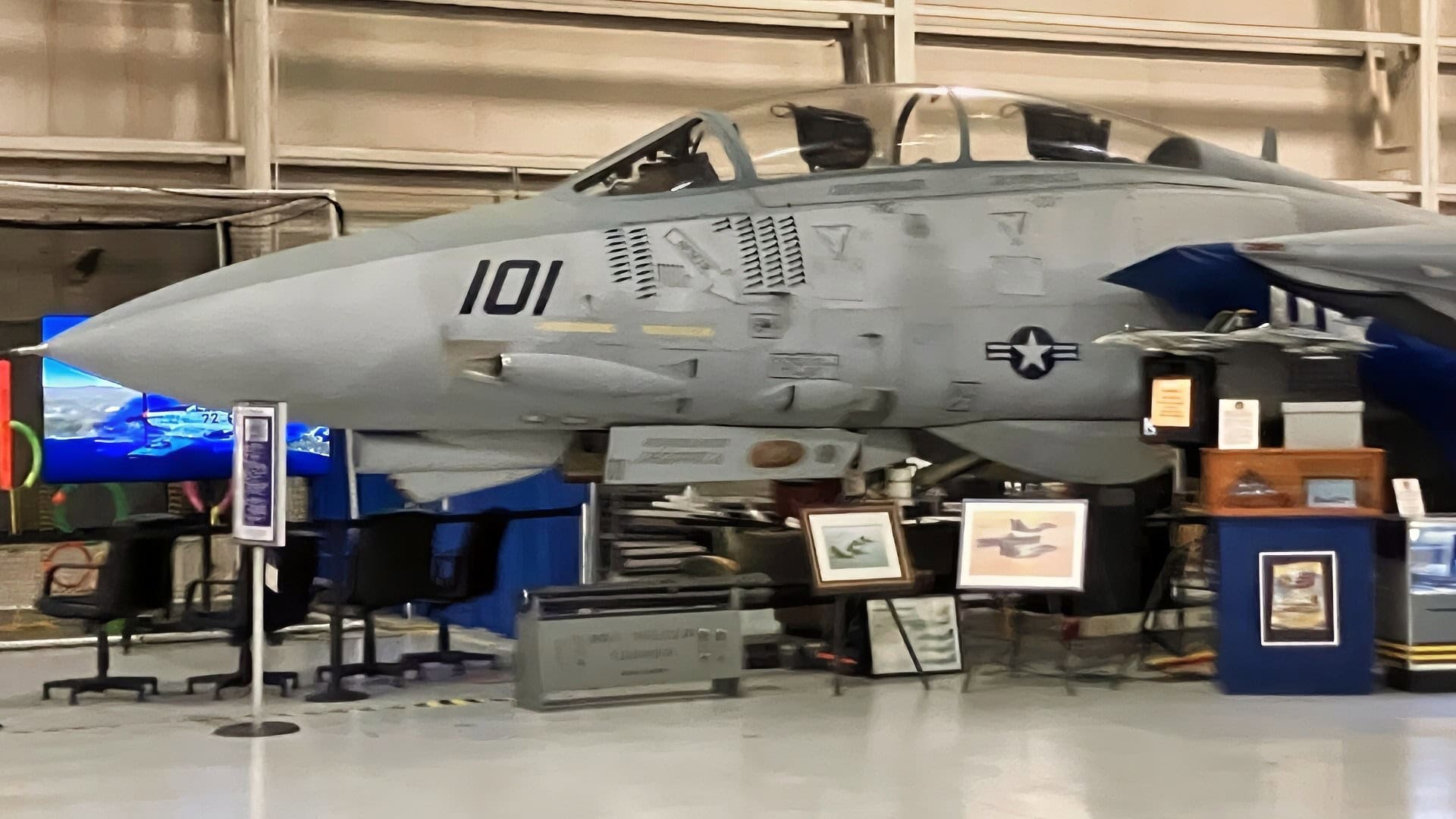
Aviation Museum of Kentucky F-14 Tomcat. Image Credit: 19FortyFive author Christian D. Orr. Taken on March 1, 2026.
The fleet did not retain its prewar strength. Iran initially tried to keep around 60 Tomcats operational. Intensive flying and the loss of experienced maintainers reduced the number to about 40 in 1984 and 25 in 1986. Veterans estimated that roughly 40 percent of the fleet was combat-ready on an average day.
Phoenix availability became another limit. The missile was used intermittently early in the war and more frequently in 1981 and 1982. A shortage of thermal batteries suspended normal Phoenix use in 1986, sharply reducing availability during the latter half of the war. Sparrows, Sidewinders, and the internal cannon covered other engagements.
The kill total cannot be stated with certainty. Claims of 130 to 160 Iraqi aircraft appear throughout the literature, but Iranian records were altered during and after the war, Iraqi records are incomplete, and victories were credited differently for political or personal reasons. Independent research supports dozens of F-14 victories but does not produce a single uncontested fleet total.
Jalil Zandi is widely identified as the highest-scoring Tomcat pilot, with eight confirmed victories and three listed as probable. Iranian crews are also credited with the Phoenix missile’s only air-to-air combat victories; U.S. Navy combat launches scored none. The weapon’s speed and range remained central to the Tomcat’s reputation as a long-range interceptor.
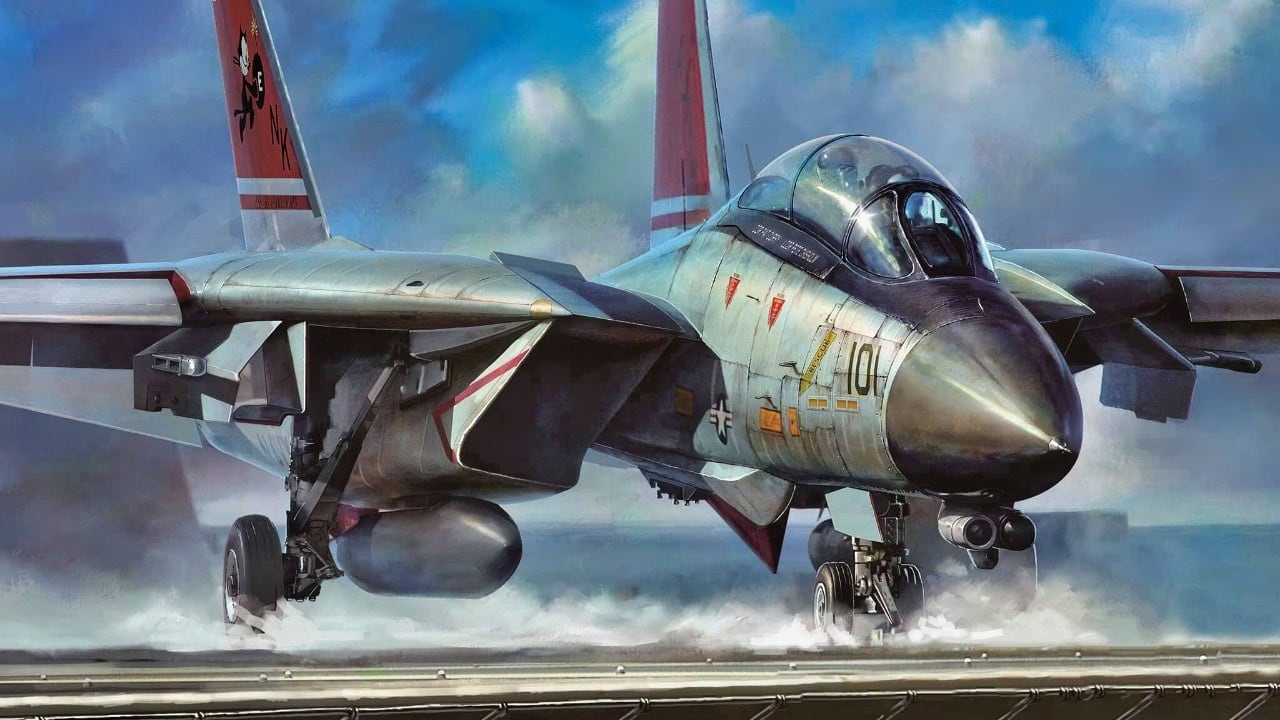
F-14 Tomcat Fighters. Image Credit: Creative Commons.
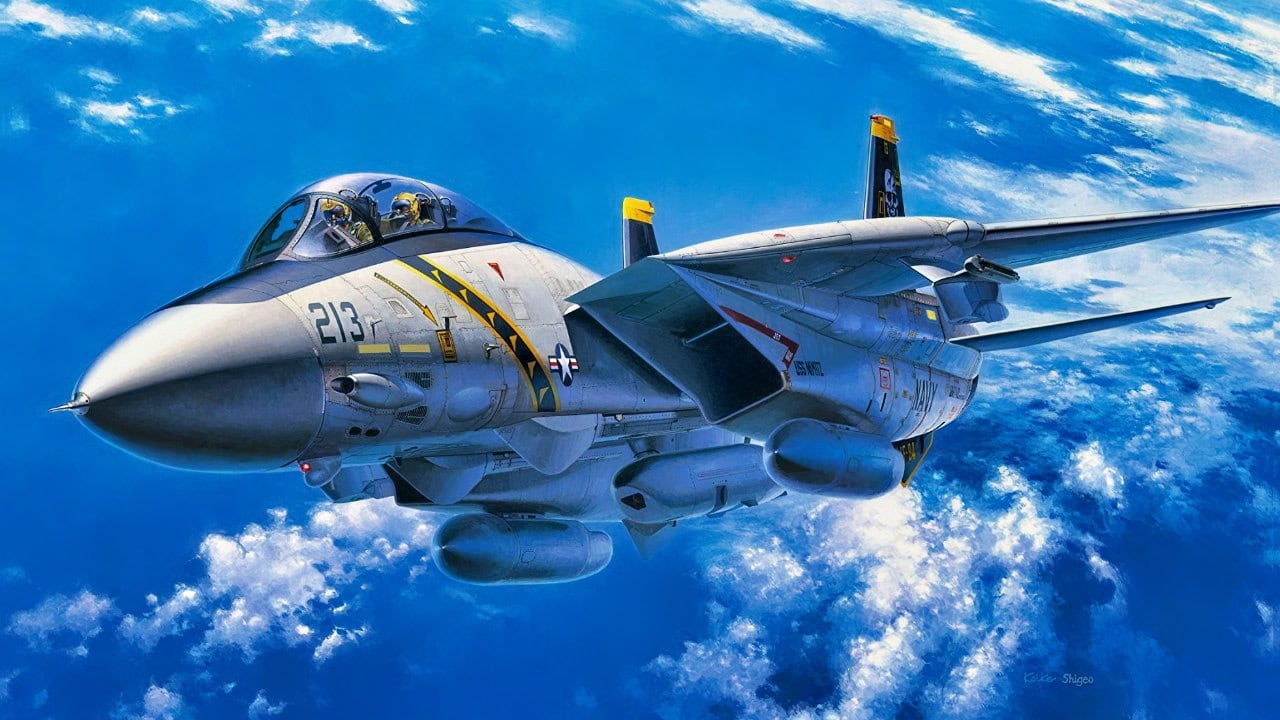
F-14 Tomcat
Air combat did not decide the Iran-Iraq War. Both sides conserved irreplaceable aircraft, and neither obtained lasting air superiority. The F-14’s practical success was narrower: it imposed caution on Iraqi planning, protected selected strategic targets, and remained useful despite an embargo intended to make continued operations impossible.
Iran Rebuilt Parts While America Destroyed Its Retired Tomcats
After the war, Iran’s effort to keep the Tomcat flying combined cannibalization, local manufacturing, and covert procurement. Engines, radar modules, hydraulic components, tires, ejection-seat parts, and wing-sweep machinery all presented different problems. Some were reproduced locally. Others came from grounded aircraft or clandestine networks.
The United States came to view its own surplus system as a vulnerability. Investigators found F-14 components entering public sales and documented attempts to send parts to Iran through third countries. A 2008 GAO investigation purchased Tomcat components online and warned that Iran was the only military operator able to use them.
The Pentagon suspended all F-14 parts sales in 2007 and destroyed retired airframes that might supply engines, structures, or avionics. Congress then prohibited the sale and export of unique F-14 aircraft, parts, tooling, and technical equipment, while preserving an exception for American museums. The policy later produced the extraordinary sight of retired American Tomcats being shredded to close the parts pipeline.
The U.S. Navy had reached a different conclusion about the aircraft. Rising maintenance demands, structural age, and the expense of a unique logistics chain led it to replace the Tomcat with the F/A-18E/F Super Hornet and retire the type in September 2006, the central issue behind why the service finally said no to the F-14. Iran had no comparable replacement and treated every usable component as strategic material.
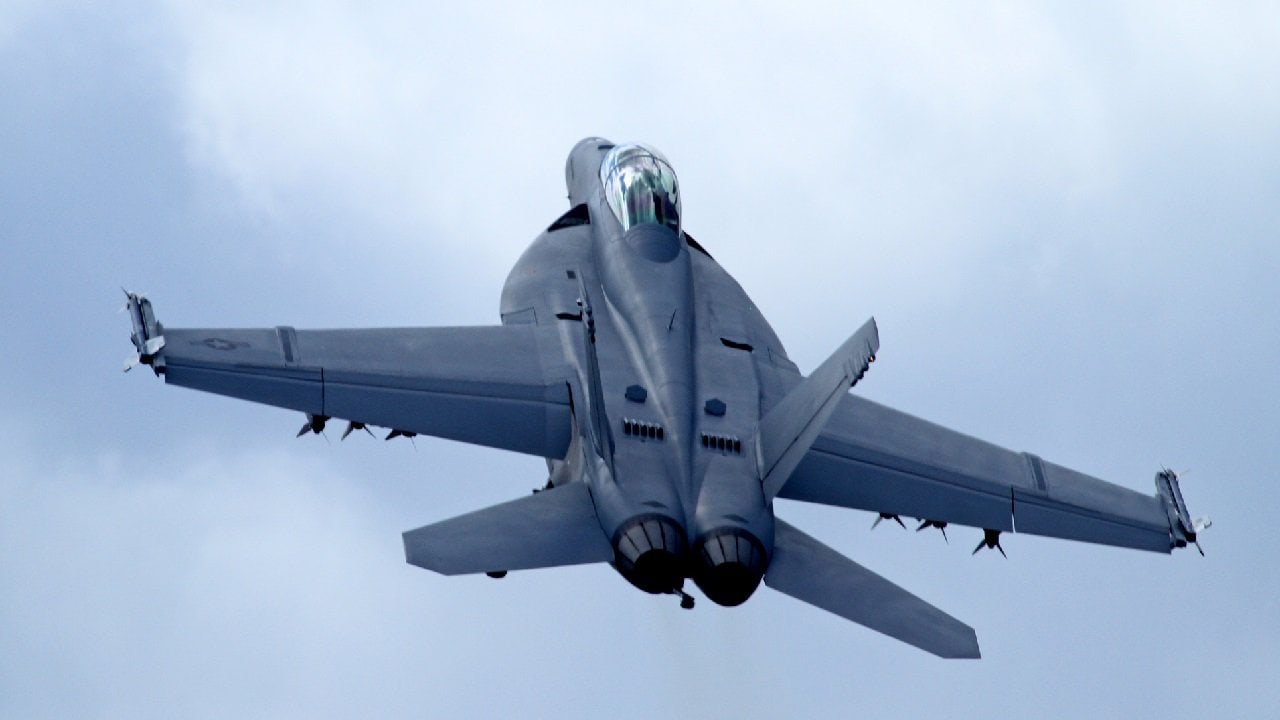
Block III F/A-18 Super Hornet.
Iran Kept Updating a Fighter the United States Had Retired
Iran displayed aircraft described as F-14AMs and claimed improvements to avionics, radar warning equipment, and weapons integration. Public evidence does not show a fleetwide conversion, and later assessments indicated uneven AWG-9 serviceability. Some aircraft apparently retained full radar capability while others served as trainers, limited interceptors or parts donors.
Some overhauled aircraft emerged in a gray-blue “splinter” camouflage rather than the original tan-and-brown desert pattern. Iran also claimed integration of newer weapons, including the Russian-designed R-73 and the locally developed Fakour-90. The F-14AM and Fakour announcements showed continued engineering work, but Tehran did not release enough independent test data to establish the missile’s range, reliability or fleetwide availability.
Iranian F-14s remained visible after the war. They escorted Russian Tu-95 bombers through Iranian airspace during missions against targets in Syria in 2015. Those flights demonstrated availability, not a new air-to-air combat record. A 2022 engine failure near Isfahan destroyed another Tomcat, with both crew members ejecting safely.
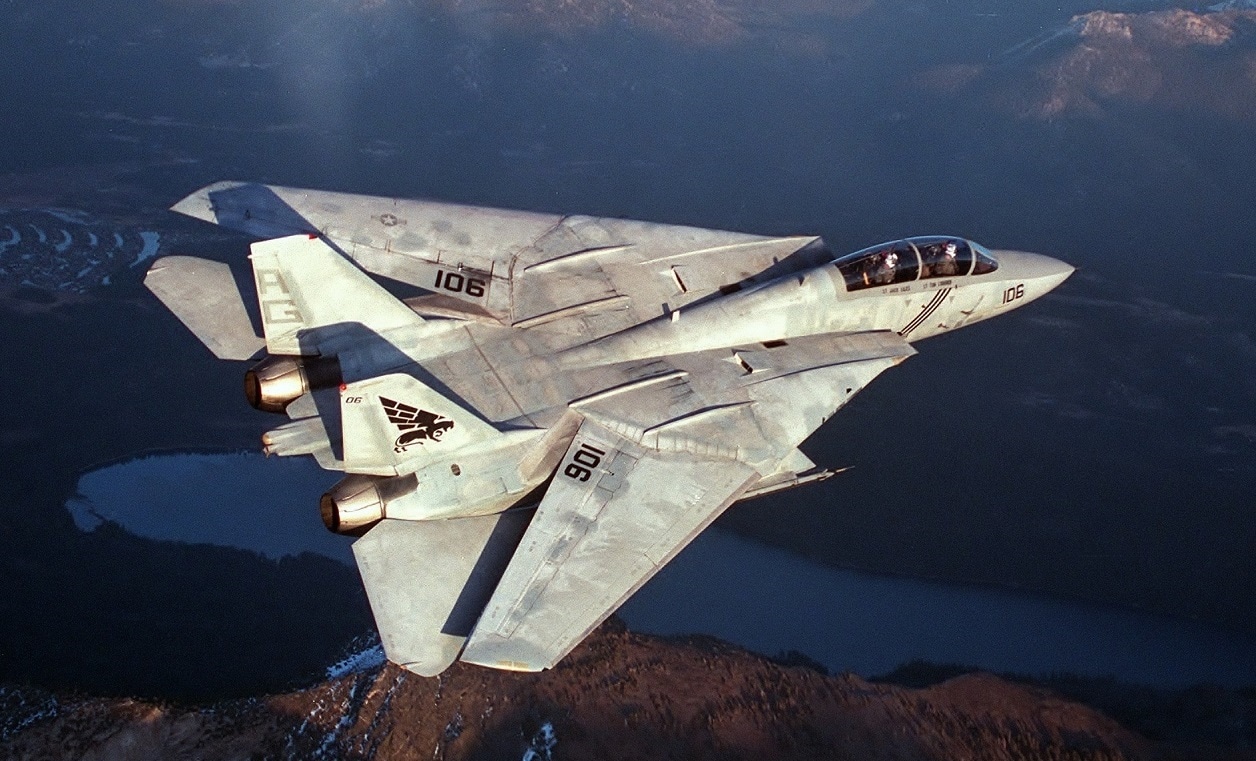
Right rear overhead view of an F-14AB Tomcat aircraft of Fighter Squadron 143 (VF-143), the Pukin’ Dogs, in flight over desert terrain.
Israel Began Destroying the Tomcats on the Ground
The campaign became visible in June 2025. Israeli footage showed two Tomcats struck at Mehrabad Airport in Tehran. On June 21, the Israeli military said it had struck three F-14s in central Iran.
At least some of the aircraft hit during that campaign had apparently sat outside for years and may not have been operational. A parked airframe still held value as a source of parts, a training object, or a possible restoration candidate. Destroying it did not necessarily remove an aircraft from the combat-ready count that day.
The larger blow came at Isfahan on March 7–8, 2026. The Israeli military announced strikes on F-14 compounds at the main Tomcat base. Before-and-after commercial imagery confirmed at least two destroyed aircraft and pointed to a likely third loss, along with damage to other jets and hardened shelters.
No independently verified account shows Iranian F-14s engaging Israeli or American aircraft in air-to-air combat during the 2025 or 2026 campaigns. Iranian state television released footage in June 2026, presented as a Tomcat returning from a mission. The date, serial number, location, and operational context were not independently established, leaving the claimed survival of an operational aircraft unresolved.
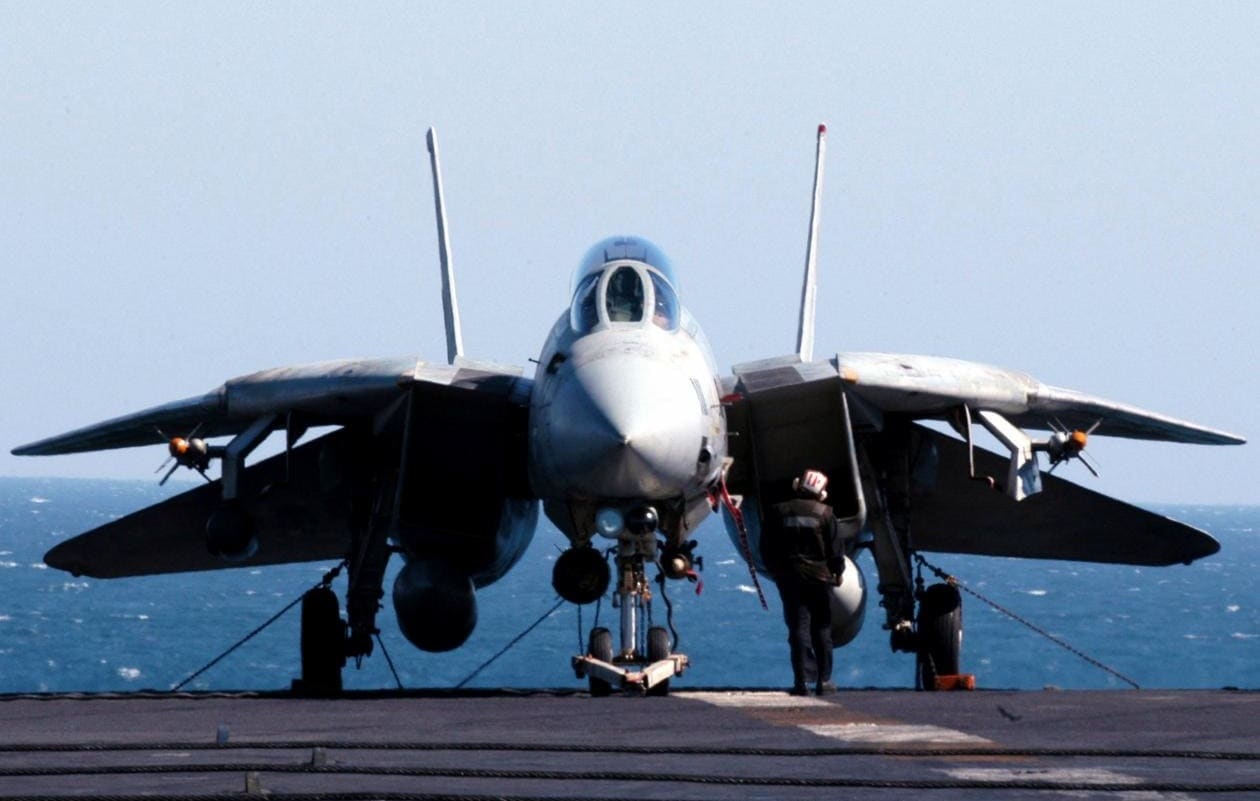
Image: Creative Commons.
No Verified Operational Count Exists as of August 10, 2026
Physical airframes are likely to remain in Iran. The harder question is whether any still combine two serviceable engines, a functional AWG-9, qualified aircrew, usable weapons, and enough maintenance support to perform an operational interception. Open-source estimates before the March attacks ranged widely, from a handful of flyable aircraft to approximately 25, with some specialists placing the useful force near 10.

F-14 Tomcat at Aviation Museum of Kentucky. Taken on March 1, 2026. By Christian D. Orr.
The visible losses do not establish the destruction of the entire fleet. Israel has not released serial numbers, a complete target list, or post-strike evidence covering every shelter and dispersal site. Iran’s June video does not establish when the aircraft flew or what mission it performed.
As of August 10, neither Tehran nor Jerusalem had released a verifiable inventory establishing how many F-14s remained flightworthy after the March attacks.
About the Author: Harry J. Kazianis
Harry J. Kazianis (@Grecianformula) was the former Senior Director of National Security Affairs at the Center for the National Interest (CFTNI), a foreign policy think tank founded by Richard Nixon based in Washington, DC. Harry has over a decade of experience in think tanks and national security publishing. His ideas have been published in the NY Times, The Washington Post, The Wall Street Journal, CNN, and many other outlets worldwide. He has held positions at CSIS, the Heritage Foundation, the University of Nottingham, and several other institutions related to national security research and studies. He is the former Executive Editor of the National Interest and the Diplomat. He holds a Master’s degree focusing on international affairs from Harvard University.

