
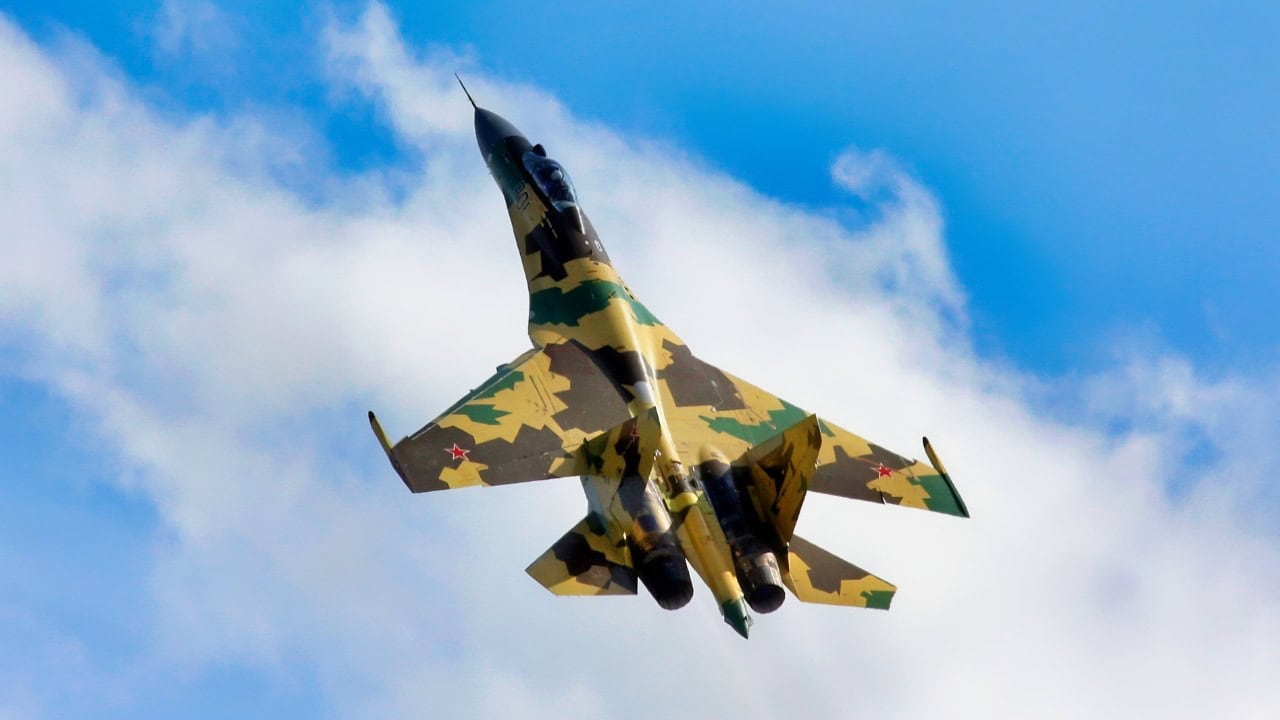
The Sukhoi Su-35S (NATO designation: FlankerE/M) is the latest iteration of the T-10 Su-27 Flanker lineage. This newest and most advanced Flanker features deeply modernized avionics and 2D thrust-vectoring engines to enhance the airframe’s already advanced supermaneuverability.
Originally intended primarily for export, the Su-35S has become the new staple of the Russian Air Force, replacing older Su-27 and MiG-29 variants.
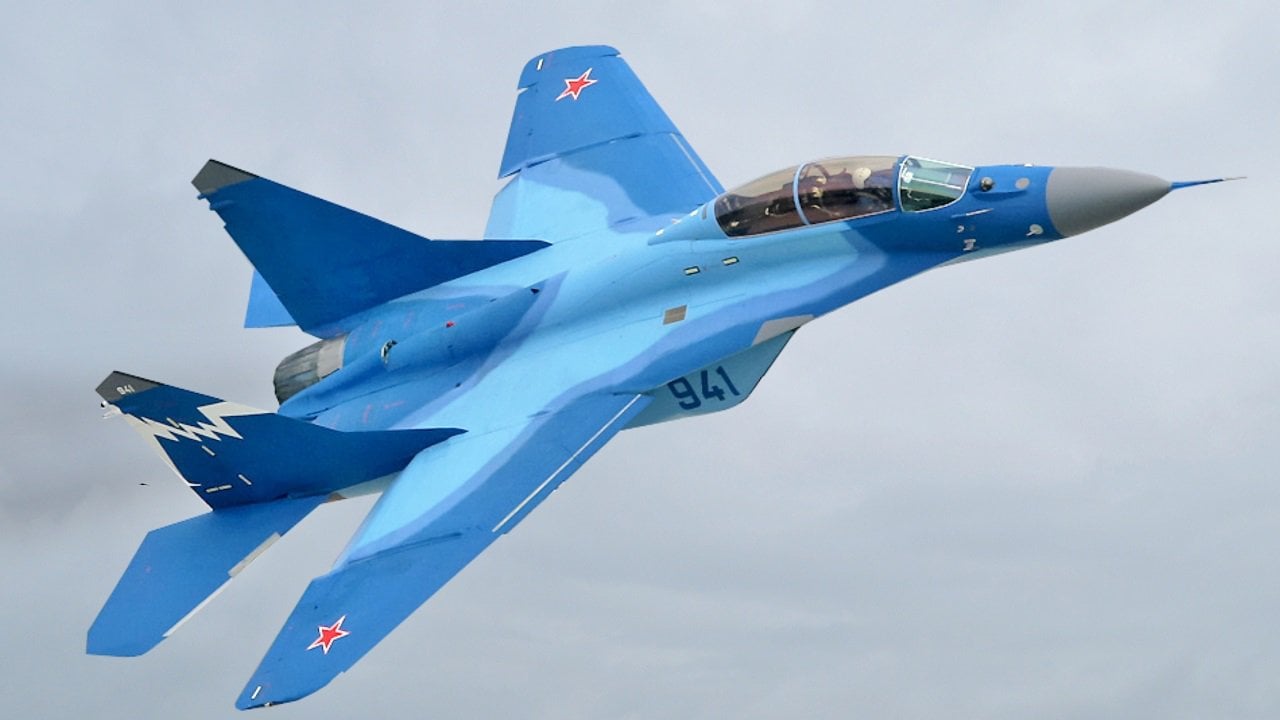
MiG-29K. Image Credit: Creative Commons.
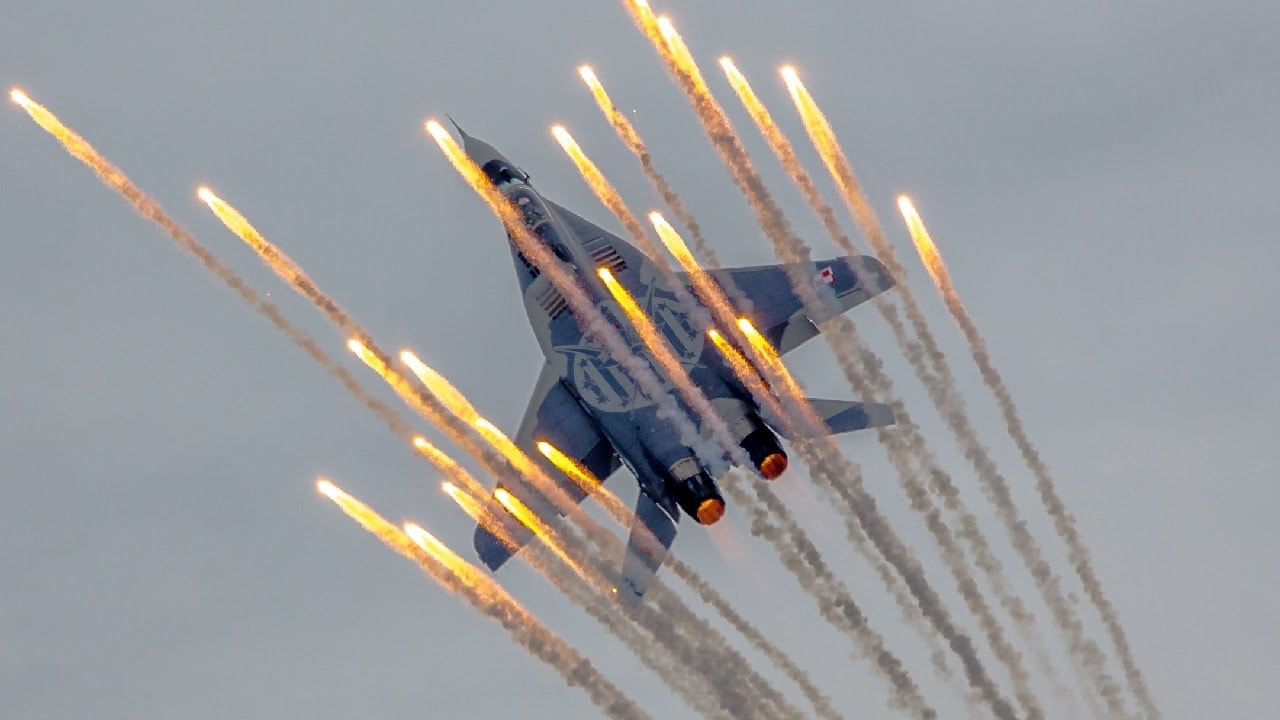
MiG-29. Image Credit: Creative Commons.
While the aircraft made its combat debut in Syria, its real test came in the ongoing war in Ukraine, where it first faced modern layered air defenses.
Throughout the conflict, Russia has lost several Su-35Ss to enemy air defenses, although the aircraft has scored a number of air-to-air kills since the beginning of hostilities.
The Su-35 in Ukraine
In the first days of the conflict, the Su-35S performed quite well against Ukraine. According to some reports, the aircraft scored more than seven air-to-air kills. Russian sources have since claimed a number of kills by Su-35Ss, few of which can be independently verified.
Just last week, the Russian Ministry of Defense reported that a Russian aircraft, likely a Su-35S, scored another air-to-air kill against a Ukrainian MiG-29. Again, however, these claims cannot be verified.
Aside from air superiority missions, the Su-35S has been used extensively for air-to-ground missions. According to OSINT information, the aircraft is frequently used to launch Kh-59/69 cruise missiles at Ukrainian targets along the front line.
According to some unverified reports, one Su-35S managed to fly across the front lines last week into Ukrainian airspace before launching a cruise missile and retreating through the Kursk Oblast.
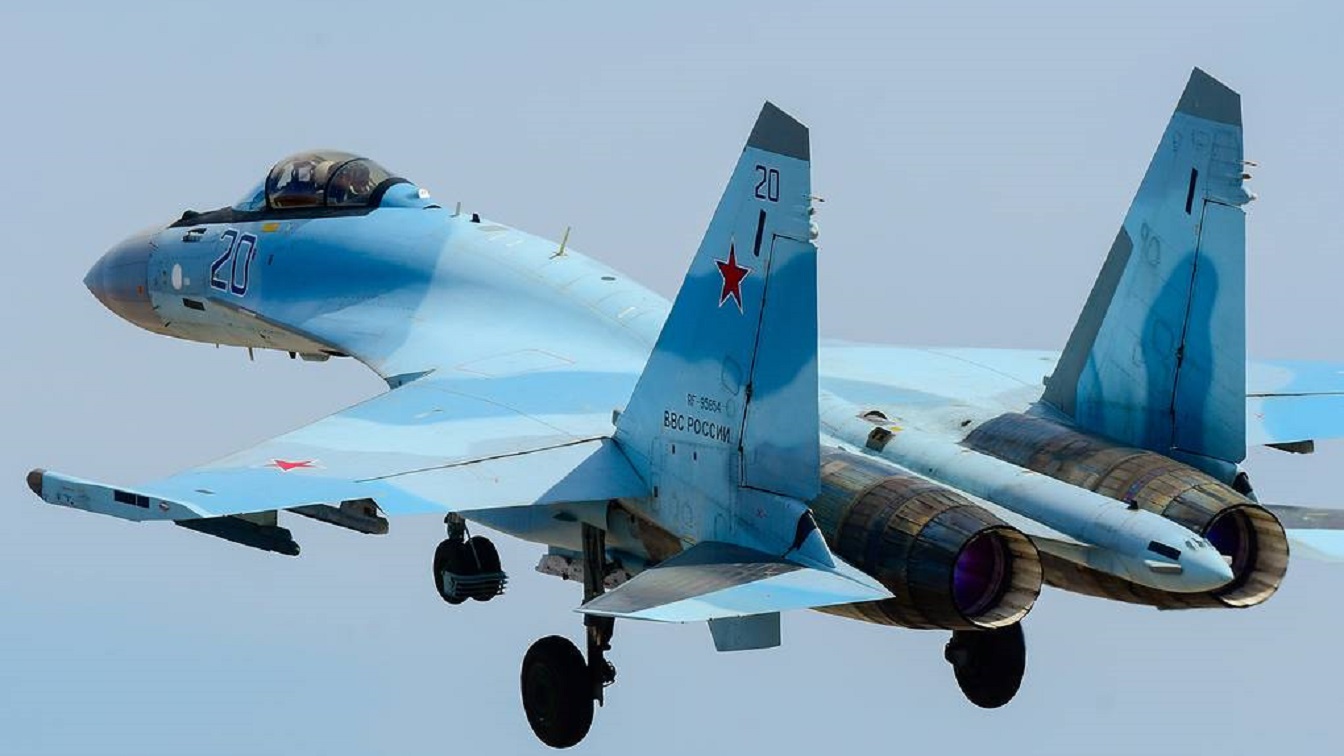
Su-35S fighter. Image Credit: Russian State Media.
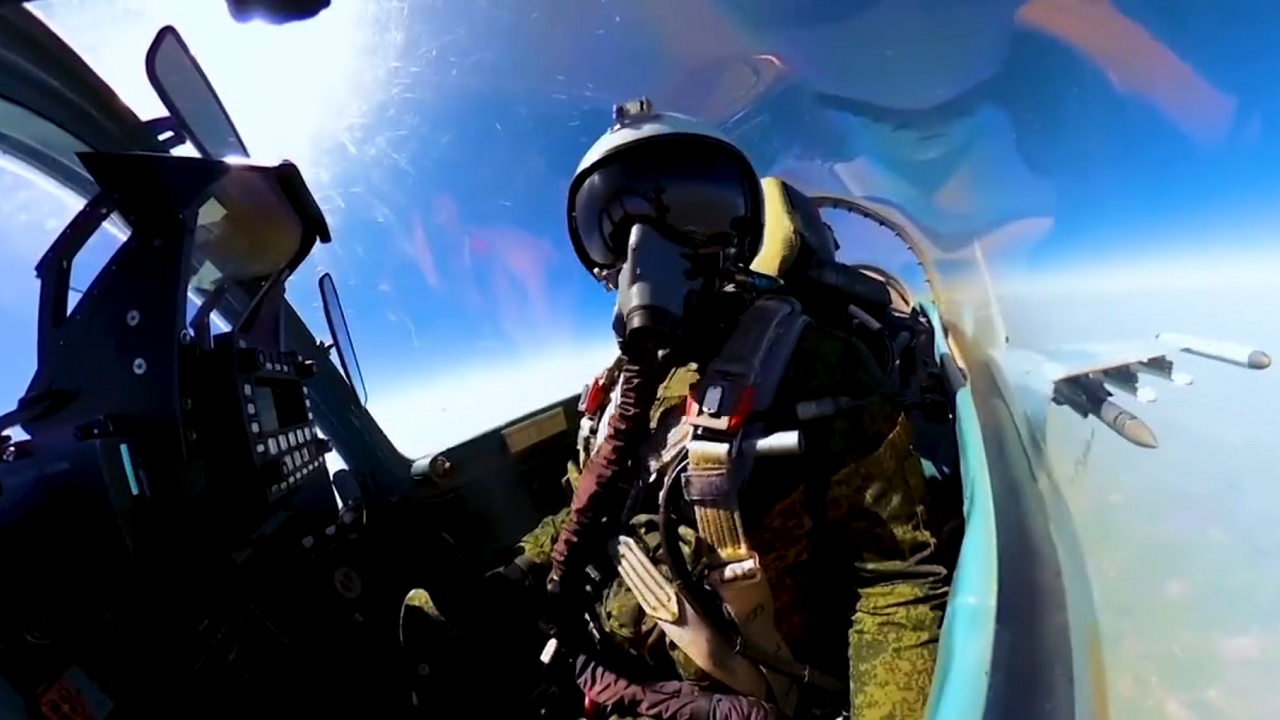
Russia pilot behind the controls of a Su-35S. Image Credit: Twitter Video Screenshot.
Russia has lost several aircraft during the war in Ukraine. While Su-35S losses have not been as high as Su-34/Su-25 losses, Ukraine has still shot down a few Flankers.
In 2022, Ukraine claimed that it had shot down two Su-35S aircraft, along with two more in 2023 (a third aircraft was shot down by friendly fire).
From 2024 to 2026, Ukraine has claimed that at least five more aircraft have been shot down by air defenses, the most recent of which occurred in July 2026, with sources conflicting as to whether the aircraft was shot down by a Patriot air defense system or an F-16. This brings the total number of claimed destroyed Su-35Ss to seven.
Keep in mind, not all of these claims have been verified. While not as high as some of Russia’s other aviation losses, these casualties are still notable considering the fact that the Su-35S is one of Russia’s most advanced fourth-generation aircraft.
Maintaining Russia’s Fighter Fleet
At the same time, production of Su-35S aircraft has remained fairly constant, allowing Russia to produce more aircraft than it is currently losing. Since 2022, Rostec, the state-owned company responsible for developing Russia’s defense equipment, has announced sixteen separate deliveries of Su-35S aircraft.
With each delivery consisting of two or three aircraft, Russia has received somewhere between 32 and 48 aircraft since the start of hostilities in Ukraine, which is roughly four times higher than the claimed number of destroyed aircraft at minimum.
That is to say, at the current rate, Russia is in no danger of running out of Su-35S aircraft any time soon.
Although Ukraine has been running low on PAC-3 and likely also PAC-2 interceptors, there are still a number of Western and older Soviet air defense systems active throughout Ukraine, preventing Russia from achieving full air superiority.
For example, Ukraine has received six IRIS-T SL air defense systems, with another 12 still waiting for delivery.
Kyiv likely still has several NASAMS across the country after receiving more than 13 launch units from Western allies.
Since 2022, Russia has been engaged in an intense SEAD/DEAD campaign against one of the largest and most diverse air defense networks in Europe, and only now have cracks in that network started to appear.
What Seperates the Su-35 from the Su-27?
As said before, the Su-35 is the latest iteration of the Flanker lineage.
While it retains the same airframe as a standard Su-27, there are several differences that separate the Flanker-E from its predecessors.
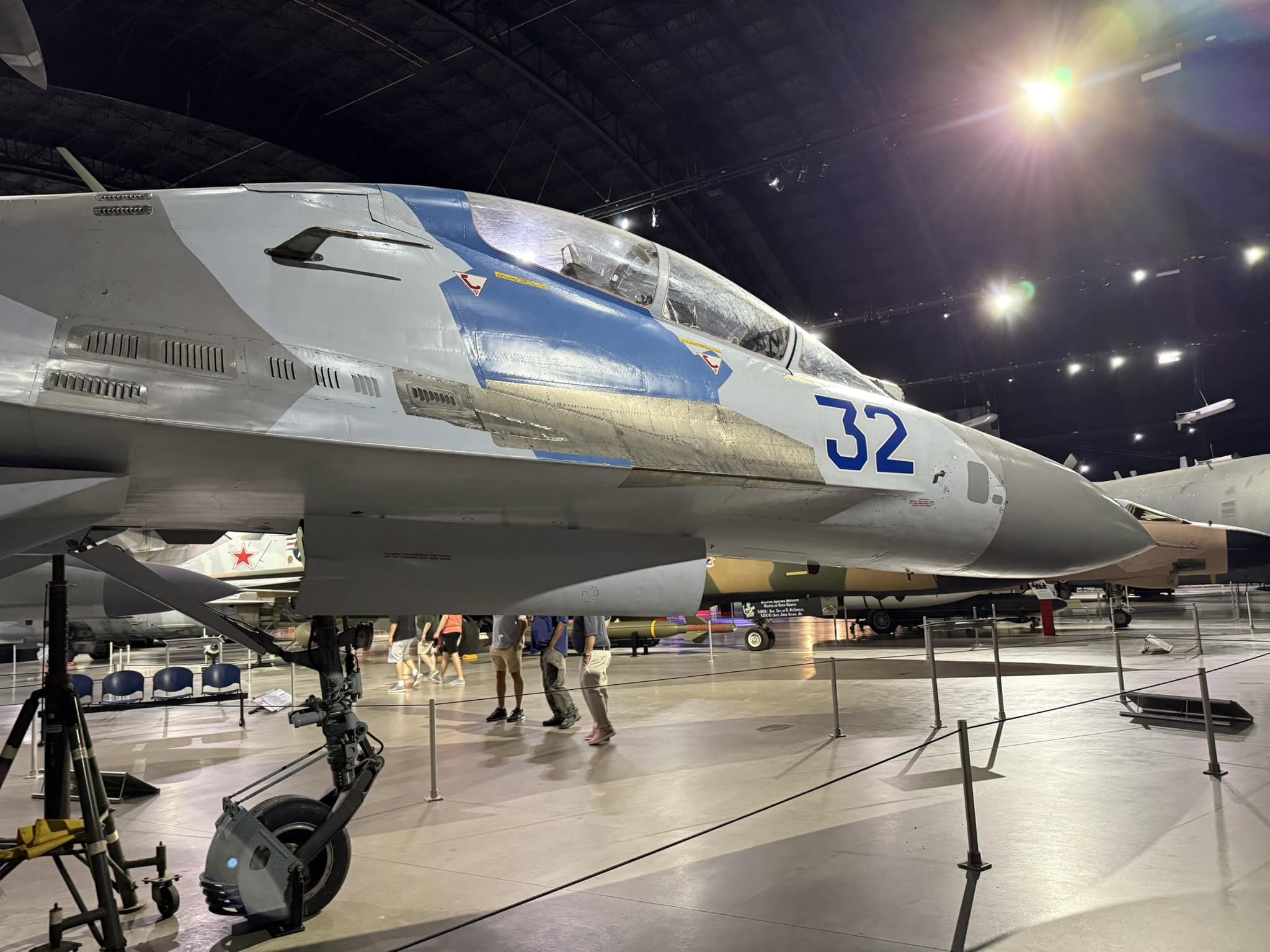
Su-27 from the National Museum of the US Air Force in July 2025. 19FortyFive.com Image.
The Su-35 is equipped with the N035 Ibris-E PESA radar, reportedly capable of detecting targets from 400 km away and tracking 30 targets while engaging eight at a time.
The cockpit has been refitted with a modern glass cockpit designed to reduce the pilot’s workload and improve human-machine interfacing.
After the fall of the USSR, the Su-35S was designed to share some of its avionics with the PAK-FA program to simplify maintenance and serve as a stopgap for the Su-57.
The Su-35S is equipped with a pair of Saturn AL-41F1S engines with 2D thrust vectoring for extra maneuverability.
These engines allow the aircraft to cruise at Mach 1.1 without using its afterburners and reach a top speed of Mach 2.5. It has a top combat range of 1,900 nautical miles and a service ceiling of 18,000 meters. The Su-35S is marketed as a 4.5-generation fighter, sharing several systems with the Su-57 at a lower cost.
While not as capable as its fifth-generation contemporaries, the Su-35 is a decent aircraft combining sophisticated avionics with the Su-27’s proven airframe.
About the Author: Isaac Seitz
Isaac Seitz, a Defense Columnist, graduated from Patrick Henry College’s Strategic Intelligence and National Security program. He has also studied Russian at Middlebury Language Schools and has worked as an intelligence Analyst in the private sector.