
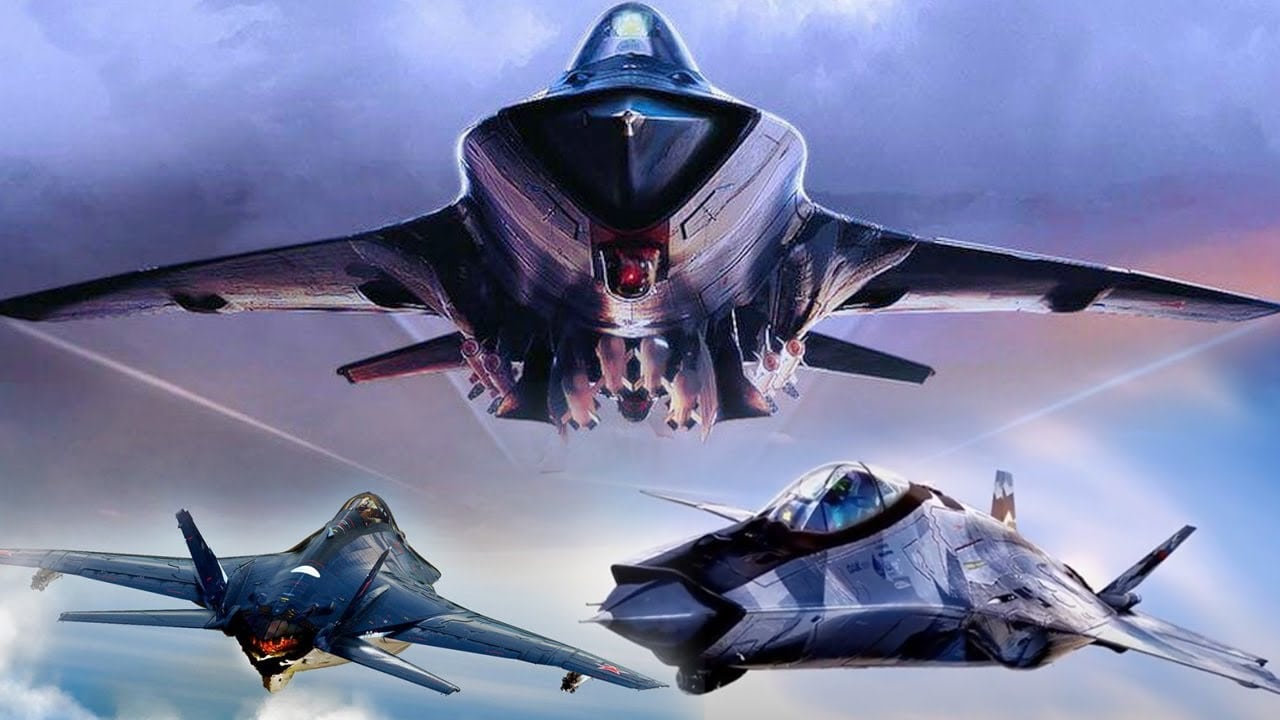
The Mikoyan PAK DP (Prospective air complex for long-range interception), often referred to as the MiG-41, is a mysterious project about which very little is known. In online journals and blogs, there are several thousand different interpretations of what the MiG-41 will look like. Some describe it as a hypersonic, 6th-generation, near-space super-interceptor with lasers and AI integration, along with all the other bells and whistles associated with advanced aircraft. The fact of the matter is that there is currently no reliable information about the MiG-41, as no official word on the project has been released since 2021. If she flew as advertised, she would be a clear threat to the F-22, F-35, and even the new F-47.
Being as charitable as possible, it is too early to call it a “dead” project, but due to the less-than-ideal state Mikoyan is in right now, the aircraft’s future prospects are far from certain.
The Ambiguous History of the MiG-41
The development behind the MiG-41 is murky, to say the least. In the past, Mikoyan has floated a few concepts as potential successors to the MiG-31.
In the 70s, one such proposal, dubbed Type 301/321, retained the MiG-31’s base layout but added a variable-sweep wing and deployable canards.
The designers also theorized combining a turbjet with a ramjet, much like the SR-72 Blackbird, to propel it to hypersonic speeds.
In the 80s, the design bureau explored another concept: Type 7.01 (sometimes referred to as MiG-7.01). This concept employed a delta-wing configuration instead of a variable-sweep wing layout but retained the dual turbojet-ramjet concept. Unfortunately, this concept was abandoned after the fall of the USSR.
Fast-forward to the 2010s, and whispers began to spread that MiG was once again working on a replacement for the MiG-31.
In 2019, it was reported that the design of the PAK-DP had been completed and was now undergoing research and development and wind-tunnel testing with models
. In 2020, Ilya Tarasenko, the Director of MiG, stated that research on the project would conclude soon, with the design being finalized by the end of the year. “The promising aircraft will use new types of aviation weapons; it will be created using new stealth technologies, will be able to transport the required number of weapons, and will operate at a very large interception radius,” Tarasenko said. Now, all these requirements are reflected in the aircraft’s appearance. Research work should be completed by the end of the year with an approved look.”
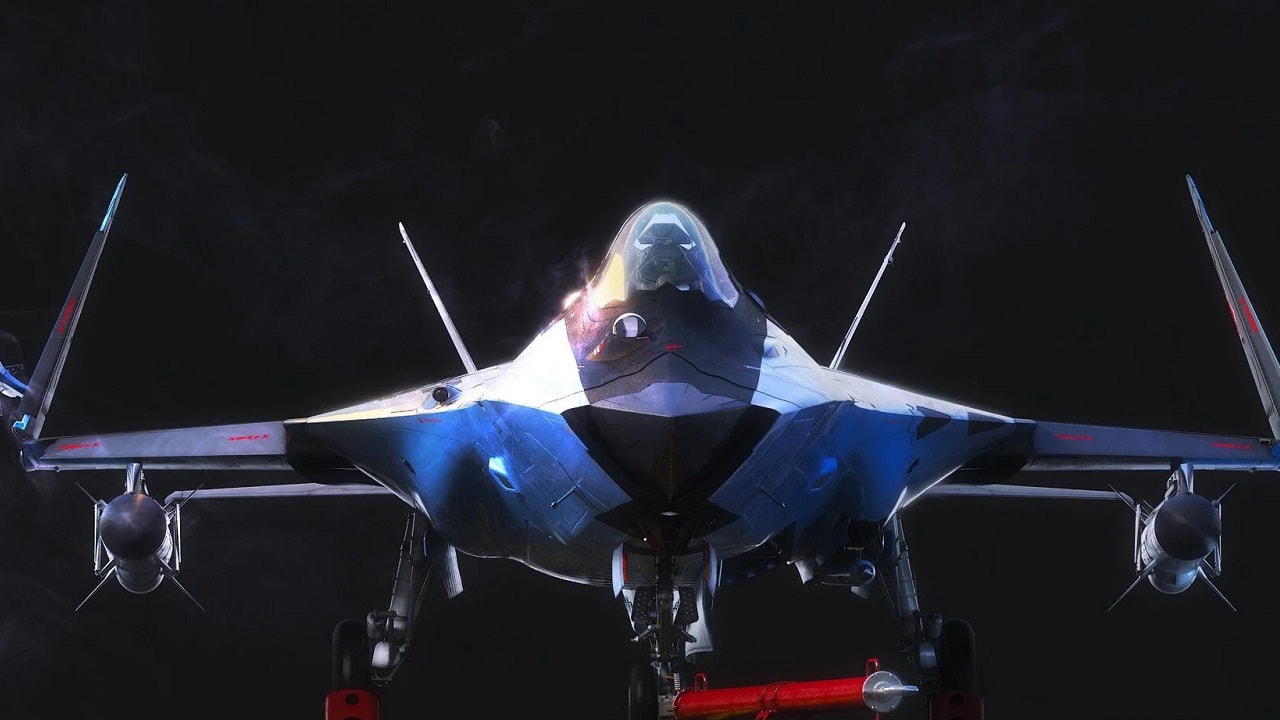
MiG-41 Artist Rendering. Image Credit: Creative Commons.
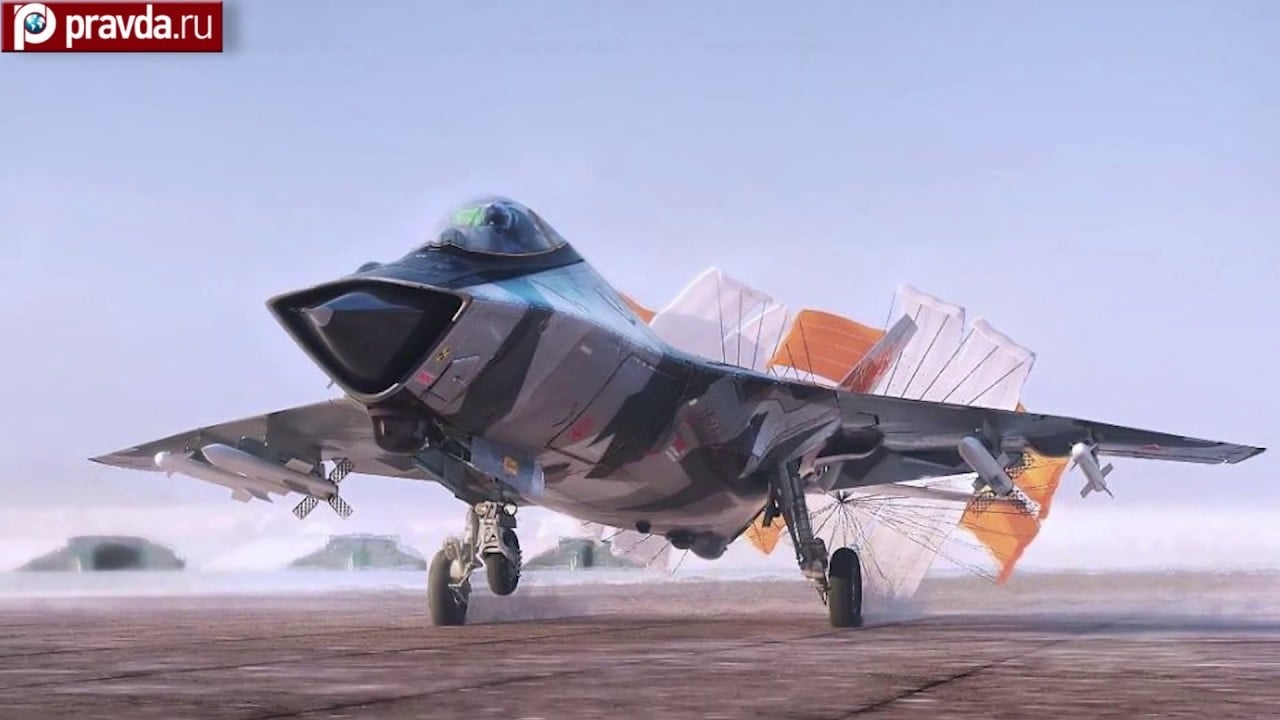
MiG-41 image. Image Credit: Russian State Media.
In 2021, Rostec Corporation, the owner of Mikoyan, announced that the PAK DP had entered its development phase. Since then, no new information has been released from official sources.
Experience in Ukraine: Rethinking the PAK-DP or MiG-41
There are several reasons the PAK-DP has yet to appear in the public square. The first, and most likely, is the war in Ukraine, first launched in 2022. This had the effect not only of pulling funds away from various projects, but also of giving the Russian Aerospace Forces a harsh dose of reality.
The Air Force has gained valuable data from Ukraine in learning what does and doesn’t work. Since Ukraine has received Western-made air defenses from NATO, the Russians have been able to test their equipment against the world’s most advanced air defenses, and the results have revealed both the strengths and weaknesses of Moscow’s air force.
Consequently, the Russian Ministry of Defense has adjusted many of its priorities to meet current and future battlefield needs, drawing on its experience in Ukraine, a shift that also applies to current and future aircraft designs. As one (alleged) Russian aerospace engineer wrote on social media, “During [the] air part of [the] special military operation we’re getting invaluable experience. It would be foolish not to incorporate it into new designs. Getting a major delay is preferable to the plane being outdated before its first flight.” Despite the somewhat dubious nature of the source, his reasoning is correct. With all the data MiG has undoubtedly gathered, it is better for the company to change or even cancel the MiG-41 rather than field an aircraft that is obsolete from the get-go and secures no customers.
What is the Purpose of the MiG-41?
Regarding the MiG-41’s specs, there is little reliable information available. The aircraft will reportedly reach Mach 4/5 and incorporate the latest in stealth technology. There is an issue with such claims.
Stealth technology, based on geometric shaping and RAM coating, is inherently adverse to high speeds. There is a reason the F-35 does not reach much above Mach 1.6: stealth shaping inherently affects an airframe’s aerodynamics, reducing its performance at higher speeds. RAM coatings are also notoriously fickle to work with. At higher speeds and temperatures, RAM paints experience greater pressure and are more prone to damage. A hypersonic stealth aircraft would require breakthroughs in both shaping techniques and ram materials, which I doubt Mikoyan is currently capable of achieving.
There is also another pertinent question: does Russia even need the PAK-DP? The MiG-31, by some accounts, has performed fairly well in Ukraine, thanks to its speed and range. If Russia needs an interceptor, surely modernizing the MiG-31 is the best and cheapest option.
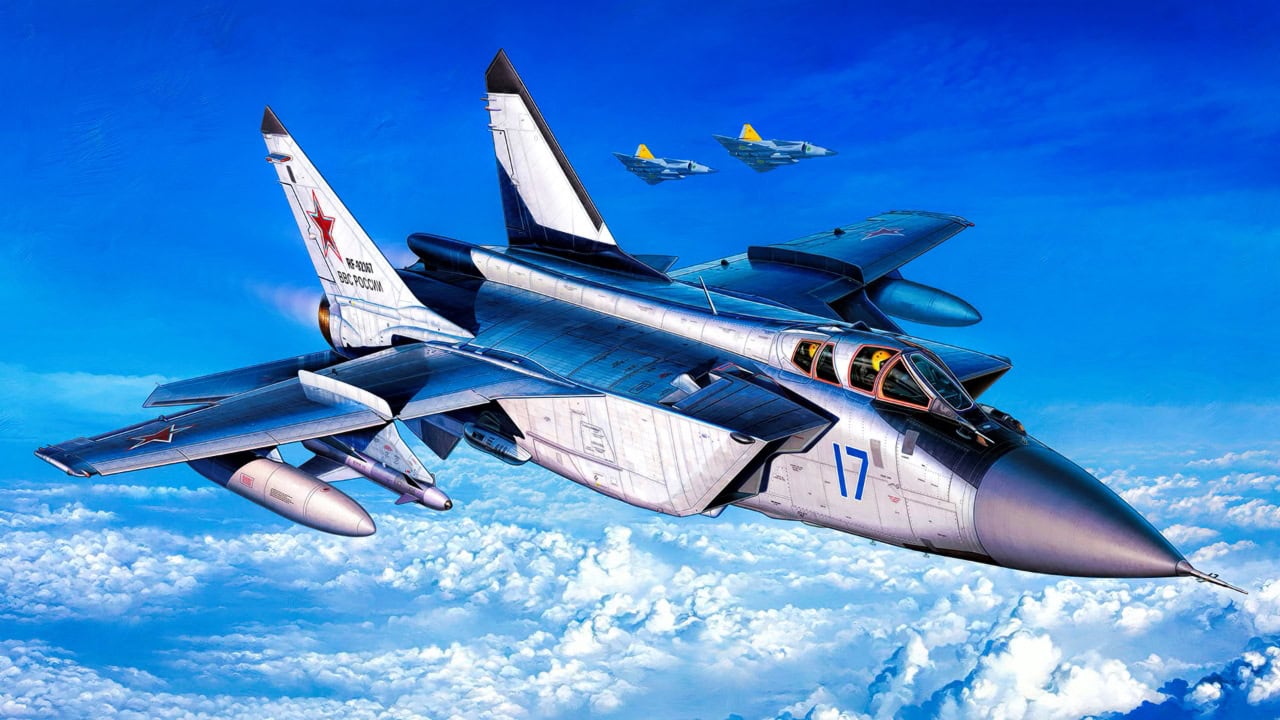
MiG-31 Fighter. Image Credit: Creative Commons.
Despite being adopted in the 80s, the MiG-31 is technically younger than the F-16 (which entered service in 1978), meaning the prospects for modernization and life-extension programs are fairly reasonable.
If the MiG-41 is intended to be a multi-role fighter, then doesn’t the Su-57 already meet those requirements? Overall, the problem is that we don’t know enough about the PAK-DP, nor do we know whether the Ministry of Defense is even interested in the project.
MORE – Russia’s Titanium K-222 Submarine Can Hit 44 Knots, and the US Navy Still Can’t Match It
About the Author: Isaac Seitz
Isaac Seitz, a Defense Columnist, graduated from Patrick Henry College’s Strategic Intelligence and National Security program. He has also studied Russian at Middlebury Language Schools and has worked as an intelligence Analyst in the private sector.