
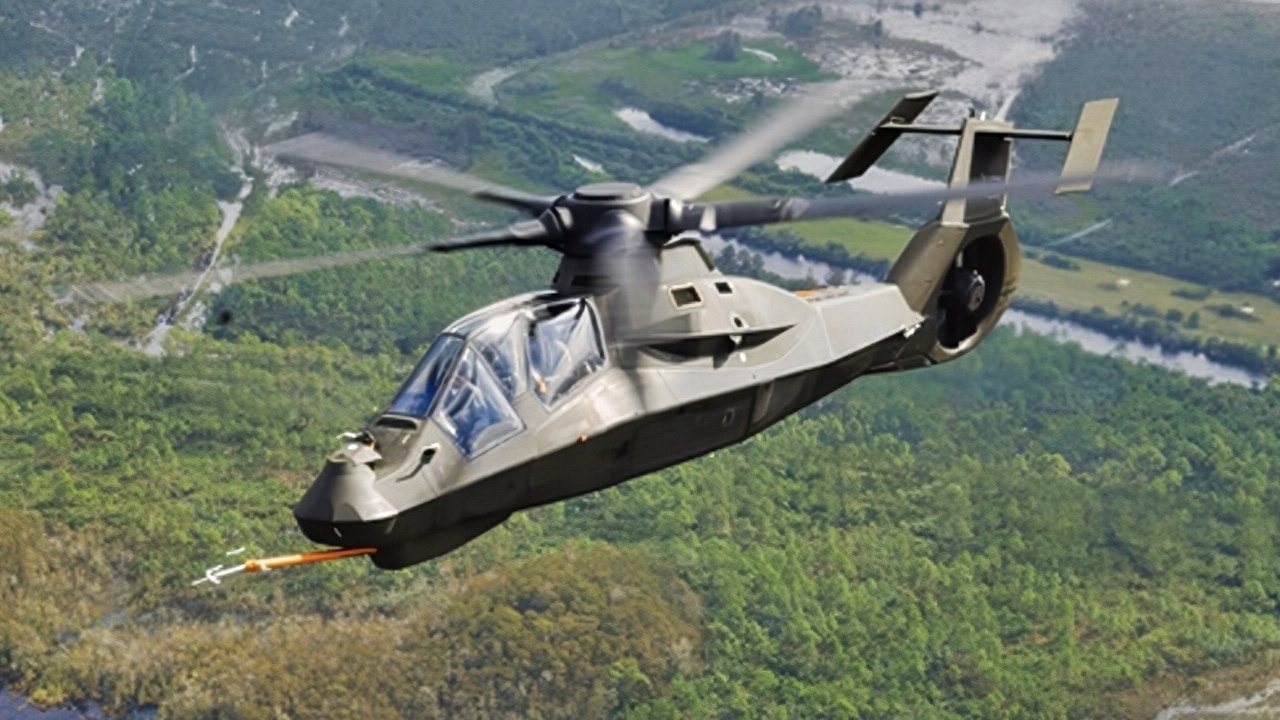
The US Army spent roughly $6.9 billion on the RAH-66 Comanche and finished two flying prototypes. Divide the program’s development cost by the number of completed aircraft, and each represents $3.45 billion. That is not a flyaway unit price. The money paid for two decades of engineering, software, sensors, engines, test facilities, and program management. It is still the bluntest measure of what the service possessed when the Defense Department terminated Comanche on February 23, 2004: two test helicopters, no operational squadron, and zero combat aircraft.
The RAH-66 Comanche Stealth Helicopter Failure
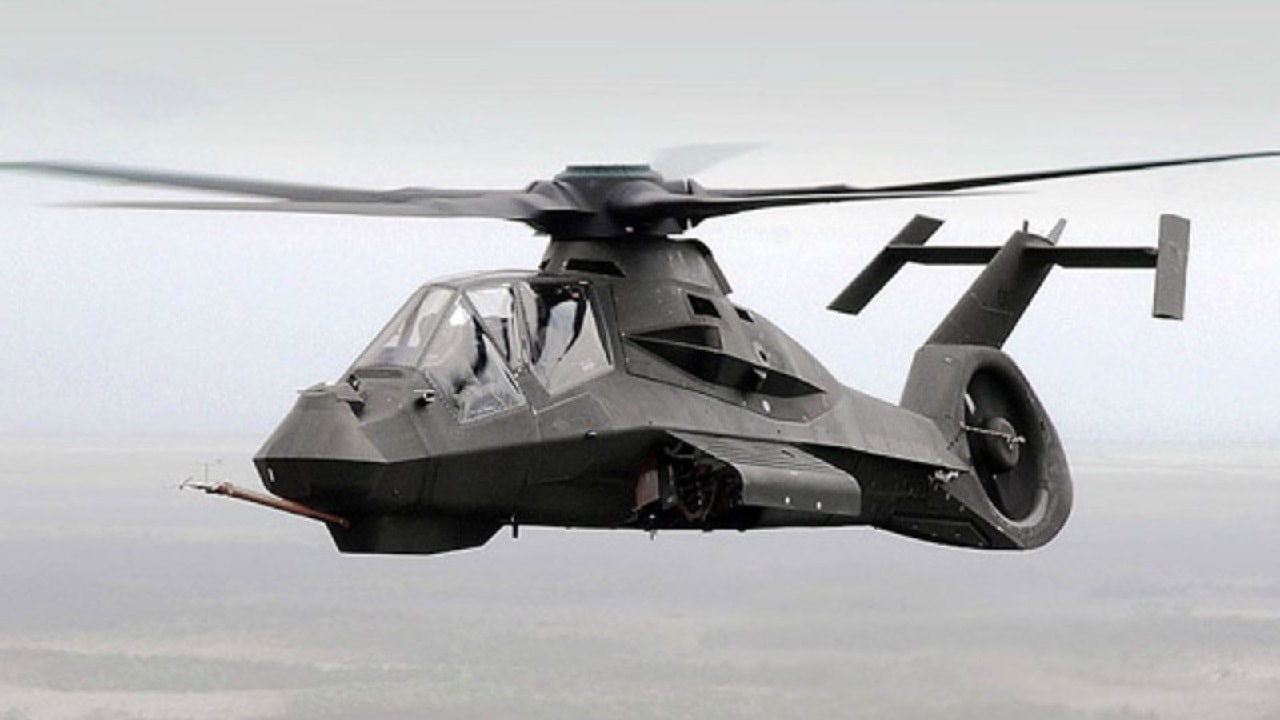
RAH-66 Comanche. Image Credit: Creative Commons.
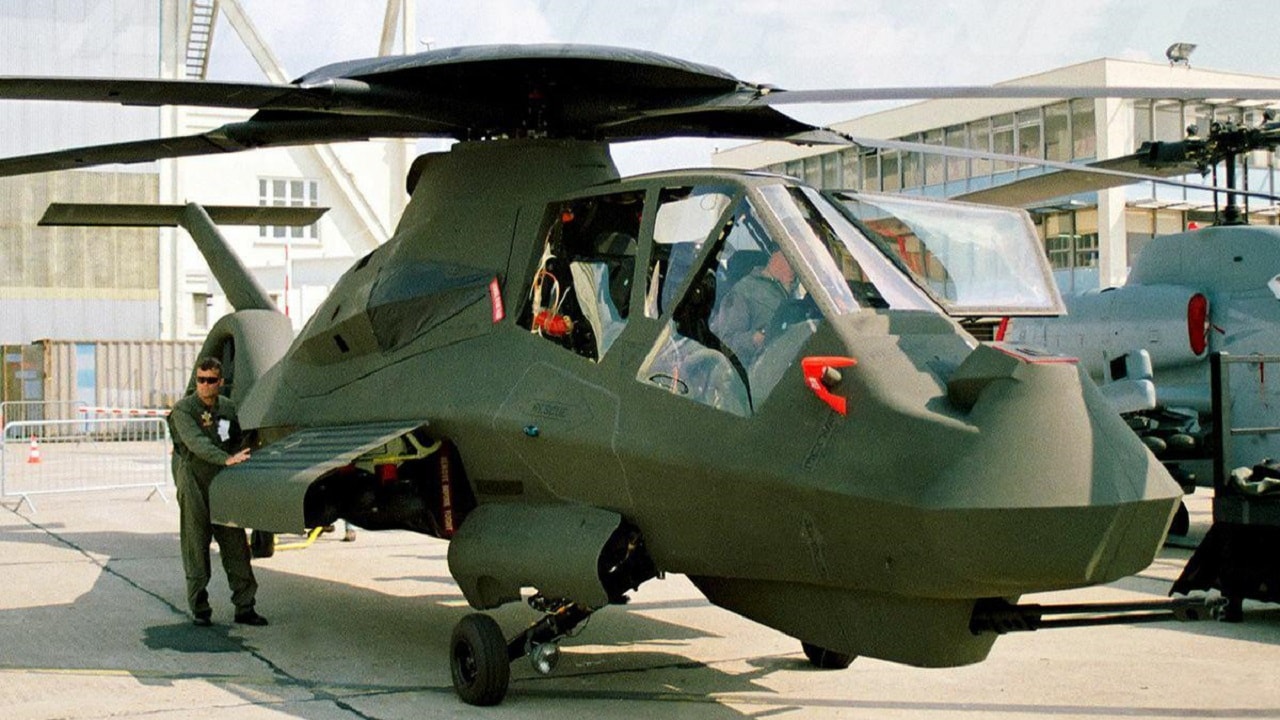
RAH-66. Image Credit – Creative Commons.
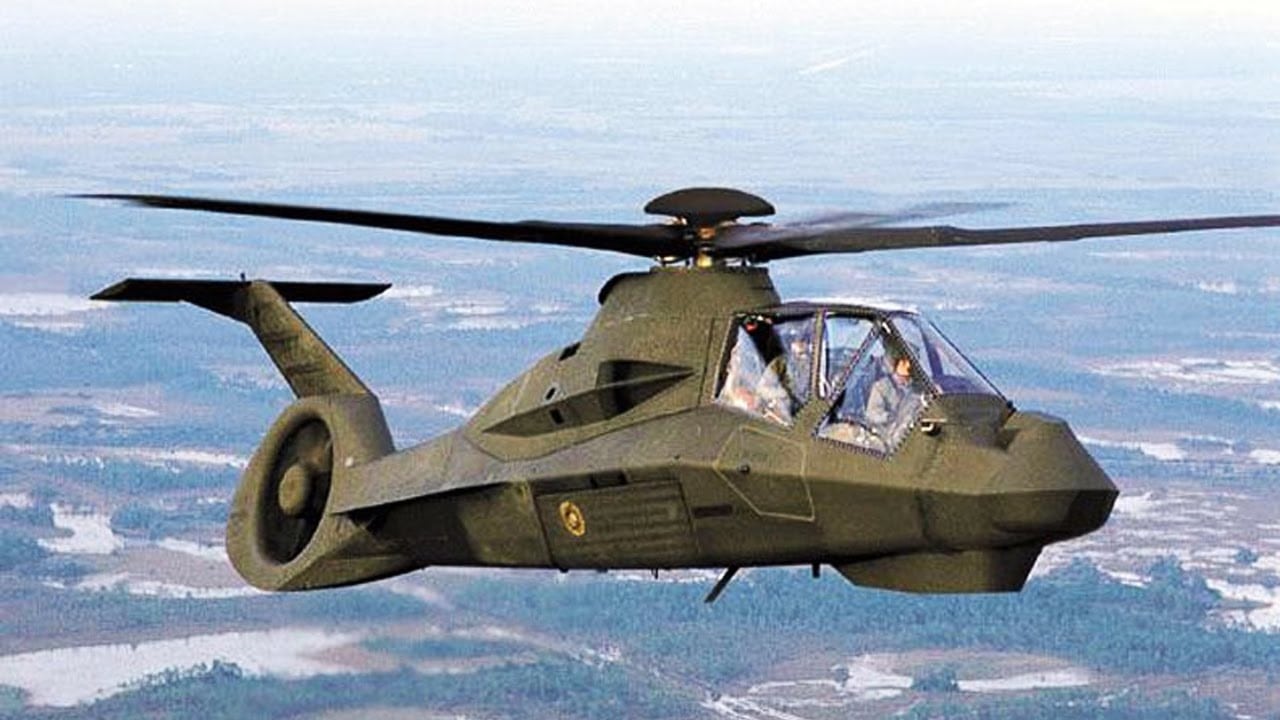
RAH-66 Comanche.
The final plan was much larger than the two airframes suggested. A 2002 restructuring cut the proposed buy from 1,213 to 650 helicopters. The Congressional Research Service placed the production phase at $26.9 billion and reported that the Defense Department added $3.7 billion to a $3.2 billion full-scale development program. Those two lines totaled $33.8 billion before operations and long-term support. Initial operational capability had slipped to September 2009, with 73 aircraft planned for low-rate production and the remaining 577 to be built at a rate of 60 per year.
Why the Comanche?
Comanche grew from the Army’s Light Helicopter Experimental effort, launched in the early 1980s to replace several aging designs.
The requirement narrowed into a stealthy armed scout intended to replace the OH-58 Kiowa and AH-1 Cobra in several formations while working ahead of the AH-64 Apache. Boeing and Sikorsky won the development competition in April 1991.
Six prototypes were once planned, but post-Cold War budget reductions eventually cut the flying test fleet to two.
The first Comanche rolled out in May 1995 and flew on January 4, 1996. The second prototype joined flight testing in March 1999. Their test history was not a mechanical catastrophe. Sikorsky’s corporate account says the basic aircraft met or exceeded its operational objectives, while the prototypes demonstrated unusual sideways and rearward maneuverability. The acquisition failed despite the fact that it produced an aircraft that flew.
The RAH-66 Comanche Was Supposed to Scout Where the Apache Could Not
The mission explained the design. Comanche crews were supposed to fly close to hostile forces at night and in poor weather, locate armored formations, classify targets, and transmit firing data to Apache units and ground commanders.
The armed reconnaissance helicopter also carried a retractable 20mm cannon and weapons in internal bays for light attack. External wings added more missiles and rockets when maximum stealth was unnecessary.
Nearly every visible feature served to reduce detection. The composite fuselage used shaped surfaces and radar-absorbing materials. Weapons, landing gear, and the cannon retracted behind doors or fairings. Engine exhaust is mixed with cooling air inside the tail to reduce its infrared signature. A five-blade main rotor and a shrouded tail rotor cut noise. Fly-by-wire controls, digital maps, helmet displays, advanced infrared sensors, and built-in diagnostics promised a scout that was harder to find and easier to maintain.
Cost Growth and Concurrency Overtook the Comanche
The Army tried to develop too many difficult systems at once. Radar, armor, navigation, communications, software, and the mission-equipment package moved forward concurrently. The 2002 restructuring pushed radar, high-level control of unmanned aircraft, Link 16, satellite communications, and other functions into later blocks. The helicopter advertised as an integrated leap in capability was being divided into stages before production began.
The Government Accountability Office calculated that Comanche’s research, development, test and evaluation estimate had grown 231 percent and its cycle time had expanded 120 percent. A separate GAO review warned the program was on course to consume about 64 percent of the Army’s projected aviation budget in fiscal 2008. That budget pressure sits behind later descriptions of the RAH-66 as a $7 billion stealth-helicopter failure. The problem was not merely the money already committed. It was the money the aircraft still demanded.
Requirements kept moving as the planned fleet shrank. The Army added the Longbow radar, more powerful engines and new networking demands while engineers fought weight and integration problems. Fewer planned aircraft left the development bill spread across a smaller fleet. The low-observable design also did not remove the basic limits facing every stealth helicopter. Rotors, vibration, heat, noise and low-altitude exposure made survivability an expensive, continuous engineering task.
The Army Chose 796 New Aircraft Over 121 Comanches
Combat after September 2001 changed the calculation. Afghanistan and Iraq exposed urgent weaknesses in aircraft already in service: inadequate missile warning, aging airframes, maintenance burdens, and shortages of modern utility and cargo helicopters. An Army review concluded that Comanche’s low observability and onboard diagnostics were not vital in the current or foreseeable operating environment. Existing fleets needed survivability upgrades immediately.
The alternative was numerical. The Army had programmed about $14 billion from fiscal 2004 through 2011 to buy 121 Comanches. Cancellation redirected the money toward 796 new aircraft and improvements to more than 1,400 existing helicopters. The package also accelerated unmanned aviation, common cockpits, deployability kits, and other work. One new fleet promised a high-end scout. The same money offered thousands of changes across an aviation force already fighting two wars.
What about drones? Unmanned aircraft demonstrated that commanders could place sensors over hostile territory without risking a two-person crew. The Army still needed armed helicopters, but upgraded Apaches later absorbed manned-unmanned teaming, allowing crews to receive or control drone sensor feeds. The reconnaissance mission began moving from one specialized stealth aircraft into a network of Apaches, unmanned aircraft and ground systems.
No Stealth Helicopter?
So, is a stealth helicopter a bad idea? That’s a tough question. The US Army was unwilling to wait until 2009 for a specialized scout, even though its operational fleet needed work immediately. The prototypes demonstrated an advanced aircraft. They did not demonstrate an affordable path to placing 650 of them in Army units.
Both surviving Comanches are held by the U.S. Army Aviation Museum at Fort Novosel, Alabama. The museum’s collection lists prototype 95-0001. No RAH-66 ever reached an Army combat unit. It is on my bucket list to visit them. To be frank, they deserve better.
Or, as a former Senior Pentagon official told me just now on the project: “What a waste of time.”
About the Author: Harry J. Kazianis
Harry J. Kazianis (@Grecianformula) is the former Senior Director of National Security Affairs at the Center for the National Interest (CFTNI), a foreign policy think tank founded by Richard Nixon based in Washington, DC. Harry has over a decade of experience in think tanks and national security publishing. His ideas have been published in the NY Times, The Washington Post, The Wall Street Journal, CNN, and many other outlets worldwide. He has held positions at CSIS, the Heritage Foundation, the University of Nottingham, and several other institutions related to national security research and studies. He is the former Executive Editor of the National Interest and the Diplomat. He holds a Master’s degree focusing on international affairs from Harvard University.