Washington is gravely concerned about China’s growing naval capabilities (especially as the US military is increasingly strained in the Ukraine and Iran Wars).
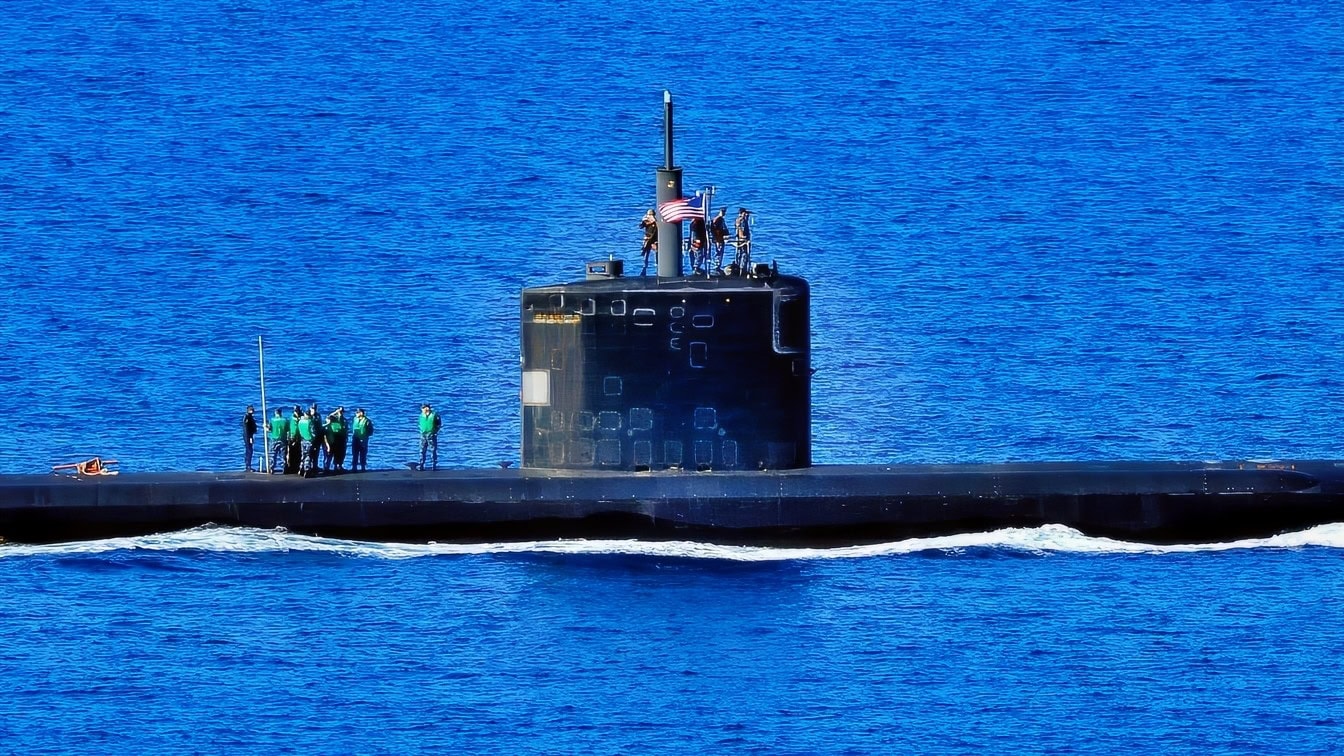
To counter what it views as a serious threat from the Chinese navy, the Pentagon is stepping up its submarine force readiness to better deter China in the Indo-Pacific.
As this publication previously reported, tensions are already escalating between Washington and Beijing. There have been repeated clashes between the Philippine Coast Guard and the Chinese Coast Guard over disputed waterways, prompting the US Navy to deploy the USS George Washington and its attendant battle group.
Meanwhile, China has deployed 11 Chengdu J-20 “Mighty Dragon” fifth-generation stealth air superiority fighters to bases within striking distance of contested territories inside northern India.
Systemic Problems With the US Navy Submarine Force
Recent US Navy submarine exercises involved multiple submarines, maintenance personnel, and other key elements of the force working in tandem to simulate the pressures of preparing subs for wartime deployment.
Officials said the goal was to identify bottlenecks while ensuring submarines could be equipped, repaired, crewed, and dispatched as rapidly as possible once a war started.
One of the biggest problems facing the current submarine force is America’s backlog in its naval shipyards.
And we’re not only referencing the languid pace of new submarine builds (which is dangerous because it is too slow).
We’re talking about the ability of the US Navy’s shipyards to adequately maintain the subs it already has in its force and keep them deployable.
Because of the backlog in America’s naval shipyards for maintenance, the repair and replenishment time of existing American submersibles is dangerously slow–creating true strategic gaps in the force itself.
Consider this brief tale: the USS Boise, a Los Angeles-class attack submarine, had sat in a maintenance queue since 2017.
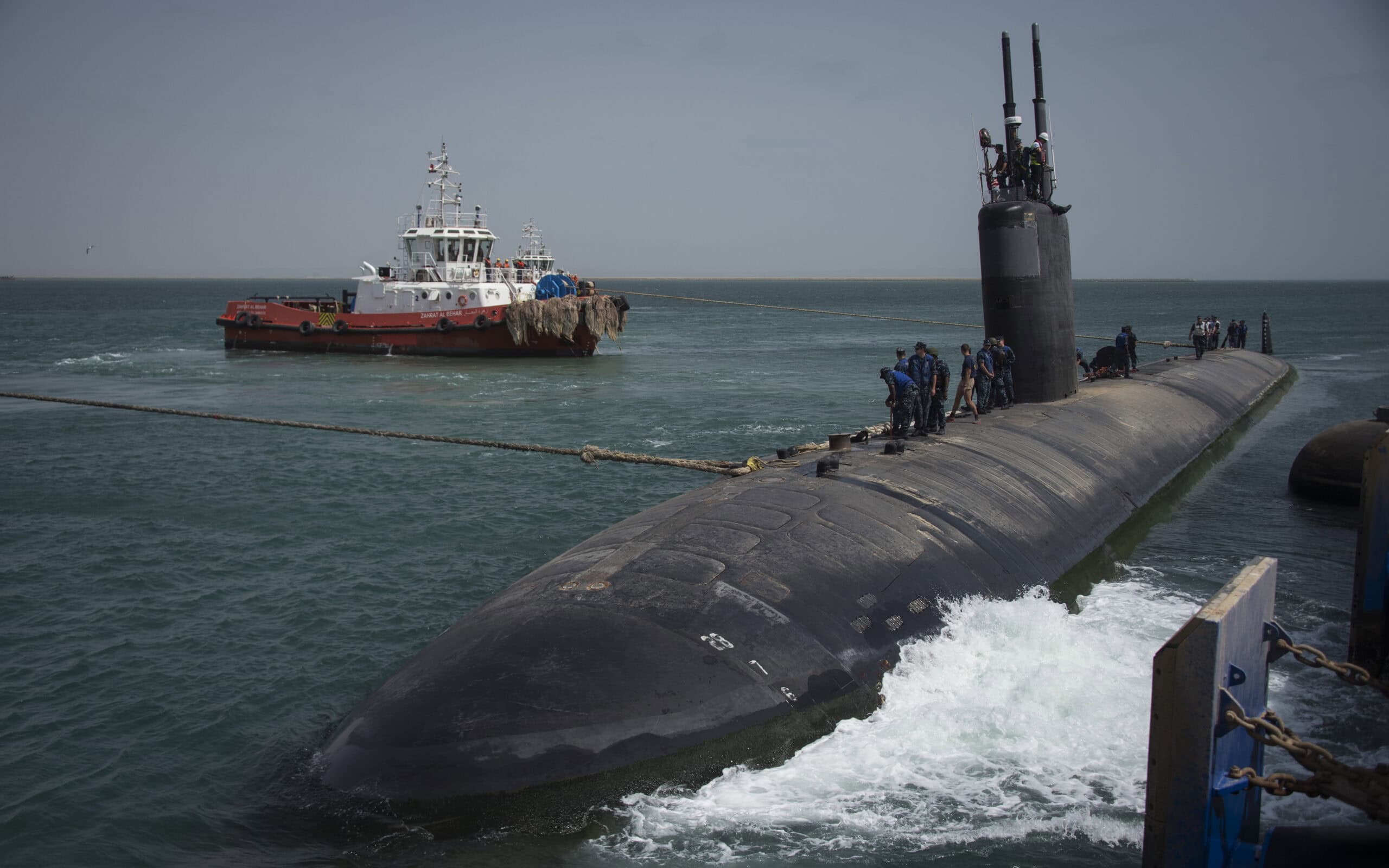
The attack submarine USS Boise (SSN 764) departs after a scheduled port visit in Duqm, Oman, Aug. 18, 2014. The Boise was the first nuclear vessel to conduct a port visit in Oman since 1996 and was the precursor to future nuclear-powered vessels conducting port calls in Oman. (U.S. Navy photo by Mass Communication Specialist 2nd Class Daniel M. Young/Not Released)
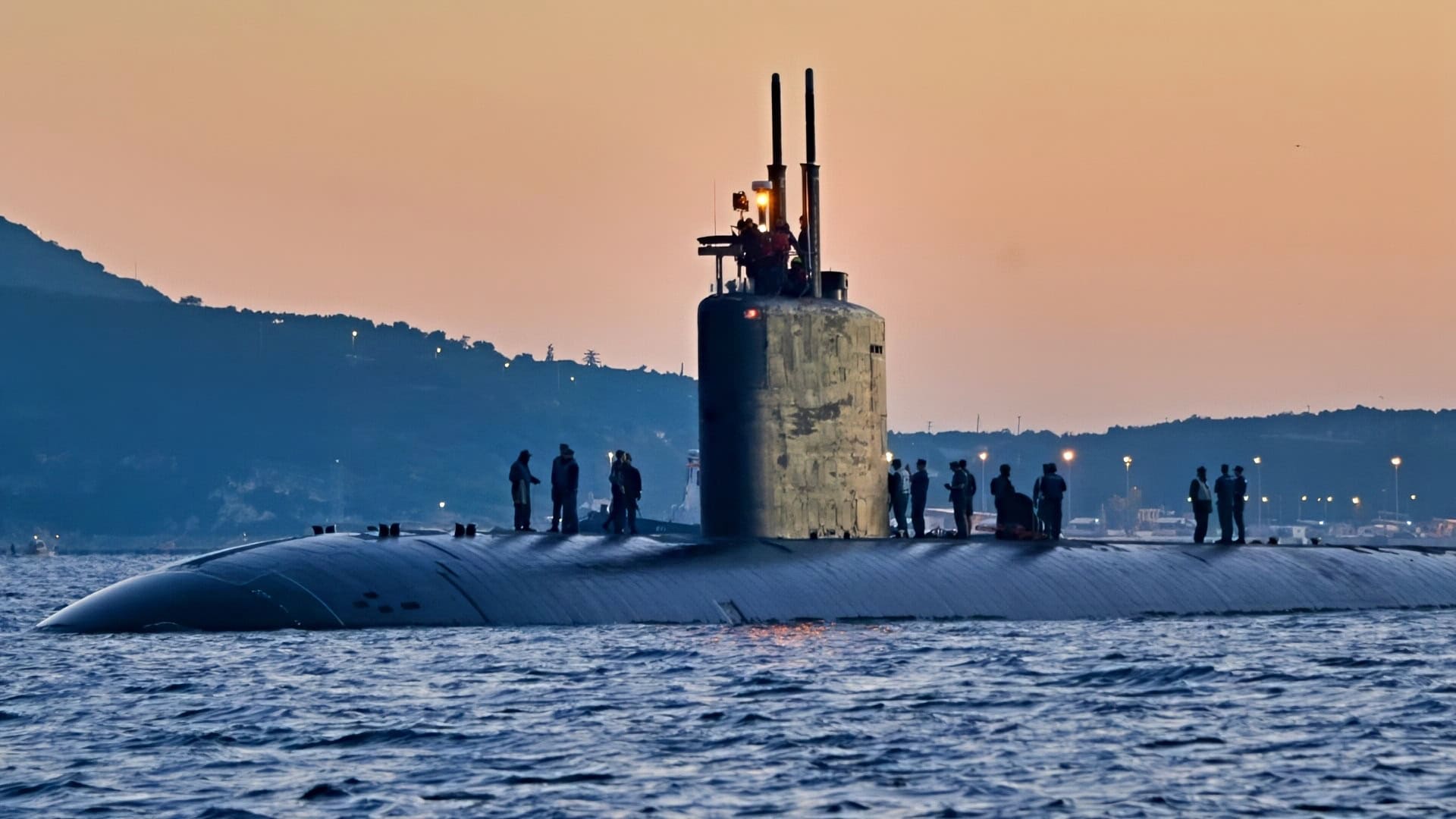
USS Boise (SSN 764) enters Souda Bay, Greece, during a scheduled port visit Dec. 23, 2014. Boise, a Los Angeles-class submarine, homeported in Norfolk, is conducting naval operations in the U.S. 6th Fleet area of operations in support of U.S. national security interests in Europe. (U.S. Navy photo by Mass Communication Specialist 2nd Class Jeffrey M. Richardson/Released)
It waited so long that the Navy decertified its dive rating and ultimately chose to mothball the sub earlier than planned because shipyard wait times were too long. It was cheaper to end the submarine’s lifecycle than let it languish like some post-Soviet submarine would have languished in the shipyard waiting for maintenance.
The Importance of Submarines For the US Navy
Attack submarines remain among the most important assets in the United States Navy.
Unlike aircraft carriers or large surface warships, nuclear-powered submarines can operate undetected for months at a time, gathering intelligence, tracking enemy ships, launching cruise missiles, hunting submarines, and supporting special operations forces.
That component of stealth makes submarines especially important in any possible war with China.
China’s anti-access/area-denial (A2/AD) defenses are supremely robust.
They can effectively threaten aircraft carriers and surface warships enough that Washington would hesitate to deploy them into combat near those Chinese A2/AD systems.
But submarines can still operate in those contested waters and provide real strike options for a constrained US Navy.
The only problem is that generating a force of submarines under current logistical conditions is difficult. Meanwhile, China possesses the world’s largest Navy (by number of ships) and continues to expand both its surface and submarine forces.
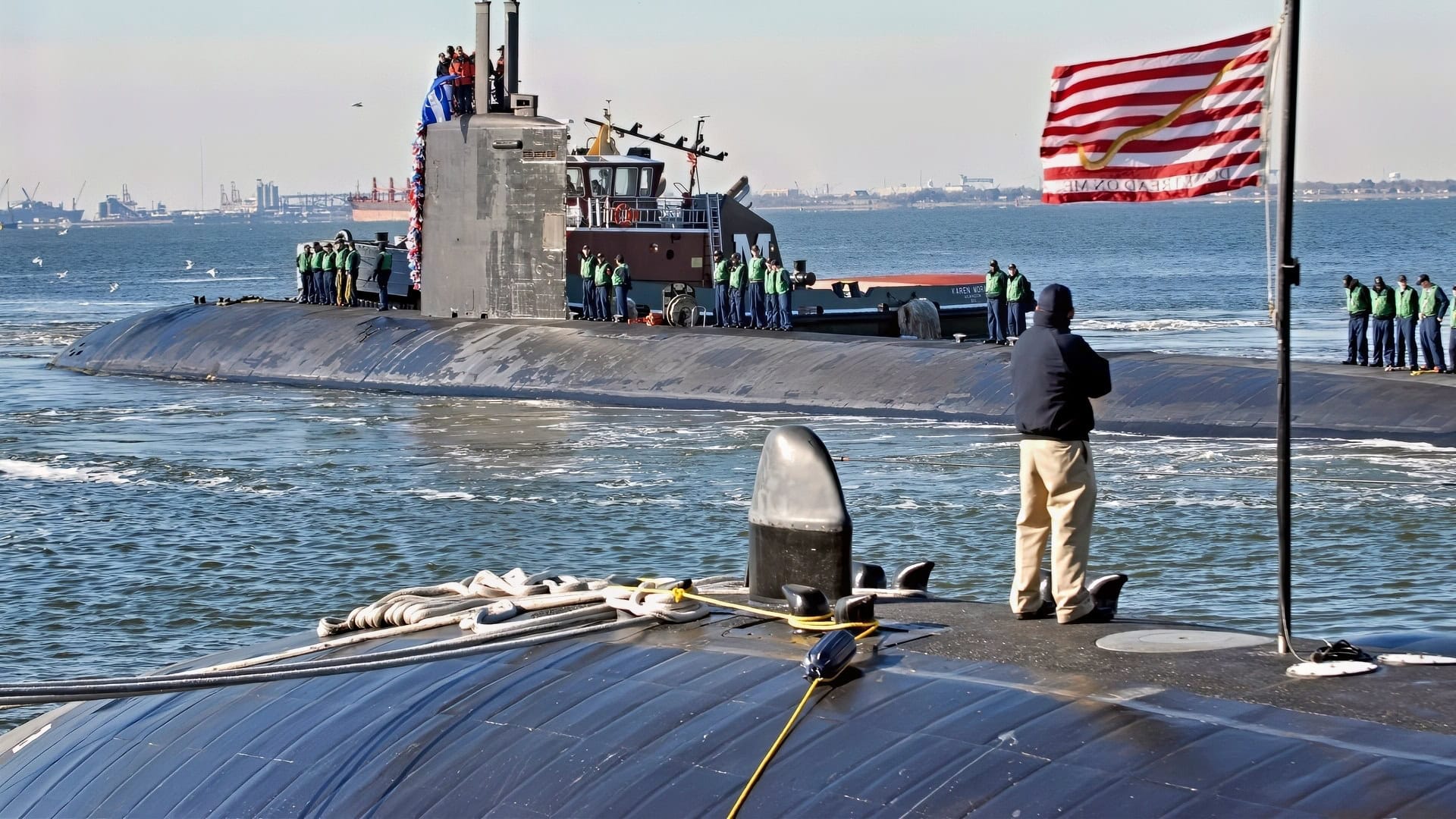
NORFOLK, Va. (Dec. 23, 2008) – The Los-Angeles class attack submarine USS Boise (SSN 764) returns to Norfolk following her regularly scheduled deployment. While deployed, Boise participated in five anti-submarine warfare exercises with several European Allies and performed two missions that supported Commander, U.S. Sixth Fleet objectives and national security interests of the United States. (U.S. Navy photo by Mass Communication Specialist 1st Class Todd A. Schaffer / Released)
While American subs are generally regarded as quieter and more technologically advanced, US defense officials have already warned that China’s growing production capacity could narrow that qualitative advantage significantly (especially if the US cannot maintain sufficient fleet readiness and construction rates).
The First Island Chain Is Lost
To address these problems, the Navy has invested significantly in submarine construction and in expanding its industrial base. But these investments neither address the legislative nor the logistical bottlenecks.
The reforms also would not really keep Americans ahead of the Chinese in the near term (and, as John Maynard Keynes once wrote, in the long run we’ll be dead).
So, as competition between Washington and Beijing continues, the submarine force remains one of the US military’s most powerful tools for deterrence.
Ensuring those submarines can deploy quickly and operate effectively is increasingly becoming a central element of American strategy in the Indo-Pacific.
Many experts, however, are questioning whether the Chinese have already achieved overmatch in the First Island Chain (the region extending from the Kamchatka Peninsula, Japan, Taiwan, and the Philippines). Any attempt to change that, short of a major, brutal war, is unlikely.
MORE – The F-22 Raptor Can’t Be Built Anymore
About the Author: Brandon J. Weichert
Brandon J. Weichert is the Senior National Security Editor at 19FortyFive.com. He also manages The Weichert Brief on Substack. Weichert also hosts “National Security Talk” on Rumble. He is the author of four bestselling national security books, the most recent of which is A Disaster of Our Own Making: How the West Lost Ukraine (Encounter Books). Follow him via Twitter/X @WeTheBrandon.