
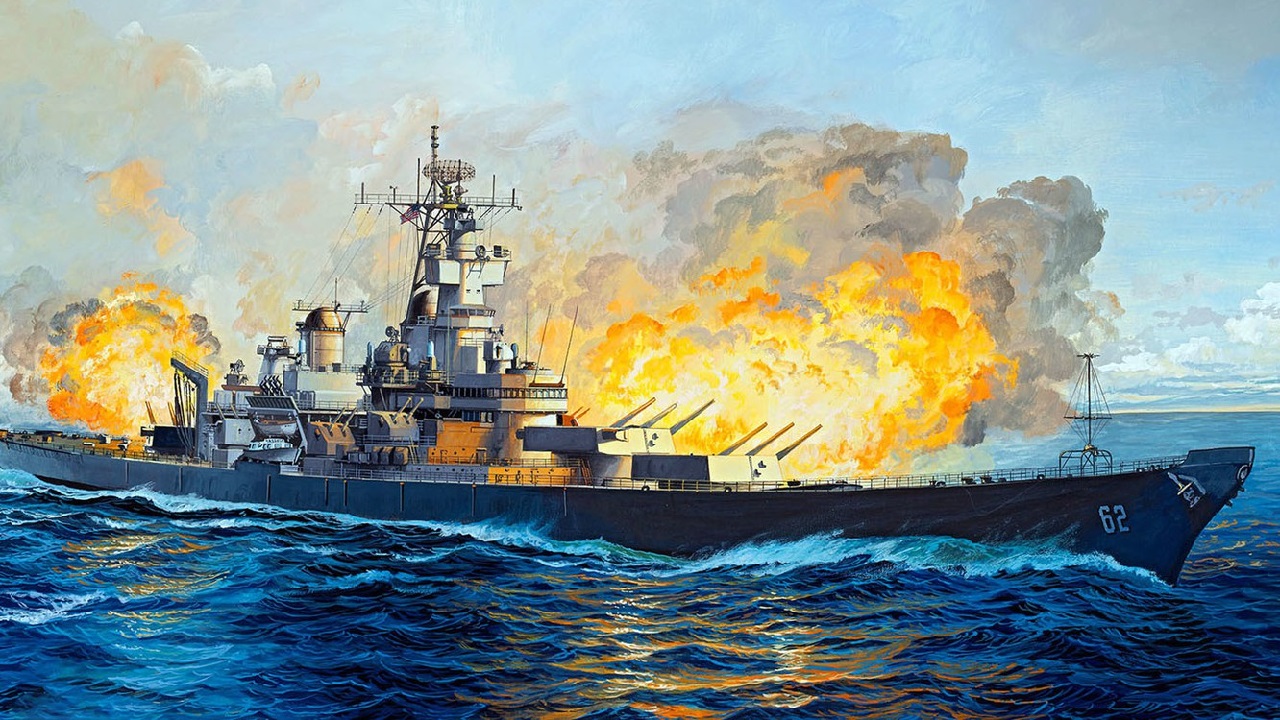
USS Gerald R. Ford Aircraft Carrier Deployed for 326 Days. Battleship New Jersey Did 331 – USS Gerald R. Ford returned to Norfolk on May 16, 2026, after a 326-day deployment. The Ford-class carrier covered more than 57,713 nautical miles, completed 23 replenishments at sea, and supported 12,200 flight launches during an 11-month cruise across four fleet areas. Aircraft carrier USS Abraham Lincoln is still deployed as of August 15. The Nimitz-class carrier has spent more than 260 days away from San Diego and more than 200 days without a port call while supporting operations connected to the war with Iran.
Those numbers place both carriers among the longest modern deployments by major U.S. warships. An Iowa-class battleship still edged Ford. USS New Jersey left Long Beach on June 9, 1983, and returned on May 5, 1984.
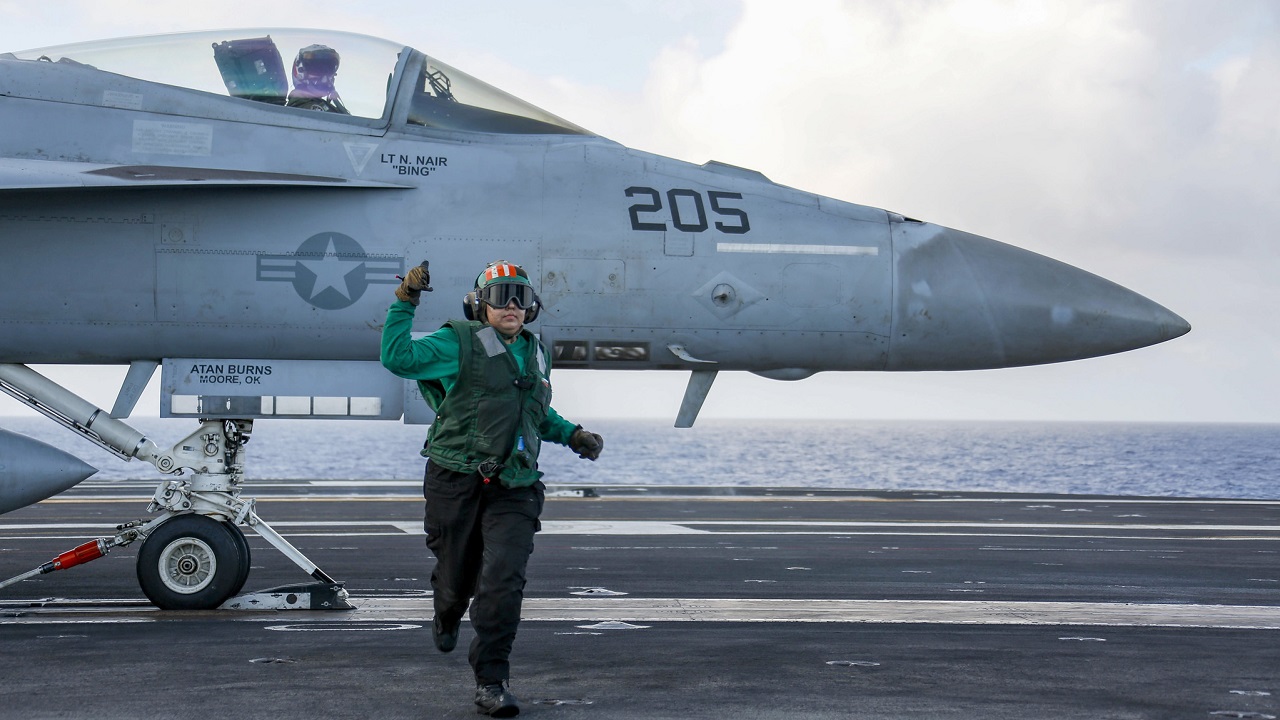
Aviation Boatswain’s Mate (Equipment) 3rd Class Anatalia Zamora, from Midland, Texas, runs to a safe distance before an F/A-18E Super Hornet assigned to the “Tophatters” of Strike Fighter Squadron (VFA) 14 launches from the flight deck of the Nimitz-class aircraft carrier USS Abraham Lincoln (CVN 72). The Abraham Lincoln Carrier Strike Group is on a scheduled deployment in the U.S. 7th Fleet area of operations to enhance interoperability through alliances and partnerships while serving as a ready-response force in support of a free and open Indo-Pacific region. (U.S. Navy photo by Mass Communication Specialist 3rd Class Michael Singley) 220228-N-MM912-1137
The often-repeated 311-day figure is 20 days short. A contemporary Navy account recorded exactly 331 days between departure and homecoming. The U.S. Naval Institute later counted 322 days underway and 76,000 nautical miles traveled.
A 3.5-Month Cruise Became a Global Mission
Battleship USS New Jersey had been recommissioned on December 28, 1982, as the first Iowa-class battleship reactivated under President Ronald Reagan’s 600-ship Navy program.
Her first deployment was supposed to last three and a half months and take the ship to the Far East.
The battleship crossed the Pacific, stopped at Pearl Harbor, the Philippines, Singapore, and Thailand, and exercised with the Seventh Fleet. On July 24, orders sent her back toward Central America as Washington sought a visible naval presence near Nicaragua and El Salvador.
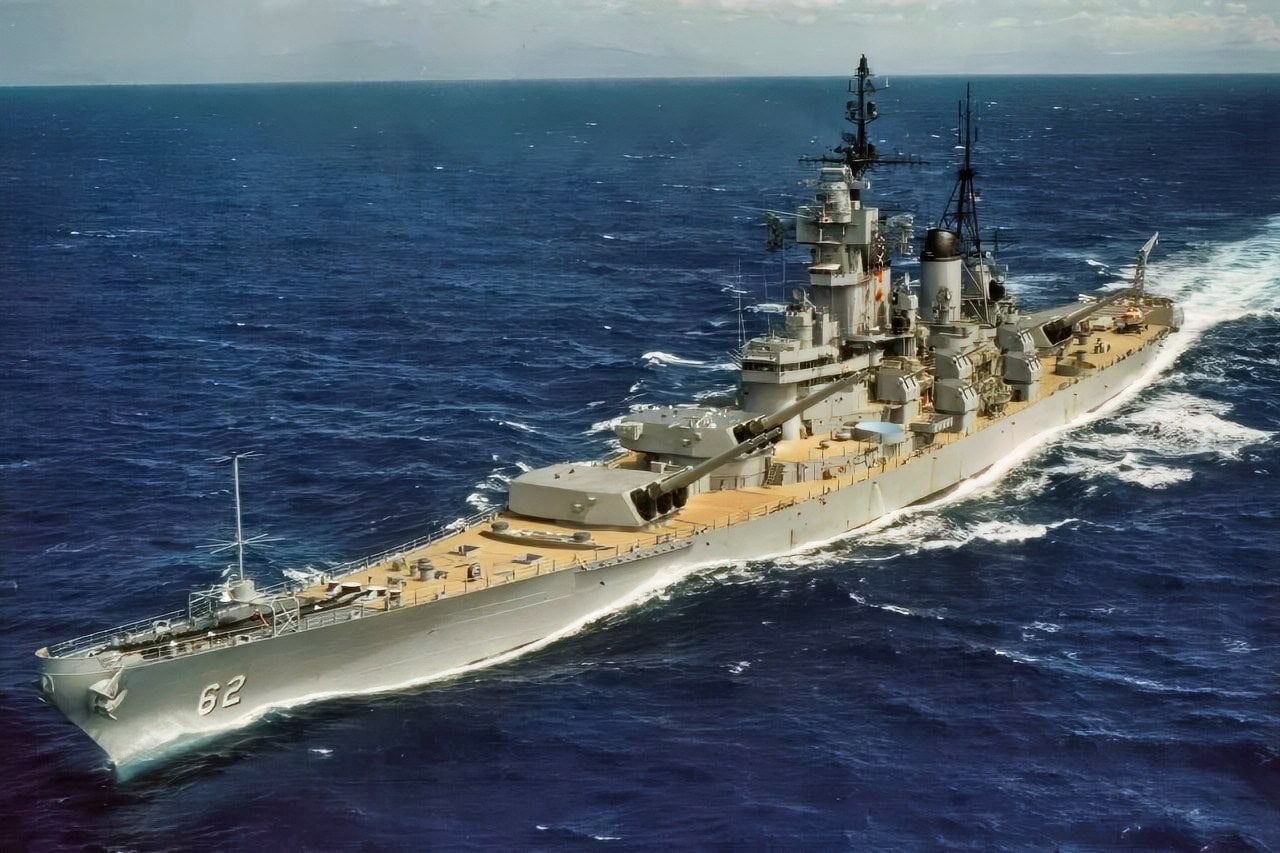
USS New Jersey Battleship. Image Credit: Creative Commons.
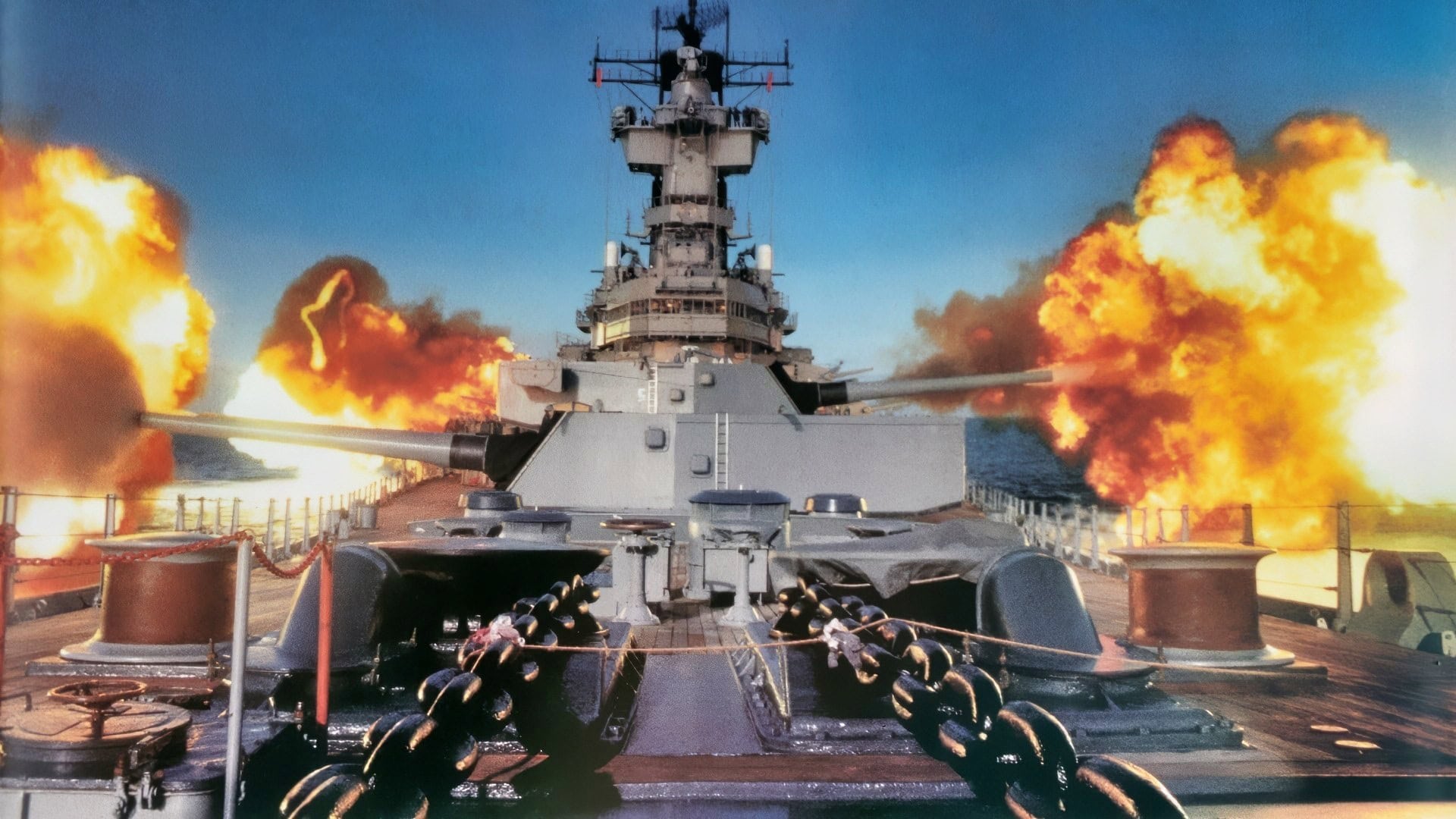
Copy negative of the US Navy (USN) Iowa Class (as built) Battleship USS NEW JERSEY (BB 62) firing a 21-gun broadside. Exact date shot unknown. Image Credit: Creative Commons.
New Jersey reached the region on August 26 and relieved a carrier battle group. Two weeks later, another crisis changed the schedule. Orders issued on September 9 directed the battleship through the Panama Canal, across the Atlantic, and into the Mediterranean.
New Jersey Reached Beirut on September 25
Lebanon was in the middle of a civil war following Israel’s 1982 invasion. U.S. Marines serving with a multinational peacekeeping force had come under repeated mortar, rocket, and artillery fire near Beirut International Airport.
Within hours of New Jersey’s September 25 arrival, a ceasefire took effect. Her size and nine 16-inch guns offered an unmistakable display of force, but deterrence did not end the violence.
On October 23, a bomber destroyed the Marine barracks at the airport, killing 241 American servicemembers. One was New Jersey Chief Petty Officer Michael W. Gorchinski, who had volunteered to help Marines repair a radar system. Personnel from the battleship helped rescue and treat survivors.
The 16-Inch Guns Returned to Combat
On December 14, New Jersey fired 11 16-inch shells at hostile positions after Syrian and Druze anti-aircraft batteries engaged U.S. reconnaissance aircraft. They were her first main-battery rounds fired in combat since Vietnam.
The strike also exposed the difficulties of using a battleship’s main battery in a confused modern battlefield. Long range, weak aerial spotting, and poorly remixed powder reduced its effectiveness.
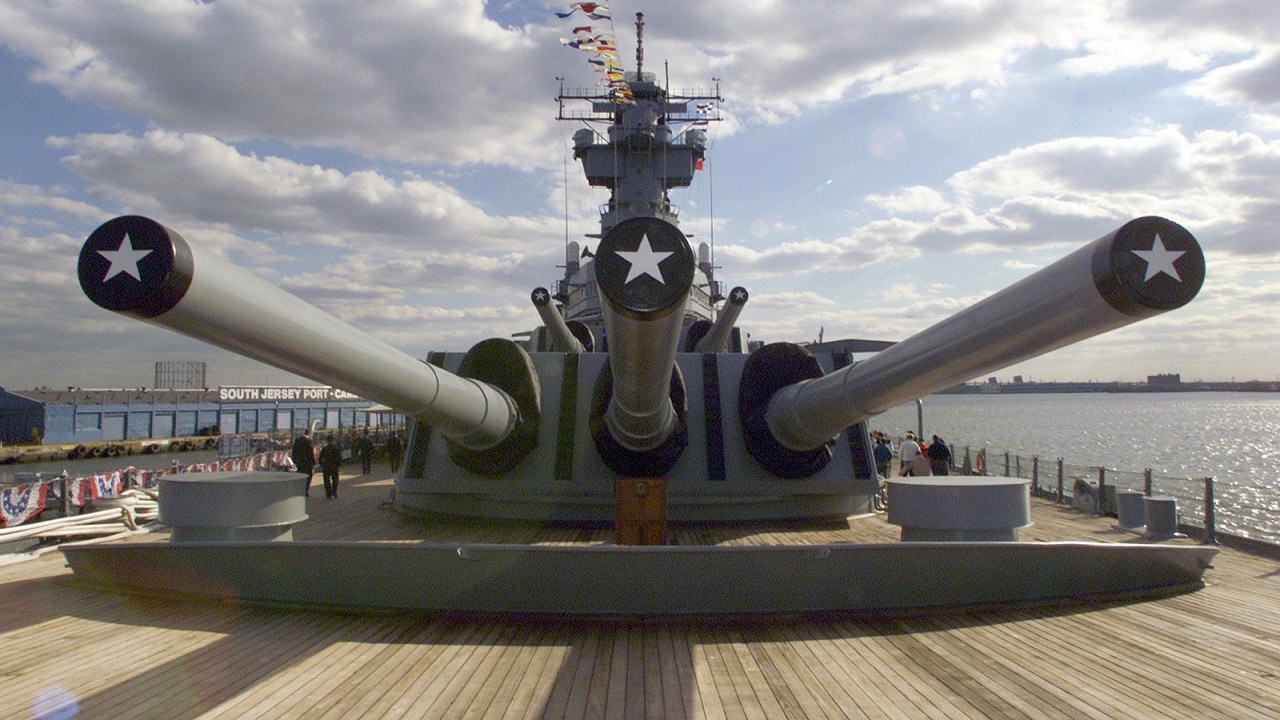
A head on view of the forward 16″ gun turrets on the USS NEW JERSEY (BB 62).
The larger bombardment came on February 8, 1984. New Jersey fired 288 16-inch rounds roughly 15 miles inland against Druze, Shiite, and Syrian positions.
It was the heaviest American naval shore bombardment since the Korean War and the final major chapter in New Jersey’s four-conflict combat record.
The weapons were enormous.
The Iowa class fired 2,700-pound armor-piercing projectiles, while high-capacity shells supplied the explosive force needed for shore targets. Raw firepower did not repair Lebanon’s collapsing political order.
The Deployment Showed the Power and Limits of a Battleship
By February, the Lebanese Army was breaking apart, and President Reagan ordered the Marines offshore.
New Jersey fired 13 more 16-inch rounds on February 26 after another U.S. reconnaissance aircraft came under fire. She remained in the area until April 3.
The battleship spent 170 of 191 days assigned off Lebanon, interrupted by brief visits to Israel and Egypt.
The extension became long enough for Naval Reserve volunteers to replace regular sailors for periods of four to eight weeks, allowing more than one-third of the crew to take leave.
This was the hidden cost behind the deployment record. New Jersey moved from the western Pacific to Central America and then to Beirut, serving with all four active U.S. fleets.
The same flexibility deferred maintenance, strained families, and forced the Navy to improvise a crew-rotation system aboard a warship with no ready replacement. USS Iowa did not return to service until April 28, 1984.
The cruise matters because it showed what a heavily armed surface ship could and could not deliver. New Jersey brought visible power and unmatched naval gunfire to a crisis. She suppressed artillery and supported exposed Marines.
She did not give Washington a clear political end state or rescue a peacekeeping mission after its foundations collapsed. The same tradeoff still sits beneath arguments over bringing the Iowa-class battleships back.
New Jersey made port calls in Italy and France, crossed the Panama Canal, and tied up at Pier 6 in Long Beach on May 5. The battleship then entered a long-delayed availability and received her first 16-inch barrel replacement since 1954.
About the Author: Harry J. Kazianis
Harry J. Kazianis (@Grecianformula) was the former Senior Director of National Security Affairs at the Center for the National Interest (CFTNI), a foreign policy think tank founded by Richard Nixon based in Washington, DC. Harry has over a decade of experience in think tanks and national security publishing. His ideas have been published in the NY Times, The Washington Post, The Wall Street Journal, CNN, and many other outlets worldwide. He has held positions at CSIS, the Heritage Foundation, the University of Nottingham, and several other institutions related to national security research and studies. He is the former Executive Editor of the National Interest and the Diplomat. He holds a Master’s degree focusing on international affairs from Harvard University.

