
Summary and Key Points: The US Navy intended to build about 29 Seawolf-class attack submarines. It built three. The class was designed for the hardest possible fight — faster than a Los Angeles-class boat, capable of diving deeper, significantly quieter, with eight torpedo tubes and room for up to 50 weapons — and then the Soviet Union collapsed, the budget went with it, and the program was cut to Seawolf, Connecticut, and Jimmy Carter. Thirty years later, the consequences are arriving. The Navy is retiring Los Angeles-class boats it cannot replace; Virginia-class production is running at 1.1 to 1.2 submarines per year against a goal of two; and the capacity that was deferred in the 1990s cannot be regenerated quickly.
The Seawolf-Class Submarine Problem Is Decades in the Making
The U.S. Navy has decided to inactivate the Los Angeles-class attack submarine USS Boise (SSN-764) rather than complete a long-delayed overhaul that had already cost roughly $800 million and was projected to require another $1.9 billion before the boat could return to service. The April 10 decision ends years of uncertainty for a submarine that has been out of operational service since 2017 after missing its scheduled maintenance window and getting stuck in a backlog of shipyard work.
The move is calculated, too. Continuing to invest billions of dollars into an aging submarine no longer makes any sense when those resources could be directed toward newer vessels. But Boise’s removal is not an isolated incident, and it is not uncontroversial – it is part of a pattern in which the Navy is losing attack submarines faster than it can replace them.
It’s a gap that dates back to a Cold War-era decision to abandon plans for a large fleet of Seawolf-class submarines and instead only build three.
Now, as Los Angeles-class boats retire and Virginia-class production struggles to reach expected levels, the consequences of that decision are becoming increasingly visible.
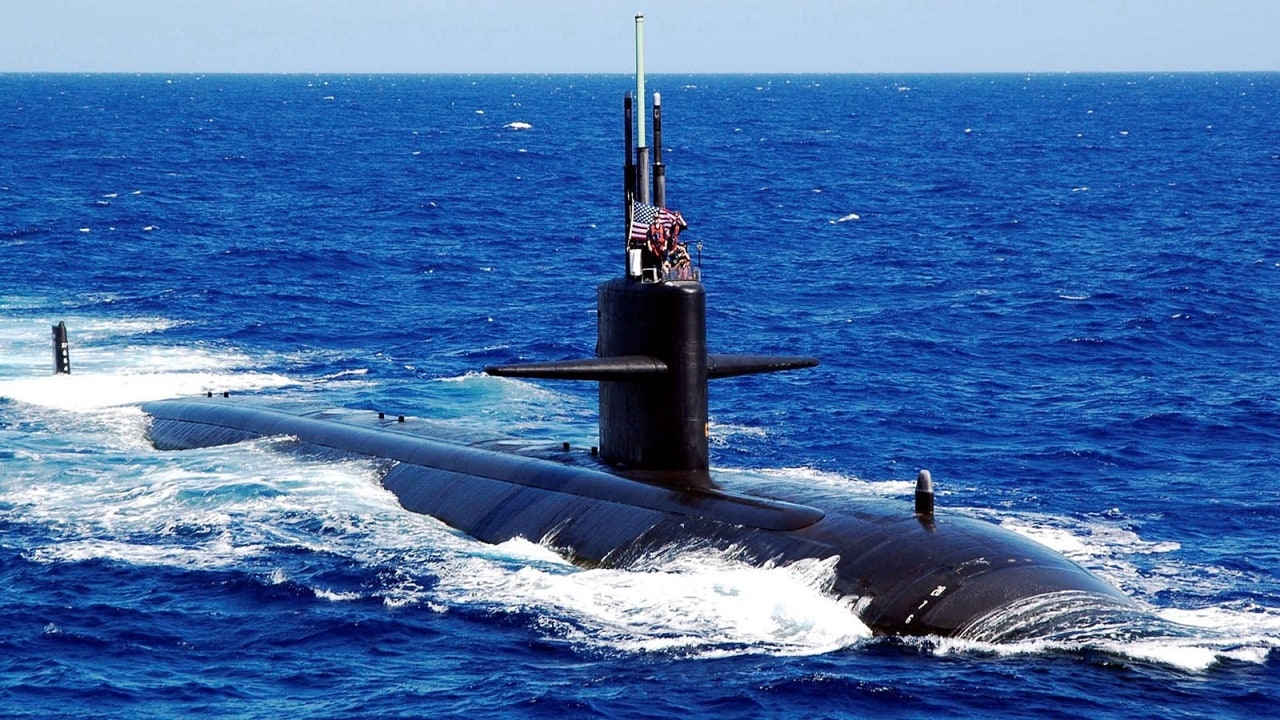
US Navy Los-Angeles Attack Submarine. Image Credit: Creative Commons.
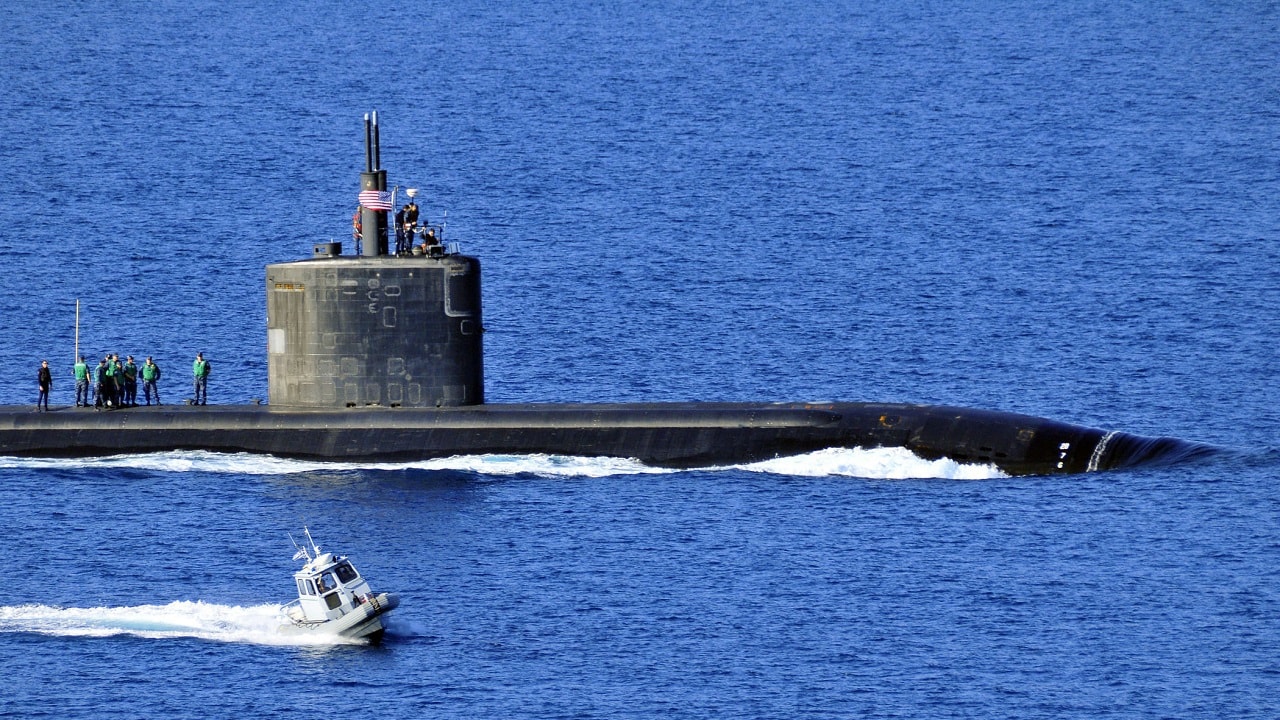
Los-Angeles Class submarine USS Annapolis.
The Problem Right Now
The Boise incident reflects the structural issues that have long plagued the U.S. shipbuilding sector.
The Los Angeles-class submarine entered service in 1992 and was due for a major overhaul beginning in 2017. That overhaul was delayed for years due to limited shipyard capacity, leaving the submarine idle while awaiting maintenance.
By the time the work was set to begin, costs had escalated significantly. Navy officials ultimately determined that completing the overhaul would not be cost-effective given the submarine’s age and the remaining service life it could provide.
Ending the effort frees up shipyard capacity and funding, yes, but it also removes one more operational hull from the fleet. And this trade-off is becoming increasingly common.
The Navy can justify each individual retirement or cancellation on cost or industrial grounds, but taken together, the decisions reduce the size of the attack submarine force at a time when demand for undersea capabilities is increasing.
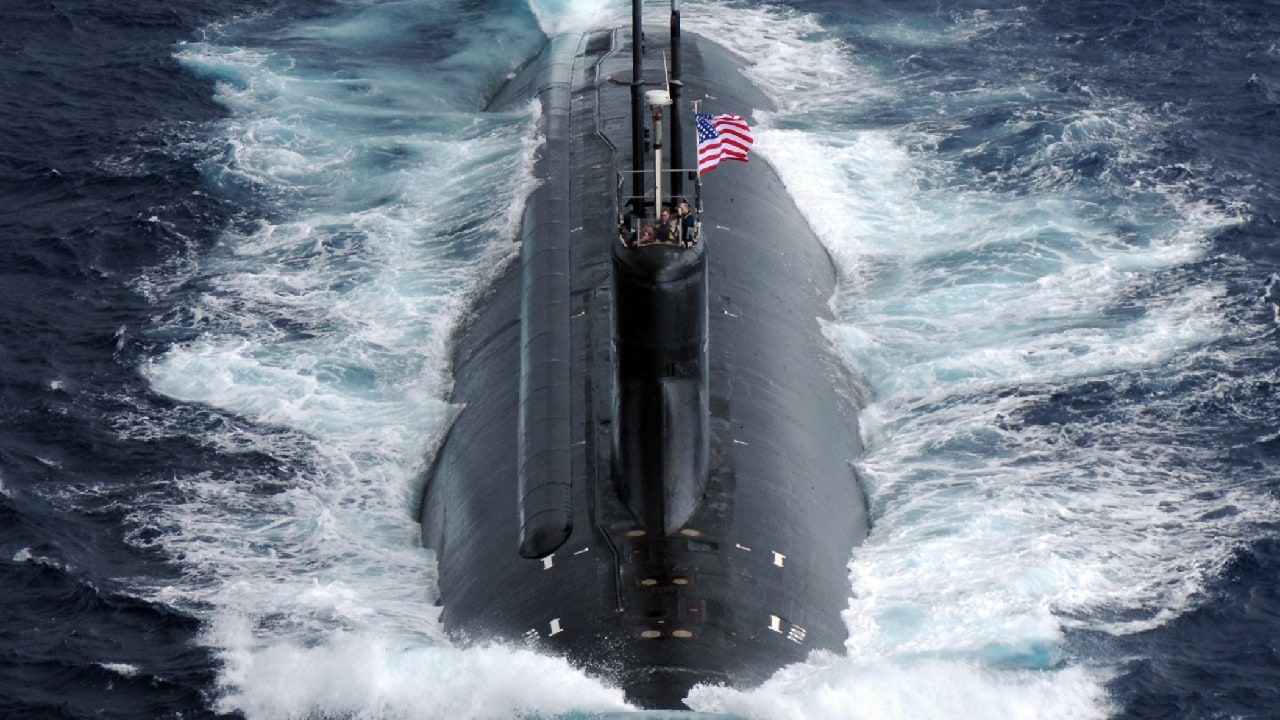
The Seawolf-class fast-attack submarine USS Connecticut transits the Pacific Ocean during Annual Exercise. ANNUALEX is a yearly bilateral exercise with the U.S. Navy and the Japan Maritime Self-Defense Force.
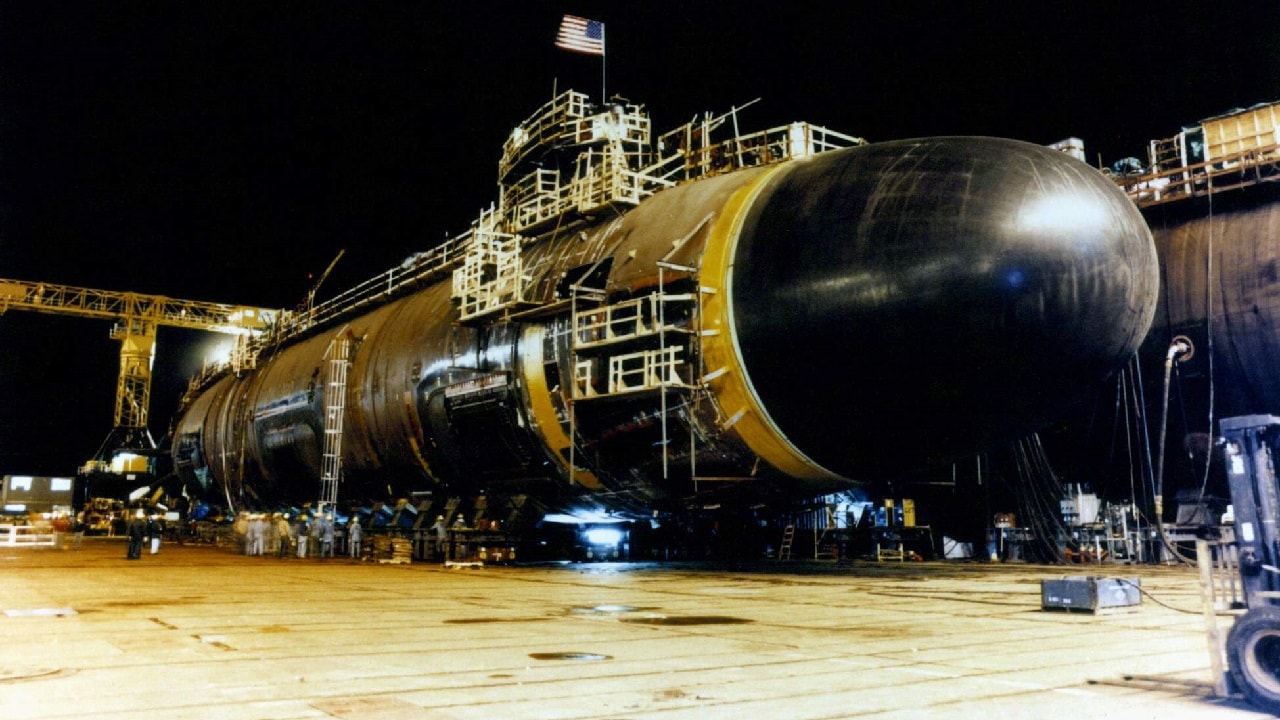
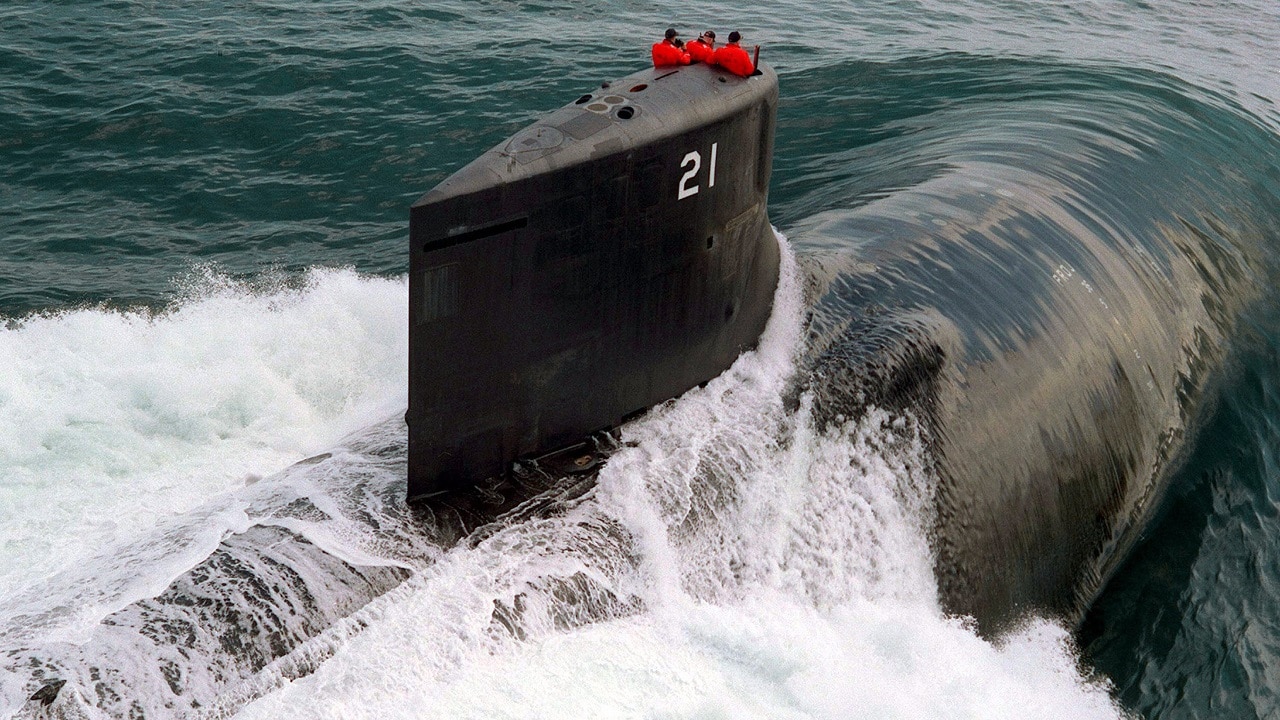
The first of a revolutionary new class of fast attack submarine, the Seawolf (SSN-21). Shown during construction at the Electric Boat Division of General Dynamics Corporation in Groton, Conn. She was christened by Margaret Dalton, wife of Secretary of the Navy John H. Dalton, on June 24, 1995.
The Seawolf-Class Fleet That Never Happened
The roots of the problem go back to the end of the Cold War. The Seawolf-class submarine was originally designed as the Navy’s next-generation attack submarine, optimized for high-end conflict against the Soviet Union.
It featured greater speed, deeper-diving capability, and significantly improved stealth compared to the Los Angeles-class, along with eight torpedo tubes and a capacity for up to 50 weapons.
Initial plans called for a fleet of roughly 29 Seawolf submarines. That number was reduced as defense budgets declined following the collapse of the Soviet Union, and the program was ultimately truncated after just three boats were completed in the 1990s.
The three submarines – USS Seawolf, USS Connecticut, and USS Jimmy Carter – remain among the most capable attack submarines in the world. USS Jimmy Carter includes a 100-foot multi-mission platform designed for specialized operations, which further expands its already impressive capabilities.
However, the boats do not provide the numerical strength that a much larger fleet would have delivered. Instead, the Navy continued to rely on the Los Angeles-class far longer than originally intended.
The Retirement of the Los Angeles-Class
The Navy can no longer lean on the Los Angeles-class in the way it did. Those submarines have served as the backbone of the Navy’s attack submarine force for roughly 4 decades, performing anti-submarine warfare, anti-surface warfare, intelligence collection, special operations support, and land-attack strike operations.
As of late 2025, approximately 24 Los Angeles-class submarines remained in commission – a number that has been steadily declining as older boats reach the end of their service lives. Many submarines require increasingly complex and expensive maintenance to remain operational, placing additional strain on an already-struggling shipyard system.
Boise is not the only example of this strain. Maintenance delays across the submarine force have been well documented, with attack submarines spending extended periods waiting for repairs rather than deploying.
Each delay reduces operational availability, while each retirement reduces total fleet size.
Virginia Cannot Arrive Fast Enough
The Navy’s long-term replacement for both the Los Angeles and Seawolf classes is the Virginia-class submarine.
The program has produced a growing number of submarines, with 41 procured through fiscal year 2025 and additional boats requested in subsequent budgets.
However, production has not kept pace with requirements.
According to a 2026 Congressional Research Service report, the industrial base has been producing Virginia-class submarines at a rate of roughly 1.1 to 1.2 boats per year since 2022, well below the Navy’s goal of 2 submarines per year.
The gap is driven by a combination of workforce shortages, supplier constraints, and competing priorities, particularly the Columbia-class ballistic missile submarine program, which the Pentagon has identified as its top acquisition priority.
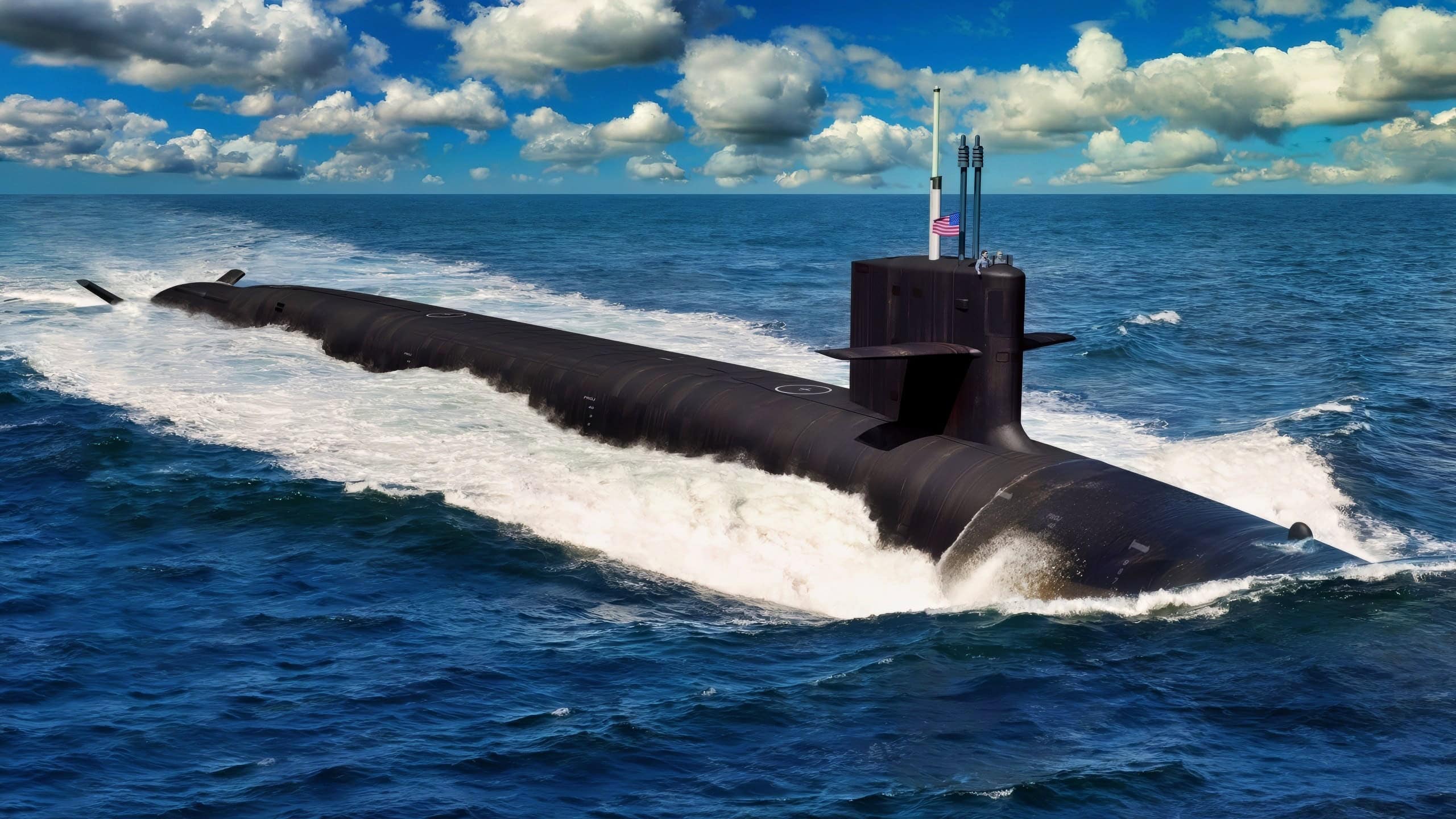
Columbia-Class Submarine SSBN Rendering U.S. Navy Photo
The situation is further complicated by the AUKUS agreement, which will require the United States to increase submarine production to support both domestic needs and allied commitments.
The result is a widening mismatch between retiring Los Angeles-class submarines and incoming Virginia-class replacements.
The Seawolf-Class Call, Revisited in 2026
The strategic cost of the Seawolf-class decision is arguably clearer now than it was then.
By cutting a planned fleet of nearly 30 high-end submarines down to just three, the Navy did not simply save money in the short term — it deferred capacity it would later need but could not quickly regenerate.
Today’s shortfall is the accumulated effect of decades of underbuilding in a force where numbers matter as much as capability does.
About the Author: Jack Buckby
Jack Buckby is a British researcher and analyst specializing in defense and national security, based in New York. His work focuses on military capability, procurement, and strategic competition, producing and editing analysis for policy and defense audiences. He brings extensive editorial experience, with a career output spanning over 1,000 articles at 19FortyFive and National Security Journal, and has previously authored books and papers on extremism and deradicalization.