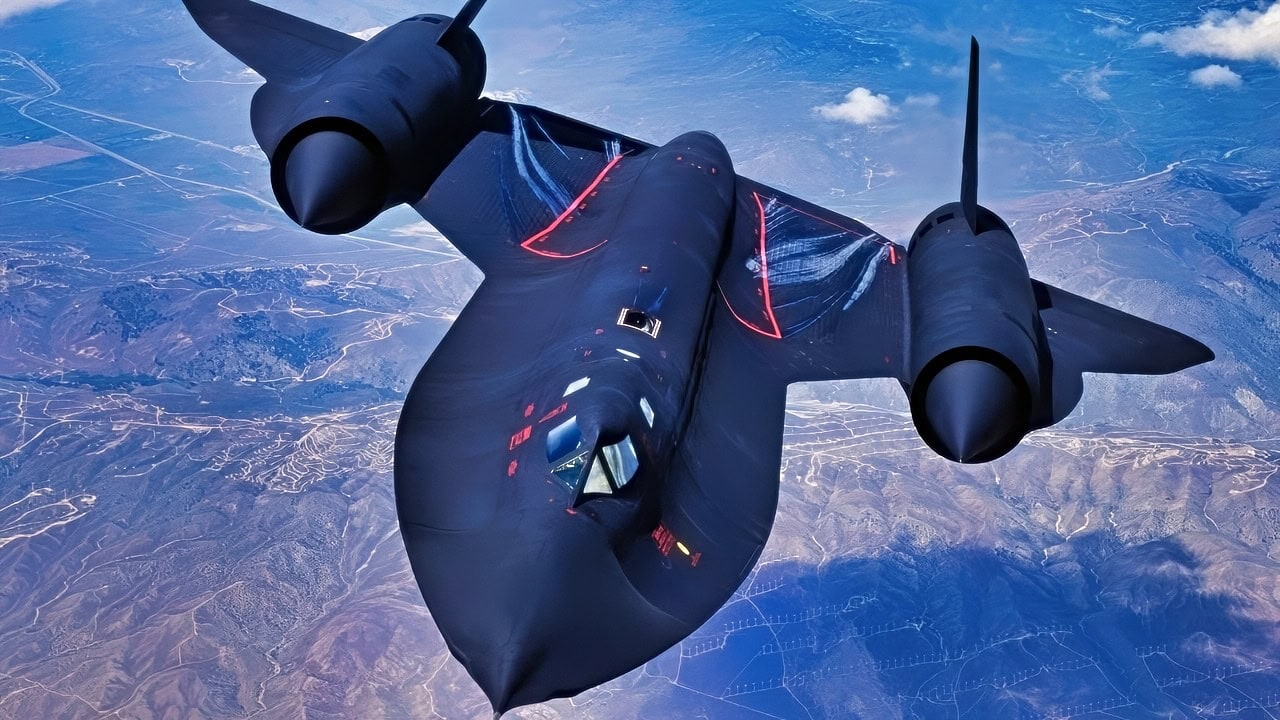
In 1984, an SR-71 Blackbird (number 960) appeared at a static display at an airshow at Andrews Air Force Base outside Washington, D.C. For those attending, the chance to stand just a few feet from the huge black spy plane, forever shrouded in mystery, was a once-in-a-lifetime experience. The plan called for the SR-71 to be a crowd-pleaser all day Saturday and then return to Beale Air Force Base in California on Sunday. Pilot Rick McCrary would be at the controls with Reconnaissance System Officer Dave Lawrence in the back. The SR-71 reconnaissance era had come to an end; this airshow appearance was to be their final flight together in the aircraft.
A Certain SR-71 Blackbird: We Never Flew It Again
On Sunday afternoon, everything was in place for the Blackbird to depart for California; she was partially fueled, as was practice for takeoff, and would make several in-flight refueling connections on her return to Beale AFB in California.
The SR-71 had a reputation for having a rapacious appetite for JP-7 jet fuel.
The Blackbird made a normal takeoff, and McCrary decided to make an orbit and a pass overhead for those still on the ground, as seeing an SR-71 in flight was a rare sight. As they were passing over the runway, the right afterburner attachment section blew out. A 1,500-degree jet of flame from the right afterburner was dive1,500-degrees into the engine nacelle and the wing’s leading edge, tearing off the titanium skin.
McCrary wasted no time shutting down the right engine and intended to fly out over Chesapeake Bay to dump some 14,000 pounds of fuel still on board, but within 30 seconds he had decided that the plane spewing burning flames behind him might not hold together that long, and he began dumping fuel that would consume 13 acres of Maryland countryside in fire.
McClary was able to return to Andrews, his plane still burning, and land safely. He said in a later interview that when they knew they were on the ground safe, his legs began shaking uncontrollably. It would be the last time he and Lawrence would ever fly the plane.
Blackbird 903 had nearly killed them.
It was not the first time this aircraft had caught fire and threatened to incinerate its crews on a mission.
A Sign of Things To Come
Back in 1968, Blackbird 960 experienced an engine fire while flying at nearly Mach 2, a speed that creates a blowtorch effect.
While the pilot landed the aircraft safely, the heat of the fire warped one of its wings.
Upon inspection, famed Lockheed designer Kelly Johnson stated that “960” was “Structurally Unsound,” which should have resulted in it being written off as a total loss.
The Air Force took a different view, and “960” was back in the air again after repairs. For eleven years the Blackbird flew without mishap.
The Thirty-Three Ton Glider
Then, in 1979, with pilot Dave Peters and RSO Ed Bethart aboard, “960” lost its left engine during descent to Kadena Air Base in Okinawa. Peters knew he could make it on the remaining right engine.
Coming below 15,000 and lining up for the approach, the right engine sputtered and died as well.
Now without power, Peters was flying a thirty-three-ton glider that didn’t like to glide.
Peters was able to restart one engine, which gave him idle-speed RPMs to power the hydraulic system for the flight controls and landing gear.
With flaps and gear down and locked, the engine seized for good and went cold.
Peters made a dead-stick landing, deploying the drag chute and emergency brakes to bring “960” to a stop.
His actions earned him and his RSO the Distinguished Flying Cross and Koren Koligan Jr Trophy, recognizing the most meritorious flight by a military pilot in all service branches for 1979.
The Fourth of Nine Lives
The 1984 airshow incident was not the end of what pilots had started to call, “The Cat With Nine Lives.”
She still had at least six lives left.
Two years later, Blackbird 960 was over Libya, being flown by Brian Shul when it detected a surface-to-air missile rising to intercept her. Shul turned to avoid it and poured on the coal to outrun the missile.
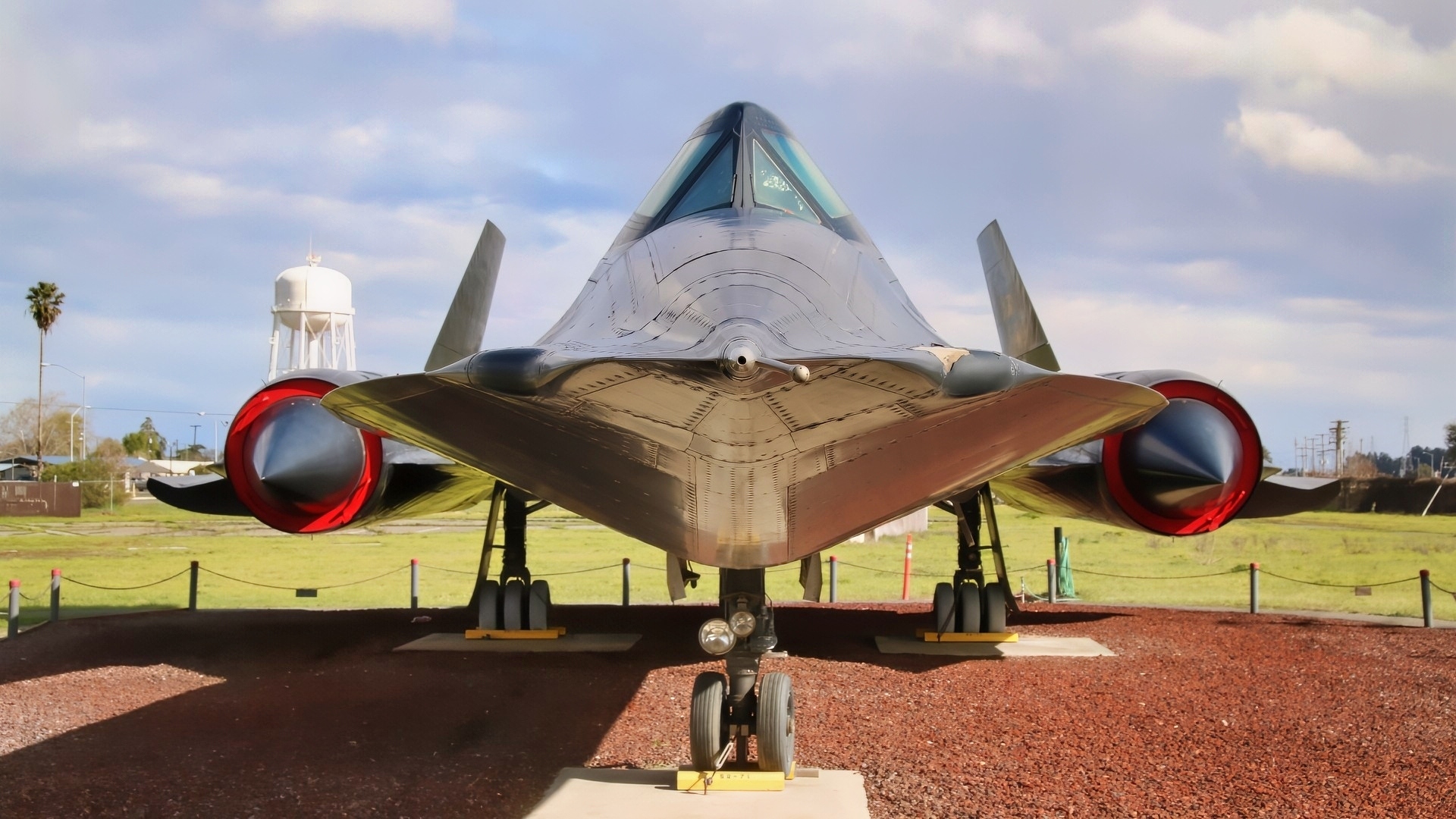
SR-71 Blackbird at Museum Creative Commons Photo
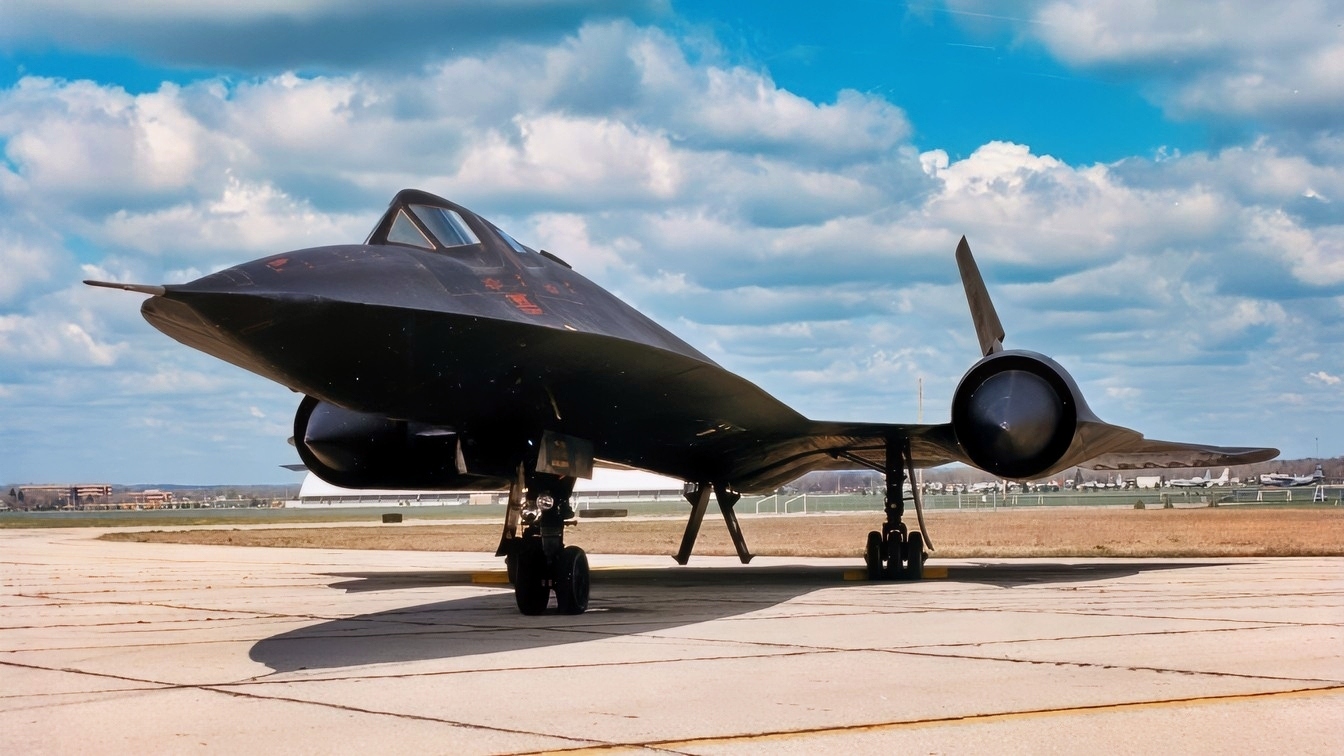
DAYTON, Ohio — Lockheed SR-71A at the National Museum of the United States Air Force. (U.S. Air Force photo)
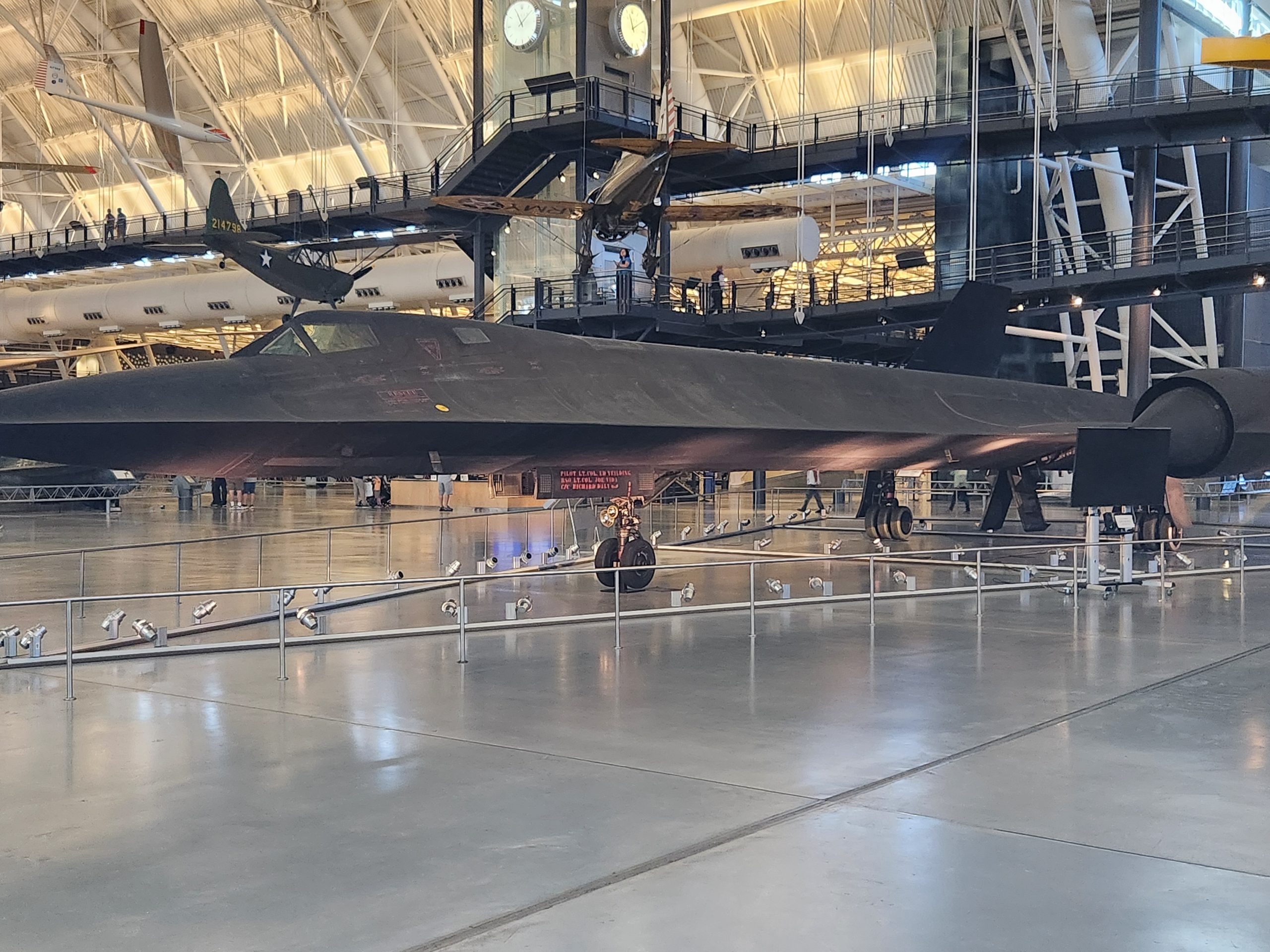
SR-71 Blackbird visit by 19FortyFive.com staff to the Smithsonian.
The result was “960” expending a fourth life at the highest Blackbird speed ever disclosed to the public, 2,685 MPH.
Blackbird 960 continued to fly until February 27th, 1990.
On that date, she sortied to Castle Air Force Base in California.
Reminiscent of the 1984 incident, she streaked across that runway at high speed one last time and now enjoys a well-earned rest on permanent display.
About the Author: Sean Spoonts
Sean Spoonts is the former Editor-In-Chief of SOFREP.com. He is a military analyst, writer, and commentator whose work has appeared in Newsweek, CNS News, Ukrinform, and various military/veteran media networks and professional publications, including the Military Intelligence Professional Bulletin. He is a U.S. Navy veteran, having served as an Aviation Anti-Submarine Warfare Operator and Search and Rescue Helicopter Aircrewman.