
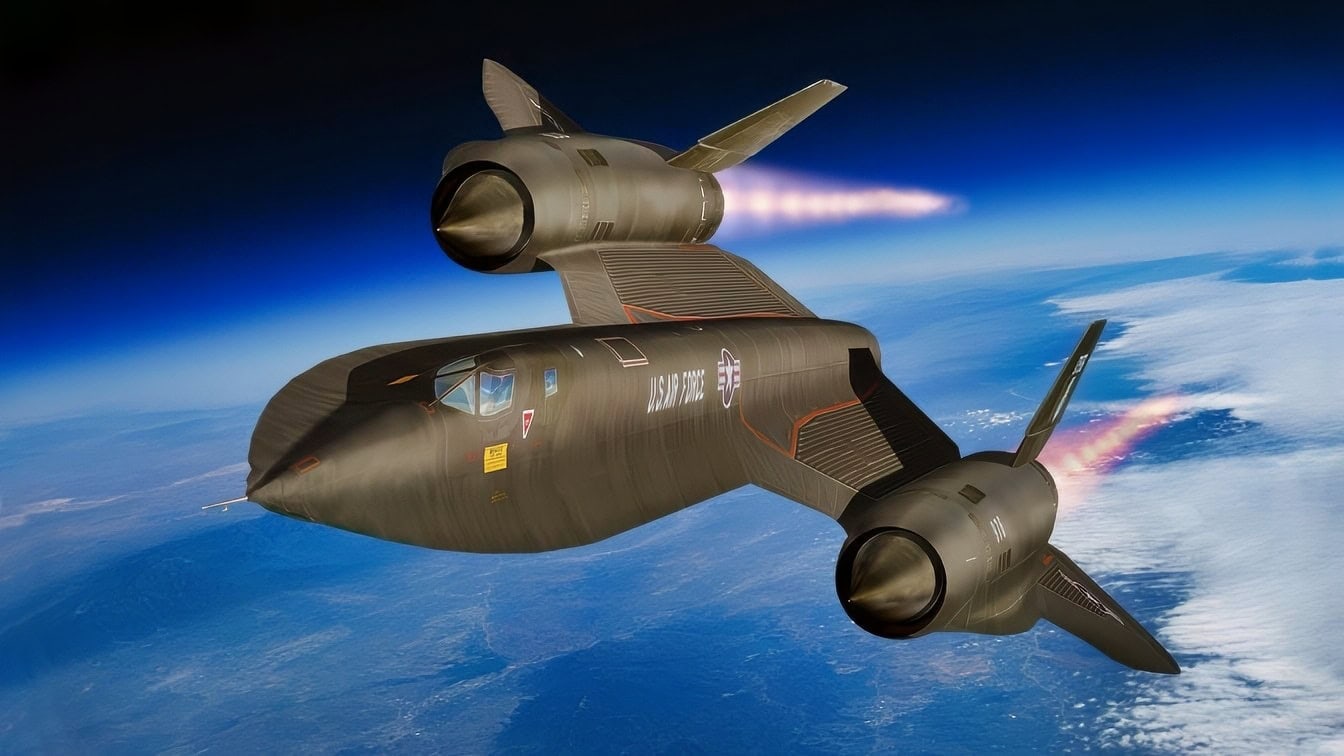
Summary and Key Points: The SR-71’s flight manual limited the aircraft to 85,000 feet unless a crew was specifically authorized to go higher, and the reason was not thrust. The J58 was, unusually, cleared to run at maximum afterburner with no time restriction at all — something no other turbojet of its era could do — so the engine was never the constraint. The constraint was heat, and it arrived before the airframe ran out of anything else. At Mach 3.2 and above, the air rammed into the inlet was compressed and slowed before the engine could use it, and that process alone drove the compressor inlet temperature toward a hard limit of 427 degrees Celsius.
Why the SR-71 Couldn’t Keep Pushing Its Limits
It has now been fifty years since the SR-71 Blackbird flew higher than virtually any operational aircraft has ever gone. On July 28, 1976, U.S. Air Force pilot Robert Helt and reconnaissance systems officer Larry Elliott flew an SR-71 to over 85,000 feet in sustained horizontal flight. On that very same day, another Blackbird crew set the aircraft’s now-famous speed record of 2,193.167 mph.
A half-century later, those achievements are still notable. They demonstrate just how extreme the performance of this aging platform was. But the altitude at which it flew is interesting, because if the Blackbird could comfortably operate above 80,000 feet, why couldn’t it just keep climbing, and why don’t new aircraft go higher?
The answer isn’t engine power, but the engineering limits of the time and the materials used to build an aircraft that can fly high and at extreme speeds.
What Happened at 85,000 Feet?
Stephen Gandee, a former member of the 9th Field Maintenance Squadron Propulsion Branch at Beale Air Force Base, says the aircraft was already near maximum power when it reached 85,000 feet.
“According to Richard Graham, SR-71 pilot and Wing Commander of the 9th Strategic Reconnaissance Wing, the SR-71 flying at 85,000 feet has the throttles pushed up to very near maximum,” Gandee said on Quora.
But that didn’t mean the J58 engines could only operate at maximum afterburner for a brief period. In fact, unlike other turbojets, the engines could remain at maximum afterburner without a time restriction — though that did, of course, come with a major fuel penalty, and it certainly didn’t mean that flight at this high altitude was routine.
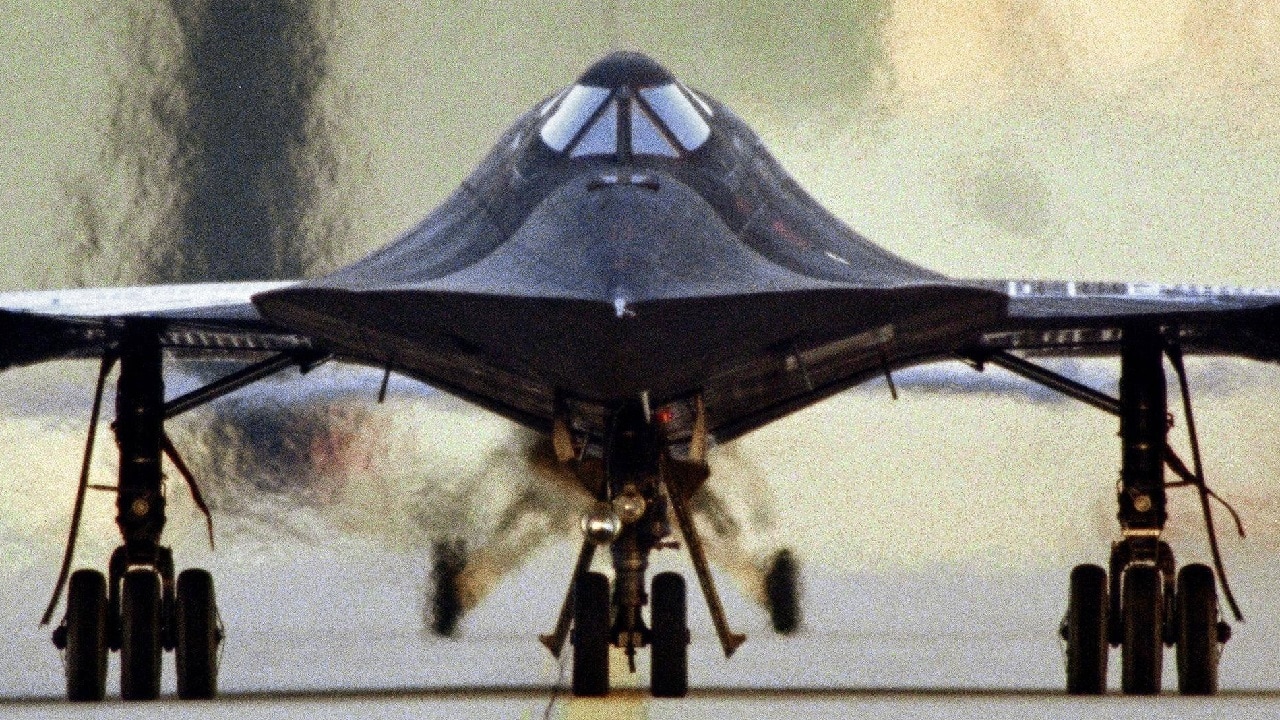
SR-71 Blackbird Spy Plane. Image Credit: Creative Commons.
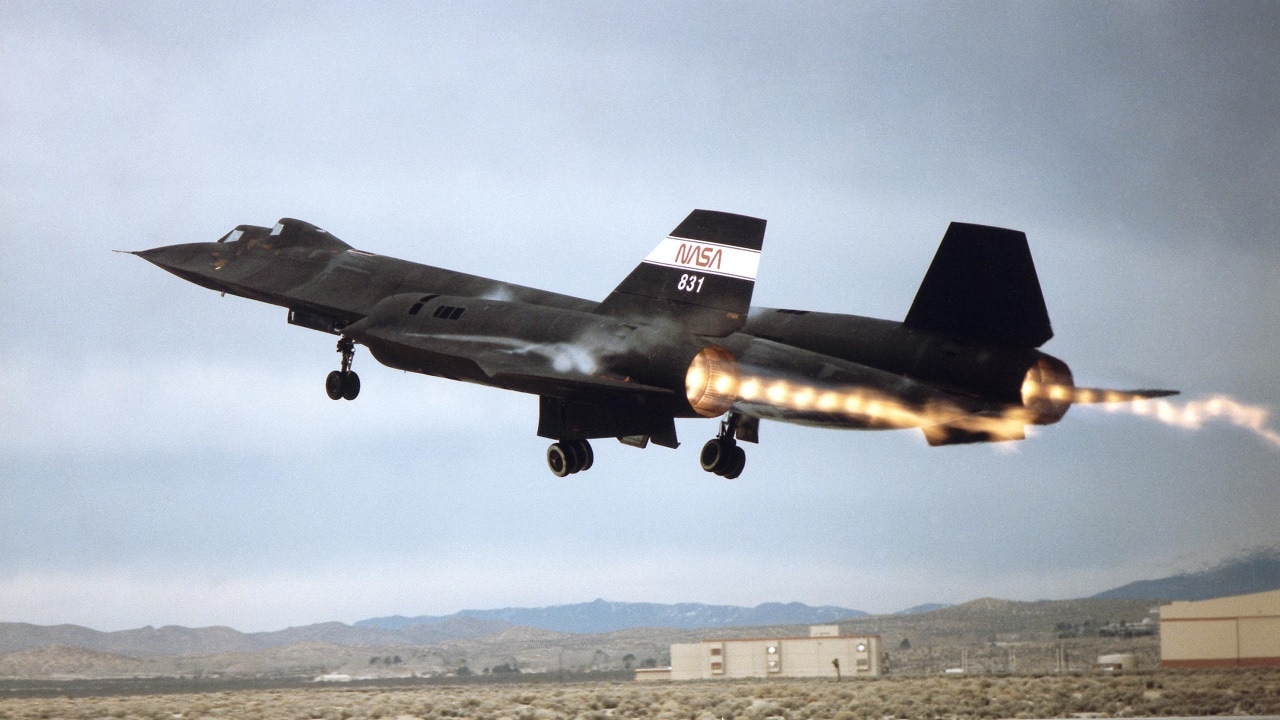
Image is of an SR-71 Spy Plane. Image Credit: Creative Commons.
“The engine can unlike any turbojet I knew of operate at maximum afterburner with no restriction on time so that is not the problem. The flight manual therefore limited the aircraft to 85,000 feet unless specifically authorized,” Gandee continued.
At speeds that high, engine power is just one part of the equation.
At more than three times the speed of sound, the air that was rushing into the SR-71’s inlet system and engines needed to be slowed down and compressed before the engines could actually use it.
That process itself generates a huge amount of heat, and as the Blackbird flew faster, the heat intensified. Eventually, temperature itself became one of the aircraft’s biggest limits.
Heat as a Limitation
Flying faster through the atmosphere also meant exposing the SR-71 to extreme temperatures.
Gandee said that at around Mach 3.2, compressor inlet temperature was already becoming a limiting factor.
He pointed to a restriction of 427 degrees and argued that engineers needed to maintain a margin even below that temperature to ensure that it could fully withstand the heat.
But there were occasions, he said, when those margins were being pushed.
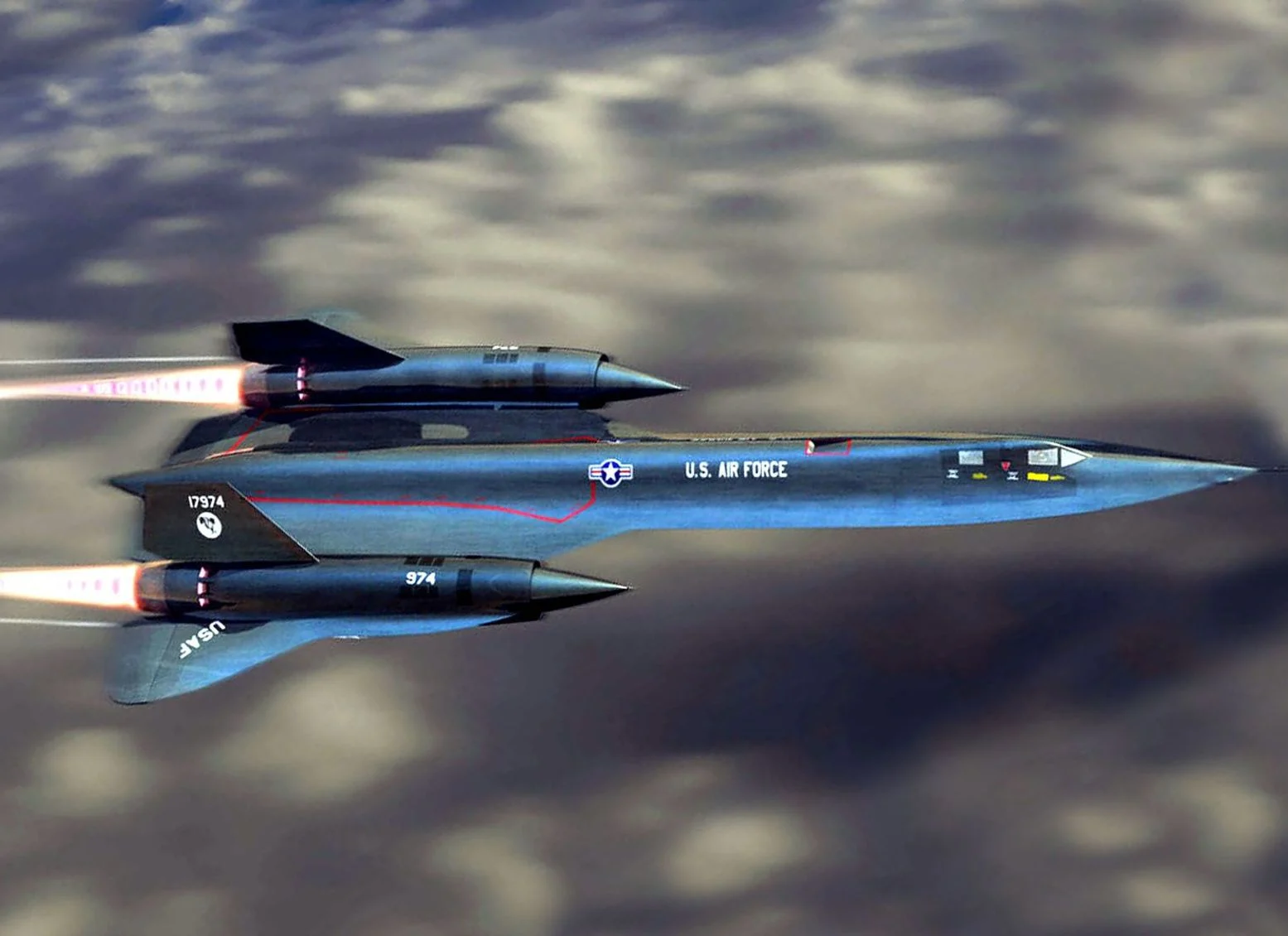
SR-71 Blackbird. Creative Commons Photo.
“During a flight to an air museum the Pratt engineers allowed the crew to go to 3.5 because the engines would never fly again and would not care if the engine was weakened. There are a few pilots that brag the go as high as the A-12 but that airplane is lighter so the 427 degree J58 compressor inlet temp restriction is not reached until up there at 90,000. So the pilots that say they exceeded this are stories embellishments or they abused the aircraft endangering flight crews who later flew the aircraft unless maintenance caught the possible damage or engineers approved further operation or a double engine change,” he said.
Those figures are extreme, but it’s important to note that just because the SR-71 was capable of reaching extreme speeds or altitudes doesn’t mean it was designed to do that frequently — or more than once.
An aircraft surviving a particular altitude or speed once does not necessarily mean that crews could repeatedly operate at those levels without destroying the aircraft or some of its major components.
What If Pilots Pushed Too Far?
There were occasions when SR-71 crews also went beyond the aircraft’s normal limits — but doing so increased the risk of damage.
“As with speed pushing the aircraft beyond limits set by Lockheed is going to involve risk. Over Libya they went .2 Mach beyond the 3.3 limit for a short period but exceeding the temperature limit of the engine inlet again causes risk to go up. I assume they wrote that up so maintenance and engineering could monitor more close or change the engines unless engineering decided if it was in a safety buffer range. I never heard about the aircraft normally exceeding the altitude record. If someone loses control of an SR-71 and it starts stalling it will break up,” Gandee said.
That meant the Blackbird’s incredible performance depended not just on what it was capable of doing — but on pilots knowing when to stop.
About the Author: Jack Buckby
Jack Buckby is a British researcher and analyst specializing in defense and national security, based in New York. His work focuses on military capability, procurement, and strategic competition, producing and editing analysis for policy and defense audiences. He brings extensive editorial experience, with a career output spanning over 1,000 articles at 19FortyFive, and has previously authored books and papers on extremism and deradicalization.