
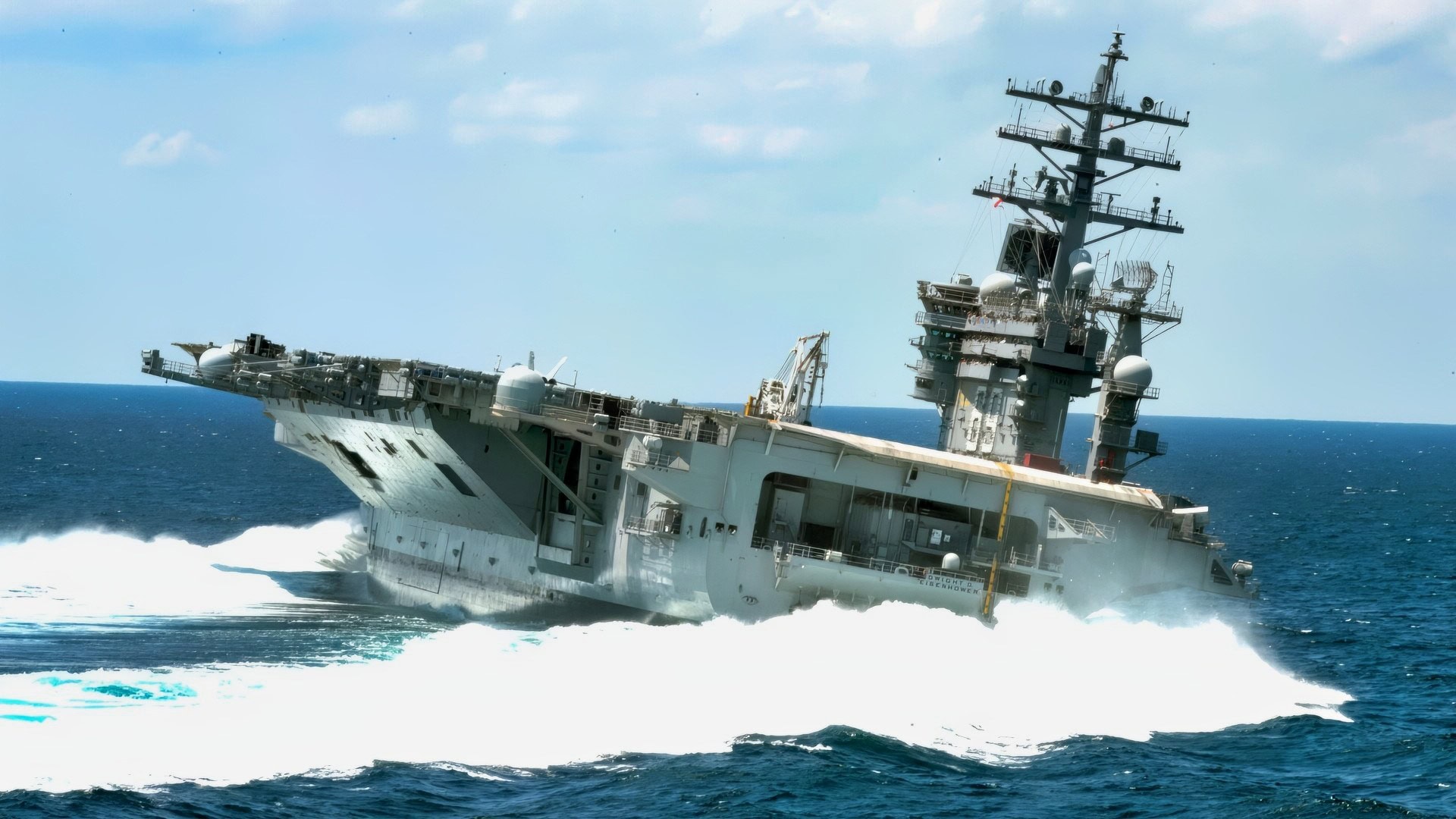
Few military platforms symbolize American power as effectively as the aircraft carrier.
Over 1,000 feet long and carrying dozens of aircraft, a US nuclear-powered aircraft carrier is a mobile air base that can be positioned around the world at will.
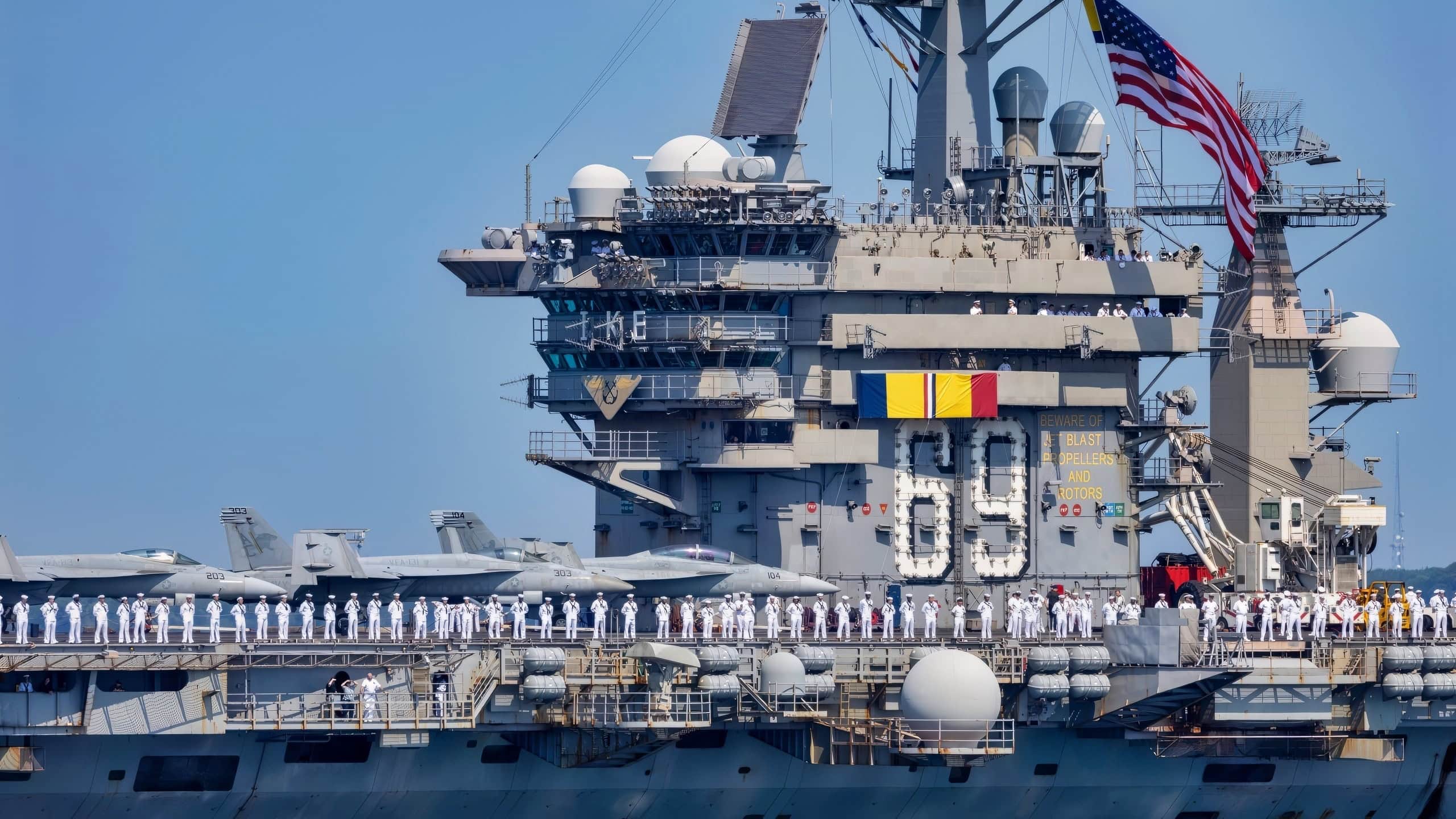
(July 14, 2024) The Nimitz-class aircraft carrier USS Dwight D. Eisenhower (CVN 69) returns to Naval Station Norfolk on July 14, 2024, after a nine-month deployment to the Atlantic. Eisenhower, the flagship of the Ike Carrier Strike Group, departed Norfolk on October 14, 2023, for a scheduled deployment to the U.S. 5th and 6th Fleet area of operations to support maritime security operations, theater security cooperation efforts, and enhanced vigilance activities with NATO Allies and Partners. (U.S. Navy Photo by Mass Communication Specialist 2nd Class Hunter Day)
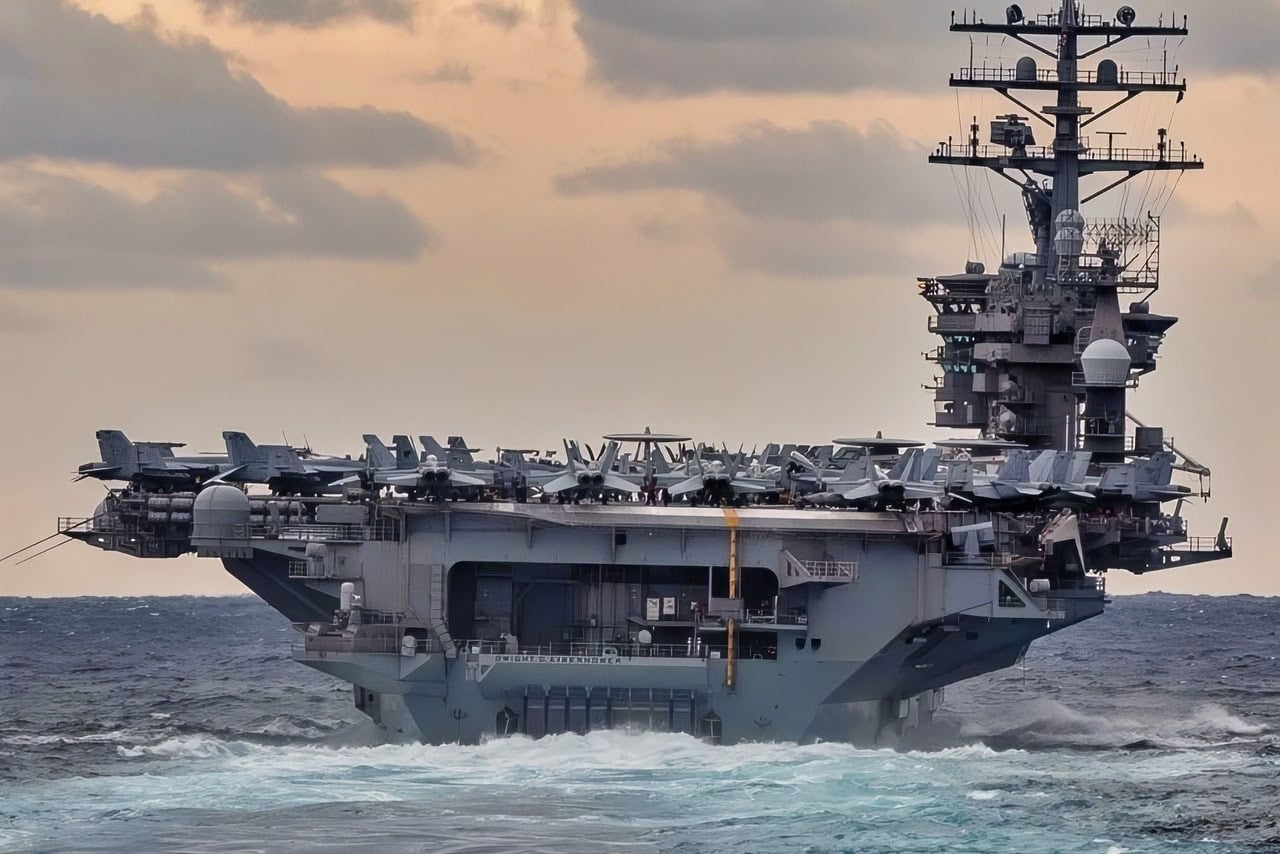
(Jan. 31, 2019) The Nimitz-class aircraft carrier USS Dwight D. Eisenhower (CVN 69) transits the Atlantic Ocean. Eisenhower conducts operations in the Atlantic as part of Carrier Strike Group 10. (U.S. Navy photo by Mass Communication Specialist 3rd Class Kody A. Phillips/Released)
Like a floating city populated with sailors and aviators, an aircraft carrier’s deployment to a crisis has long been one of Washington’s most reliable demonstrations of military resolve.
Even today, as the carrier’s vulnerability is questioned, it still visibly provides deterrence, maritime security, and strike options without requiring permanent access to foreign airfields.
But questions persist, such as whether concentrating so much power and capital aboard one ship makes sense.
Could the aircraft carrier eventually be replaced?
Or perhaps supplemented?
Replacing the Aircraft Carrier
The aircraft carrier isn’t really replaceable; it offers a unique combination of capabilities.
The Nimitz- and Ford-class carriers, for example, displace about 100,000 tons—they are enormous—and typically carry air wings of roughly 60–70 aircraft, including F/A-18E/F Super Hornets, F-35 Lightning IIs, EA-18G Growlers, E-2D Advanced Hawkeyes, and helicopters.
Carrier-based aircraft can conduct air superiority, precision strikes, electronic warfare, reconnaissance, airborne early warning, and maritime defense.
No other ship—no submarine, destroyer, drone, or missile battery—can independently reproduce this combination of capabilities.
And carriers, which function in many respects like a fixed land-based airfield, offer something the airfield cannot: mobility.
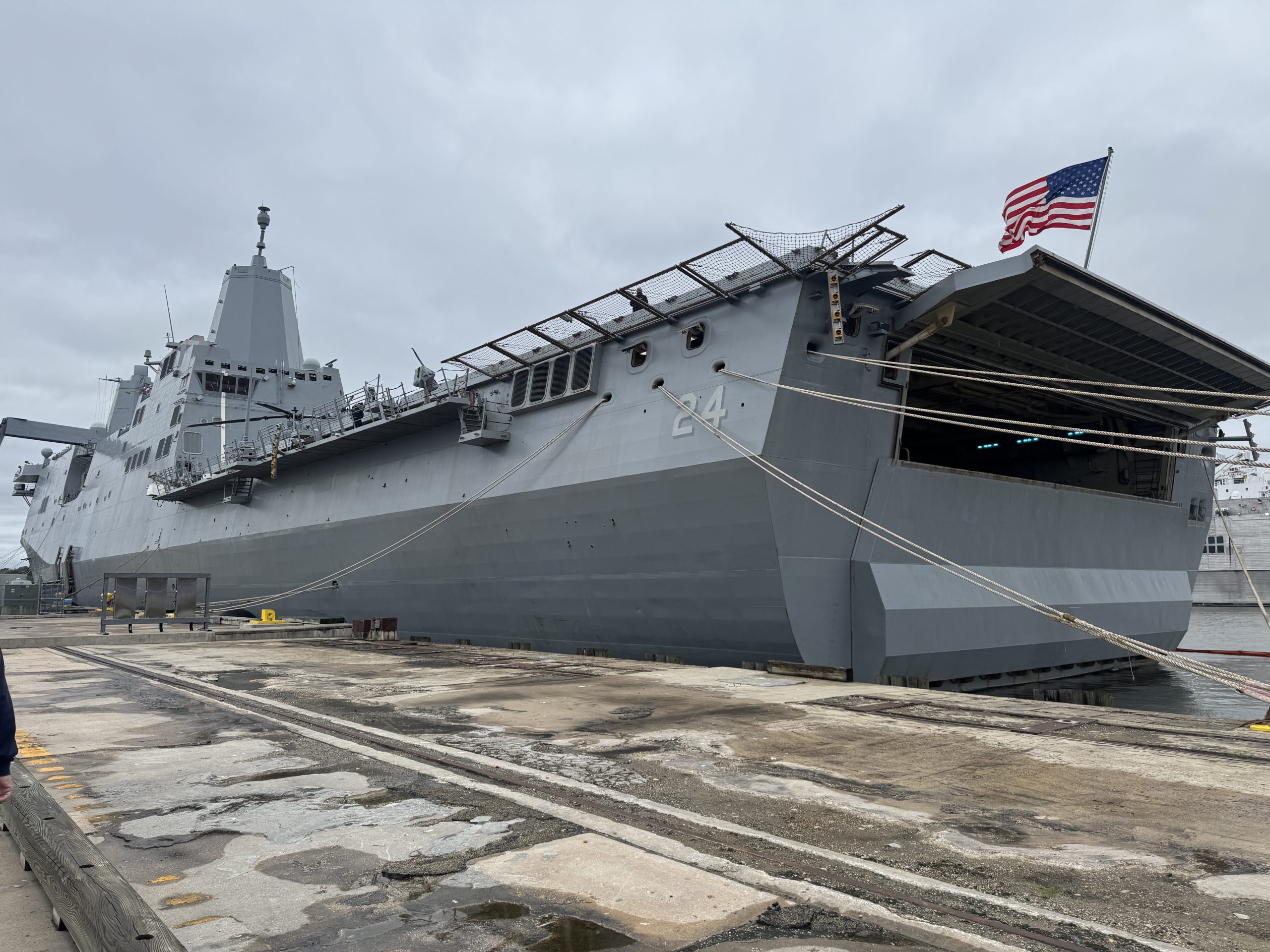
USS Arlington, US Navy Warship 19FortyFive Original Photo from 2025 Fleet Week.
An aircraft carrier can reposition across oceans and operate near conflicts without relying entirely on host-nation permission.
Nuclear propulsion provides extraordinary endurance and sustained high-speed capability.
Carriers can also maintain an aviation presence for extended periods through underway replenishment.
Relevant to Iran
Operation Epic Fury has featured heavy use of American aircraft carriers, which provide options in a region where American bases and regional partners are subject to Iranian missile and drone threats.
A carrier lets the US operate from international waters and shift position as threats evolve.
Its aircraft can conduct defensive patrols, support maritime security, and participate in offensive operations.
And when the US deploys additional carriers, it sends a strong commitment signal.
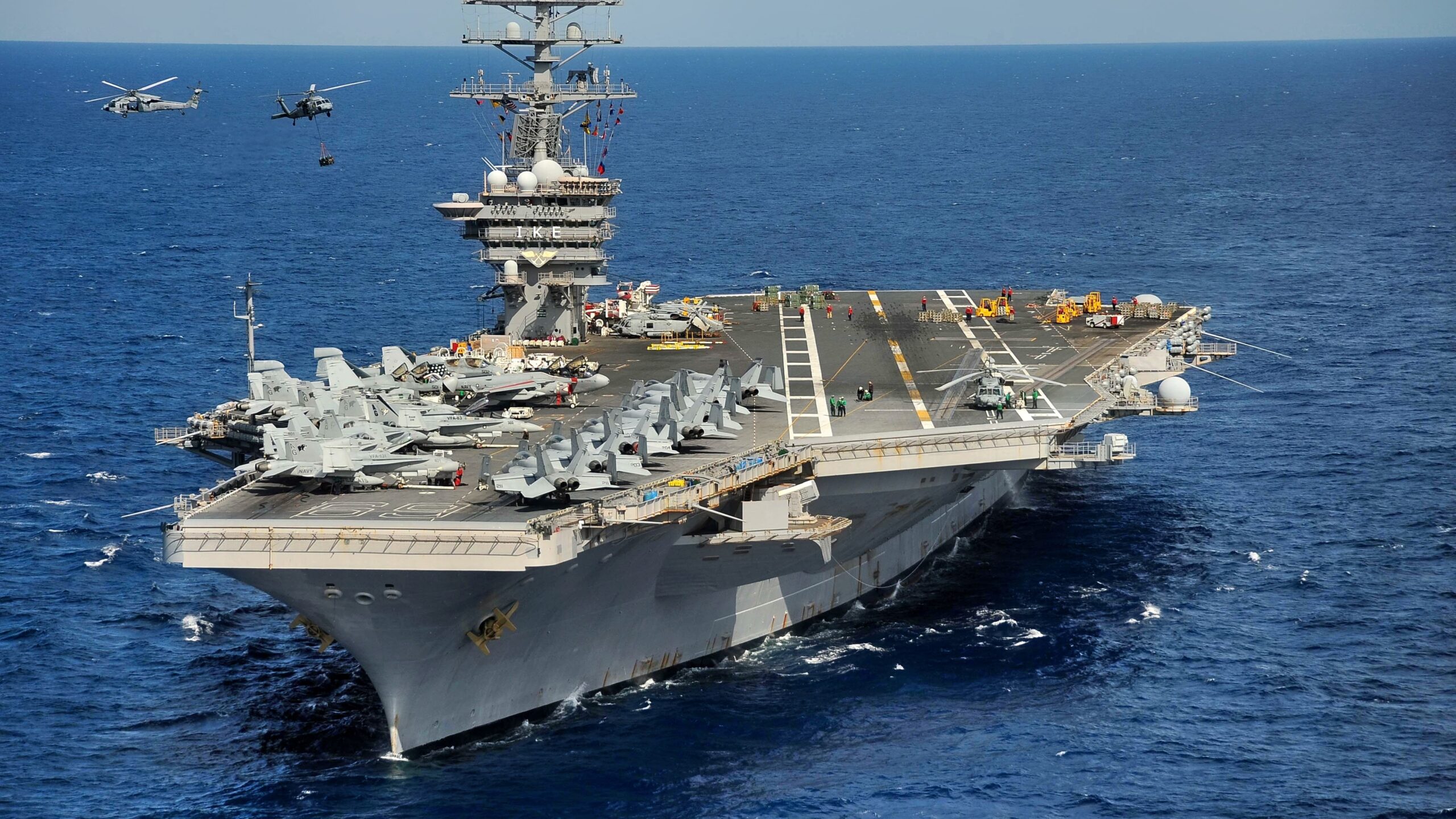
USS Dwight D. Eisenhower. Image Credit: Creative Commons.
Yet Epic Fury also highlights logistical and operational concerns about sustaining a large naval force in a dangerous theater.
Carriers do not operate alone; they require escorting destroyers, replenishment ships, aviation fuel, munitions, maintenance, etc.
These are not self-sufficient, isolated platforms but sprawling ecosystems.
Iran demonstrated how multiple carriers can be burdensome in theater.
The Aircraft Carrier Is Under Threat
Carriers are also increasingly vulnerable as weapons emerge that specifically threaten large surface warships.
China, for example, has invested heavily in anti-ship ballistic missiles, including the DF-21D and DF-26.
Russia and Iran also possess a variety of anti-ship cruise missiles, drones, and other maritime strike capabilities.
Carriers are such valuable targets that they draw immense attention, and potential threats range from missiles to submarines to mines to drones.
Carrier strike groups have formidable layered defenses, including Aegis-equipped escorts, combat aircraft, EW, and missile interceptors.
But no defensive system is perfect.
Even a nonfatal hit could disrupt flight operations and render the carrier useless.
And that relates to the fundamental concern: the carrier concentrates a lot of capability in one vessel.
Listing the Alternatives
The concentrated carrier model may have alternatives.
Uncrewed aircraft are increasingly capable of performing missions once requiring manned fighters, and could potentially supplement or replace surveillance, EW, recon, strike, and refueling missions.
One example that supports this premise is the Navy’s MQ-25 Stingray, intended to provide carrier-based aerial refueling.
But this doesn’t fully replace carriers, as drones still require launch and recovery, storage, fuel, and so on. Drones would be more expendable, however, on a concentrated platform.
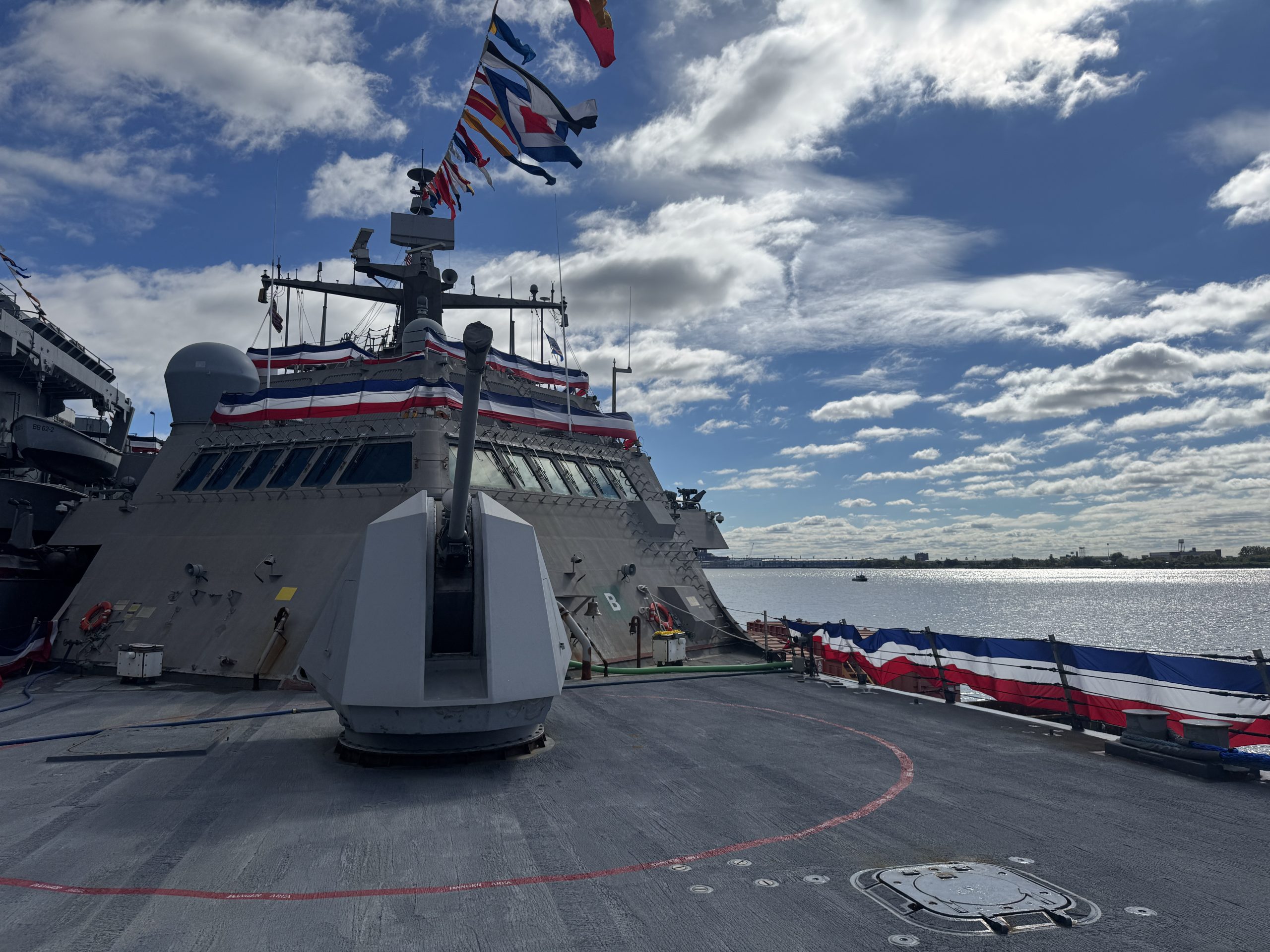
USS Billings, US Navy, 2025 Fleet Week Photo Taken by 19FortyFive.
Submarines and long-range missiles are another alternative.
This would distribute firepower among smaller, harder-to-detect launch platforms.
But missiles aren’t reusable like aircraft; they are expended quickly, and then they’re gone.
The Navy may also eventually consider something like a small carrier, which retains many of the benefits in a less concentrated model.
The US already operates America-class amphibious assault ships capable of deploying the F-35B, which are cheaper and less concentrated but, of course, offer fewer aircraft and lack the catapult launch needed for the E-2D Toe.
But to date, the Navy has not adopted a plan to replace the supercarrier with a different type of platform, and there are no indications that such a plan is in the works.
About the Author: Harrison Kass
Harrison Kass is a writer and attorney focused on national security, technology, and political culture. His work has appeared in Tablet, City Journal, The Hill, The Spectator, and The Cipher Brief. He holds a JD from the University of Oregon and a master’s in Global & Joint Program Studies from NYU. More at harrisonkass.com.