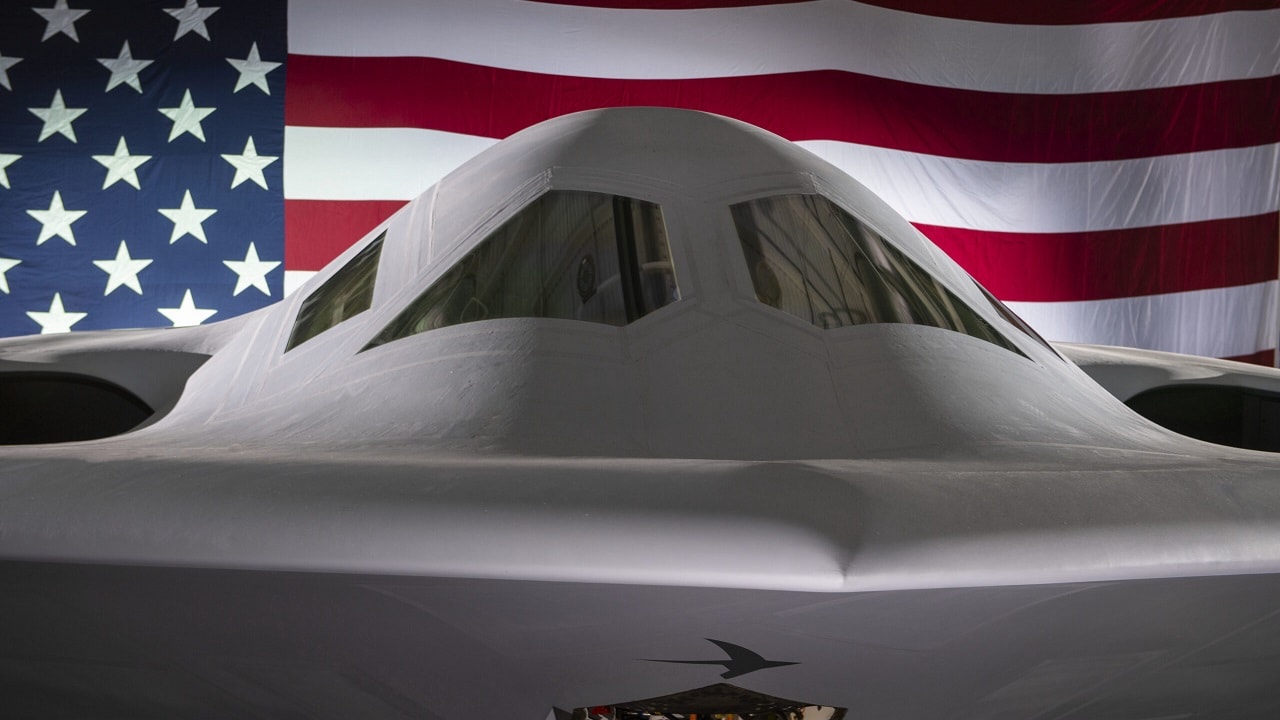
Summary and Key Points: A new Mitchell Institute report authored by Heather Penney and Mark Gunzinger calls for a dramatic “plus-up” of the U.S. Air Force’s stealth fleet. Highlighting the inability of current force levels to sustain pressure in a peer conflict, the report recommends doubling the B-21 Raider buy to 200 bombers and increasing the F-47 NGAD fleet to 300 jets.
-This expansion is designed to eliminate “enemy sanctuaries” by allowing U.S. forces to penetrate and dismantle integrated air defense networks from the inside out, rather than relying on vulnerable standoff platforms.
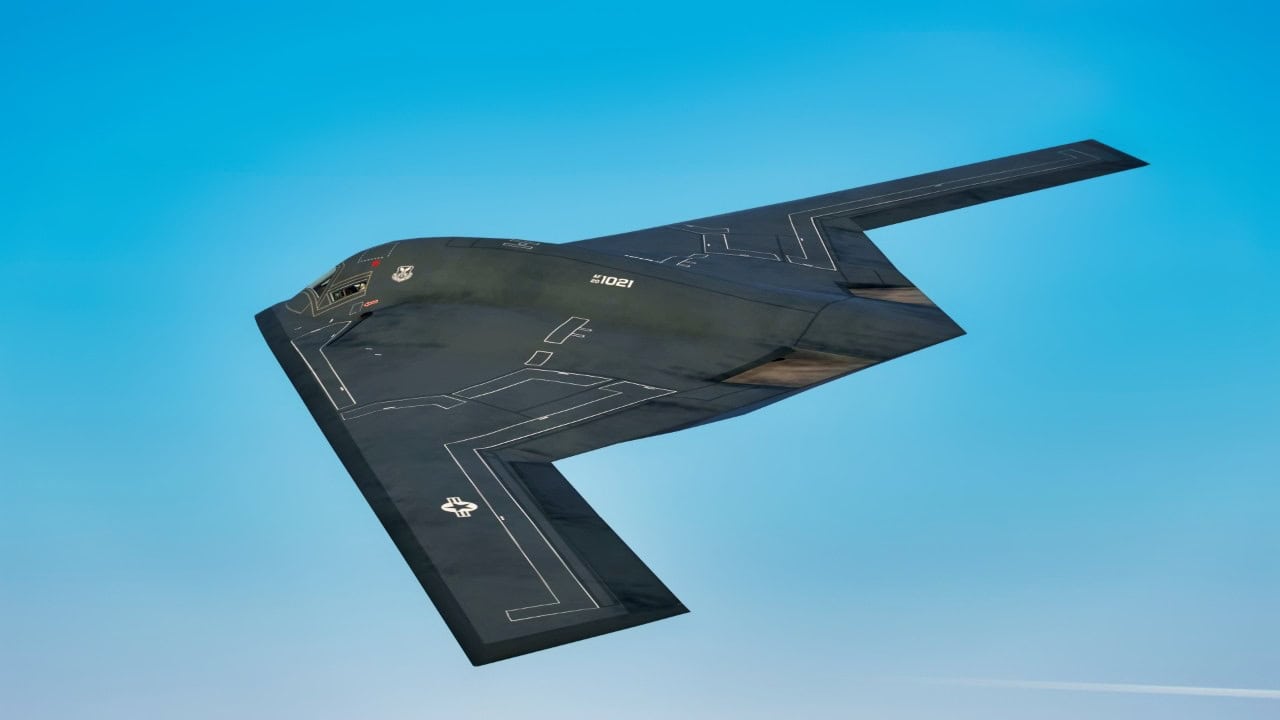
B-21 Raider Artist Rendering.
From Raid to Campaign: The F-47 and B-21 “Sanctuary Denial” Force Explained
The future force structure for US air power will require a significant plus-up in the planned numbers of the next-generation platforms to be produced and placed in inventory. The two programs, now proposed for production runs far higher than originally planned, are the B-21 Raider “flying wing” bomber and the F-47 6th-generation fighter aircraft.
The report from the Mitchell Institute for Aerospace Studies is scheduled for release on Monday, February 9, at 1000 hours. It is focused on the need for a dramatic increase in the number of modern US combat aircraft. That requirement, say the authors, is due to a sustained modernization effort by Washington’s adversaries on one hand, and the neglect of maintaining an effectively countering US Air Force (USAF) presence abroad in key theaters.
“Allowing adversaries to operate from operational sanctuaries is a losing proposition. A war-winning strategy for the US military must involve applying long-range penetrating airpower to hold targets at risk – anytime, anywhere. This includes an adversary’s ability to launch air and missile salvos that could cripple US operations,” reads an introduction to the report.
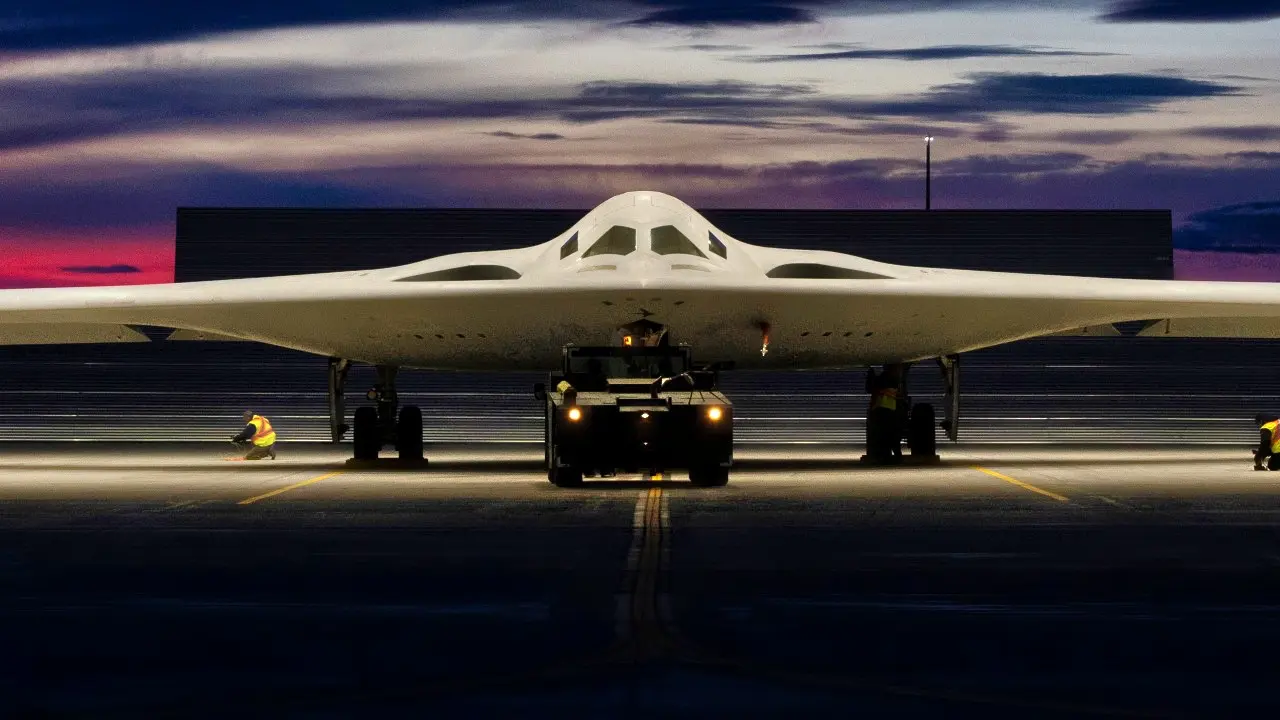
B-21 Raider Stealth Bomber.
The authors’ central thesis is that “decades of force cuts and deferred modernization have reduced the Air Force’s combat capacity to the point where it cannot simultaneously deter nuclear attacks, defend the US homeland, and defeat adversary aggression at acceptable levels of risk.”
Denial of Sanctuaries
The authors contend that the central and growing problem for the USAF is that the People’s Republic of China (PRC) armed forces, the People’s Liberation Army (PLA), have too many possibilities to operate from safe havens in the Asia-Pacific theater. These areas, or what the document refers to as “sanctuaries”, would permit the PLA to launch air and missile attacks as part of a coordinated air and amphibious assault in an invasion of the Republic of China (ROC) on the island of Taiwan.
The plan for the denial of these sanctuaries that the PLA enjoys at present calls for the 6th-generation F-47 aircraft to take the offensive and penetrate PRC airspace.
It would then take on the PLA inside its own defensive nets and fight “from the inside out.” Rather than deploying in a “picket line” to defend the ROC and repulse attacks by Beijing against the island nation, the battle plans the authors advocate call for the USAF to land knockout blows against PLAAF air bases and other critical installations deep inside the mainland PRC.
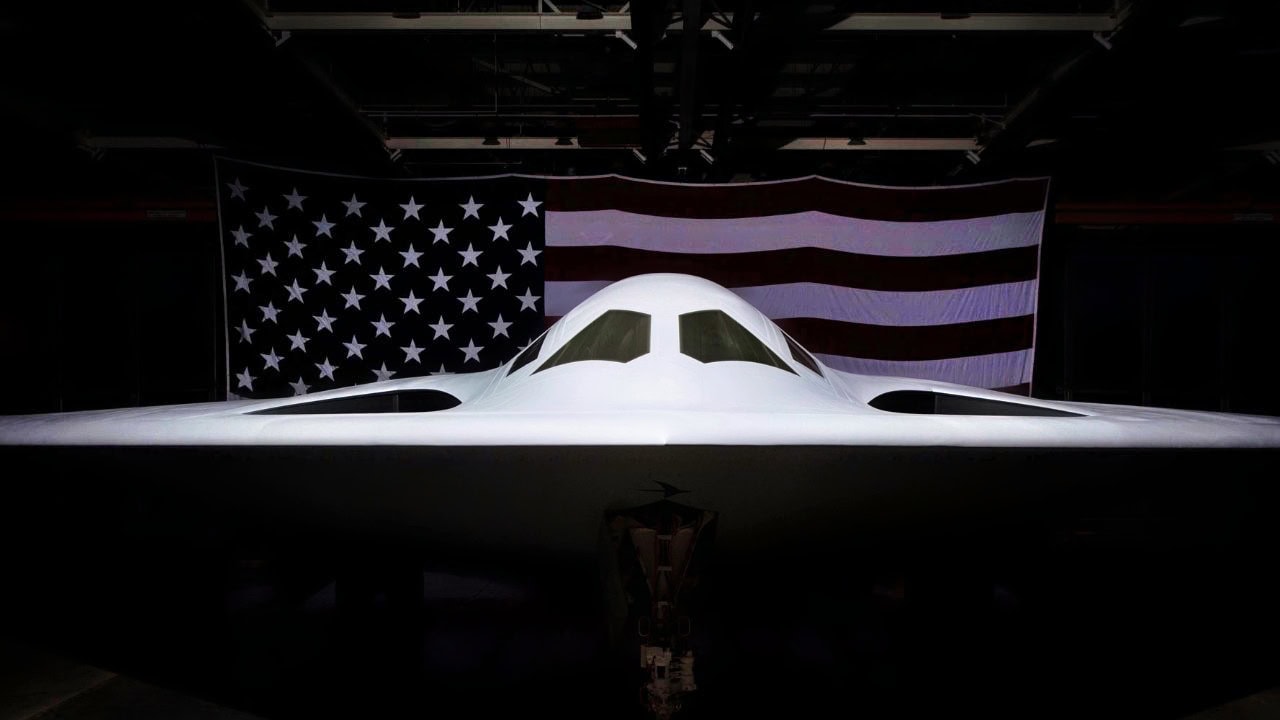
B-21 Raider Bomber. Image Credit: Creative Commons.
The report, entitled “Strategic Attack: Maintaining the Air Force’s Capacity to Deny Enemy Sanctuaries,” is authored by Heather Penney and retired Col. Mark A. Gunzinger. As they explain in detail, the current USAF acquisition plan will not provide enough assets to perform this “from the inside out” mission adequately.
Today’s force level planning is for the USAF to procure “at least” 100 B-21s and 185 F-47s. The problem with these numbers, they say, is that they are only sufficient for what they characterize as “one-off” missions into enemy airspace. The most recent – and relevant for purposes of discussion – example of this scenario is the Operation Midnight Hammer, a raid in which the USAF conducted air strikes on Iranian nuclear facilities using the B-21’s predecessor, the B-2 bombers, plus F-35 fighters and Tomahawk cruise missiles.
Sustaining Pressure for B-21 and F-47 NGAD
Penney and Gunzinger’s thesis is that the USAF’s planned numbers are far short of what is needed to sustain pressure in a broader conflict. This is a raid force, not a campaign force,” Penney told reporters during a pre-release briefing on the report.
The two analysts are instead calling for the Pentagon to double the B-21 buy to “at least” 200 bombers, and also increase the F-47 acquisition by nearly two-thirds to 300 aircraft.
“F-47s operating with B-21s and other aircraft in the Air Force long-range strike family can be [the Pentagon’s] ‘sanctuary denial force,'” they write. Until the USAF bomber and fighter forces can be built out to these levels, which Penney and Gunzinger estimate could take a decade, they caution against the USAF retiring any of the B-2s now in service and urge a sizeable increase in the number of F-35As to be built.
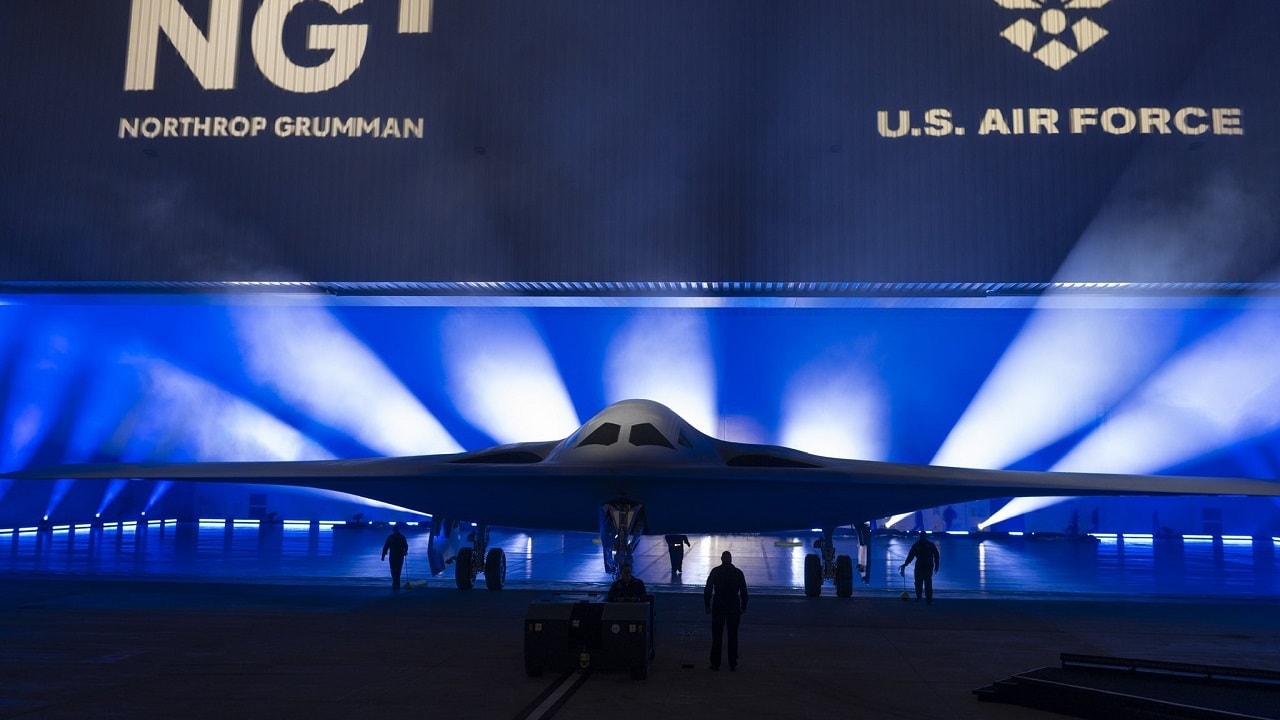
B-21 Raider. Image Credit: U.S. Air Force.
“This is an understandable position,” said a retired USAF flag rank officer who had overseen the F-22 program decades before. “Right now, F-35 is the only platform in production that has the capacity to penetrate the PLA’s air defense network and fighter interceptor screens.”
“Two hundred [B-21s] isn’t based off of a full-up World War III scenario, but it does look at what’s the number needed for ‘hold back’ and how do you be credible and effective in denying that sanctuary and hitting those key centers of gravity in China, and also having enough attrition reserve to be able to sustain a protracted conflict?” Penney said in the press briefing in advance of the report’s release.
“The service’s current combat force mix is now weighted toward earlier-generation non-stealthy bombers and fighters,” Penney and Gunzinger write. “If not modernized with the right quantities of next-generation stealthy aircraft, this legacy force would have to close thousands of long-range kill chains in hundreds of hours in a peer conflict, a feat that is beyond the Air Force’s current and projected capacity.”
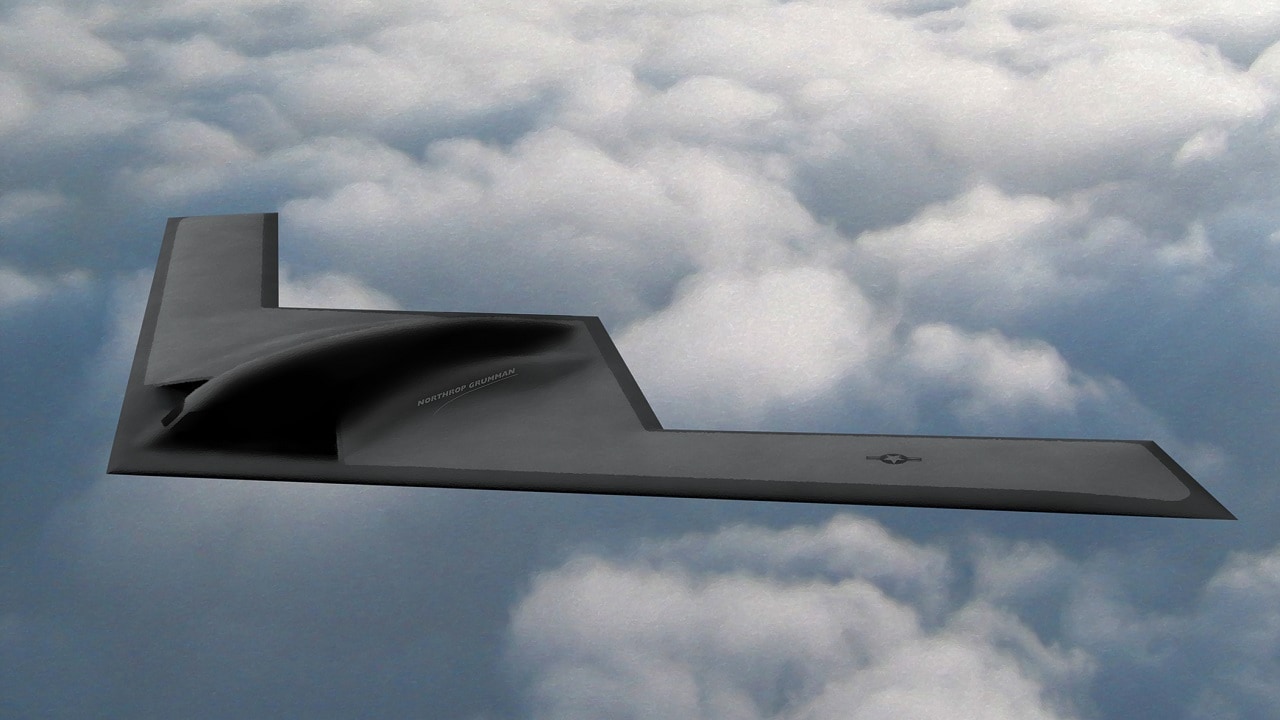
B-21 Raider bomber. Image Credit: Creative Commons.
About the Author: Reuben F. Johnson
Reuben F. Johnson has thirty-six years of experience analyzing and reporting on foreign weapons systems, defense technologies, and international arms export policy. Johnson is the Director of Research at the Casimir Pulaski Foundation. He is also a survivor of the Russian invasion of Ukraine in February 2022. He worked for years in the American defense industry as a foreign technology analyst and later as a consultant for the US Department of Defense, the Departments of the Navy and Air Force, and the governments of the United Kingdom and Australia. In 2022-2023, he won two awards in a row for his defense reporting. He holds a bachelor’s degree from DePauw University and a master’s degree from Miami University in Ohio, specializing in Soviet and Russian studies. He lives in Warsaw.