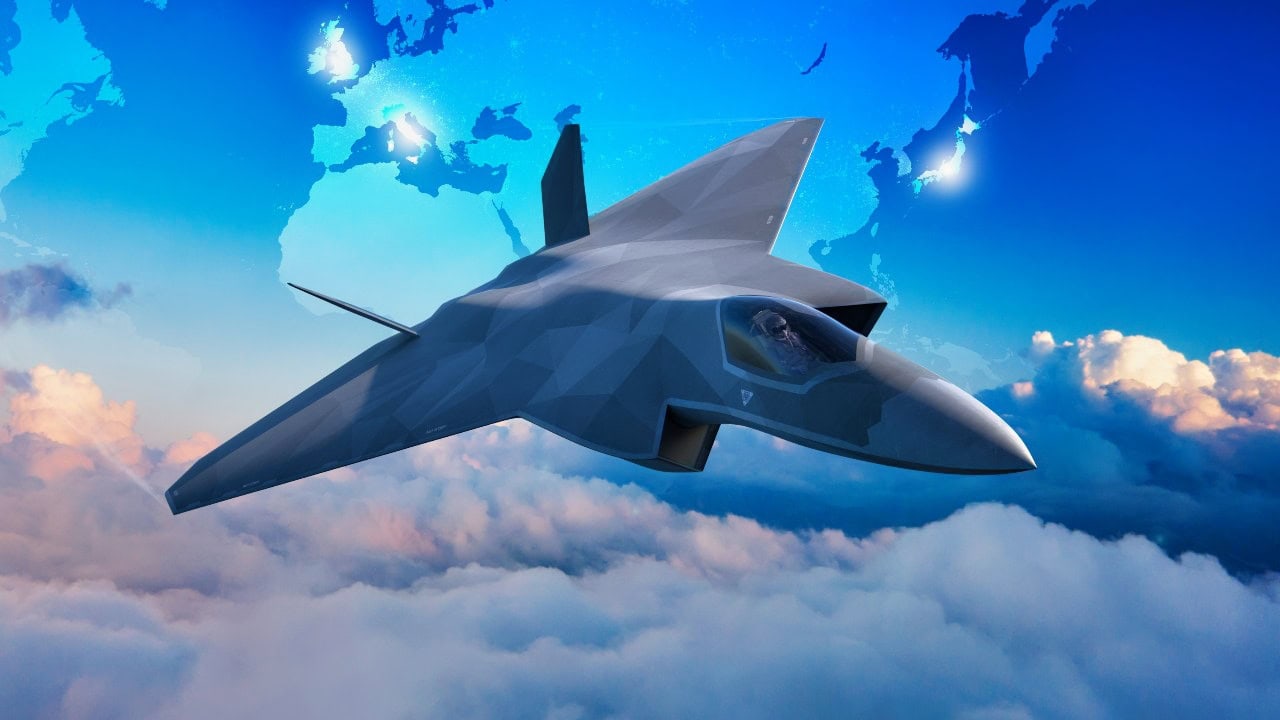
Summary and Key Points: Europe’s race for sixth-generation air dominance is shifting as the UK-Italy-Japan Global Combat Air Programme (GCAP) gains decisive momentum over the rival Future Combat Air System (FCAS).
-In a significant diplomatic shift, German Chancellor Friedrich Merz met with Italian PM Giorgia Meloni in January 2026 to discuss potentially joining GCAP, as the FCAS project remains bogged down in leadership disputes between Airbus and Dassault.
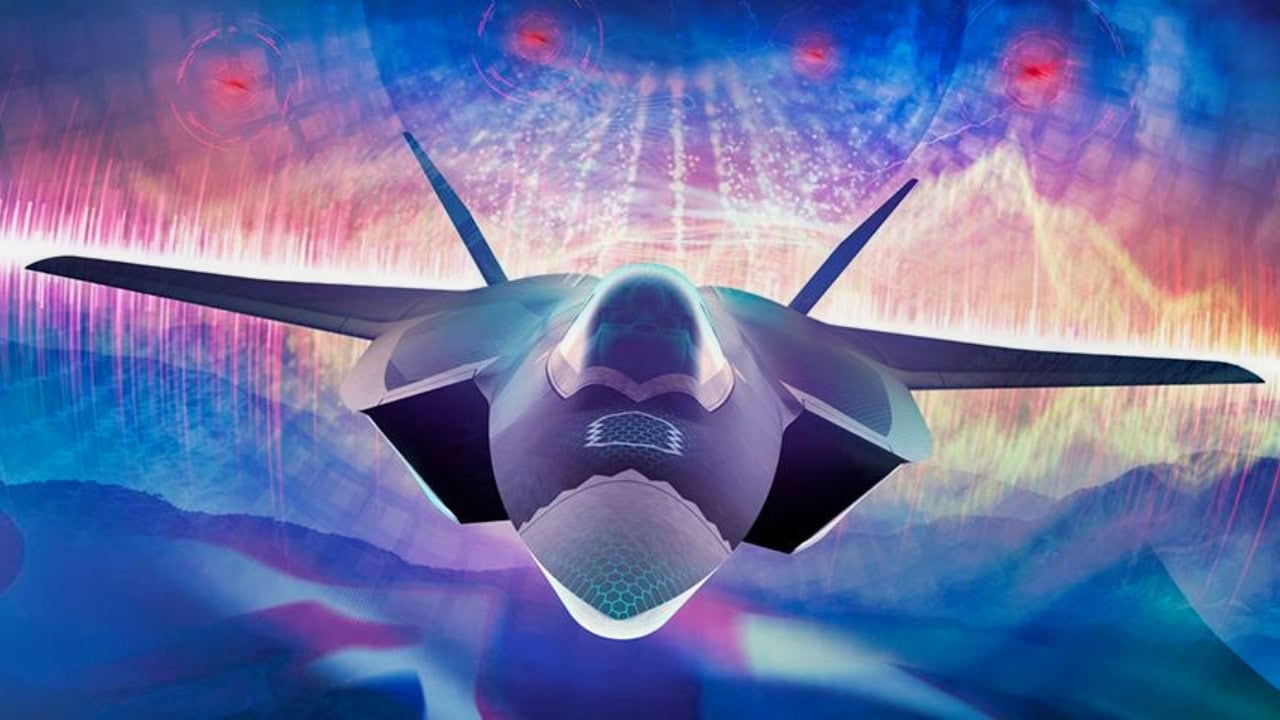
GCAP Fighter. Industry Handout Image.
-While GCAP has successfully launched the Edgewing joint venture with a 2035 service target, FCAS is projected for 2040, prompting Berlin to consider a “two-fighter” solution to avoid a decade-long capability gap.
Will Germany Dump FCAS for GCAP?
Europe’s search to field a sixth-generation fighter jet is ramping up, as fresh industrial momentum behind the UK-Italy-Japan Global Combat Air Programme (GCAP) arrives with political signals that Germany could one day reconsider its own path.
According to Le Monde, Italy has floated the possibility that Germany might “in the future” join the GCAP project, currently led by Rome, London, and Tokyo.
Last December, Italian Defence Minister Guido Crosetto mentioned the idea in parliament, while Prime Minister Giorgia Meloni reportedly mulled the matter with German Chancellor Friedrich Merz during a Rome summitlast month.
This would be a huge change for Berlin, which is, for now, partnering with France and Spain on the rival Future Combat Air System (FCAS).
While still officially ongoing, the scheme has been marred by bickering over industrial oversight, particularly between Airbus and Dassault Aviation, and is therefore projected to enter service around 2040, some five years after GCAP’s target.
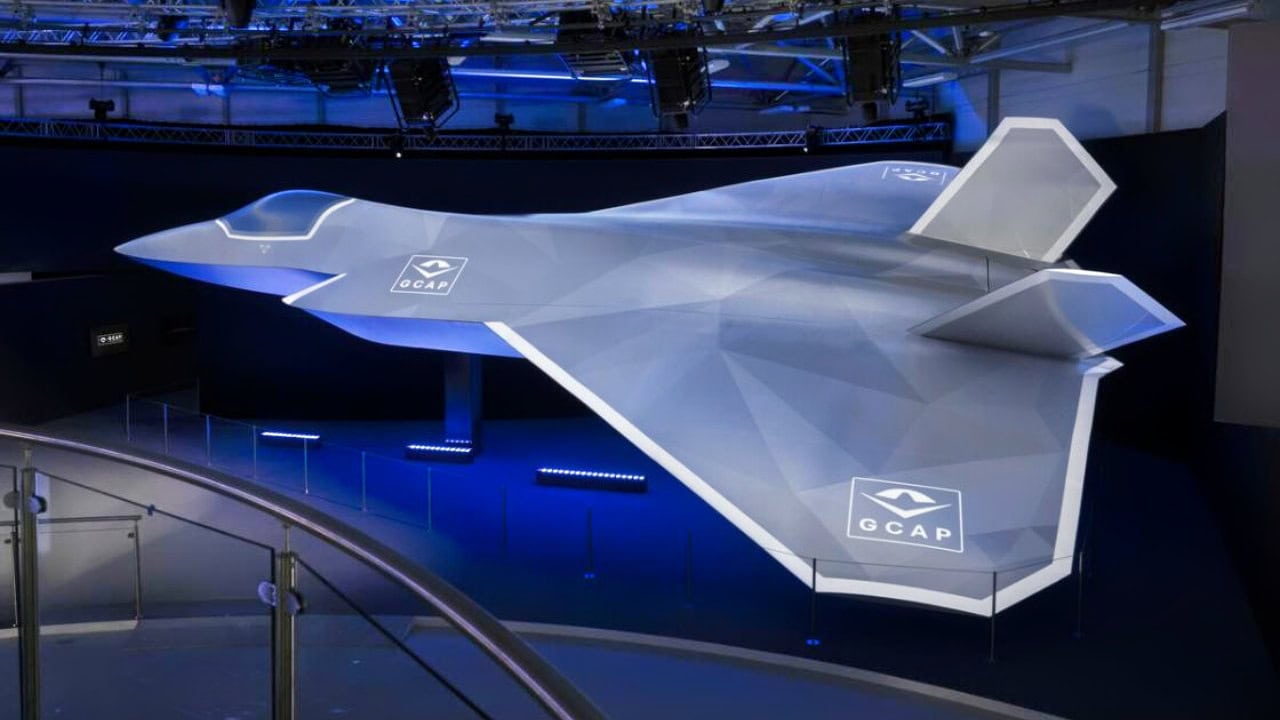
GCAP 6th Generation Fighter
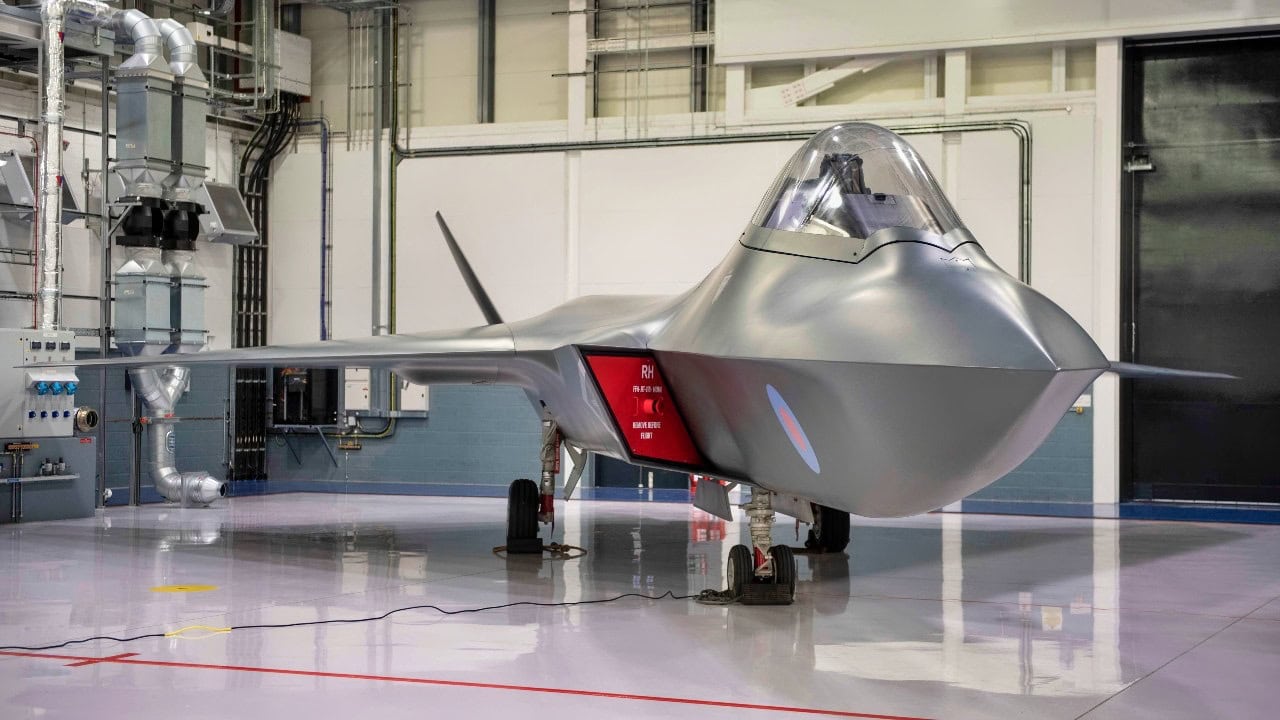
Image of the UK’s concept model for the next generation jet fighter “Tempest”, which was unveiled by Defence Secretary, at Farnborough International Air Show back in 2018.
By contrast, GCAP’s backers have emphasised streamlined governance.
The programme, formally launched by treaty in December 2022, created the “Edgewing” joint venture, which brings together BAE Systems, Leonardo, and Japan Aircraft Industrial Enhancement Co., each holding a 33.3% stake. The structure is designed to avoid the workshare disputes that have slowed other European defence collaborations.
Industrial signals suggest the timeline is being treated seriously. As reported by Defense News, BAE chief executive Charles Woodburn said this week that the production pipeline for the Eurofighter Typhoon is now filled through to the start of final assembly for the GCAP aircraft. Spain, Italy, and Germany sought further Eurofighter orders in 2024, followed by Turkey, meaning deliveries are now expected into the mid-2030s.
Airbus, BAE, and Leonardo’s Eurofighter consortium is set to expand output from an annual 14 jets to 20 by mid-2028. Woodburn said the company is “well on the journey” to increasing production rates further if new orders materialise. Europe now accounts for 32% of BAE’s order book, with regional sales up 28% in 2025. This far outpaces the overall company growth of just 8%.
For Italy, GCAP represents more than a procurement choice. As Euronews has reported, Rome is preparing to invest around €9 billion in the programme through 2035. Officials frame it as a bid for technological sovereignty after frustrations over limited technology transfer in the US-led F-35 programme.
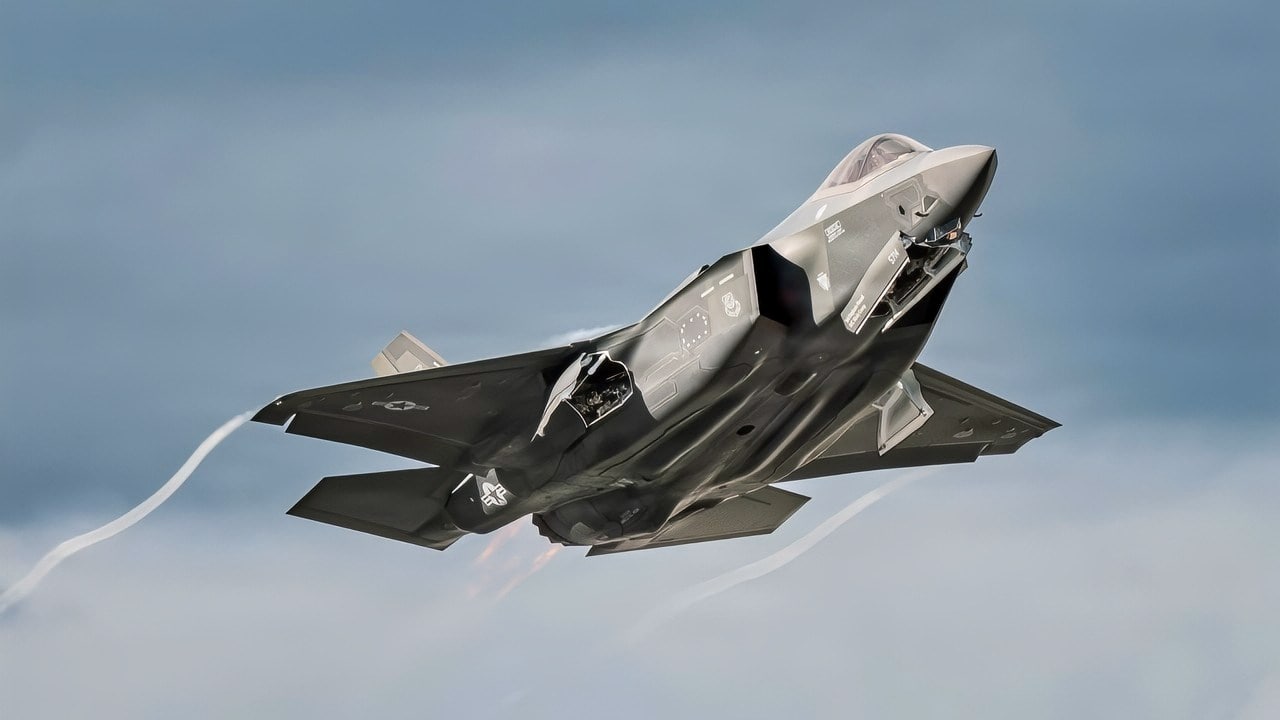
A U.S. Air Force F-35 Lightning II assigned to the 6th Weapons Squadron takes off in support of a U.S. Air Force Weapons School Integration (WSINT) mission at Nellis Air Force Base, Nevada, Nov. 18, 2025. WSINT incorporates multiple aircraft, domains and mission sets to challenge participants with dynamic problem-solving. (U.S. Air Force photo by Senior Airman Lauren Clevenger)
If Germany were to fully join, it would inject GCAP with more industrial heft and political weight, but would also create fresh complications. For now, the two-track fighter jet situation continues, though whether it will yield optimal results for all parties remains uncertain.
About the Author: Georgia Gilholy
Georgia Gilholy is a journalist based in the United Kingdom who has been published in Newsweek, The Times of Israel, and the Spectator. Gilholy writes about international politics, culture, and education. You can follow her on X: @llggeorgia.