Summary and Key Points: Brandon J. Weichert, Senior National Security Editor, evaluates the “missile stockpile crisis” as Operation Epic Fury enters its fourth day. Despite the decapitation of Iran’s senior leadership, General Dan Caine and Vice Admiral Fred Kacher warn that high-tempo intercepts are exhausting finite inventories of SM-3 and Tomahawk missiles. This 19FortyFive report analyzes the strategic “opportunity cost” of shifting assets from the Indo-Pacific to CENTCOM, arguing that the depletion of the First Island Chain’s defenses could embolden a Chinese move against Taiwan while the U.S. defense industrial base struggles to meet replenishment demands.
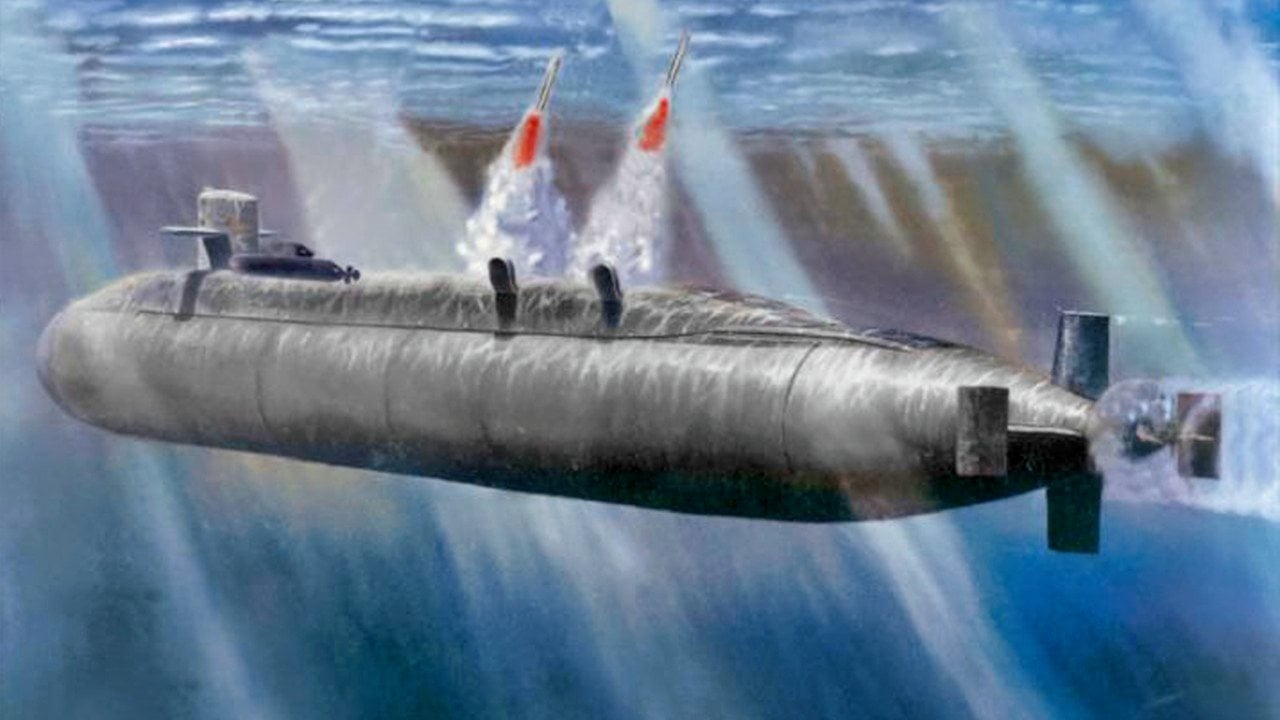
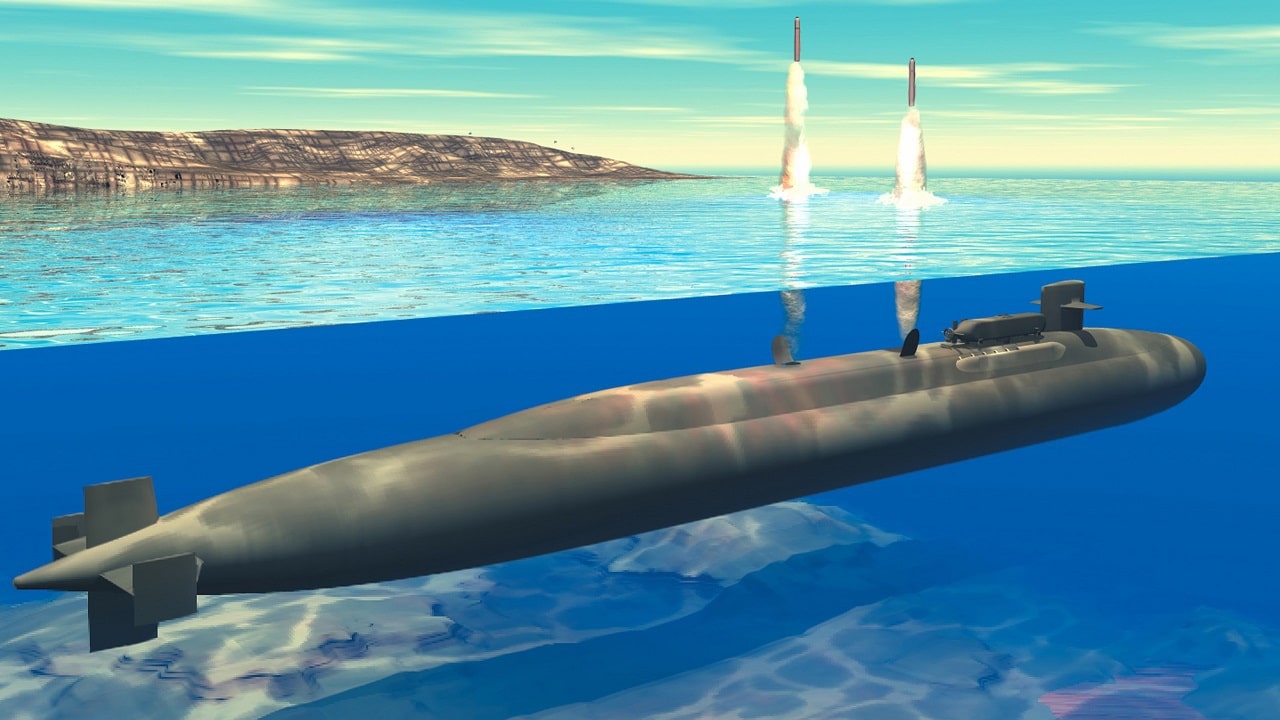
Puget Sound Naval Shipyard, Wash. (Aug. 14, 2003) — Illustration of USS Ohio (SSGN 726) which is undergoing a conversion from a Ballistic Missile Submarine (SSBN) to a Guided Missile Submarine (SSGN) designation. Ohio has been out of service since Oct. 29, 2002 for conversion to SSGN at Puget Sound Naval Shipyard. Four Ohio-class strategic missile submarines, USS Ohio (SSBN 726), USS Michigan (SSBN 727) USS Florida (SSBN 728), and USS Georgia (SSBN 729) have been selected for transformation into a new platform, designated SSGN. The SSGNs will have the capability to support and launch up to 154 Tomahawk missiles, a significant increase in capacity compared to other platforms. The 22 missile tubes also will provide the capability to carry other payloads, such as unmanned underwater vehicles (UUVs), unmanned aerial vehicles (UAVs) and Special Forces equipment. This new platform will also have the capability to carry and support more than 66 Navy SEALs (Sea, Air and Land) and insert them clandestinely into potential conflict areas. U.S. Navy illustration. (RELEASED)
How Operation Epic Fury is Stripping Pacific Defenses Against China to Fuel the Iran War
Everyone in the White House is doing their level-best to wish away the painful realities of President Donald Trump’s war of choice against the Islamic Republic of Iran. Sadly, as with all mass delusions, reality always sets in. The emperor, in fact, is not wearing any clothes.
The Warning Trump Ignored
In this case, the naked emperor is quite an eyesore. Trump was warned by his chairman of the Joint Chiefs of Staff, U.S. Air Force General Dan “Razin’” Caine, that the planned attack on Iran risked completely draining U.S. military stockpiles in the region.
Trump didn’t care.
Out of concern for what would befall U.S. forces in the region because of Trump’s utterly irresponsible action, one of Caine’s subordinates, U.S. Navy Vice Admiral Fred Kacher, leaked the contents of the conversation in which Caine outlined in vivid detail for the president how the Iran War would damage U.S. military readiness elsewhere—notably in the far more important strategic domain of the Indo-Pacific.
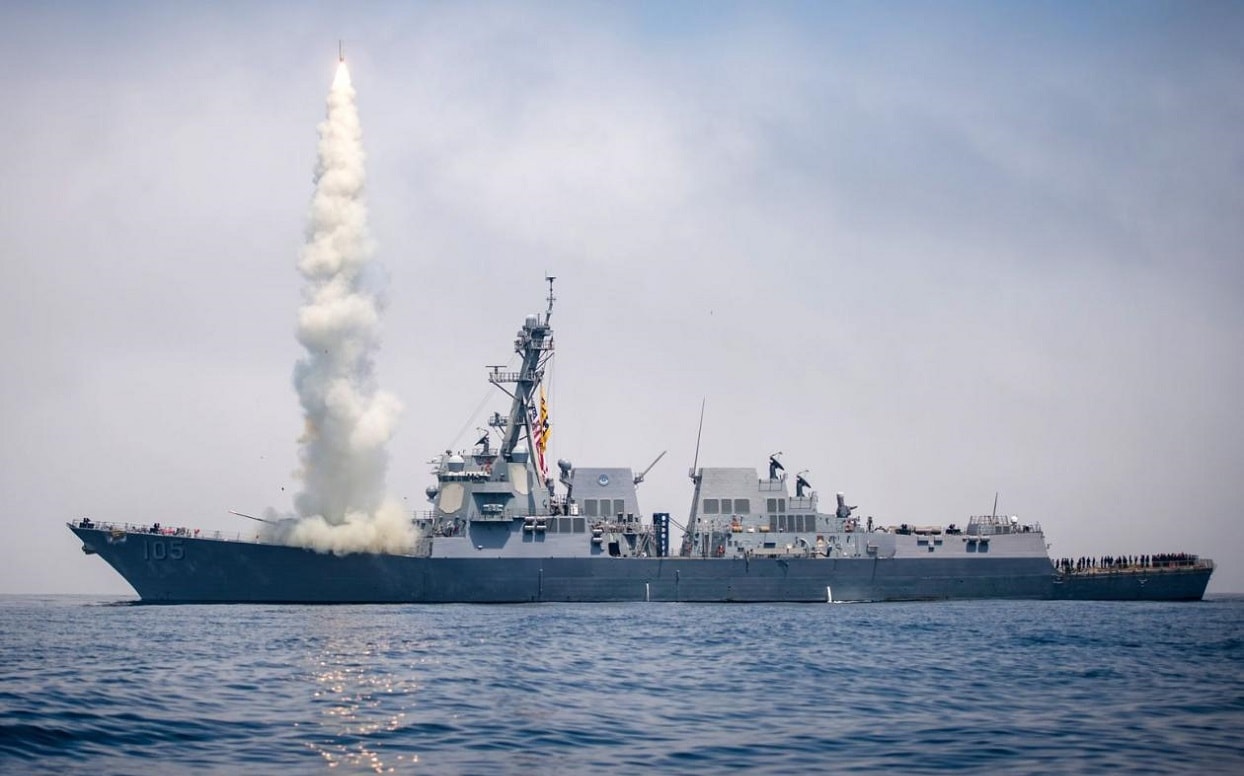
Tomahawk Cruise Missile. Image Credit: US Navy.
As the third day of the Iran War concludes, reports are proliferating that U.S. military leaders are starting to fret over the rapid depletion of the United States’ already finite stockpiles of critical air-defense interceptors and attack missiles in U.S. Central Command’s (CENTCOM’s) area of responsibility (AOR).
According to reports last week, there were concerns that a high-tempo conflict—even one limited to an air war—would drain those critical stockpiles within eight days.
Eight Days Until Empty: The Missile Stockpile Crisis
At the halfway point of that eight-day mark, it looks like the Pentagon brass is in a full-blown panic. For now, the Americans enjoy partial supremacy over the Iranians. Yet, it should be noted that the kill-shot the U.S.-Israeli alliance seeks against the Iranian regime has yet to be delivered.
Many Islamic Republic leaders have been assassinated. The capabilities of Iran’s military have been generally degraded. But the Iranian regime remains firmly in charge, and Iran’s counteroffensive is intensifying and spreading across the region.
Perhaps that is the last gasp of a mortally wounded enemy whose demise is coming sooner than anyone realizes.
Or perhaps the Iranians, despite the damage imposed upon them, continue to be combat-effective. Thus, the strategy of the debilitated but still fighting Islamic Republic is to simply force the use of those limited U.S., Israeli, and Arab stockpiles of air-defense systems and missiles.
Iran’s Strategy: Bleed the Arsenal, Not the Battlefield
Once those are drained, in theory, the Iranians might be able to threaten U.S., Israeli, and Arab targets with their own massive arsenal of missiles, hypersonic weapons, and drone swarms.
Of course, the Americans are carrying out their own strategy. They’ve degraded the Iranian command-and-control nodes quite effectively (but not effectively enough, as the Iranians are still fighting). Now, the Americans are trying to blast the cities that house missiles and drone swarms.
Missiles from Iran, however, continue raining down on the Americans and their allies in the region. In fact, the missile attacks keep expanding and include more advanced systems than what came before.
This matters because U.S. forces after this weekend will be required to pull systems from critical stockpiles in the Indo-Pacific Command (INDOPACOM) region.
The White House and Pentagon have both stated they planned for a four-to-five-week war in the Middle East. There are now ruminations about potential deployments of ground forces in the coming weeks.
The Taiwan Window Opens
All this will mean an indefinite pulling of critical resources from the INDOPACOM to the CENTCOM AOR.
Given how badly the U.S. defense -industrial base has been at replenishing massive numbers of depleted systems since the Ukraine War began in 2022—especially the Tomahawk Land Attack Missile and air-defense interceptors—it strains credulity to think that the United States will be able to restore key stockpiles in the Indo-Pacific anytime soon.
That all leads us to the next, even bigger crisis: a potential conflict with China over Taiwan, the East China Sea, or the South China Sea.
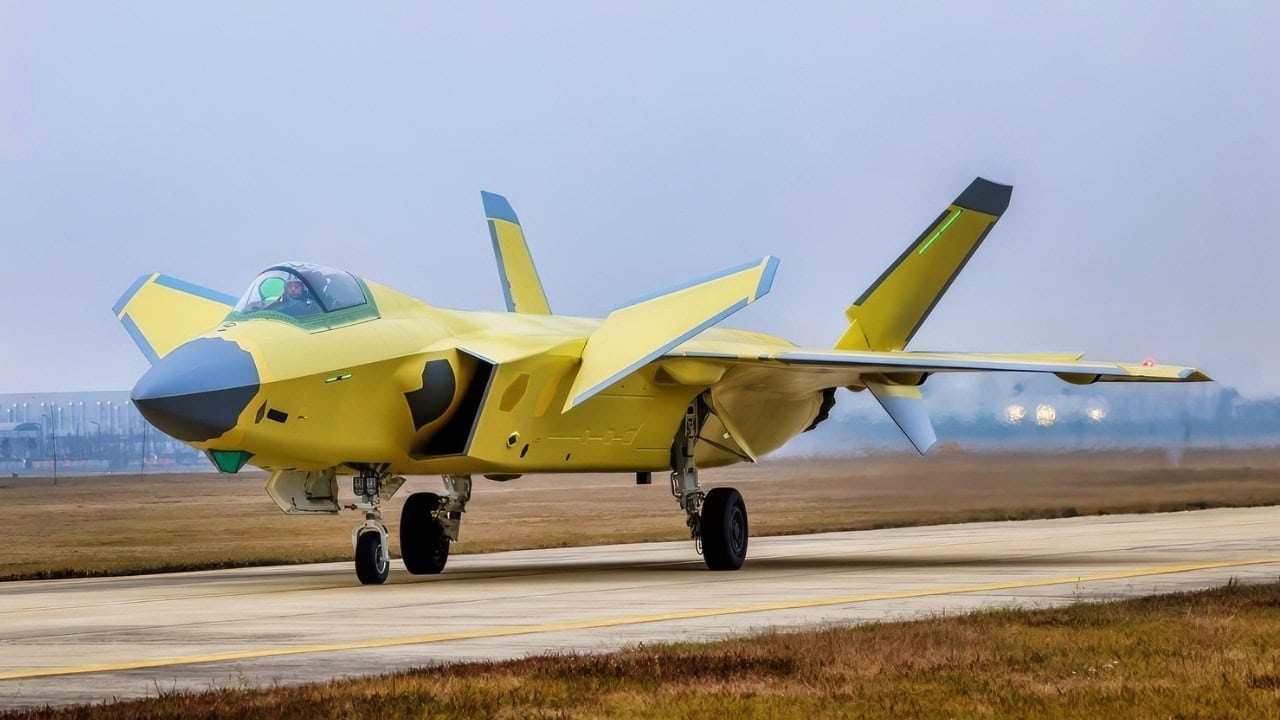
J-20 Fighter from China X Screenshot. Image Credit: Creative Commons.
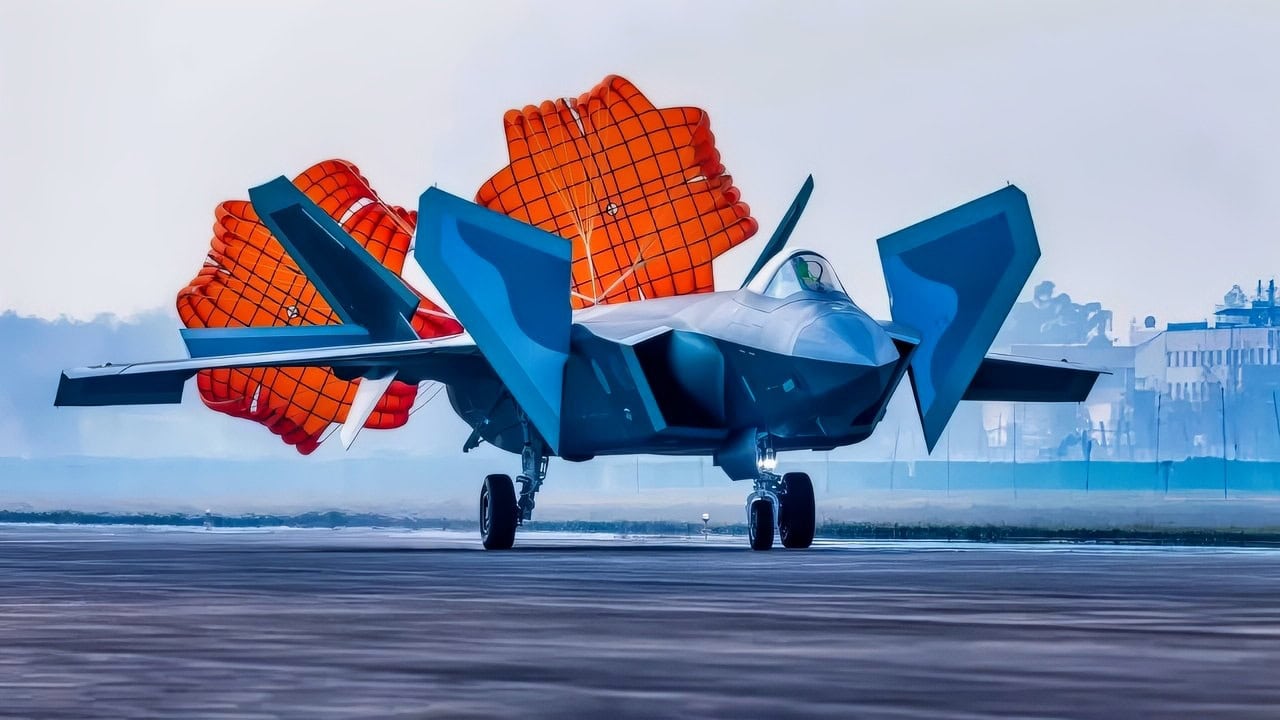
J-20S Fighter from China. Image Credit: Creative Commons.
If the United States drains INDOPACOM of its precious stockpiles, with little-to-no replenishment on the horizon, the Chinese may decide that the potential costs of making a move against those targets has now fallen too low for them to wait any longer. Without adequate levels of weapons in the region, U.S. and allied forces would be hard-pressed to effectively roll back a Chinese attack on Taiwan.
Pulling a Rabbit—Or Triggering a Catastrophe?
Perhaps Trump pulls a rabbit out of his proverbial hat and gets a deal with whatever remains of Iran’s leadership soon. If that’s the case, the chances are high of avoiding a real catastrophe in both the Middle East and Indo-Pacific.
If, however, this war drags out for weeks, the Americans will be forced to move the bulk of their stockpiles from INDOPACOM to CENTCOM, leaving the first island chain (the territory extending from the Kamchatka Peninsula, through Japan and Taiwan, down through the South China Sea and the Philippines) vulnerable to serious Chinese attack.
At that point, there would be no putting Humpty-Dumpty together again. An entirely new geopolitical order could lay on the horizon in which the United States has been humiliated and marginalized, and China is ascendant.
About the Author: Brandon J. Weichert
Brandon J. Weichert is the Senior National Security Editor at 19FortyFive.com. He was previously the senior national security editor at The National Interest. Weichert is the host of The National Security Hour on iHeartRadio, where he discusses national security policy every Wednesday at 8pm Eastern. He hosts a companion show on Rumble entitled “National Security Talk.” Weichert consults regularly with various government institutions and private organizations on geopolitical issues. His writings have appeared in numerous publications, among them Popular Mechanics, National Review, MSN, and The American Spectator. And his books include Winning Space: How America Remains a Superpower, Biohacked: China’s Race to Control Life, and The Shadow War: Iran’s Quest for Supremacy. Weichert’s newest book, A Disaster of Our Own Making: How the West Lost Ukraine, is available for purchase wherever books are sold. He can be followed via Twitter/X @WeTheBrandon.