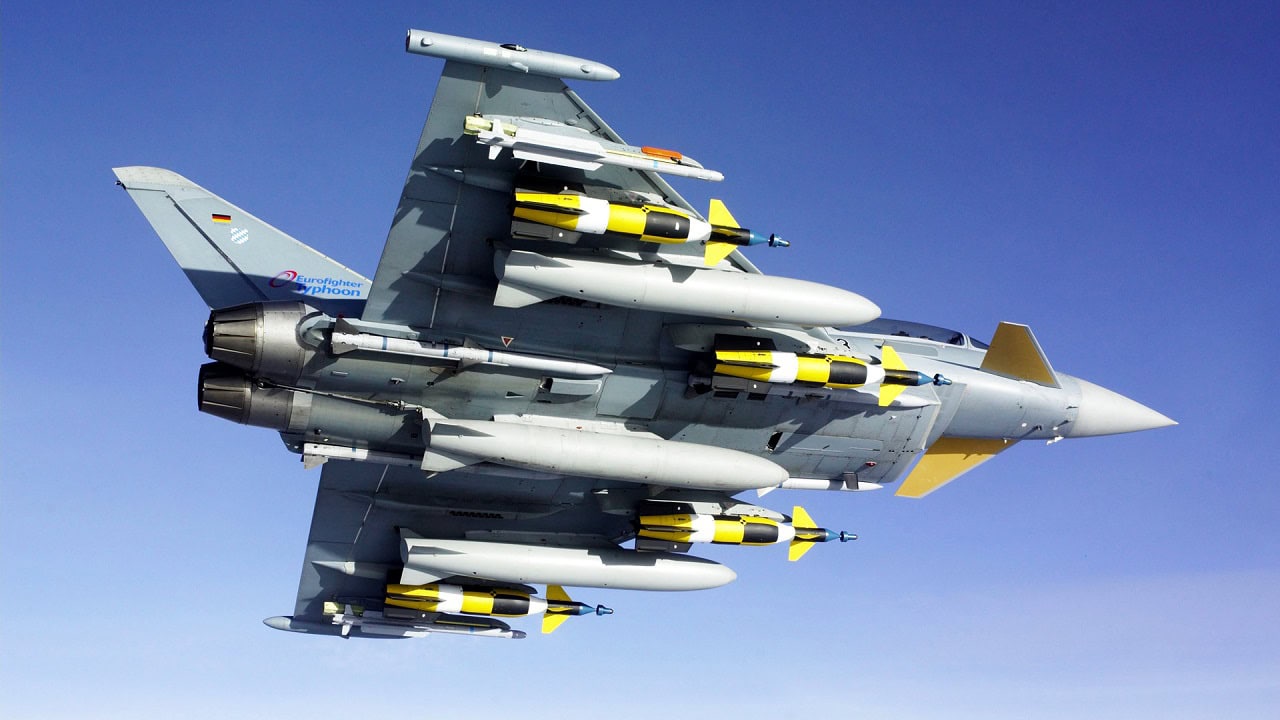
Summary and Key Points: Caleb Larson, a veteran conflict journalist, evaluates the Qatar Emiri Air Force’s combat debut during Operation Epic Fury.
-Facing Iranian retaliation, the QEAF successfully downed two Su-24 aircraft and intercepted multiple ballistic missiles.
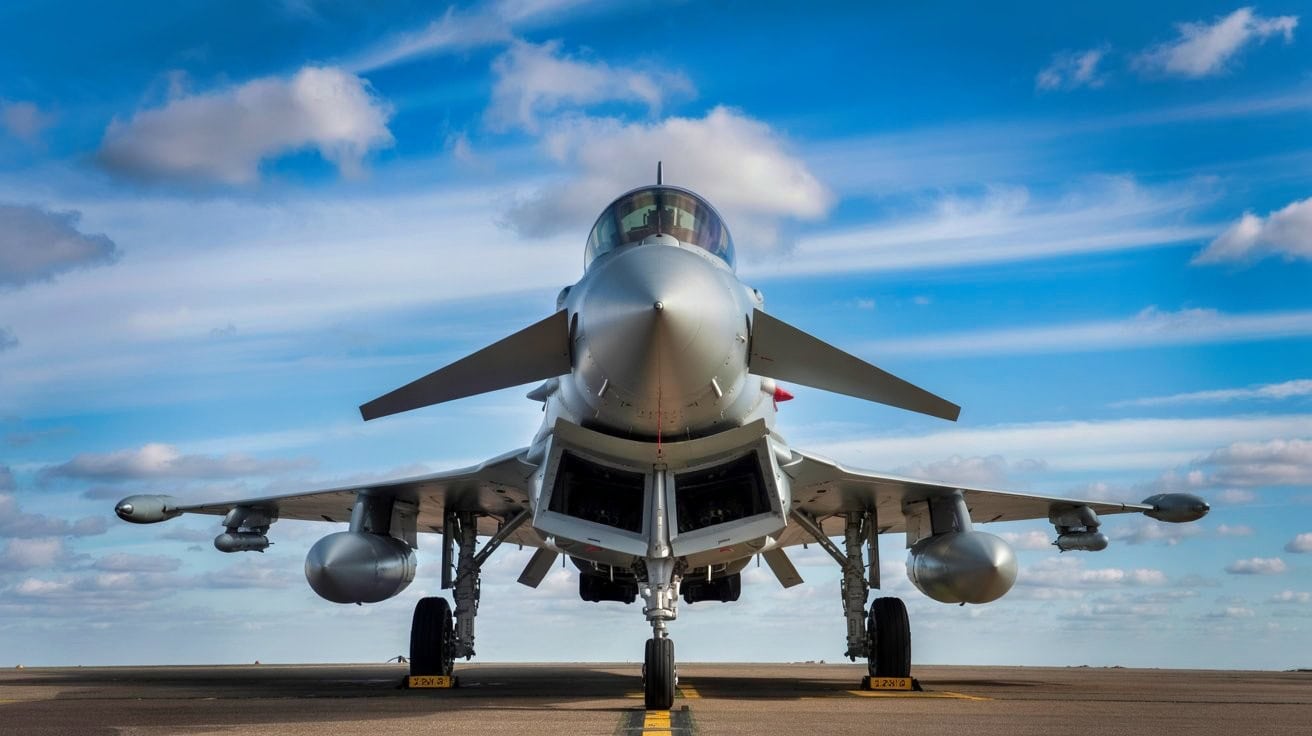
Eurofighter Typhoon. Image Created by Ideogram.
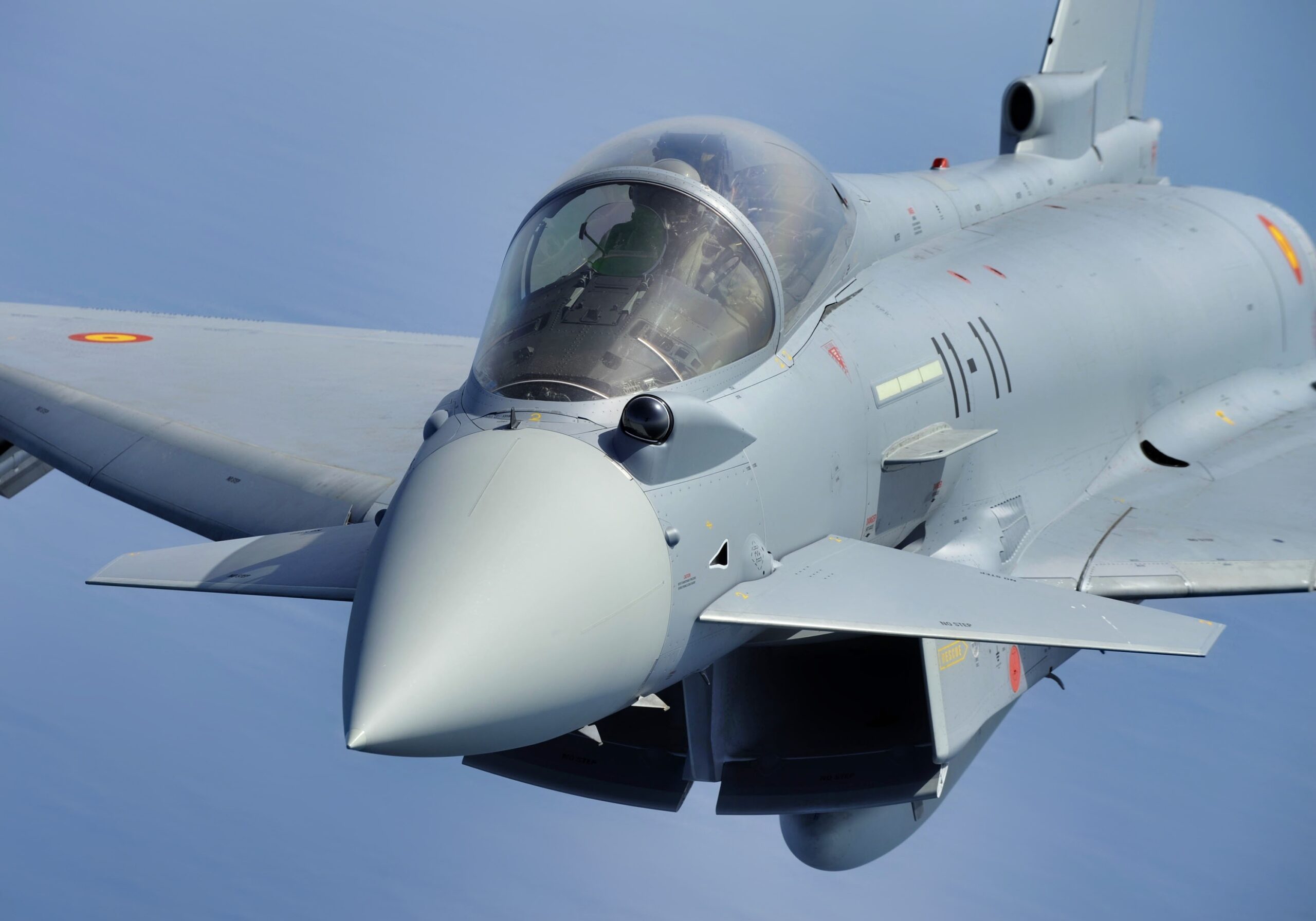
Eurofighter Typhoon Fighter. Image Credit: Creative Commons.
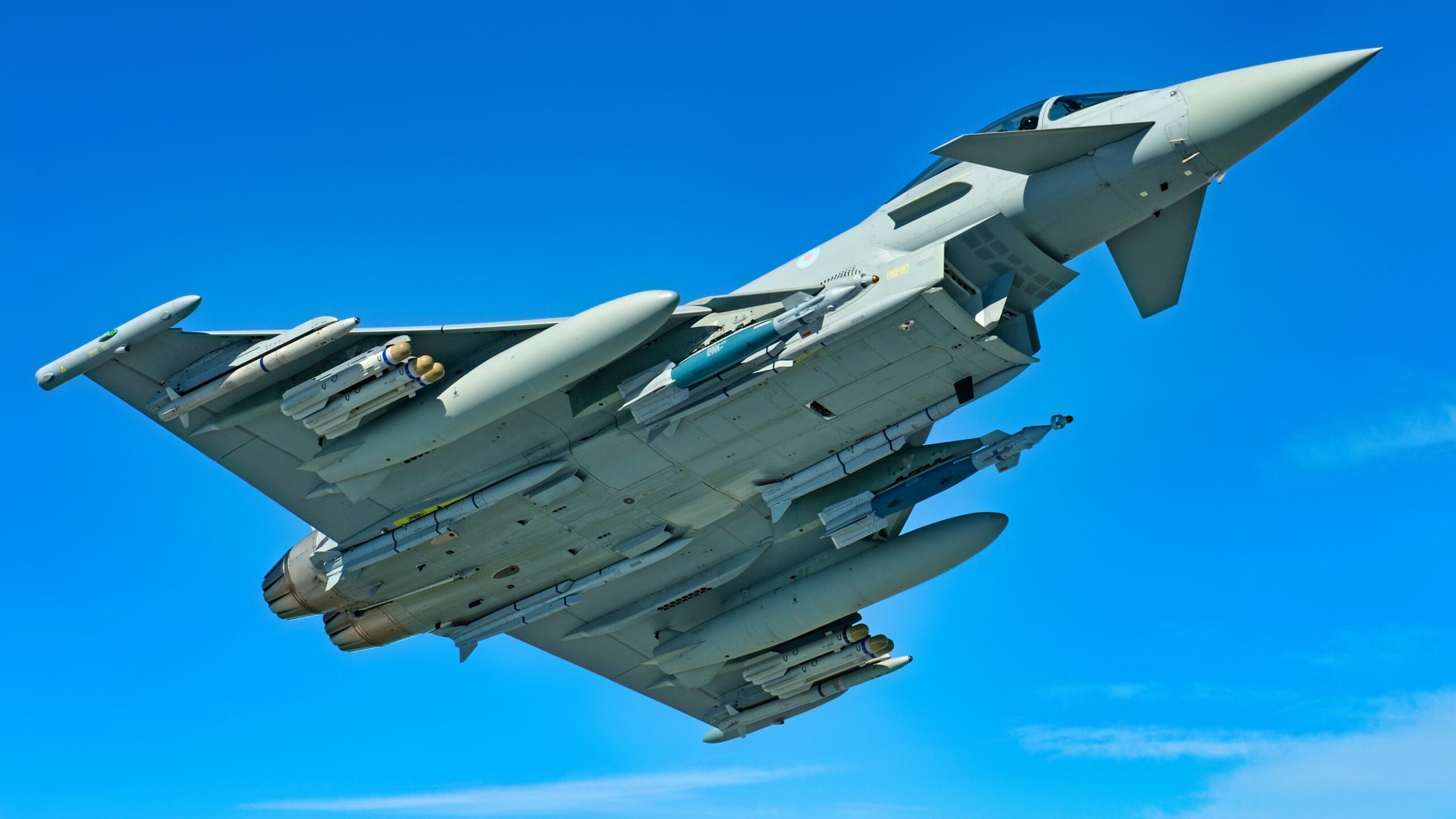
Eurofighter Typhoon. Image Credit: Creative Commons.
-This 19FortyFive report analyzes Qatar’s strategic pivot from neutrality to active defense using its fleet of 36 Dassault Rafales, Boeing F-15QAs, and Eurofighter Typhoons.
-Larson warns that while Qatar’s air-to-air performance is high-end, a looming deficit of Patriot air interceptors—estimated to last only two more days as of March 4—threatens global liquefied natural gas (LNG) supplies and regional stability.
The Patriot Countdown: Why Qatar and the UAE are Pressuring the U.S. to Blunt the Iran Offensive
The Qatar Emiri Air Force underwent a significant change in recent years. Although it was once a relatively small air force with little power projection capabilities—focused instead on national defense—that air force has since evolved.
It has incorporated French, U.S., and other European fighters to become a high-end air combat arm.
During the 1990s and 2000s, Qatar’s air force employed Dassault Mirage 2000-5 fighters to mount a credible air-defense capability, but it was relatively small and unsuited to expeditionary operations. Qatar’s relations with its neighbors, particularly during the 2017–21 Gulf diplomatic spat, catalyzed the revamp of the Qatar Emiri Air Force.
Building Upward and Outward
From the mid-2010s, Qatar strove to modernize and expand its air capabilities significantly, signing agreements with Dassault, Boeing, and the Eurofighter consortium for the purchase of Rafale, F-15QA, and Typhoon fighters, respectively.
This made Qatar one of the few countries to operate three different advanced fourth-generation fighter aircraft. That mix was a strategic hedge. By securing deals from the United States, France, and the United Kingdom, Qatar deepened its defense ties with each of those countries and diversified its security architecture.
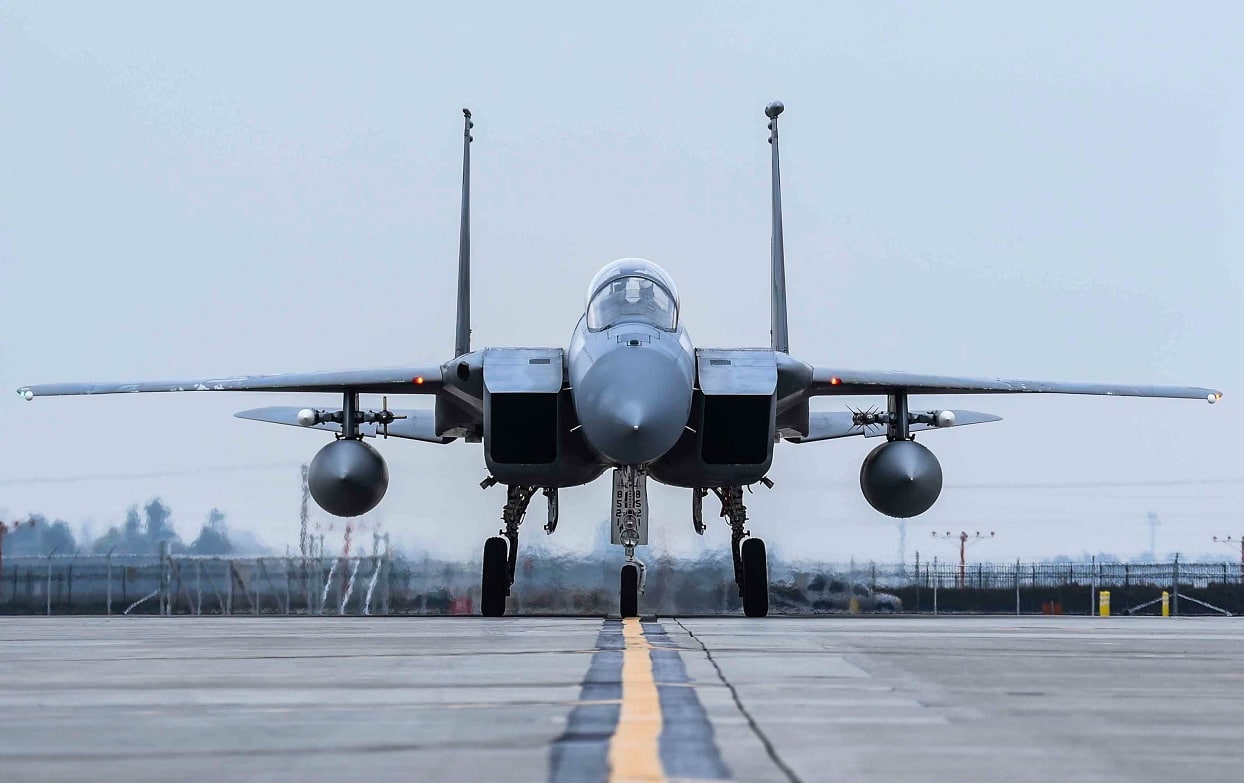
Col. John York, the 144th Operations Group commander, taxies in an F-15C Eagle during his fini flight with the 144th Fighter Wing at Fresno Air National Guard Base, Calif., Jan. 8, 2016. (U.S. Air National Guard photo/Senior Airman Klynne Pearl Serrano)
Today, the country’s fighter inventory includes 36 Rafales—multirole fighters capable of precision-strike and air superiority missions that are a significant upgrade over the older Mirage 2000s they replaced.
The F-15 Qatar Advanced is one of the most capable F-15 variants built. Advanced avoidance and large payload capacity make that large, two-engined aircraft a capable air-superiority fighter, and it boasts a deep-strike capability. Lastly, Qatar ordered two dozen Eurofighter Typhoons, which give the kingdom solid air-to-air performance and strike capability.
The Qatari Emiri Air Force has around 90 fighter jets, as well as other support and auxiliary aircraft. But few Qataris serve in uniform—the country leans heavily on foreign contractors, trainers, and fighter pilots. Thanks to partnerships with the United States and other countries, the country enjoys capable training and operational integration.
Qatar’s air force has several prominent strengths, including a very modern fighter fleet that can integrate with Western fleets and use advanced Western-supplied weapons. It also has an outsized strategic airlift capability. However, the country’s personnel limitations are a constraint.
Operating three different fighters is a significant logistical challenge, and the country’s ability to sustain prolonged operations in high-tempo environments is questionable.
Operation Epic Fury
Although Qatar initially closed its airspace in the runup to the campaign against Iran—in effect closing Qatari airspace to U.S. military flights—Iran’s seemingly wild attempt to fire at a variety of adversaries across the region may open up airspace for use by the United States.
Iranian missiles and drones, fired at countries across the region, have been mostly intercepted, though a few Iranian projectiles have managed to strike energy infrastructure, American bases, hotels, and other civilian targets throughout the region.
QatarEnergy, one of the world’s biggest exporters of liquefied natural gas, said it would pause production following Iranian strikes on energy locations in Qatar. But Qatar has also made an effort to defend its own airspace and has downed a pair of Iranian aircraft.
“Qatar Emiri Air Force successfully shot down two (SU24) aircraft coming from the Islamic Republic of Iran,” the Qatari Ministry of Foreign Affairs posted to X. “They also successfully intercepted (7) ballistic missiles through air defenses, and intercepted (5) drones by Qatar Emiri Air Force and Qatar Emiri Navy Forces, which targeted several areas in the state today.”
“The Ministry affirms that the threat was addressed immediately upon detection, in accordance with the operational plan, as all missiles were shot down before reaching their targets.
“The Ministry further emphasizes that Qatar Armed Forces possess full capabilities and resources to safeguard the state’s sovereignty and lands, and to respond firmly to any external threat.”
Qatar hosts the U.S. Air Force at Al Udeid Air Base, the largest U.S. military base in the Middle East. Qatar built the air base in 1996 following an agreement with the United States, and the United States used the air base in 2001 for strikes in Afghanistan.
Recent satellite imagery shows that a number of U.S. military aircraft, including tanker and cargo planes, left the base ahead of Iran’s retaliation.
The Air Defense Question
Recent reporting indicates that Qatar and the United Arab Emirates are lobbying the United States to blunt the offensive against Iran as both countries expend air interceptors at unsustainable rates. If Iran’s missile attacks remain consistent, Qatar’s pool of U.S.-made Patriot air interceptors will only last for a paltry four more days as of March 2.
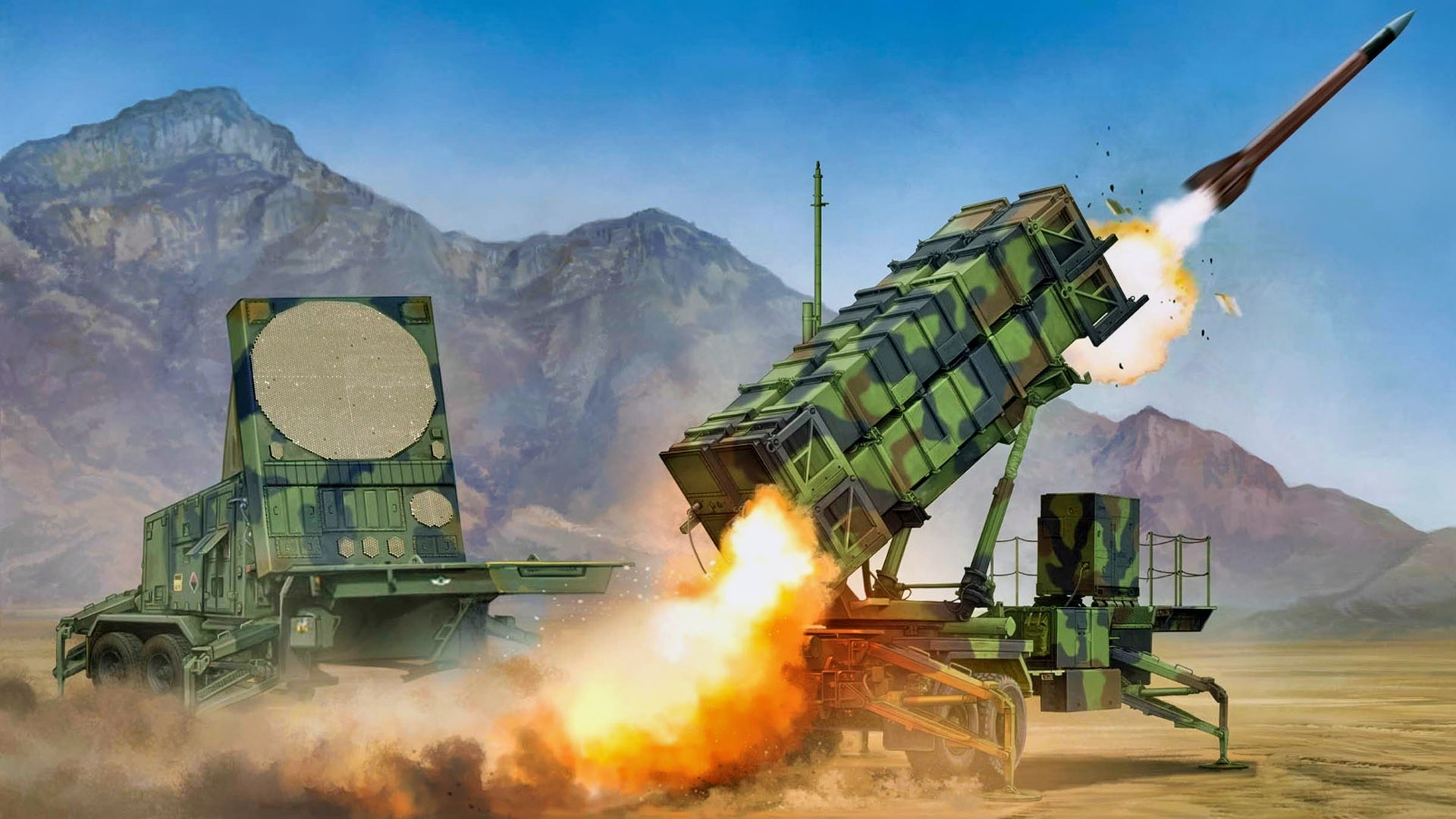
Patriot Missile. Image Credit: Creative Commons.
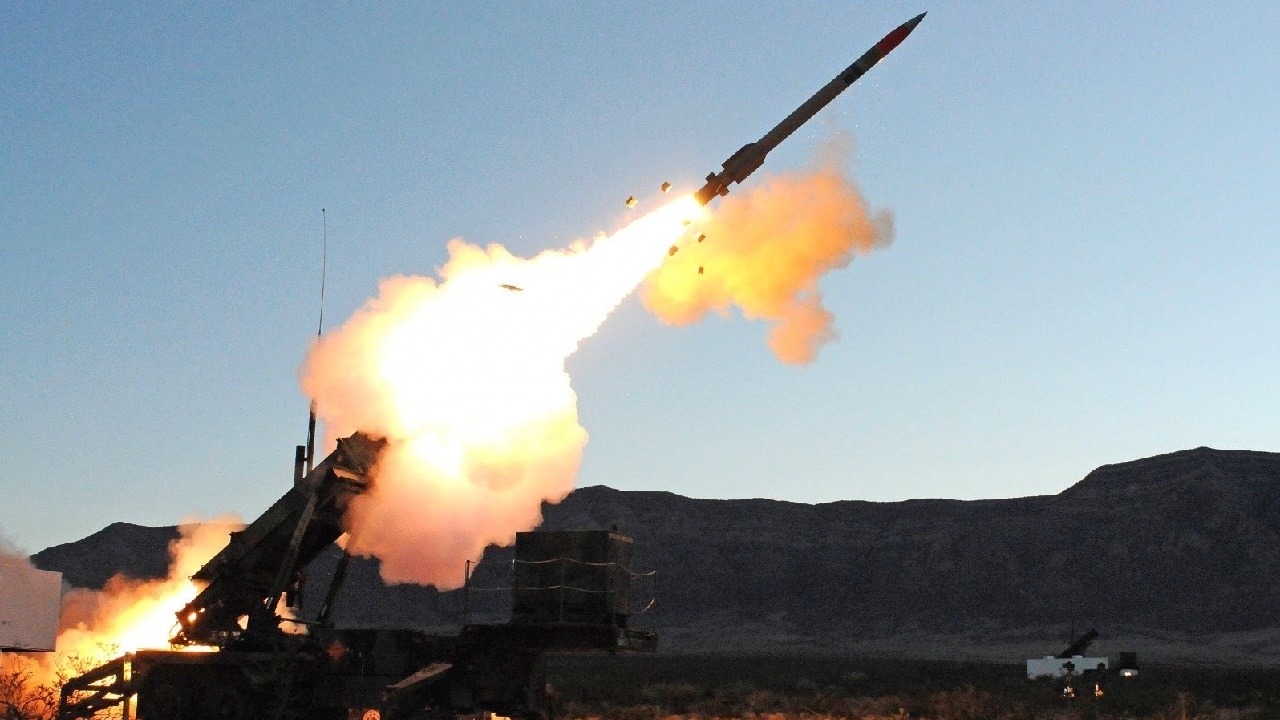
Patriot Missile. Image Credit: Creative Commons.
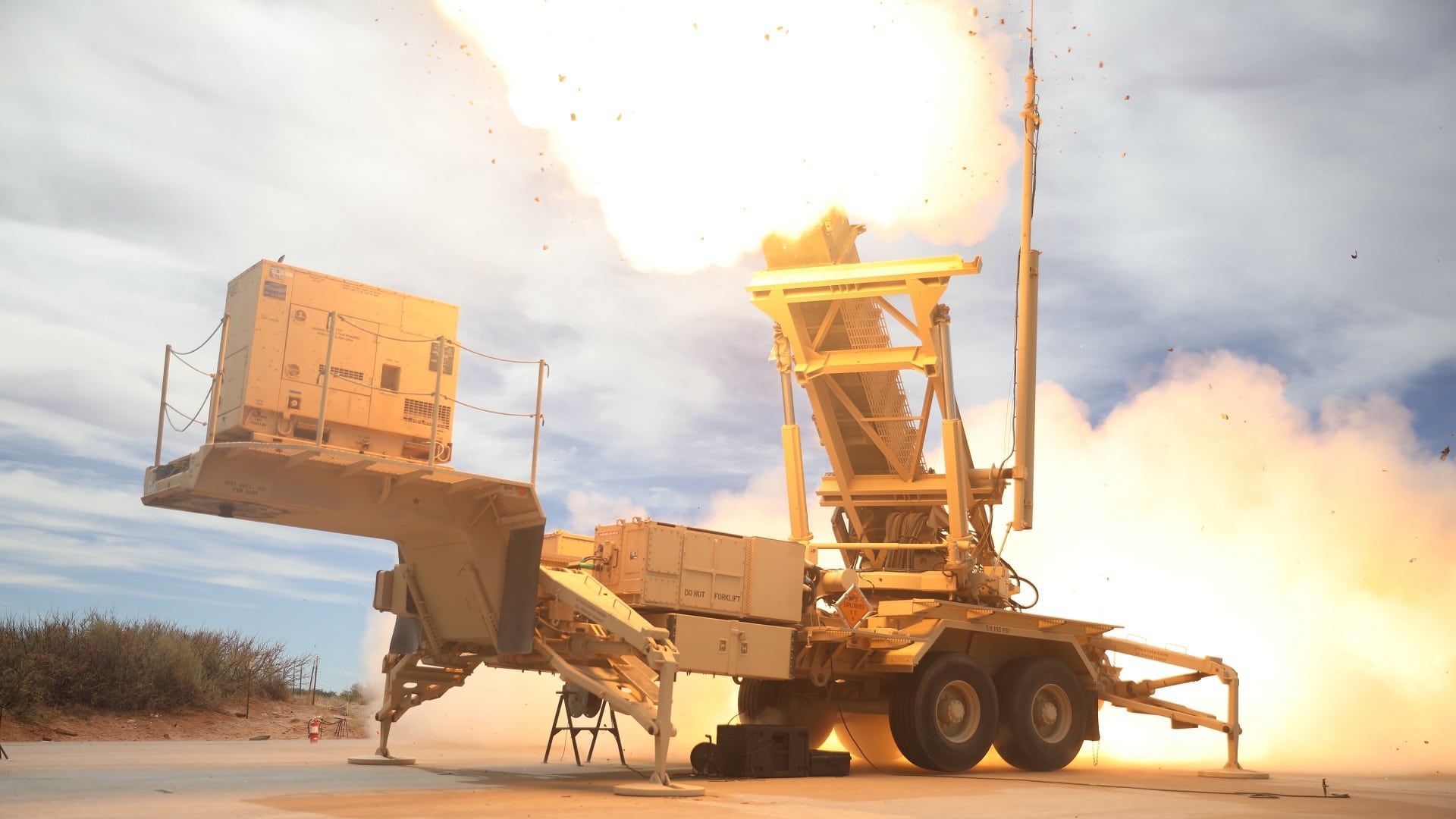
Soldiers from 69th Air Defense Artillery Brigade conducted Patriot Missile live fire training, November 5, at McGregor Range Complex on Fort Bliss. The live fire exercise was conducted jointly with Air Defense counterparts from the Japanese Self-Defense Force. (U.S. Army Photo by Staff Sgt. Ian Vega-Cerezo)
Internal Qatari assessments have also shown that if international maritime shipping lanes are threatened into next week, a more significant spike in energy prices might be expected.
Qatar’s ability to protect its airspace has wide implications beyond its borders: global energy prices, particularly for liquefied natural gas, could spike if Qatari energy infrastructure absorbs more damaging hits from Iranian weapons. Patriot missiles for air-defense batteries would help, but so could Qatar’s relatively strong air force.
About the Author: Caleb Larson
Caleb Larson is an American multiformat journalist based in Berlin, Germany. His work covers the intersection of conflict and society, focusing on American foreign policy and European security. He has reported from Germany, Russia, and the United States. Most recently, he covered the war in Ukraine, reporting extensively on the war’s shifting battle lines from Donbas and writing on the war’s civilian and humanitarian toll. Previously, he worked as a Defense Reporter for POLITICO Europe. You can follow his latest work on X.