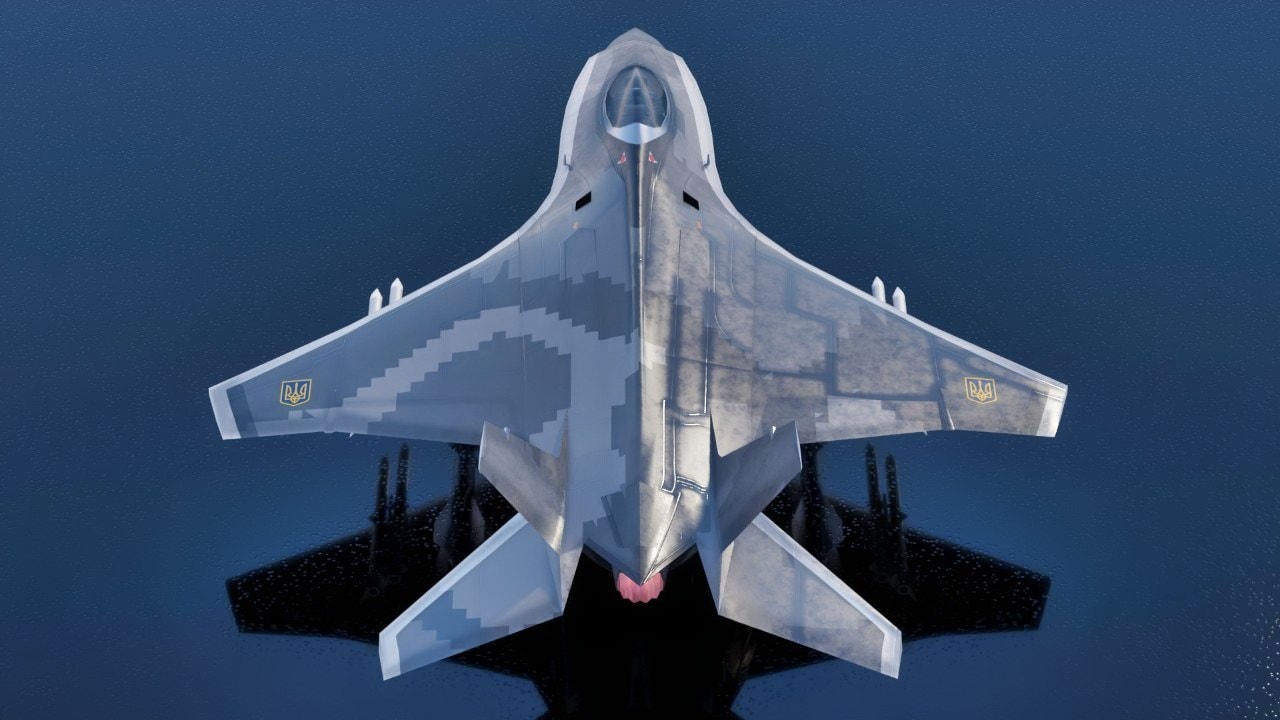
Summary and Key Points: National Security Editor Brandon J. Weichert evaluates the viability of Russia’s MiG-41 (PAK DP), a 6th-generation interceptor that would be Moscow’s F-47 NGAD-equivalent.
-Designed by the Mikoyan Design Bureau (now part of the United Aircraft Corporation) to replace the MiG-31 Foxhound, the MiG-41 purportedly features Mach 4.3+ speed, near-space operational ceilings, and directed-energy weapons (DEW).
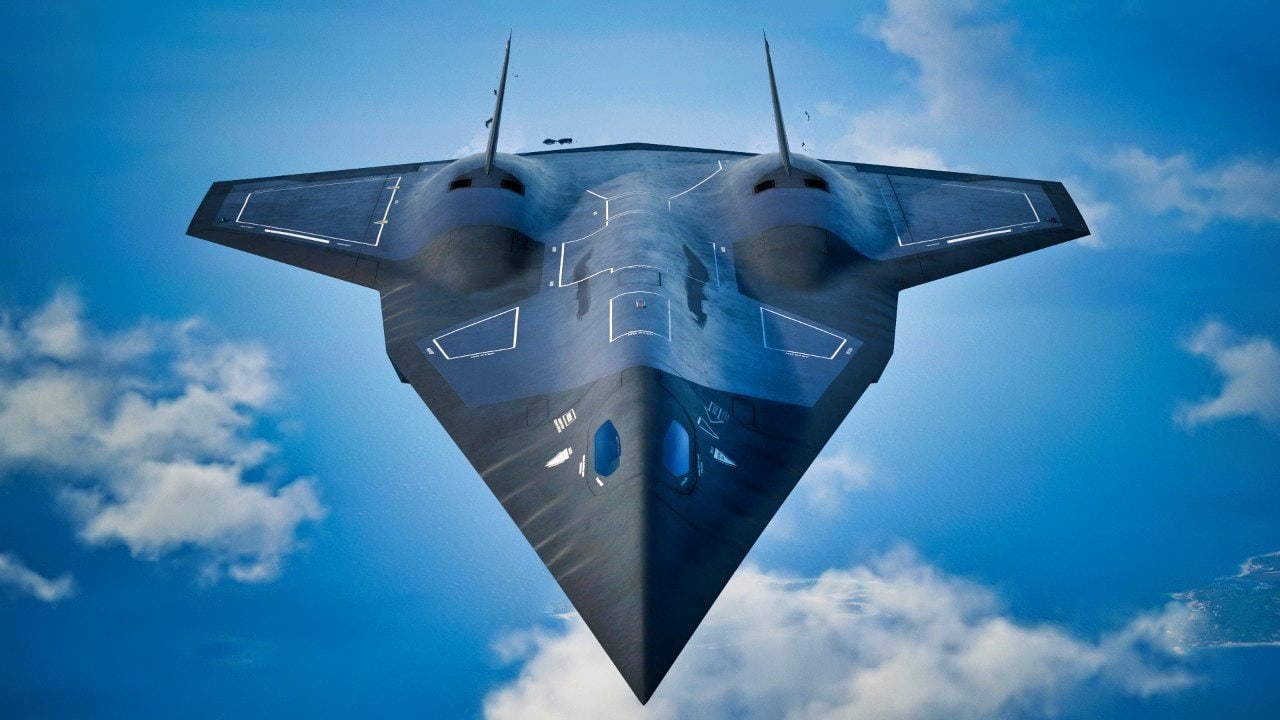
MiG-41. Image Credit: Creative Commons.
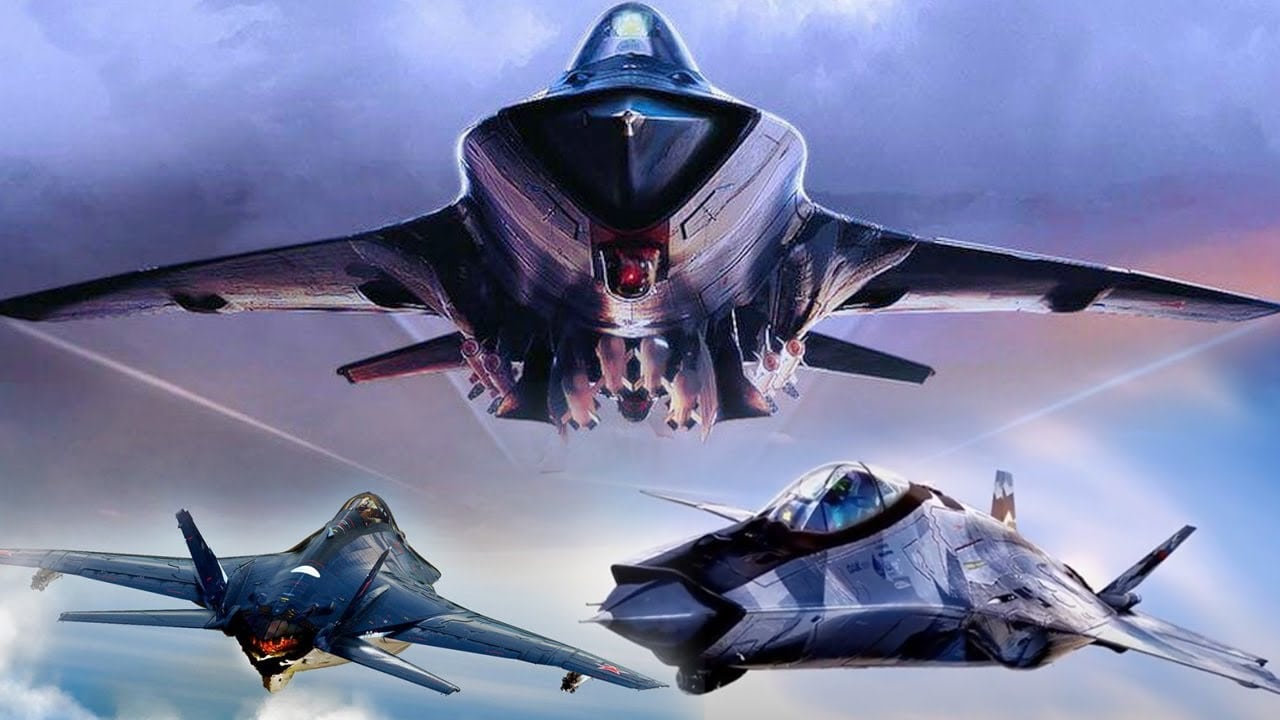
MiG-41. Image Credit: YouTube Screenshot.
-This report analyzes how Russia’s focus on the Ukraine War and the failure to scale Su-57 production have relegated the MiG-41 to an “expensive daydream.”
-Weichert concludes that while the U.S. progresses with the F-47, Russia lacks the materials and thermal management technology to move the MiG-41 beyond the R&D phase.
The MiG-41 “Starfighter” Myth: Why Russia’s Mach 4.3 Interceptor is a 2026 Strategic Fantasy
The race for the sixth-generation warplane is underway. The United States is developing the F-47, the Chinese have two designs, and the Europeans are seeking their own. Now, the Russians are entering the fray with their proposed MiG-41, which has been described as a “Prospective Long-Range Interception Aircraft” (PAK DP).
Toward the Future or Just an Expensive Daydream?
The prospective aircraft is meant to replace the MiG-31. And with the Ukraine War underway, Moscow is interested in this system.
But, because of the demands of that war, Russia is unable to properly source resources to develop the warplane.
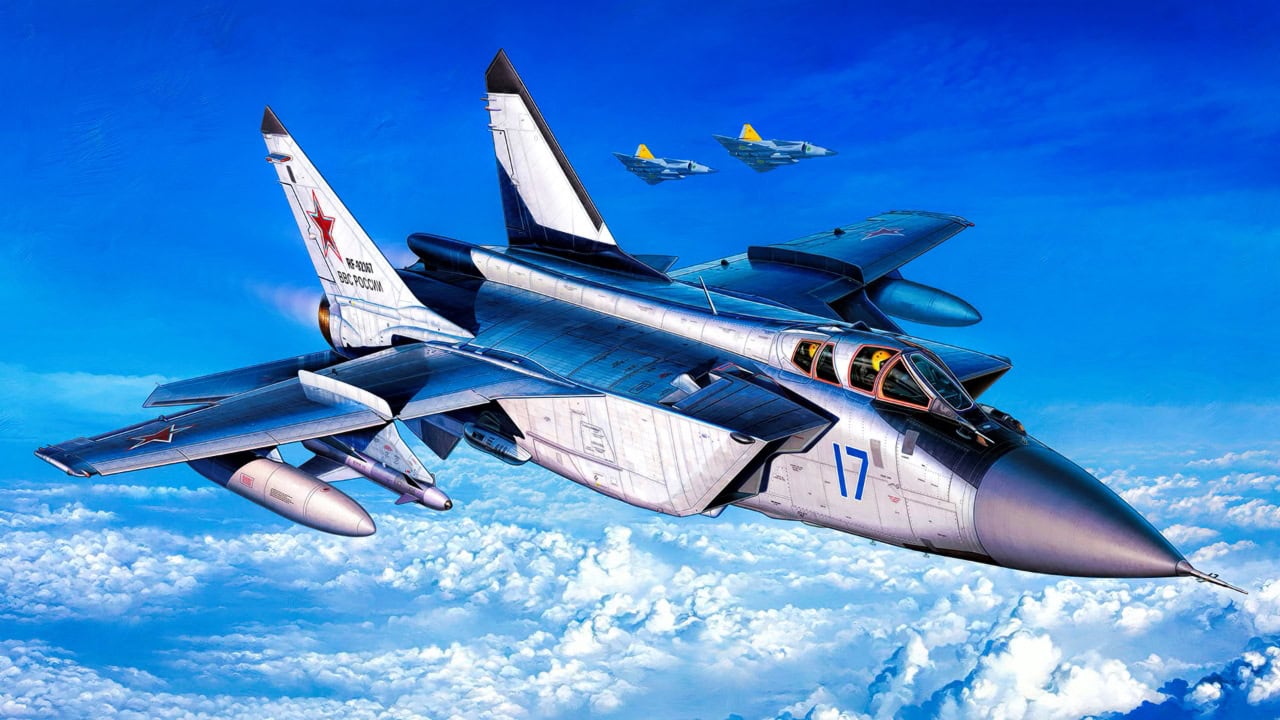
MiG-31 Fighter. Image Credit: Creative Commons.
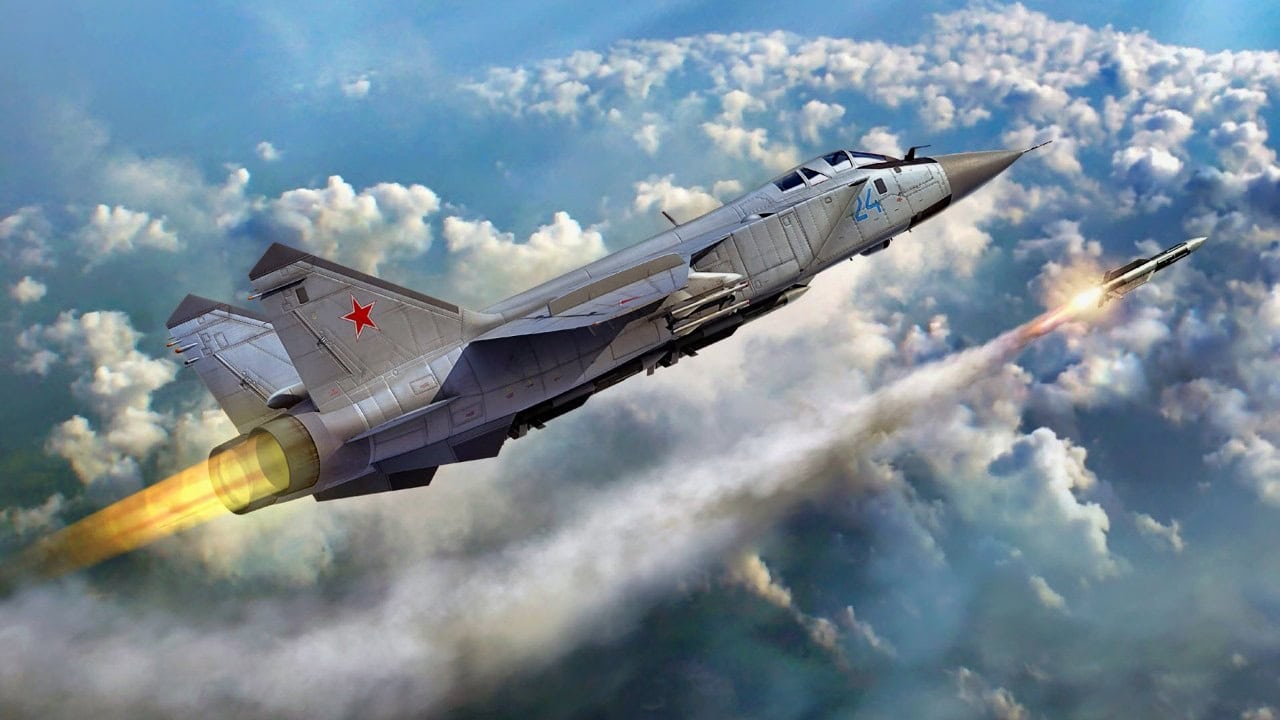
MiG-31 from Russian Air Force. Image Credit: Creative Commons.
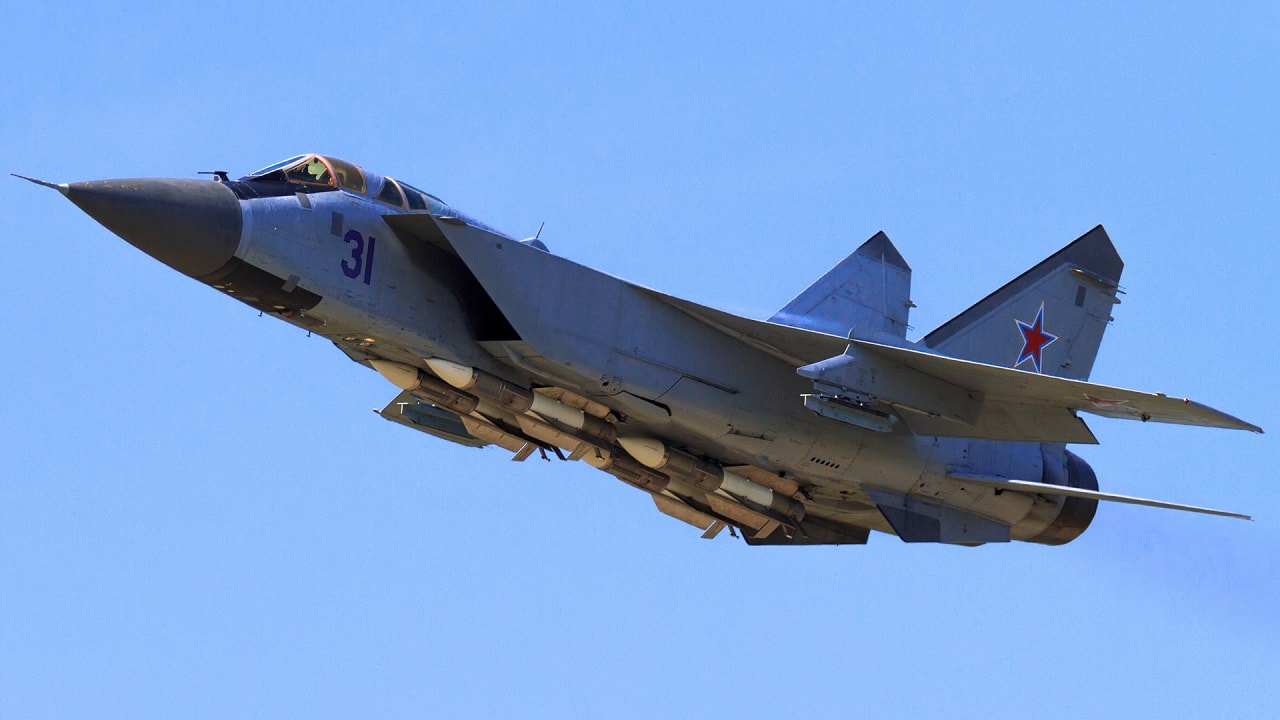
MiG-31. Image Credit: Creative Commons.
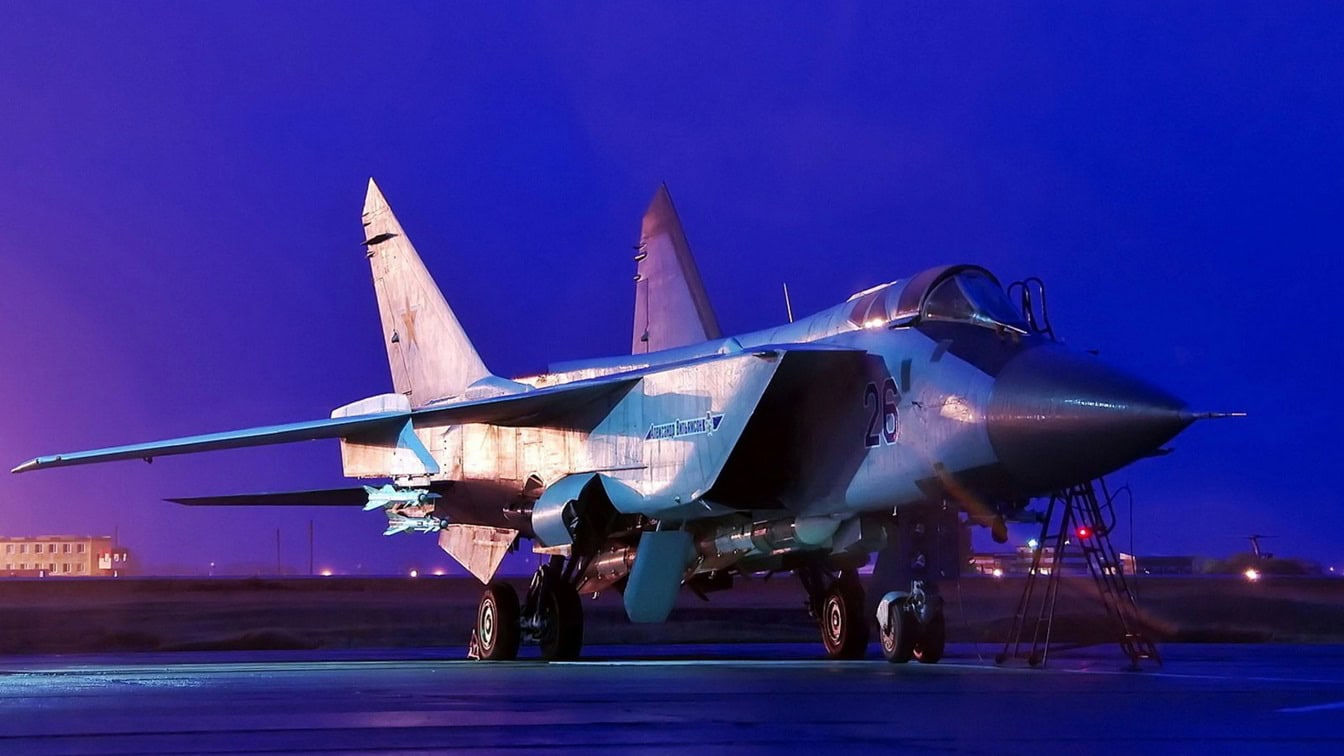
MiG-31 fighter. Image Credit: Creative Commons.
For now, at least, the program is stalled. If the Russians did, however, commit to building this warplane, they believe the MiG-41 would be dangerous to their enemies.
According to specifications, the MiG-41 concept calls for a plane capable of reaching more than Mach 4. It must be able to operate at near-space altitudes, and it will carry hypersonic air-to-air missiles.
Because it is classified as an interceptor by Moscow, the plane must have the capability to intercept stealth aircraft, hypersonic weapons, and satellites. What’s more, Moscow wants to eventually integrate directed-energy weapons (DEWs).
Moscow doesn’t just want a sixth-generation successor to their MiG-31. They want an X-Wing from Star Wars. And with this would-be starfighter, the Russians believe they can dominate the vast Arctic and Siberian airspace.
But Russia does not have time and resources to dedicate to building such a complex system. It must instead focus its industrial power on building artillery, drones, cruise missiles, and replacing battlefield losses in the Ukraine War. That is why exotic warplanes are not a priority.
Russia’s Dilemma
The prospect that this plan leaves the drawing board anytime soon is low, especially considering Russia’s fifth-generation warplane, the Sukhoi Su-57, has yet to be fully scaled.
Logically, if Moscow cannot prioritize the mass production of a Mach 2 stealth fighter such as the Su-57, there is very little possibility they will soon build a Mach 4 MiG-41 interceptor with near-space capability.
The Soviet aerospace complex that produced iconic warplanes, such as the MiG-25 and MiG-31, no longer exists in its Cold War form. Mikoyan Design Bureau, the Soviet-era firm that once dominated the development of Russia’s interceptors, has been absorbed by the United Aircraft Corporation, where resources are being funneled into more practical programs meant to amplify Russian power in the Ukraine War.
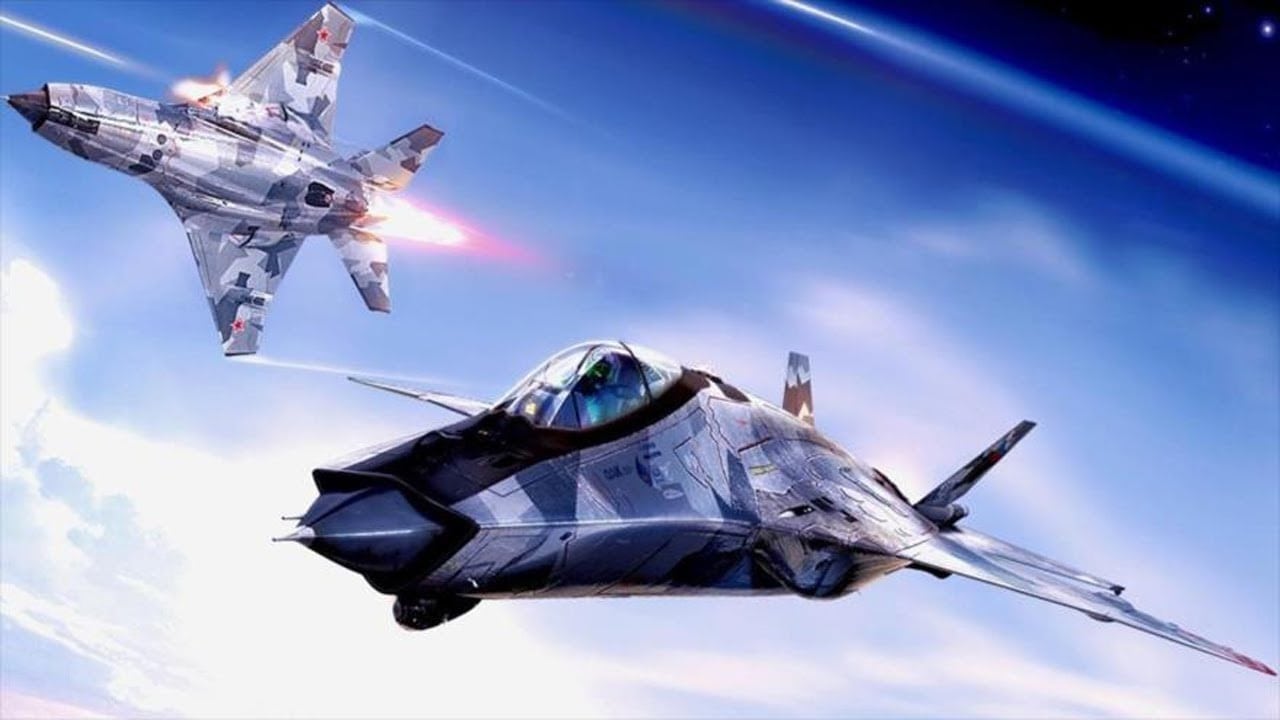
MiG-41 or PAK DP Screenshot from YouTube.
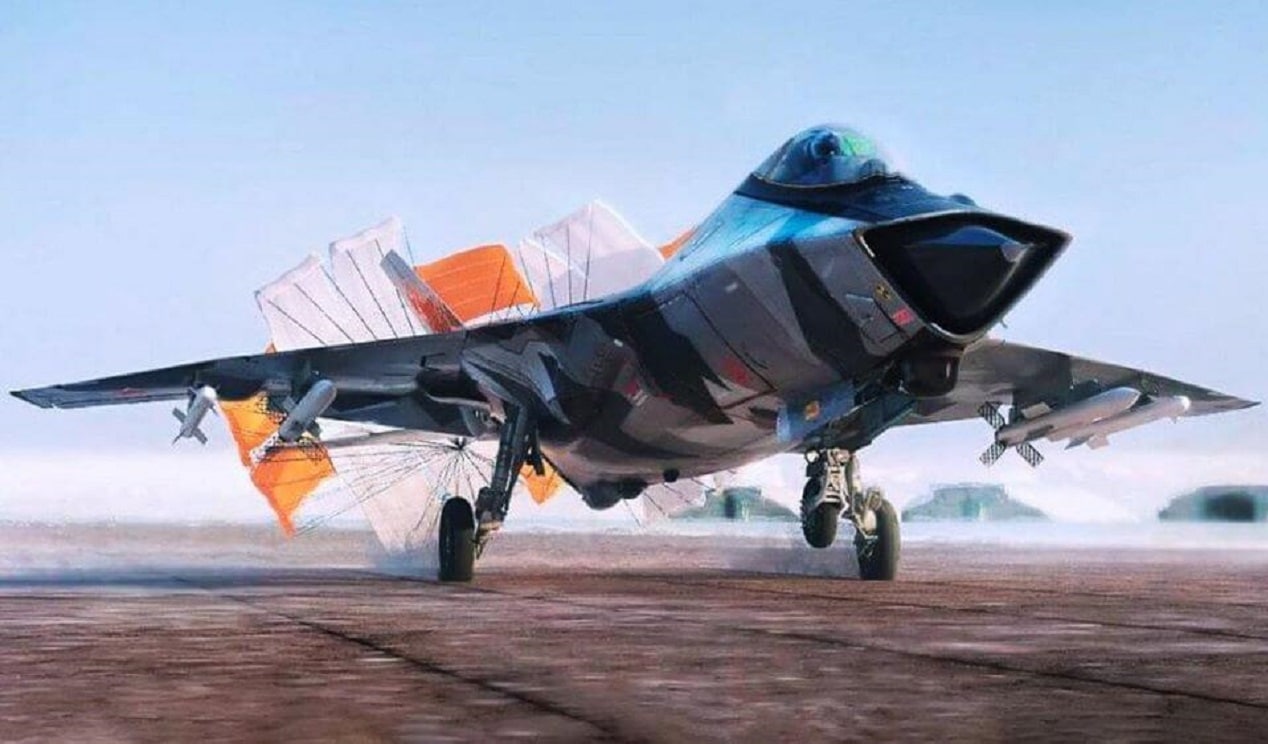
MiG-41 Fighter Artist Concept. Image: Creative Commons.
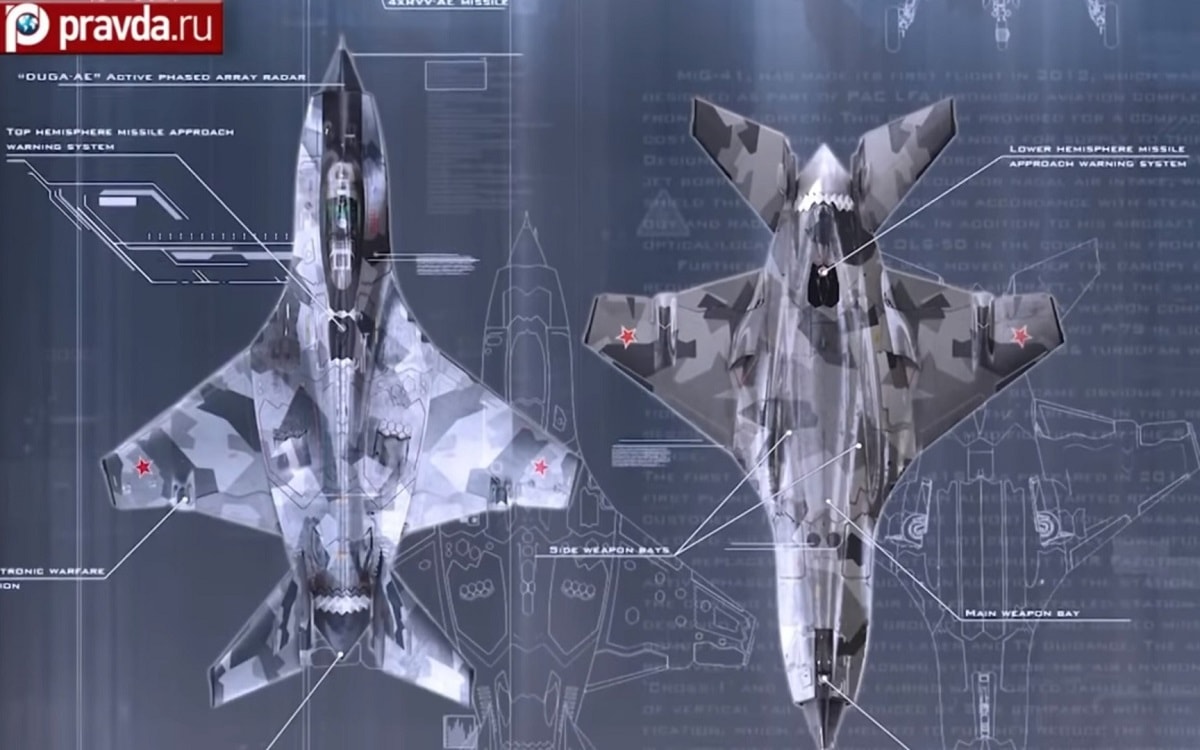
Image: Russian Media/Screenshot. MiG-41.
Further, the MiG design bureau has itself lost much influence within Russia’s aerospace sector.
Then there is the strain of building a Mach 4-capable, sixth-generation interceptor. This plane must be fast, stealthy, launch experimental weapons, and operate repeatedly in the harsh environs of Siberia and the wider Arctic. All this as the country is mired in a major war and its design bureau is not able to rededicate key resources to this program.
Even the United States has only fielded one platform—the SR-71 Blackbird—that can go the same speed that the MiG-41 will go. And that program did not last long (despite its wild success).
The Russians Don’t Need the MiG-41 Right Now
Meanwhile, Russia continues upgrading and deploying the MiG-31. That’s actually the smart move, because it is practical. The Russians have been winning the war of attrition for the better part of two years—and they’ve done it using systems such as the MiG-31.
The fantastical MiG-41 will do little to enhance Russia’s immediate needs. It might be of help over time in securing their vast Arctic expanses.
But the way Russians keep upgrading the MiG-31 indicates that they can keep those planes flying, even making them capable of firing hypersonic weapons, and they don’t really need to do more than use the systems they have on hand to hold the Ukrainians back.
About the Author: Brandon J. Weichert
Brandon J. Weichert is the Senior National Security Editor at 19FortyFive.com. Recently, Weichert became the editor of the “NatSec Guy” section at Emerald.TV. He was previously the senior national security editor at The National Interest. Weichert is the host of The National Security Hour on iHeartRadio, where he discusses national security policy every Wednesday at 8pm Eastern. He hosts a companion show on Rumble entitled “National Security Talk.” Weichert consults regularly with various government institutions and private organizations on geopolitical issues. His writings have appeared in numerous publications, among them Popular Mechanics, National Review, MSN, and The American Spectator. And his books include Winning Space: How America Remains a Superpower, Biohacked: China’s Race to Control Life, and The Shadow War: Iran’s Quest for Supremacy. Weichert’s newest book, A Disaster of Our Own Making: How the West Lost Ukraine, is available for purchase wherever books are sold. He can be followed via Twitter/X @WeTheBrandon.