
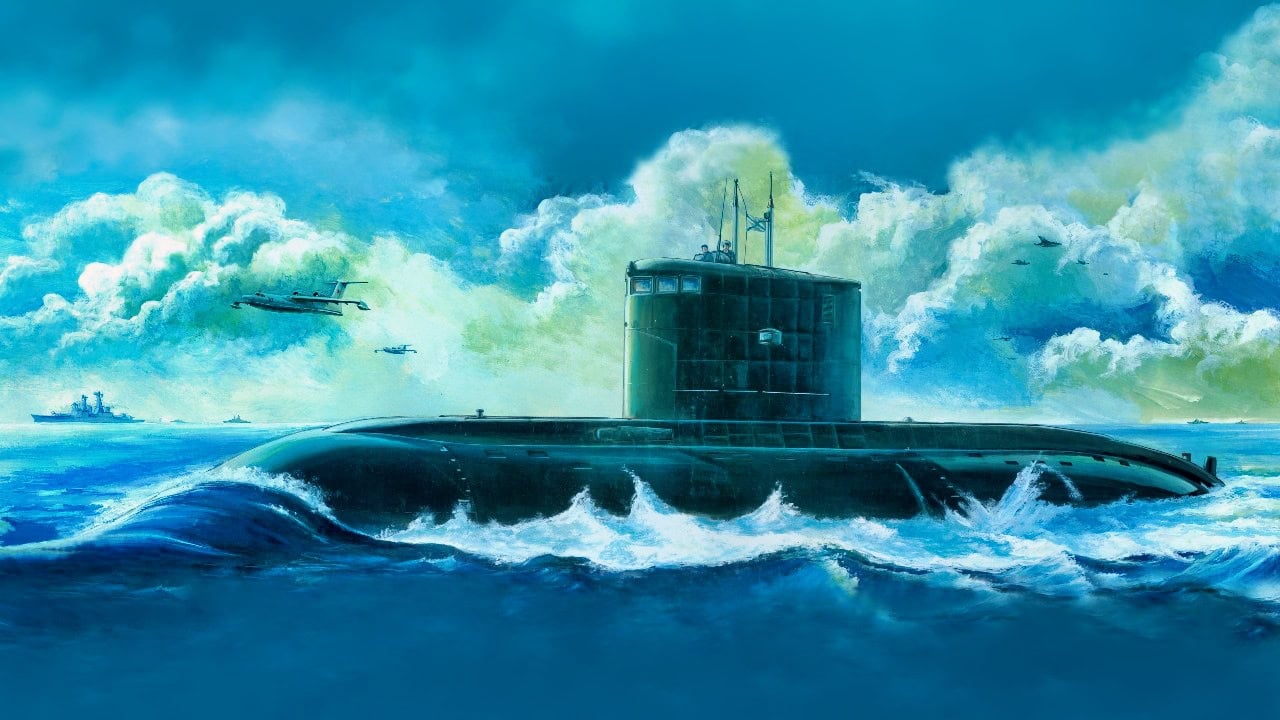
Summary and Key Points: Dr. Brent M. Eastwood, a former U.S. Army Infantry officer and defense expert, evaluates the tactical “erasure” of Iran’s Kilo-class submarines—long nicknamed the “Black Hole” for their stealth—during the ongoing Operation Epic Fury.
-As of March 10, 2026, Chairman of the Joint Chiefs of Staff General Dan Caine confirmed that at least one submarine, likely the IRIS Taregh, was struck at its pier in Bandar Abbas.
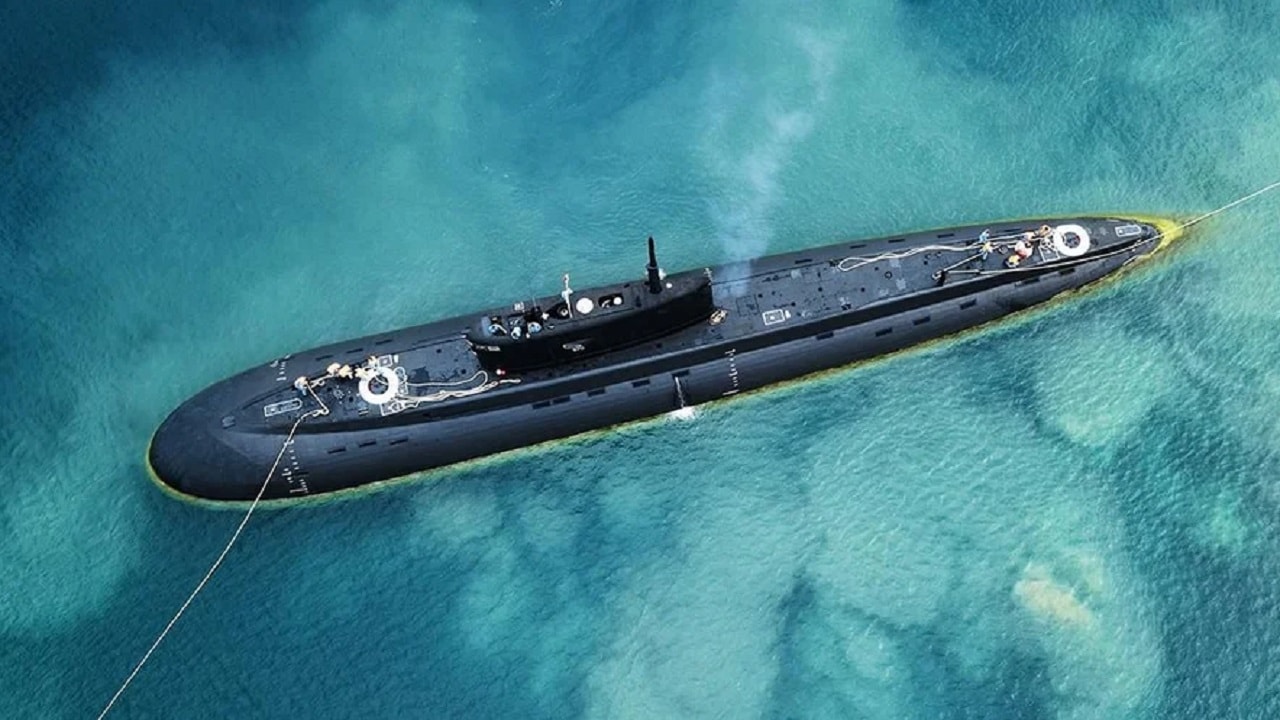
Kilo-Class Submarine. Image Credit: Creative Commons.
Kilo-Class Submarine.
-This report analyzes how U.S. and Israeli air dominance caught the Russian-built diesel-electric fleet “napping” during refit.
-Eastwood concludes that with their support infrastructure pulverized, Iran’s most potent undersea threat has been reduced to an immobile afterthought.
Kilo-Class: Iranian ‘Black Hole’ Submarines Lost in the Shuffle During the War
Iran has three Kilo-class submarines in its fleet. The diesel-electric boats are fairly quiet and nicknamed the “Black Hole”.
Yet they have not enjoyed a good war against the Americans and Israelis.
The Kilo-class subs have been out of action, and one may have already been hit by an air strike.
Chairman of the Joint Chiefs of Staff General Dan Caine said during a briefing on March 4 that a submarine had been struck.
This was probably the Kilo-class docked in Bandar Abbas at the beginning of the operation. This was likely Tareq (also spelt Taregh), with the Iranian navy’s other two Kilos undergoing extended repairs, according to Janes Defense.
The Kilos Are Out of Action
Satellite images analyzed by the Critical Threats Project in late February also said the three Kilo-class subs are undergoing refit. The United States and the Israelis caught the subs napping, and the Iranians have limited ways they can threaten U.S. warships.
The Iranian Navy Has Been Dominated
The Russian-built Kilo-class is a popular submarine, and it has proliferated among several navies that depend on it as their main undersea attack platform.
The Iranians may have completed the refit on one of their Black Hole boats, but all three appear to still be in port. This comes at a time when dozens of Iranian warships and submarines have been destroyed. The Iranian navy has been dominated, and its submarines have been an afterthought.
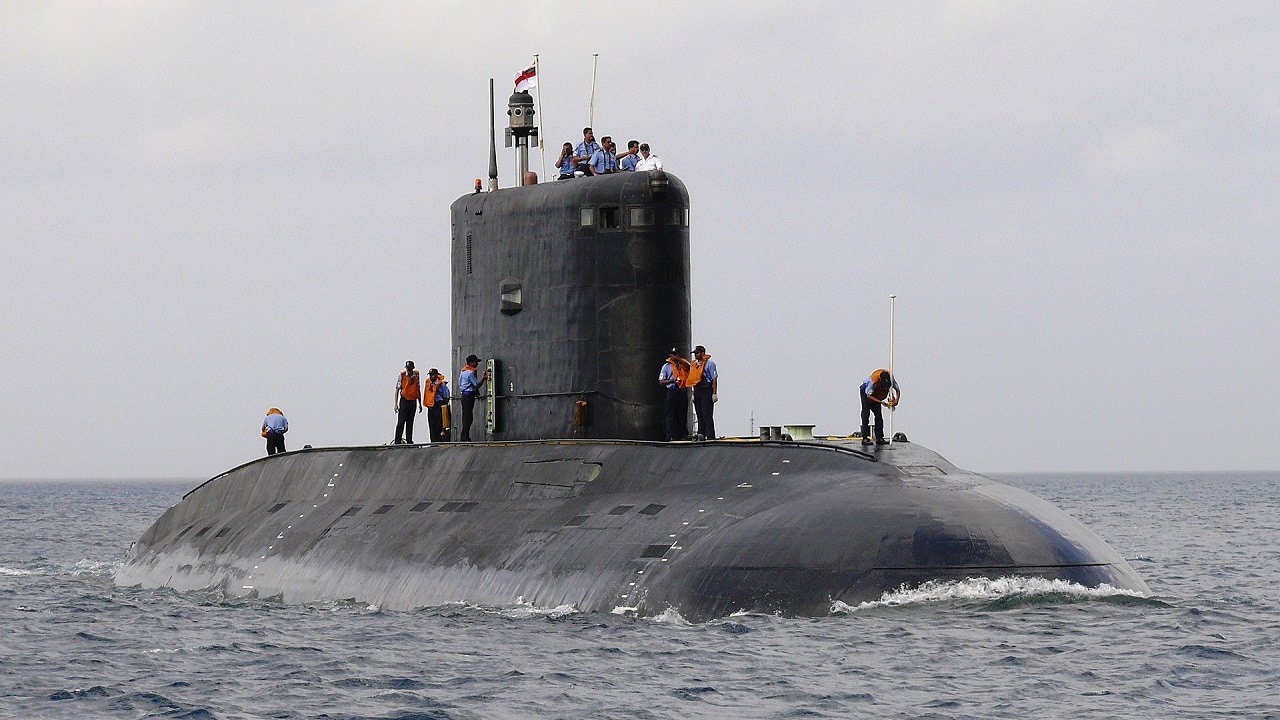
Iran’s Navy Has Kilo-Class Submarines. Image Credit: Creative Commons.
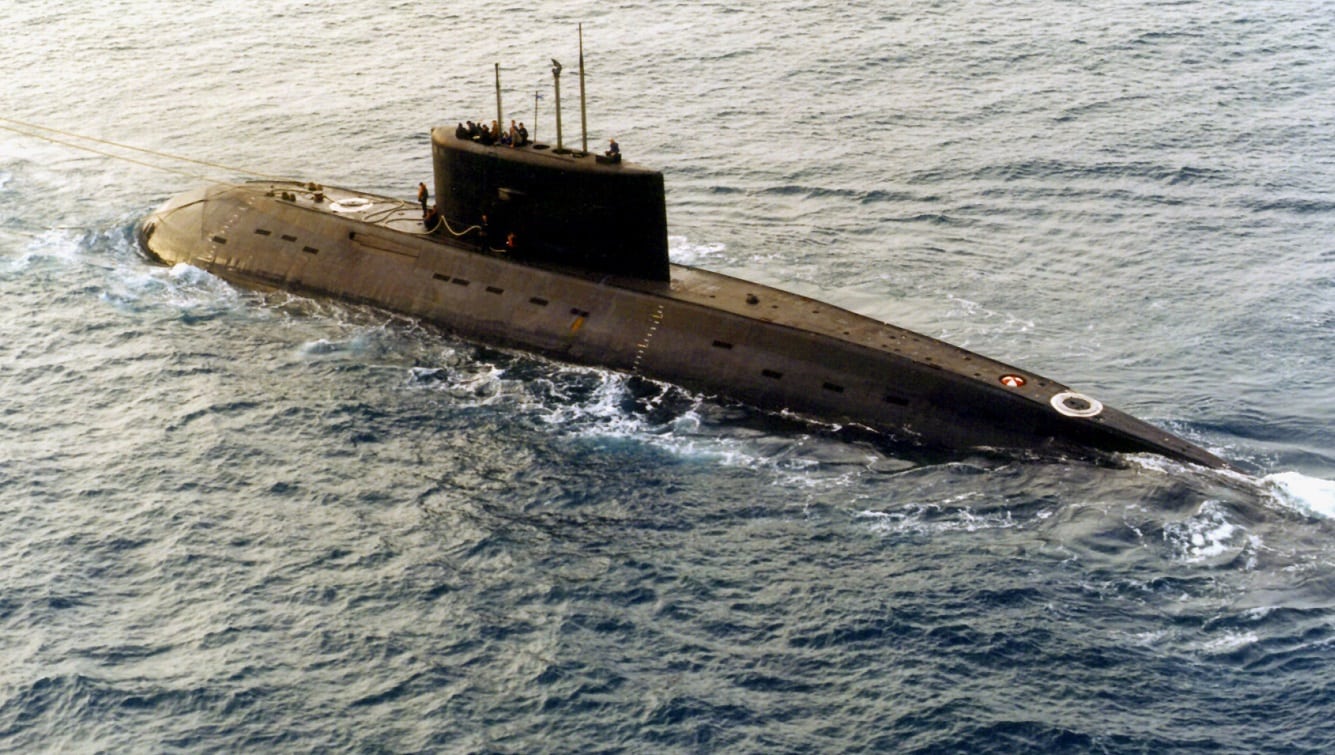
A Russian-built, Kilo-class diesel submarine purchased by Iran, is towed by a support vessel in this photograph taken in the central Mediterranean Sea during the week of December 23. The submarine and the support ship arrived at Port Said, Egypt, on Tuesday and were expected to begin transiting the Suez Canal today, Jan. 2, 1996. Ships and aircraft from the U.S. NavyÕs Sixth Fleet are tracking the submarine, which has been making the transit on the surface. This is the third Kilo-class submarine the Iranians have purchased from Moscow. DoD photo
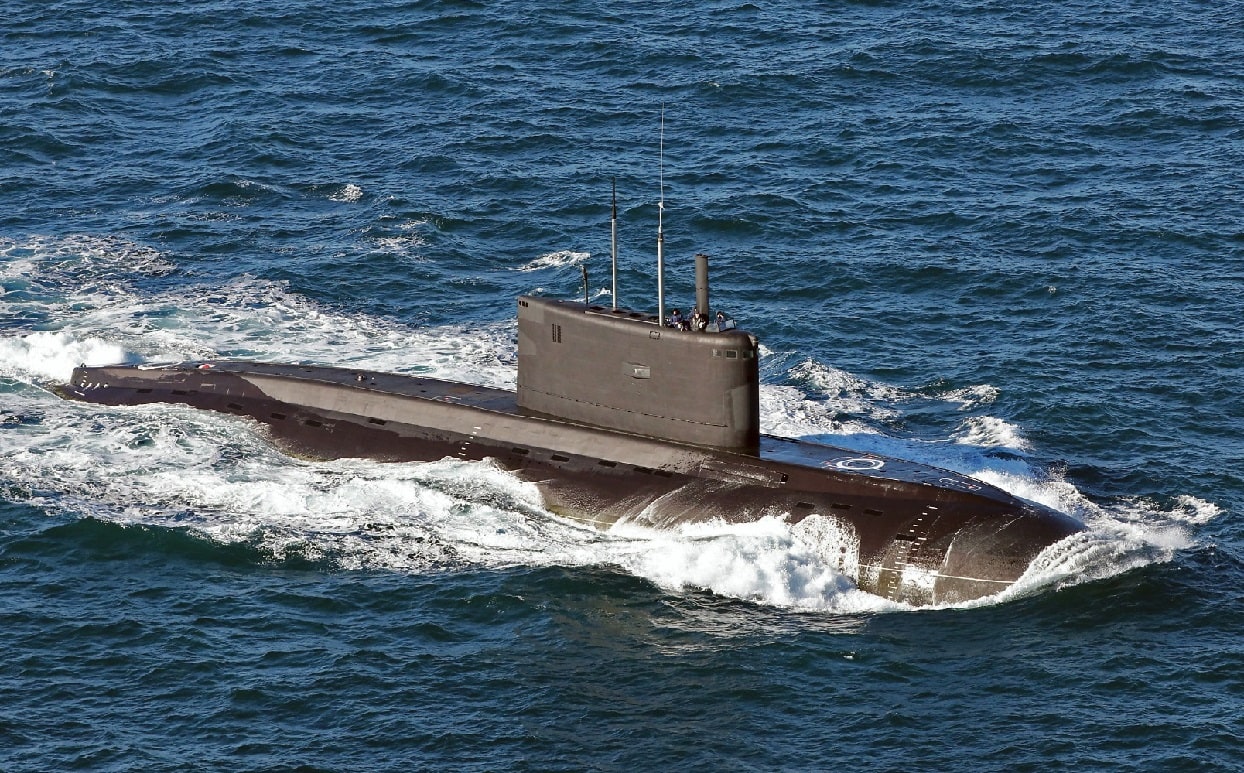
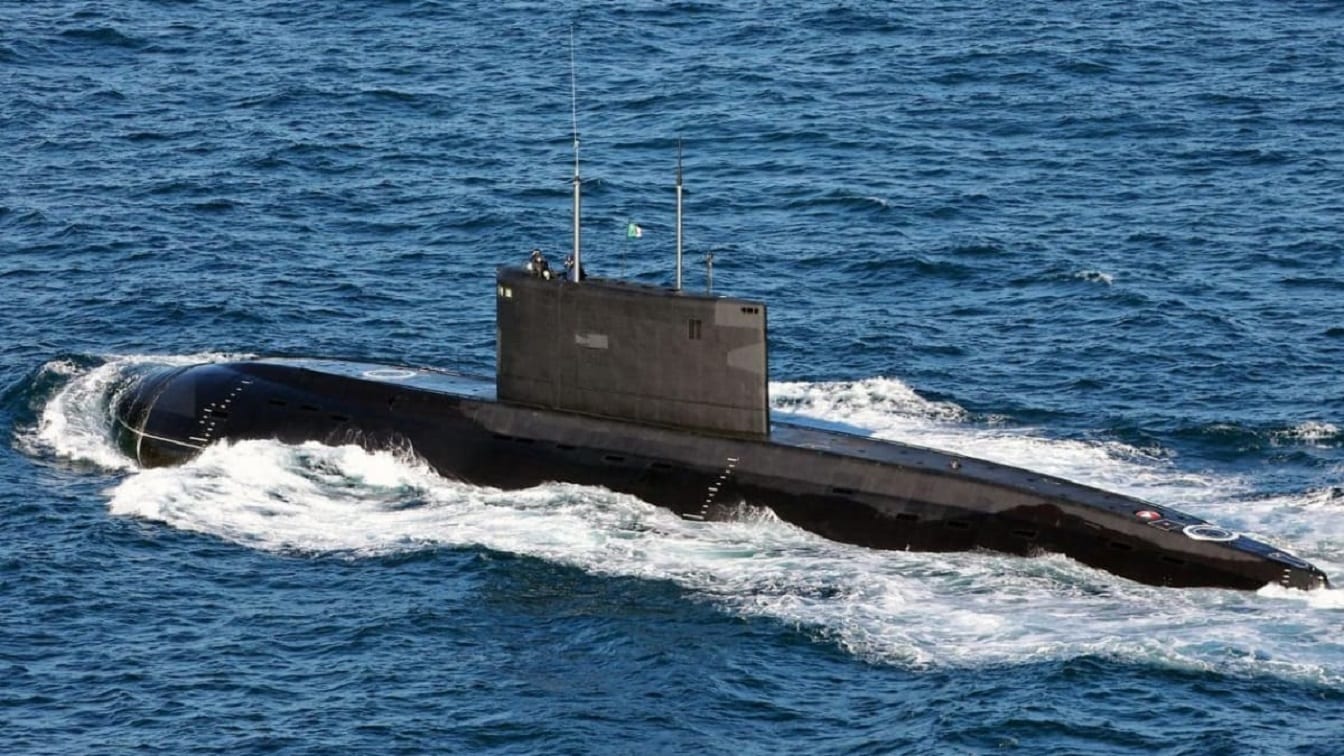
Kilo-class Submarine. Image Credit: Creative Commons.
Not Enough to Dominate Undersea Warfare
The Kilo-class is not a bad group of boats.
But with only three in the Iranian navy, it is difficult to patrol effectively to protect its entire shoreline.
The Americans have been highly effective at making the Iranian navy pay a harsh price during the war.
They Might Enter the Waters for Combat Patrols
The two remaining Black Hole boats could plausibly go to sea and strike the U.S. fleet, but this is a low-probability scenario as the Americans have sea dominance. They are likely to conduct only piecemeal patrols and, under so much pressure, not engage in effective undersea warfare.
Brag and Brag Again
Tehran, of course, if you believe state-run media, thinks its Kilo-class boats are one of the biggest assets in its dying fleet.
The “Black Hole” nickname is curious, as the subs are not modernized, though at least one of the Iranian subs may have completed its upgrades and could see limitedaction. The Iranians do not want their subs to be hit again.
They Date Back to the 1990s
Iran purchased the subs from the Russians in the 1990s, so they are not new boats. It has been difficult to upgrade them because of U.S. and Western sanctions.
The Kilo-class dates back to the 1970s when Rubin Design Bureau in the Soviet Union first conceptualized the diesel-electric subs.
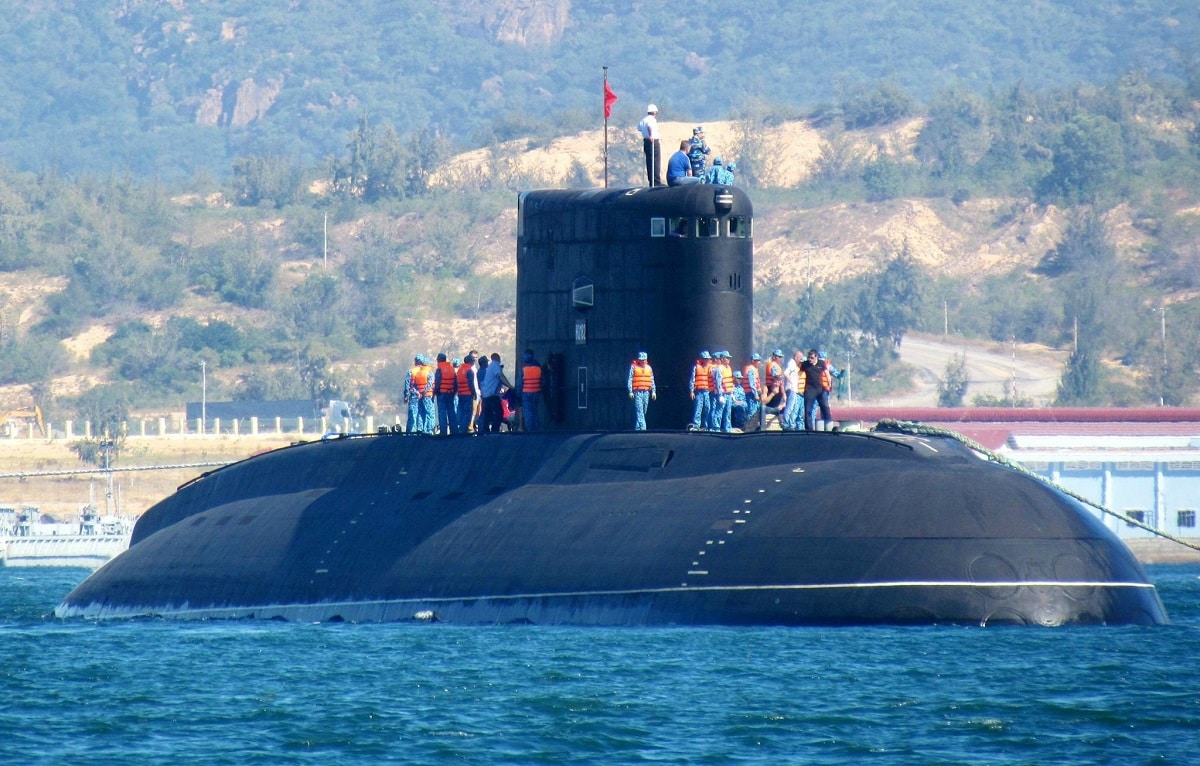
Russia-built Kilo-class Submarine. Image Credit: Creative Commons.
They were introduced into the Soviet Navy in the early 1980s.
Are These Really Silent as a ‘Black Hole’?
The Russians built 70 Kilo-class subs.
Sixty are still operating around the globe, as they were popular in the export market due to their quiet operation and the ability to sail easily, maintain, and conduct upgrades.
The diesel-electrics are on the stealthy side for such an old boat, and Iran thought they had a winner early on, earning them the nickname Black Hole for their ability to run silent and deep.
Meant to Dominate the Persian Gulf
The Black Hole boats are 239 feet long. They displace 2,300-3,000 tons submerged and can carry 18 heavyweight torpedoes.
Some of them can carry and deploy naval mines. This is one excellent feature of the Kilo-class, as the Iranians want to dominate the Strait of Hormuz and have threatened they would sink U.S. and allied shipping. They can sneak around the greater Persian Gulf in the shallower waters of that region.
The Entire Navy Has Been Decimated
The Iranians quickly renamed the Kilo-class, the Tareq-class, and started developing an undersea warfare doctrine with a premium placed on naval concepts that would protect the homeland and gather intelligence on adversarial navies. They did not expect that the current Operation Epic Fury would destroy and damage so much of its navy.
The boats are the IRIS Taregh (901), entering into service in 1992 and the first Tareq in Iranian service, the IRIS Nooh (902), introduced in 1993 and built in Saint Petersburg, and the IRIS Yunes (903), commissioned in 1996.
International Sanctions Punish the Boats
The idea was for Iranians to have at least two out to sea at all times. The problem was various setbacks to the modernization process. The Iranian technicians and engineers were behind the times, and sanctions prevented them from replacing components and spare parts, making them a factor in warfare.
However, Tehran was able to commission some new work through its own undersea upgrade efforts, which it fashioned after international sanctions hit.
But they are still out of service and have not been a factor during the war.
The Iranians Were Ready with Tactical Surprises
However, submarines are important to have because of the Iranian coastline is a critical chokepoint for shipping. It doesn’t take many subs to make a difference.
“In confined waters around deeper basins and shallow shelf areas, submarines can use thermal layers and seabed topography to hide as they approach, complicating surface and aerial anti-submarine warfare [ASW] efforts,” according to my colleague Jack Buckby.
Iran often overrates its own capabilities. Their navy was clearly overconfident going into the war. They thought that asymmetric warfare would challenge the Americans. That hasn’t happened, and the Tareq-class has been an afterthought.
The Black Hole may have been a good submarine before the war, but it has not exactly set the world on fire recently.
It had some redeeming features, such as decent stealth and the ability to challenge shipping when the shooting conflict started, but Iranian workers dedicated to the submarine force could not turn them around.
Look for more strikes against the subs as the Tareq-class remains at port, and for them to fail at making much of a difference in the war.
About the Author: Brent M. Eastwood
Author of now over 3,000 articles on defense issues, Brent M. Eastwood, PhD is the author of Don’t Turn Your Back On the World: a Conservative Foreign Policy and Humans, Machines, and Data: Future Trends in Warfare plus two other books. Brent was the founder and CEO of a tech firm that predicted world events using artificial intelligence. He served as a legislative fellow for US Senator Tim Scott and advised the senator on defense and foreign policy issues. He has taught at American University, George Washington University, and George Mason University. Brent is a former US Army Infantry officer. He can be followed on X @BMEastwood.