
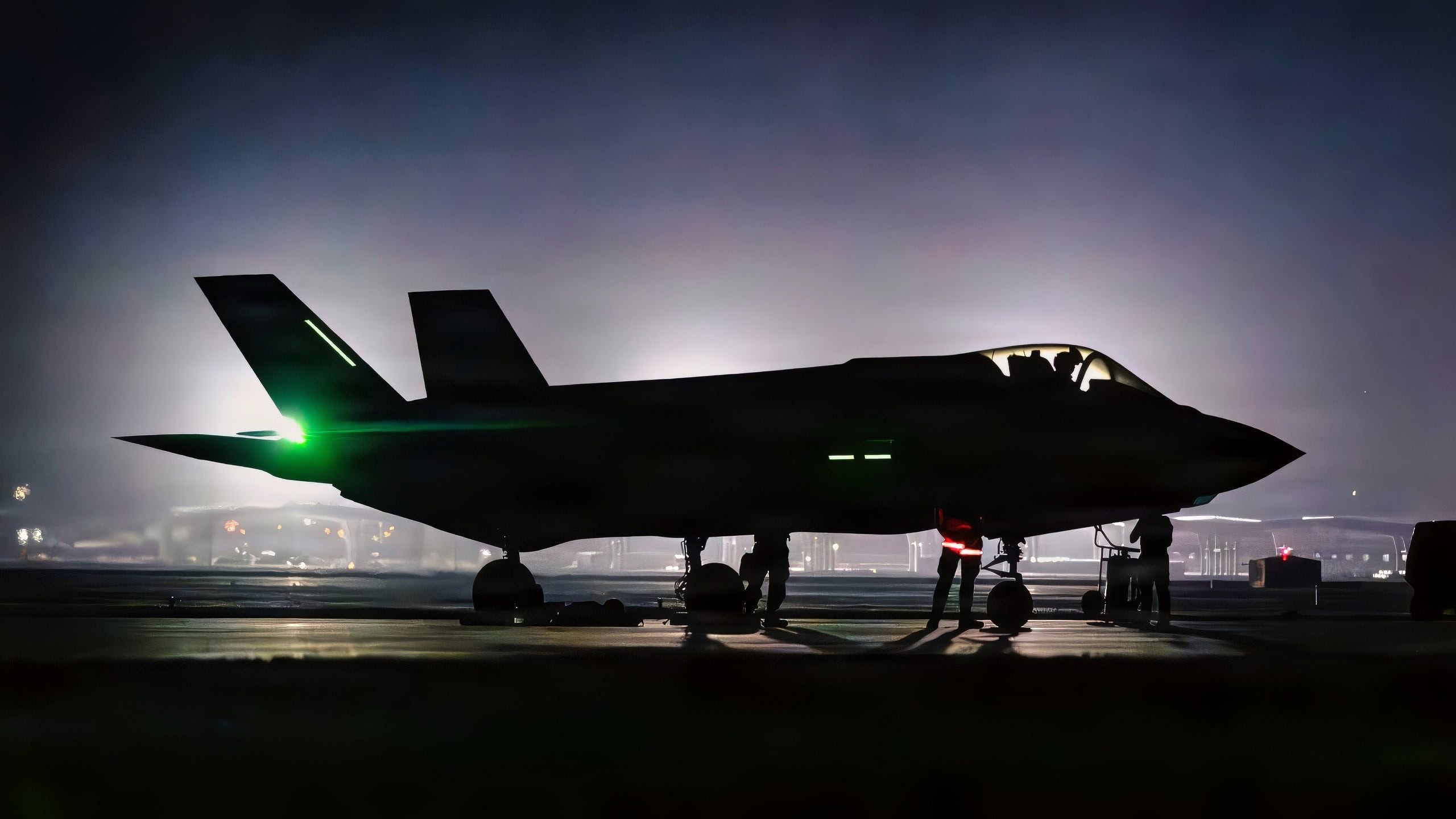
Summary and Key Points: International relations expert Dr. Robert Kelly evaluates the failure of the U.S. “Pivot to Asia” amid the 2026 conflict with Iran.
-Despite the strategic logic of restraint—prioritizing the peer competitor China over secondary threats like Russia—U.S. posture remains over-extended.
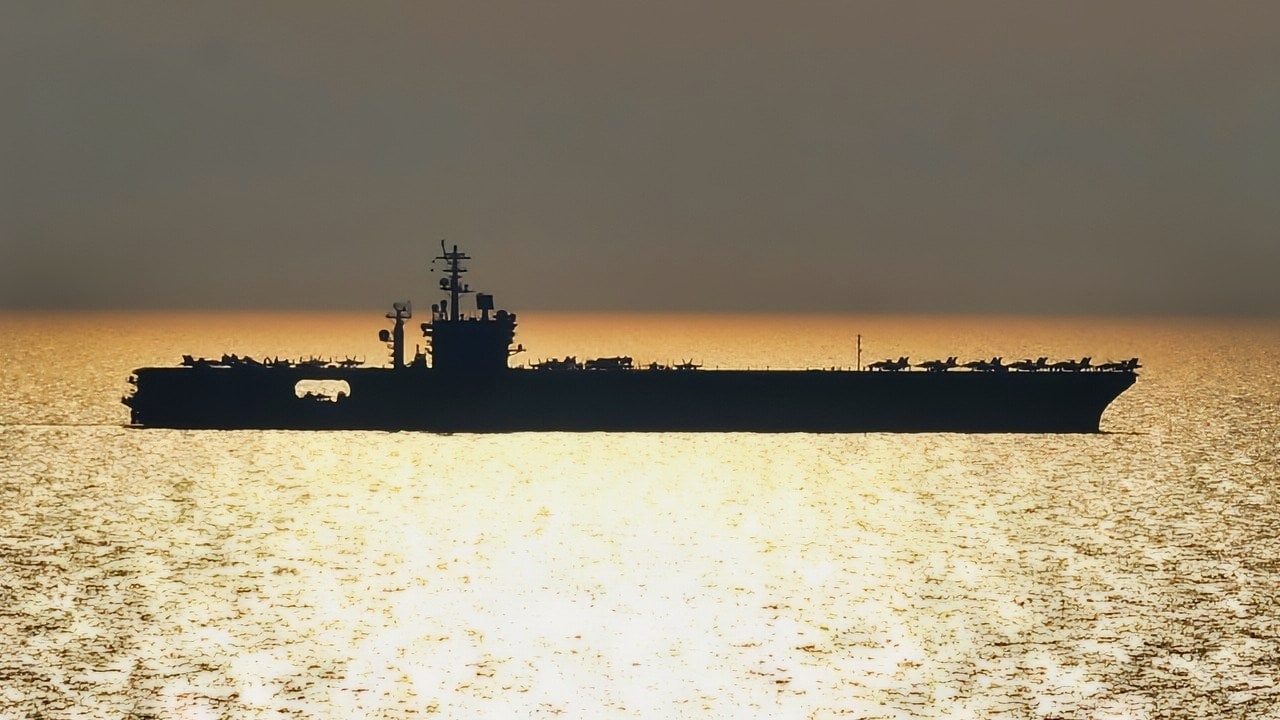
(Oct. 17, 2017) The aircraft carrier USS Nimitz (CVN 68) transits the Arabian Gulf, Oct 17, 2017. Nimitz is deployed in the U.S. 5th Fleet area of operations in support of Operation Inherent Resolve. While in this region, the ship and strike group are conducting maritime security operations to reassure allies and partners, preserve freedom of navigation, and maintain the free flow of commerce. (U.S. Navy photo by Mass Communication Specialist Seaman David Claypool/Released)
-This report analyzes how European strategic over-reliance and the domestic influence of the evangelical community have prevented a drawdown in the Middle East.
-Kelly explores the vulnerability of allies such as Japan, South Korea, and Taiwan and concludes that, without a pivot, the U.S. may soon be forced to accommodate Chinese regional leadership.
The Death of the Pivot: Why the 2026 Iran War Has Finally Ended America’s Asia Ambitions
For decades, the United States has been trying to ‘pivot’ to Asia. The thinking was that China was rising quickly and posed a greater long-term challenge to the US than Russia or America’s various small opponents in the Middle East.
Then-Secretary of State Hillary Clinton first proposed the pivot back in 2011. A substantial scholarship arose around it.
The pivot fit into the larger consensus at the time — during the war on terror — that the US had become overly committed to the Middle East.
The US needed to shrink its posture there and act with greater discrimination and care overseas.
This fit with the larger idea of the US’ “restraint“: China was a great power worthy of US regional commitment, but smaller powers like Iran were not, and Russia was also small enough that the Europeans could handle it with little US assistance.
Trying and Failing to Pivot
The strategic arguments for restraint and pivoting to Asia are strong. China is the only peer competitor to the US in the world. Russia, for all Putin’s bluster, is not. Russia’s economy is 10-20% the size of the US economy. Germany’s economy alone is twice that of Russia, and Russia cannot beat Ukraine, a middle power.
So the argument that Europe can lead on Russia while the US moves to a more pressing location is robust.
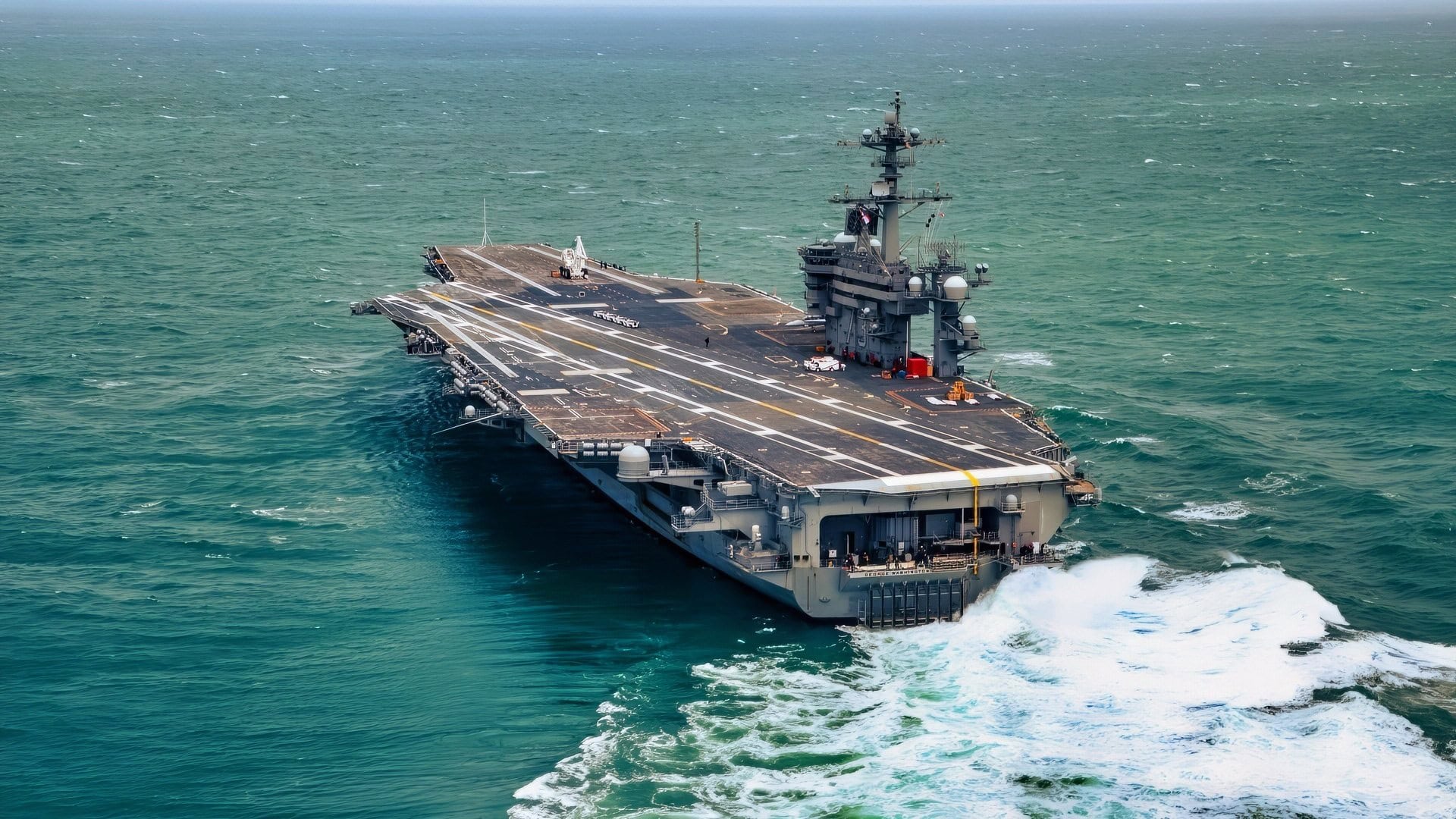
The Nimitz-class aircraft carrier USS George Washington (CVN 73) transits through the Atlantic Ocean May 25, 2023. George Washington was underway after completing its mid-life refueling and complex overhaul and sea trials, a comprehensive test of the ship’s system and technologies. (U.S. Navy photo by Mass Communication Specialist 3rd Class Nicholas A. Russell)
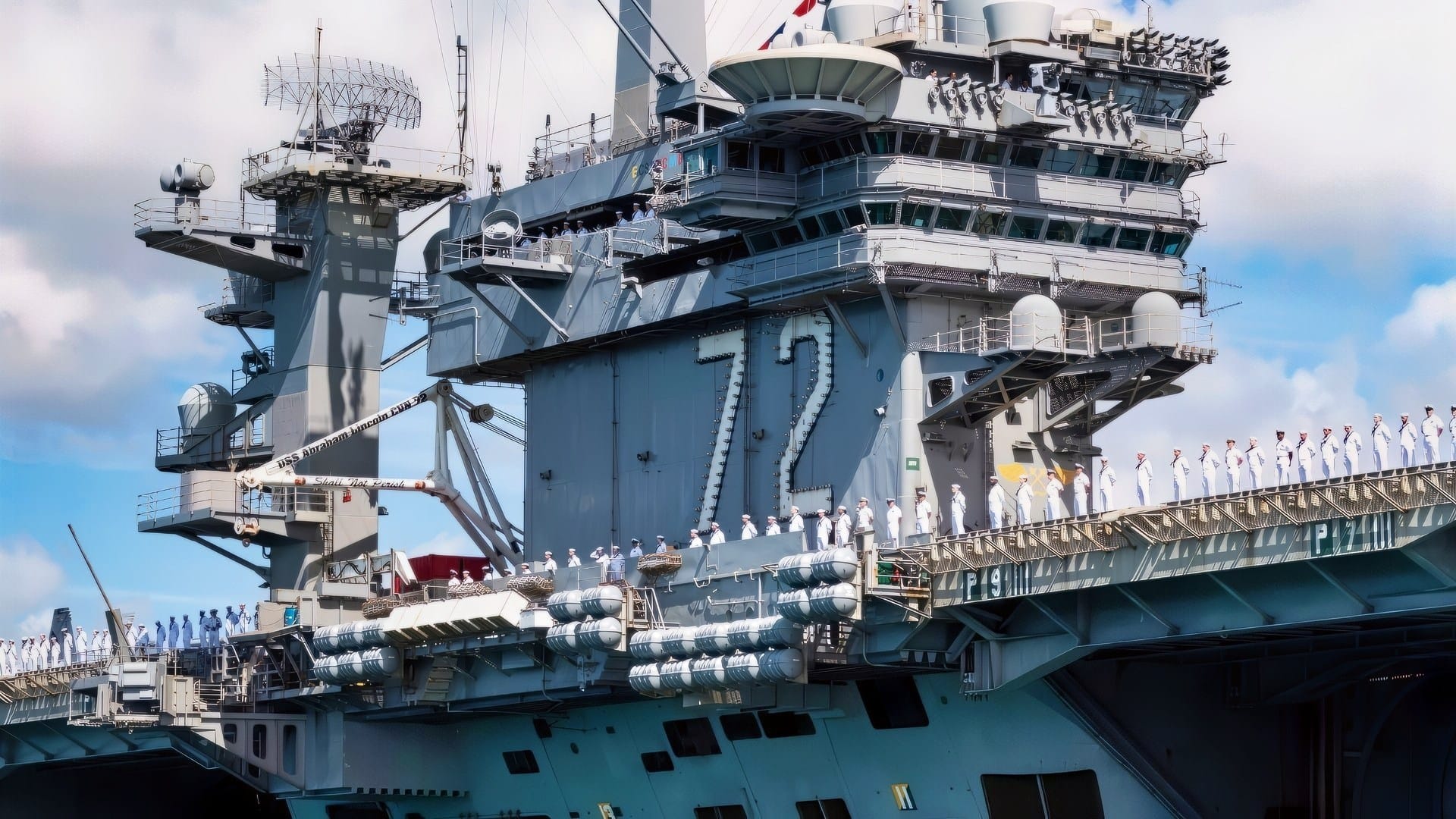
(June 28, 2022) – Nimitz-class aircraft carrier USS Abraham Lincoln (CVN 72) arrives at Joint Base Pearl Harbor-Hickam to participate in Rim of the Pacific (RIMPAC) 2022, June 28. Twenty-six nations, 38 ships, four submarines, more than 170 aircraft and 25,000 personnel are participating in RIMPAC from June 29 to Aug. 4 in and around the Hawaiian Islands and Southern California. The world’s largest international maritime exercise, RIMPAC provides a unique training opportunity while fostering and sustaining cooperative relationships among participants critical to ensuring the safety of sea lanes and security on the world’s oceans. RIMPAC 2022 is the 28th exercise in the series that began in 1971. (U.S. Navy photo by Mass Communication Specialist 1st Class Devin M. Langer)
In the Middle East, it should be very clear now — after four decades of US wars and policing — that America cannot re-order that fractious region against its will.
The religious and ethnic cleavages there raise deep issues and challenges that the US cannot solve.
President Donald Trump’s current war against Iran only illustrates this point yet again — the same point we should have learned after the wars in Iraq and Afghanistan.
Once again, the US is in a sprawling, ill-defined Mideast conflict with no obvious victory in sight at a reasonable cost.
Despite these arguments for drawing down in Europe and the Middle East, the US has been unable to do so. Europe’s response to the wars in Libya in 2011 and Ukraine in 2022 illustrated a continuing strategic over-reliance on the US. US secretaries of defense have been telling Europe to do more for decades, yet the Europeans have shown only weak leadership on Ukraine.
Even as Trump has stopped aiding Ukraine, the continent has still looked to the US to broker an end to the war.
And most of the tough decisions on rationalizing Europe’s small national militaries into a more coherent and larger joint force have not been made.
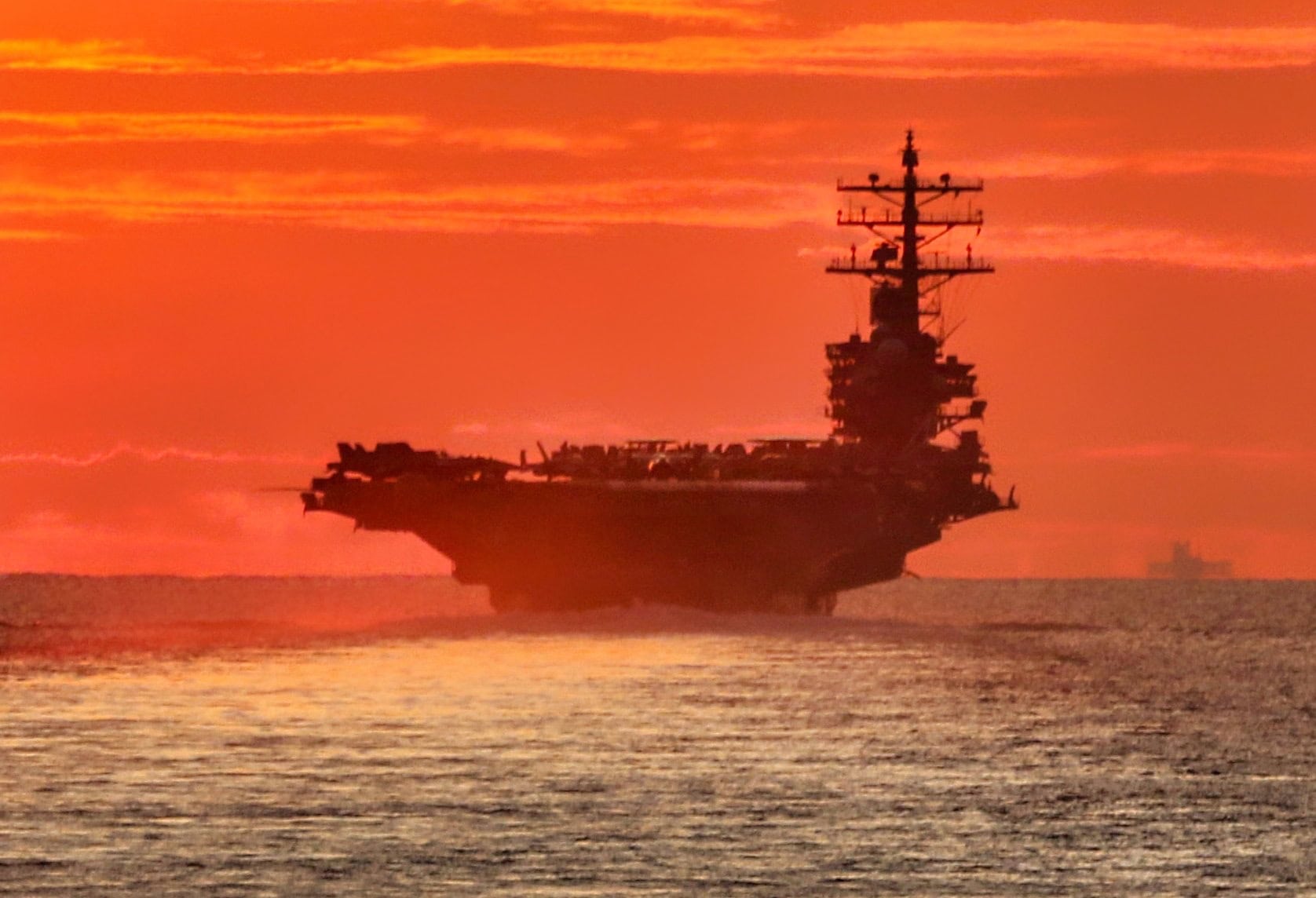
(June 18, 2021) As seen from the Ticonderoga-class guided-missile cruiser USS Shiloh (CG 67), the Navy’s only forward-deployed aircraft carrier USS Ronald Reagan (CVN 76) transits the Strait of Malacca with the Arleigh Burke-class guided missile destroyer USS Halsey (DDG 97). The ships are part of Task Force 70/Carrier Strike Group 5, conducting underway operations in support of a free and open Indo-Pacific. (U.S. Navy Photo by Mass Communication Specialist 1st Class Rawad Madanat)
In the Middle East, the US has similarly been unable to disengage. Whereas in Europe, the trouble is strategic inertia and the learned helplessness of European allies, in the Middle East, it is US domestic politics.
As the Iran war demonstrates, there is a loud, deeply committed Christian Zionist bloc inside Trump’s domestic coalition, strongly committed to Israel and deeply wary of Islam. America’s evangelical community strongly supported the war on terrorism, and it strongly supports Trump’s actions against Iran.
This makes it especially difficult for US Republican presidents to pivot to Asia from the Middle East: their voters do not want that.
The China Challenge Will Only Worsen
China’s strategic challenge to the US will not go away. Rumors abound that China will attack Taiwan soon. If that happens and a Sino-US conflict ensues, the extension of the US military into the Persian Gulf, Europe, and the Caribbean will make it harder for the US to fight.
Where American allies in Europe are numerous and coordinated enough to resist Russia on their own, that is not so in East Asia. South Korea, Japan, Australia, the Philippines, and Taiwan – the likely counter-coalition to a Chinese move on Taiwan – are widely spread out and not integrated into anything like NATO.
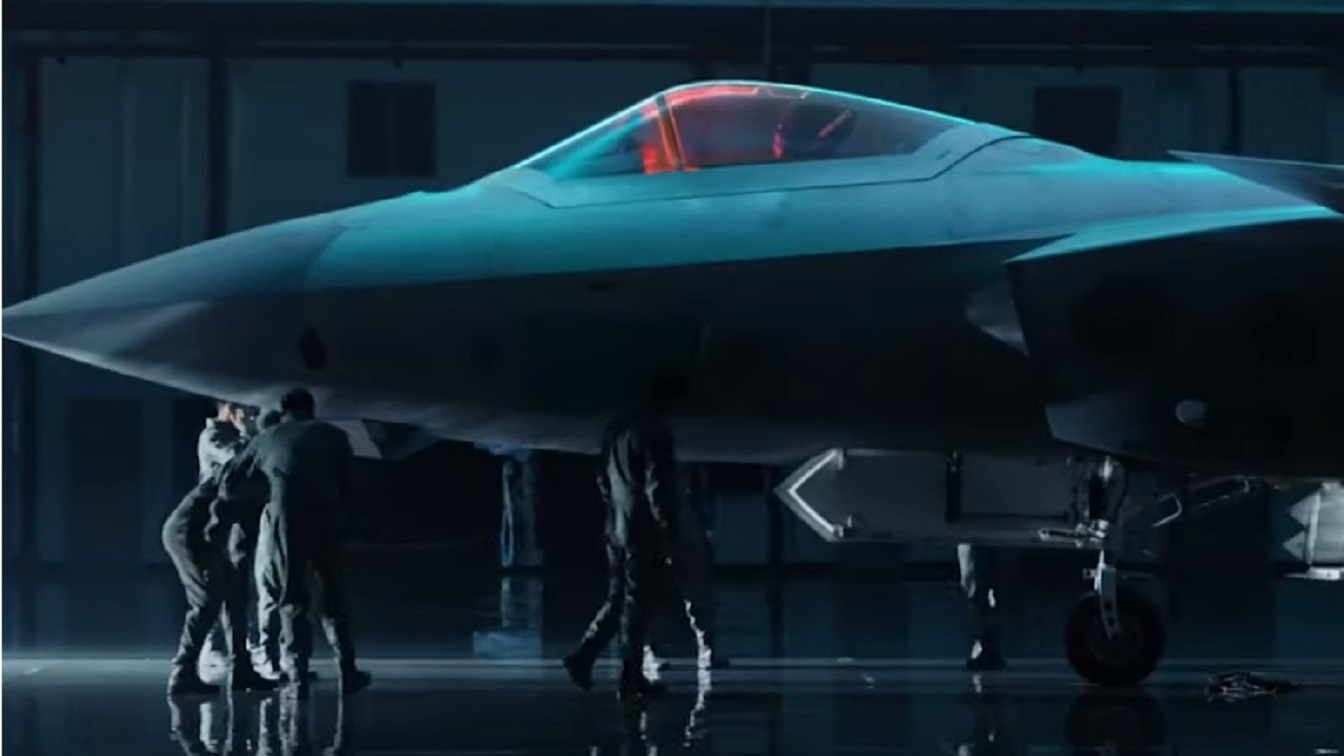
J-20 Stealth Fighter. YouTube Screenshot.
So far, the US has been lucky. The pivot has not happened, and China, thankfully, has not exploited that opportunity.
But now, with the Iran war and another US quagmire in the Middle East looming, it is safe to say the pivot is dead. Either US allies in East Asia step up and do a lot more, or we need to start thinking about accommodating China’s regional leadership.
Author: Dr. Robert Kelly, Pusan National University
Dr. Robert E. Kelly is a professor of international relations in the Department of Political Science and Diplomacy at Pusan National University in South Korea. His research interests focus on Security in Northeast Asia, U.S. foreign policy, and international financial institutions. He has written for outlets including Foreign Affairs, the European Journal of International Relations, and the Economist, and he has spoken on television news services such as the BBC and CCTV. His personal website/blog is here; his Twitter page is here.