
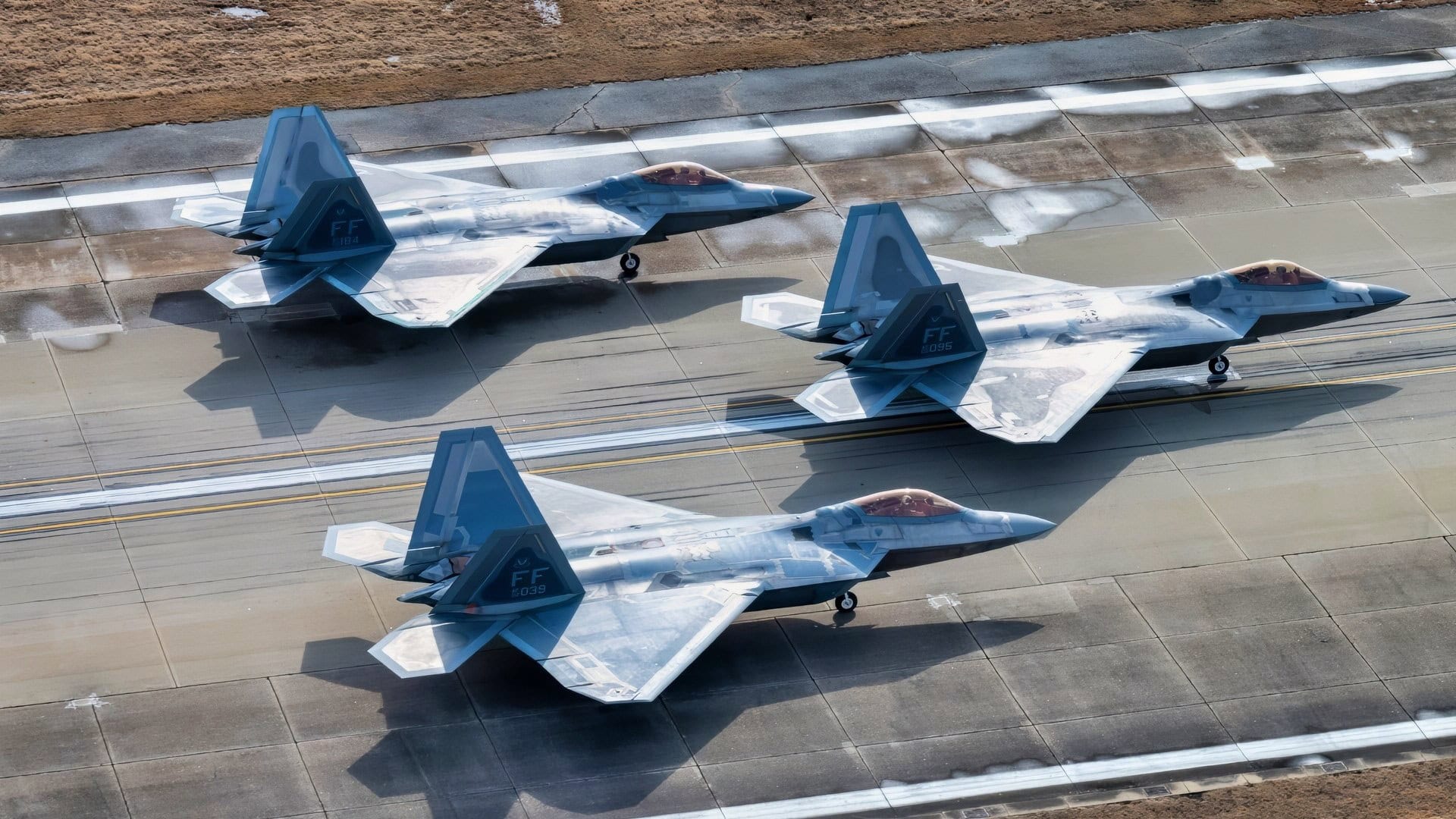
Many U.S. defense analysts believe China will be ready to carry out an amphibious attack against Taiwan by 2027. Chinese forces are escalating preparations for such an operation.
At the end of December, the Chinese engaged in a show of force. Ships surrounded Taiwan and warplanes entered its air defense identification zone at will. While the exercise looked threatening, Xi’s admirals pulled their ships away, and Chinese warplanes soon stopped flying around the island.
China Loves ‘Grey Zone’ Tactics
Grey zone tactics are nothing new for the People’s Liberation Army (PLA). The PLA Navy and Air Force constantly rehearse operations against Taiwan. The drive toward an eventual attack follows a top-down logic: Xi’s presidency might be judged by whether he can be the leader who finally unites Taiwan with the mainland.
Is It Time for a Chinese Blockade of Taiwan?
A full-fledged amphibious operation is not Beijing’s only option. The Chinese could stage a blockade or quarantine of the island to starve the Taiwanese into submission.
I wrote in a 2024 book on foreign policy that this would be the more likely scenario in the Taiwan Strait. China has the ships and aircraft to implement such a blockade.
The ‘Malacca Dilemma’
Thankfully, the United States could blockade a critical maritime choke point in response. The Strait of Malacca is crucial to the circulation of China’s energy supplies. Eighty to eighty-five percent of Chinese oil imports flow through the strait.
This is China’s “Malacca Dilemma”: The United States and its allies could choke off enough of China’s fuel supplies that the PLA could not carry out military maneuvers, and China’s civilian economy would be devastated.
The Strait of Malacca is only 1.7 miles wide and 550 miles long. About 6.5 million barrels of Chinese oil pass through this small and vital shipping lane. Tankers sailing a different route to China would add weeks to their journey, and the price of oil would fly.
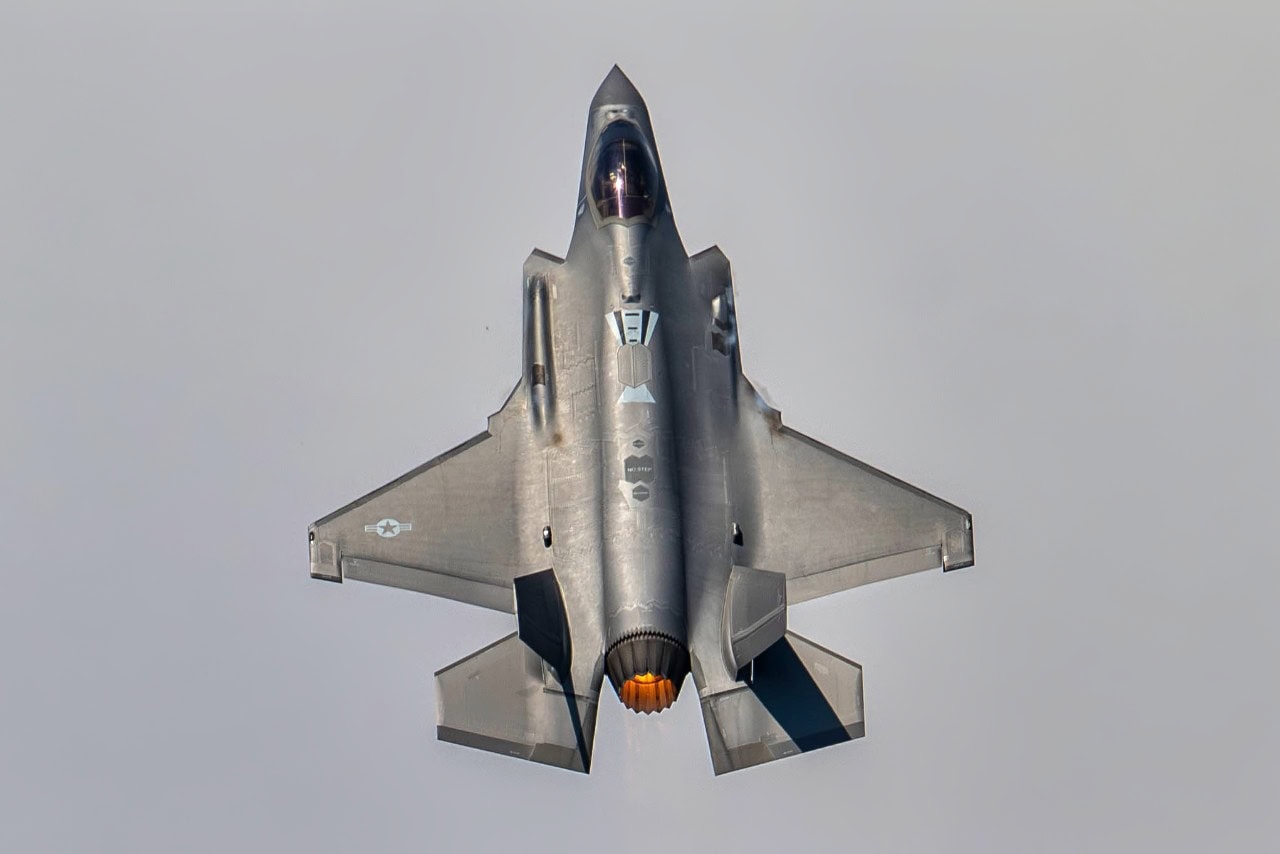
U.S. Air Force Maj. Kristin “BEO” Wolfe, F-35A Lightning II Demonstration Team commander, flies over Kennewick, Washington, during the Tri-Cities Water Follies Airshow Over the River, July 30, 2023. The F-35 Demonstration Team participated in the 2023 Tri-Cities Water Follies airshow and various other events in support of their mission to recruit, retain and inspire new and old generations of Airmen. (U.S. Air Force photo by Staff Sgt. Kaitlyn Ergish)
With the Strait of Malacca blocked, other Chinese export items would also be halted—about $3.5 trillion in global trade passes through this choke point.
How Much Oil Does China Have in Reserve?
China knows it must plan accordingly—if blockaded, Beijing would lean on its strategic oil reserve. China does not make supply data available, but analysts estimate that the country has about a three-month supply of oil (it would prefer to hold 180 days in reserve).
Once this is used up, the Chinese would struggle to provide ships and airplanes with fuel.
Of course, a Taiwan blockade might not have to last that long to work. Taiwan might quickly experience a shortage of food, as it imports most of its agricultural supplies, such as beef, fruit, dairy, and chicken.
Piercing the Chinese No-Fly Zone
Taiwanese efforts to break a quarantine would be costly. They would first have to pierce through the Chinese no-fly zone overseen by the PLAAF’s best stealth fighters, the J-20 and J-35. The highest quality Taiwan fighter jet is the non-stealth F-16V Viper.
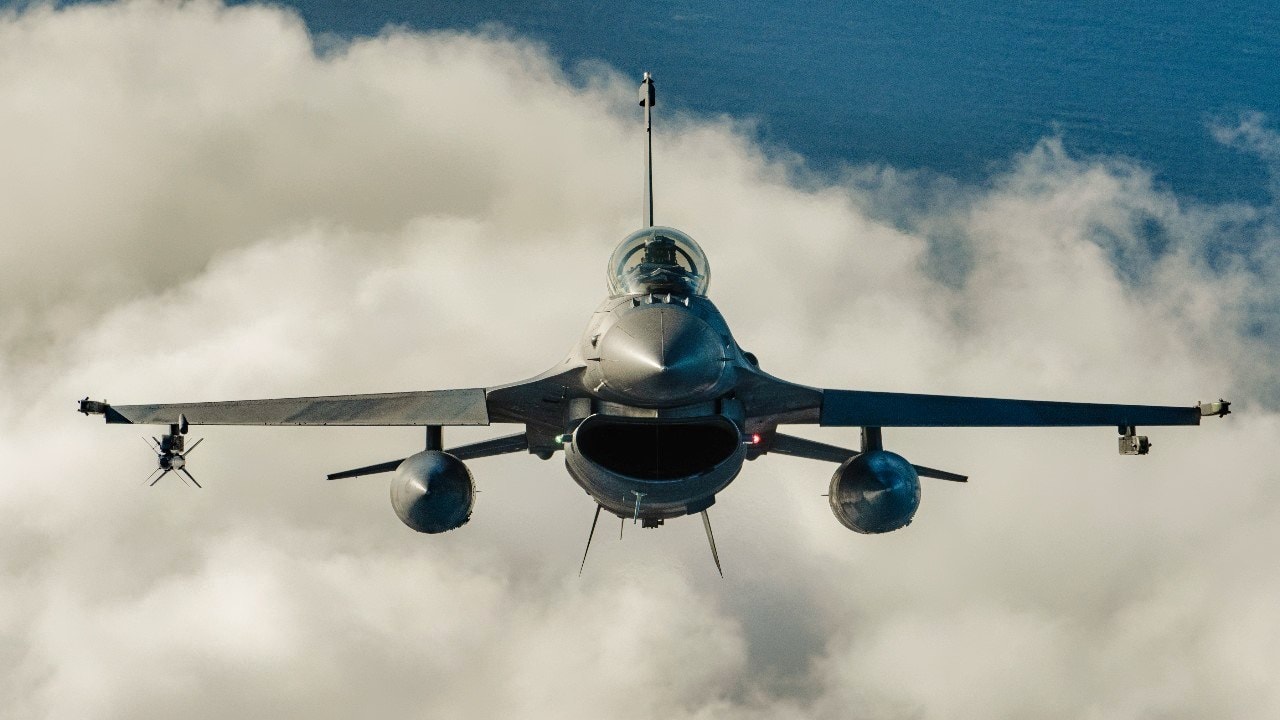
MEDITERRANEAN SEA (Feb. 3, 2022) – United States F/A-18 Super Hornets and Greek F-16 Fighting Falcons conduct air-to-air training over the Ionian Sea as a part of Neptune Strike 2022, Feb. 3. Neptune Strike 2022 highlights NATO’s ability to integrate the high-end maritime capabilities of a carrier strike group to ensure high operational readiness across the Alliance and the defence and protection of all Allies. It is the first time since the Cold War that a full US carrier group comes under NATO command.(Photo by French Master Sergeant Malaury Buis)
The Chinese have the upper hand, and the United States might not intervene directly to break the blockade. The PLAN would likely have all three of its aircraft carriers in the waters around the island, and the U.S. Navy might decline to challenge this force.
How Would Trump React?
U.S. President Donald Trump would have to order the blockade of Malacca and hope diplomacy could mitigate the situation.
China might try softer measures, such as a quarantine lasting for just a few days, to show the world they mean business. This would also roil financial markets and test global diplomacy.
For now, grey zone tactics and blockade rehearsals may become the norm. China may not completely pull the trigger due to the Malacca Dilemma. They know the Americans could institute their own blockade of Chinese shipping, but either practice would be financially disastrous for the global economy.
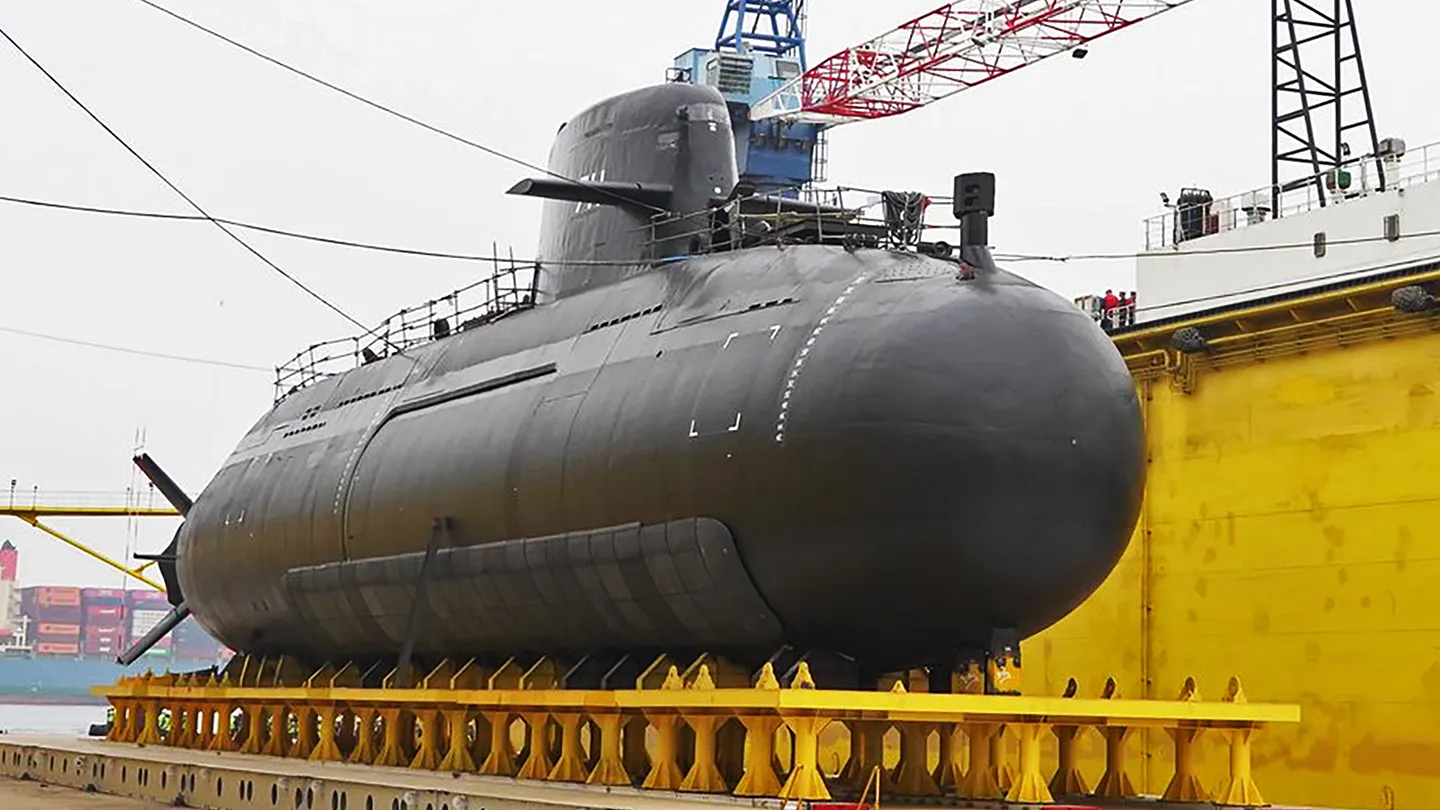
Hai Kun-Class Submarine. Image Credit: Taiwan Government.
A Ship Collision Would Be Disastrous
Two blockades occurring simultaneously could also lead to accidents or miscalculations.
A ramming of vessels could spark a shooting war. The United States and China are aware of this contingency, but even the best navies sometimes make mistakes and collide or ram vessels.
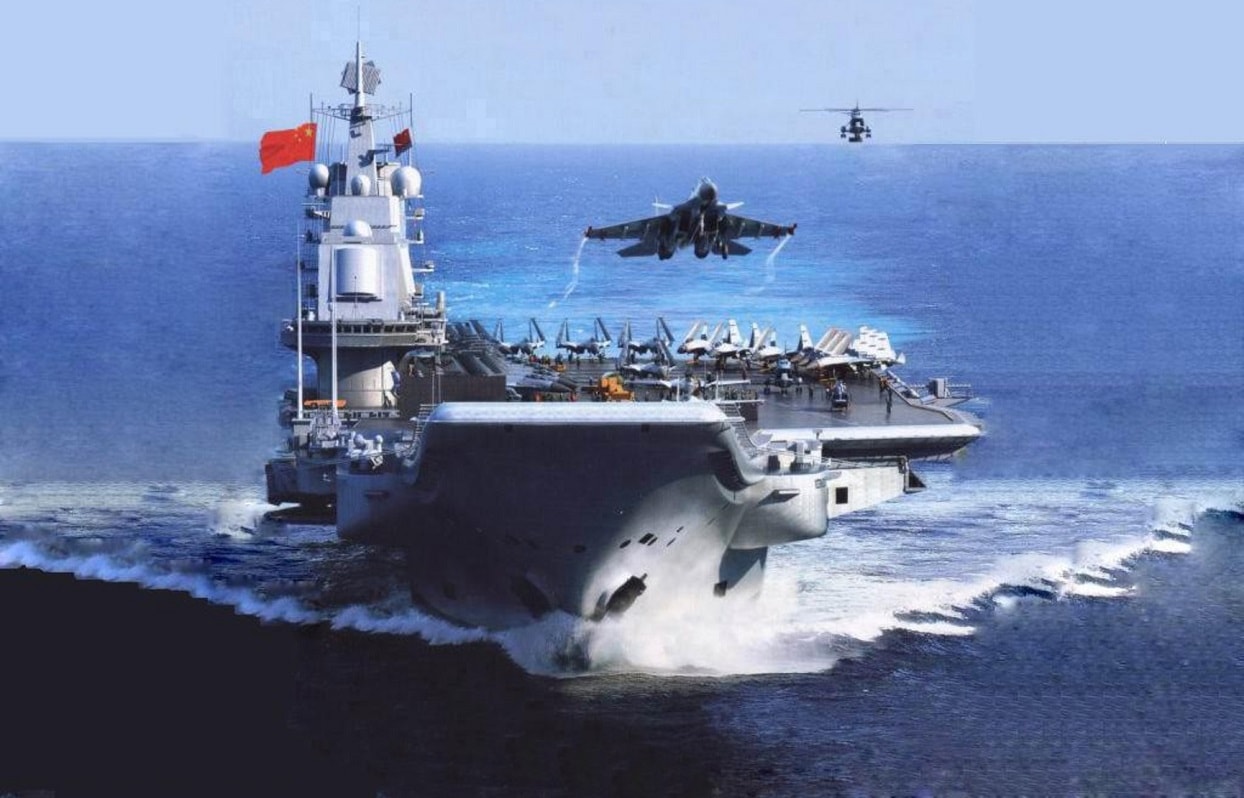
Chinese PLAN Navy. Image: Chinese Internet.
Such an accident would be disastrous, and cooler heads would have to prevail to prevent the worst.
What Will Happen Next?
China definitely has the military assets to blockade Taiwan right now. Xi will have his generals and admirals continue to rehearse a quarantine. The United States could retaliate by blocking the Strait of Malacca and cutting the flow of Chinese energy supplies.
Blockades can lead to accidents that could exacerbate the situation.
Taipei must exercise caution when purchasing additional arms from America. Any attempt at full independence would prompt a Chinese response that would disrupt trade and financial markets.
No one wants this situation, but China is not afraid to rehearse various scenarios that show they are serious about reunification with Taiwan.
About the Author: Dr. Brent M. Eastwood, Military Expert
Author of now over 3,000 articles on defense issues, Brent M. Eastwood, PhD is the author of Don’t Turn Your Back On the World: a Conservative Foreign Policy and Humans, Machines, and Data: Future Trends in Warfare plus two other books. Brent was the founder and CEO of a tech firm that predicted world events using artificial intelligence. He served as a legislative fellow for US Senator Tim Scott and advised the senator on defense and foreign policy issues. He has taught at American University, George Washington University, and George Mason University. Brent is a former US Army Infantry officer. He can be followed on X @BMEastwood.