The Ohio-Class Submarine Crisis Might Be Fixed: Summary and Key Points
- Caleb Larson — Berlin-based multiformat journalist, former POLITICO Europe Defense Reporter, and Ukraine war correspondent — reports on the U.S. Navy’s decision to extend the service lives of select Ohio-class guided-missile submarines, specifically USS Ohio and USS Florida.
- The move follows the combat-proven performance of USS Georgia during Operation Midnight Hammer, in which the submarine fired over two dozen Tomahawk Land Attack Missiles at Iran’s Fordow, Natanz, and Esfahan nuclear facilities.
- With Columbia-class and Virginia-class Block V submarines both behind schedule and over budget per GAO findings, Rear Admiral Scott Pappano confirms the Navy’s SSGN life extension is a critical stopgap preserving American undersea strike capacity.
The Ohio-Class Submarine That Struck Iran’s Nuclear Sites Is Getting a New Lease on Life
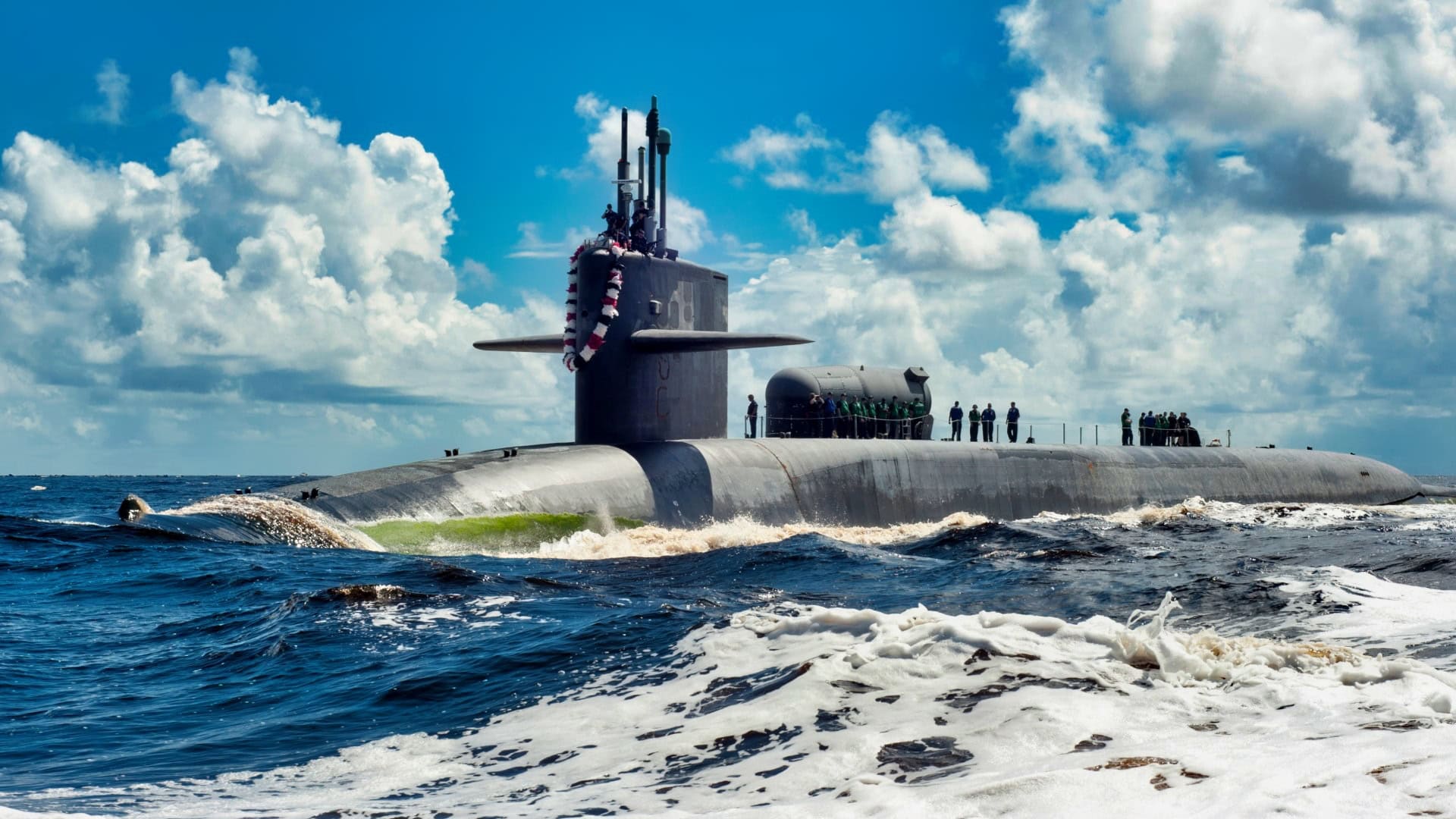
FERNANDINA BEACH, Fla. – The Ohio-class guided missile submarine USS Georgia (SSGN 729) transits the Saint Marys River July 15. Georgia returned to Kings Bay after spending more than a year forward deployed. (U.S. Navy photo by Mass Communication Specialist 1st Class(SW) James Kimber)
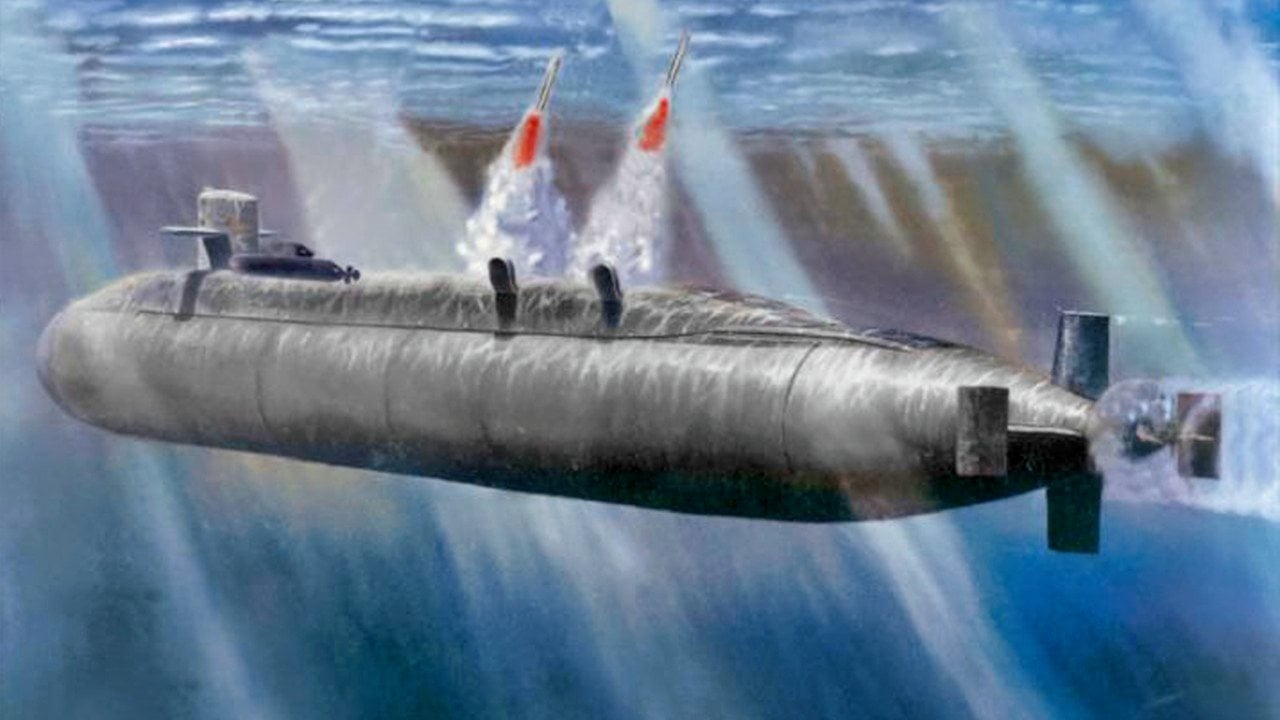
Puget Sound Naval Shipyard, Wash. (Aug. 14, 2003) — Illustration of USS Ohio (SSGN 726) which is undergoing a conversion from a Ballistic Missile Submarine (SSBN) to a Guided Missile Submarine (SSGN) designation. Ohio has been out of service since Oct. 29, 2002 for conversion to SSGN at Puget Sound Naval Shipyard. Four Ohio-class strategic missile submarines, USS Ohio (SSBN 726), USS Michigan (SSBN 727) USS Florida (SSBN 728), and USS Georgia (SSBN 729) have been selected for transformation into a new platform, designated SSGN. The SSGNs will have the capability to support and launch up to 154 Tomahawk missiles, a significant increase in capacity compared to other platforms. The 22 missile tubes also will provide the capability to carry other payloads, such as unmanned underwater vehicles (UUVs), unmanned aerial vehicles (UAVs) and Special Forces equipment. This new platform will also have the capability to carry and support more than 66 Navy SEALs (Sea, Air and Land) and insert them clandestinely into potential conflict areas. U.S. Navy illustration. (RELEASED)
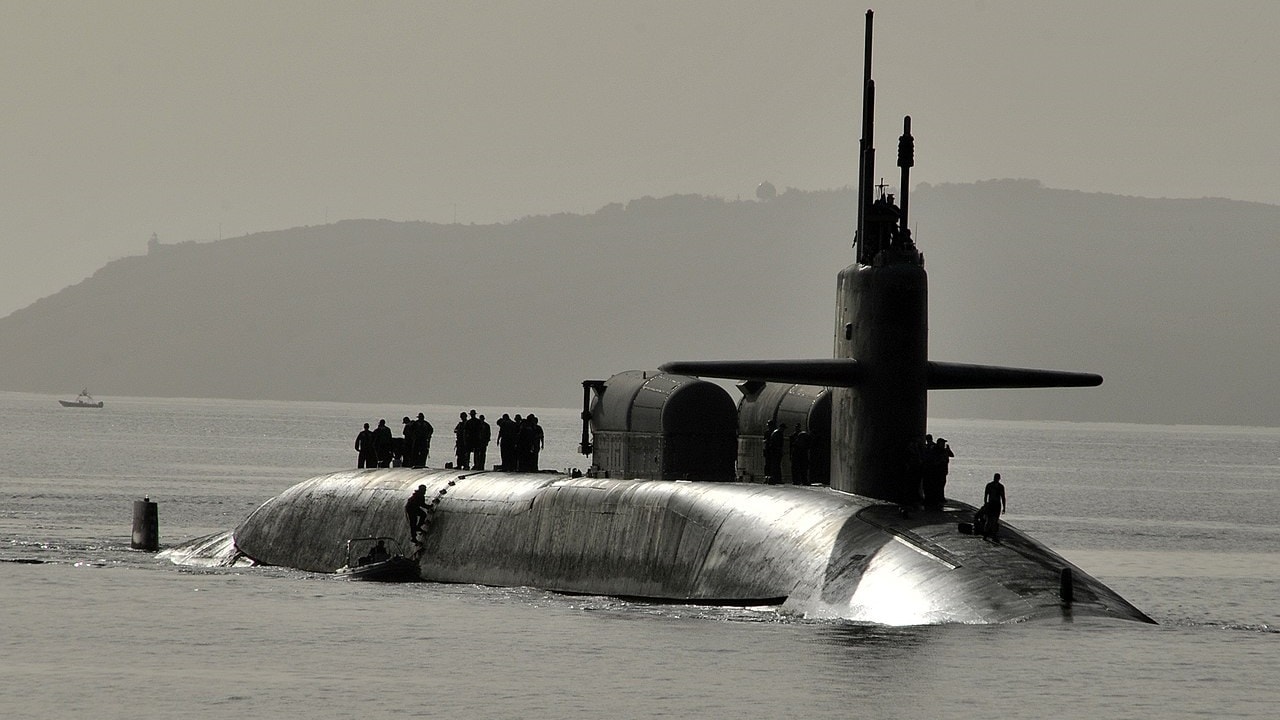
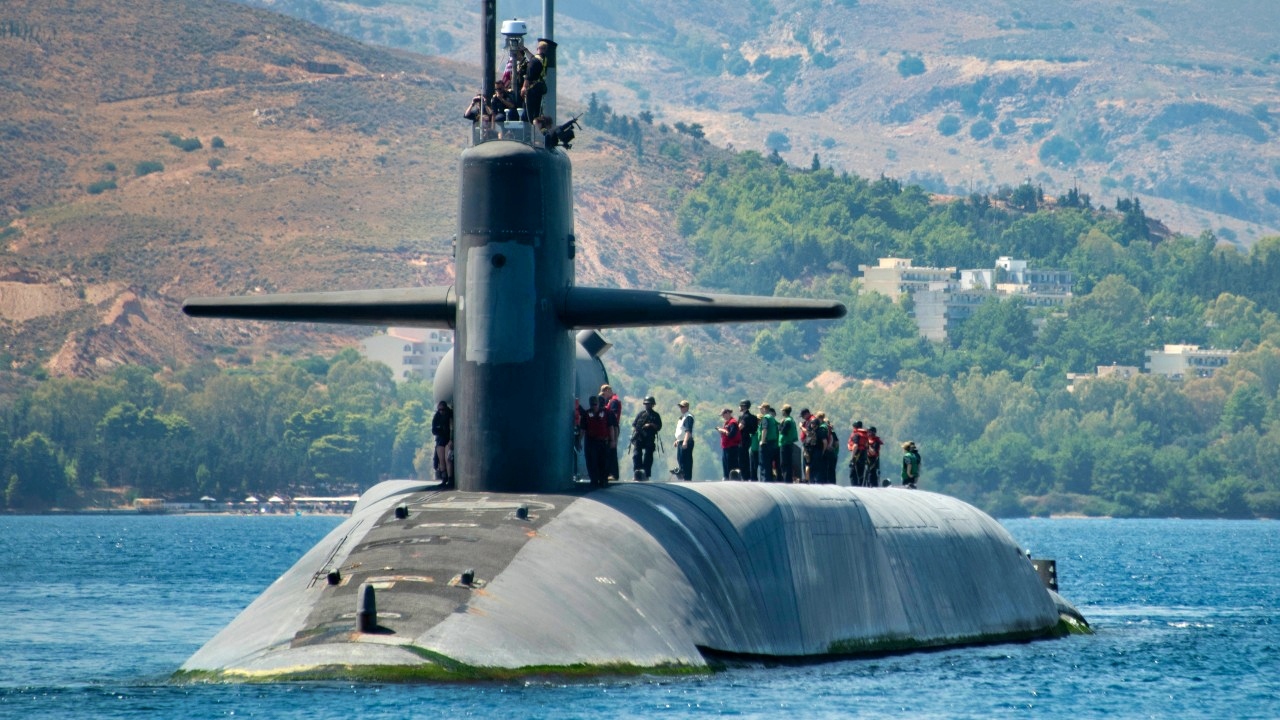
SOUDA BAY, Greece (May 21, 2013) The Ohio-class guided-missile submarine USS Florida (SSGN 728), gold crew, arrives in Souda harbor. Florida is homeported in Kings Bay, Ga., and is deployed conducting maritime security operations and theater security cooperation efforts in the U.S. 6th Fleet area of responsibility. (U.S. Navy photo by Paul Farley/Released) 130521-N-MO201-047
Hedging its bets, the United States Navy is extending the service lives of some Ohio-class submarines to prevent a capability gap, should the production of Columbia-class submarines fall behind schedule.
A pair of Ohio-class submarines, seemingly the USS Ohio and the USS Florida, will escape the Navy’s chopping block for now — and see a slightly different tasking in the future.
United States naval planners envision a new operational role for the Ohio-class guided missile submarines, one that leverages their unique capability to work with special operations forces, thanks to a modest service life extension, according to reporting by Jane’s.
Parallel to this development, the utility of the modified Ohio-class submarine’s large Tomahawk Land Attack Missiles (TLAMs) loadout became apparent during Operation Midnight Hammer, the operation against Iranian nuclear facilities last year.
American defense officials told Jane’s that the USS Georgia fired a salvo of TLAMs on “key Iranian nuclear facilities — including a fortified mountain facility at Fordow, a larger enrichment plant at Natanz, and the Esfahan uranium conversion facility — via a large aerial and sea-based strike package.”
Additional reporting by Breaking Defense, a security and defense website, indicates that the USS Georgia fired over two dozen Tomahawks at targets within Iran. During a Senate Appropriations subcommittee hearing, Secretary of the Navy John Phelan told lawmakers that the submarine “performed exceptionally, causing significant damage to Iran’s nuclear capacity.”
Time and Time Again
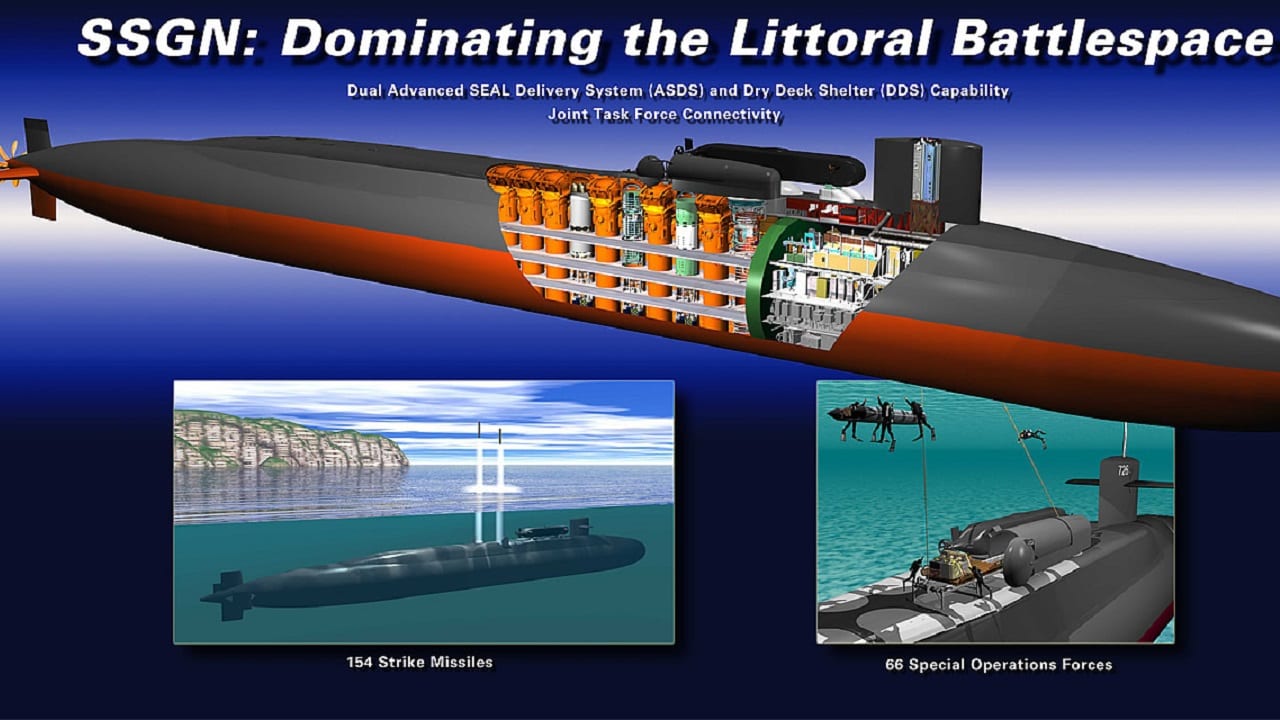
Ohio-class SSGN. Image Credit: US Military.
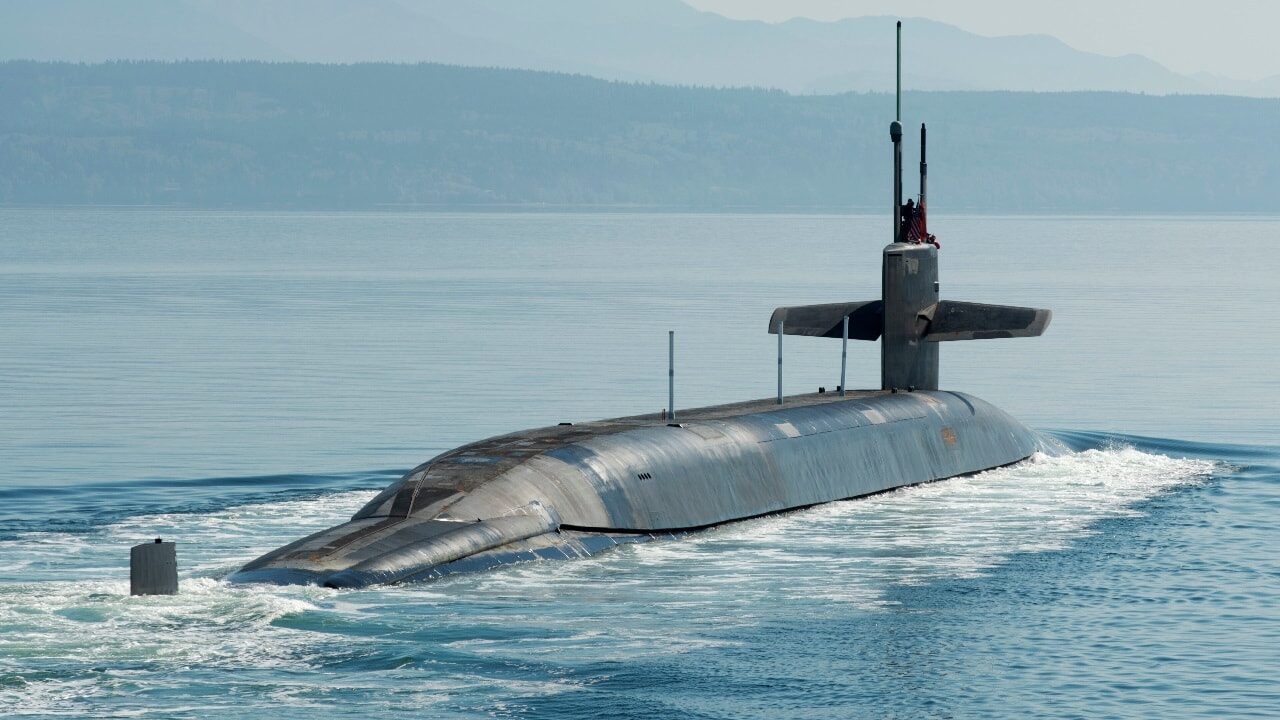
The Blue crew of the ballistic-missile submarine USS Henry M. Jackson (SSBN 730) transits the Hood Canal as it returns home to Naval Base Kitsap-Bangor following a routine strategic deterrent patrol on Sept. 30, 2015. US Navy photo.
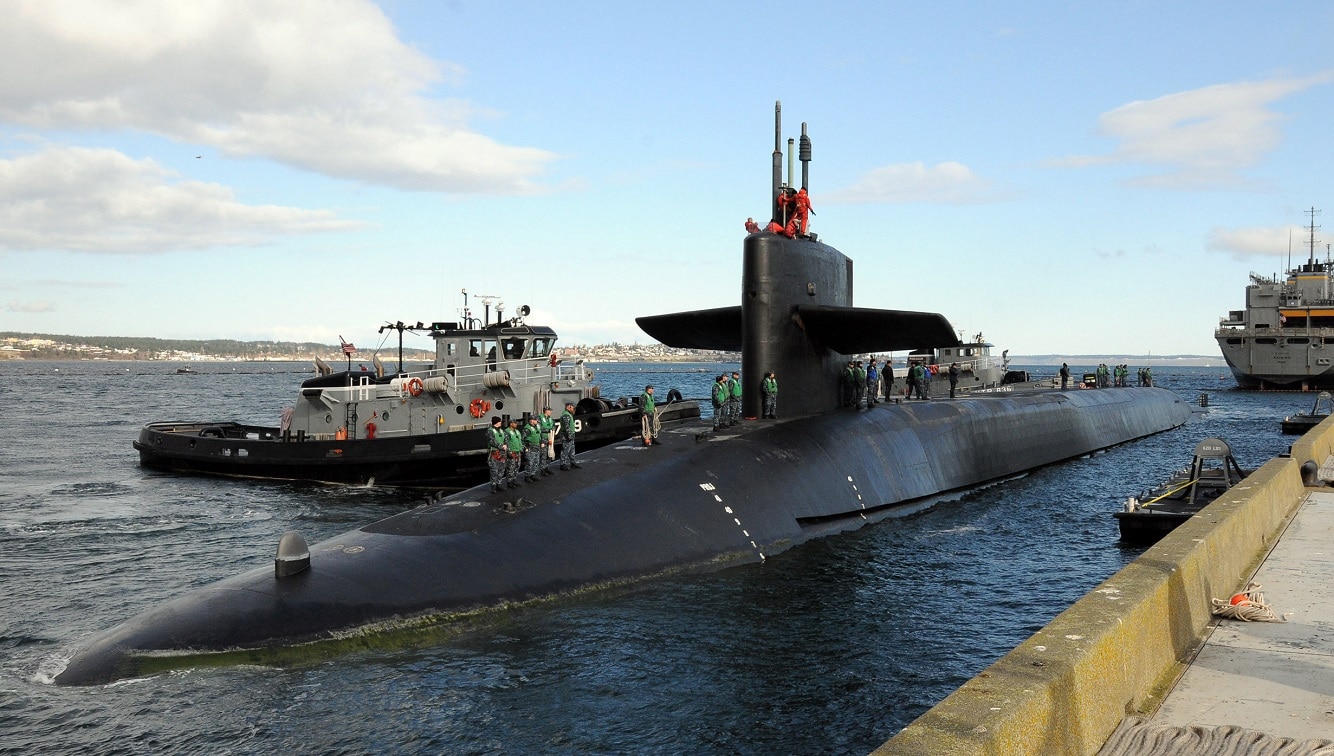
The guided-missile submarine USS Ohio (SSGN 726) prepares to moor at Naval Magazine Indian Island. Ohio recently completed a 14-month forward deployment to the U.S. 7th Fleet area of responsibility.
The United States Navy has already extended the service life of the Ohio-class once, from their planned service lives of 30 years to 42 years. And while the service lives of the entire class cannot once again be extended, the Navy has eyeballed each individual hull for suitability for service life extension, with priority given to submarines whose hulls are in good condition and whose reactors have remaining fuel.
Those submarines that meet those criteria are placed in pre-inactivation restricted availability, and specific maintenance work will keep them online for 3 more years and squeeze as much life as possible out of them. Conversely, the submarines that don’t meet those requirements are to be cannibalized for parts and rigorously tested. The strategy is not without risks.
Rear Admiral Scott Pappano, formarlly the program executive officer for strategic submarines, and now the Principal Deputy Administrator of the National Nuclear Security Administration, explained to Defense News that potential problems during a submarine’s service life appear at two periods: during entry into service, when production mistakes or manufacturing defects emerge, and near the end of their service lives, when submarine components begin to fail.
In comments given to Seapower Magazine, Pappano explained that “as part of that [service life extension] we’ll also evaluate the SSGNs [Ohio-class guided-missile submarines] right now. That’s a bit more of a challenge because those ships are operated more vigorously than SSBNs are in their current roles, but we will continue to look forward to doing that.”
Pappano added that the Virginia-class Virginia Payload Module capability “will supplant much of that [SSGN] missile inventory.
“Until that comes online, we want to make sure we have the missile shooter capability in the SSGNs for as long as we can, but it’s going to be a delicate balancing act of maintaining the current SSBN fleet versus extending the SSGN fleet. One of the things we’re looking at right now as we go forward is to make sure we provide as much capability to the warfighters as we can at the right amount of risk.”
Into the Future
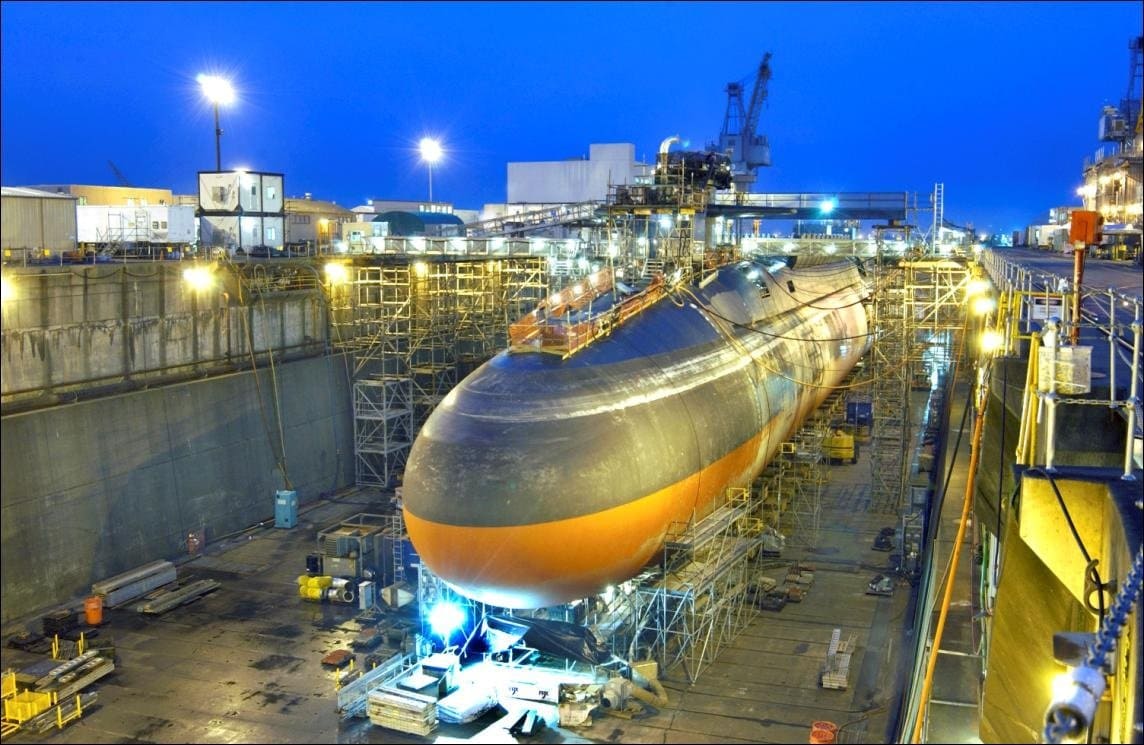
(March 15, 2004) – Night falls at Puget Sound Naval Shipyard and Intermediate Maintenance Facility, Bremerton, Wash., as work continues on the strategic missile submarine USS Ohio (SSGN-726). The USS Ohio is one of four Trident Submarines undergoing conversion to a new class of guided missile submarines. The SSGN conversion program takes Ohio-class ballistic missile submarines through an extensive overhaul that will improve their capability to support and launch up to 154 Tomahawk missiles. They will also provide the capability to carry other payloads, such as unmanned underwater vehicles (UUVs), unmanned aerial vehicles (UAVs) and Special Forces equipment. This new platform will also have the capability to carry and support more than 66 Navy SEALs (SEa, Air and Land) and insert them clandestinely into potential conflict areas. U.S. Navy photo by Wendy Hallmark.
Though the United States defense industrial base is among the world’s largest, delays to important naval programs are not without precedent.
Aging infrastructure, an acute shortage of skilled labor, and a shrunken defense industrial base contributed to long production delays and cost overruns.
One report published by the Government Accountability Office, a nonpartisan government watchdog, found that some shipyards face a shortage of available space to complete Navy builds, and that existing infrastructure is aging.
Secondly, the GAO found that both Electric Boat and Newport News Shipbuilding have experienced difficulties hiring and retaining the highly skilled labor needed to build projects as complex as nuclear-powered, and in some cases nuclear-armed, submarines.
Crucially, the report found that the U.S. Navy’s two upcoming submarine programs, the Virginia-class Block V and the Columbia-class, are both behind schedule and over budget.
Although the GAO provided estimates of the additional cost and the ultimately delay these programs would entail, it remains to be seen whether those best-guess figures are accurate, or whether the Navy’s two newest submarines will cost even more.
In any event, the Ohio-class life extension program, though modest, will be of high importance.
About the Author: Caleb Larson
Caleb Larson is an American multiformat journalist based in Berlin, Germany. His work covers the intersection of conflict and society, focusing on American foreign policy and European security. He has reported from Germany, Russia, and the United States. Most recently, he covered the war in Ukraine, reporting extensively on the war’s shifting battle lines from Donbas and writing on the war’s civilian and humanitarian toll. Previously, he worked as a Defense Reporter for POLITICO Europe. You can follow his latest work on X.