
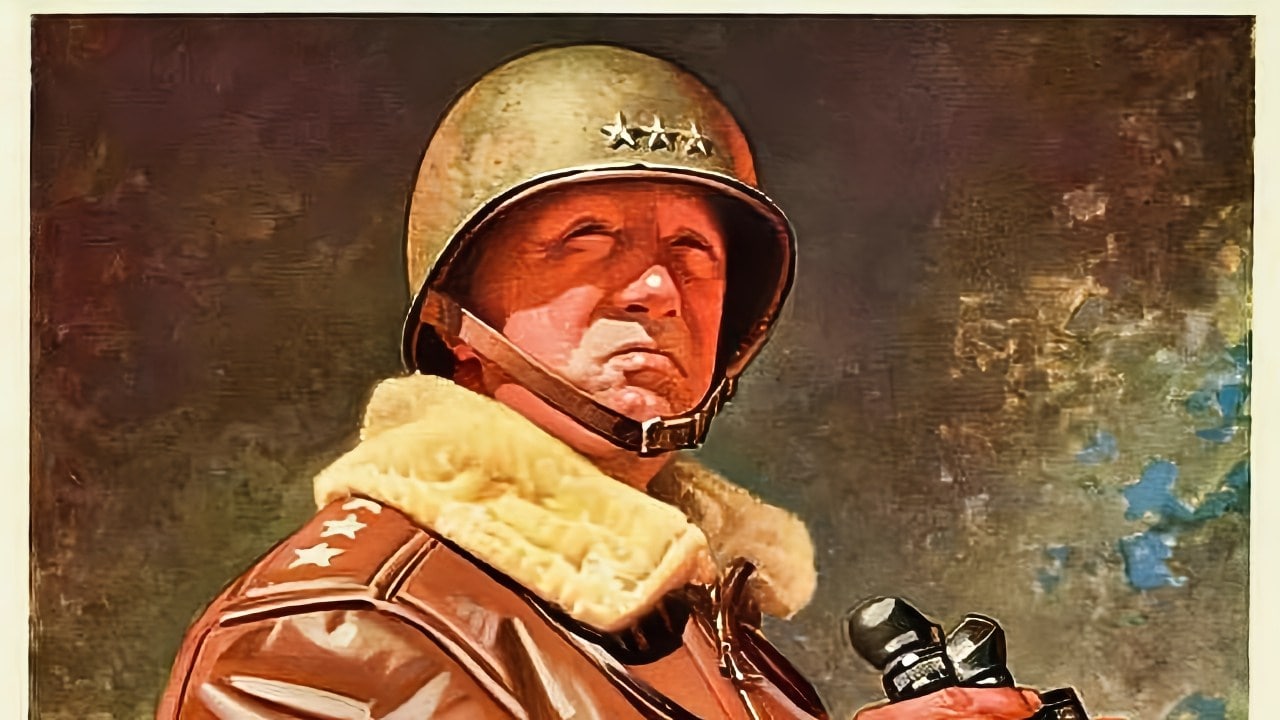
The military is, among other things, a leadership laboratory. In its 251-year existence (which predates American independence by 11 months), the United States Army has produced its fair share of great generals, as well as some not-so-great generals. Today, this writer, a former Air Force officer and former Army contractor, shall focus on the positive with a listing of the 5 Great U.S. Army Generals of All Time. Admittedly, this list is a tad subjective—and sure to stir the pot and ruffle some feathers due to the omissions—but based upon facts and reason. So, without further ado, and in chronological order…
#1 George Washington (American Revolution)
It only makes sense to start off with the senior commanding officer, who secured America’s independence, defeated the world’s largest military power, and earned the sobriquet of “Father of Our Country,” n’est-ce pas?
Ironically enough, this “Indispensable Man” didn’t start out his military career by fighting *against* the British Crown but rather fighting *for* it. During the French and Indian War of 1754-1763, George Washington (February 22, 1732 – December 14, 1799) served as a colonel in the Virginia militia, whereupon, among other things, he fired the first shot of that war at the Battle of Jumonville Glen.
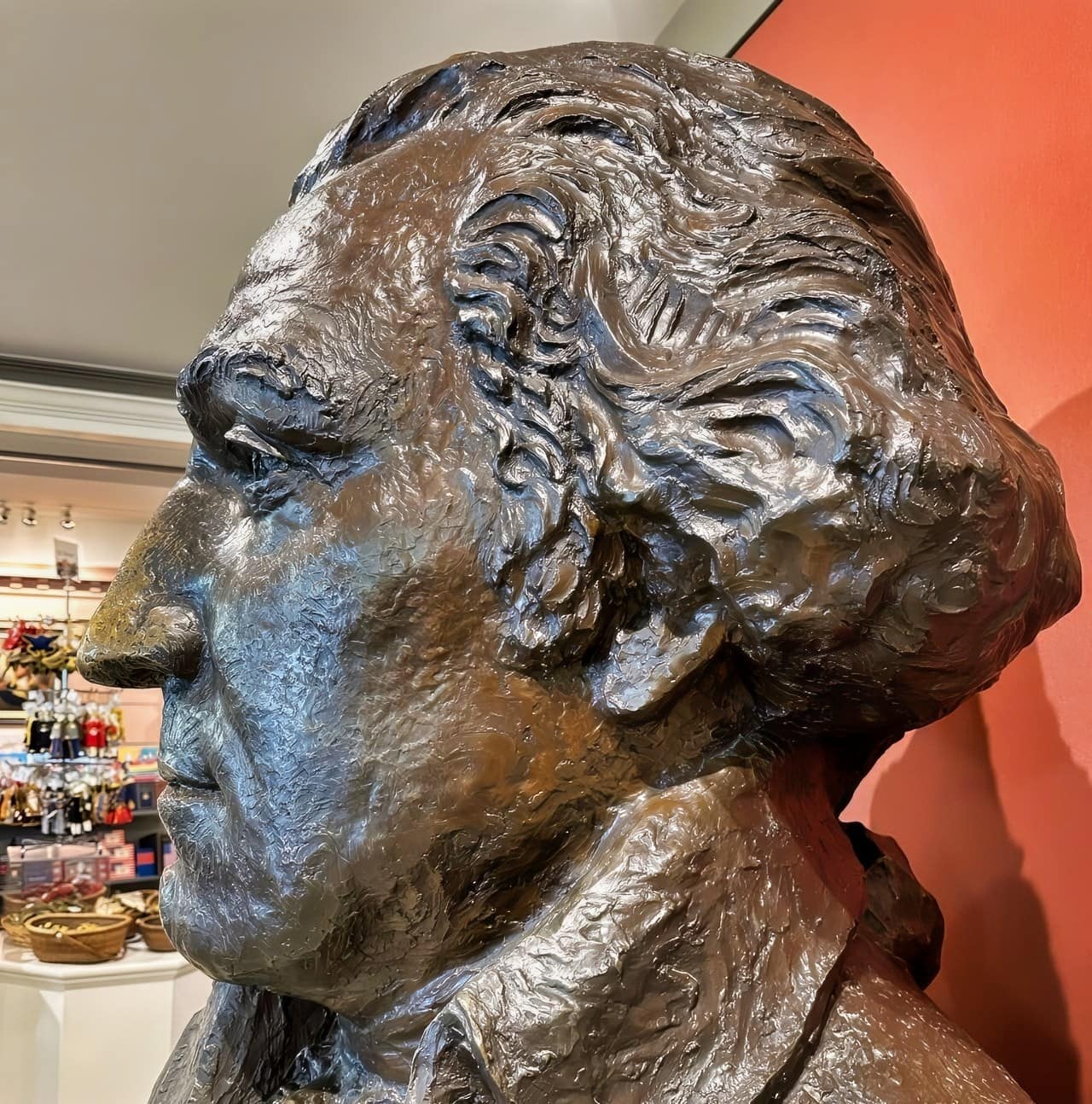
George Washington Bust at Mount Vernon. Image taken by Harry J. Kazianis for 19FortyFive back in 2022.
Long story short, barely a dozen years after helping Britain win that conflict, Washington humbly accepted the senior leadership position necessary to help Britain lose the next one. As Joe Archino states in a piece titled “Titans of War: The Five Greatest Generals in American History,” “No general in American history has ever faced a task as daunting as Washington did during the Revolutionary War.
Far from just building an army from the ground up, Washington also had to lead that fledgling fighting force composed of citizen soldiers against the most powerful military machine in the world. His task as Commander-in-Chief was only made harder by the fact that his soldiers were poorly fed, equipped, supplied, and rarely, if ever, paid, but Washington always found a way to keep his army together.”
Regarding that last sentence, it was dramatically demonstrated during the ordeal at Valley Forge, and that perseverance ultimately paid off when Lord (General) Charles Cornwallis surrendered his sword (through his proxy, mind you) to General Washington at Yorktown.

George Washington Portrait. Image Credit: Creative Commons.
George Washington even became an eventual six-star general, albeit posthumously; his sixth star was awarded during America’s bicentennial in 1776.
#2: Ulysses S. Grant (American Civil War)
We now jump nine decades from the American Revolution to what some neo-Confederates have termed the “Second American Revolution,” except this revolution nearly destroyed the same Union that the original Revolution had created.
And it took a hardscrabble, down-on-his-luck (in his civilian life preceding the war, that is), cigar chain-chomping, alleged drunkard (these allegations were greatly exaggerated by his detractors) to defeat the Confederacy and save that Union.
Ulysses S. Grant (April 27, 1822 – July 23, 1885))—born Hiram Ulysses Grant—did not bear the regal, spit-and-polish image typically associated with general officers, instead typically wearing a rumpled, mud-spattered private’s uniform; granted, besides reflecting upon Grant’s down-to-earth manner, this also served a pragmatic purposes, as it made him less of a target for Rebel sharpshooters, who were always looking to plink a Yankee officer.
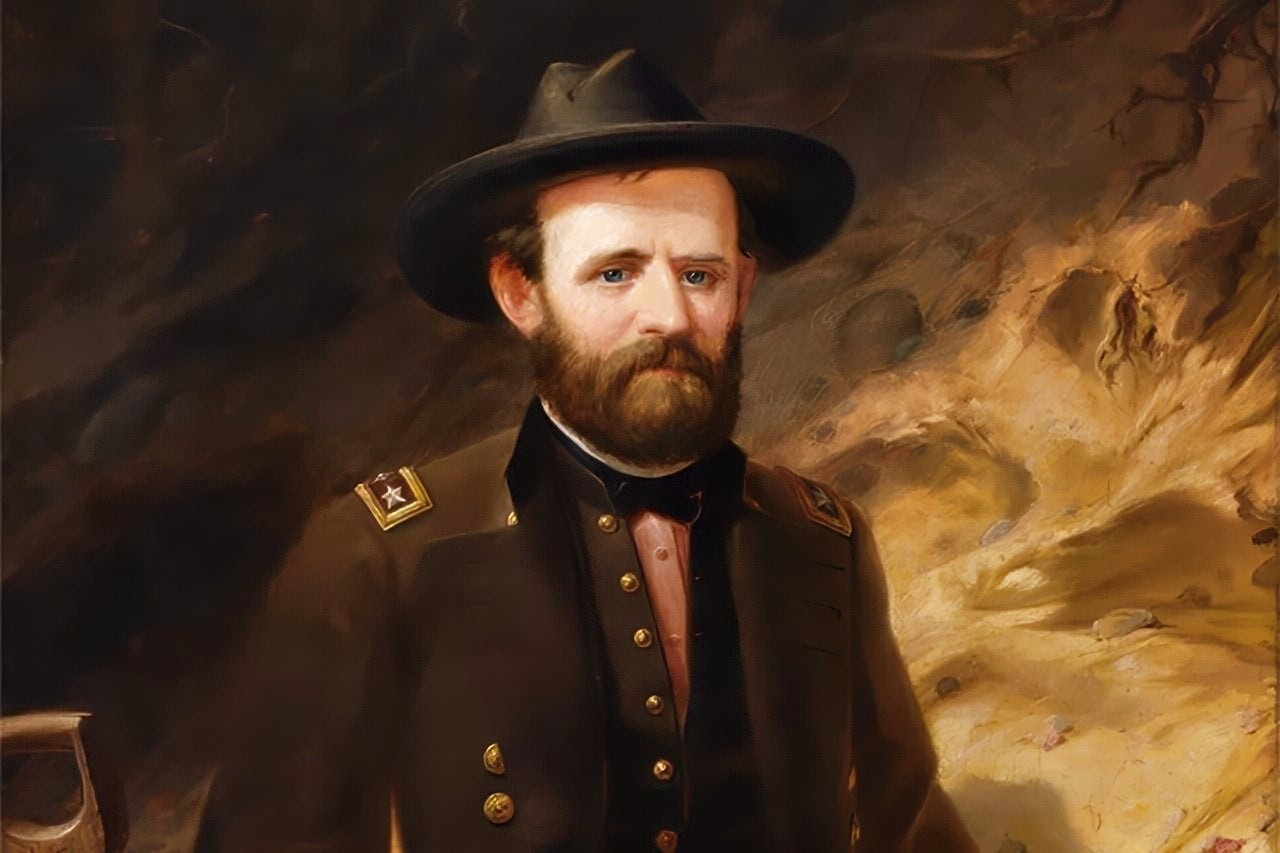
General Grant U.S. Army. Image Credit: Creative Commons.
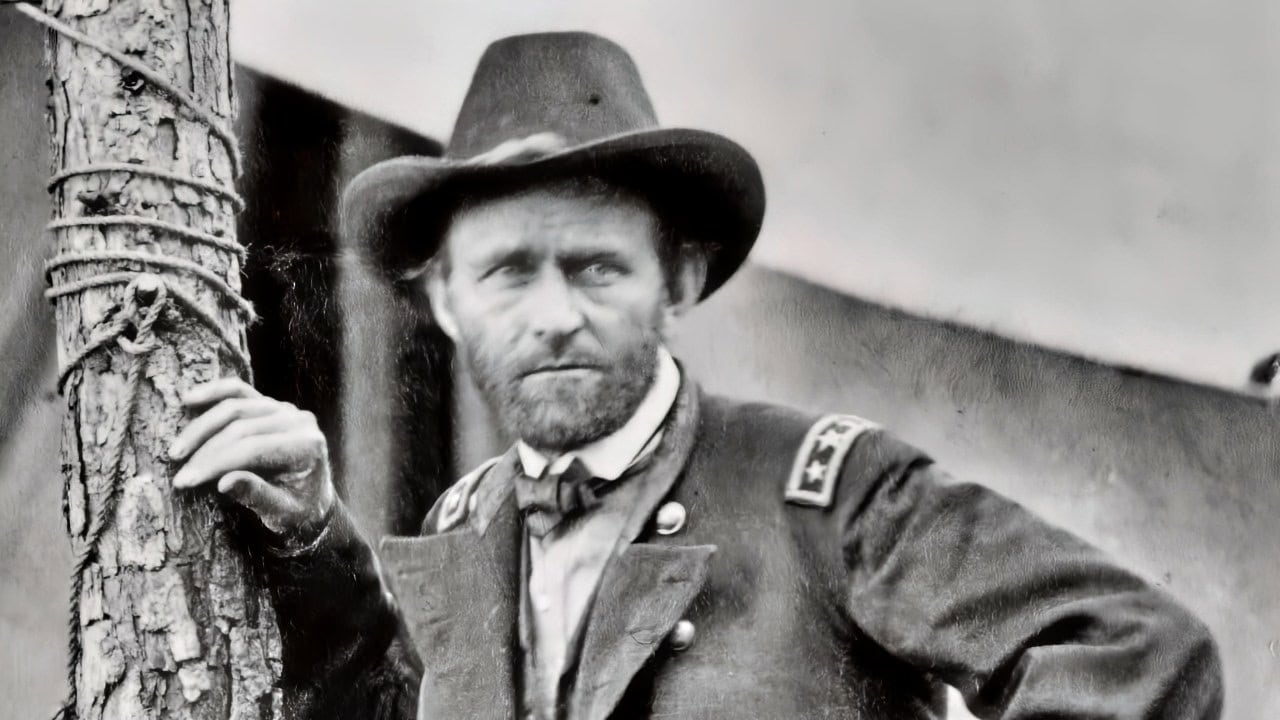
General Ulysses S. Grant at Cold Harbor. Image Credit: Creative Commons.
However, where Gen. Grant lacked style, he more than made up for it in substance.
His predecessors in the position of commander of the Union Army, from George Brinton McClellan to Ambrose Burnside to Joseph Hooker, had a case of hesitancy, what then-President Abraham Lincoln called “the slows.” By contrast, “Sam” Grant had such an aggressive fighting spirit and dogged determination that inspired this simple yet oh-so-profound praise from Lincoln: “I can’t spare this man, he fights!” As for Grant’s aforementioned alleged drunkenness, “Honest Abe” Lincoln is reported to have said (perhaps apocryphally), “Find me the brand, and I’ll send a barrel to each of my other generals!”
In addition to his first two initials conveniently coinciding with those of “United States” and “Uncle Sam,” U.S. Grant’s first two initials also came to be associated with “Unconditional Surrender” after his 1862 victories at Fort Henry and Fort Donelson, at a time when the Union Army and the northern public alike were desperate for victories over a then-seemingly unbeatable Confederate Army.
During the culmination of the latter battle, the Southron commanding officer, Simon Bolivar Buckner—an old friend, former West Point classmate, and a Mexican War comrade-in-arms to “Sam” Grant—asked about the terms of surrender, the unwavering Northern general replied, “No terms except unconditional and immediate surrender can be accepted.”
It was Grant’s victory at Vicksburg on July 4, 1863—the same day that the “old snapping turtle” Gen. George Gordon Meade wrapped up victory over Gen. Robert E. Lee’s Army of Northern Virginia at Gettysburg, but then failed to pursue and finish the job—that truly rocketed him to superstardom and served as the catalyst to his promotion to command of the Union Army.
Gen. Grant was so aggressive that some members of the northern public labeled him a “butcher” due to his willingness to sustain horrific casualties, especially at places like Cold Harbor.
However cruel as it may have seemed, there was a method to Grant’s madness: he knew that he could sustain his own troops’ losses whilst his General Lee could not. Indeed, as Professors Grady McWhiney and Perry D. Jamieson pointed out in their 1982 book “Attack and Die: Civil War Military Tactics and the Southern Heritage,” whilst the North may have suffered a higher aggregate number of battlefield deaths than the South—300,000 vs 200,000—the South suffered far worse *proportionately speaking*, i.e., in terms of the number troops killed in relation to total military manpower.
Grant’s strategy was vindicated when Lee surrendered to him at Appomattox in April 1865.
#3: John “Black Jack” Pershing (World War I)
If the Spanish-American War established the United States’s status as a world power, then it was the First World War that reaffirmed and cemented that status. And it was the leadership of General John Joseph “Black Jack” Pershing (13 September 1860 – 15 July 1948) that was instrumental in that reaffirmation. As commander of the American Expeditionary Forces in WWI, “Black Jack” (so nicknamed because, as a 1st Lieutenant, he had been one of the first white officers to command segregated African-American soldiers in the 10th Cavalry, aka the “Buffalo Soldiers”) was *THE* public face of American military leadership in that so-called “war to end all wars.”
Gen. Pershing built the U.S. Army from a standing force of 127,500 officers and soldiers to one of 4 million and bailed out the severely hemorrhaging armies of Great Britain and France, thus enabling victory over the Imperial German forces of Kaiser Wilhelm II (aka “Kaiser Bill”).
So smashing was Pershing’s triumph that he was promoted to General of the Armies and became the only active-duty six-star general in U.S. history. Furthermore, he left a legendary lasting legacy by mentoring future generals like Dwight D. “Ike” Eisenhower, George C. Marshall, Omar N. Bradley…and the next officer on our list…
#4: George S. Patton, Jr. (World War II)
As the 19th-century Prussian war philosopher Carl von Clausewitz said, “Never forget that no military leader has ever become great without audacity.” For all of his personality & character flaws, George Smith Patton, Jr. (11 November 1885 – 21 December 1945)—whose flamboyant personality and appearance were the polar opposite of Ulysses Grant’s—exemplified audacity.

General Patton Portrait. Image Credit: Creative Commons.
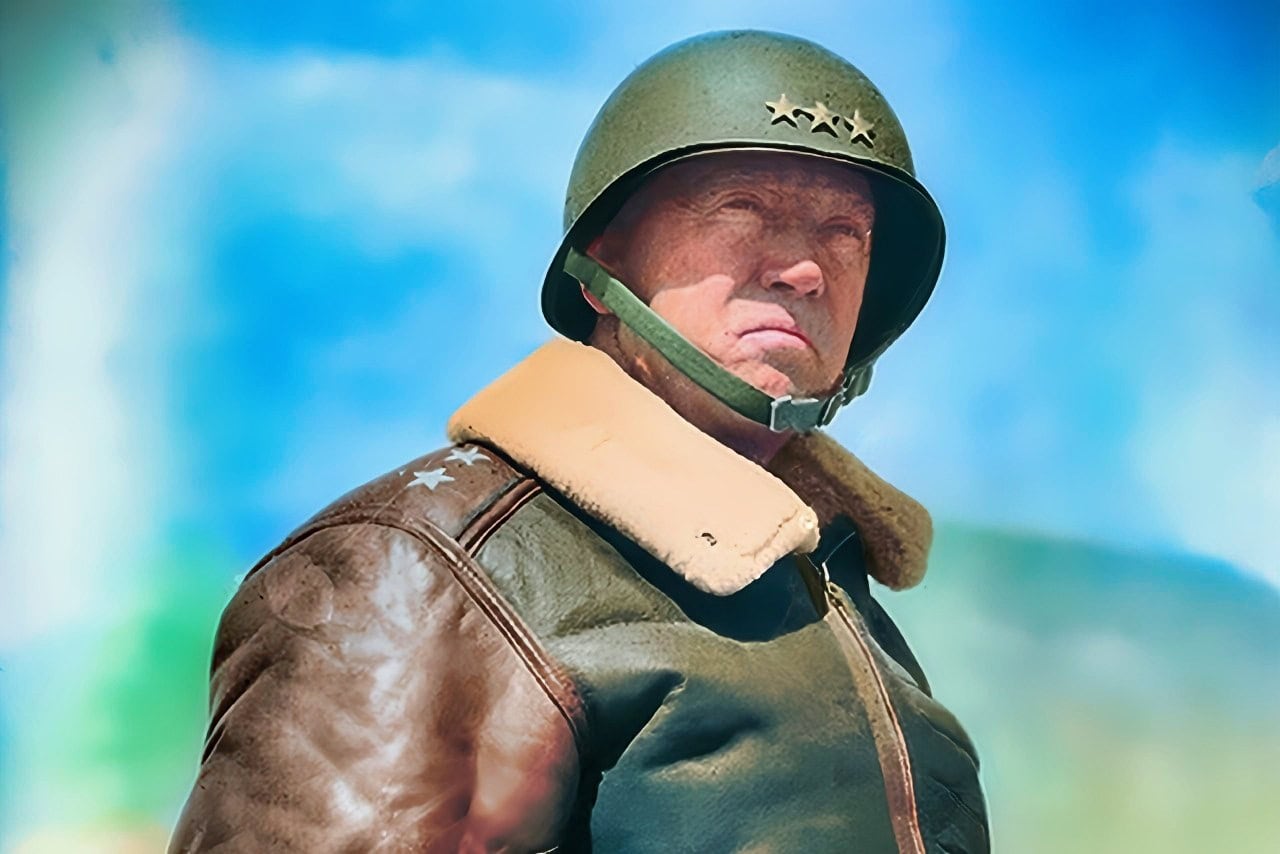
George Patton U.S. Army Photo
For example, after the U.S. Army’s utterly disastrous performance in its first major action against Nazi Germany’s Wehrmacht in the Battle of Kasserine Pass, “Old Blood & Guts” Patton was bound and determined to reverse the negative momentum of that defeat, physically and psychologically alike.
He started that turnaround at the Battle of El Guettar (depicted early on in the 1970 Best Picture Oscar-winning film “Patton”), and the positive momentum for the general and his Third Army alike just took off from there.
Arguably, his crowning career achievement took place during the Battle of the Bulge. After the dithering and complacency of “Ike” and Bradley—who ignored the pending warning signs of the pending German counterassault—led to Allied forces being caught with their proverbial pants down, it was Patton’s boldness and audacity that saved the day, snatching a smashing victory from the jaws of a crushing defeat.
Patton also proved to be far more prescient about the looming threat of the Soviet Union in the post-WWII landscape than Ike or Bradley. Sadly, Patton’s life was cut short before he could provide the leadership necessary to address that threat head-on.
#5: H. Norman Schwarzkopf (1991 Persian Gulf War, aka Operation Desert Storm)
For a decade and a half after its humiliating exit from the Vietnam War in 1975, the U.S. military and political establishments were suffering from what was known as the “Vietnam syndrome”; minor victories in Grenada and Panama along the way notwithstanding. It took a former field grade officer during the Vietnam War to lick that syndrome.
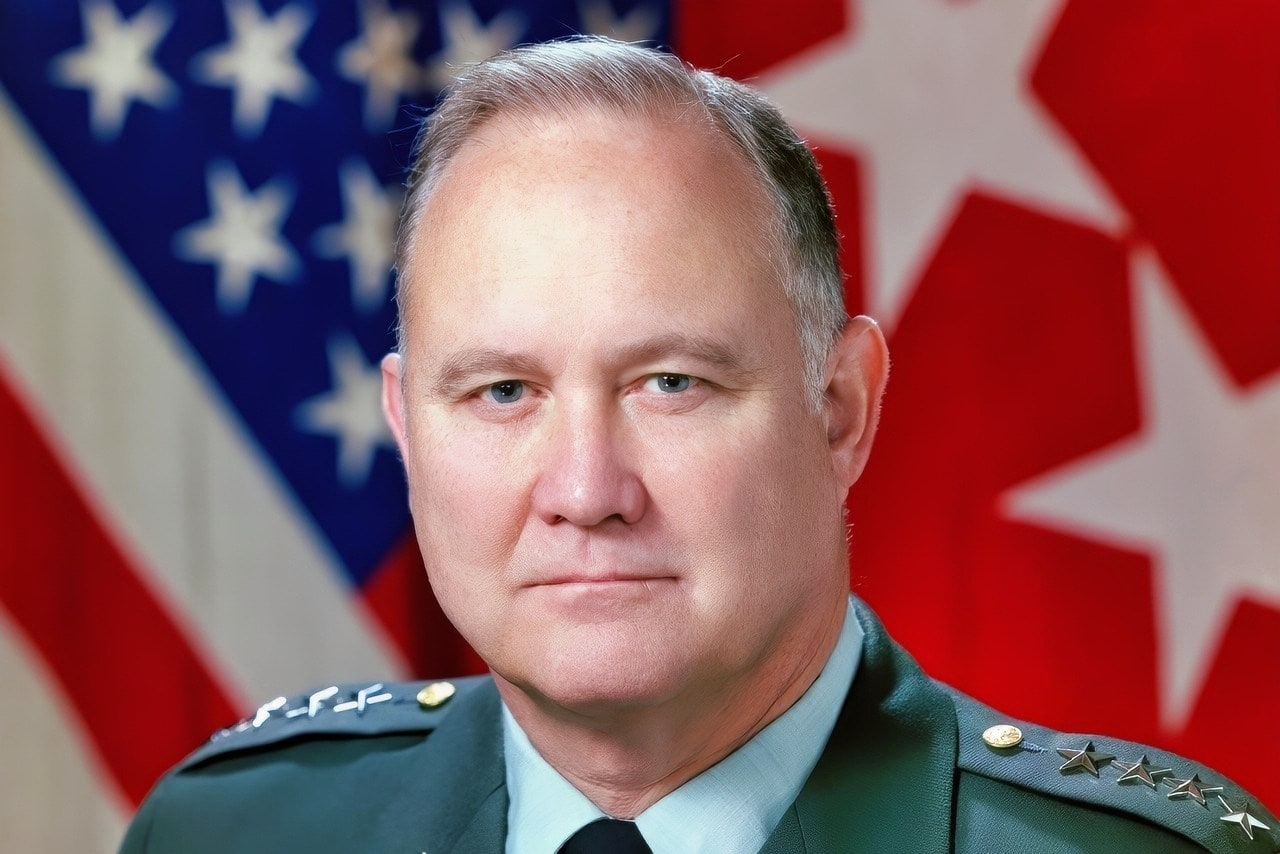
Army General Norman Schwarzkopf.
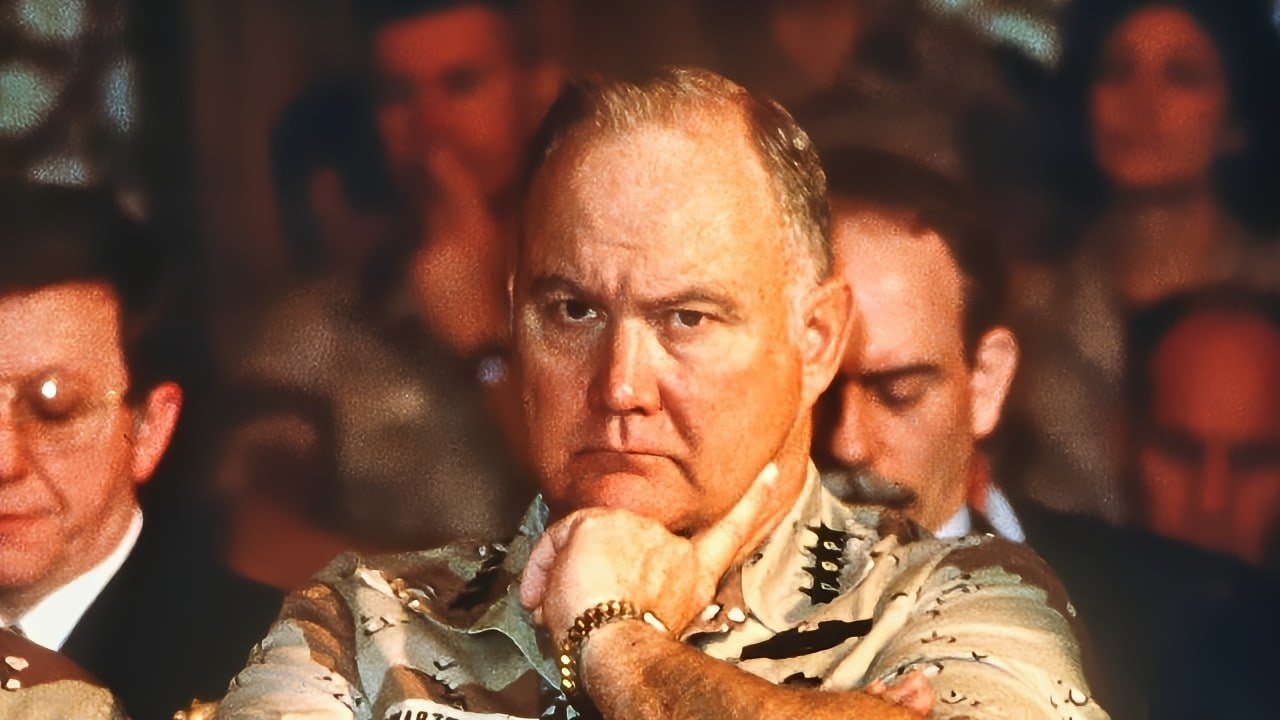
Paul D. Wolfowitz, under secretary of defense for policy, right, takes notes while Gen. Colin Powell, chairman, Joint Chiefs of Staff, and Gen. Norman Schwarzkopf, commander-in-chief, U.S. Central Command, listen to Secretary of Defense Richard Cheney answer questions from the media. The men are taking part in a press conference held by U.S. and Saudi Arabian officials during Operation Desert Storm.
General H(erbert) Norman Schwarzkopf Jr. (22 August 1934 – 27 December 2012), aka “The Bear” and “Stormin’ Norman, took away the painful lessons learned as a young major in Vietnam and applied them to the war against then-Iraqi strongman Saddam Hussein’s forces that had invaded and occupied Kuwait. Gen. Schwarzkopf made damn sure that the strategic and tactical mistakes of Vietnam—particularly the opprobrious forcing U.S. troops to fight with one proverbial hand tied behind their backs—would not be repeated in the Persian Gulf. Instead, Saddam’s forces were hit mercilessly by air, land, and sea alike.
It culminated in the legendary “Left Hook” maneuver that caught the Iraqis—who had been expecting a D-Day style amphibious assault—completely by surprise.
42 days after Operation Desert Storm commenced, Saddam had withdrawn his forces from Kuwait, the Vietnam syndrome was licked, and “The Bear” was a folk hero in the eyes of the adoring American public.
About the Author: Christian D. Orr
Christian D. Orr is a Senior Defense Editor. He is a former Air Force Security Forces officer, Federal law enforcement officer, and private military contractor (with assignments worked in Iraq, the United Arab Emirates, Kosovo, Japan, Germany, and the Pentagon). Chris holds a B.A. in International Relations from the University of Southern California (USC) and an M.A. in Intelligence Studies (with a concentration in Terrorism Studies) from American Military University (AMU). He is also the author of the book “Five Decades of a Fabulous Firearm: Celebrating the 50th Anniversary of the Beretta 92 Pistol Series,” the second edition of which was recently published.