
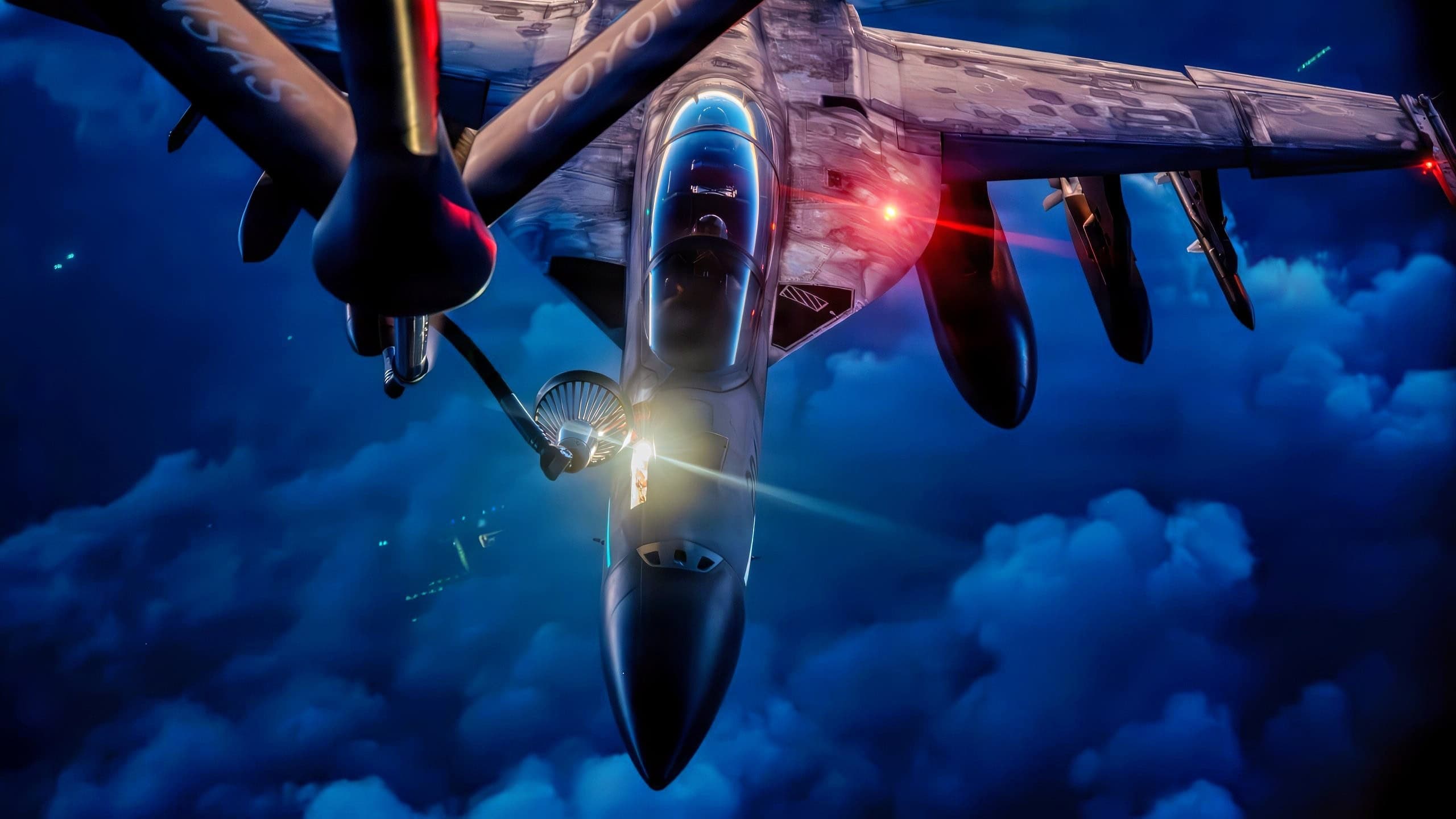
Summary and Key Point: Drawing on his deep expertise as a former U.S. Army Infantry officer and defense policy advisor, Dr. Brent M. Eastwood breaks down the staggering financial realities of modern warfare. With the Pentagon requesting a massive $200 billion supplemental package to fund Operation Epic Fury, Eastwood reveals a shocking asymmetry: the U.S. is preparing to spend more on this conflict than the entire estimated value of Iran’s military.
-As the “Kinetic Missile Fight” drains billions in a matter of days, Washington faces a bitter political battle over funding a war where America severely outspends—and outguns—its adversary.
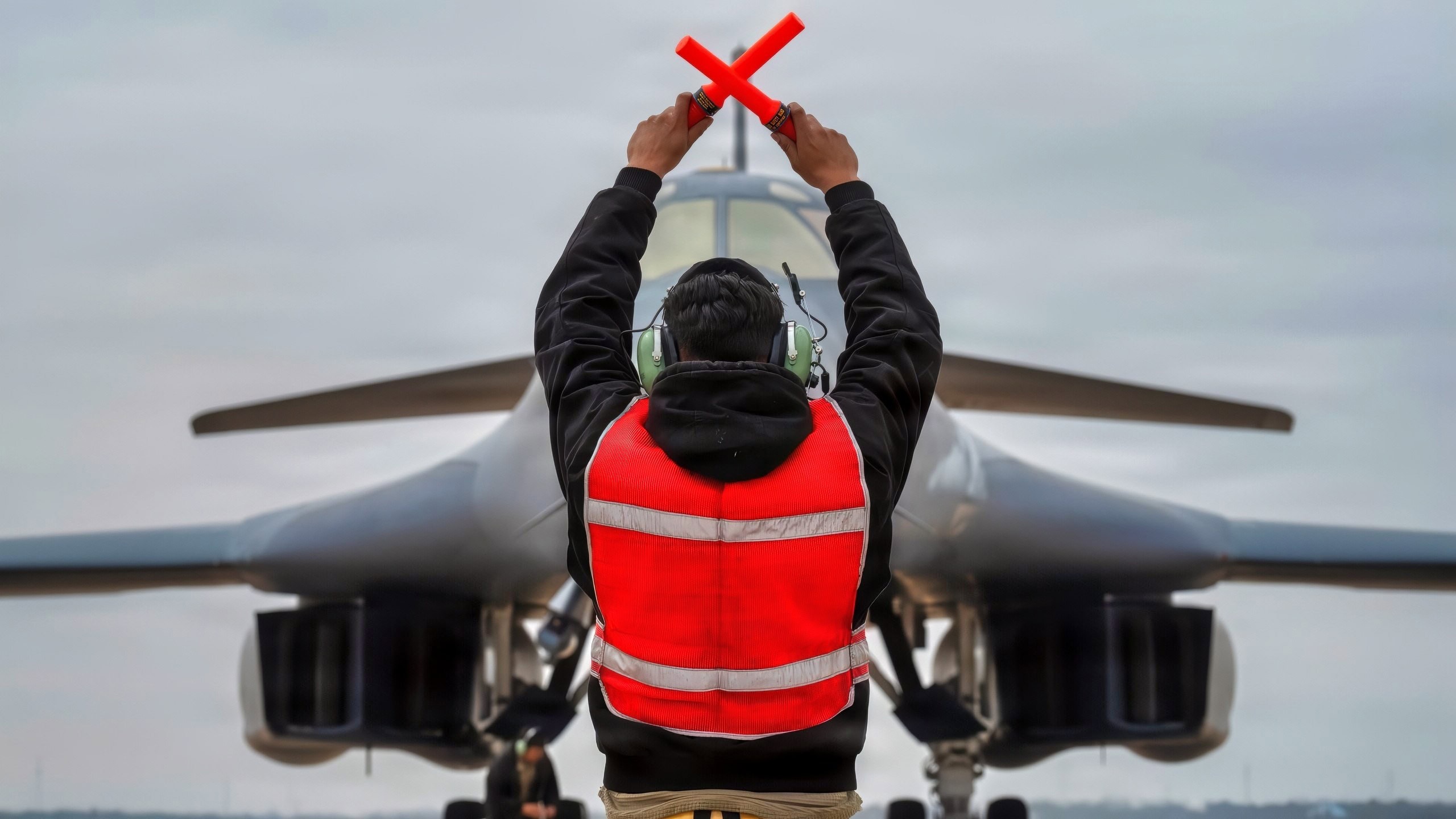
A U.S. Air Force B-1B Lancer crew chief marshals a B-1 after returning from a CONUS-to-CONUS mission in support of Operation Epic Fury, March 4, 2026. The B-1B is a long-range, multi-role bomber that carries the largest payload of precision guided and unguided munitions in the Air Force inventory. (U.S. Air Force photo)
The $200 Billion Price Tag: The Staggering Cost of Operation Epic Fury
The Department of Defense is requesting $200 billion to prosecute the war against Iran. This is a stunning figure that shows just how much modern warfare, with its reliance on ballistic, cruise, and interceptor missiles, costs in the modern era. There are no ground troops to sustain, but what I call the “Kinetic Missile Fight” requires significant funding.
The Comparative Value of $200 Billion
This $200 billion may be worth more than the entire Iranian military, which depends on its own ballistic missiles and drones.
Its navy has been decimated, and the air force severely eroded. The Iranians are also not using ground troops at this juncture, and it is unclear whether they have enough missiles and drones to continue the fight.
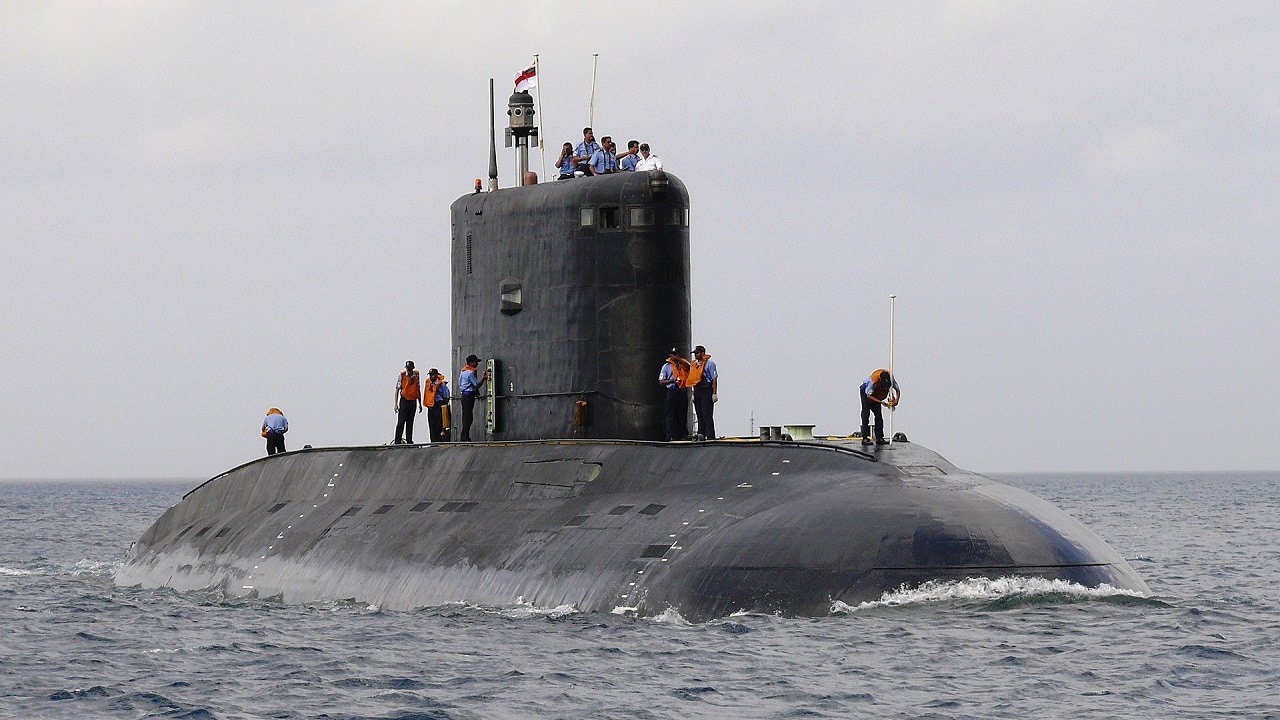
Kilo-Class Submarine.
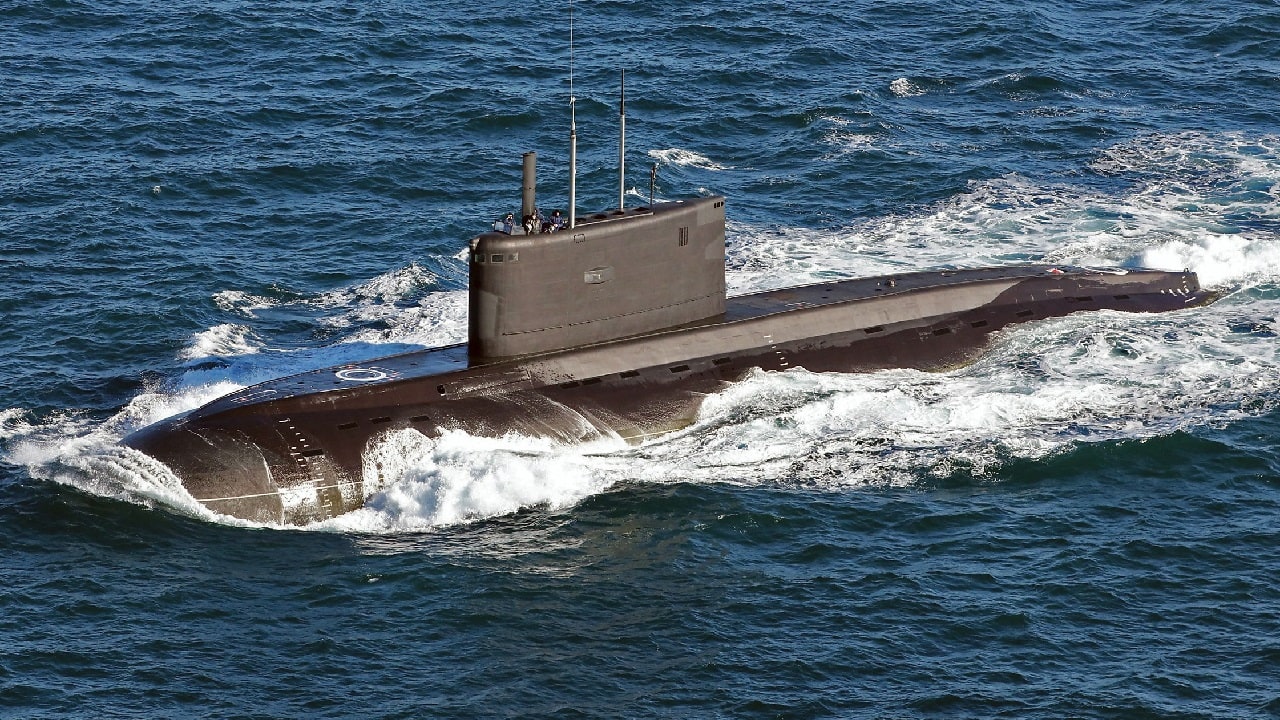
Pictured is a Kilo-Class Russian Submarine in the English Channel. The image was taken from Royal Navy Wildcat HMA2 Helicopter of 815 Naval Air Squadron. Kilo class is the NATO reporting name for the diesel-electric attack submarine.
The Department of Defense Needs More Funding
The Pentagon’s request for the $200 billion was sent to the White House on March 19. Secretary of Defense Pete Hegseth was direct about the funding. “It takes money to kill bad guys,” Hegseth said. “We’re going back to Congress and our folks there to ensure that we’re properly funded.”
Fiscal Hawks May Not Support Such a Large Expenditure
With U.S. debt obligations at $39 trillion, this may be a heavy lift for Congress, as numerous Democrats opposed to the war hope for a complete ceasefire soon. It is not clear if the White House has counted votes so far, and there are already some Republicans, like Representative Lauren Boebert, who are against any further funding for Operation Epic Fury. The vote, if it is scheduled soon, could be close and will break down by party lines. However, lawmakers may be convinced that they should give all support to military personnel fighting the war so they can succeed without further casualties.
Will This Be Another Forever War?
So far, there has been no authorization of military force by Congress that would allow President Donald Trump and Hegseth to make an open-ended commitment beyond 90 days to another costly war in the Middle East. Trump has campaigned on avoiding “endless and stupid” wars in the past. Hegseth is seen as one of the most hawkish supporters of the war against Iran. Trump is also working to convince lawmakers that the funds will be spent wisely.
“’This is a very volatile world,’ the president said from the Oval Office. He said the emergency spending would be a ‘very small price to pay’ to ensure the nation’s military stays in top shape,’” the Associated Press noted.
Public Hearings Would Commence
Legislators on Capitol Hill would likely call up Hegseth and General Dan Caine, the Chairman of the Joint Chiefs of Staff, to testify in Congressional hearings before a full vote in both chambers. They would likely field difficult questions about future casualties, the length of the war, and strategy toward an end state.
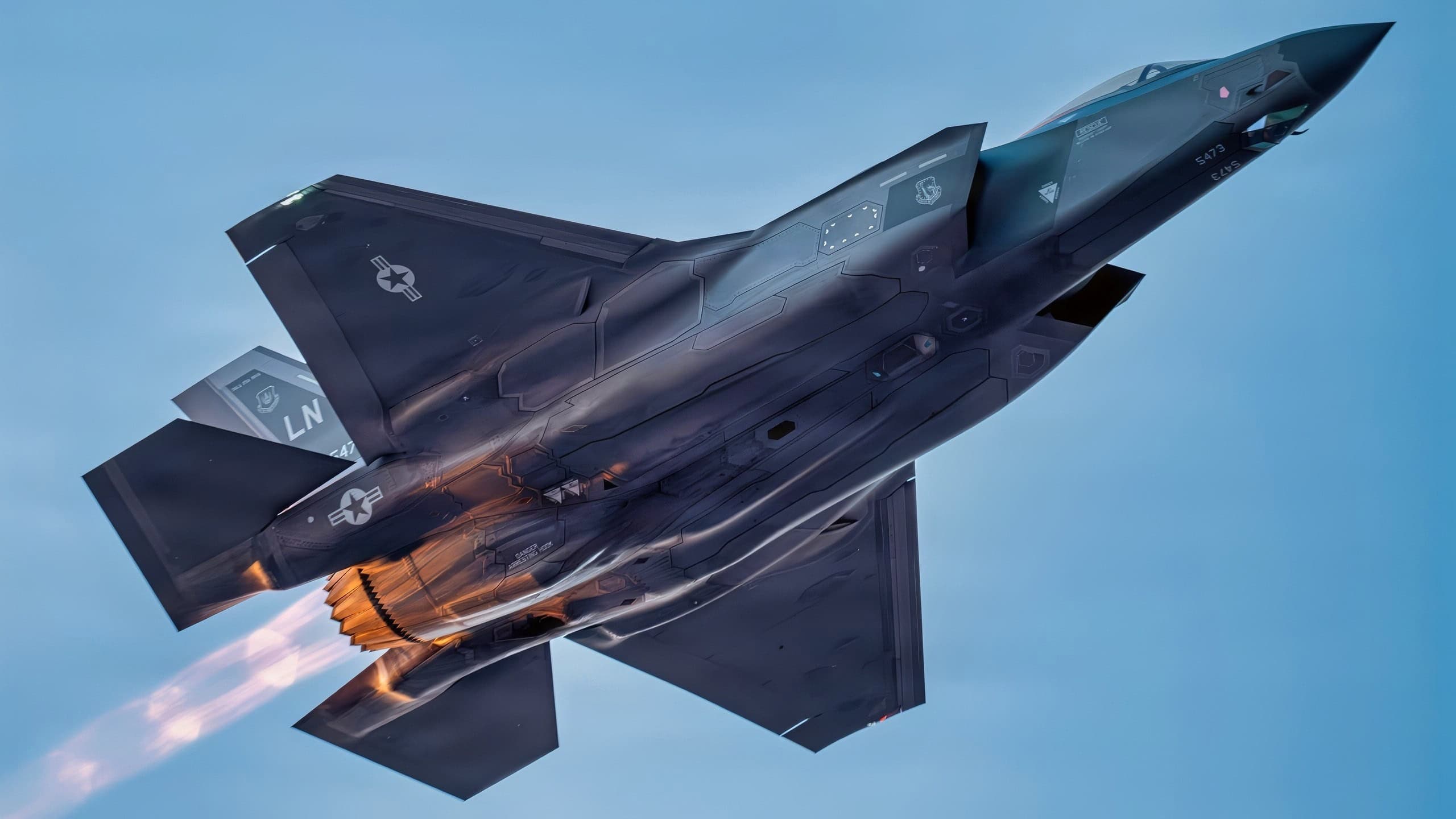
A U.S. Air Force F-35 takes flight in the Middle East in support of Operation Epic Fury, March 2, 2026. (U.S. Air Force Photo)
Lead House Republican Is On Board With the Supplemental Spending
Representative Ken Calvert is the Republican in charge of defense spending in the House. He has already given his support to a supplemental spending bill.
“That was going to happen, and now we have this conflict with some additional costs. So, that’s where we’re at,” Calvert said on March 19. “I know there are peripheral issues out there that people are concerned about, but right now, this is about our national security, and it’s important that we get this done,” he told the Associated Press.
Iran Is Not Really That Large of a Military Spender Compared to the U.S.
The $200 billion is more than what the Iranian military spent in 2024. That year, the Iranians invested $16.7 billion into their military, according to the think tank Foundation for the Defense of Democracies. This was about 2 percent of its GDP, the World Bank reckoned.
Iran Spent More from 2023 to 2024
Iran had increased its defense budget by 20 percent from 2023, FDD wrote. Defense spending is about 25 percent of its total annual budget, the think tank estimated. Most of this is spent on the Islamic Revolutionary Guard Corps (IRGC). Iran is the fourth-largest defense spender in the Middle East.
The Iranian Missile Program Is the Crown Jewel
Tehran often spends much of its budget on ballistic missiles and constantly tries to improve their range and accuracy. There are reportedly vast underground facilities that produce and launch missiles. Iran also spends hundreds of millions, maybe even billions, on its various terrorist proxies such as Hamas, Hezbollah, and the Houthis.
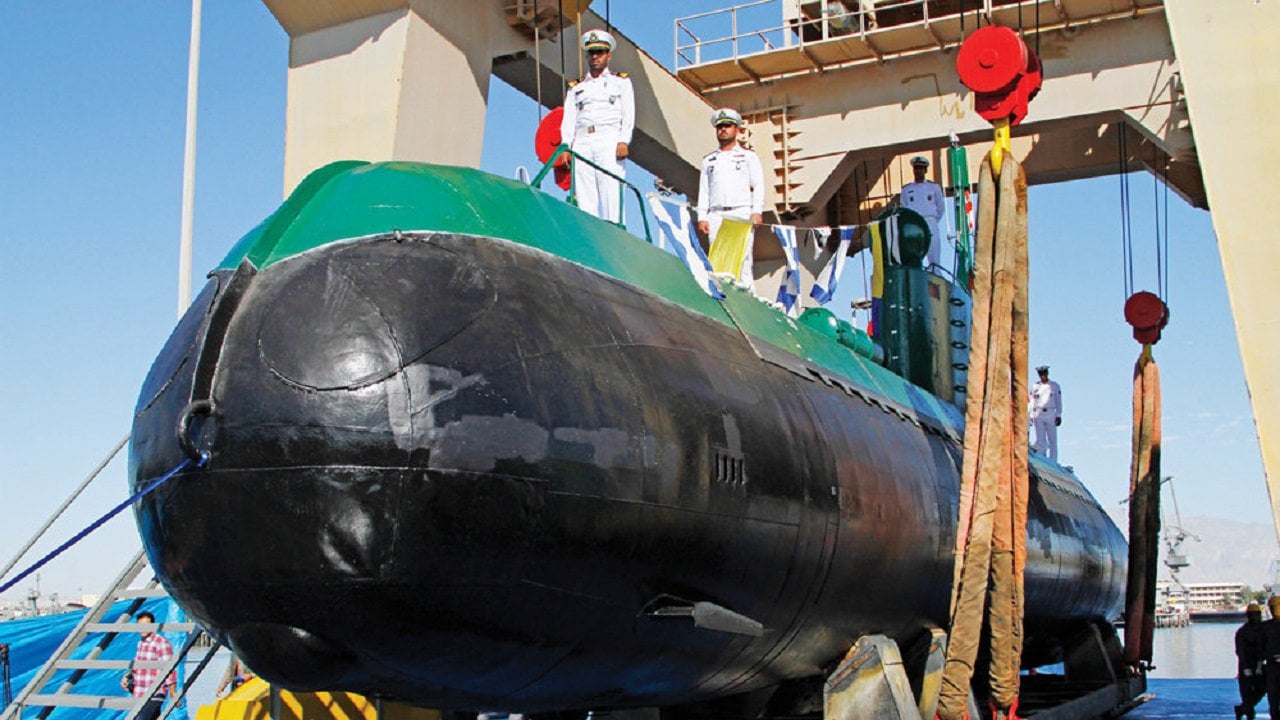
Ghadir Submarine. Image Credit: Iran State Media.
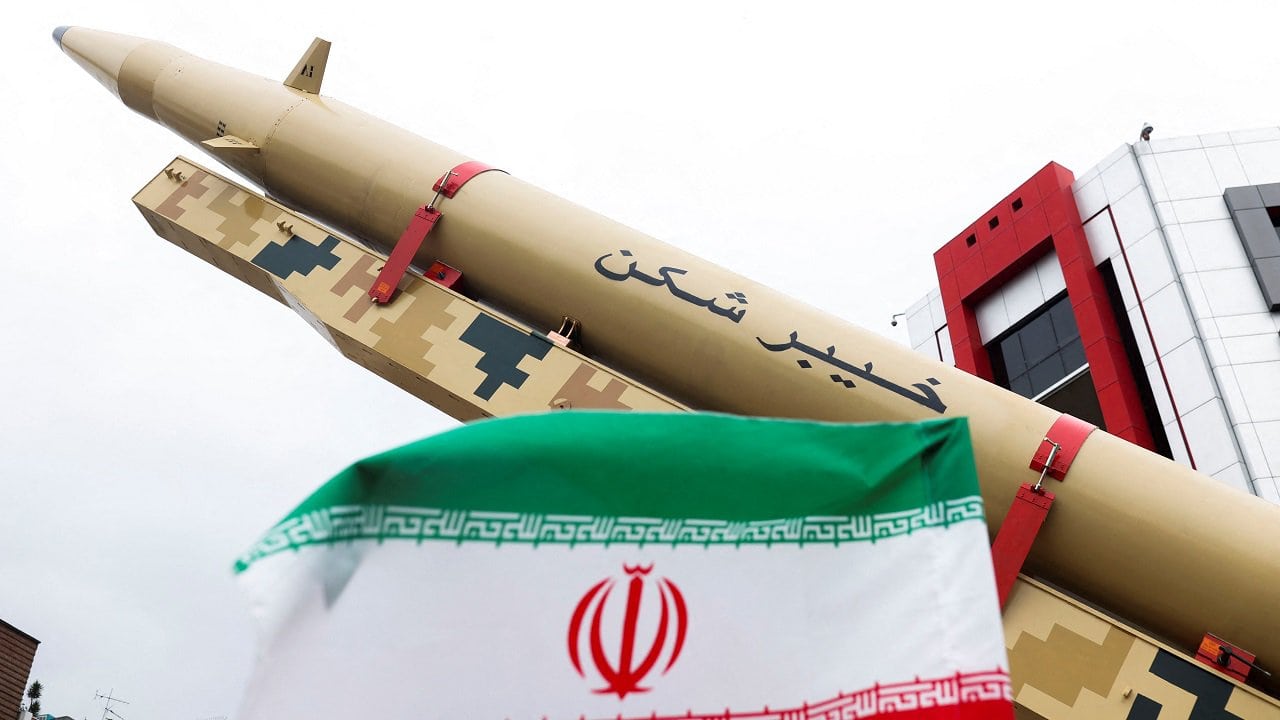
An Iranian missile is displayed during a rally marking the annual Quds Day, or Jerusalem Day, on the last Friday of the holy month of Ramadan in Tehran, Iran April 29, 2022. Majid Asgaripour/WANA (West Asia News Agency) via REUTERS
The Americans Have Already Spent At Least $11 Billion During the War
To put that in perspective, the United States spent more than $11 billion on the first six days of Operation Epic Fury. That could be more than what Iran spends in a year for its military. Most of this cost for the Americans is the use of munitions such as offensive missiles and defensive interceptors.
The Estimated Dollar Value of the Iranian Military
While it is difficult to estimate the entire value of the Iranian military in dollar figures, Iran International believes that the estimated U.S. dollar value of the IRGC is $6 billion and the regular army is worth $3.4 billion.
Iranian Military Hardware Has Been Overwhelmingly Destroyed
This does not include munitions. Most of the Iranian air force has already been destroyed. Same for the navy. That means the total value of the Iranian military has been eroded. Much of the ballistic missile program, which is likely the biggest expense for the defense of the country, has been devastated.
Outspent and Outgunned
Iran just doesn’t have the monetary resources to keep up with the Americans. The government doesn’t have the budgetary strength to rebuild its missile corps or to produce more ships and airplanes. They can only resort to a war of attrition and conduct asymmetric measures, such as closing the Strait of Hormuz.
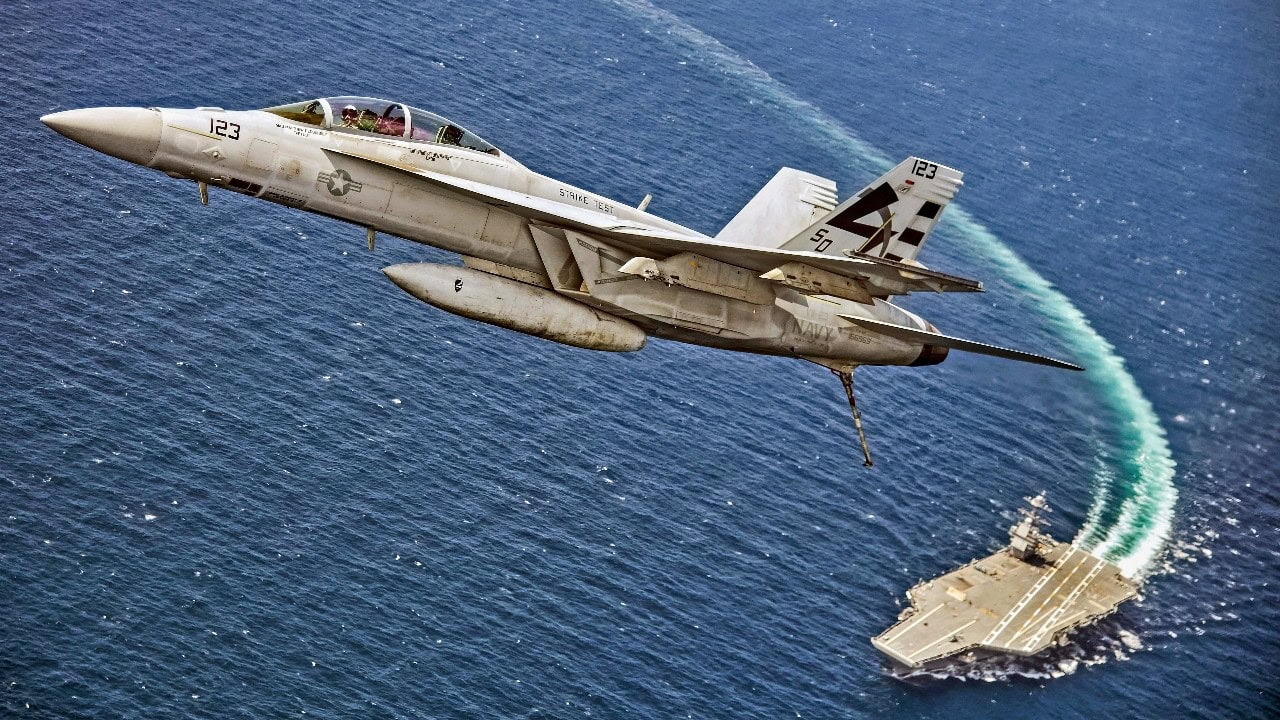
Super Hornet Navy Fighter. Image Credit: Creative Commons.
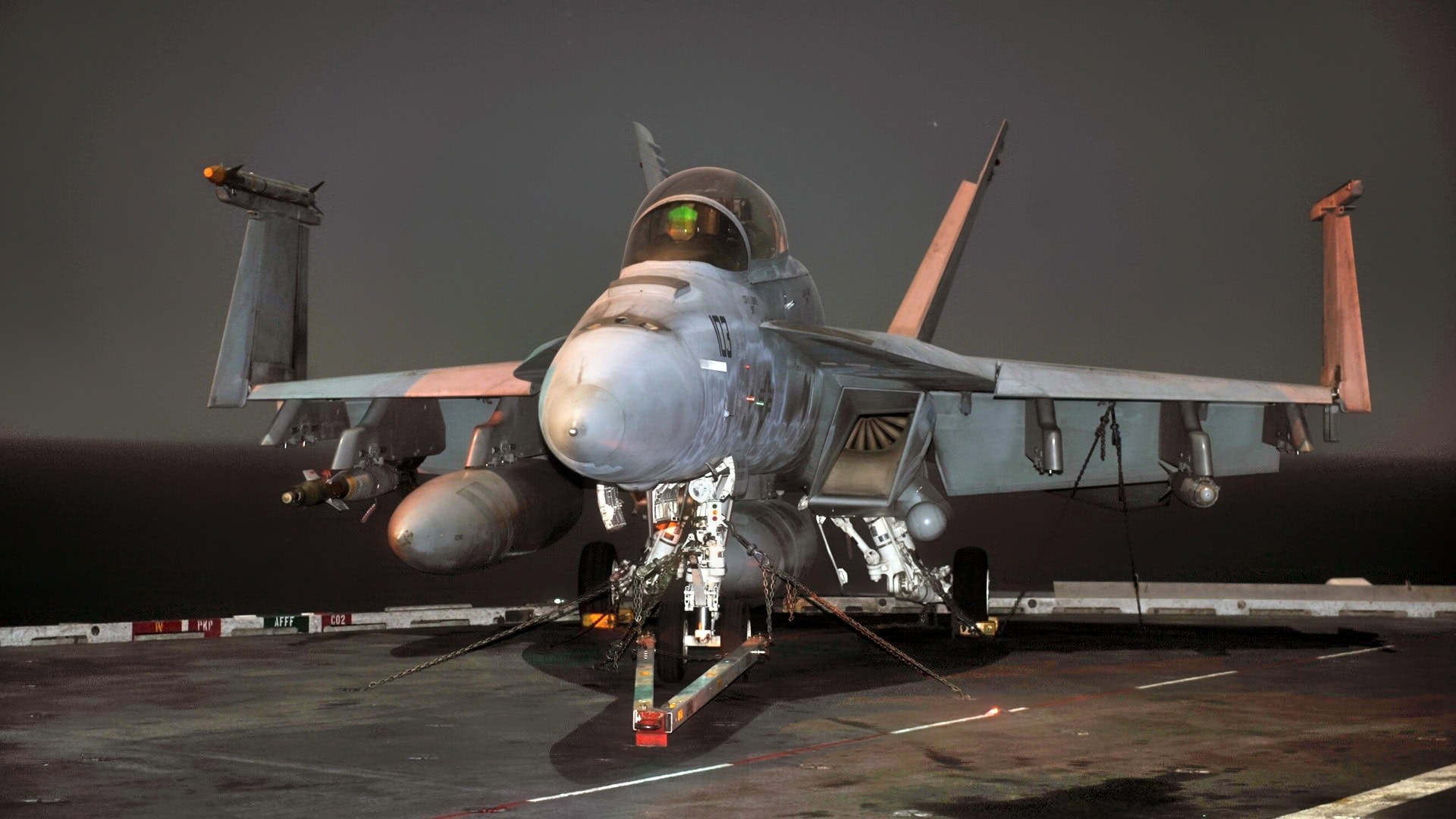
FA-18 Super Hornet. Image Credit: Creative Commons.
Articulate the Need for More Spending on the War
If Trump wants to continue the war, he will have to make the case to the American people and Congress that the $200 billion supplemental package to keep fighting is strategically, operationally, and tactically worth it.
There have been some attempts at diplomacy, and Trump has put the brakes on bombing Iranian energy infrastructure, but the war is still chugging along, and even with a ceasefire, there will need to be a significant amount of money spent to keep the warships in business and the airplanes enforcing a no-fly zone.
Iran’s military is a shell of its former self and is worth considerably less than the $200 billion that the Trump administration needs for prolonging the war.
About the Author: Brent M. Eastwood
Author of now over 3,000 articles on defense issues, Brent M. Eastwood, PhD, is the author of Don’t Turn Your Back On the World: a Conservative Foreign Policy and Humans, Machines, and Data: Future Trends in Warfare , plus two other books. Brent was the founder and CEO of a tech firm that predicted world events using artificial intelligence. He served as a legislative fellow for US Senator Tim Scott and advised the senator on defense and foreign policy issues. He has taught at American University, George Washington University, and George Mason University. Brent is a former US Army Infantry officer. He can be followed on X @BMEastwood.