
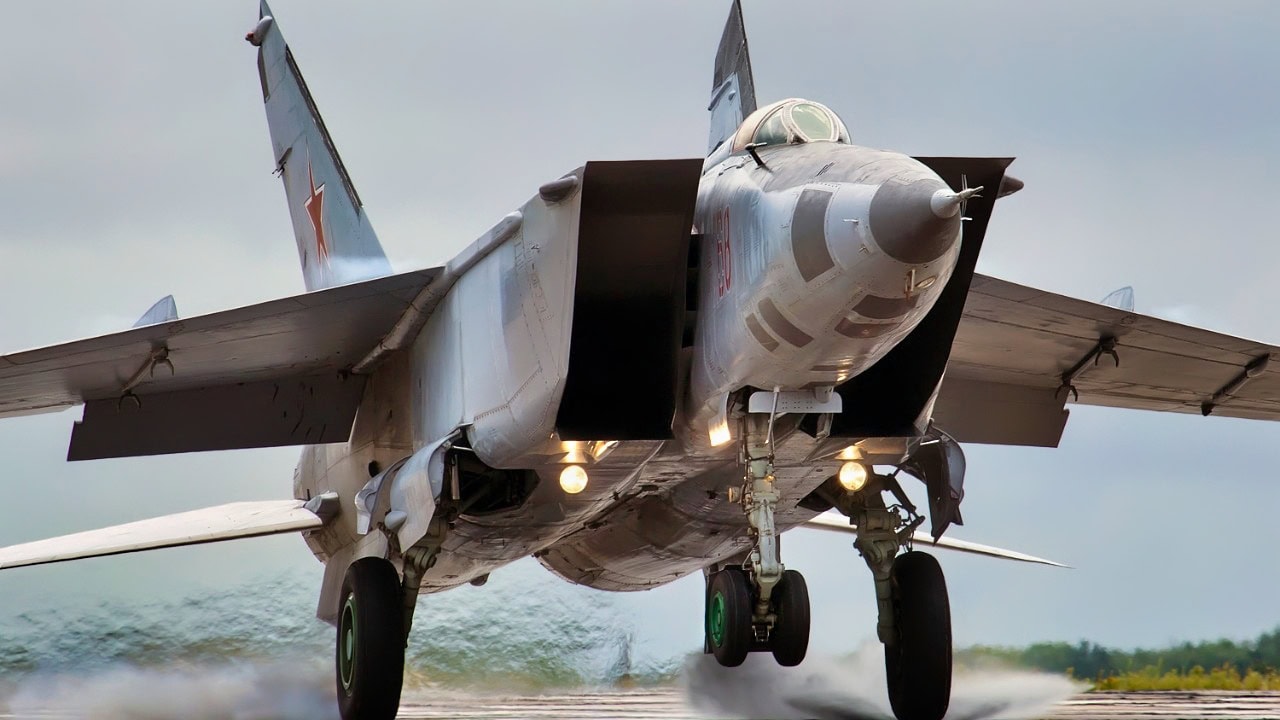
Summary and Key Points: Drawing on his expertise as a British defense researcher and national security analyst, Jack Buckby uncovers one of the most fascinating secrets of the Cold War: American pilots were actively flying Soviet fighter jets out of Area 51.
-Through high-stakes defections and backchannel allied cooperation, the U.S. military acquired fully operational MiG-21s and MiG-23s.
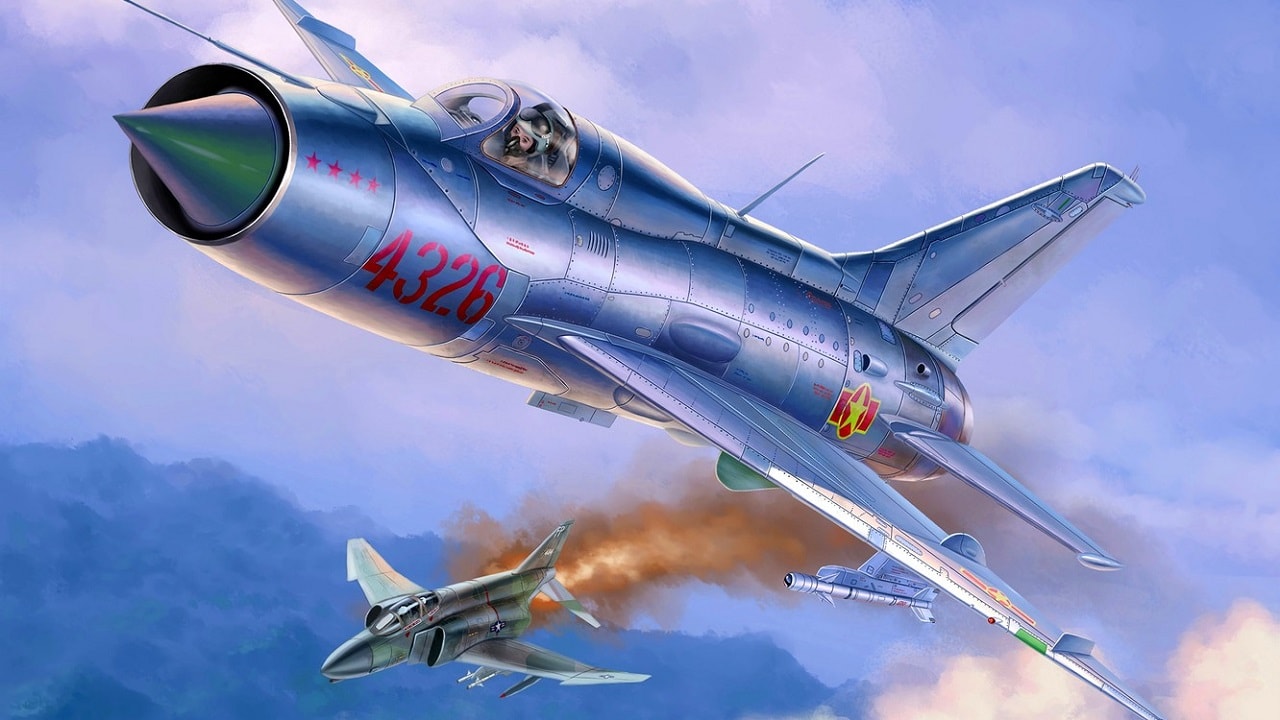
MiG-21 fighter. Image Credit: Creative Commons.
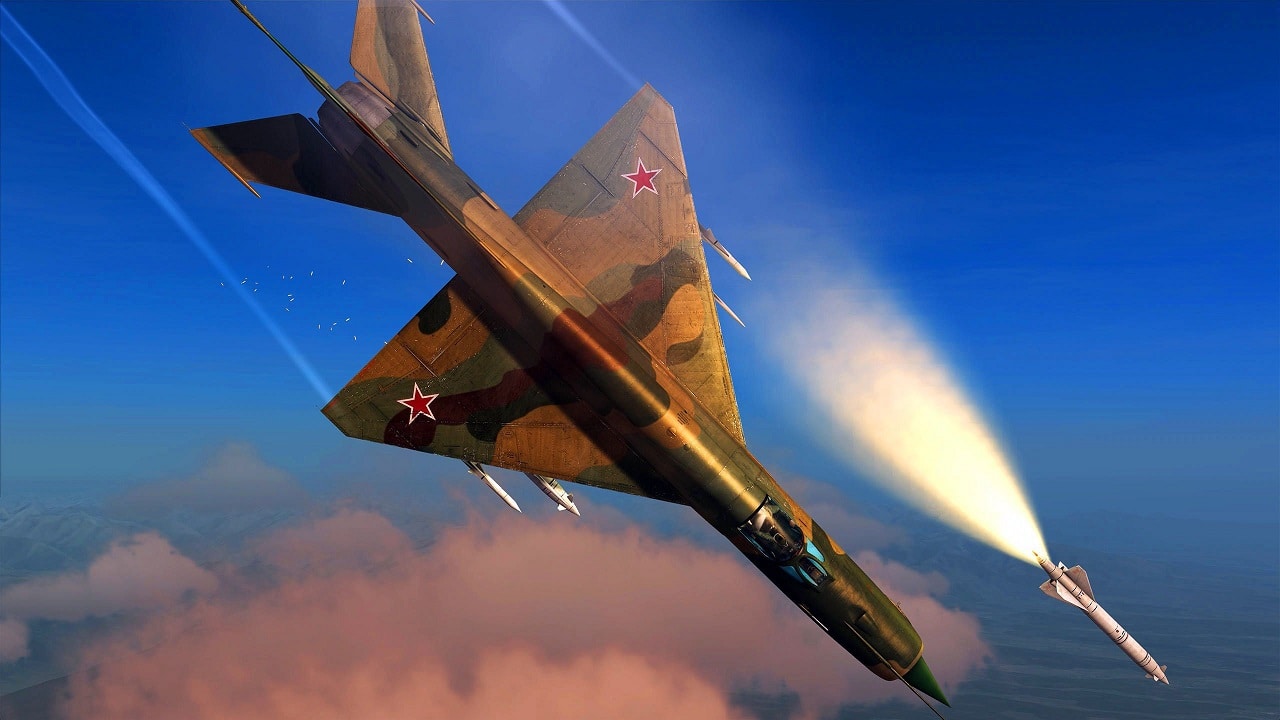
MiG-21. Image Credit: Creative Commons.
-By testing these jets in simulated combat over the Nevada desert under highly classified programs like “Have Doughnut,” American tacticians completely rewrote their aerial combat strategies, learning exactly how to exploit the weaknesses of the Soviet Union’s premier fighters.
Inside Area 51: When American Pilots Flew Secret Soviet MiGs
During the Cold War, the United States not only studied Soviet aircraft – it flew them when the opportunity arose.
Beginning in the late 1960s, U.S. intelligence agencies and the military acquired operational Soviet-built MiG-21 and later MiG-23 fighter jets and began flying them from highly classified test ranges, including Area 51 (Groom Lake) in Nevada.
Area 51, used as a remote test facility for sensitive aviation programs, was the perfect environment for these operations. It was protected by restricted airspace, access was limited, and the infrastructure required to test foreign technology was all there, hidden away from public view.
The aircraft themselves were among the Soviet Union’s most important fighter jets. The MiG-21 was a lightweight, supersonic interceptor built for speed and agility, while the MiG-23 introduced more advanced radar and variable-sweep wings, allowing it to operate effectively across different flight regimes.
What made the U.S. effort so unusual, though, was not just that they had access to the aircraft at all, but the fact that American pilots were flying them regularly in simulated combat.
The goal was to understand exactly how Soviet fighters performed in real-world conditions, and then use that knowledge to improve American tactics in future conflicts.
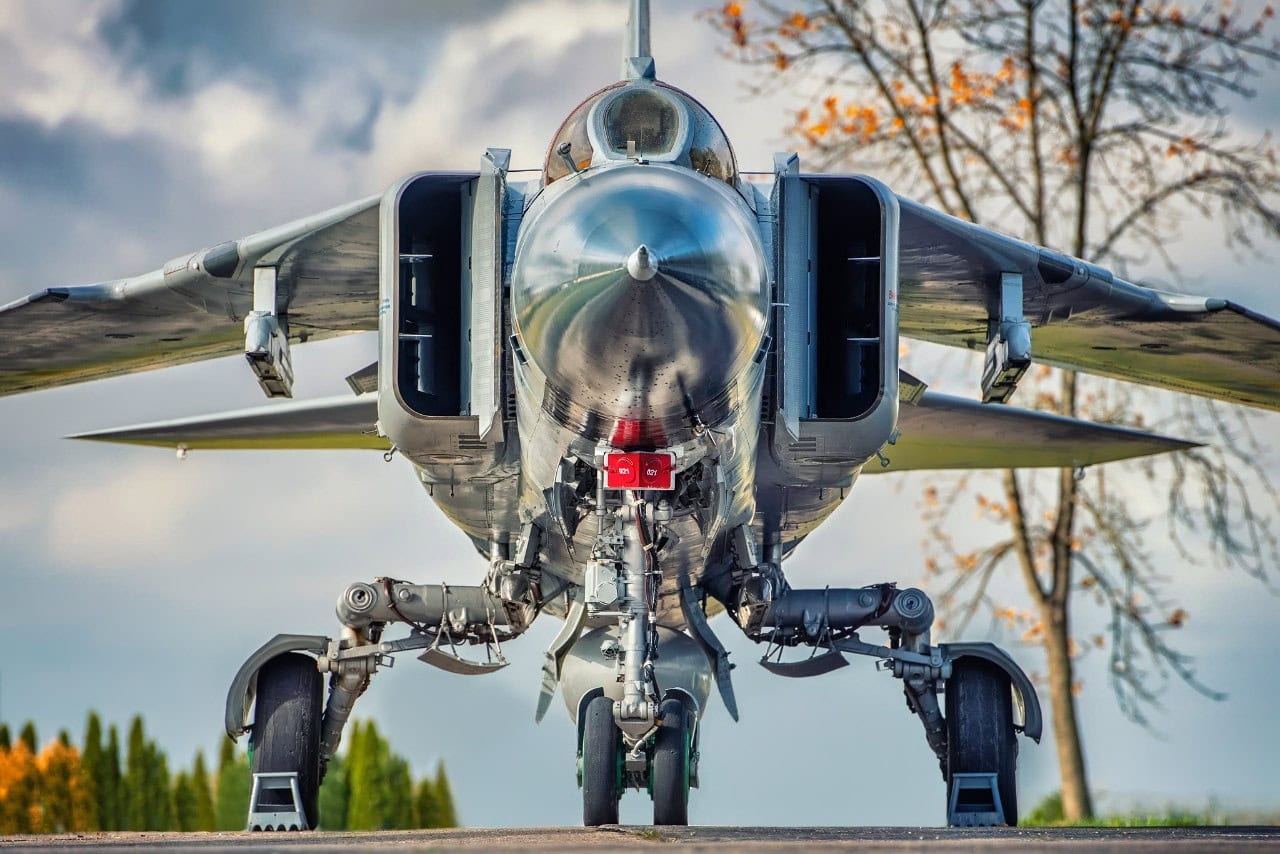
MiG-23. Image Credit: Creative Commons.

MiG-23. Image Credit: Creative Commons.
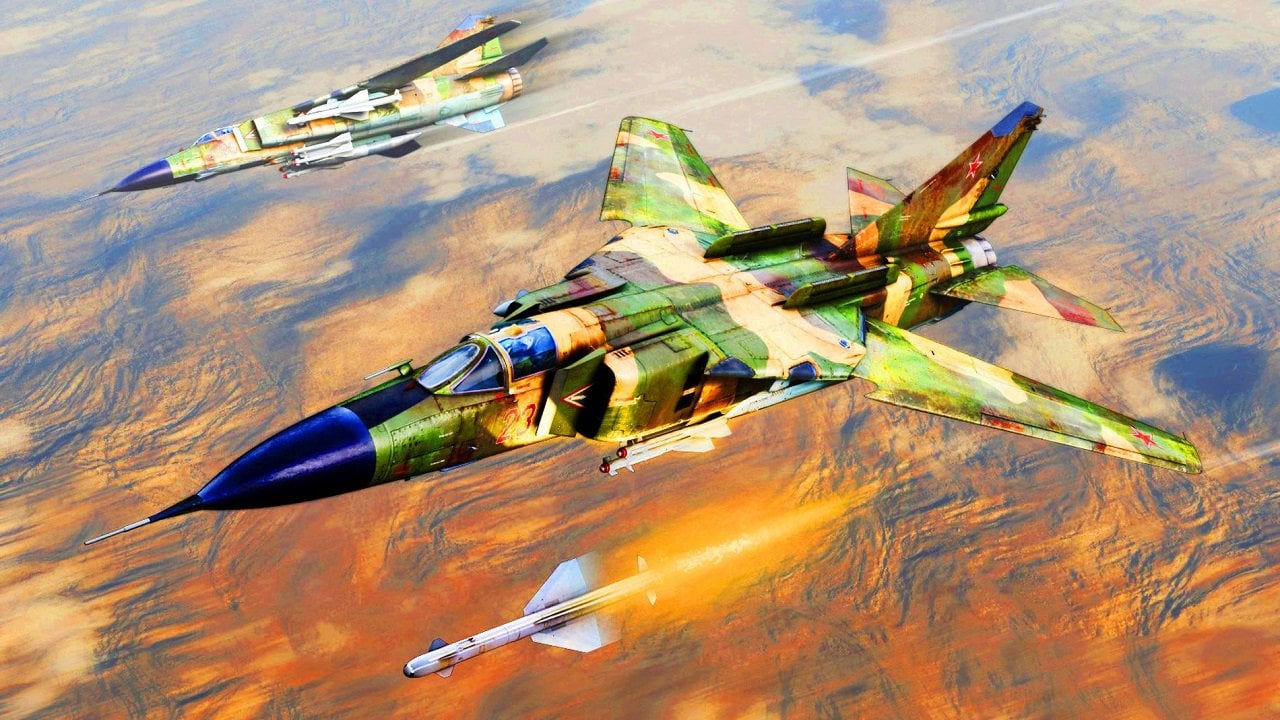
MiG-23. Image Credit: Creative Commons.
How the U.S. Acquired Soviet MiGs
The United States obtained the aircraft through a combination of defections and cooperation with allies. One of the most important acquisitions came in 1966, when an Iraqi Air Force pilot defected and flew his MiG-21 to Israel. The aircraft was then moved to the United States, where it became a central focus of a classified evaluation program.
That effort, known as “Have Doughnut,” involved U.S. Air Force and Navy pilots flying the aircraft in controlled tests at Groom Lake. The goal was to evaluate the performance of the aircraft and identify its strengths and weaknesses – and in doing so, U.S. officials and pilots were able to identify the best tactics to defeat it in combat.
Additional aircraft came from similar channels. Soviet- designed fighters operated by countries like Indonesia, Syria, and Egypt were acquired directly and indirectly and shipped to American test ranges.
Crucially, these systems were not damaged or incomplete – they were fully functional aircraft, and U.S. maintainers restored them to flight condition, allowing for real-world testing rather than theoretical analysis. As this happened, the U.S. military could suddenly depend on data backed by real experience, and not just radar signatures or pilot reports.
What the MiG-21 and MiG-23 Could Actually Do
The MiG-21, which first flew in 1955, was designed to be a high-speed interceptor. It could reach speeds of around Mach 2 and climb rapidly to intercept incoming threats. Its small size made it difficult to detect visually and on radar, and its delta-wing design made it a good performer at high speeds.
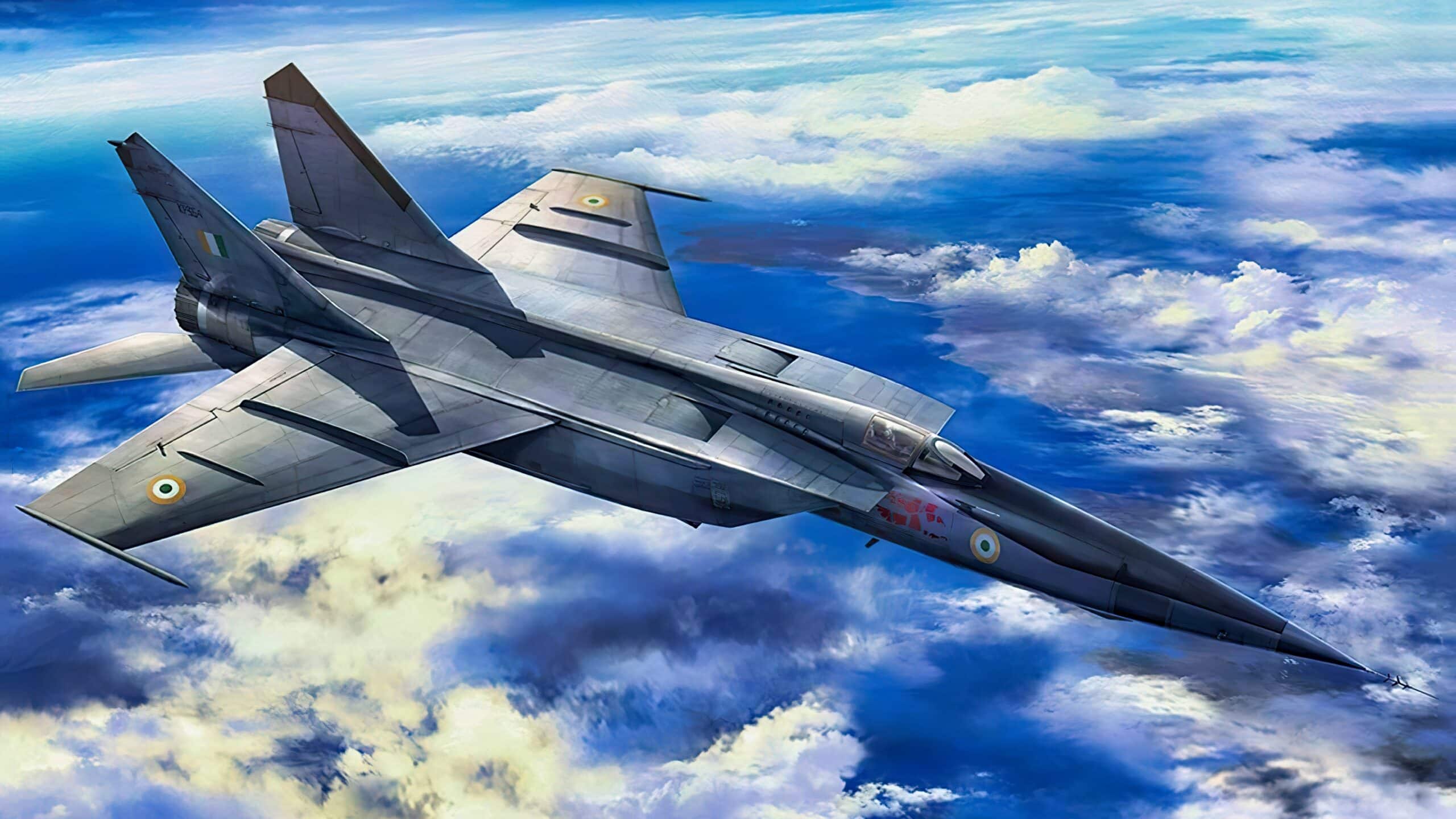
MiG-25. Image Credit: Creative Commons.
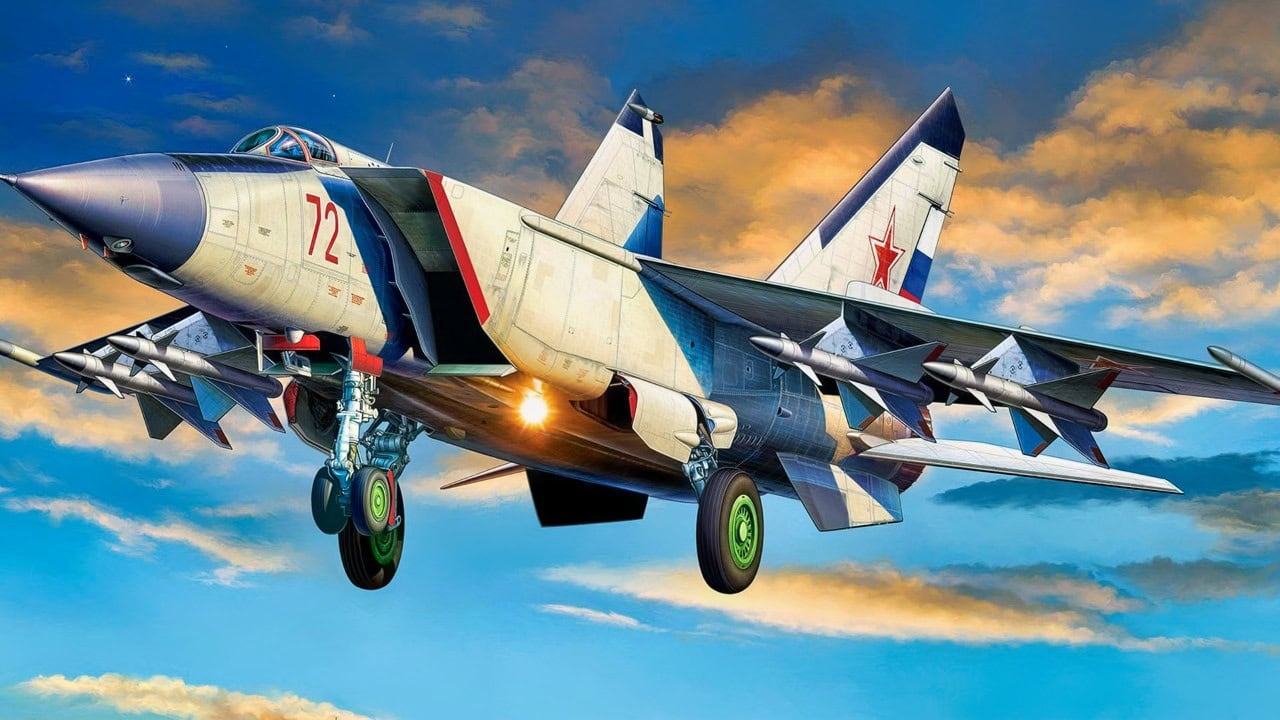
MiG-25 Russian Fighter-Bomber. Image Credit: Creative Commons.
However, it did have some limitations. It carried a limited amount of fuel, reducing its range and endurance. Its avionics – meaning its onboard radar and sensors – were also relatively basic, meaning pilots have limited awareness during combat environments.
The MiG-23, introduced later, attempted to address those weaknesses with variable-sweep wings that could change the angle of attack in flight. It offered a better balance of speed and maneuverability, with improved radar systems and the ability to engage targets beyond visual range, allowing it to fire missiles at enemies it could not yet see directly.
That distinction – BVR vs. within visual range combat – was critical. Earlier dogfighting relied on pilots visually identifying and maneuvering against each other. Newer aircraft, like the MiG-23, were increasingly built around radar-guided missile engagements at longer distances.
Testing these Russian aircraft revealed that many Western assumptions about them were either incorrect or incomplete. In some scenarios, for example, U.S. fighters like the F-4 Phantom were evenly matched with the MiG-21, with outcomes varying significantly depending on the pilots’ skill and tactics rather than simply on the technical platform capabilities.
Flying Out Of Area 51
After initial testing at Groom Lake under programs like Have Doughnut, the U.S. expanded its efforts into long-term flying operations. These eventually evolved into the Constant Peg program and the creation of the 4477th Test and Evaluation Squadron, also known as the “Red Eagles.”
From the late 1970s through the 1980s, this unit operated MiG-17s, MiG-21s, and MiG-23s out of remote Nevada test ranges. U.S. pilots flew these aircraft in dissimilar air combat training (DACT) – a method where pilots train against aircraft with different performance characteristics to simulate real adversaries.
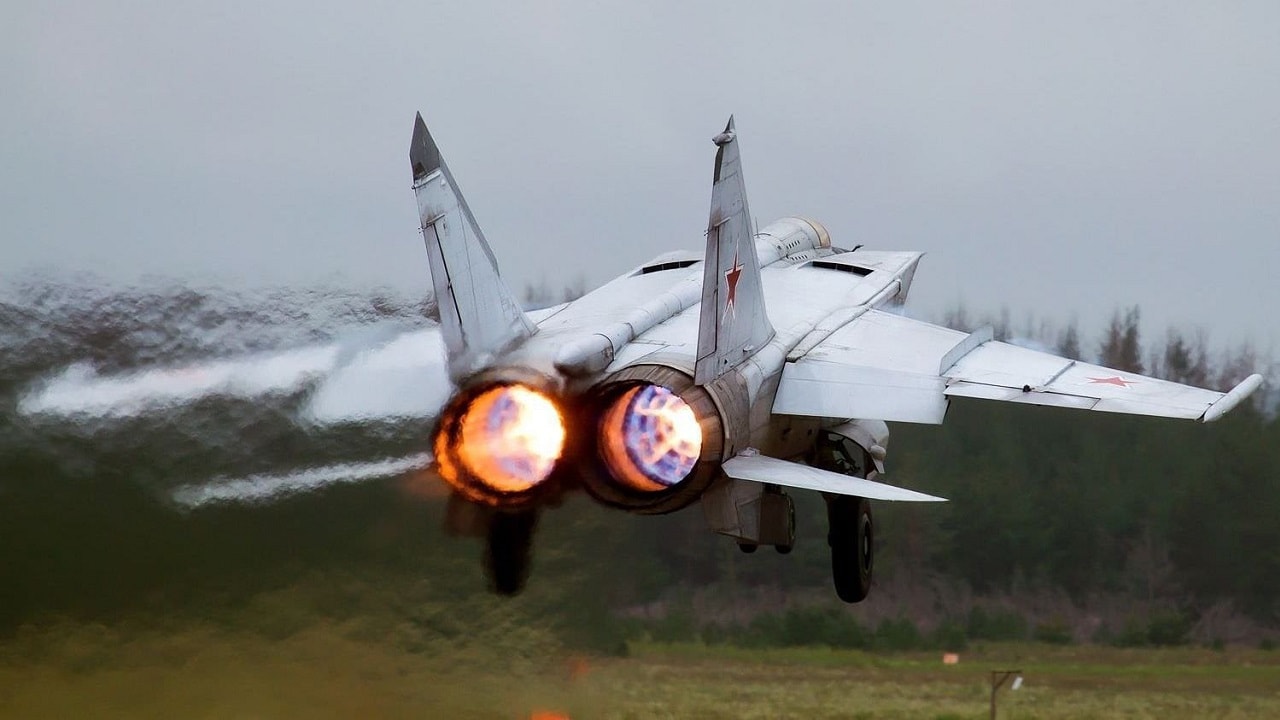
MiG-25. Image Credit: Creative Commons.
These were not just occasional flights, either. The program ran for more than a decade, with dozens of pilots taking part across hundreds of sorties.
The program was, of course, secret. The aircraft were given U.S. designations and fake serial numbers; they were flown in restricted areas, and a network of classified programs worked to keep the flights secret at the time.
Even many U.S. pilots were unaware that their opponents in training exercises were flying actual Soviet aircraft.
The existence of these programs remained largely unknown until declassification began in the 2000s.
About the Author: Jack Buckby
Jack Buckby is a British researcher and analyst specialising in defence and national security, based in New York. His work focuses on military capability, procurement, and strategic competition, producing and editing analysis for policy and defence audiences. He brings extensive editorial experience, with a career output spanning over 1,000 articles at 19FortyFive and National Security Journal, and has previously authored books and papers on extremism and deradicalisation.