
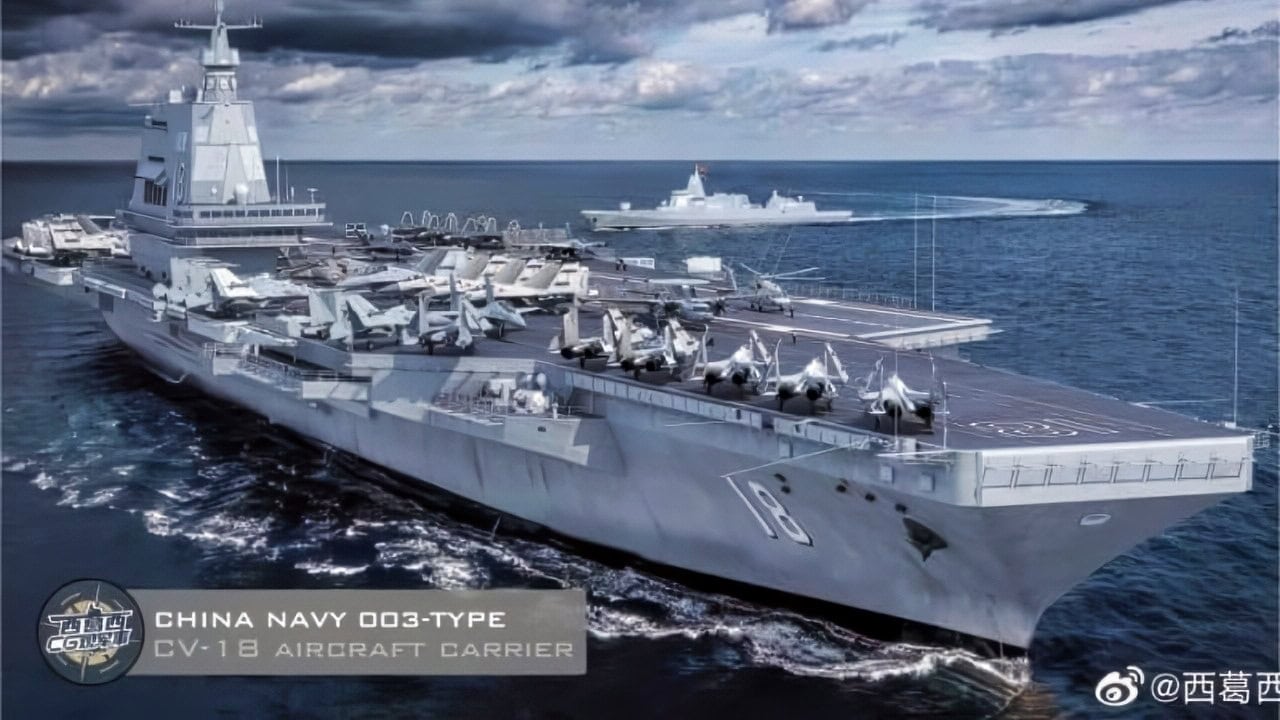
It’s (Almost) Official: China Is Building Nuclear Aircraft Carriers
On February 25, 2026, Newsweek published new satellite imagery showing construction progress on China’s fourth aircraft carrier, known as the Type 004. The images, captured on February 17 by commercial provider SkyFi, appear to show internal features consistent with a nuclear-powered design — something China has not yet publicly confirmed but which analysts now assess as highly likely.
According to the report, the imagery reveals what appear to be two shielded reactor compartments and multiple engine rooms inside the hull under construction at Dalian shipyard in Liaoning province. Former U.S. Navy submariner and defense analyst Tom Shugart said the evidence increases his confidence “to the point that I’d call it extremely likely” the carrier will be nuclear-powered.
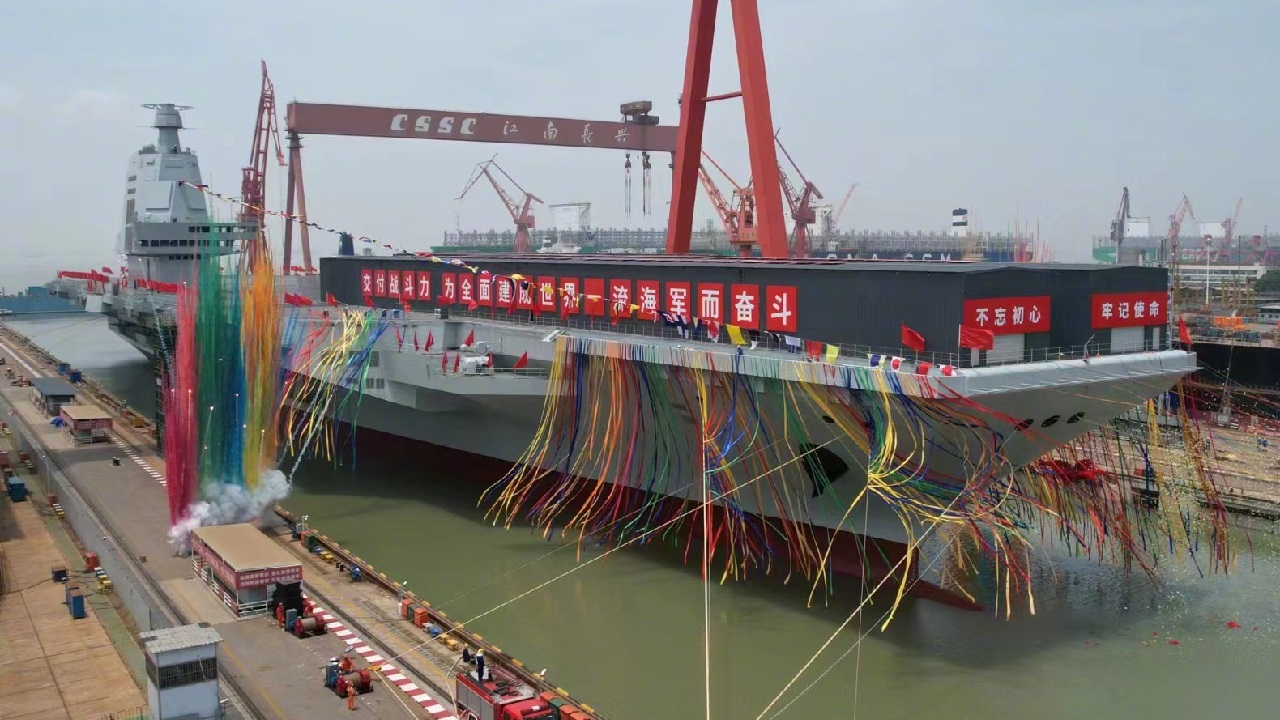
Fujian, China’s New Aircraft Carrier. Image Credit: Chinese Internet.
If confirmed, the Type 004 would mark a significant milestone in China’s naval development, placing it alongside only the United States and France in operating nuclear-powered aircraft carriers. More importantly, it would signal that China is moving beyond regional naval defense and its area denial strategy toward global maritime power projection.
What the Satellite Imagery Reveals
The imagery at the center of the report offers a rare look inside the construction phase of one of China’s most sensitive military programs.
Unlike earlier photos that focused on external hull sections, these images capture internal structural elements that analysts use to assess propulsion systems.
The satellite images, sourced from SkyFi’s commercial Earth intelligence platform, show the Type 004 under construction at the Dalian shipyard—the same facility that previously built China’s domestically produced carriers.
At the construction stage shown in the imagery, the hull remains open, allowing analysts to identify internal compartments that will be hidden once the flight deck is installed.
Two large shielded sections inside the hull are believed to be reactor containment areas.
These are positioned alongside multiple engine rooms, a layout that closely mirrors early construction stages of U.S. nuclear carriers. Shugart specifically compared the design to early images of U.S. Ford-class carriers and the USS Enterprise, both of which use two nuclear reactors and multiple propulsion shafts.
Frederik Van Lokeren, another analyst, reached a similar conclusion and pointed to a raised structural section between large openings that likely correspond to reactor housing.
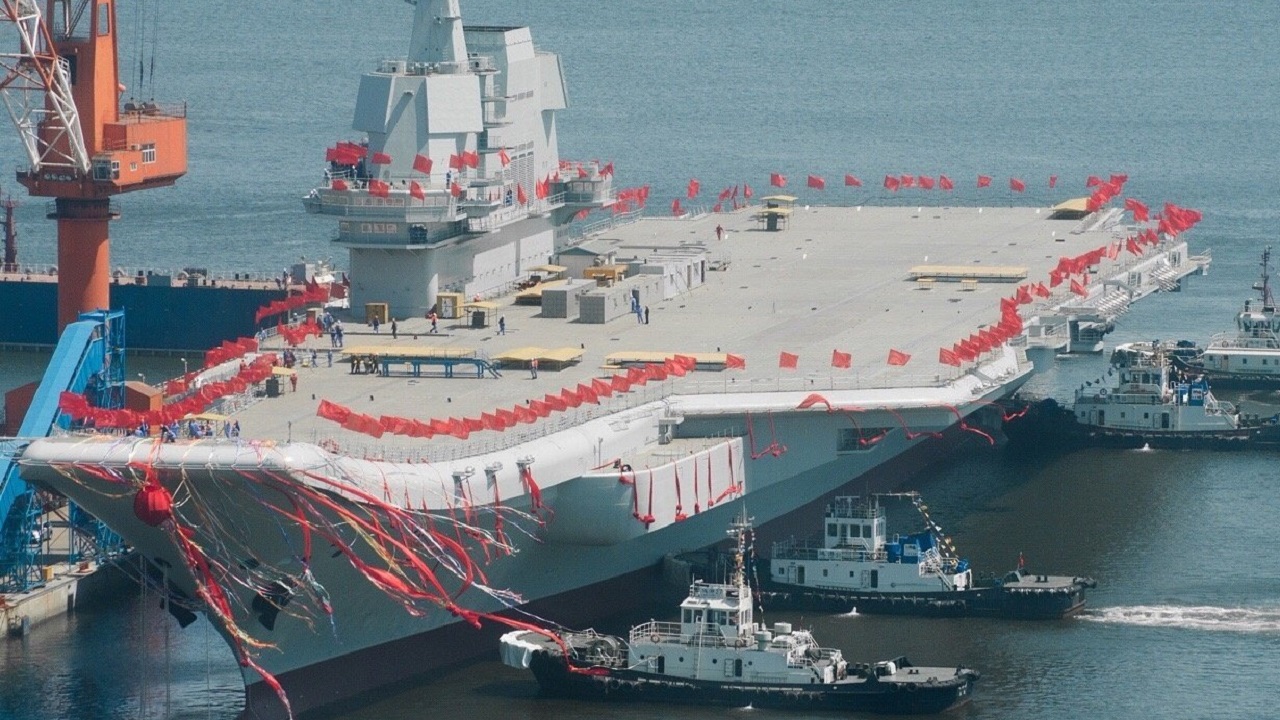
Fujian, China’s new aircraft carrier. Image Credit: Chinese Internet.
He also noted that evidence suggests China could be preparing to use higher-pressure steam turbines than those installed on its previous carrier, the Type 003 Fujian – another indicator consistent with nuclear propulsion requirements. Importantly, the imagery does not necessarily provide new insight, but mostly confirms what analysts have expected would be the case for some time.
From Fujian to Type 004: Here’s What’s New
The imagery news is months old now, but there’s still a lot to take from what we’ve seen. The Type 004 builds on the success of the Type 003 Fujian, which was launched in June 2022 and formally commissioned in November 2025. The vessel remains in an extended period of testing before it reaches operational capability, which could well happen this year. It is China’s first fully indigenous carrier and the first to use electromagnetic catapults, enabling it to launch heavier, more advanced aircraft than earlier ski-jump carriers.
Those catapults enable operations with a more capable air wing, including the Shenyang J-35 stealth fighter and the KJ-600 early warning aircraft. That combination brings China closer to the U.S. Navy’s operational model, in which airborne early warning and strike aircraft extend the reach and survivability of carrier groups.
However, Fujian is conventionally powered, not nuclear. That imposes some constraints because, unlike nuclear carriers, which can operate for years without refueling, the Fujian must refuel after extended deployments. That limits the carrier’s endurance during sustained, high-tempo operations. Once the Type 004 is launched, however, that matters a little less for Beijing. A nuclear propulsion system would allow China to sustain higher speeds and operate farther from home waters, and generate more aircraft sorties over longer periods.
Finishing the Type 004 effectively guarantees China’s nuclear-powered carrier capability now and into the future, with further carriers expected.
Type 004: Why China Is Building Nuclear Aircrft Carriers
China isn’t suddenly building nuclear supercarriers. Its move toward nuclear-powered carriers is part of a shift that has been underway for decades now. Historically, the People’s Liberation Army Navy (PLAN) focused on a “green-water” strategy of defending China’s coastline and near seas.
That approach evolved into an anti-access/area-denial (A2/AD) model, built around missiles, submarines, and land-based airpower designed to keep U.S. forces at a distance.
The gradual transition and growth of Chinese naval capacity are the product of a long-standing naval strategy credited to Liu Huaqing, a former commander of the People’s Liberation Army Navy and vice chairman of China’s Central Military Commission, widely regarded as the architect of China’s modern naval doctrine.
In the 1980s, Liu outlined a phased expansion plan that called for the PLAN to first secure control within the First Island Chain, then extend operations to the Second Island Chain by the early 21st century, and ultimately develop a navy capable of global reach by mid-century. That plan is on track.
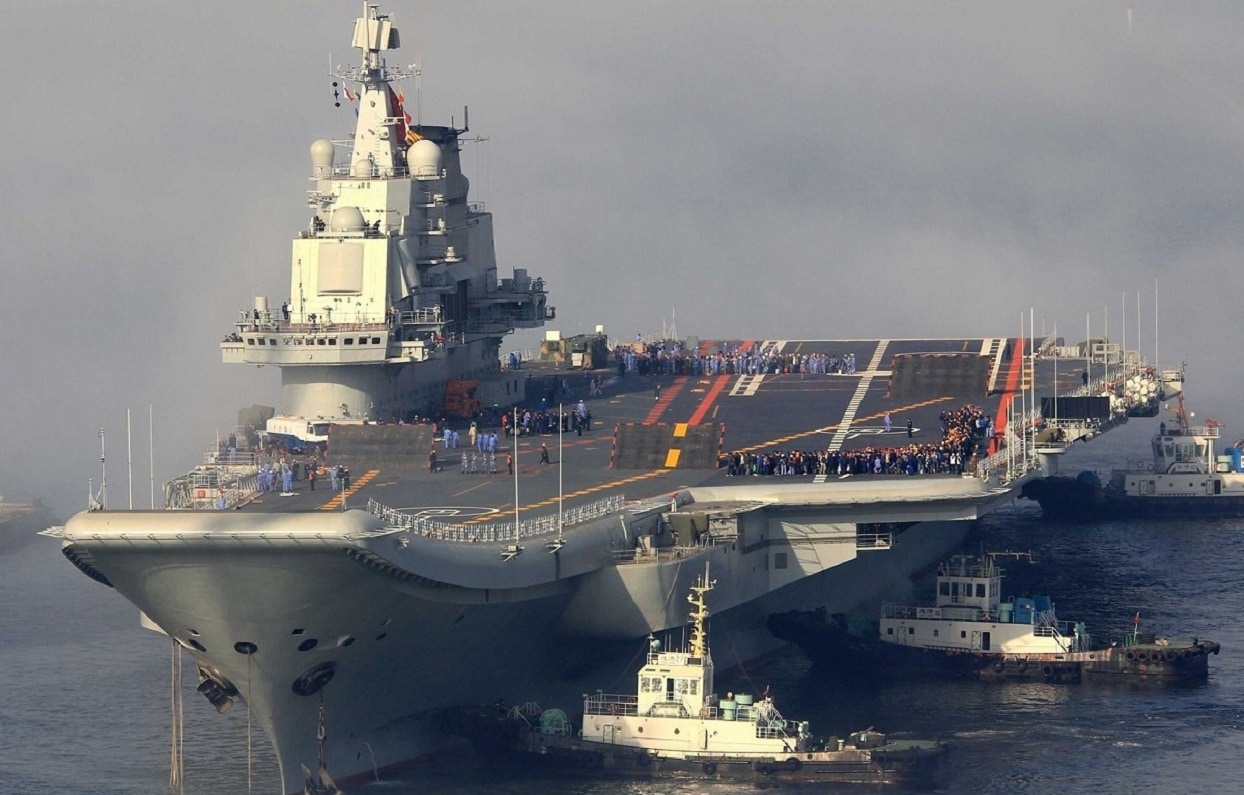
Image: Chinese Internet.
The “First Island Chain,” stretching from Japan through Taiwan to the Philippines, has traditionally been viewed by the United States as a defensive barrier limiting Chinese naval movement and shaping the geography of any potential regional conflict.
Carriers change that equation, but that doesn’t mean China is giving up on its A2/AD strategy. In fact, it is quite the opposite: China is preparing to layer its capabilities.
Anti-ship ballistic missiles and long-range sensors will restrict enemy movement, while carriers can extend China’s reach outward. The result is a much more flexible naval posture that can defend and project power simultaneously.
What the Type 004 Means for the U.S. Navy
The arrival of the Type 004 – when it happens – won’t immediately mean an end to U.S. naval dominance, but it will begin to erode one of its key advantages.
The United States currently operates 11 nuclear-powered aircraft carriers, giving it unmatched global reach. China, by contrast, operates three carriers today, with the Type 004 under construction. The trajectory here, though, is clear.
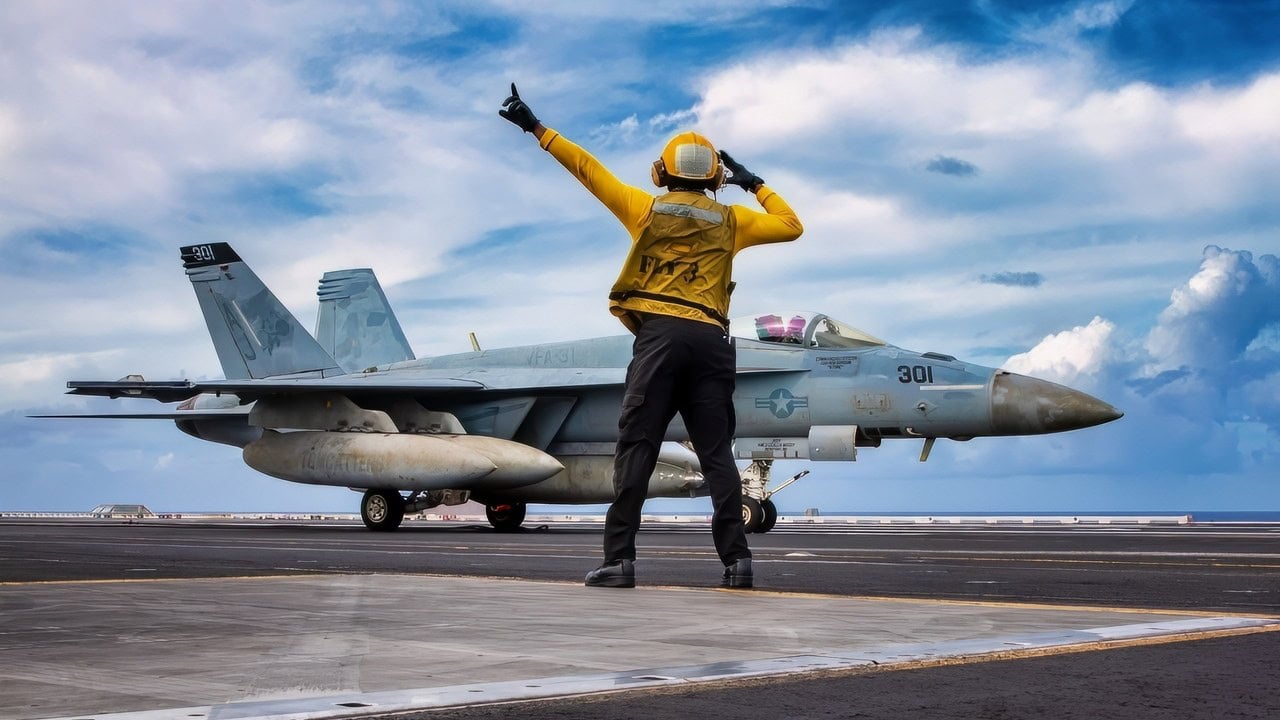
Ford-Class Aircraft Carrier. Image Credit: Creative Commons.
The U.S. Department of Defense has assessed that China could field up to nine carriers by the mid-2030s, including multiple nuclear-powered vessels – all the while, the U.S. grapples with ongoing industrial base problems, maintenance delays, shifting construction timelines, and a looming carrier gap.
China does not need to match the U.S. globally. It only needs to achieve regional superiority in key theaters like the Western Pacific, and a nuclear-powered carrier fleet would allow it to maintain a persistent presence in those areas, complicating U.S. operations and stretching American naval resources.
China’s shipyards are also producing major warships at a significantly faster rate, with a shipbuilding capacity said to be around 200 times that of the United States.
Beijing is building a global fleet that will be underpinned by nuclear carrier power.
Latest images showing the Chinese Type 004 nuclear aircraft carrier under construction.
via Deino pic.twitter.com/289rRmmgKG— Eurasia Naval Insight (@EurasiaNaval) March 18, 2026
However, at least for now, the United States still holds the advantage in carrier operations, experience, global reach, and numbers.
Now, it’s up to Washington to ensure its industrial base can move quickly.
MORE – Russia’s Battlecrusier Might Never Battle Anyone
MORE – Russia Won’t Have An Aircraft Carrier Soon
About the Author: Jack Buckby
Jack Buckby is a British researcher and analyst specialising in defence and national security, based in New York. His work focuses on military capability, procurement, and strategic competition, producing and editing analysis for policy and defence audiences. He brings extensive editorial experience, with a career output spanning over 1,000 articles at 19FortyFive and National Security Journal, and has previously authored books and papers on extremism and deradicalisation.