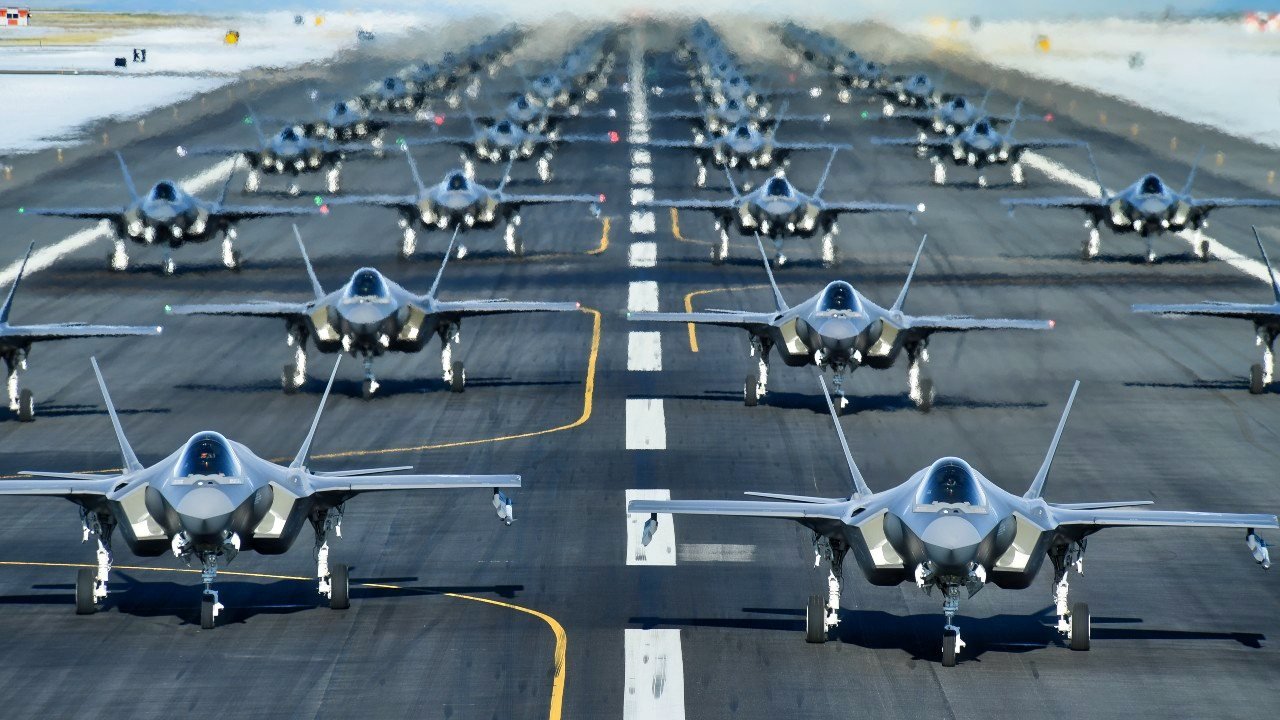
The F-35 Stealth Fighter Debate Is Now Stuck in Neutral in Canada
Canadian Prime Minister Mark Carney is refusing to say whether his country will wind down its review of the F-35 purchase anytime soon.
The continued confusion over his stance comes after NORAD commander Gen. Gregory Guillot recently suggested that fifth-generation fighters are not needed to defend North American airspace.
The intervention, far from settling the tense debate, could make it harder for ministers to present the F-35 as a non-negotiable for Canadian defense.
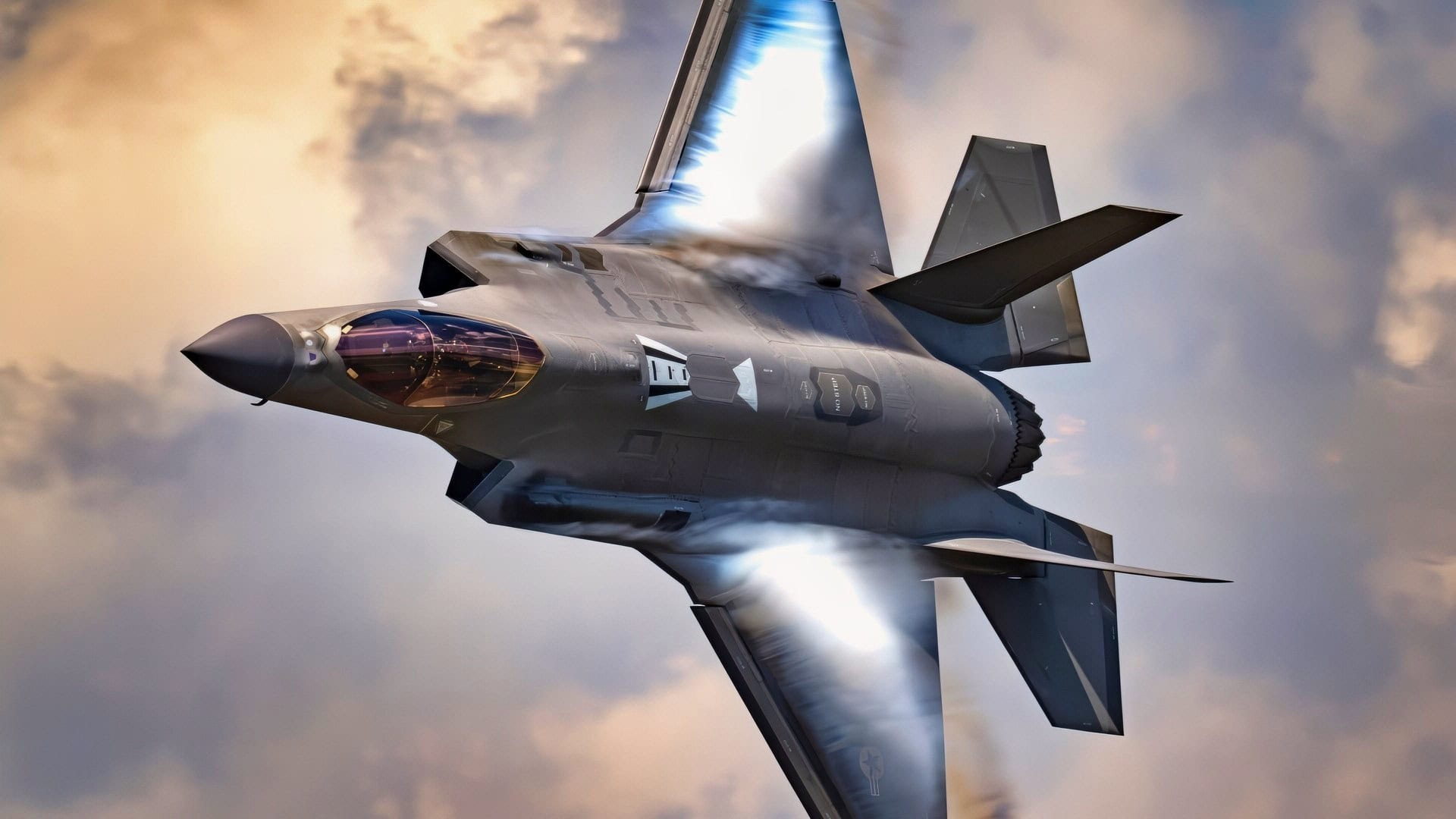
A U.S. Air Force F-35A Lightning II, assigned to the F-35A Lightning II Demonstration Team, piloted by Maj. Melanie ‘MACH’ Kluesner, performs during the 2025 Battle Creek Field of Flight Air Show over Battle Creek, Michigan, July 5, 2025. The F-35A Demonstration Team showcases the jet’s unique maneuverability and advanced capabilities at air shows across the nation. (U.S. Air Force photo by Staff Sgt Zachary Rufus)
NORAD Commander Complicates the Case for Stealth
Addressing the U.S. Senate Armed Services Committee on March 19, Guillot said, “Frankly, we don’t need fifth-gen to defend our borders,” adding that those capabilities are more useful in other global theaters, in which stealth and air-to-ground strike are more essential.
He said he would prefer Canada to continue upgrading its fourth-generation fleets for homeland defense roles – but that line will not sit well with the F-35’s supporters in Canada, who continue to defend the aircraft due to its interoperability with the United States, performance in Arctic climates, and place in NORAD’s wider modernization plans.
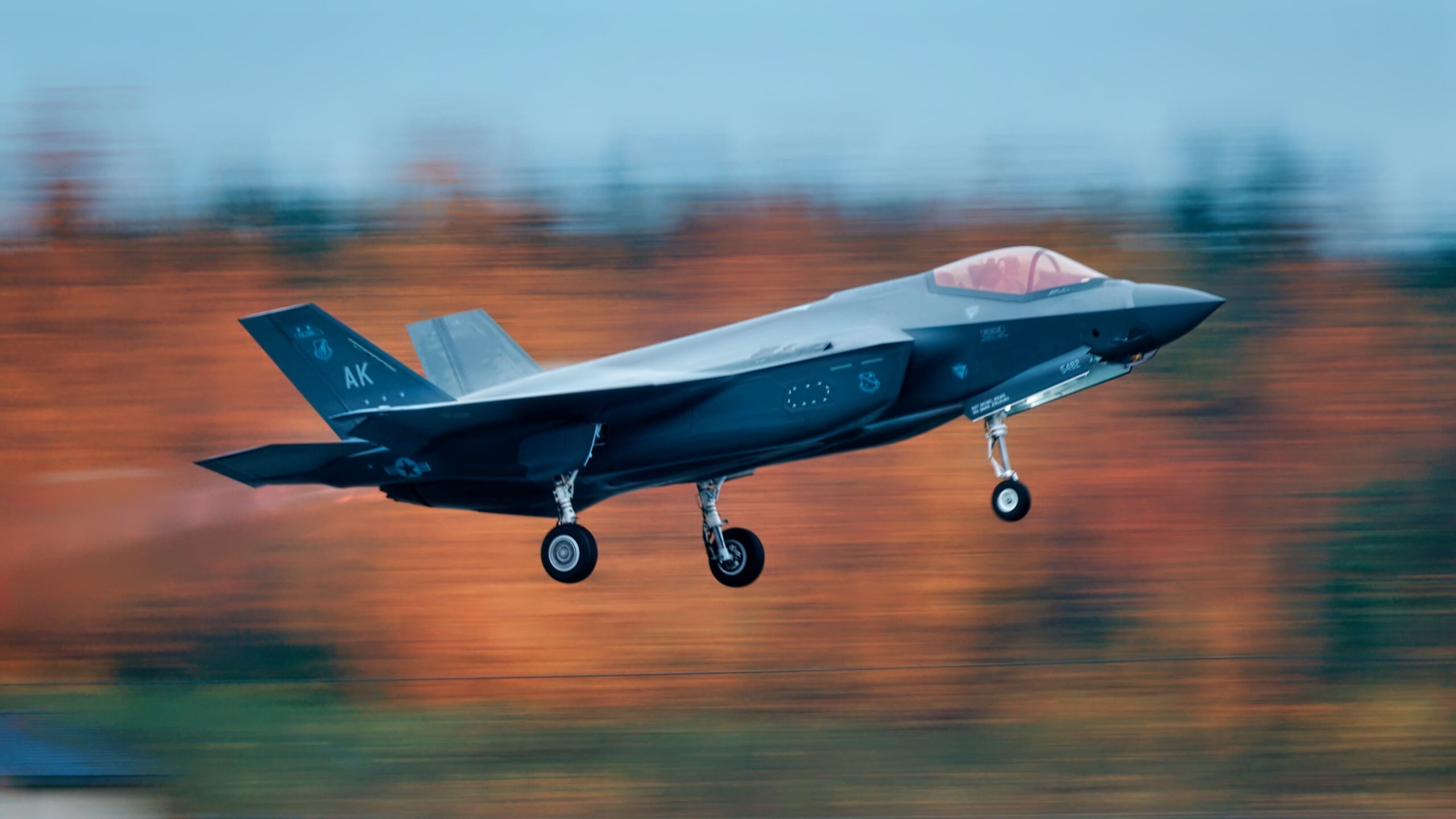
A F-35 Lightning lll assigned to the 354th Fighter Wing takes off from Eielson Air Force Base, Alaska September 19, 2024. The F-35 was participating in a multiple aircraft exercise for the 354th FW. (U.S. Air Force Photo by Senior Sean Lamb)
When quizzed by the press over Guillot’s remarks on March 31, Carney did not contradict him. Instead, he gave a characteristically cautious response, stressing that there are “a range of views” and that the general’s claims were “not inconsistent with some other views that have been expressed.”
Procurement Driven By Politics
Carney also reasserted that his government was continuing to weigh up competing defense and economic priorities along with interoperability concerns. Once again, it is clear that Ottawa remains determined to keep its options open.
The awkwardness for the government is that the assessment has now dragged on far longer than had been expected.
Last March, Reuters said Carney had ordered a review of Canada’s C$19 billion contract for 88 Lockheed Martin F-35s amid a worsening trade dispute with Washington and wider anxiety that Canada had become far too dependent on U.S. defense suppliers.
At the time, Carney argued Canada needed to “diversify” and that roughly 80 percent of its military spending went to American weapons. Ottawa had already made a legal funding commitment for the first 16 aircraft.
Canada’s original 2023 agreement was for 88 aircraft, with the first four expected in 2026 and full operational capability for the fleet penciled in for 2032-34.
Since then, however, the politics have become far more complicated given the quasi-trade war with Washington.
Ottawa has not completely scrapped the program, but nor is it committing to a full buy with much enthusiasm.
While Saab is keen to press the case for the Gripen with promises it could deliver the first jets in five years and create upwards of 12,000 jobs compared to the approximately 3,000 jobs backed by F-35 production.
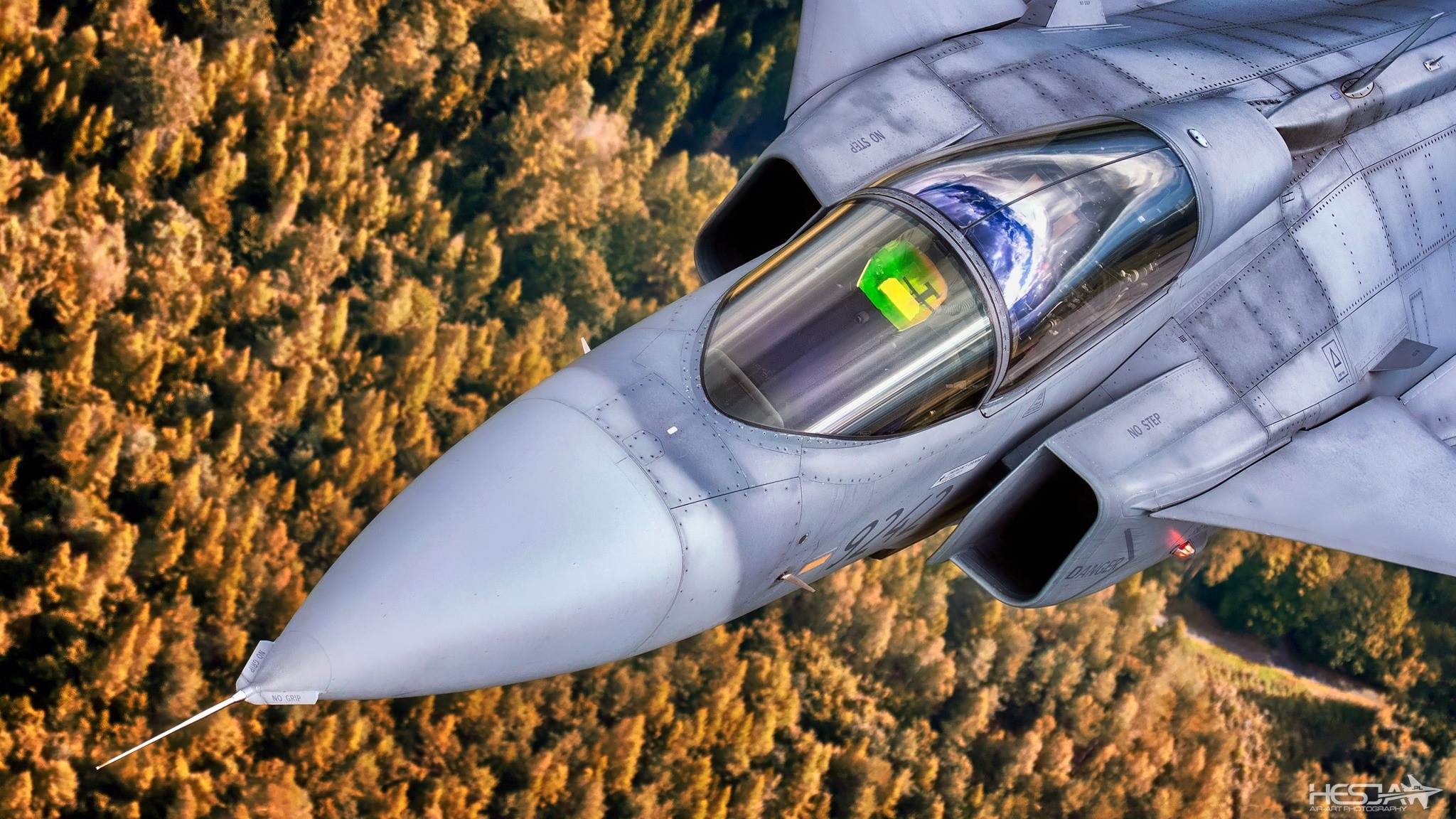
JAS 39 Gripen. Image Credit: Creative Commons.
What makes the story more tricky is that, even as the review continues, Ottawa appears to be behaving as though at least part of the F-35 path remains alive.
CBC reported in February that Canada had quietly begun making payments for long-lead items tied to 14 additional F-35s beyond the first 16 in order to preserve its place in the production queue.
The government is clearly still reviewing the overall purchase, but it is also taking steps that would make a total withdrawal pricier and more difficult. A Hill Times report explained that departmental planning for integration of the fleet is continuing and that the first batch from the initial order is due to reach the U.S.-based training center later this year.
Ottawa Technically Keeps the F-35 Deal Alive
Still, this does not mean the case against a full purchase has vanished into the mist. Saab’s Canadian pitch has always had a political logic the F-35 struggles to match.
There is the pull of more domestic assembly, which could result in more Canadian jobs in the years ahead, and most importantly for Carney, a reduced need to please the Trump administration, which most Canadian voters are less than delighted with.
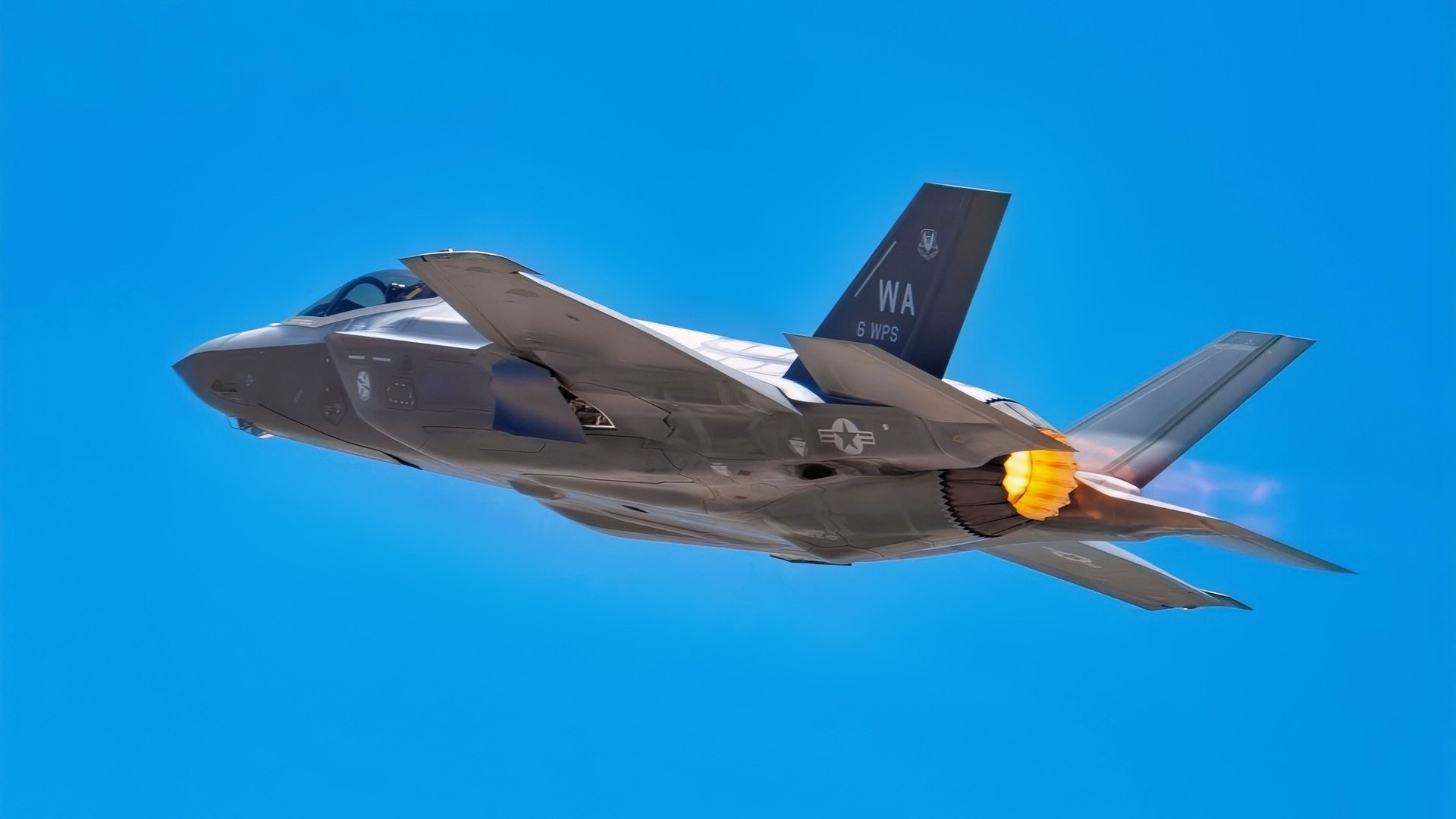
An F-35A Lightning II fighter jet, 6th Weapons Squadron (WPS), takes off from Nellis Air Force Base, Nev., July 18, 2019. The 6th WPS is the only squadron under the U.S. Air Force Weapons School exclusively training on the F-35A. (U.S. Air Force photo by Airman 1st Class Bryan Guthrie)
Indeed, Carney’s review was never purely about which fighter jet might have the technical and economic edge, but about which would better serve his reassessment of the Canada-U.S. relationship.
Guillot’s testimony does not prove any claim that the Gripen is the better choice, but it does partly weaken one of the cleanest talking points available to the F-35’s fans.
About the Author: Georgia Gilholy
Georgia Gilholy is a journalist based in the United Kingdom who has been published in Newsweek, The Times of Israel, and the Spectator. Gilholy writes about international politics, culture, and education. You can follow her on X: @llggeorgia.