
China’s Navy Has Quite Few Aircraft Carriers: But It Needs To Sustain Them and Protect Them
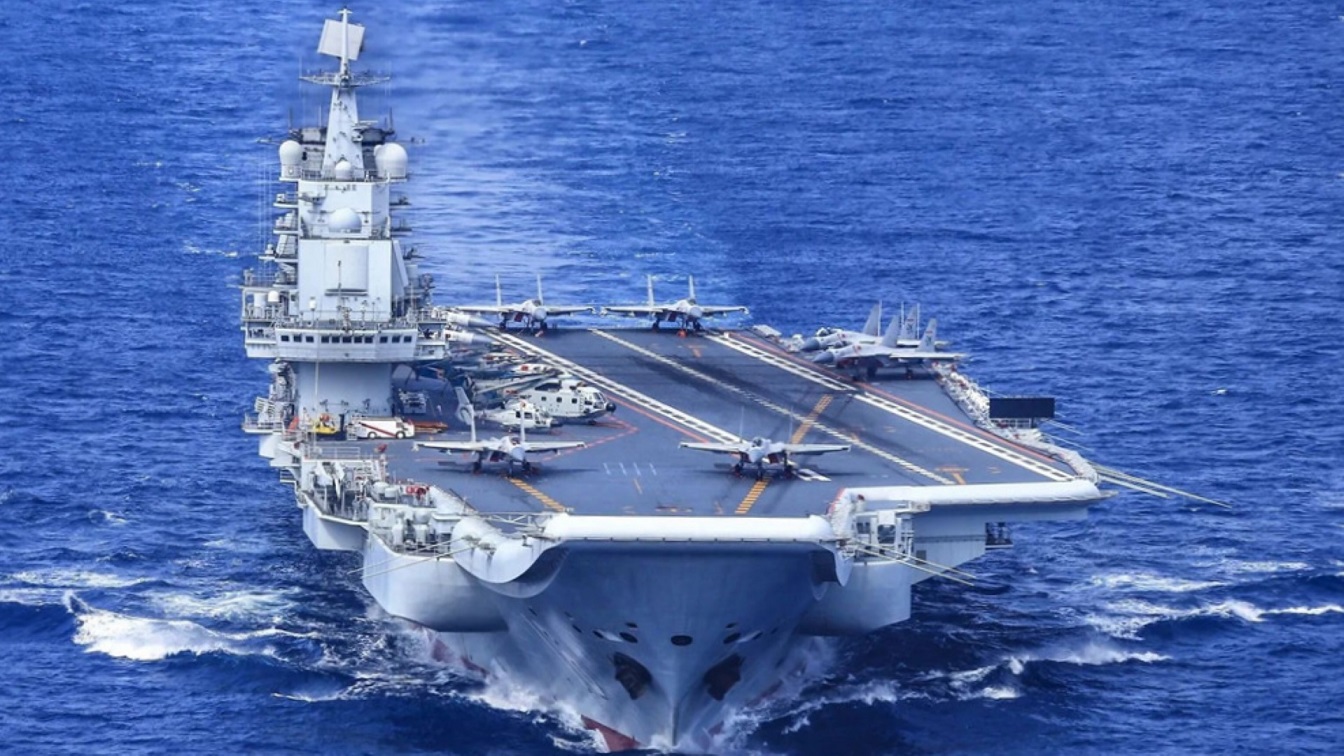
China’s PLA Navy (PLAN) has operated three aircraft carriers simultaneously at sea. The three platforms—the Liaoning, Shandong, and Fujian—had not been operated simultaneously before.
But now the PLAN seems to have entered the early stages of multi-carrier operational capability, which isn’t just a symbolic threshold but China’s near-arrival as a global naval power. Yet there is a difference between demonstrating capability and sustaining it.
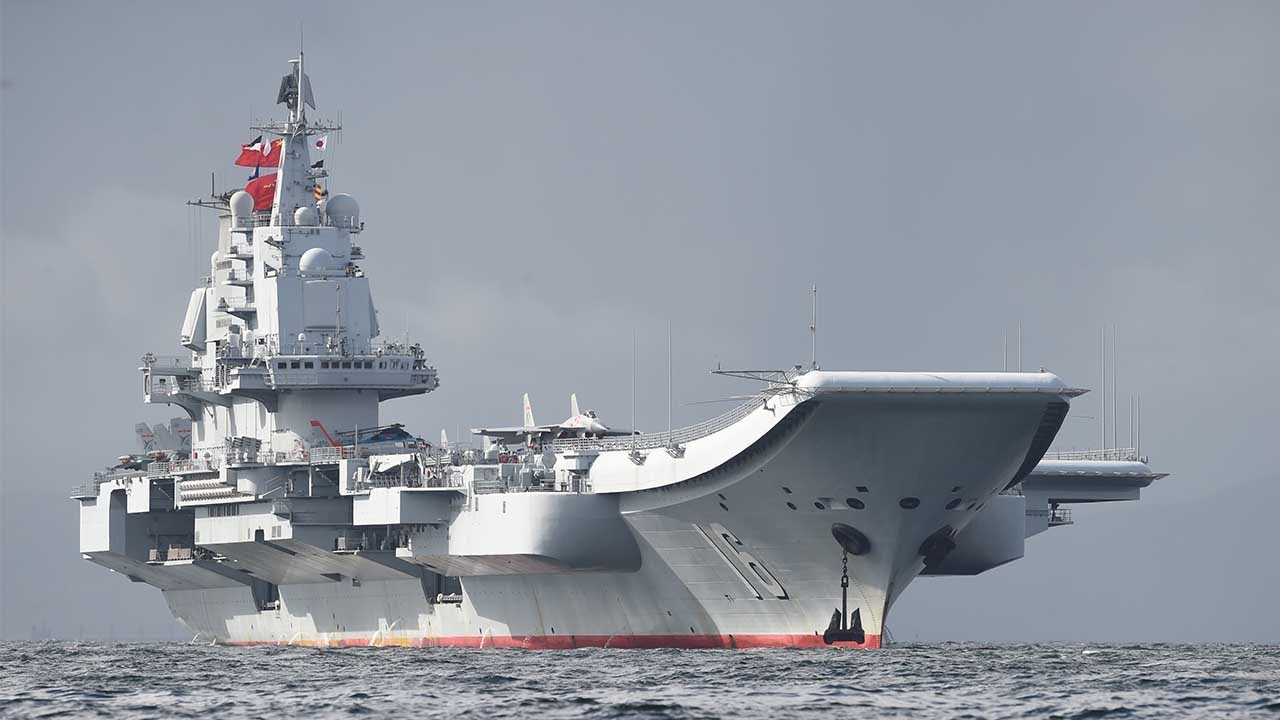
Chinese Aircraft Carrier. Image Credit: Creative Commons.
For China to truly qualify as a global naval power, it will have to sustain the ability to operate three carriers simultaneously.
China’s Intentions
China’s long-term goal is likely to be the construction of a five- to six-carrier fleet. This would allow China to transition from a regional force operating in the near seas to a global power-projection force.
The PLAN’s inspiration is clearly the United States, which operates 11 supercarriers. While achieving quantitative or qualitative parity with the US in the medium term is unrealistic, China clearly aims to expand its ability to operate across the Indo-Pacific, the Indian Ocean, and, potentially, the Middle East and Africa.
The significant takeaway here is that China is recalibrating towards power projection, away from simple regional defense.
The Three Carriers
The first of the PLAN’s three carriers is the Liaoning (Type 001), a former Soviet hull retrofitted by the Chinese. Featuring a ski-jump launch system, the Liaoning is used for training and limited combat. The Shandong (Type 002) is China’s first domestically built carrier and also features a ski-jump configuration.
Marking an improvement over the Liaoning, the Shandong holds a larger air wing and features a more efficient layout.
The jewel of the Chinese carrier fleet is the Fujian (Type 003). The most advanced of the three, the Fujian, features electromagnetic catapults that enable the launch of heavier aircraft at higher tempos. The Fujian marks a step change in PLAN capabilities and indicates where China’s ambitions lie.
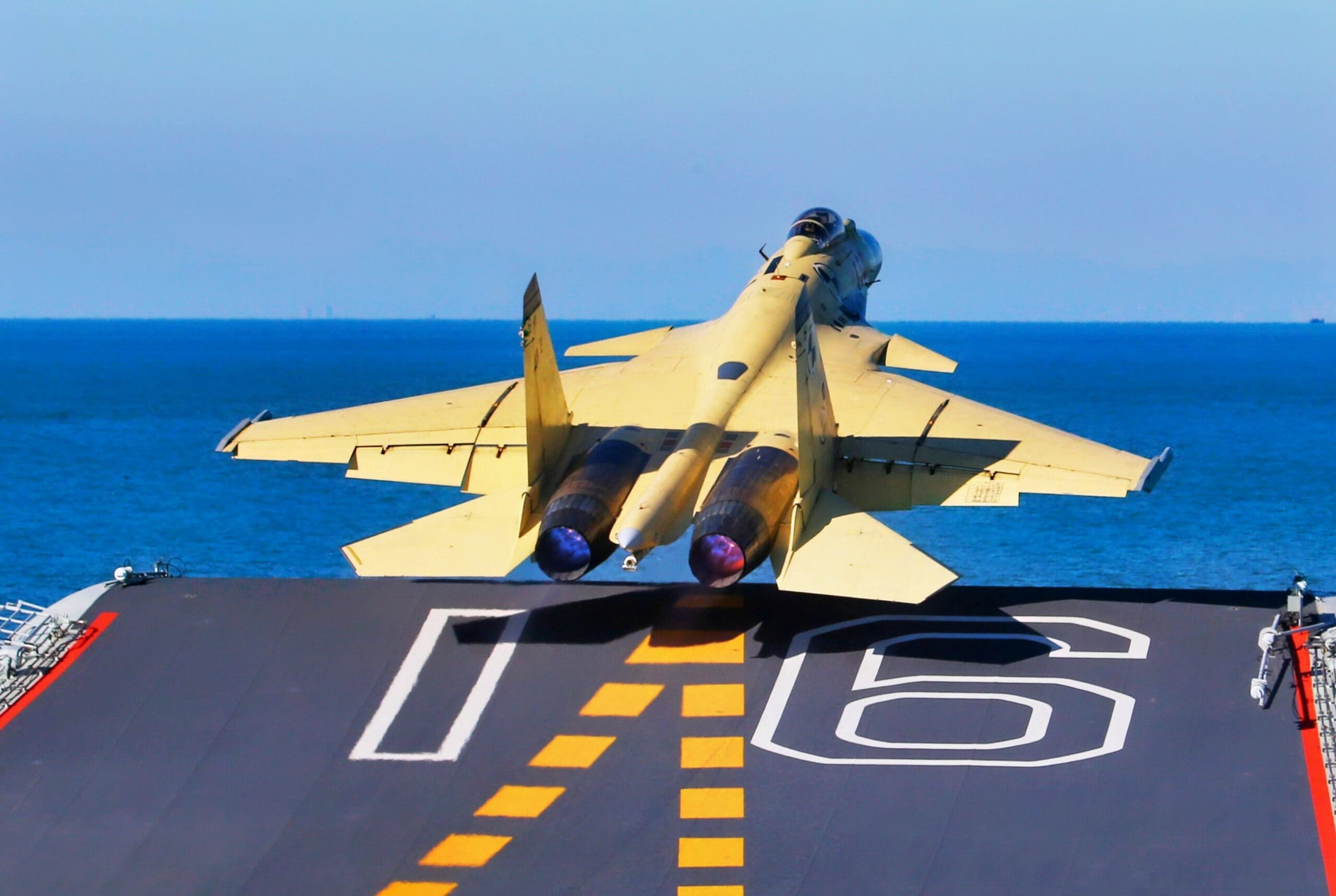
J-15 Fighter from China. Image Credit: Creative Commons.
Earlier carriers were transitional. But Fujian is roughly a peer-level platform. The primary fighter of the PLAN carrier fleet is the J-15. The J-15 is heavy and range-constrained relative to US equivalents. But China has successfully tested the fifth-generation J-35 from Fujian’s launch system.
Defining Three at Sea
It’s important to note that operating three carriers simultaneously is not the same as sustaining their deployment.
China still lacks a global basing network, combat-tested logistics, or carrier strike group experience.
The US, meanwhile, enjoys an extensive global basing network, logistics, and experience honed through decades of perpetual combat. Still, China is showing increased coordination and training maturity. So while the three-carrier deployment doesn’t signal full operational parity, this does serve as proof of concept for multi-carrier operations.
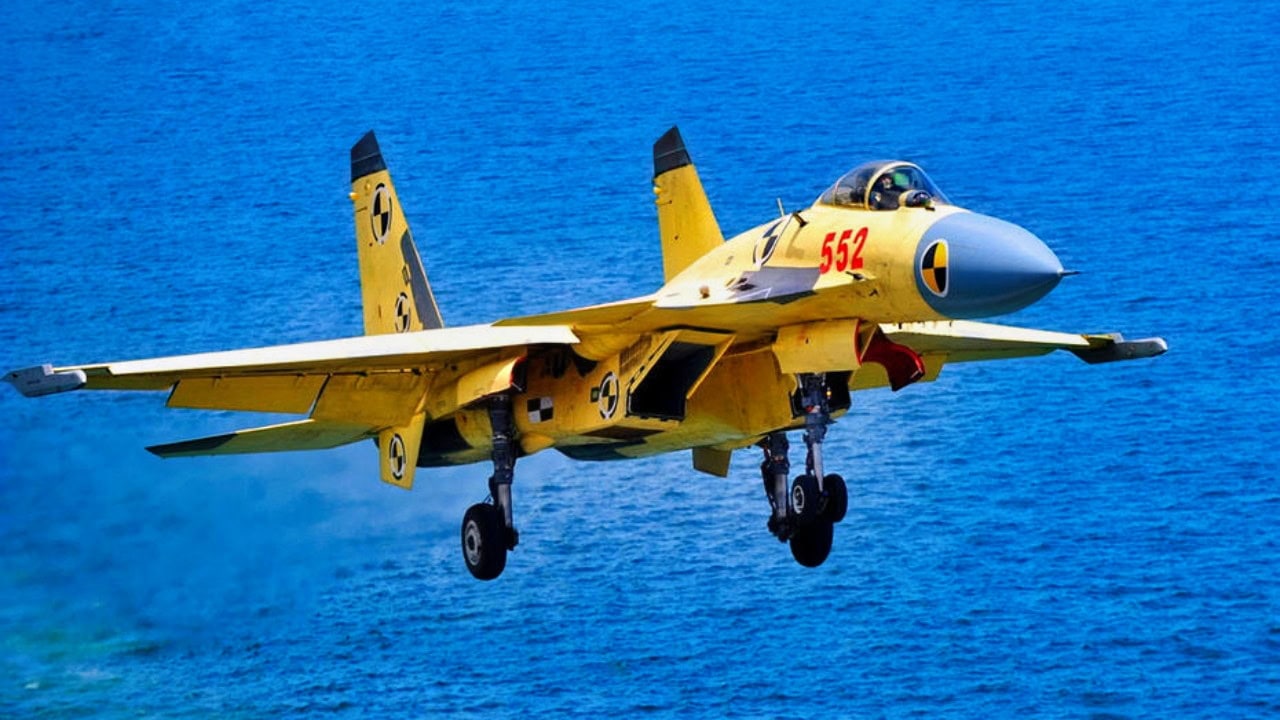
J-15 Flying Shark Fighter from China.
Tactical Use of the Carriers
Carriers are used for air superiority, strike operations, and maritime control.
Multi-carrier ops enable distributed operations, layered defense, and greater sortie generation. The PLAN is developing the ability to conduct dual-carrier exercises, which mimic US Navy patterns.
Moving forward, expect China to trend towards multi-domain coordination.
In sum, China is not just building ships but learning to use them together coherently.
Strategic Implications of the Aircraft Carriers
China is working to become able to challenge the US in the Indo-Pacific.
This would complicate the US’s force allocation, potentially requiring increased resources for the region, and would complicate the US’s crisis response in the region.
For China, an increased carrier presence expands deterrence and influence abroad. Globally, China could maintain a greater presence in Africa and the Middle East while adding a military dimension to its Belt and Road-related influence.
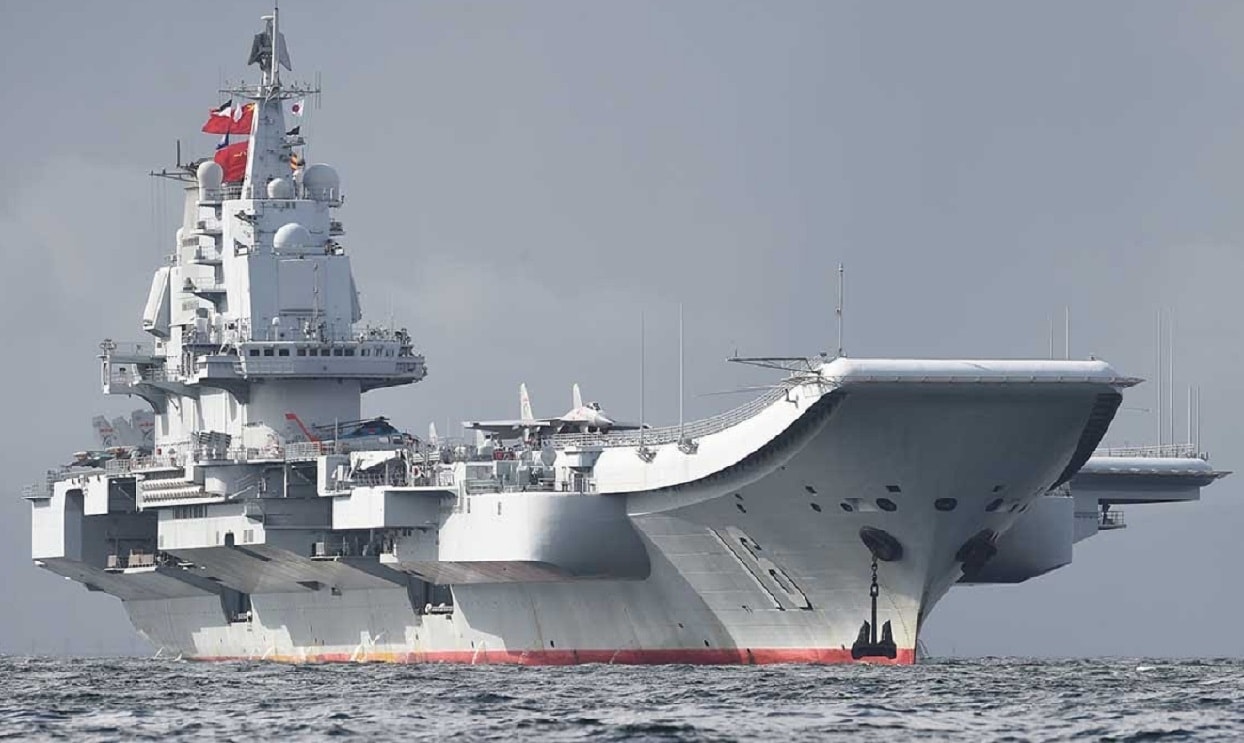
China Aircraft Carrier. Image: Creative Commons.
Carriers are not just military tools; more than any other vehicle, carriers are political instruments of influence, and in increasing its carrier fleet, China is increasing its influence.
But Not Quite
But China is not there yet; it does not have a true global carrier cycle, lacks combat experience, and its air wing is still developing. Structurally, they have gaps between logistics, joint operations maturity, and forward basing.
The US, meanwhile, can sustain multiple carriers globally as a matter of everyday operations.
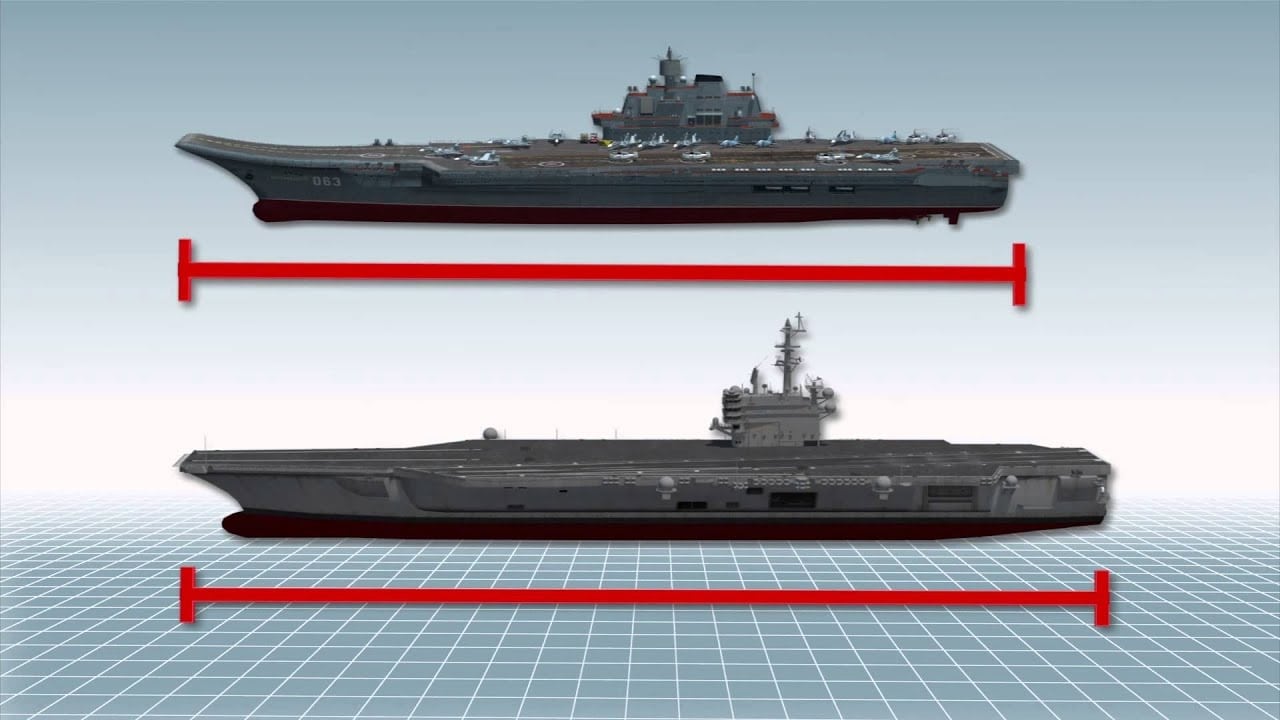
Comparison of U.S. and Chinese Aircraft Carrier sizes. Image Credit: Screenshot.
China is building towards that capability and may now be able to surge, but it can’t sustain global operations in a way even remotely resembling the US.
Though China does have an extreme edge in shipbuilding capacity. With rapid shipyard expansion and rapid production cycles, China could close the gap quickly.
MORE: The A-10 Warthog Has Entered the Iran War
About the Author: Harrison Kass
Harrison Kass is an attorney and journalist covering national security, technology, and politics. Previously, he was a political staffer and candidate, and a US Air Force pilot selectee. He holds a JD from the University of Oregon and a master’s in global journalism and international relations from NYU.