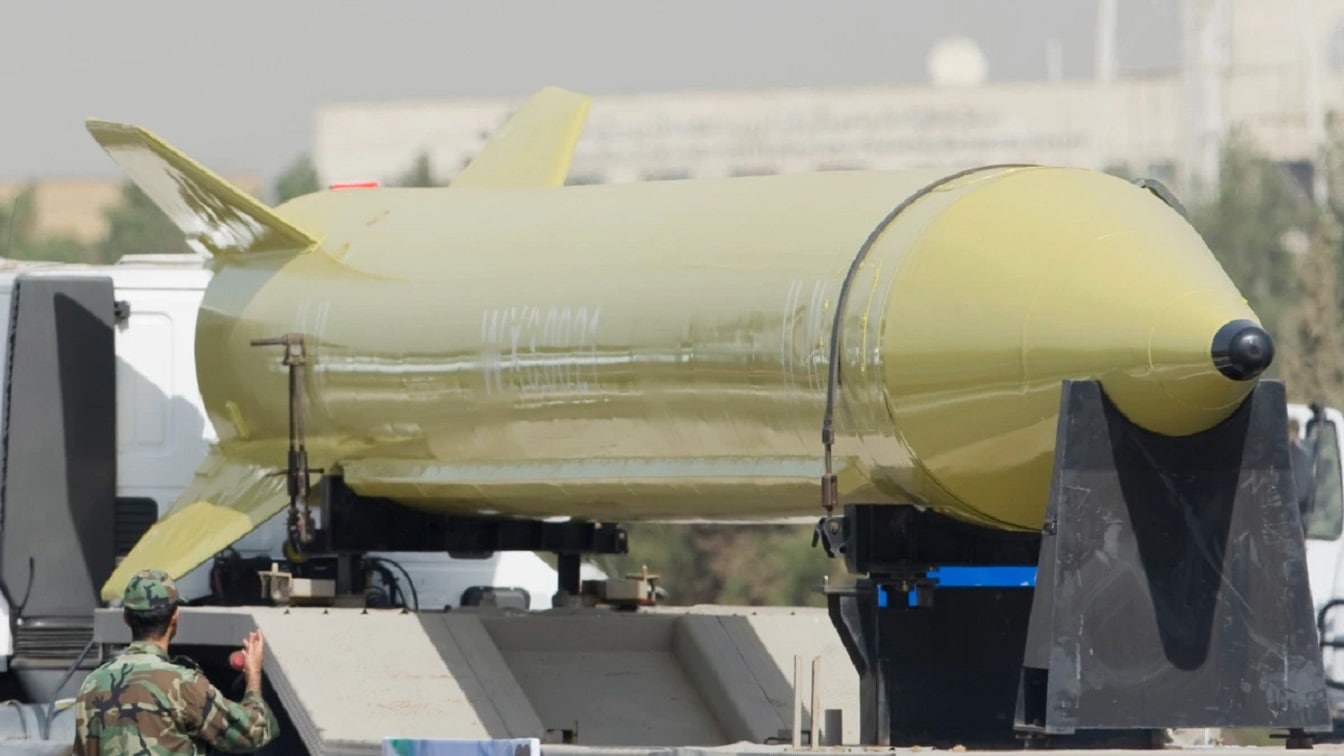
PLA-Linked Chinese Firms Are Using AI and Commercial Satellites to Track U.S. Carrier Groups, Base Activity, and Strike Patterns for Iran
MANILA – A group of social media investigators has exposed the extent to which the People’s Republic of China (PRC) is aiding Iran in the ongoing conflict with the US and its regional allies.
According to a 5 April report in the Washington Post, indications are that for weeks sources in China were seeing a “growing number of viral posts detailing equipment at US bases, the movements of American carrier groups and granular breakdowns of how military aircraft were assembling for strikes on Tehran.”
Moreover, their analysis of these US military movements was being provided to the military and political leadership in Iran.
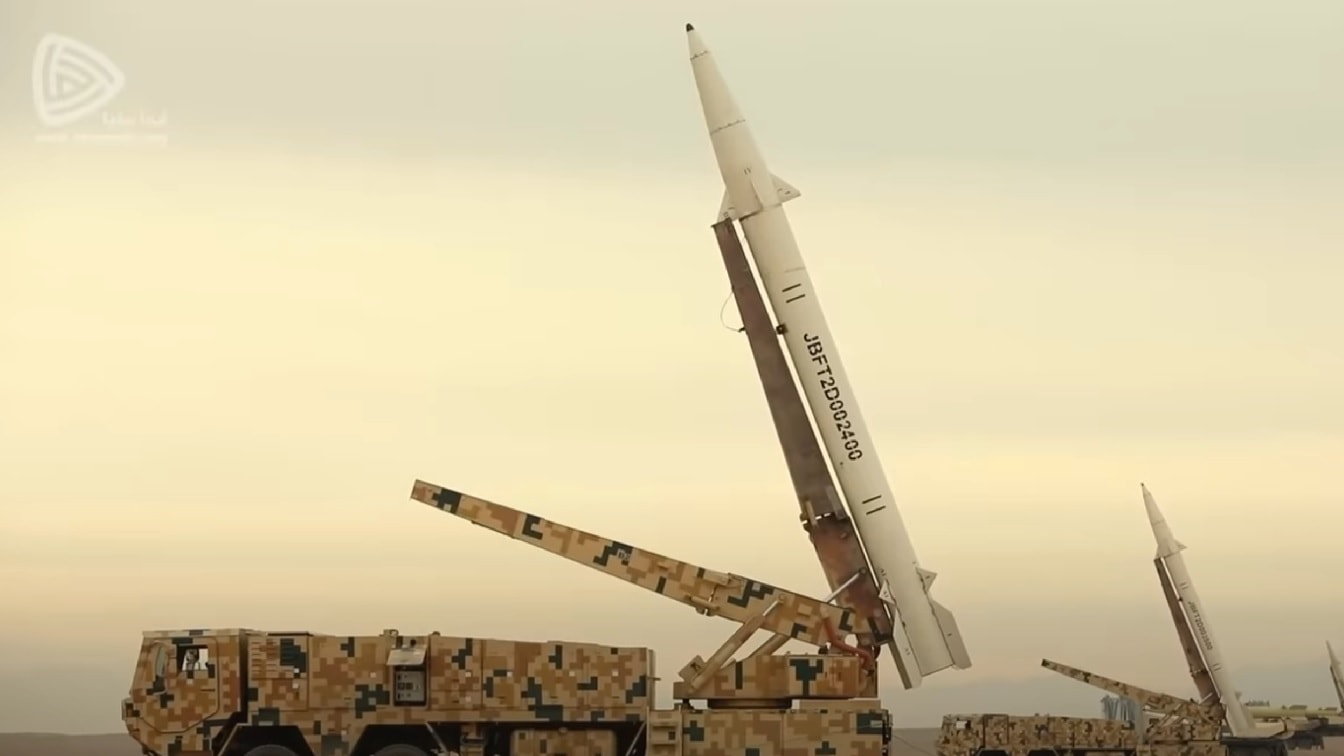
Iran Missiles from Video. Image Credit: YouTube Screenshot.
This operational intelligence data came from a growing new market in the PRC.
The information is coming from specialized data analysis firms, many of which have links to the People’s Liberation Army (PLA).
These companies are using the plethora of open-source material available today from commercial imagery firms and flight-tracking and shipping information sites, which is then collated into a database.
The PRC firms then layer in artificial intelligence (AI) routines.
The output is used to “map” the actions of US forces and then provide probable next moves of those American and other allied forces.
The revelation of this activity now makes China the second major US adversary to actively aid Iran with intelligence information that can be used to attack American military units, their bases, and also project the locations and likely courses of US Naval vessels.
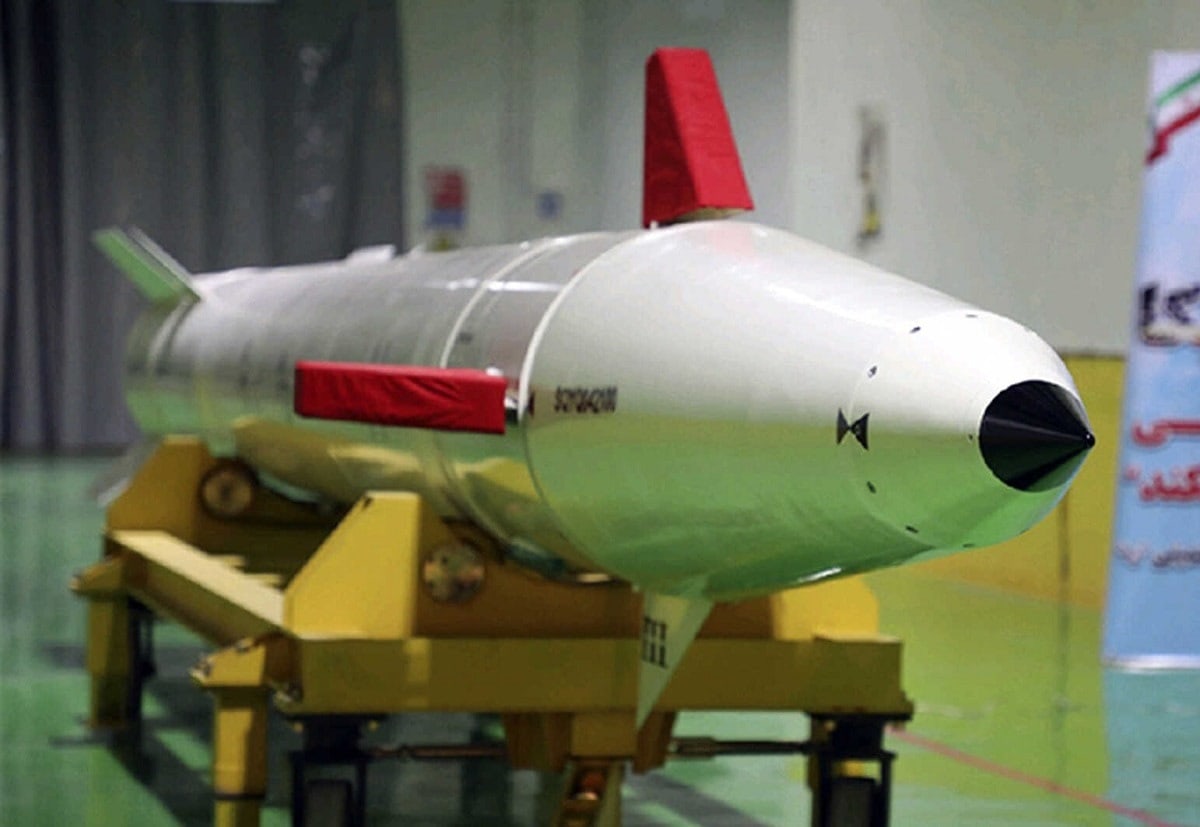
Iranian ballistic missiles. Image: Creative Commons.
It was reported almost a month ago that Russia was funneling this level of intelligence data to Iran, permitting the Islamic regime’s military to target not only US forces on the ground in the Middle East, but also their logistics and supply lines.
What Motivates China in the Iran War: 5 Ships Delivered the Goods
Speaking with PRC specialists, particularly those knowledgeable about the operations abroad by Beijing’s intelligence services, they cite possible reasons why the Chinese are continuing to be willing to risk Washington’s wrath by aiding Iran in this manner:
One of the most immediate motivations is, not surprisingly, money.
Chinese Communist Party (CCP) General Secretary Xi Jinping is still to this day cashiering generals, admirals, and other senior officers over charges of corruption. The obvious conclusion is that this activity is another avenue for senior officers to engage in self-enrichment. Due to degrees of separation involved in this kind of activity, they also might be able to get away with.
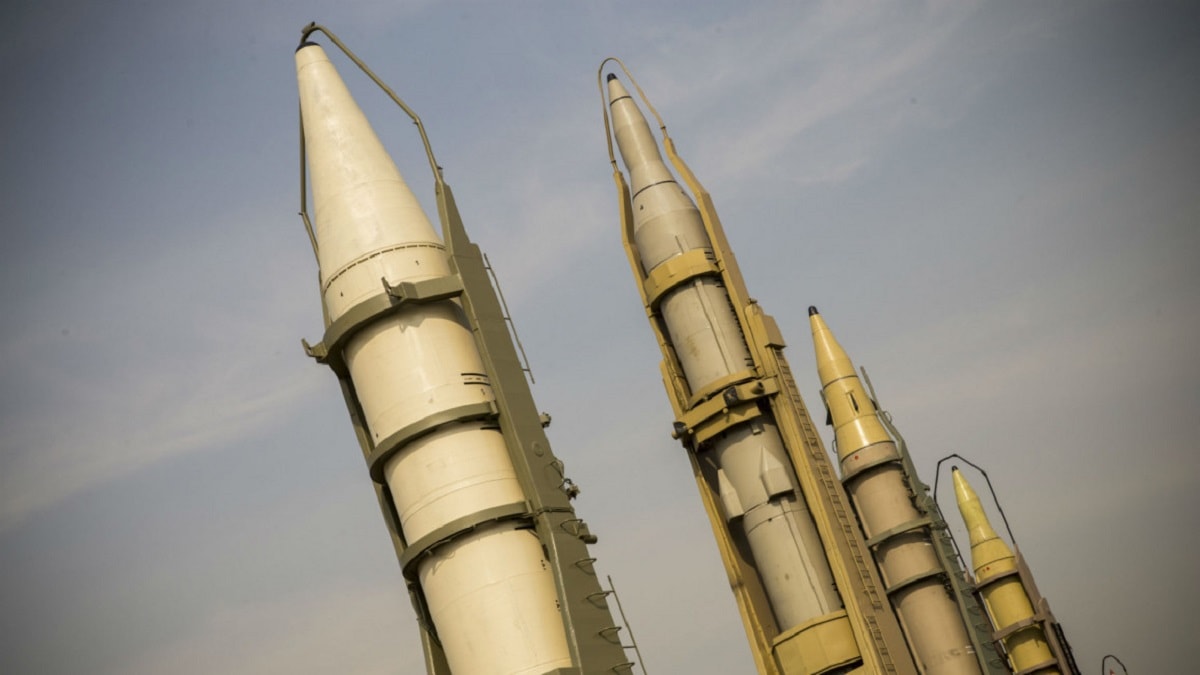
Iran’s missiles. Image Credit: Creative Commons.
A second issue is Xi’s desire to demonstrate some capability in aiding an ally, given the PLA’s and intelligence services’ poor record as of late.
Beijing was reportedly caught by surprise by the US raid that captured and extradited Venezuelan dictator Nicolas Maduro.
The theory is that Chinese intelligence may be under pressure from the CCP for having missed the US action in Venezuela. By revealing these adjunct intelligence-gathering companies, they are able to deflect any criticism along these lines.
But another clear trend is that these private PRC intelligence firms are riding the big wave of possibilities created by AI.
All available data indicate that these companies are also in a government-sanctioned, hand-in-glove relationship with the PRC military intelligence services.
This is verified by the fact that most of them operate under the authority of a PRC National Military Standard certification – a license that any firm supplying critical services to the PLA must have been issued.
But the most sinister interpretation yet is that these private Chinese firms give Beijing a vehicle to provide this manner of intelligence support services to sanctioned allies like Iran and North Korea, but at the same time give the PLA plausible deniability as to any official involvement.
“The [Chinese] state can benefit from private sector innovation, and it can likewise disclaim, credit or blame for the actions of ostensibly private companies, even when they are operating at the direction of the state or with the strong alignment of the state,” said a fellow from the American Enterprise Institute who spoke to the Post.
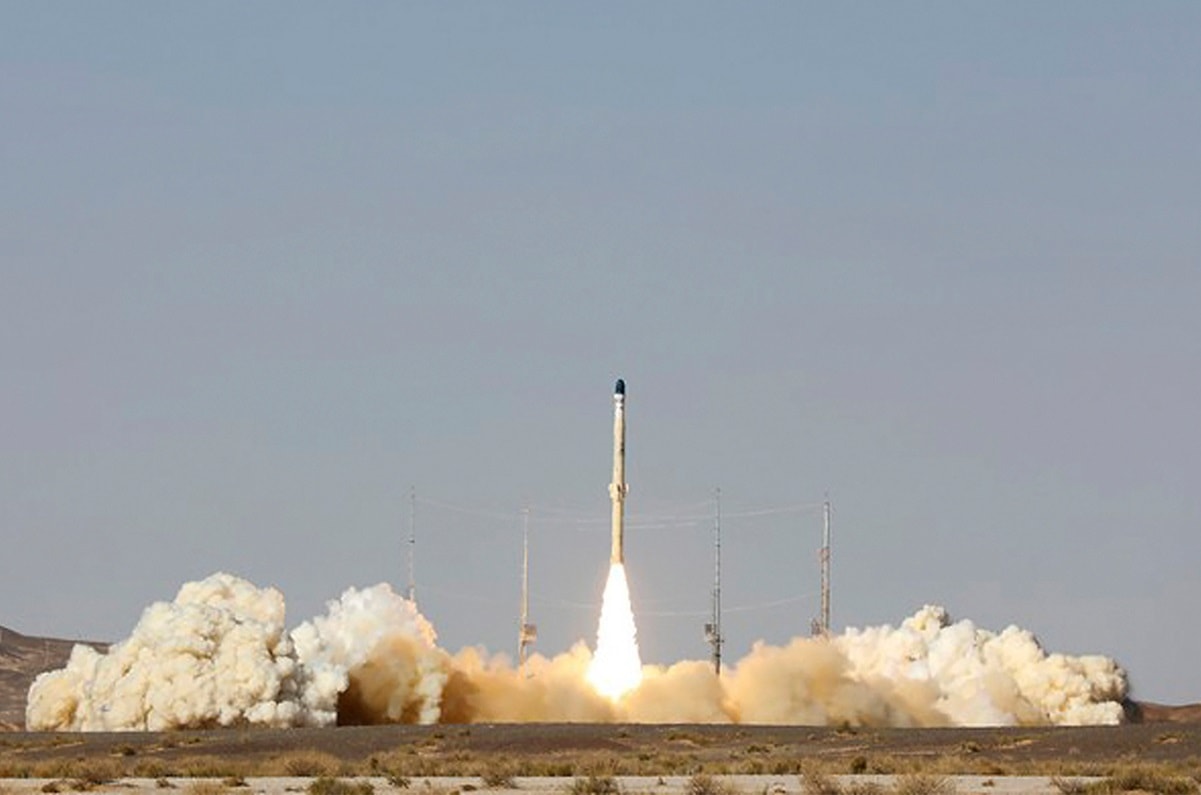
Launch of Iran’s newest satellite called ‘Zuljanah,’ at an undisclosed location, in Iran, on February 1, 2021. (Iranian Defense Ministry).
Rebuilding Iran’s Missile Program
But Beijing’s most recent actions are blatantly out in the open and not taking place on a keyboard in a server in some remote location.
Based on reports from 4 April, Beijing appears to want to up the ante in assisting Iran – and essentially daring the US and others to take action in response – by reconstituting the Islamic Republic’s missile program.
According to a recent think tank report from the Institute of the Study of War, five shipments of what is likely to be sodium perchlorate have reportedly arrived in Iran, sent from the PRC.
Production of this chemical is limited to those nations with an extensive enough chemical industry to provide the economies of scale required.
The significance of sending this substance to Iran is that it is a key ingredient in the production of solid rocket fuels. If the PRC is providing these shipments at this moment, it means, said one of the intelligence sources who spoke to 19FortyFive, “they are actively supporting Iran producing more ballistic missiles and producing them in real time – as in soon enough to try and turn them on the US allies in the region.”
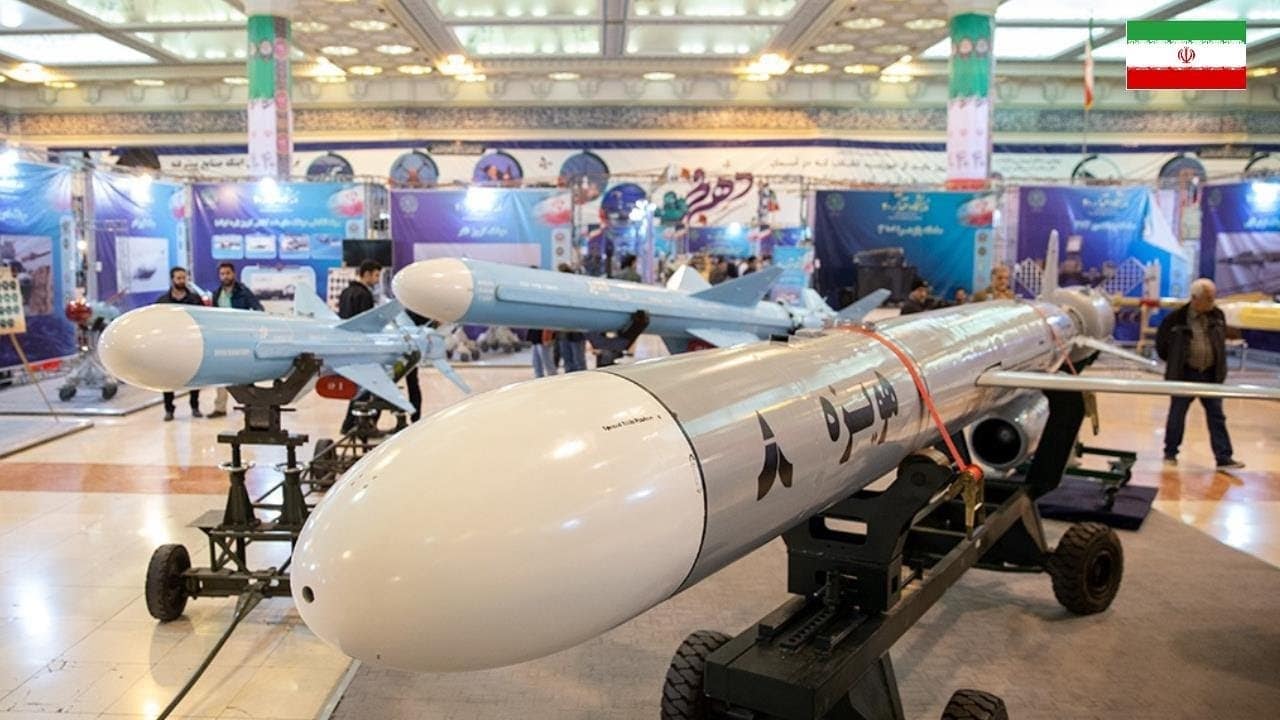
Image: Creative Commons.
All of the vessels carrying these shipments are owned by the Islamic Republic of Iran Shipping Line Group (IRISL), a shipping firm sanctioned by the United States in 2021.
Four of the vessels are reported to be docked or floating near the port in Chabahar, Sistan and Baluchistan Province, and one is docked near Bandar Abbas, Hormozgan Province, according to the Starboard Maritime Intelligence tracking site.
The PRC has previously supplied this chemical to support Iran’s ballistic missile program.
These shipments appear to be specifically aimed at negating the efforts by the US and its allies to eliminate Iran’s missile program through the air strikes that have targeted the nation’s missile fuel and solid propellant motor production sites.
“These PRC data gathering and AI firms are aiding US adversaries who are killing US service personnel,” said one retired US intelligence senior official. “So why is no action being taken against them, their company execs put on an OFAC list, etc. These ships are Iranan-owned, so why are we not sinking them.”
All reasonable but very good questions.
About the Author: Reuben F. Johnson
Reuben F. Johnson has thirty-six years of experience analyzing and reporting on foreign weapons systems, defense technologies, and international arms export policy. Johnson is the Director of Research at the Casimir Pulaski Foundation. He is also a survivor of the Russian invasion of Ukraine in February 2022. He worked for years in the American defense industry as a foreign technology analyst and later as a consultant for the U.S. Department of Defense, the Departments of the Navy and Air Force, and the governments of the United Kingdom and Australia. In 2022-2023, he won two awards in a row for his defense reporting. He holds a bachelor’s degree from DePauw University and a master’s degree from Miami University in Ohio, specializing in Soviet and Russian studies. He lives in Warsaw.