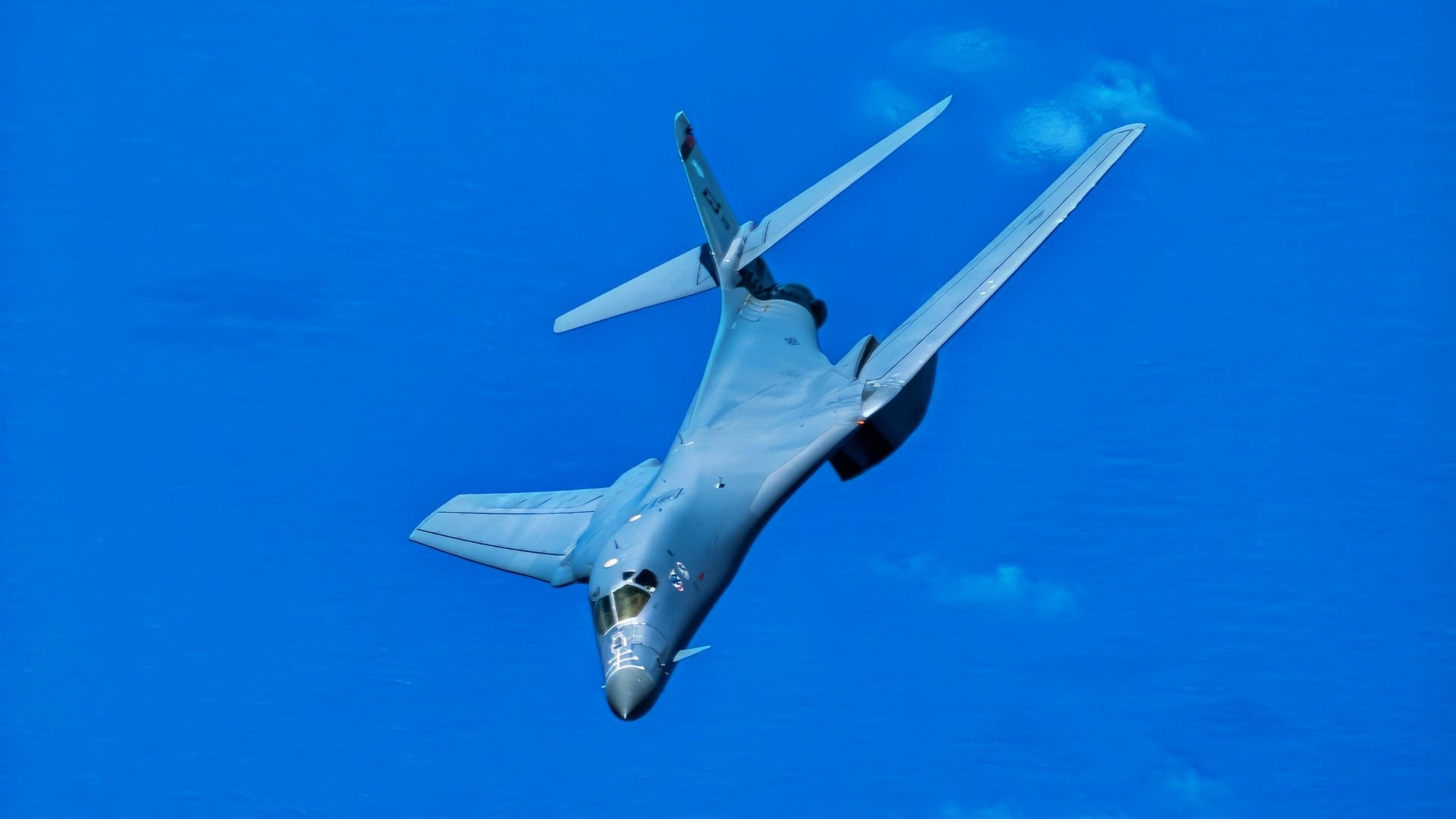
Donald Trump’s Way of War: An American Tradition
At first, conventional minds worried that President Donald Trump’s campaign against Iran would draw us into another “forever war” like Iraq or Afghanistan, or even Vietnam.
Now, as those fears recede, the worry is that he’s not going for sufficient regime change in Tehran, and that we’ll be drawn into “mowing the grass” again if the Islamic Republic tries to revive its nuclear program or ballistic missile arsenal.
Which is ironic, since trying to engineer regime change was precisely what drew us into protracted conflicts in Iraq and Afghanistan.
These contradictory criticisms not only ignore Trump’s skill so far in decimating the Iranian regime—perhaps fatally—but also ignore American history.
What History Tells Us About Iran and Operation Epic Fury
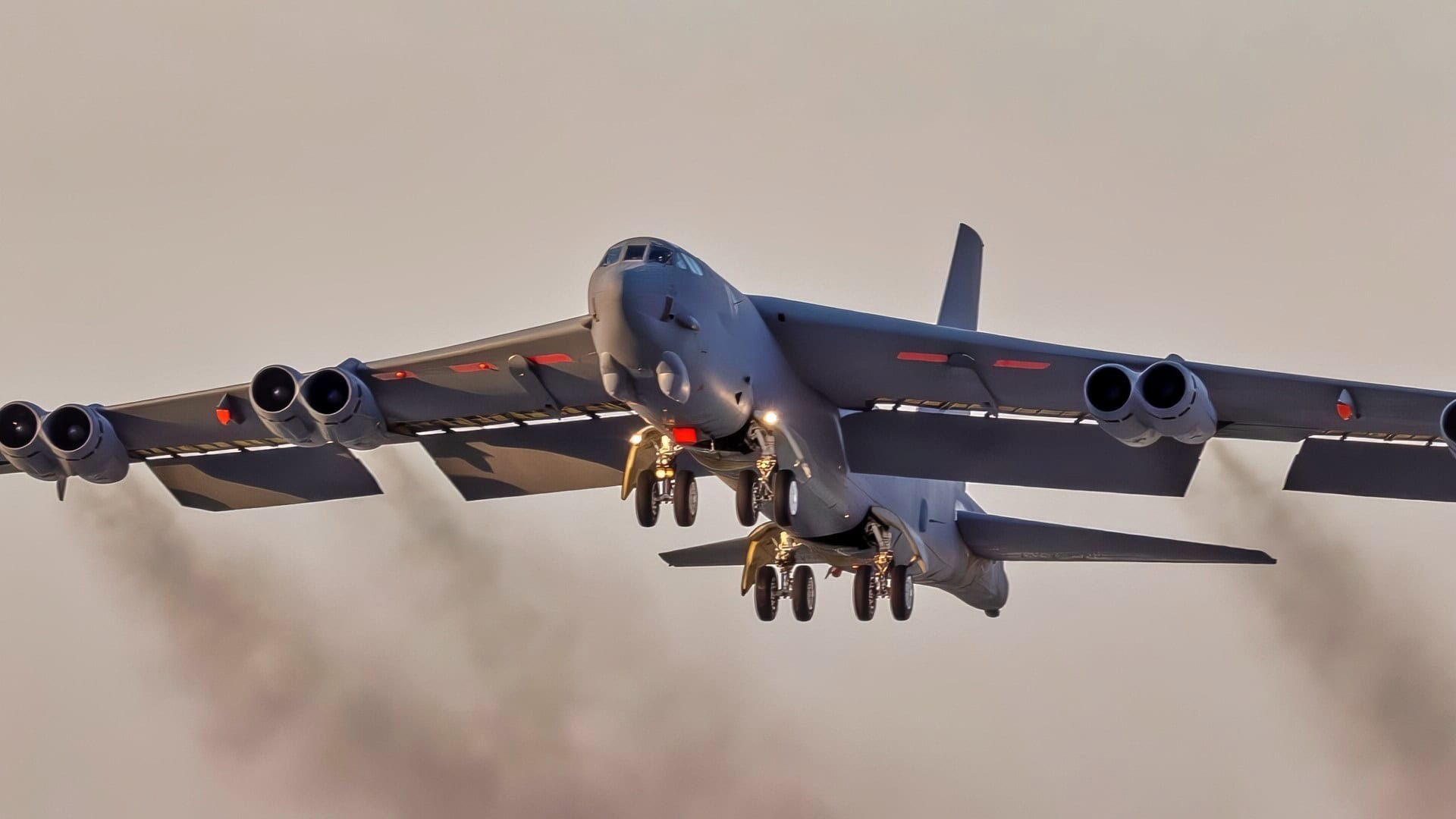
A modified B-52H Stratofortress departs Edwards Air Force Base for an evening training mission on June 25, 2025. The aircraft is assigned to the 419th Flight Test Squadron, Global Power Bombers Combined Test Force, tasked with supporting developmental testing across the B-52, B-1, and B-2 bomber portfolio. Along with most 412th Test Wing aircraft, B-52H bombers at Edwards include specialized instrumentation for a variety of testing activities. (Air Force photo by Chase Kohler)
American presidents, going back to Thomas Jefferson, have used similar short-term, high-intensity operations to project American power and to punish evil-doers. What Trump has termed his “short-term excursion” against Iran is what military analysts call “punitive expeditions.”
It’s a strategy of short, sharp projections of force that punish foreign powers or dictators for their untoward actions—hence the term “punitive.” The aim is to compel that power or dictator to change their policies and behavior, by using the minimum force necessary to achieve maximum effect.
It’s how Presidents Jefferson and Madison brought the Barbary pirates to heel almost two centuries ago, and how President Ronald Reagan kept Iran from closing the Strait of Hormuz in the 1980’s. Trump’s strikes against IRGC leader Soleimani and against Al Baghdadi and ISIS, during his first term; his Operation Midnight Hammer against Iran’s nuclear sites and his lightning capture of Venezuela’s President Maduro in this term; are all examples of Trump’s use of this time-tested model.
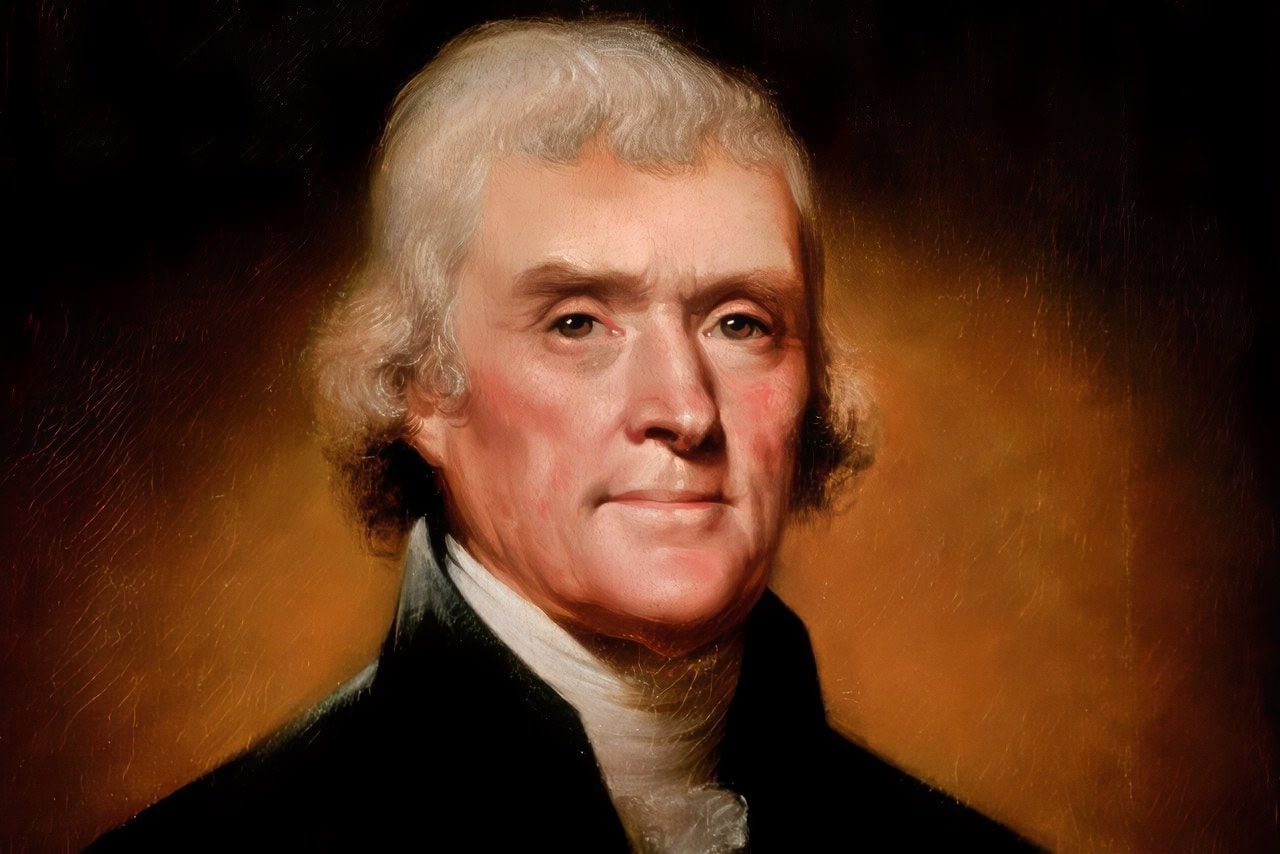
Thomas Jefferson. Image Credit: Creative Commons.
There are three basic tenets for any punitive expedition strategy, past or present.
1. The use of limited military forces rather than a large-scale mobilization or deployment. This campaign profile offers the biggest contrast with operations like those in Afghanistan, Iraq, Vietnam, or even Desert Storm.
2. The selection of very specific military targets, including individuals, rather than setting larger strategic or operational objectives. Reagan demonstrated the effectiveness of this approach in his punitive expedition against Libya’s Gaddafi in Operation El Dorado Canyon in April 1986, and President George HW Bush did so against Manuel Noriega in Operation Just Cause in December, 1989.
3. The use of a limited time frame rather than a sustained campaign or open-ended commitment, i.e., a date range, is inconsistent with putting large numbers of “boots on the ground.” But with the expectation that, after the initial withdrawal of forces, military action may again be necessary in a similar manner if the wrongdoer does not change their behavior.
The key advantage of the punitive expedition strategy is its optionality. The president can declare victory at whatever stage meets the criterion for forcing a change in behavior and then withdraw forces from the battlefield or even from the region. The initiative remains with him, so that he determines the pace and tempo of kinetic action, not the enemy, as Trump has demonstrated with Iran.
What It All Means
All this adds up to a powerful paradigm for American military action that stands in stark contrast to the one that led to Vietnam, Iraq, and Afghanistan. It’s been used successfully many times before. In fact, one could argue that Trump’s Iran campaign is the quintessential American punitive expedition.
The first campaigns were President Jefferson’s and President Madison’s expeditions against the Barbary pirates. These established the precedent of using military force to defend American interests outside the Western Hemisphere.
Jefferson’s famous maxim, “millions in defense, not a penny in tribute,” sprang from a strategic formula for securing American power through limited and flexible use of military force, especially naval force. This approach was in stark contrast to the later Obama/Biden multibillion-dollar ransom payments to the ayatollahs.
One hundred years later, the U.S. launched the first formal “punitive expedition” under President Woodrow Wilson to hunt down or kill Mexican bandit leader Pancho Villa.
Although the expedition led by General Pershing failed to capture Villa and generated friction with the Mexican government, the expedition did send a strong signal to Villa to curtail his cross-border raids into Texas and New Mexico. It also marked the first use of American airpower – Pershing used bi-planes to track Villa’s bands across the expansive desert of northern Mexico.
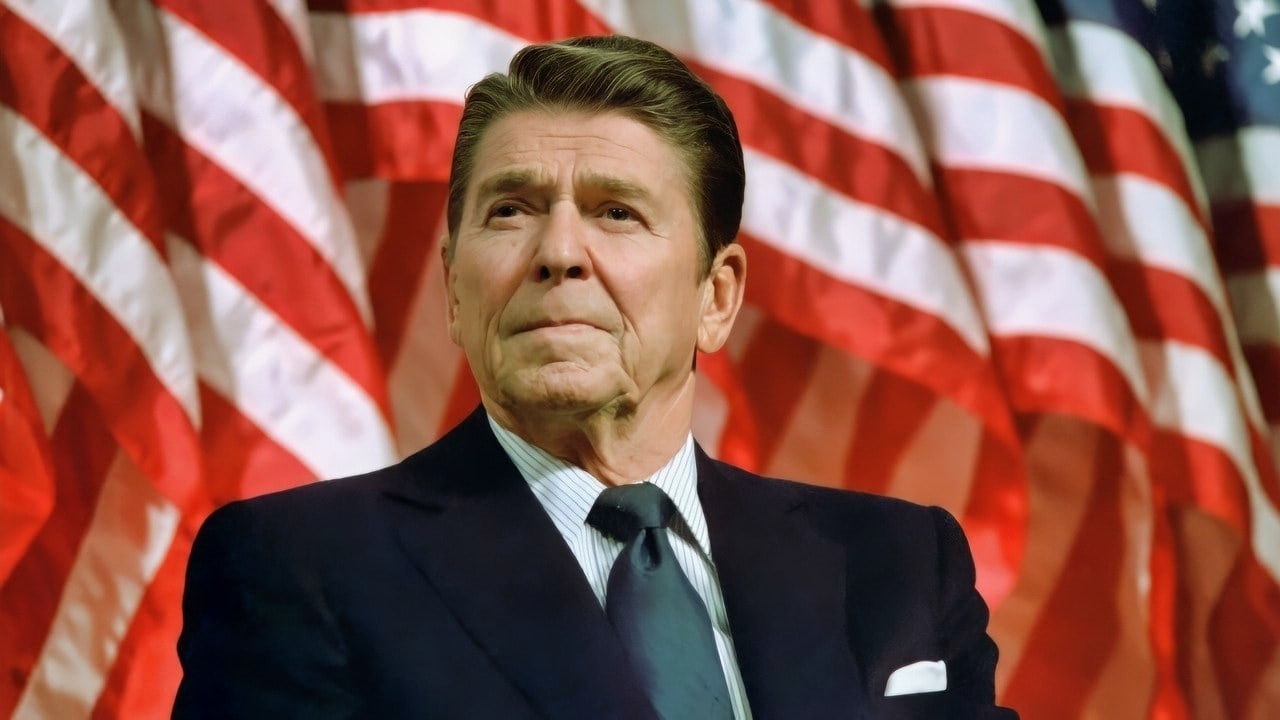
2/8/1982 President Reagan at a rally for Senator David Durenberger in Minneapolis, Minnesota. Image Credit: Creative Commons.
As noted above, Reagan was the real master of the punitive expedition strategy. In addition to Operation El Dorado Canyon, he launched both Operation Nimble Archer (October 19, 1987) and Operation Praying Mantis (April 18, 1988) in response to Iranian attacks on Persian Gulf shipping. The use of the Navy and special forces in the ops severely damaged Iranian oil platforms along the coast. Then, when Iranian destroyers tried to intercept American Forces, the enemy ships were sunk in the largest naval engagement since World War Two.
Trump’s strikes against Iranian military and missile sites, and his sinking of Iran’s entire navy, are much bigger and bolder modern-day extensions of Reagan’s approach. But clearly, both Trump and Reagan had the same aim: forcing Tehran to change its behavior, if not its ideological stripes.
This time, Trump has found a reliable partner in this punitive approach, namely Israel. And far from alienating other powers in the region, Trump, “leading from the front” with Israel, in a sharp punitive expedition, has given our Gulf partner confidence to stand up to the thugs in Tehran.
What Happens Next in Iran
While we do not yet know precisely how the Iran operation ends—including possible regime collapse— there is no doubt that the final decision lies with the White House, and not with America’s enemies.
That is the secret of the well-established American punitive expedition strategy: it allows our presidents to advance American strategic interests and deter evil with the temporary, proportionate use of military force, at the time and place of their choosing. President Trump has executed this approach flawlessly in the past and is doing so again with Operation Epic Fury.
About the Authors:
Robert C. O’Brien is the former National Security Advisor to President Donald Trump and chairman of American Global Strategies.
Arthur Herman, historian and former National Security Council official, is the author of Founder’s Fury: From 1776 to the Age of Trump, published this month.