
Synopsis: Thomas Jefferson’s famous advice—“When angry, count ten; if very angry, a hundred”—came in a February 21, 1825 letter to young Thomas Jefferson Smith. Jefferson warned it might read “as one from the dead,” written near the end of his life.
-He framed the note as a “decalogue” of practical rules: act promptly, rely on yourself, avoid debt, resist bargain temptations, and keep pride in check—then cap it with anger control and “take things by their smooth handle.”

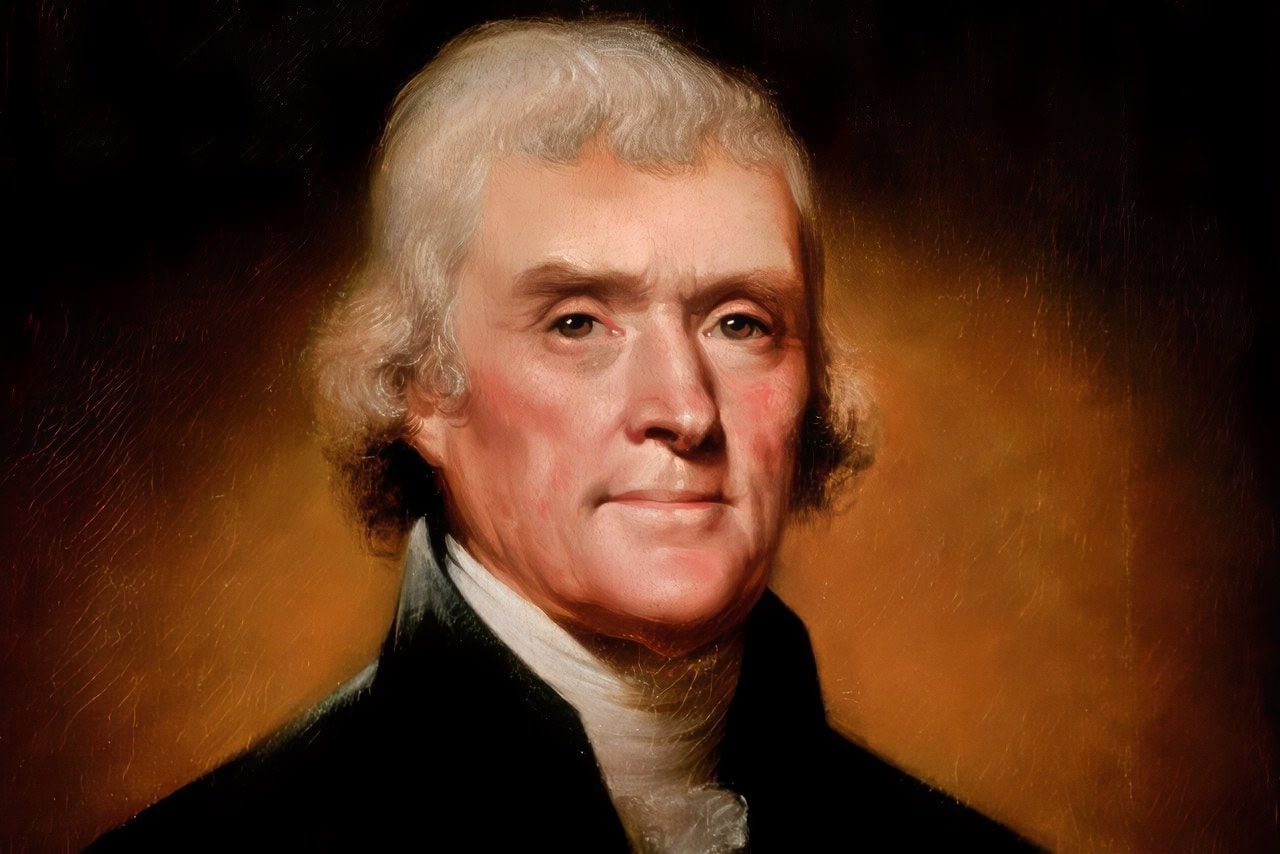
Monticello Thomas Jefferson Original Image. Image by Christian D. Orr/19FortyFive

Thomas Jefferson Burial. Image provided by Author.
-It also revisits Jefferson’s central role drafting the Declaration, Adams/Franklin edits, congressional revisions, early printing, and the parchment’s long preservation saga.
Thomas Jefferson’s “Count to Ten” Rule Was Late-Life Advice—And It Still Works
“When angry, count ten, before you speak; if very angry, an hundred” – Thomas Jefferson
The above quote may sound like modern advice, but it came from a letter written about a year before Thomas Jefferson died.
Per the National Archives, the letter of advice was written by Jefferson to his near-namesake, Thomas Jefferson Smith, and it’s dated February 21, 1825. And while Jefferson did not pass away for 17 months after writing the letter, the founding father did write that “this letter will, to you, be as one from the dead, the writer will be in the grave before you can weigh its counsels.”
Per the 1776History website, the context of the letter is that Jefferson was “asked by a close friend, John Spear Smith, to offer some words of wisdom to his young son, Thomas Jefferson Smith, who was named after him.”
The advice about counting to ten is the tenth piece of advice offered in what Jefferson calls, “A Decalogue of Canons for observation in practical life.” The others include the following:
Never put off till tomorrow what you can do today
Never trouble another for what you can do yourself.
Never spend your money before you have it.
Never buy what you do not want, because it is cheap; it will be dear to you.
Pride costs us more than hunger, thirst and cold.
We never repent of having eaten too little.
Nothing is troublesome that we do willingly.
How much pain they have cost us, the evils which have never happened!
Take things always by their smooth handle.”
Some More Famous Thomas Jefferson Writings
Nearly 50 years before, Jefferson was the primary author of the Declaration of Independence, in 1776. A Committee of Five was established in June of 1776 “appointed to draft a statement presenting to the world the colonies’ case for independence.”
Jefferson was one of the five, and the only Southerner. He was joined by John Adams of Massachusetts, Roger Sherman of Connecticut, Benjamin Franklin of Pennsylvania, and Robert R. Livingston of New York.
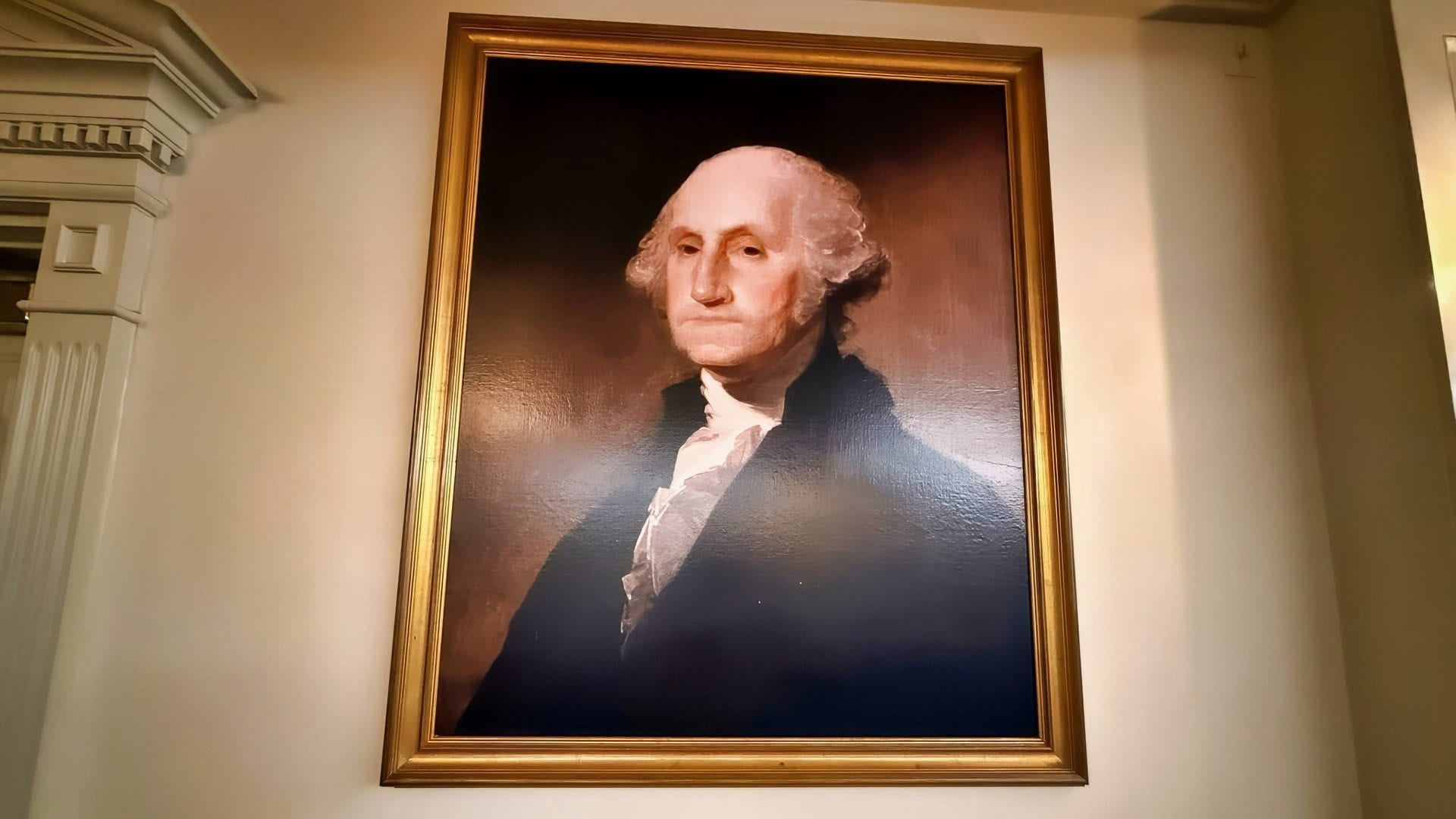
George Washington At Hall of Presidents at Walt Disney World. Image Taken by Harry J. Kazianis for 19FortyFive.com
In the 1820s, Jefferson wrote that the other four people on the committee had “unanimously pressed on myself alone to undertake the draught. I consented; I drew it; but before I reported it to the committee I communicated it separately to Dr. Franklin and Mr. Adams, requesting their corrections. . . . I then wrote a fair copy, reported it to the committee, and from them, unaltered to the Congress.”
There were, therefore, “three stages” of the life of the document: “The document originally written by Jefferson; the changes to that document made by Franklin and Adams, resulting in the version that was submitted by the Committee of Five to the Congress; and the version that was eventually adopted.”
In July, it was time for Congress to reconvene and consider the document.
On July 2, “the Lee Resolution for independence was adopted by 12 of the 13 colonies, New York not voting. Immediately afterward, the Congress began to consider the Declaration. Adams and Franklin had made only a few changes before the committee submitted the document. The discussion in Congress resulted in some alterations and deletions, but the basic document remained Jefferson’s. The process of revision continued through all of July 3 and into the late morning of July 4. The Declaration had been officially adopted.”
The Structure of the Declaration
“The Declaration of Independence is made up of five distinct parts: the introduction; the preamble; the body, which can be divided into two sections; and a conclusion.”
But that didn’t make it a done deal.
“Although Congress had adopted the Declaration submitted by the Committee of Five, the committee’s task was not yet completed. Congress had also directed that the committee supervise the printing of the adopted document,” the National Archives writes. “The first printed copies of the Declaration of Independence were turned out from the shop of John Dunlap, official printer to the Congress. After the Declaration had been adopted, the committee took to Dunlap the manuscript document, possibly Jefferson’s ‘fair copy’ of his rough draft. On the morning of July 5, copies were dispatched by members of Congress to various assemblies, conventions, and committees of safety as well as to the commanders of Continental troops.”
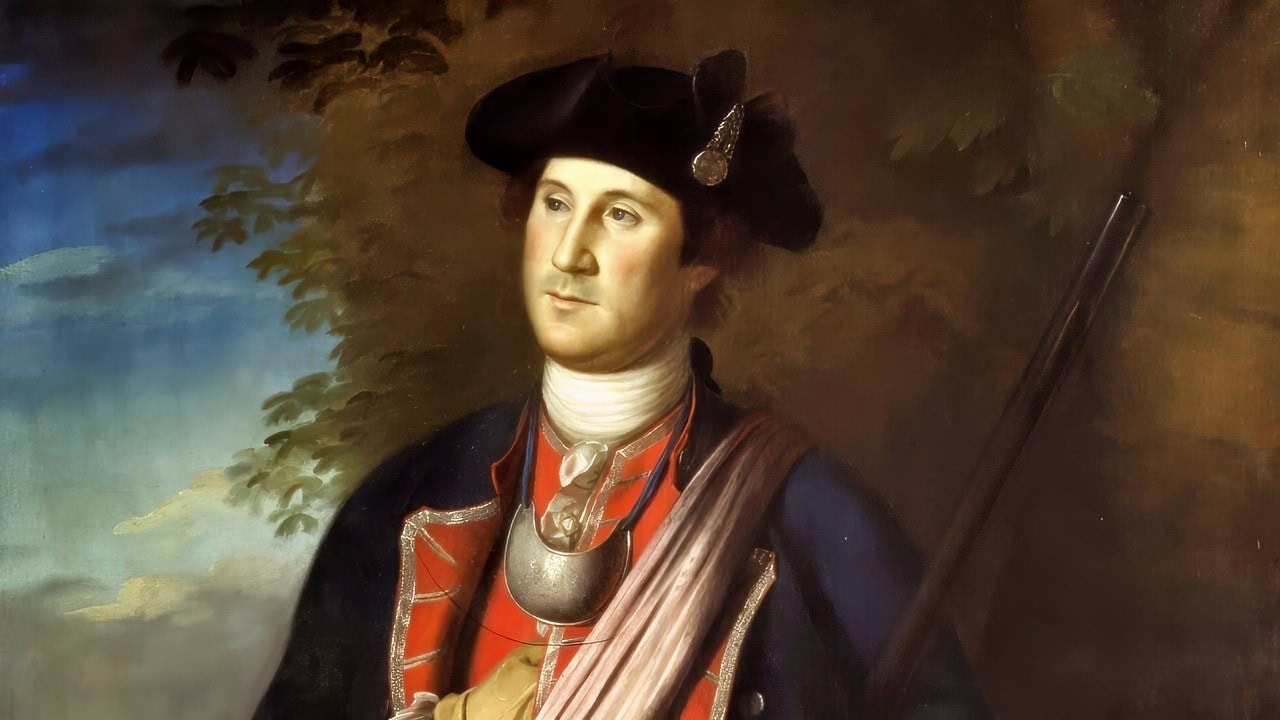
General George Washington Portrait. Image Credit: Creative Commons.
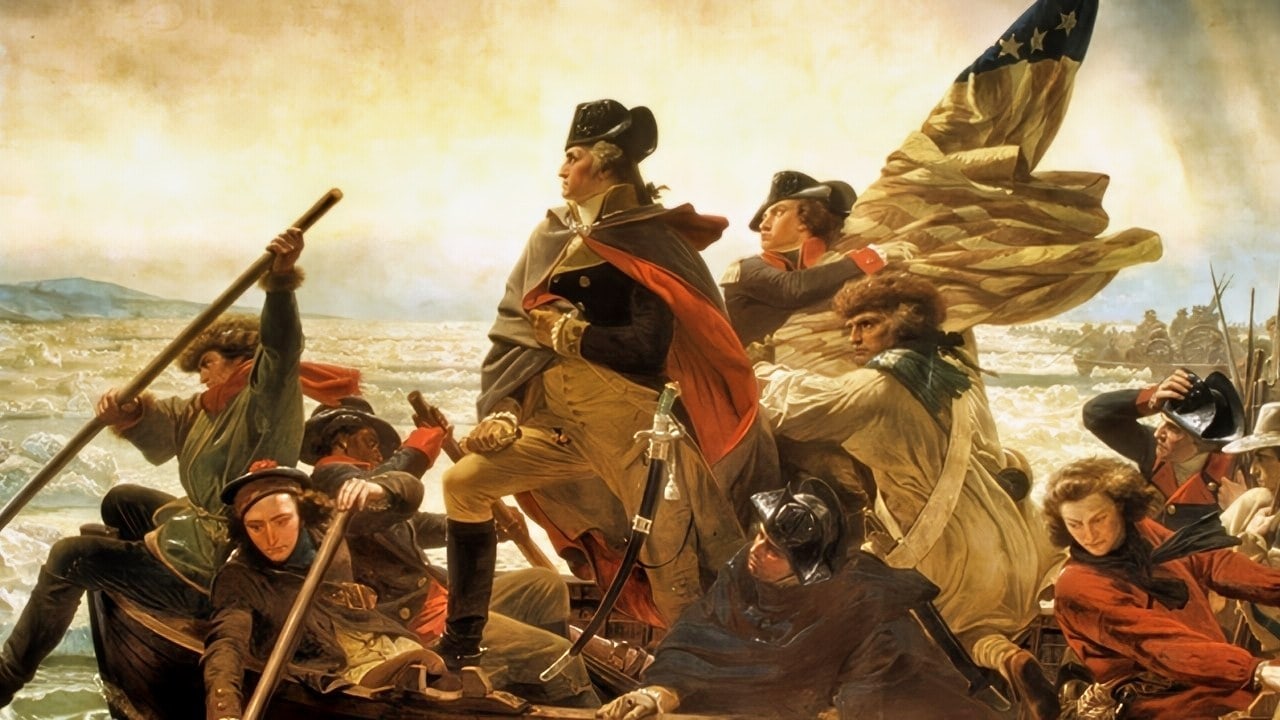
General George Washington. Image Credit: Creative Commons.
By July 9, when the action was approved by New York, all 13 colonies had ratified the Declaration. Congress declared that the document was “fairly engrossed on parchment, with the title and stile [sic] of ‘The unanimous declaration of the thirteen United States of America,’ and that the same, when engrossed, be signed by every member of Congress.”
Then it was time to physically produce the sheet of parchment, which John Hancock, president of the Congress, signed first and largest.
“Over the next 200 years, the nation whose birth was announced with a Declaration “fairly engrossed on parchment” was to show immense growth in area, population, economic power, and social complexity and a lasting commitment to a testing and strengthening of its democracy. But what of the parchment itself? How was it to fare over the course of two centuries?” the National Archives asks.
“In the chronicle of the Declaration as a physical object, three themes necessarily entwine themselves: the relationship between the physical aging of the parchment and the steps taken to preserve it from deterioration; the relationship between the parchment and the copies that were made from it; and finally, the often dramatic story of the travels of the parchment during wartime and to its various homes.”
About the Author: Stephen Silver
Stephen Silver is an award-winning journalist, essayist, and film critic, and contributor to the Philadelphia Inquirer, the Jewish Telegraphic Agency, Broad Street Review, and Splice Today. The co-founder of the Philadelphia Film Critics Circle, Stephen lives in suburban Philadelphia with his wife and two sons. For over a decade, Stephen has authored thousands of articles that focus on politics, national security, technology, and the economy. Follow him on X (formerly Twitter) at @StephenSilver, and subscribe to his Substack newsletter.