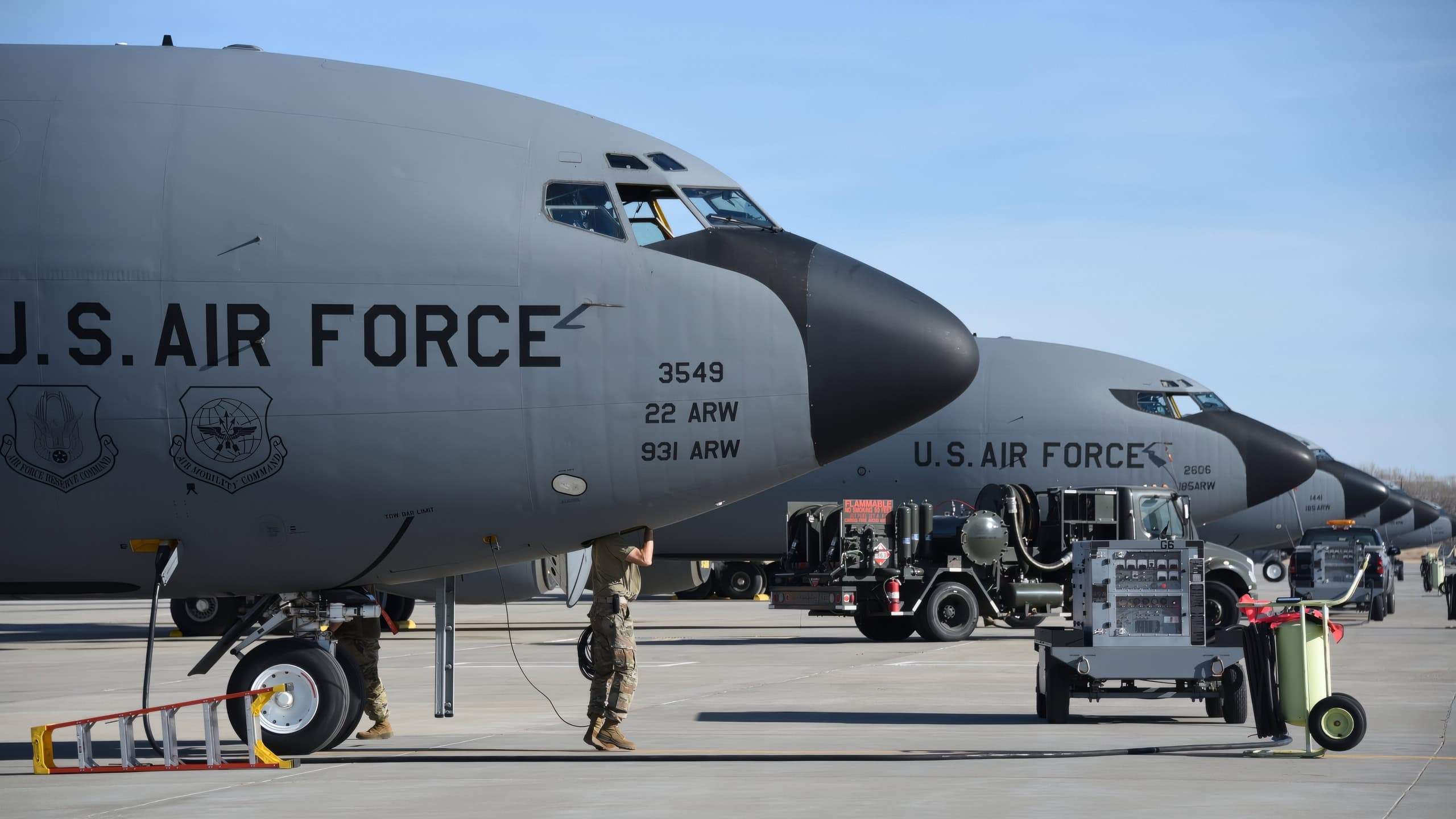
One Iranian Drone Strike at a Saudi Arabian Base Damaged 5 KC-135 Tankers — 8 Have Been Damaged or Destroyed Since the Iran War Began
The United States Air Force has pulled a pair of KC-135 Stratotankers out of ‘boneyard’ storage in Arizona, potentially indicating they will be refurbished and returned to active duty.
The tankers, registration numbers 58-0018 and 58-0011, flew to Tinker Air Force Base in Oklahoma, Flight Global reports.
The jets, air-to-air refueling aircraft built by Boeing, had been at Davis-Monthan Air Force Base, a facility often referred to as a boneyard for the thousands of aircraft stored there. One of the jets was already in active service, while the other jet had been placed in storage at Davis-Monthan AFB sometime in 2025.
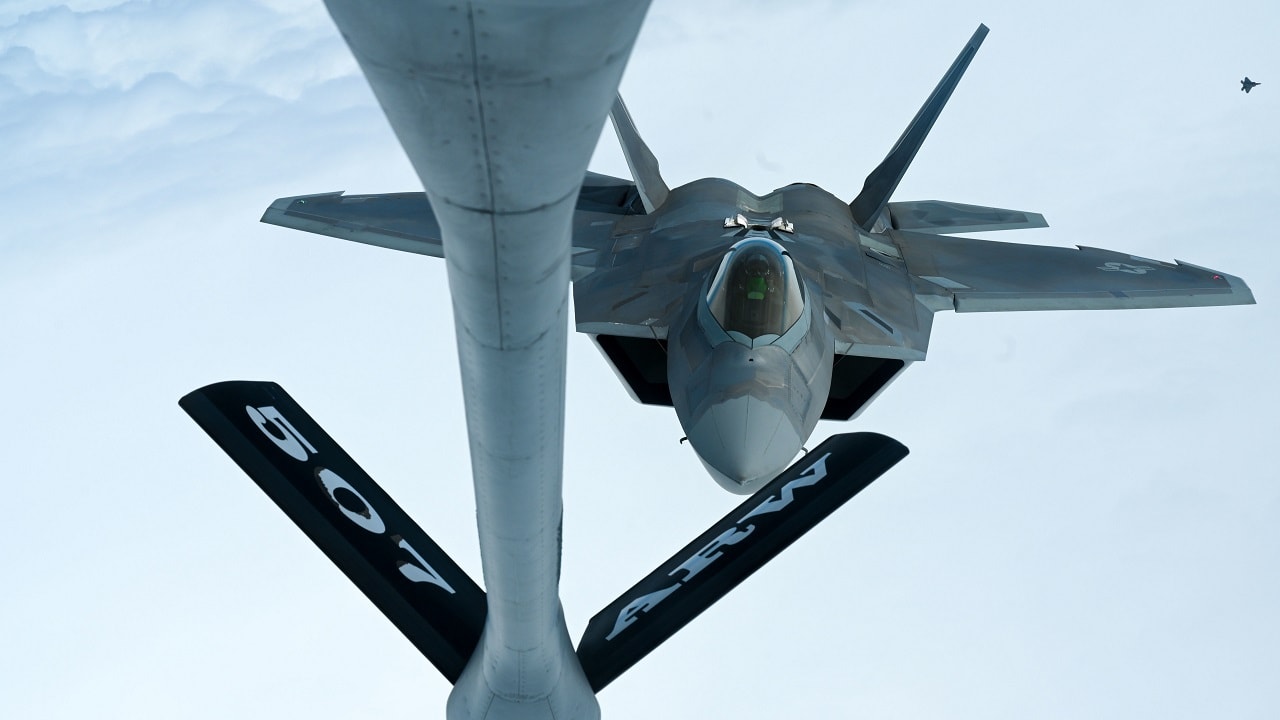
Eight F-22 Raptors with the 325th Fighter Wing at Tyndall Air Force Base, Florida, receive fuel from a KC-135 Stratotanker from the 507th Air Refueling Wing from Tinker Air Force Base, Oklahoma, Feb. 7, 2022, while the Okies flew to the U.S. Virgin Islands for training. (U.S. Air Force photo by Lauren Kelly)
The facilities at Davis-Monthan AFB are used to preserve aircraft in various stages of preservation. Some aircraft are known as Type 1000 storage, which keeps them in a high state of preservation and nearly ready for active service again.
A lower level of storage, Type 2000, denotes aircraft that can be returned to flight-ready status or used as a source of spare parts to sustain other aircraft.
The location was selected by the U.S. Air Force in part thanks to its dry, arid climate and low rainfall, which aid preservation.
The air force base is built on dry, firm ground, reducing the likelihood of aircraft slowly sinking into the ground after years of stationary storage.
Typical preservation procedures include draining the airplane’s fuel, applying a protective coating to the jets to prevent corrosion, and covering critical parts of the jet, including the engines and cockpit windows.
Operation Epic Fury
As part of the ongoing American-Israeli campaign against Iran, hundreds of aircraft from both countries’ air forces have launched thousands of strikes against targets in Iran.
A diverse mix of aircraft, including American F-35 stealth jets, F-15 strike aircraft, both stealthy and conventional strategic bombers, and Israeli aircraft, have hit targets across the country. Air-to-air refueling has been key to keeping those airplanes aloft.
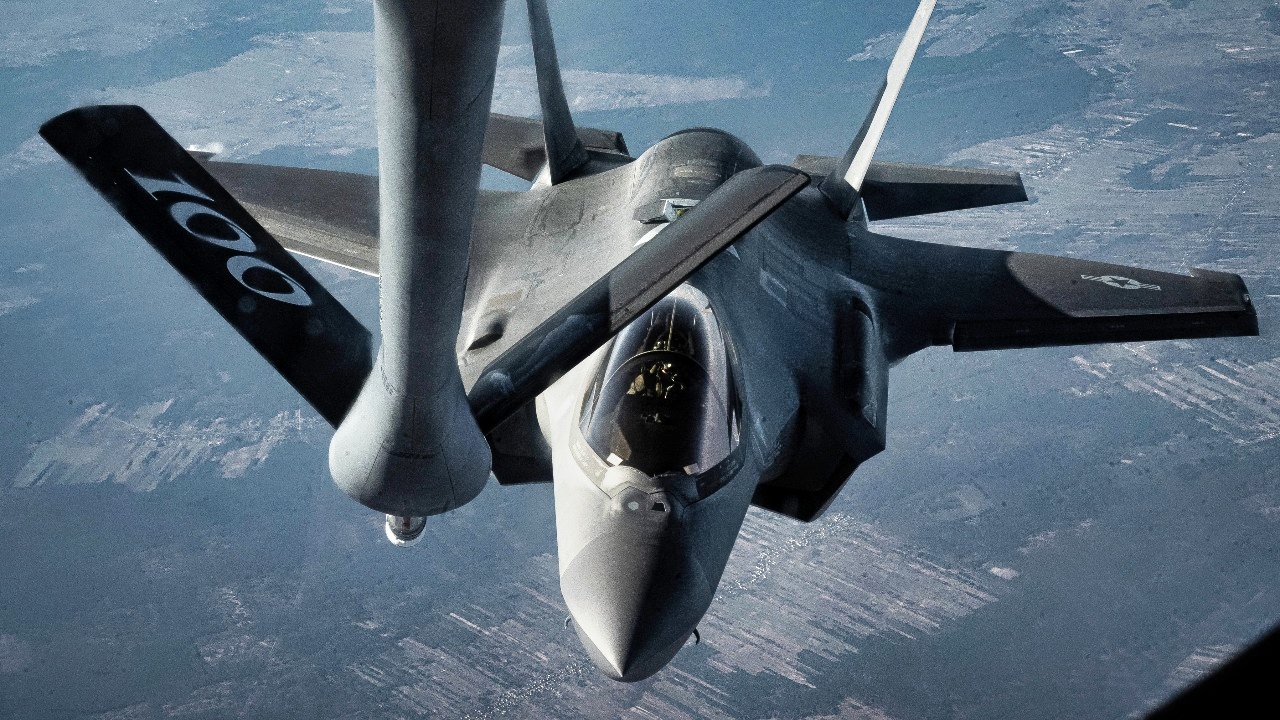
The 388th Fighter Wing’s F-35 Lightning II fifth-generation fighter prepares to receive fuel from a U.S. Air Force Boeing KC-135 Stratotanker attached to the 100th Air Refueling Wing in Eastern European airspace, Feb. 28, 2022. The KC-135 platform is key to enabling U.S. Air Forces in Europe – Air Forces Africa to project credible air power and air operations in concert with NATO allies and partners. (U.S. Air Force photo by Airman 1st Class Edgar Grimaldo)
While the joint Israeli-American campaign continues to steadily erode the Iranian military as well as the Iranian Revolutionary Guard Corps, there have also been a few notable losses.
Attrition and KC-135
Last month, a KC-135 was lost and another destroyed during an aerial refueling accident, and another was damaged, possibly significantly.
In another incident, an Iranian drone strike at a base in Saudi Arabia damaged five KC-135 tankers. In total, six tanker aircraft have been damaged and two destroyed, though it is unclear if the damaged aircraft can be repaired or will ultimately be deemed destroyed.
The United States’ tanker fleet, however, is extensive. The United States Air Force operates a fleet of over 370 KC-135s and about 100 KC-46 Pegasus aircraft, a newer refueling airplane built by Boeing.
The latter aircraft was intended to replace the KC-135 fleet, but program delays have extended its life.
Problems Galore
The KC-46 Pegasus, though in service internationally beyond just the United States Air Force, has been riddled with controversy.
One of the Pegasus’s most notorious components is the jet’s Remote Vision System, a video feed that allows refueling boom operators to see the receiving aircraft.
In some situations, the boom operator’s view of the receiving aircraft is obstructed, and the refueling probe can make contact with the receiving aircraft. For aircraft with sensitive, radar-absorbing stealth coatings, this can be a serious issue.
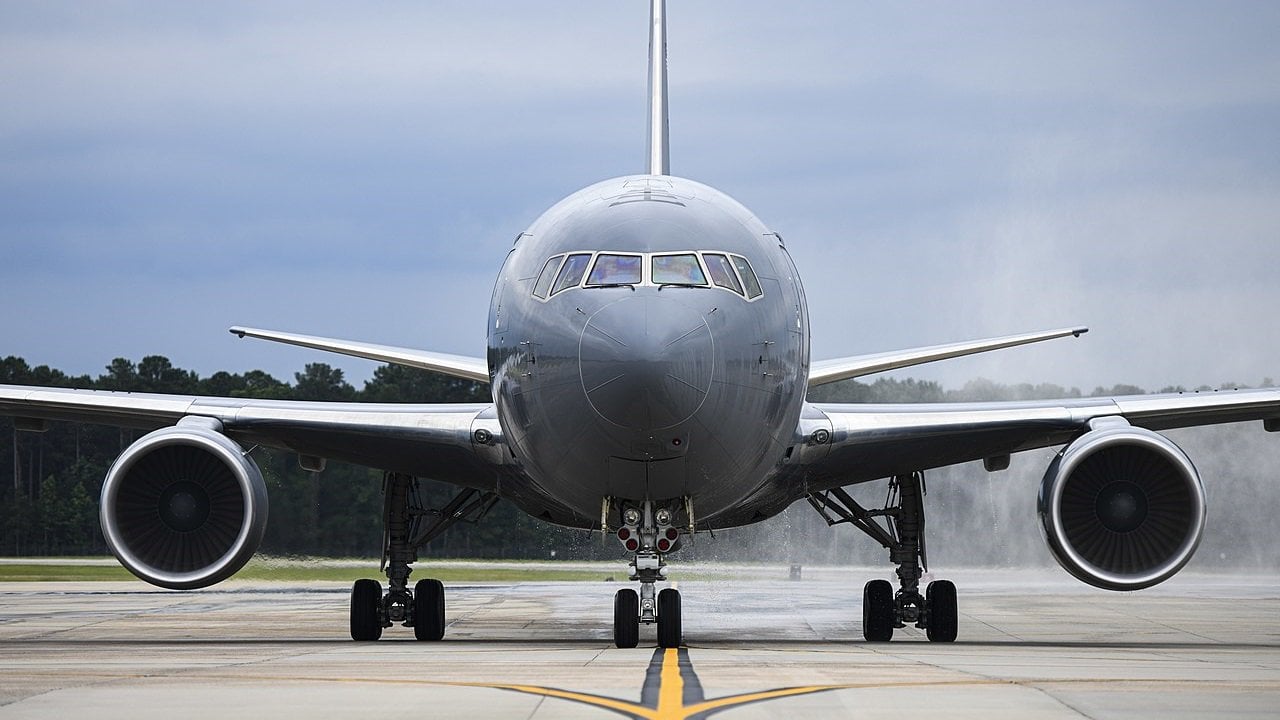
The first KC-46A Pegasus lands at Seymour Johnson Air Force Base, North Carolina, June 12, 2020. The KC-46A Pegasus is a widebody, multirole tanker that can refuel all U.S., allied and coalition military aircraft compatible with international aerial refueling procedures. (U.S. Air Force photo by Senior Airman Jacob B. Derry)

KC-46. Image: Creative Commons.
Another issue was with the refueling boom itself. Aircraft that receive fuel typically must “push” themselves forward into the boom and into refueling position.
But the Pegasus boom is much stiffer than the KC-135 boom, and aircraft that produce less thrust, like the A-10 Warthog, struggle to receive fuel.
A number of other issues have marred the KC-46 Pegasus program, including deficient fuel system seals, which can leak. Issues include problems with the jet’s auxiliary power unit drain mast, located outside the aircraft, which can crack or break free.
Into the Sky
It is not the first, and certainly not the last time that the U.S. Air Force has taken older aircraft out of storage and pressed them back into service.
Late last year, a B-1B Lancer bomber was pulled out of Davis-Monthan AFB, where the 309th Aerospace Maintenance and Regeneration Group is stationed, and returned into service after an in-service B-1B Lancer suffered catastrophic damage.
There are about 45 B-1B Lancers in service now, down from their peak during the Cold War of approximately 100 bombers.
Though the bombers were originally intended to launch nuclear weapons over the Soviet Union if that war ever became hot, the bombers have been put to use in the ongoing conflict in Iran — launching conventional, non-nuclear weapons — thanks to their relatively long loiter time, high top speed, and payload capacity.
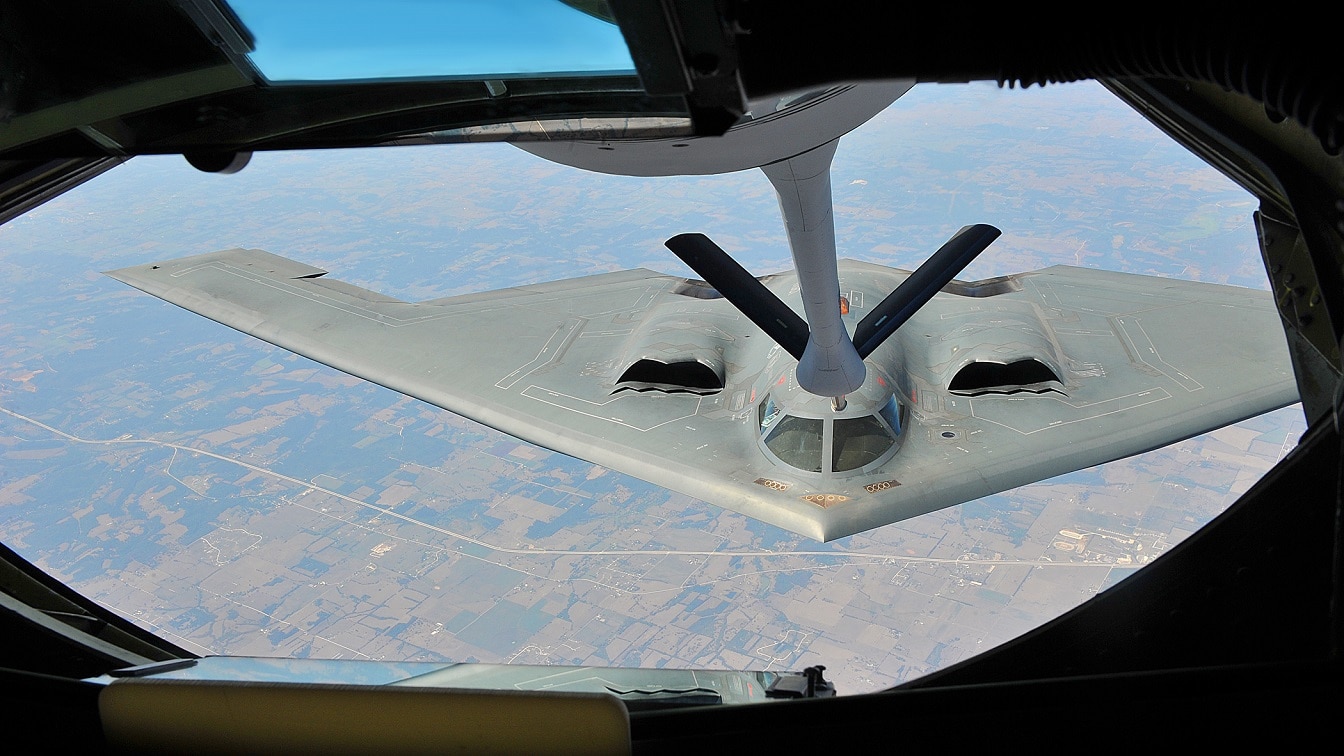
A KC-135 Stratotanker from the 22nd Air Refueling Wing refuels a B-2 Spirit from the 509th Bomb Wing, Aug. 29, 2012. A B-2 Spirit is designed to be very difficult to detect so it can better engage enemies during war efforts. (U.S. Air Force photo/ Airman 1st Class Maurice A. Hodges)
Onwards and Upwards
If more U.S. Air Force aircraft are taken from Davis-Monthan AFB for refurbishment and pressed back into service, it remains to be seen, but it will depend in large part on whether additional aircraft are lost due to accidents, mishaps, or Iranian strikes.
But the boneyard in Arizona is extensive and could theoretically revive many dozens of aircraft, including tankers and other jets.
About the Author: Caleb Larson
Caleb Larson is an American multiformat journalist based in Berlin, Germany. His work covers the intersection of conflict and society, focusing on American foreign policy and European security. He has reported from Germany, Russia, and the United States. Most recently, he covered the war in Ukraine, reporting extensively on the war’s shifting battle lines from Donbas and writing on the war’s civilian and humanitarian toll. Previously, he worked as a Defense Reporter for POLITICO Europe. You can follow his latest work on X.