
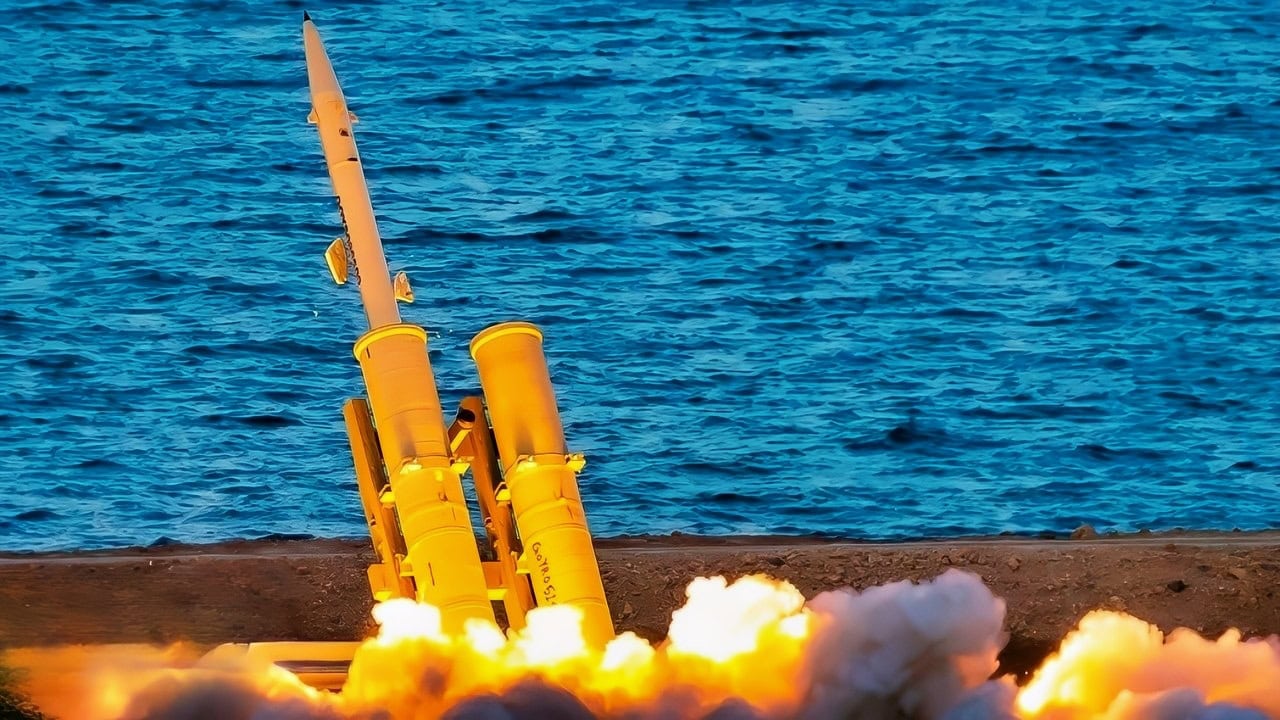
The Biggest Intelligence Failure of the Iran War? Underestimating Iran’s Missiles
An Iranian missile hit an apartment building in Haifa, Israel, killing four people. In Tel Aviv, missile strikes spread across 27 different sites injured at least two people.
More than a month into the Iran war, the Islamic Republic not only retains its capabilities to launch ballistic missiles but also surprises the United States and the region with its quantity and range.
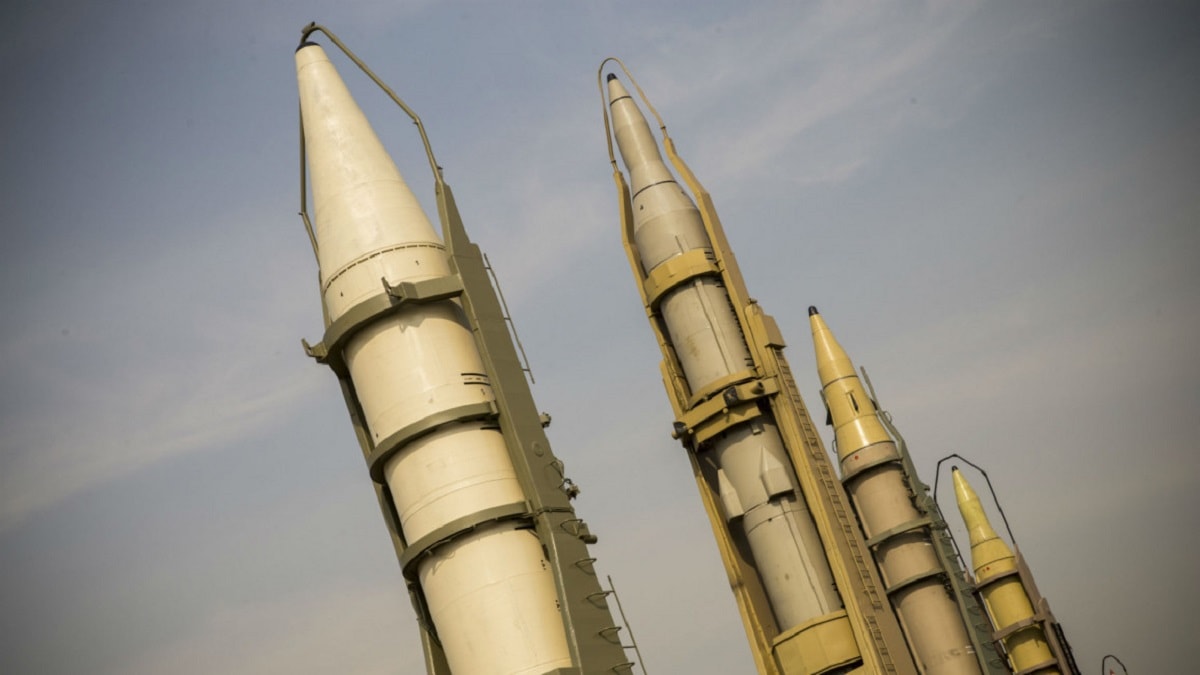
Iran’s missiles. Image Credit: Creative Commons.
Iran’s continued missile and drone attacks frustrate President Donald Trump, as he remains unable to reopen the Strait of Hormuz. Gas prices spiral. Trump has responded with polemics. “A whole civilization will die tonight, never to be brought back again,” he declared. Efforts to pin war crimes on Trump are overblown.
If Trump’s recent rhetoric suggests intent, then why ignore for 47 years the weekly Iranian chants of “death to America”?
When war goes well, everyone seeks to claim credit, but when efforts stumble, politicians and pundits criticize. This was the case with then-Senator John Kerry, who, speaking at a West Virginia town hall, explained, “I actually did vote for [Iraq war funding] before I voted against it.”
The public turned against the Iraq War for two reasons. First was the failure to find weapons of mass destruction; second was the seeming mission creep that followed the insurgency.
While partisans accused President George W. Bush of “lying” about the weapons of mass destruction in order to have a pretext to war, the intelligence failure was systematic: The late Iraqi leader Saddam Hussein bluffed his top generals into believing he had a nuclear program.
The National Security Agency intercepted phone calls between Iraqi officials discussing it. Some Iraqi officials and generals defected. Central Intelligence Agency polygraphs found no deception because they believed the bluff. Intelligence professionals were happy to fan the narrative of deliberate lies to court journalists to obscure their own mistakes.
As a result, the same dynamics that led to the weapons of mass destruction error remain unaddressed and unreformed. There should have been no shame in acknowledging the error and fixing it.
After all, intelligence is never perfect. Policymakers seldom have as much intelligence as they would like when they must pull the trigger. Analysis is not a science. Politicization remains a major problem, and unconscious biases remain.
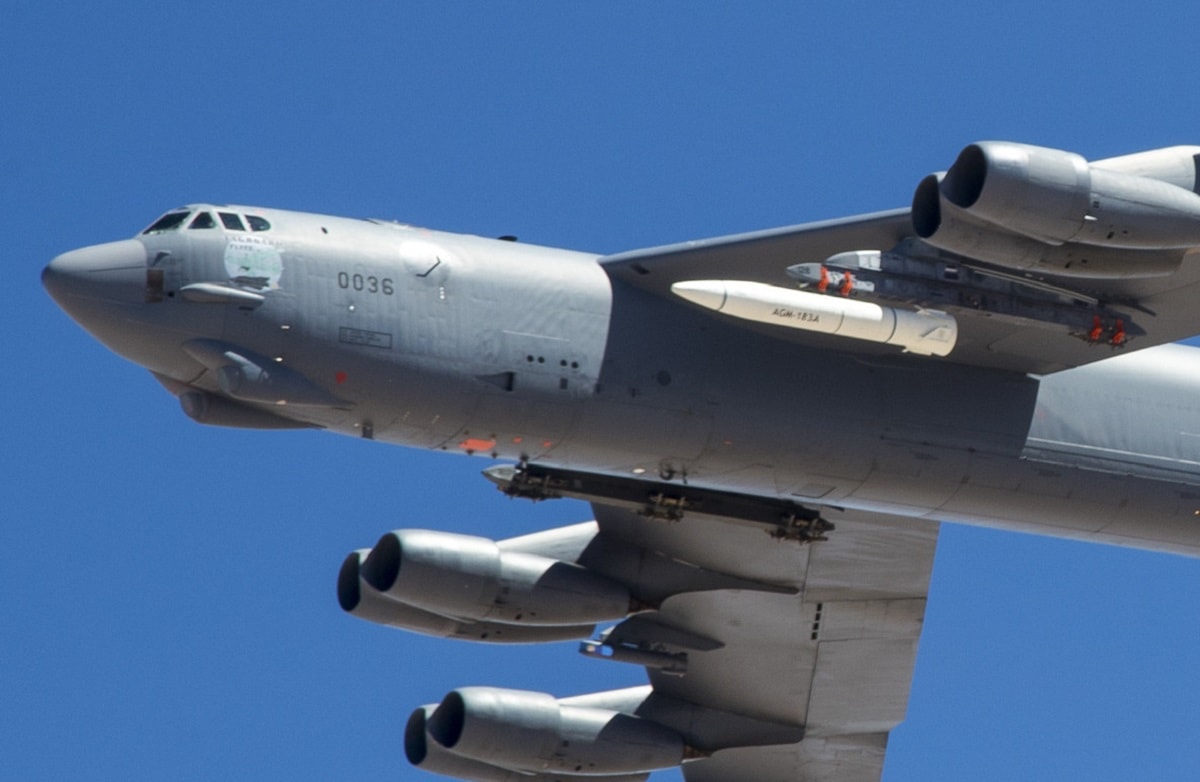
EDWARDS AIR FORCE BASE, Calif. (June 12, 2019) B-52 out of EDW carries ARRW IMV asset for its first captive carry flight over Edwards Air Force Base. (U.S. Air Force photo by Christopher Okula)
Missiles are to the Iran war what weapons of mass destruction were to the Iraq war, though the error was inverted.
While Bush exaggerated the weapons of mass destruction threat based on the intelligence the Central Intelligence Agency provided him, the United States was blindsided by the number of missiles the Islamic Republic possessed and their range.
The U.S. intelligence community appears to have undercounted Iranian missiles by more than 1,000. In public testimony in 2022, Gen. Kenneth McKenzie estimated that Iran possessed 3,000 ballistic missiles.
By June 2025, the Islamic Republic was producing at least 50 missiles per month. U.S. strikes destroyed only about one-third of Iranian missiles. The Pentagon and Defense Intelligence Agency appear to have subsequently overestimated the effectiveness of its strikes and underestimated the total Iranian arsenal.
Errors also surround estimates of Iranian ballistic missile range and precision. The Congressional Research Service prides itself on neutrality but took a partisan turn during the Obama administration, laundering progressive punditry as fact. It hired an analyst who footnoted himself and appeared credulous of Iranian propaganda. Its subsequent reports took Iranian declarations at face value about limiting ballistic missile range to 1,864 miles.
In 2018, however, the Islamic Revolutionary Guard Corps announced Iran could extend its missile range. Iranian officials also bragged about increasing targeting precision. The Iranian launch of two missiles toward Diego Garcia suggests U.S. estimates about missile range were off by as much as 50 percent.
The targeting of Gulf Arab security structures illustrates that Iranian rhetoric about its arsenal’s precision was not empty. That the U.S. intelligence community did not predict Iranian targeting of industrial facilities and zones in states like Qatar and Oman, both sympathetic to the Islamic Republic, also represents an intelligence failure.
While analysts now understand that much of Iran’s missile infrastructure was underground, this should not have come as a surprise. In the 2006 Israel-Hezbollah war, the Israel Defense Forces sought to eradicate Hezbollah’s arsenal in the first hours of the war. In hindsight, it appears Hezbollah fooled them with decoys. Just as Iran enjoys Russian help today, Hezbollah received North Korean assistance. North Korean engineers dug tunnels into mountains and let Israeli satellites and surveillance aircraft photograph piles of debris and bulldozers; only in hindsight did analysts understand that it was purposeful.
The North Koreans were much more careful to conceal the real missile depots. Indeed, much of the debate surrounding Secretary of State Condoleezza Rice’s removal of North Korea from the state sponsor of terror list in 2008 centered around the North Korean regime’s relationship to Hezbollah and the Tamil Tigers. It appears that rather than learn the lessons from Israel’s failure in 2006, the Defense Intelligence Agency arrogantly just assumed they could do better.
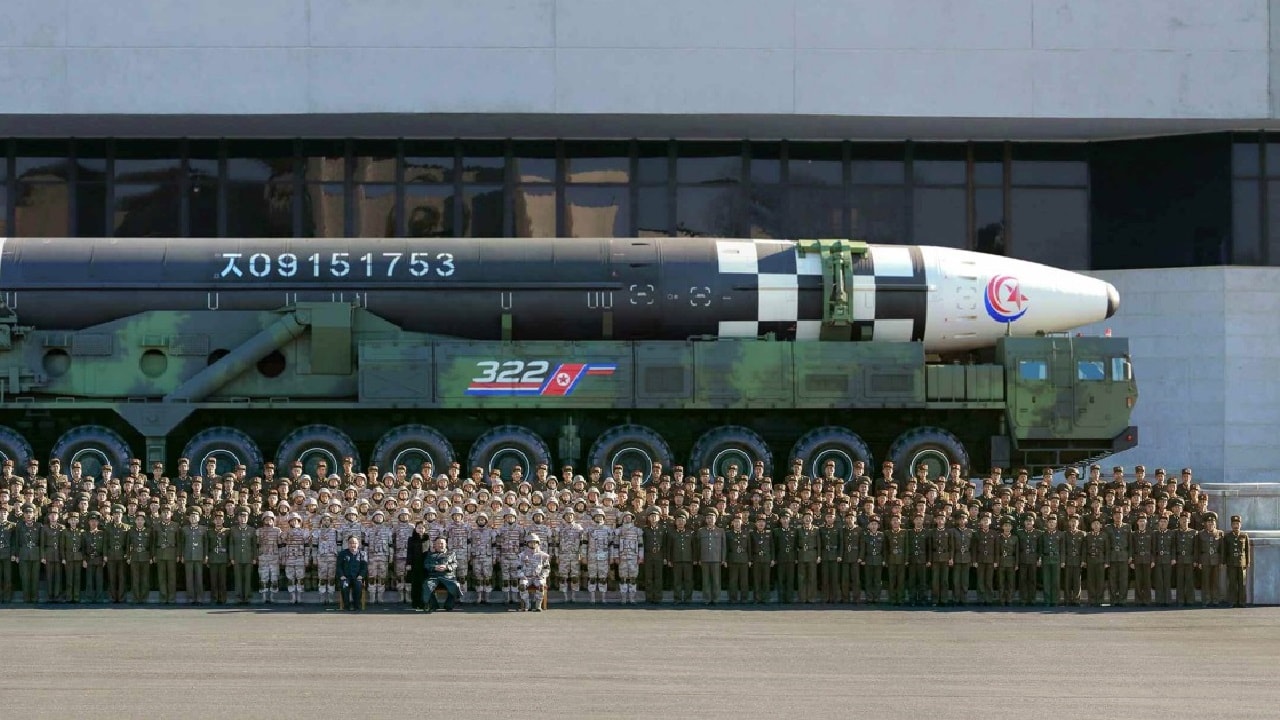
North Korea ICBM. Image Credit: KCNA.
Discussion about Trump’s polemics or debates about the timing of the war and its wisdom all touch upon political judgment, but the failure to estimate Iran’s quantity and quality of its arsenal raises other questions.
The U.S. intelligence community likes to sweep errors under the rug, protect its institutional interests, and shift blame in the debate.
While there is much to blame Trump for, Congressional oversight should not let the intelligence community escape accountability. It is time for a Congressional investigation into the failures of the Iran war, with the goal not of assigning blame but of ensuring undercounts do not persist.
About the Author: Dr. Michael Rubin
Michael Rubin is a senior fellow at the American Enterprise Institute and director of policy analysis at the Middle East Forum. The opinions and views expressed are his own. A former Pentagon official, Dr. Rubin has lived in post-revolution Iran, Yemen, and both pre- and postwar Iraq. He also spent time with the Taliban before 9/11. For more than a decade, he taught classes at sea on the Horn of Africa and the Middle East, covering conflicts, culture, and terrorism to deployed U.S. Navy and Marine units. The views expressed are the author’s own.