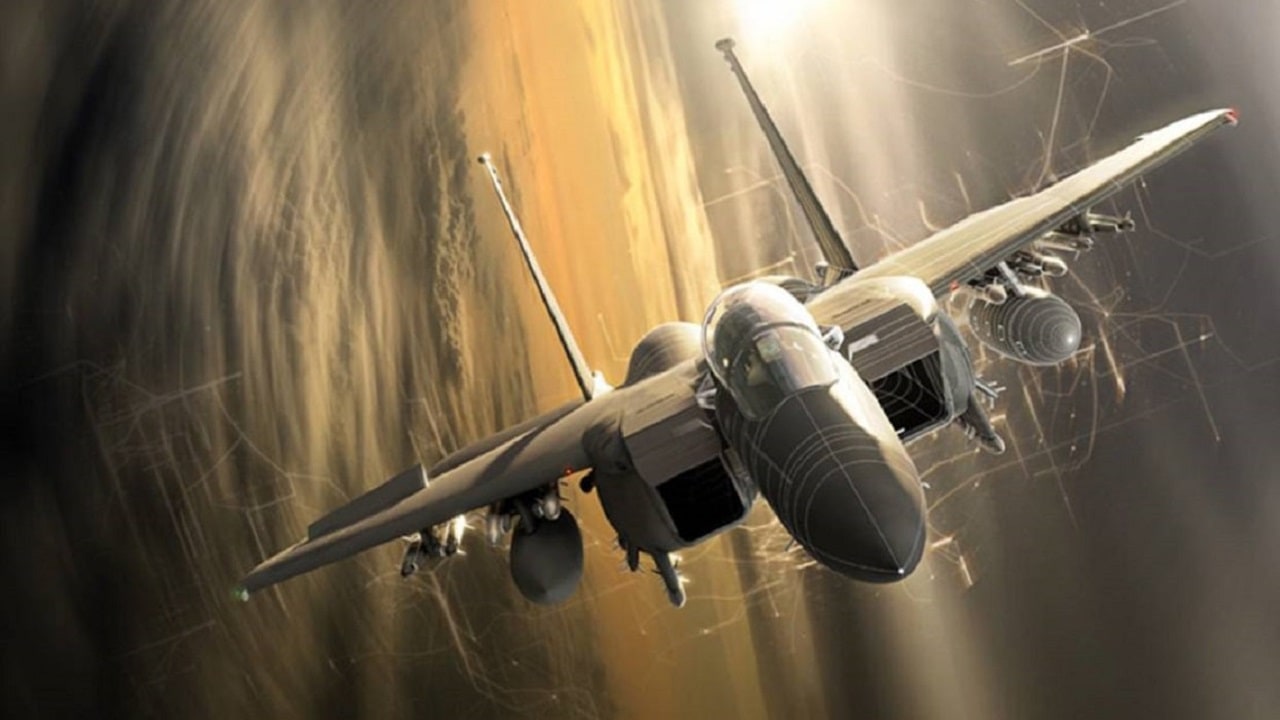
Summary and Key Points: Drawing on his background as President of Warrior Maven, Kris Osborn analyzes how the U.S. military is using the current Iran conflict as a real-world testing ground for a future war with China.
-From B-2 stealth bombers executing “effects-based” bunker-buster strikes during Operation Midnight Hammer to the rapid depletion of Tomahawk cruise missile stockpiles, Osborn argues that tactical victories are exposing strategic industrial vulnerabilities.

B-2 Spirit Stealth Bomber 19FortyFive Image. Taken By Harry J. Kazianis at U.S. Air Force Museum in 2025.
-As Patriot batteries intercept drone swarms and cyber units disrupt Iranian radar, the true lesson of this Middle Eastern laboratory is that surviving the Indo-Pacific will require massive stockpile depth and hardened logistics.
Precision vs. Production: The Alarming Tomahawk Burn Rate in the Iran War
The U.S. war effort in Iran has created a real-world testing ground of U.S. military capabilities that might be needed in a potential future conflict with China.
While Iran and China differ greatly in scale and power, the current conflict can serve as a laboratory for refining tactics, technologies, and operational concepts that would be critical in a showdown with a more powerful adversary.
One of the most significant lessons from U.S. attacks on Iran is the effectiveness of precision strikes against hardened and dispersed targets.
Strikes on Iranian nuclear facilities in 2025 as part of Operation Midnight Hammer demonstrated the U.S. military’s ability to destroy deeply buried sites using bunker-buster bombs delivered by B-2 stealth aircraft.
Similarly, the recent bombing of Kharg Island targeted over 90 military sites with high precision while deliberately avoiding energy infrastructure.
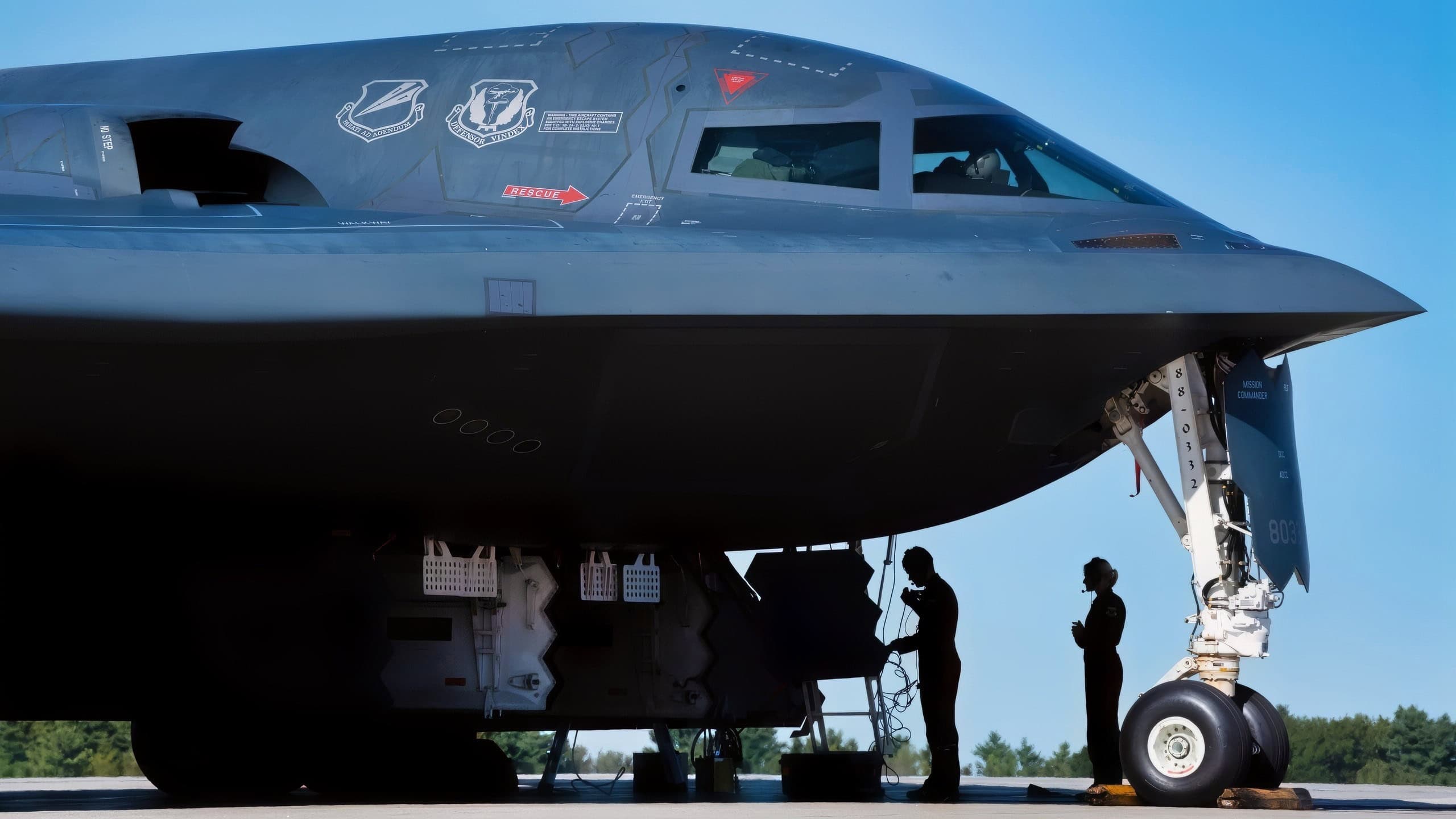
A U.S. Air Force pilots assigned to the 393rd Bomb Squadron prepare a B-2 Spirit aircraft for hot-pit refueling at Pease Air National Guard Base, New Hampshire, Sept. 20, 2025. The aircraft is the first operated by the 509th Bomb Wing to land at Pease ANGB, formerly Pease Air Force Base, since the 509 BW, formerly 509th Bombardment Wing, was stationed at Pease AFB and the active-duty base closed nearly 35 years ago. The lineage of the 509th BW traces back to the World War II Era when the 509th Composite Group dropped the atomic bombs on Japan. (U.S. Air Force photo by Staff Sgt. Joshua Hastings)
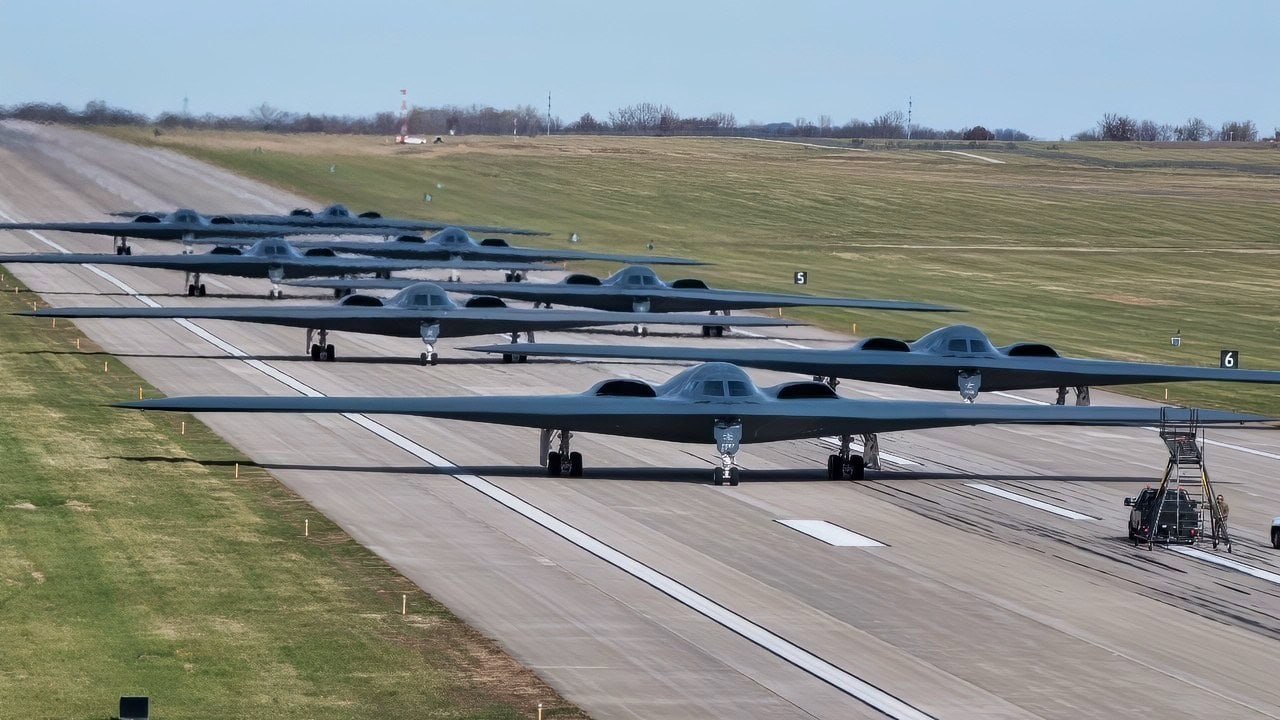
B-2 Spirit stealth bombers assigned to Whiteman Air Force Base taxi and take-off during exercise Spirit Vigilance on Whiteman Air Force Base on November 7th, 2022. Routine exercises like Spirit Vigilance assure our allies and partners that Whiteman Air Force Base is ready to execute nuclear operations and global strike anytime, anywhere. (U.S. Air Force photo by Airman 1st Class Bryson Britt)
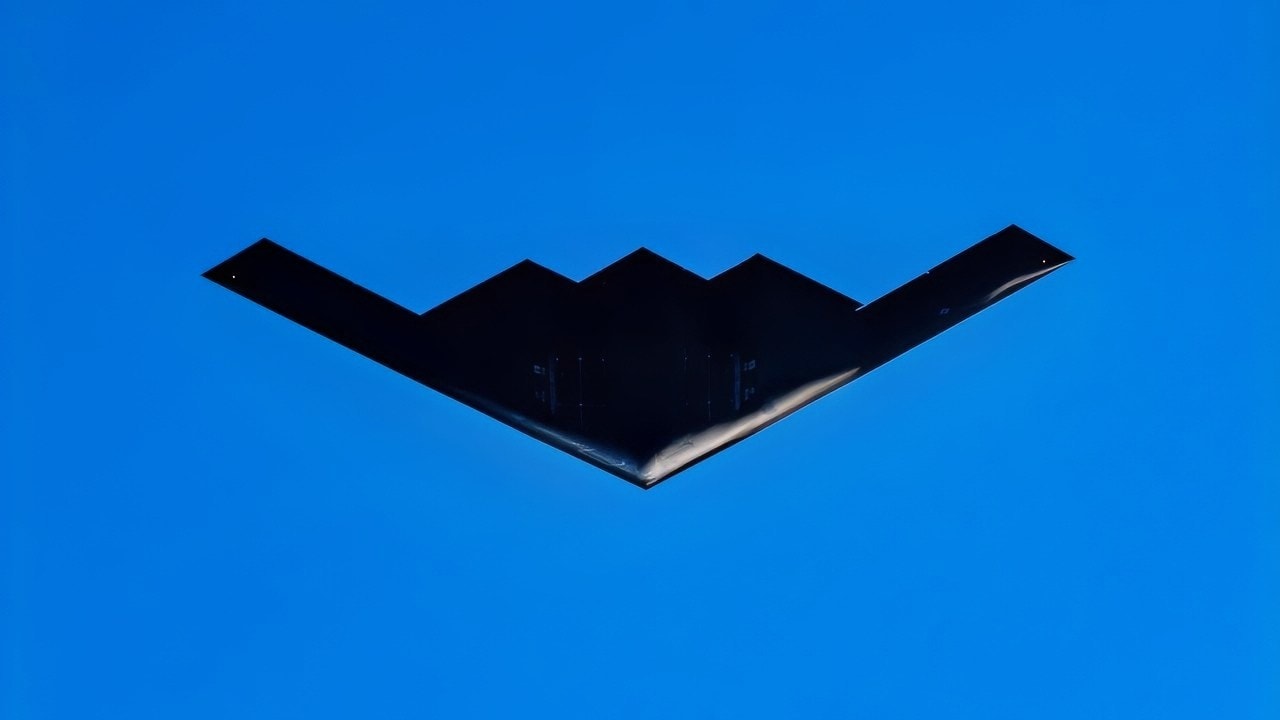
The B-2 Spirit flies over the Rose Parade at Pasadena Ca., Jan. 1, 2024. The Rose Parade is a parade of flower covered floats, marching band, and equestrian units that is produced by the Tournament of Roses. (U.S. Air Force photo by Airman 1st Class Bryce Moore)
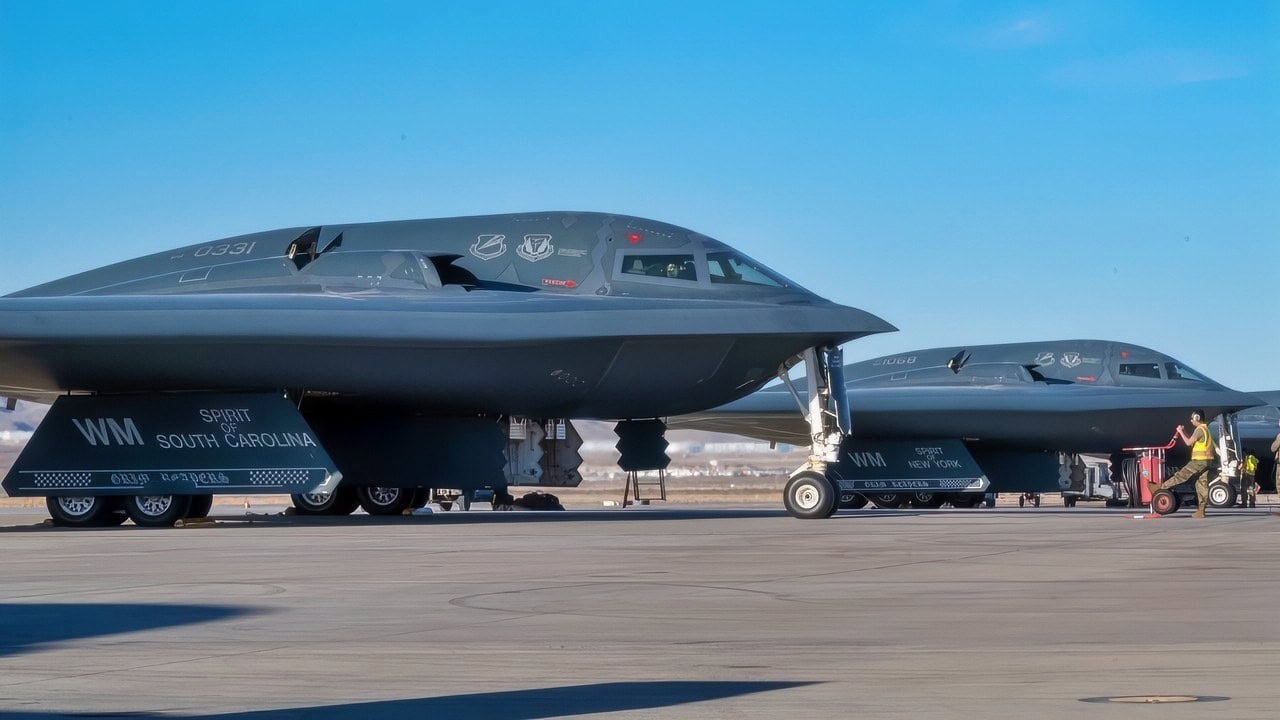
Three B-2 Spirit stealth bombers prepare for departure during Exercise Bamboo Eagle at Nellis Air Force Base, Nevada, Feb. 10, 2025. Bamboo Eagle incorporates multiple mission scenarios, preparing aircrews for complex operational challenges. (U.S. Air Force photo by Senior Airman Bryson Sherard.)
These operations highlight the importance of intelligence and advanced munitions in achieving strategic objectives without unnecessary escalation.
Pentagon analysts call this “effects-based” warfare, a philosophical approach to air attack that seeks to exact a specific outcome without destroying the infrastructure of the attacked country.
Precision Munitions
However, the Iran conflict also exposes a critical limitation: the rapid consumption of precision munitions.
Multiple reports indicate that U.S. forces have burned through large numbers of Tomahawk cruise missiles and other high-end weapons during operations against Iran, raising concerns about long-term readiness.
This has direct implications for a potential conflict with China, which would require far greater volumes of munitions over a longer period. The lesson is clear—industrial capacity and stockpile depth are just as important as battlefield performance. Without sufficient production and replenishment capabilities, even the most advanced military can face shortages in a prolonged war.
Another crucial lesson involves missile defense and the challenge of countering swarm attacks. Iranian missile launches and drone attacks have provided U.S. forces with real combat experience in intercepting incoming threats.
For example, a large-scale Patriot missile engagement during an Iranian attack allowed U.S. crews to defend against ballistic missiles. These experiences are directly applicable to the Indo-Pacific, where U.S. bases and ships would face even more sophisticated and numerous missile threats from China. At the same time, the Iran conflict has revealed how quickly defensive interceptors can be depleted during sustained attacks, underscoring the need for more efficient and scalable defense systems.
Iran’s asymmetric attacks also provide important insights. The recent Iranian drone strike on a U.S. logistics hub in Kuwait demonstrated how relatively low-cost systems can disrupt critical infrastructure and inflict casualties.
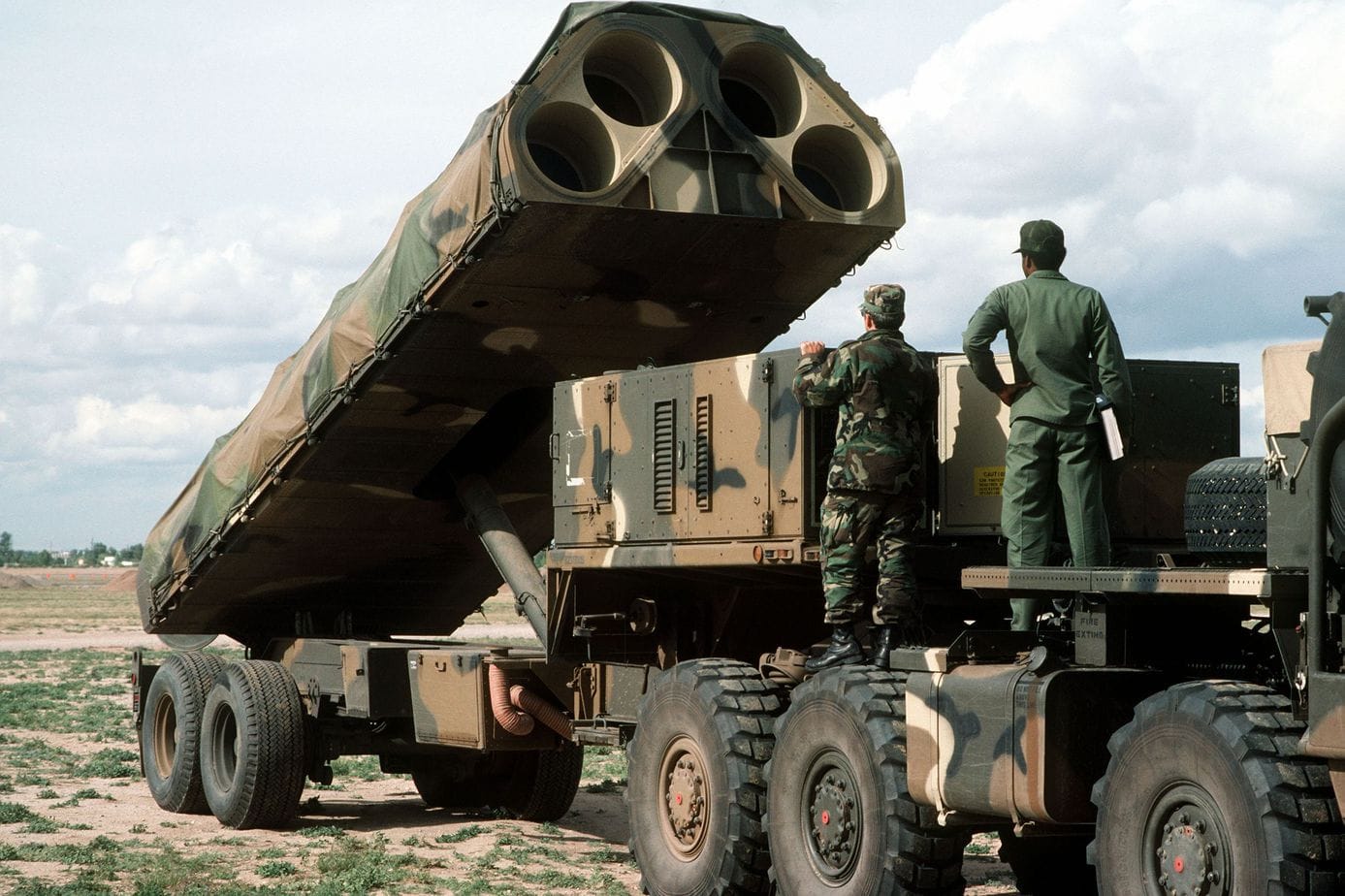
Image of land-based Tomahawk missile from the 1980s.
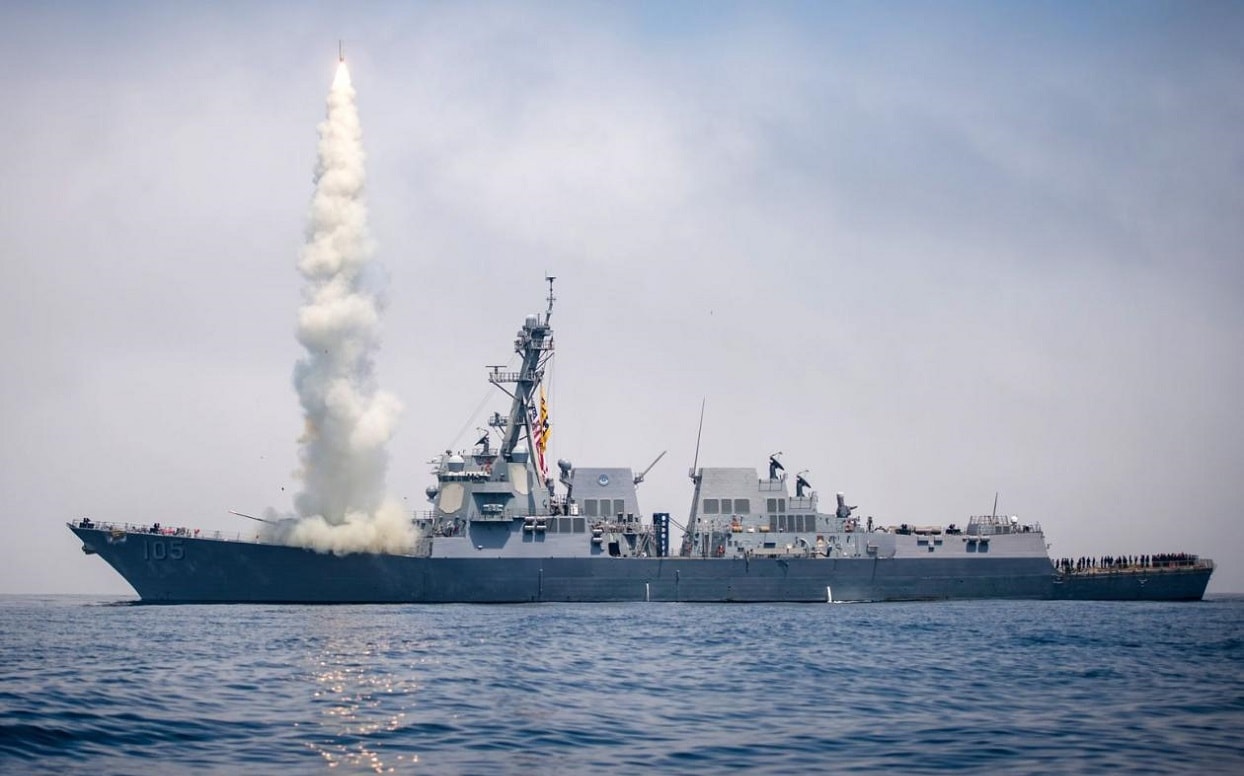
Tomahawk Cruise Missile. Image Credit: US Navy.
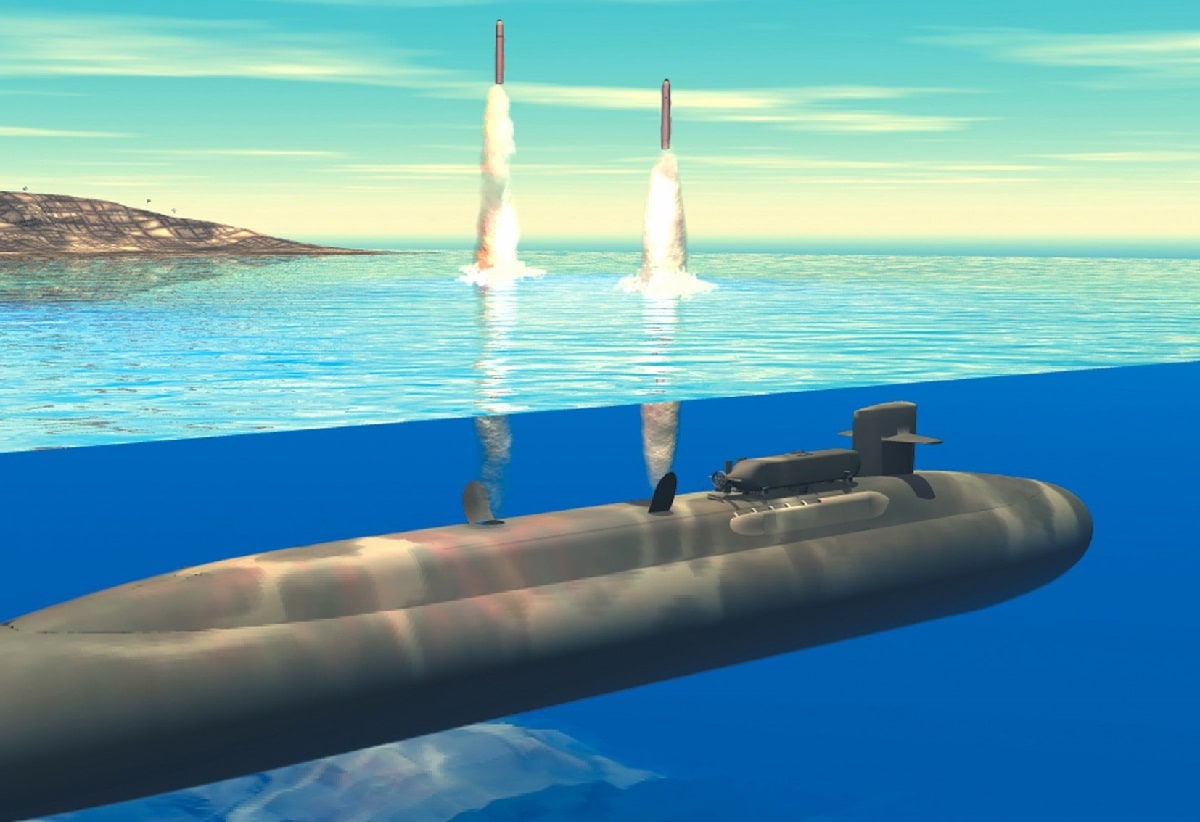
Image: Artist’s concept of an Ohio-class SSGN launching Tomahawk Land Attack Missiles.
This highlights the vulnerability of U.S. supply chains and forward bases—an issue that would be even more pronounced in the vast Indo-Pacific theater. In a conflict with China, protecting logistics hubs, ports, and airfields from drone and missile attacks would be essential to sustaining operations.
Cyber & AI
Cyber operations and electronic warfare are another area in which the Iran conflict offers valuable lessons. U.S. operations reportedly included cyberattacks and electronic warfare measures to disrupt Iranian communications, radar systems, and missile networks.
These capabilities would likely play an even larger role in a war with China—both sides would possess advanced cyber and electronic warfare tools.
Finally, the Iran conflict demonstrates the global and geopolitical dimensions of modern warfare.
China’s economic and strategic ties to Iran—particularly its reliance on Middle Eastern oil—mean that U.S. actions in the region can indirectly affect Chinese interests.
Additionally, reports of Chinese and Russian cooperation with Iran suggest that conflicts are increasingly interconnected.
This reinforces the importance of alliances, diplomacy, and economic strategy in any potential conflict with China.
About the Author: Kris Osborn
Kris Osborn is the President of Warrior Maven – Center for Military Modernization. Osborn previously served at the Pentagon as a highly qualified expert in the Office of the Assistant Secretary of the Army—Acquisition, Logistics & Technology. Osborn has also worked as an anchor and on-air military specialist at national TV networks. He has appeared as a guest military expert on Fox News, MSNBC, The Military Channel, and The History Channel. He also has a Master’s Degree in Comparative Literature from Columbia University.