
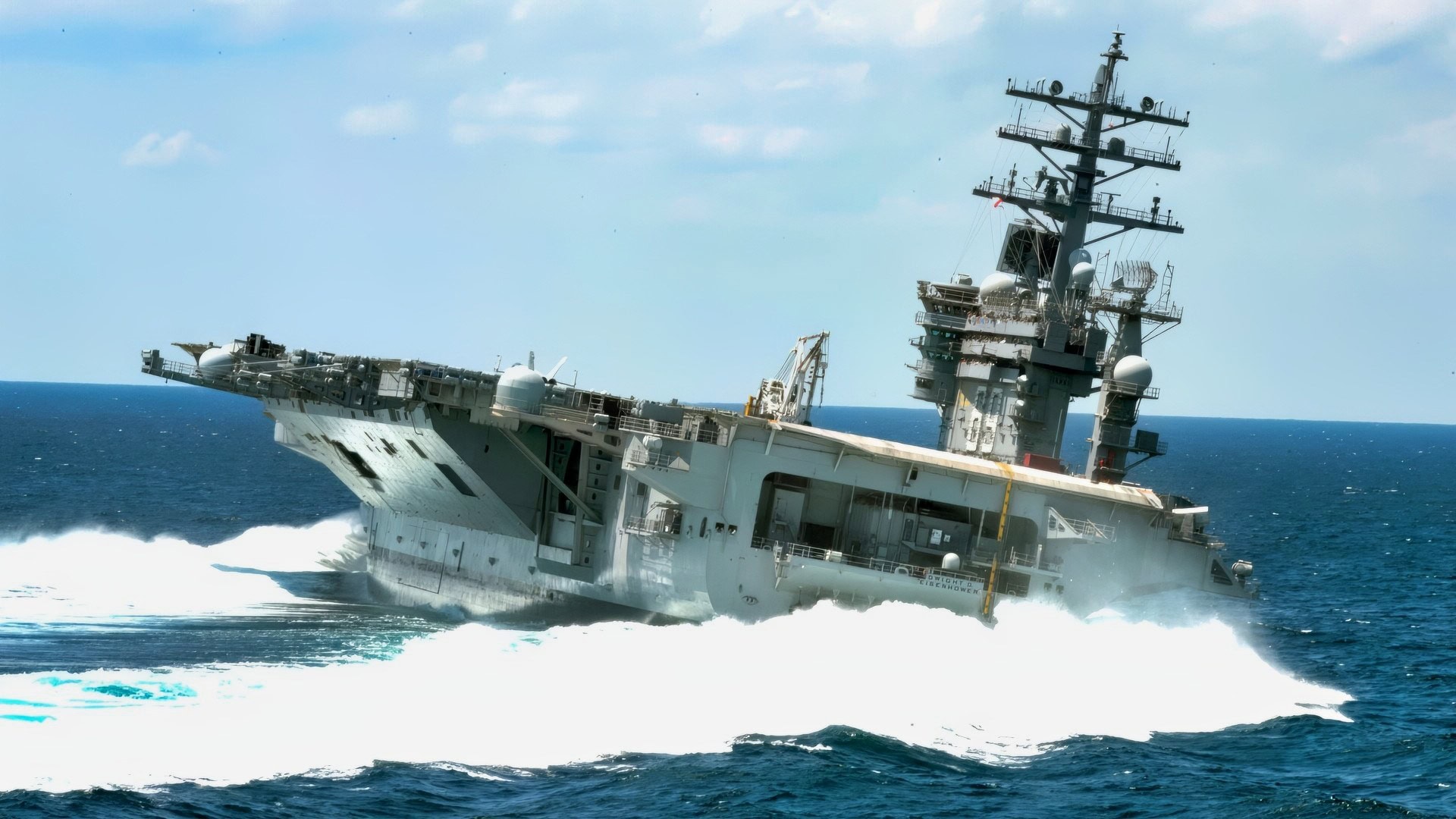
U.S. Central Command has announced that the United States will blockade the Strait of Hormuz beginning today. This is a surprising move that comes after marathon negotiations between Tehran and Washington failed to yield a deal to end the war. After 21 hours of talks, U.S. President Donald Trump decided to take action in the Persian Gulf.
The blockade affects all ship movements from Iranian ports, including facilities in the Arabian Gulf and the Gulf of Oman.
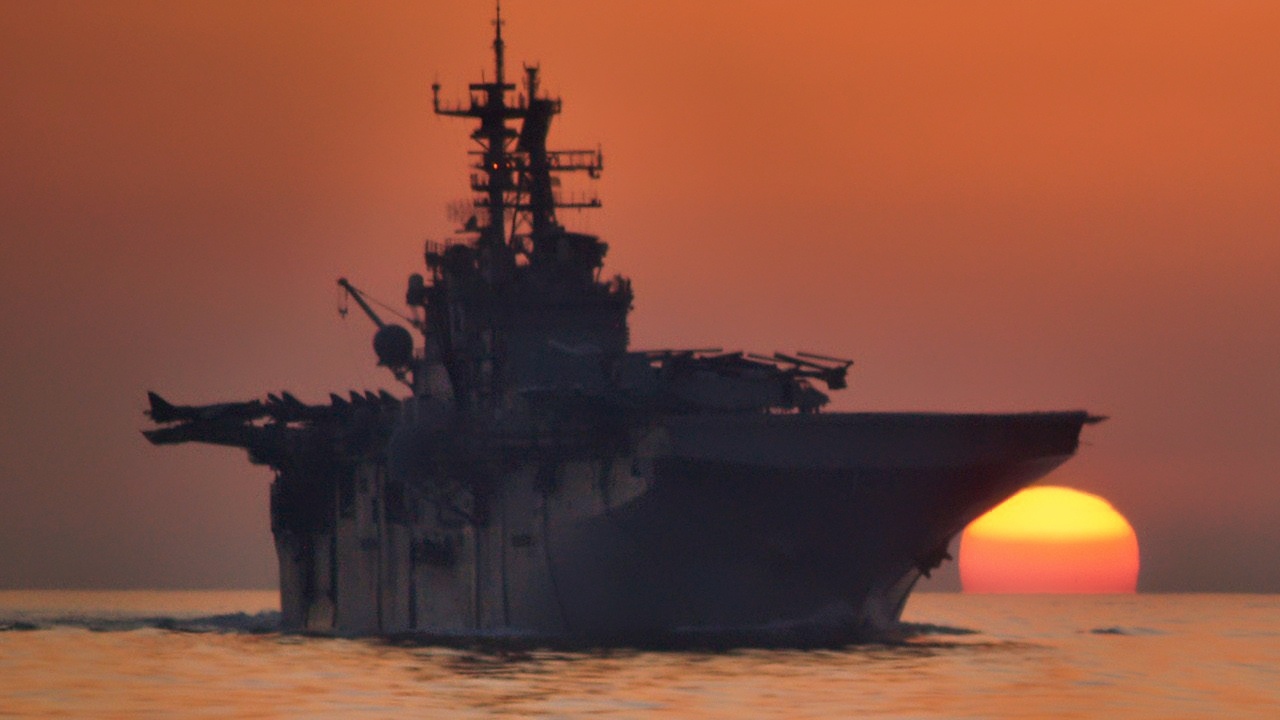
The amphibious assault ship USS Bataan (LHD 5) transits the Strait of Hormuz.
Trump Wants to Stop the Ability of Iran to Charge Tolls for Strait of Hormuz Passage
If vessels use non-Iranian ports, they will not be subject to the action. Trump is furious that Iran has charged tolls to some ships transiting the Strait of Hormuz, a key waterway through which passes 20- 25 percent of the world’s oil and liquefied natural gas.
“No one who pays an illegal toll will have safe passage on the high seas,” Trump said. “Iran will never be able to charge tolls.”
Iran Needs Cash Badly
Trump also explained that he did not want the Iranians to sell any oil. One sticking point in negotiations is that Tehran wants some form of reparations payments to rebuild its country after thousands of U.S.-Israeli strikes during Operation Epic Fury. Talks also stalled over Iran’s wish to enrich uranium for nuclear weapons, an activity the United States wishes to forbid.
Iran Had Its Own Blockade That Essentially Close Traffic
Iran earlier established its own blockade, threatening the use of sea mines and missiles to keep maritime traffic through the strait essentially closed. Iran allowed its own oil tankers to pass through the choke point.
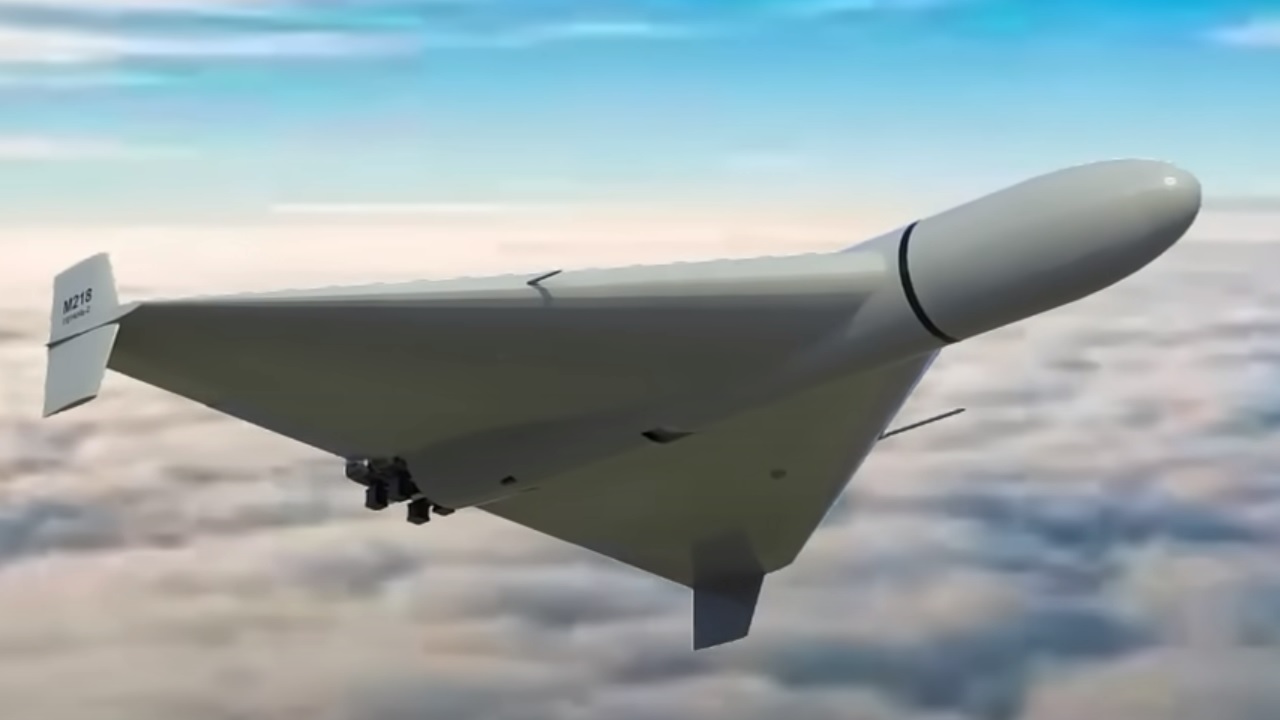
Shahed-136 Drone. Image Credit: YouTube Screenshot.
The U.S. Navy Needs More Ships to Patrol the Quarantine
The blockade will require a large number of ships—potentially two aircraft carrier strike groups. The U.S. Navy has the USS Abraham Lincoln (CVN-72) carrier in the region, and the USS George H.W. Bush (CVN-77) will join soon.
Retired U.S. Navy Admiral James Stavridis said the Americans would also need at least 12 destroyers and frigates to make the quarantine effective.
“So you try and bottle it up on both sides,” Stavridis told CNN. “The bottom line: this is a big task, and it’s a big gamble.”
U.S. Marines Are on Standby
A U.S. Marine Corps expeditionary unit present in the region also is capable of deploying on land if needed. Such units typically consist of three ships and about 2,000 Marines.
This Is Economic Warfare
This is a form of economic warfare, Stavridis explained. “It puts economic pressure on Tehran without destroying the oil facilities, which you should want to preserve into the future,” he said. “So big complicated undertaking, hardly a trivial move on the chess board we’ve been watching.”
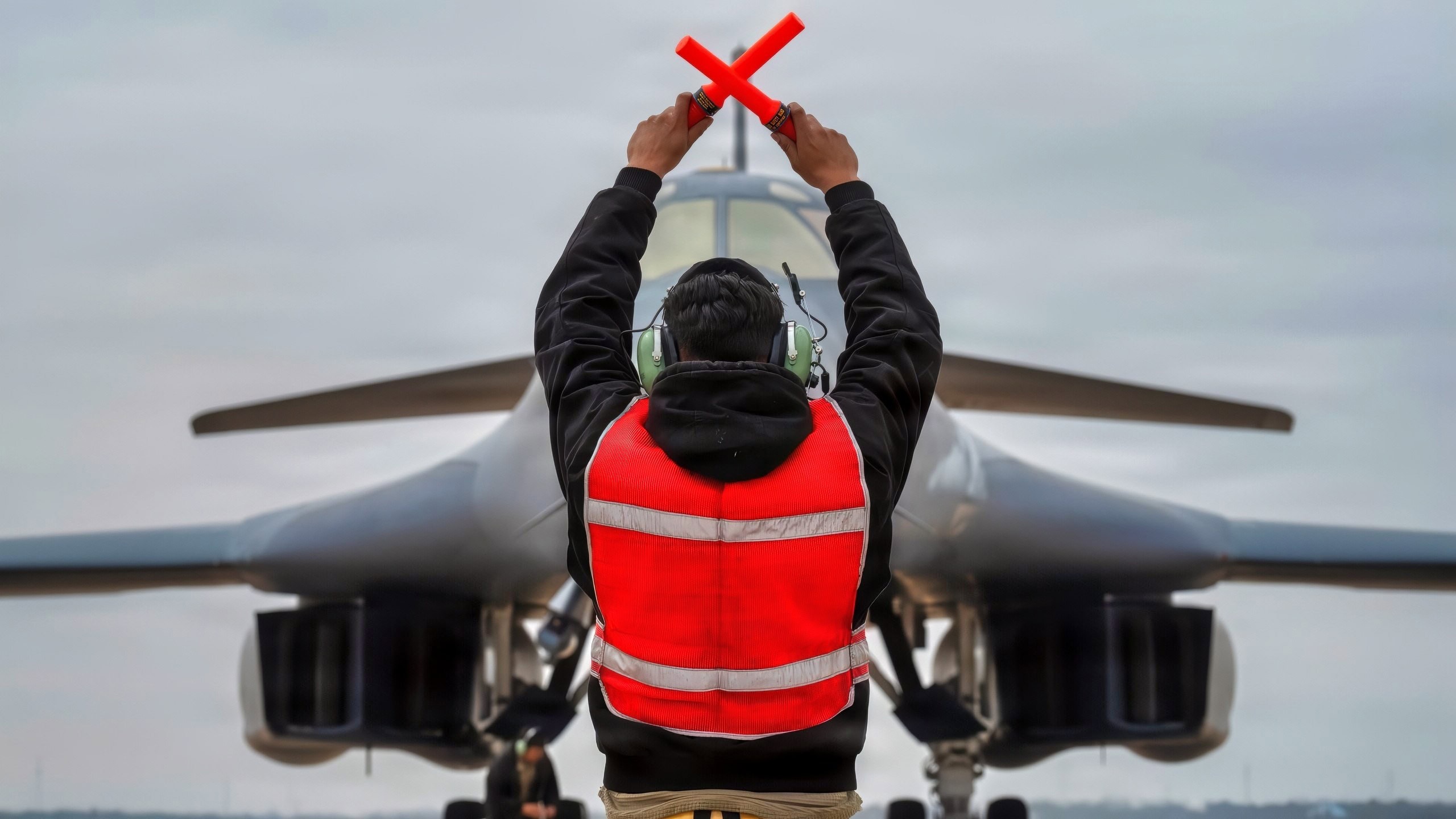
A U.S. Air Force B-1B Lancer crew chief marshals a B-1 after returning from a CONUS-to-CONUS mission in support of Operation Epic Fury, March 4, 2026. The B-1B is a long-range, multi-role bomber that carries the largest payload of precision guided and unguided munitions in the Air Force inventory. (U.S. Air Force photo)
The blockade aims to punish the Iranian economy until Iran yields to U.S. demands.
“The U.S. can implode Iran’s economy by shutting down its oil exports,” Robin Brooks, a senior fellow at the Brookings Institution, wrote on March 13. “That might open up the Strait of Hormuz a lot faster than anything else. Time to implode Iran’s economy and give the Ayatollahs a taste of their own medicine.”
Oil Expected to Rise
Oil rose 7 percent on April 13, trading around $97 a barrel as of 9:15 a.m. Many Americans are reeling from high gasoline prices, and more pain at the pump is expected this week.
U.S. Warships Could Be Magnets for Attack
Having so many U.S. vessels in the strait risks an attack by Iran using anti-ship missiles, sea mines, drones, and fast-attack boats.
On April 11, two U.S. destroyers were deployed to begin scouting the locations of such threats and begin enforcing a “no-go” area in the strait. The Iranians are expected to try to smuggle oil around the U.S. blockade and lay more mines.
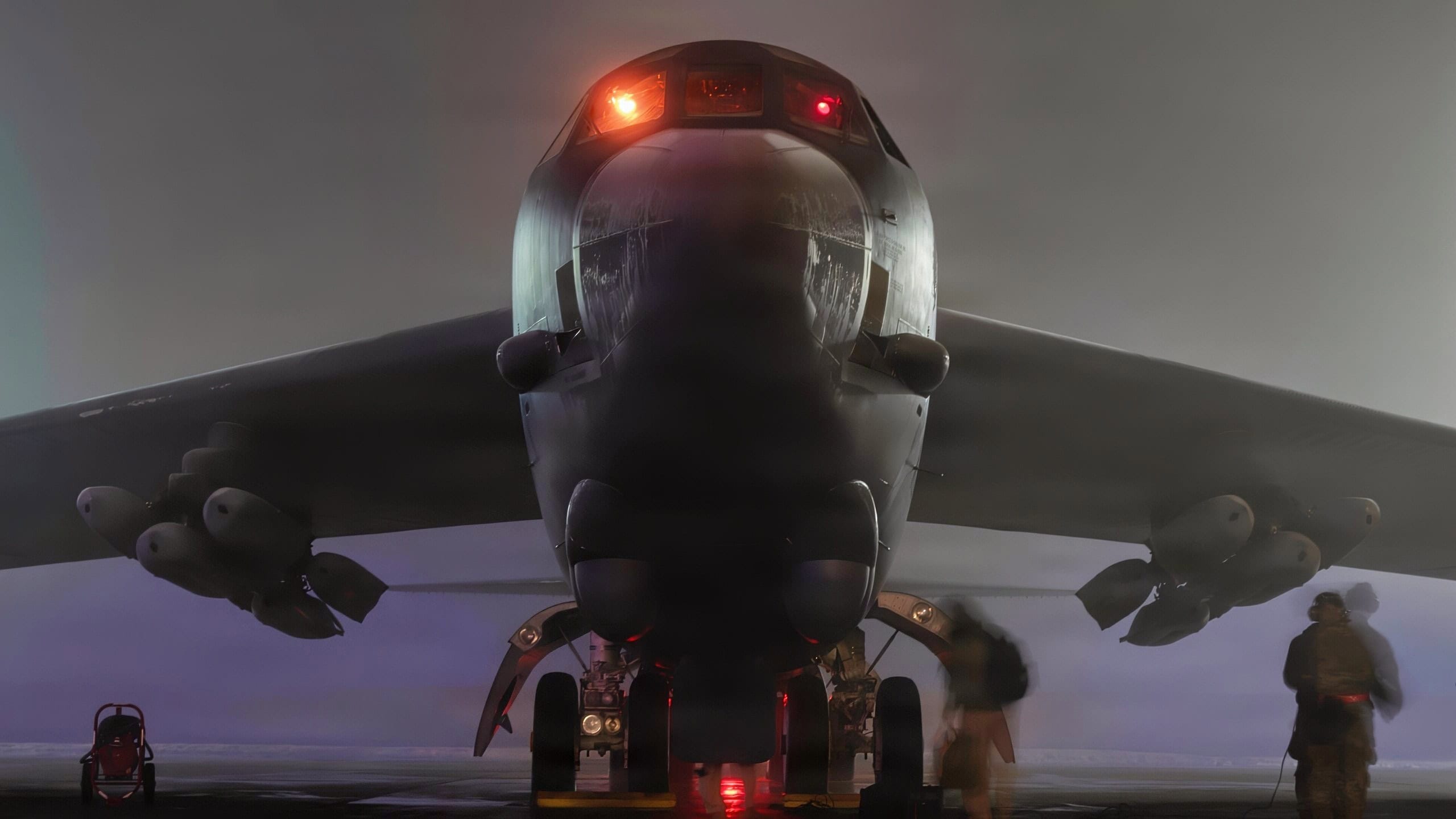
Aircrew members board a B-52H Stratofortress prior to taking off in support of Operation Epic Fury, March 4, 2026. (U.S. Air Force photo)
Iran Would Have a Kill Zone
The Navy could risk losing ships if they navigate in an Iranian “kill zone” amid heavy traffic. They could suffer accidental or deliberate ramming, and would be vulnerable to small, fast-moving kamikaze boats seeking to crash into U.S. ships. Iranian personnel also could use shoulder-fired MANPADS missiles to fire at helicopters or fighter jets.
Bye-Bye Ceasefire
Any kinetic attack on naval vessels would end the fragile ceasefire and create an opportunity for the United States to continue air strikes on Iranian military targets and naval assets. The total elimination of Iranian swift boats has been difficult because of their high number and small size.
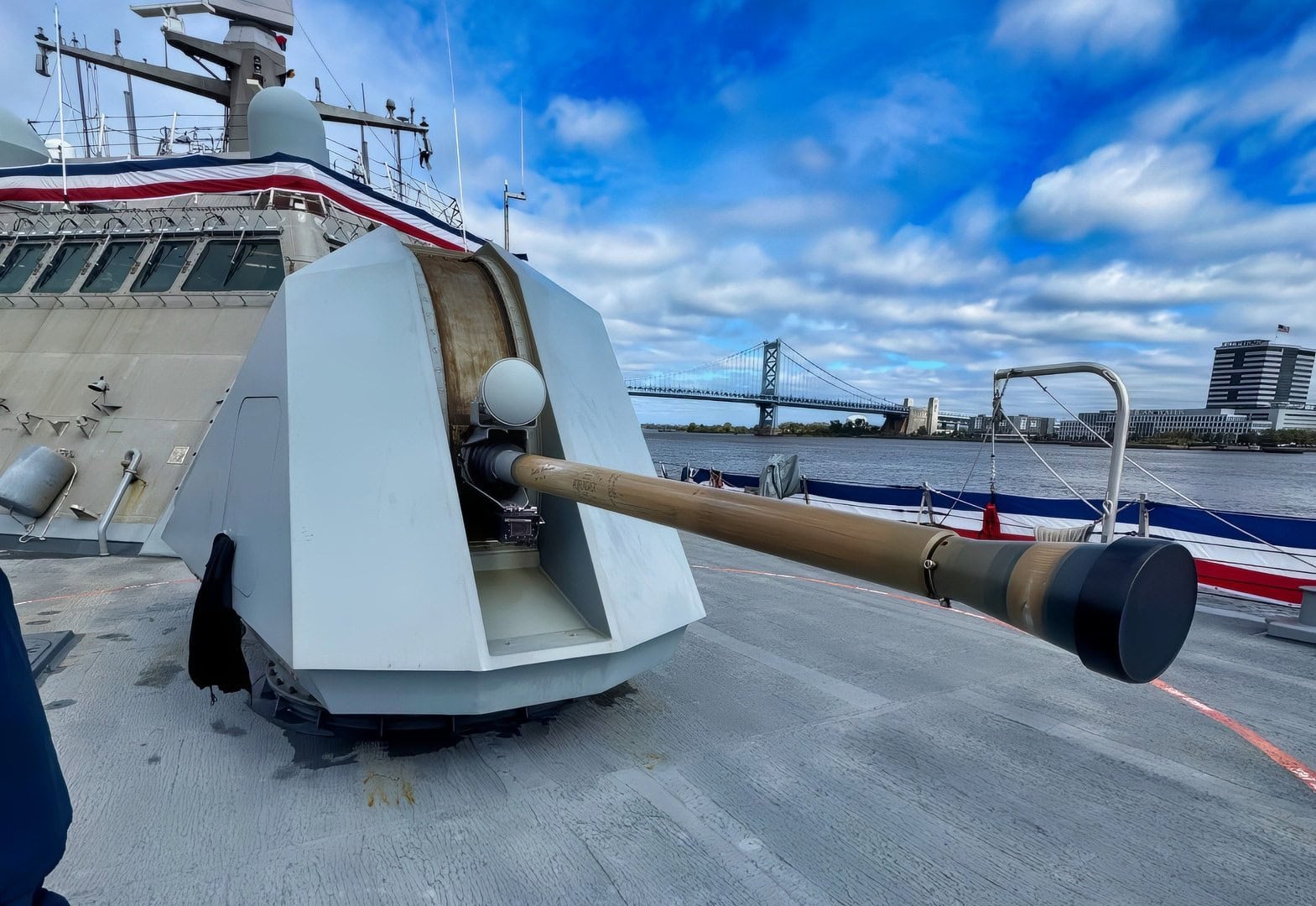
Littoral Combat Ship Deck Gun U.S. Navy. Image Credit: 19FortyFive.com
New Risk of War
Yu Jihoon, an analyst at the Korea Institute for Defense Analyses and a former South Korean submarine officer, in an interview with CNN called the blockade “high risk,” because Iran could counter with its own anti-ship weapons.
“If Iran accepts it as a violation of its sovereignty or a de facto expansion of maritime warfare, the possibility of a local military conflict could increase,” Yu said.
The next 48 hours will be critical for the region. U.S. ships will scramble to position themselves to enforce the blockade. Iranian countermeasures will be readied, and maritime and commercial shipping will be delayed.
Let’s hope cooler heads prevail and prevent a naval battle that could endanger U.S. Navy warships and create a more hazardous situation. If the ceasefire fails to hold, any peace agreement becomes unlikely. The latest Trump gambit may make sense on paper, but executing the plan may be difficult.
About the Author: Dr. Brent M. Eastwood
Author of now over 3,500 articles on defense issues, Brent M. Eastwood, PhD, is the author of Don’t Turn Your Back On the World: A Conservative Foreign Policy and Humans, Machines, and Data: Future Trends in Warfare, plus two other books. Brent was the founder and CEO of a tech firm that predicted world events using artificial intelligence. He served as a legislative fellow for US Senator Tim Scott and advised the senator on defense and foreign policy issues. He has taught at American University, George Washington University, and George Mason University. Brent is a former US Army Infantry officer. He can be followed on X @BMEastwood.