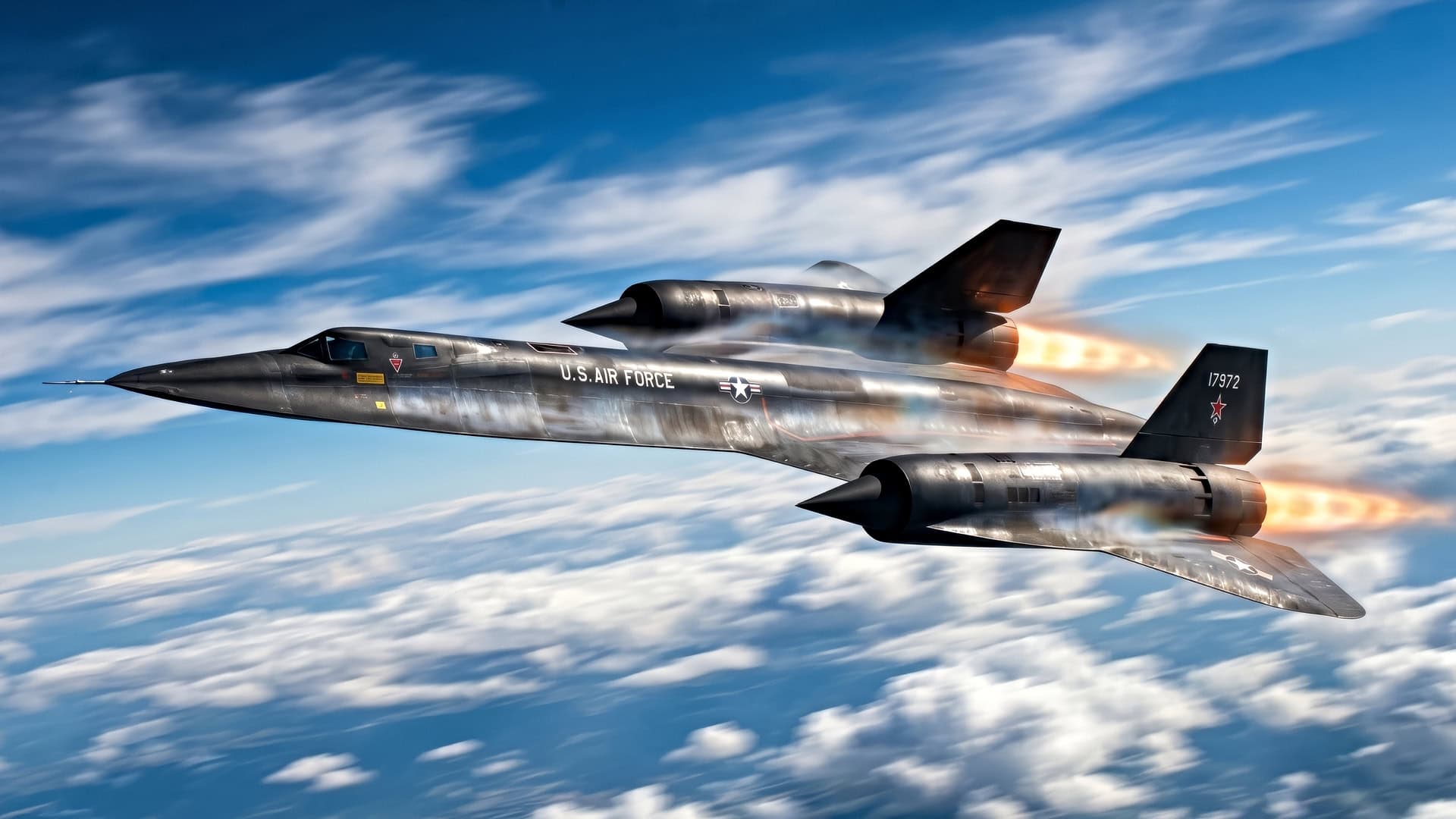
The SR-71 Blackbird was a remarkable plane. Originally conceived as a high-speed reconnaissance aircraft that could photograph any place on the globe, including adversary territory, within hours, it relied on blistering Mach 3-plus speeds and 85,000-foot altitudes to sprint to station and outfly air defenses.
A workhorse of the Cold War era, the platform enjoyed renewed service following the end of hostilities, albeit for only a brief period as a test aircraft.
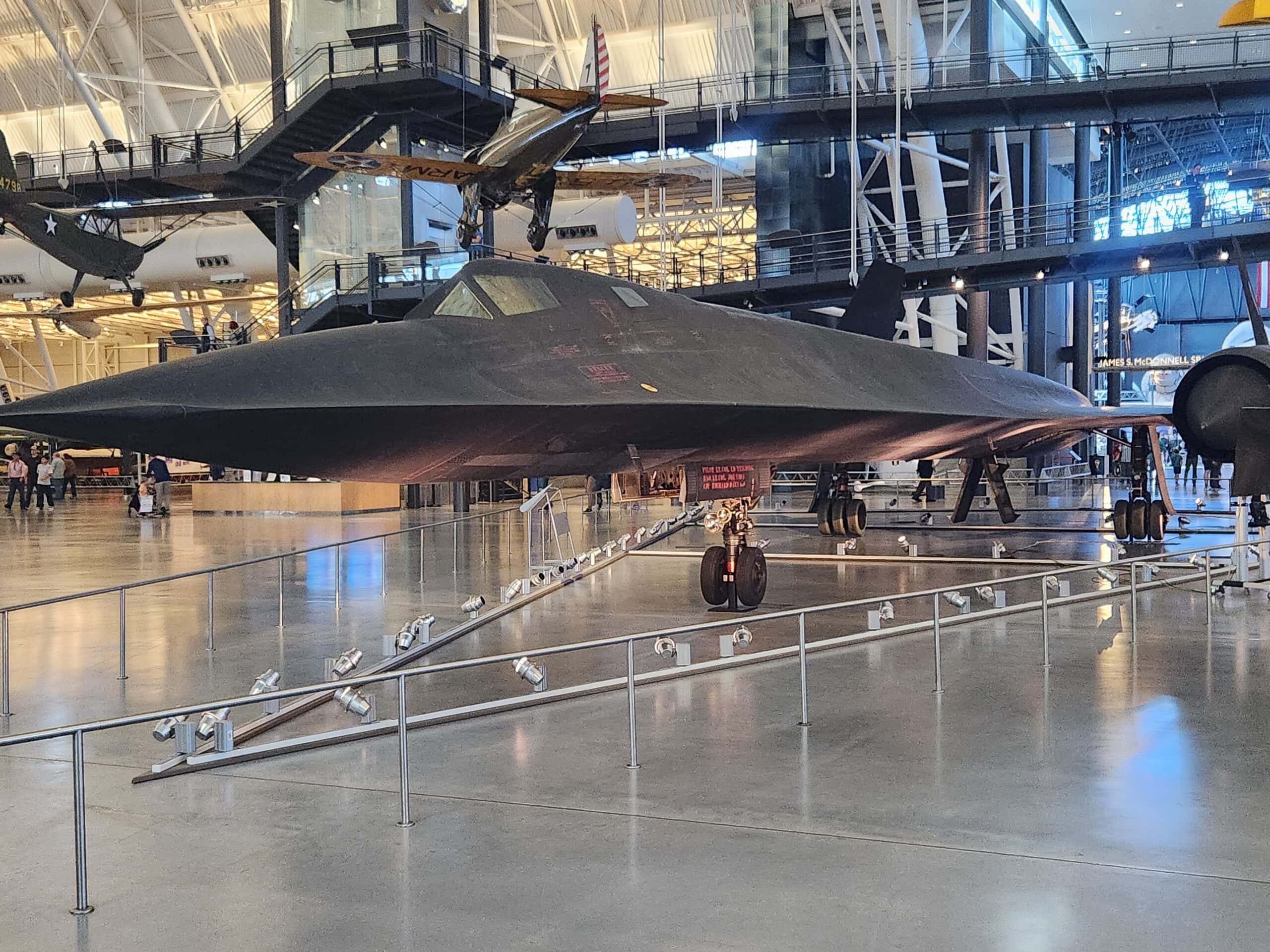
SR-71 from 19FortyFive.com original picture archive. Image taken at the Smithsonian.
What Made the SR-71 Blackbird So Special
It was a technical marvel, too. The dual-engined jet made extensive use of titanium and titanium alloys.
Prized for its incredibly strong-to-weight ratio, the jet’s then-exotic materials were purchased, ironically, from the Soviet Union with the help of the Central Intelligence Agency and several front companies used to mask the origin of the purchase.
Though the United States had little aerospace expertise in using titanium at scale, it provided distinct advantages.
“With anticipated temperatures on the aircraft’s leading edges exceeding 1,000 degrees Fahrenheit, dealing with the heat raised a host of seemingly insurmountable design and material challenges. Titanium alloy was the only option for the airframe —providing the strength of stainless steel, a relatively light weight, and durability at the excessive temperatures,” Lockheed Martin, responsible for much of the information about the aircraft, explains.
But the titanium, Lockheed Martin adds, “proved to be a particularly sensitive material from which to build an airplane. The brittle alloy shattered when mishandled, causing great frustration on the Skunk Works assembly line and prompting new training classes for Lockheed’s machinists. Conventional cadmium-plated steel tools, it was soon learned, embrittled the titanium on contact; so new tools were designed and fabricated out of titanium.”
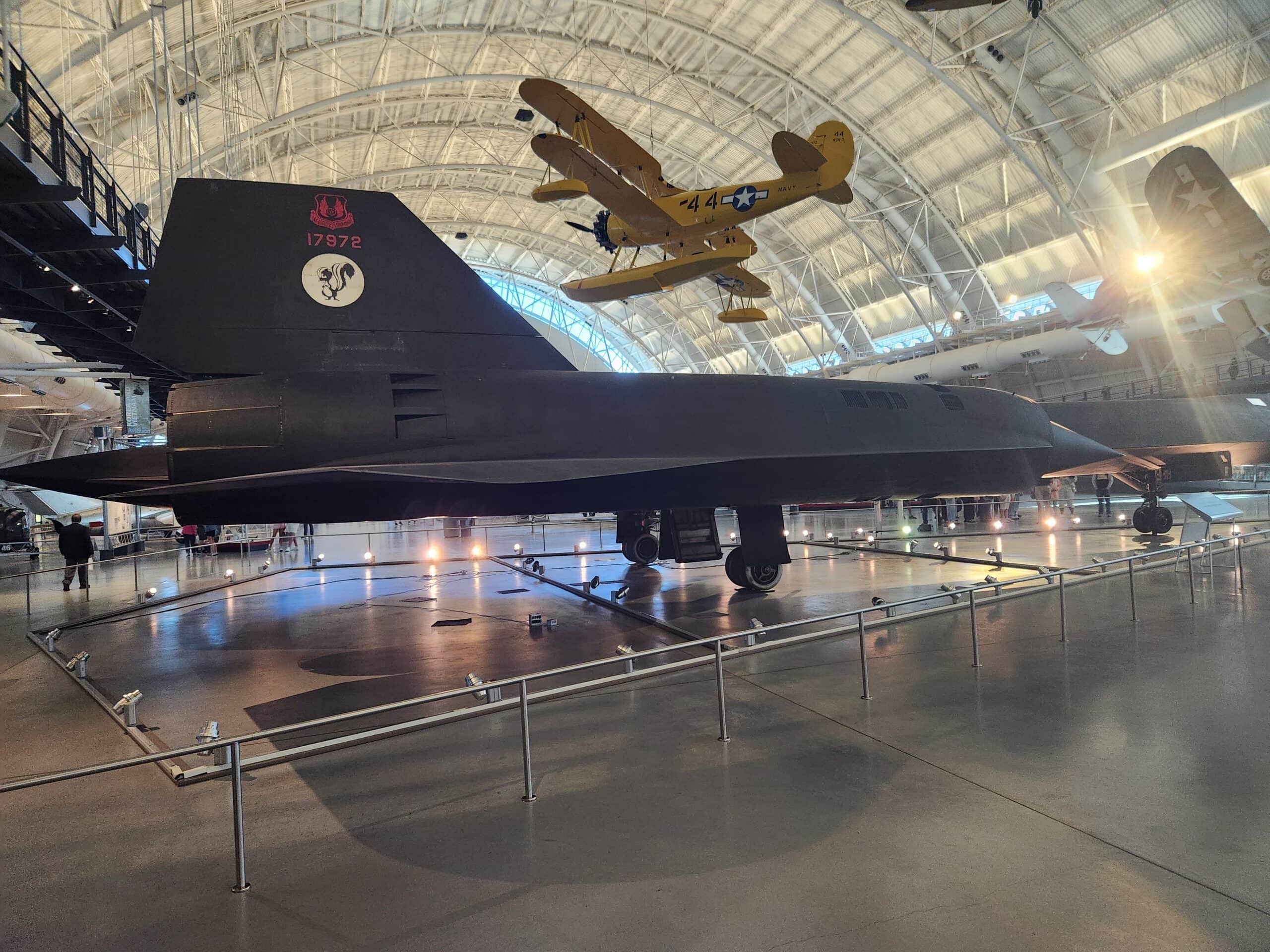
SR-71 from 19FortyFive.com original picture archive. Image taken at the Smithsonian.
Full Speed Ahead
One story, related by a retired SR-71 pilot and author, recounts the Blackbird’s fastest-ever flight—and highlights how remarkable the aircraft truly was. During a series of flight tests near Area 51 in Nevada, an SR-71 “red-lined everything.”
“During a routine top speed envelope expansion flight, A-12 #128 was having a hard time getting past Mach 2.7 as the outside air was too warm. The reason for the flight test card that day was to validate a new inlet bypass door schedule,” the SR-71 pilot explained.
“Jim [a test pilot] said he dropped the nose down a bit to see if he could at least reach Mach 3.0.” But then an anomaly occurred. “Out of nowhere,” that pilot explained, “Jim hit good air and in the dive with good air he redlined everything. He went into his descent profile and headed back to the test site.”
“When all was said and done, and for a very brief 15 seconds, Jim hit Mach 3.56, or just under 2,400 mph. Mind you, this was a one-time event and was never duplicated.”
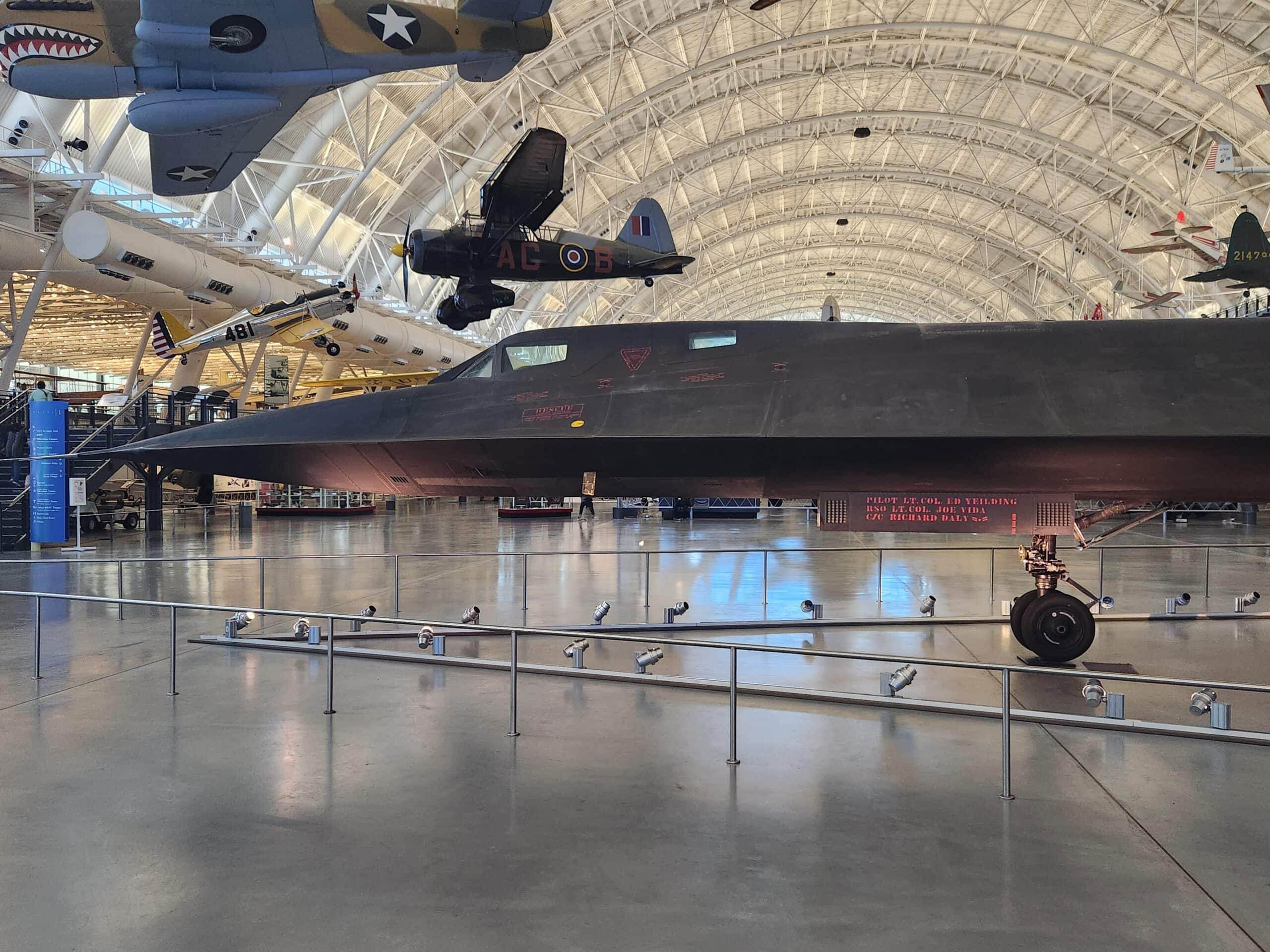
SR-71 from 19FortyFive.com original picture archive. Image taken at the Smithsonian.
Show Me the Money: SR-71 Hits Mach 3.56
Though the SR-71 was indeed a technological marvel, it was not the most affordable platform to fly, which ultimately contributed to its demise.
Given the hostilities between the Soviet Union and the United States during the Cold War, as well as deep mutual suspicion, were powerful justifications for a cutting-edge spy program like the Blackbird.
But after the end of the Cold War, these justifications became more difficult to sustain.
With the United States alone as the world’s preeminent and unrivaled superpower — one without a clear geopolitical rival — expansive projects like the Blackbird became increasingly difficult to justify.
Originally manufactured in the 1960s, each SR-71 Blackbird needed to withstand decades of operational use at the extreme edge of performance.
The toll on the aircraft could be punishing, and high maintenance costs associated with keeping the Blackbird’s engines and airframe serviced were forced to contend with steep defense budget drawdowns following the end of the Cold War.
But nascent satellite technology was also the Blackbird’s death knell.
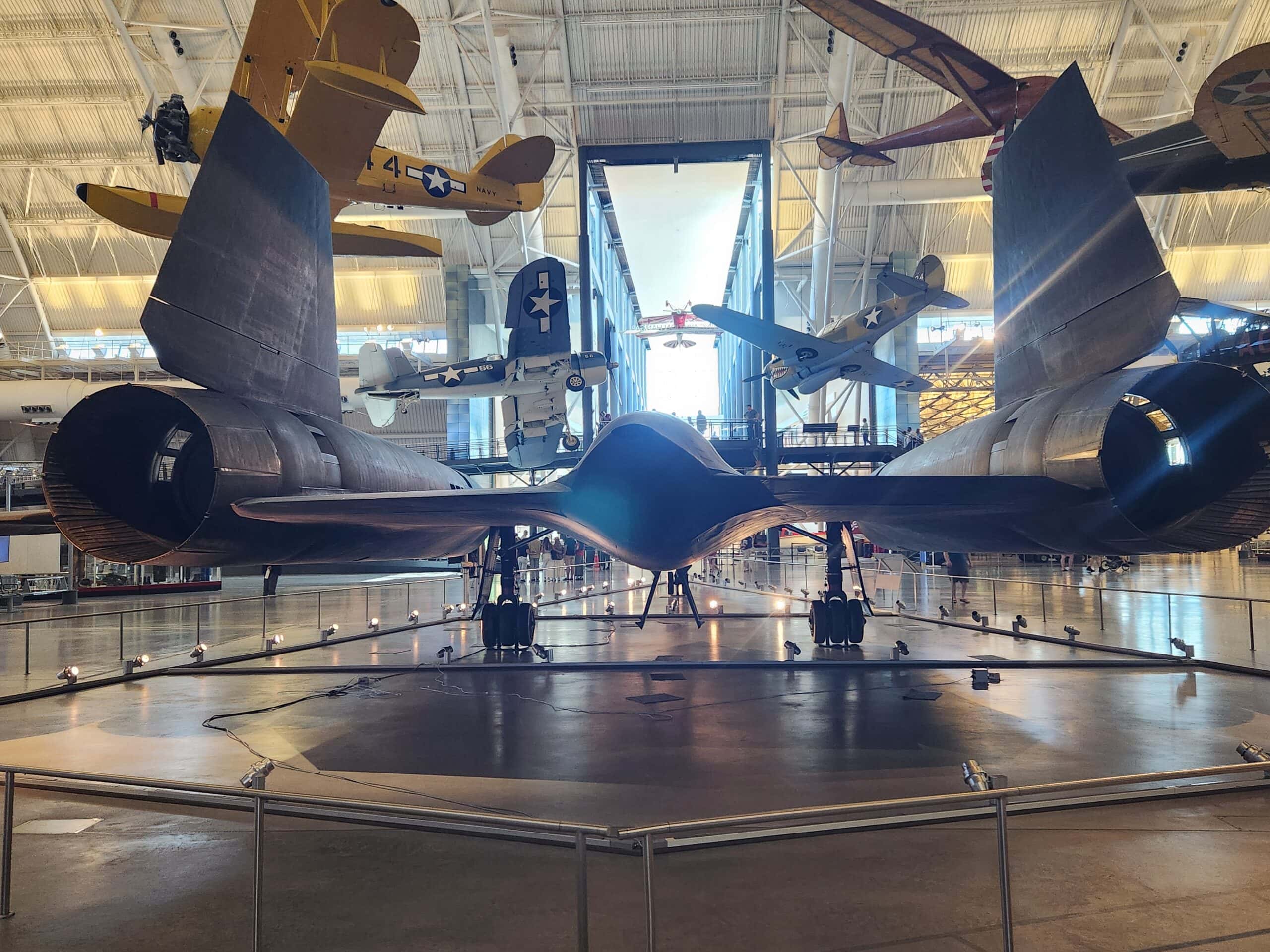
SR-71 from 19FortyFive.com original picture archive. Image taken at the Smithsonian.
They offered persistent high-resolution imaging capabilities, could transmit imaging digitally in an instant, and did not put a human pilot’s life at risk.
Ultimately, the SR-71 was not pulled from service and retired because it could no longer perform its mission, but because there were no adversaries and new, advanced technology was emerging.
Inteiguingly, a successor to the SR-71 Blackbird may be under development by the Defense Advanced Research Projects Agency, or DARPA: the SR-72.
Naturally, a highly secretive project, the SR-72 project may herald the return to manned high-speed surveillance and reconnaissance flights.
About the Author: Caleb Larson
Caleb Larson is an American multiformat journalist based in Berlin, Germany. His work covers the intersection of conflict and society, focusing on American foreign policy and European security. He has reported from Germany, Russia, and the United States. Most recently, he covered the war in Ukraine, reporting extensively on the war’s shifting battle lines from Donbas and writing on the war’s civilian and humanitarian toll. Previously, he worked as a Defense Reporter for POLITICO Europe. You can follow his latest work on X.