
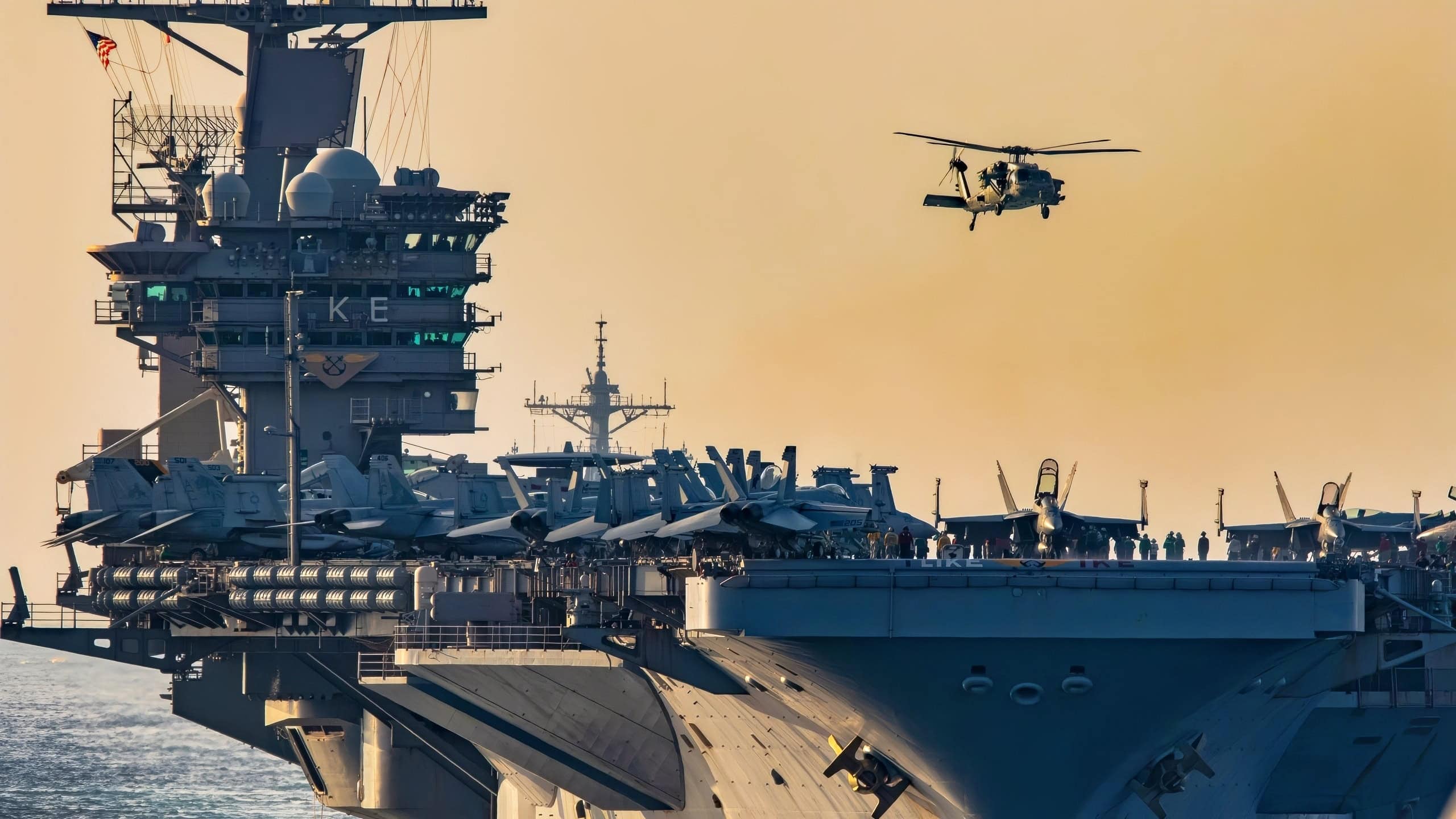
USS Dwight D. Eisenhower Nimitz-Class Aircraft Carrier Fire Injures Three During Maintenance: According to a report by USNI News, U.S. aircraft carrier USS Dwight D. Eisenhower (CVN-69) suffered a fire this week while undergoing maintenance at Norfolk Naval Shipyard.
The fire reportedly injured three sailors, who were treated by Norfolk Naval Shipyard medical personnel, according to a Navy spokesman who confirmed the incident to the outlet. All sailors injured by the fire are expected to return to full duty.
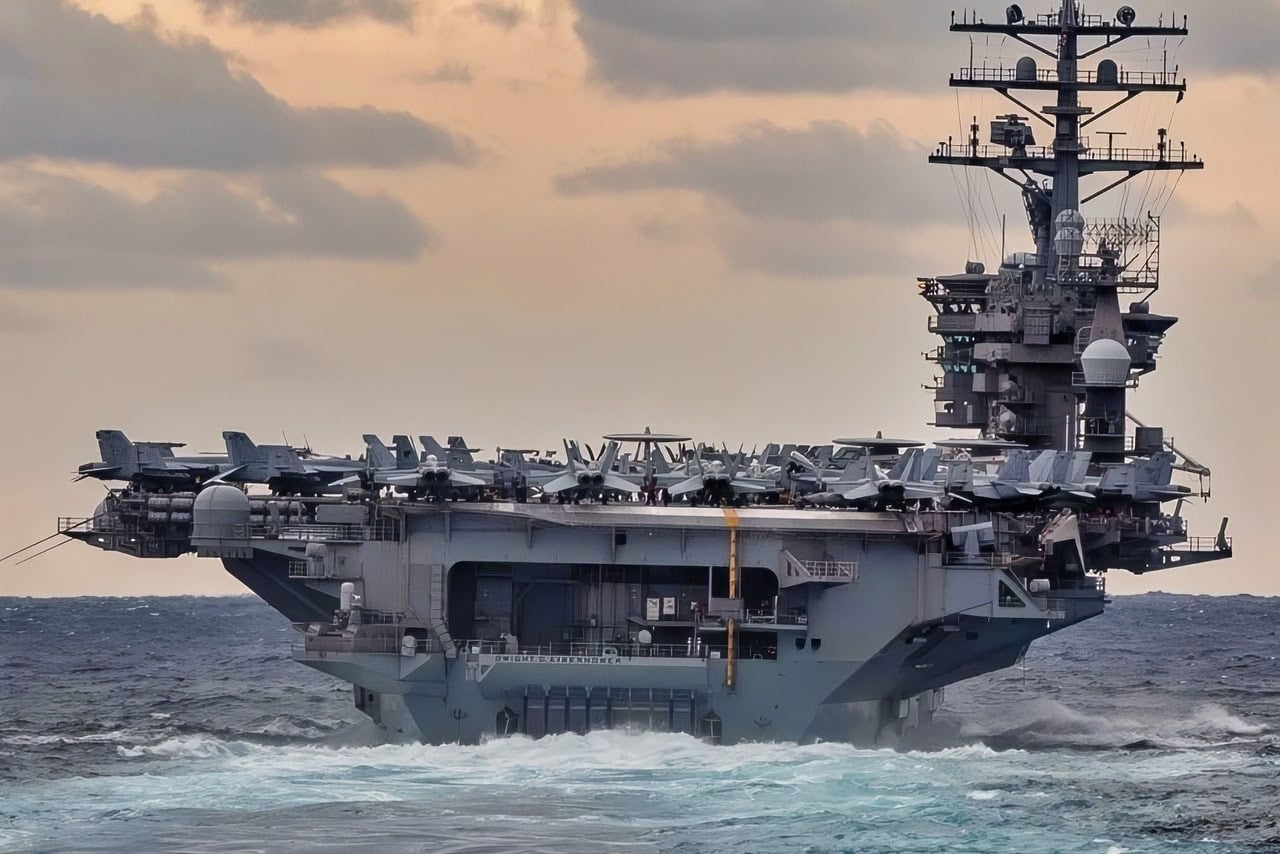
(Jan. 31, 2019) The Nimitz-class aircraft carrier USS Dwight D. Eisenhower (CVN 69) transits the Atlantic Ocean. Eisenhower is conducting operations in the Atlantic Ocean as part of Carrier Strike Group 10. (U.S. Navy photo by Mass Communication Specialist 3rd Class Kody A. Phillips/Released)
The same spokesperson described the fire as small and quickly contained.
However, the incident occurred during a Planned Incremental Availability (PIA) maintenance period that had already kept the ship out of service for more than a year.
It also follows a fire aboard the USS Gerald R. Ford during operations in the Red Sea, which forced the ship to seek repairs in Split, Croatia.
Why Aircraft Carrier Eisenhower Was in the Shipyard
The Eisenhower has been in Norfolk Naval Shipyard, Virginia, since January 8, 2025, undergoing scheduled maintenance following a deployment. The PIA is designed to restore a carrier’s operational readiness after months at sea and prepare it for the next deployment.
The maintenance includes work on propulsion systems, combat systems, aviation support equipment, and crew habitability upgrades. PIAs are critical for extending the service life of Nimitz-class carriers like the Eisenhower, particularly as they approach the later stages of their operational lifespan.
The ship entered maintenance following a demanding 2023-2024 deployment to U.S. 5th Fleet, during which it supported operations in the Middle East, including deterrence missions targeting Iran and regional maritime security efforts.
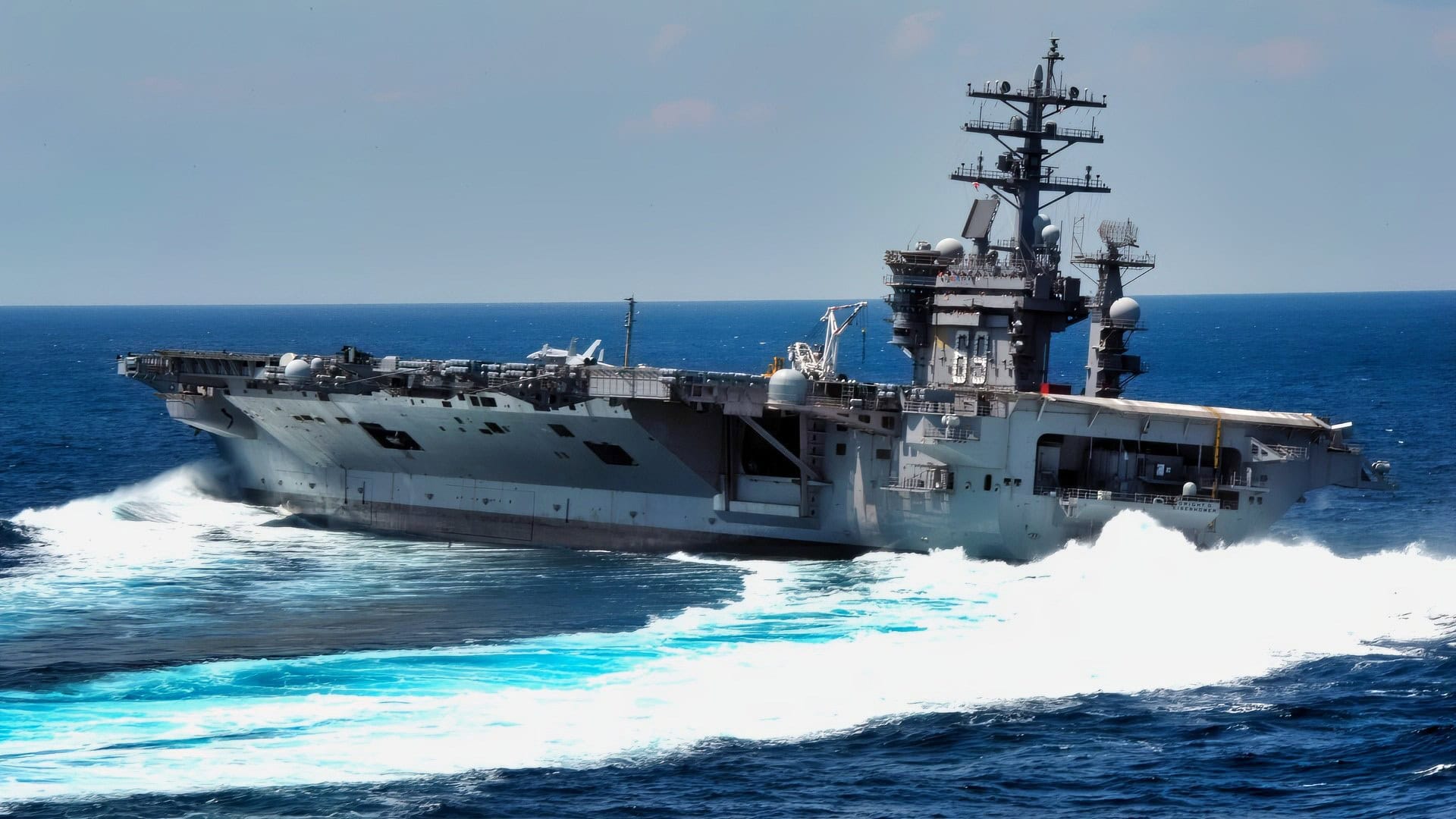
The Nimitz-class aircraft carrier USS Dwight D. Eisenhower conducts rudder turns during sea trials. Dwight D. Eisenhower completed a nine-month planned incremental availability at Norfolk Naval Ship Yard on June 10 and is scheduled to resume underway operations this summer.
During that deployment, the carrier strike group operated in and around the Red Sea and Persian Gulf, contributing to ongoing U.S. efforts to counter Houthi drone and missile attacks on commercial shipping and to deter Iranian naval harassment and seizure of vessels transiting key waterways.
Extended deployments place significant strain on both mechanical systems and crew, increasing the importance – and the complexity – of post-deployment maintenance periods. It is unclear whether the fire will affect the time Eisenhower spends in the dock.
What We Know So Far
The Navy has only described the incident as a small fire so far, and has not yet released details about the exact location onboard, the cause, or the systems that may have been affected – if anything. Fires during maintenance availabilities are not unheard of, particularly in environments where electrical systems may be exposed or work such as welding is underway.
Shipyard availabilities involve extensive disassembly and system access, which can temporarily increase vulnerability to incidents such as fires. Electrical cabling and maintenance equipment can all contribute to fire risk, which is why shipyards enforce strict safety protocols during these periods.
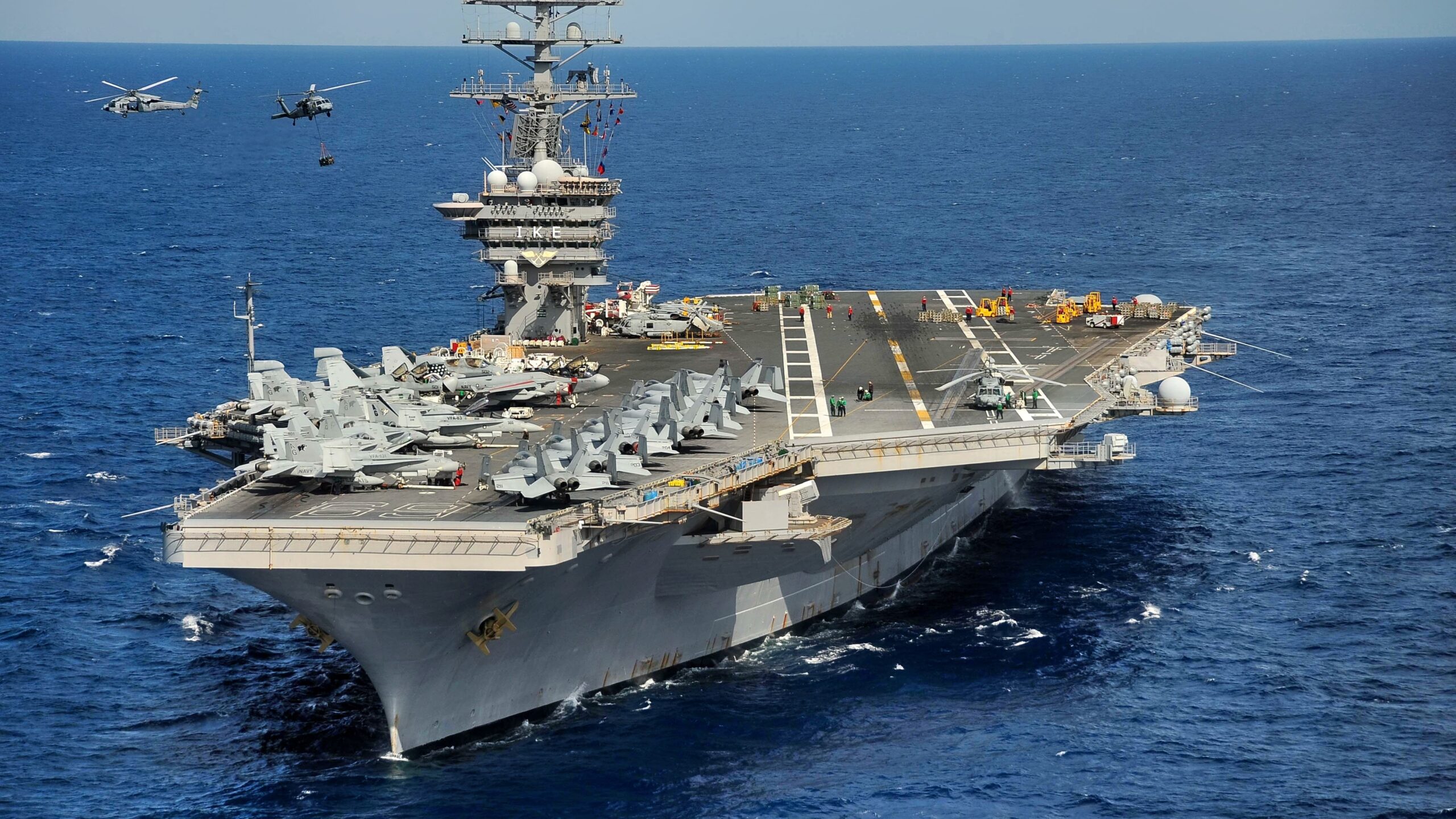
USS Dwight D. Eisenhower. Image Credit: Creative Commons.
The fact that the fire was quickly contained and resulted in only minor injuries suggests it may not have spread to critical systems. However, even localized damage can have knock-on effects. Electrical systems exposed to heat, for example, may require inspection or replacement, and compartments affected by smoke or heat damage often need refurbishment before work can continue and the ship is redeployed
What It Means for Aircraft Carrier Readiness
The Eisenhower is not currently operational, so the immediate impact on U.S. force posture is limited. However, its delayed return – if the fire extends its maintenance period – could contribute to an availability gap.
The U.S. Navy relies on a rotational deployment model, with carriers cycling through deployment, sustainment, and maintenance phases. When one ship is delayed, the burden often shifts to others – increasing deployment lengths and operational tempo elsewhere in the fleet.
That dynamic is already visible. The Gerald R. Ford recently completed a record-setting deployment that lasted nearly 10 months, while other carriers have also seen extended deployments tied to operations in the Middle East and beyond. These longer deployments are partly a function of demand – particularly with ongoing tensions involving Iran – but also reflect constraints in carrier availability.
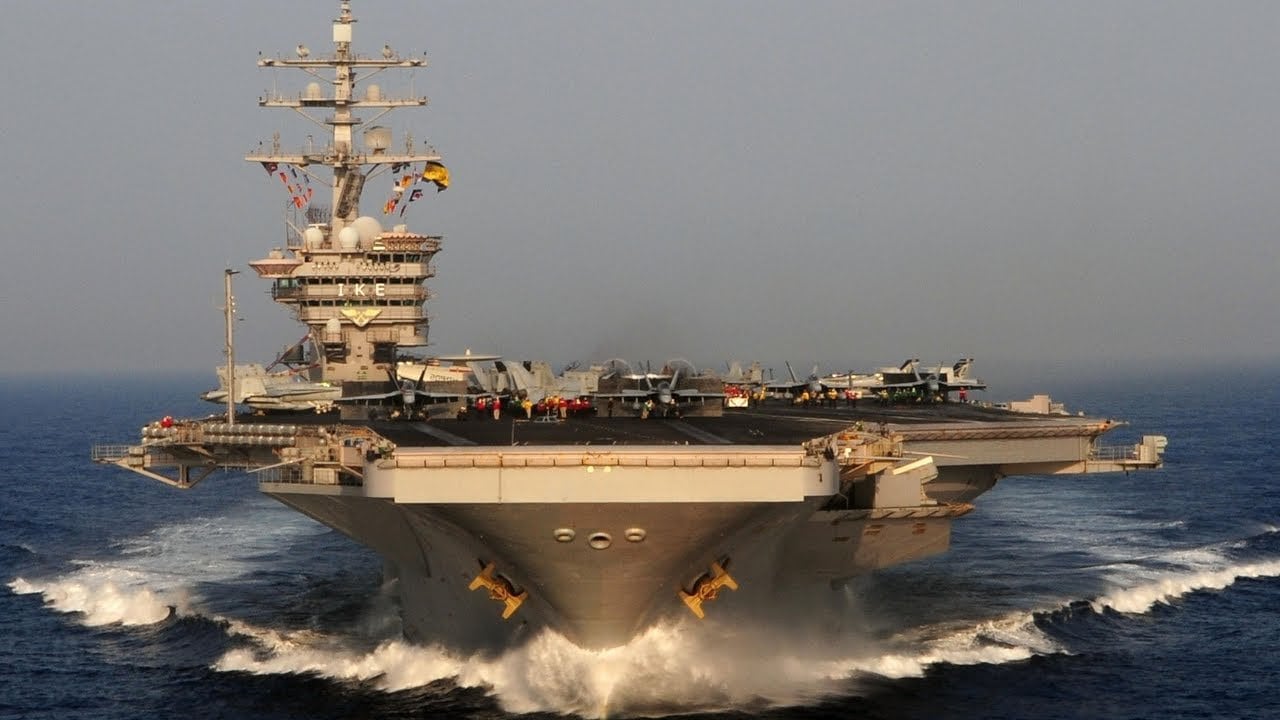
USS Dwight D. Eisenhower. Image Credit: U.S. Navy.
If the Eisenhowers’ return to service is delayed, it would not immediately reduce U.S. presence in the region, but it could reduce flexibility over time. Fewer available carriers affect the ability to surge force or respond to emerging crises.
The Ford-Class Also Had a Fire
In March 2026, the Gerald R. Ford suffered a fire that reportedly originated in berthing or support spaces and required an extended onboard firefighting response before the ship diverted to Split, Croatia, for repairs.
While the Navy has not yet released a full damage assessment, the incident forced unscheduled repair work during an already extended deployment cycle.
That deployment has since become historic – on April 15, Ford surpassed 295 days at sea, marking the longest post-Vietnam carrier deployment in modern U.S. Navy history. The ship has now exceeded the typical deployment window by several months, all while operating without entering its planned maintenance cycle.
The fire onboard the Ford, though technically already addressed by repairs, could well have contributed to an extended PIA when it returns to port this year.
About the Author: Jack Buckby
Jack Buckby is a British researcher and analyst specializing in defense and national security, based in New York. His work focuses on military capability, procurement, and strategic competition, producing and editing analysis for policy and defense audiences. He brings extensive editorial experience, with a career output spanning over 1,000 articles at 19FortyFive and National Security Journal, and has previously authored books and papers on extremism and deradicalization.