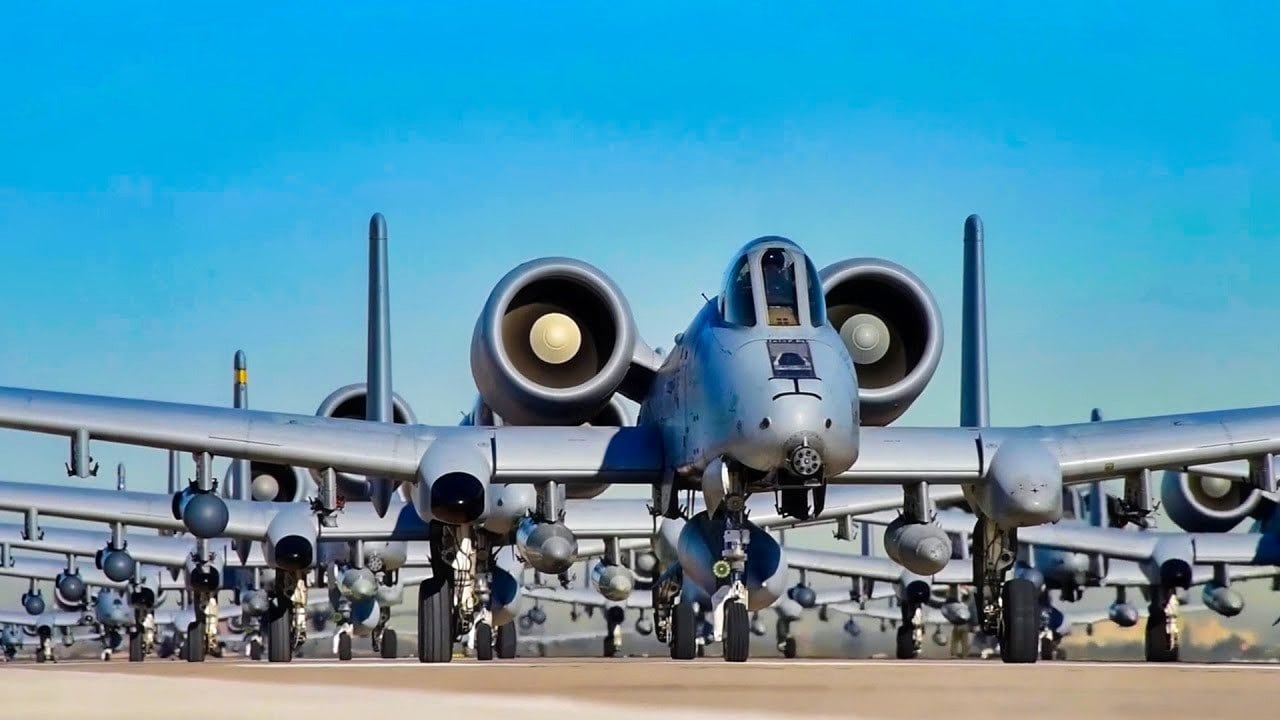
The Air Force has spent two decades trying to retire the A-10 Warthog in favor of faster, more expensive jets. Iran’s $50,000 drone swarms just proved that the slow, cheap, heavily armed plane they wanted to scrap is the one weapon that solves the cost equation nobody else can.
Iran’s Drone Swarms are Breaking U.S. Air Defenses–And the A-10 Warthog is the Unlikely Fix
Now that the United States finds itself in a major regional war with the Islamic Republic of Iran, the U.S. military is having to adapt to an entirely new way of warfare that the Iranians are subjecting them to.
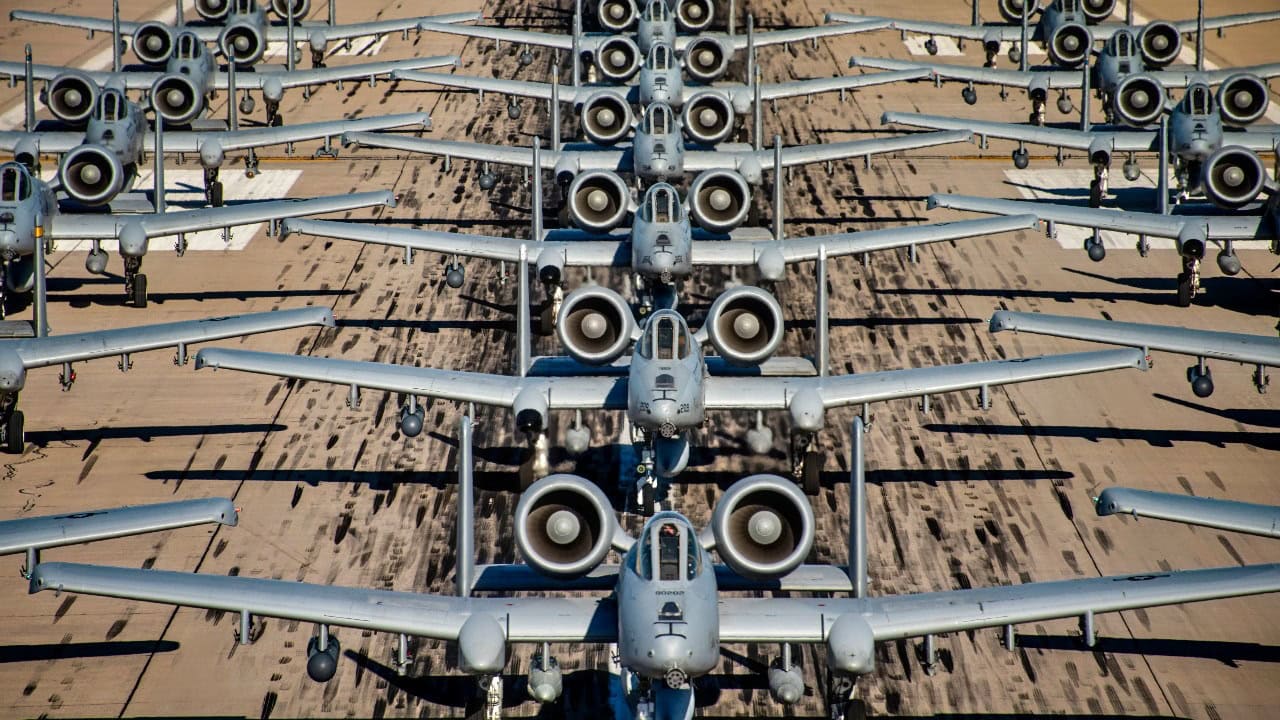
U.S. Air Force A-10 Thunderbolt IIs and an HC-130J Combat King II assigned to the 355th Wing taxi in formation on the runway at Davis-Monthan Air Force Base, Arizona, Feb. 9, 2022. The 355th Wing maintains and operates A-10 Thunderbolt IIs, HH-60G Pave Hawks and HC-130J Combat King IIs ensuring its Airmen and aircraft are ready to fly, fight and win. (U.S. Air Force photo by Senior Airman Alex Miller)
This new method of warfare is fought just beyond-visual-range (BVR), with missile and drone swarms (and the occasional hypersonic weapon). One of the main platforms the Iranians have used against their American, Israeli, and Arab rivals in this war has been the cheap Shahed-style drone.
Cheap Drones, Expensive Defenses: A Losing Equation
These systems, cheap to build and even easier to replace, can wreak havoc on the region’s exquisite and expensive air defense (AD) systems.
Drones entering the protected airspace of the Gulf Arab states or over Israel cost up to $50,000 per drone. Yet these drones are often intercepted by air defense interceptors worth many millions of dollars.
Even if the interceptors successfully take down the drones, given the cost of those interceptors and the difficulty of quickly replacing them, the Iranians are still enjoying tactical victories over the United States. It’s a race to depletion. Will American and allied interceptor stockpiles be depleted before the Iranian offensive systems are depleted?
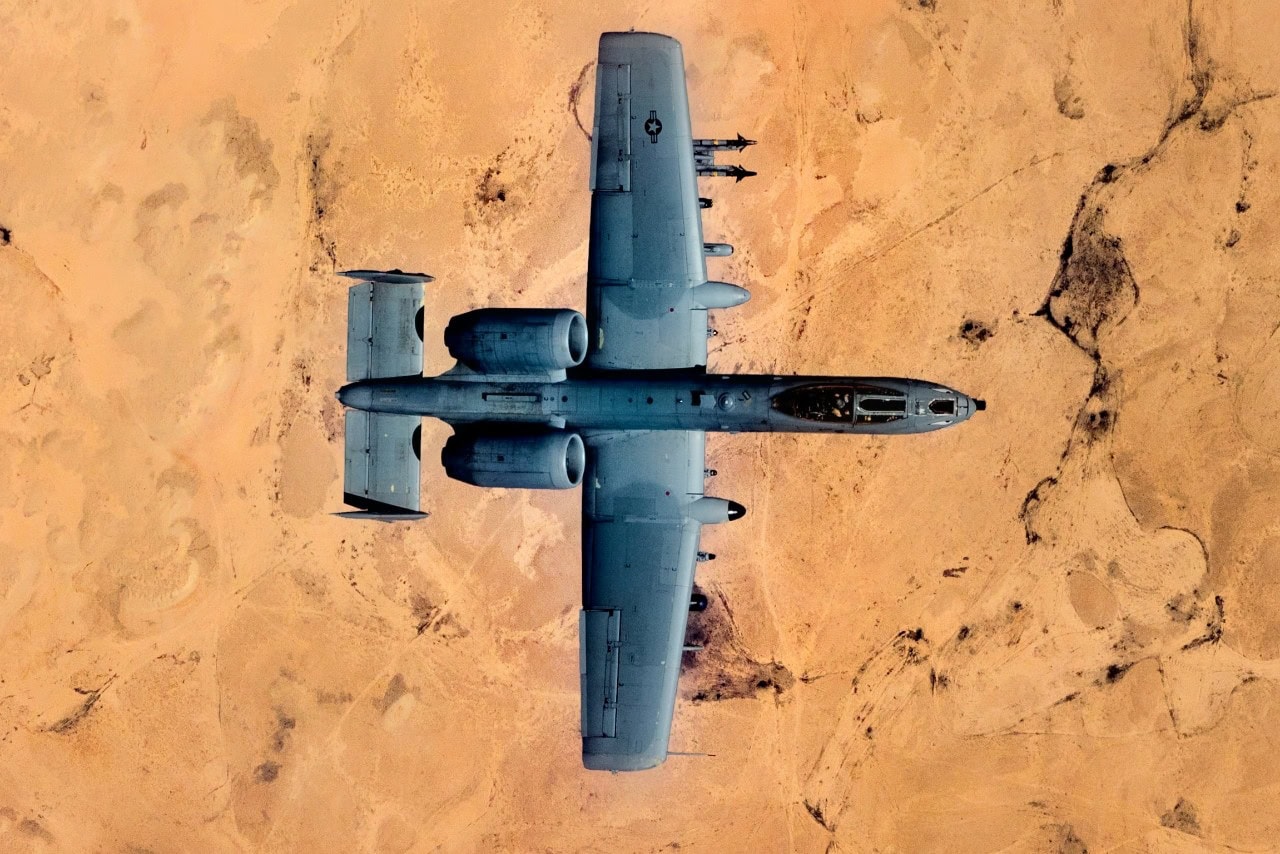
A U.S. Air Force A-10 Thunderbolt II flies a presence patrol over the U.S. Central Command area of responsibility, Feb. 26, 2025. The A-10 aircraft is employed throughout the region to bolster regional security and counter the growing threats of adversarial unmanned aircraft systems and other emerging threats. (U.S. Air Force photo by Staff Sgt. Jackson Manske)
The Depletion Problem: Why the U.S. is Losing the Cost War
The answer is that the defensive interceptor stockpiles that the U.S. and its partners use to protect themselves in the Middle East from these Iranian attacks will be depleted. This is a classic sign of asymmetry that disfavors the U.S. side.
Due to this asymmetry, U.S. war planners are searching for new, effective, and cheap methods for defending their interests and their allies from incoming Iranian drones.
That’s where the iconic A-10 Thunderbolt II comes in. Designed during the Cold War to destroy Soviet armored formations and provide close air support (CAS) to ground forces, the United States Air Force (USAF) has desperately sought to retire these legendary birds.
The Air Force has insisted that the A-10s, while potent weapons, were designed for an age of war that is no longer with us.
Instead, the Air Force wanted to replace these flying tanks with more advanced, more expensive systems, such as the F-35 Lightning II, a fifth-generation multirole warplane.
The A-10 got a second lease on life after the Global War on Terror (GWOT) started. These planes proved decisive in multiple battles, notably in Afghanistan, for U.S. and allied forces engaged in intense ground combat.
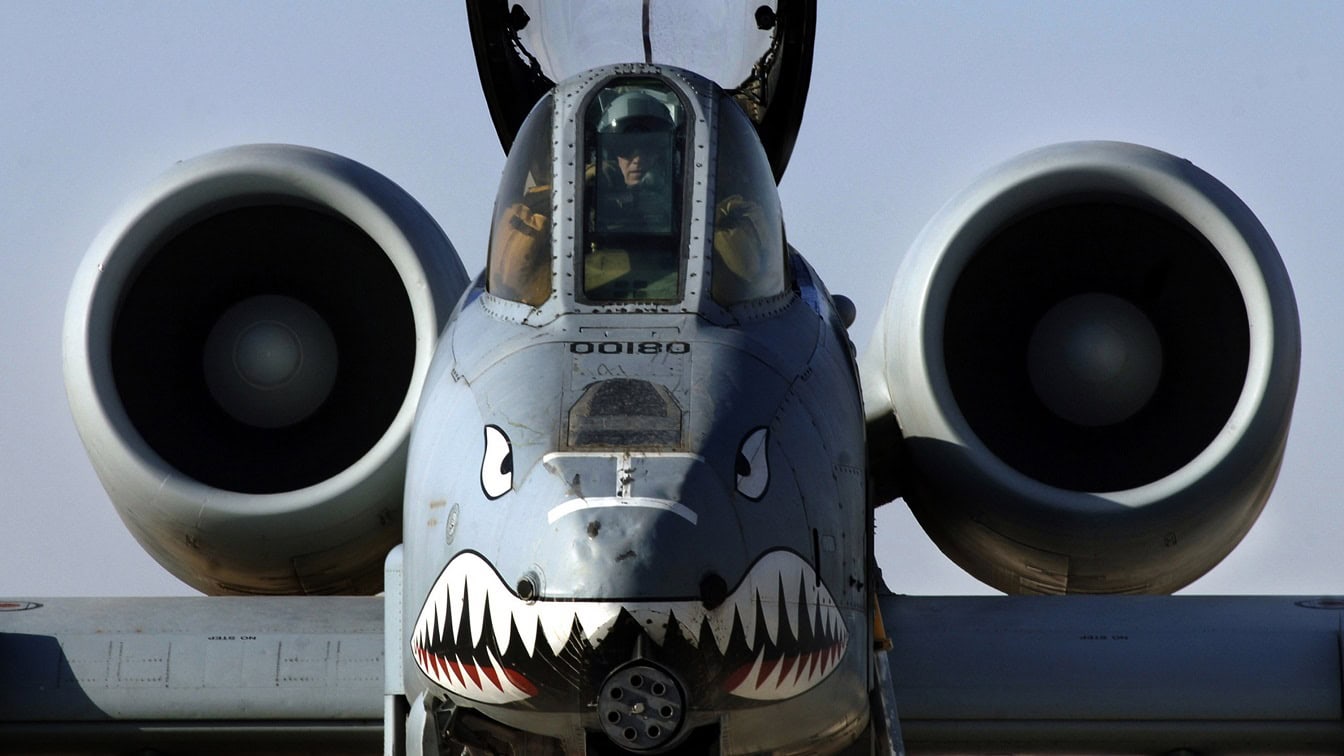
An A-10 Thunderbolt II takes off to provide close-air support to ground troops in Iraq April 25 from Al Asad Air Base, Iraq. The 438th Air Expeditionary Group A-10s perform 10 sorties daily, with 900 sorties in this last four months. (U.S. Air Force photo/Tech. Sgt. Cecilio M. Ricardo Jr.)
As the GWOT wound down, though, the Air Force went to work again, trying to retire this bird. Now, the A-10 is poised to get a third lease on life thanks to the ongoing Iran War.
Built Like a Tank, Armed Like a Monster
America’s A-10, the “Warthog,” mounts a 30mm GAU-8 cannon that sprays molten, armor-piercing metal at enemy tanks at high volume. It sports a titanium bathtub around the cockpit to better protect the pilot from ground-based small-arms fire (the A-10s are designed to fly slowly and sit low over the battlefield for protracted periods, providing CAS to friendly troops on the ground).
These birds can pack a wallop while bearing the brunt of brutal punishment from advancing forces.
Those features are most useful in tracking and shooting down incoming drones.
The A-10’s GAU-8 cannon alone makes it an effective anti-drone system.
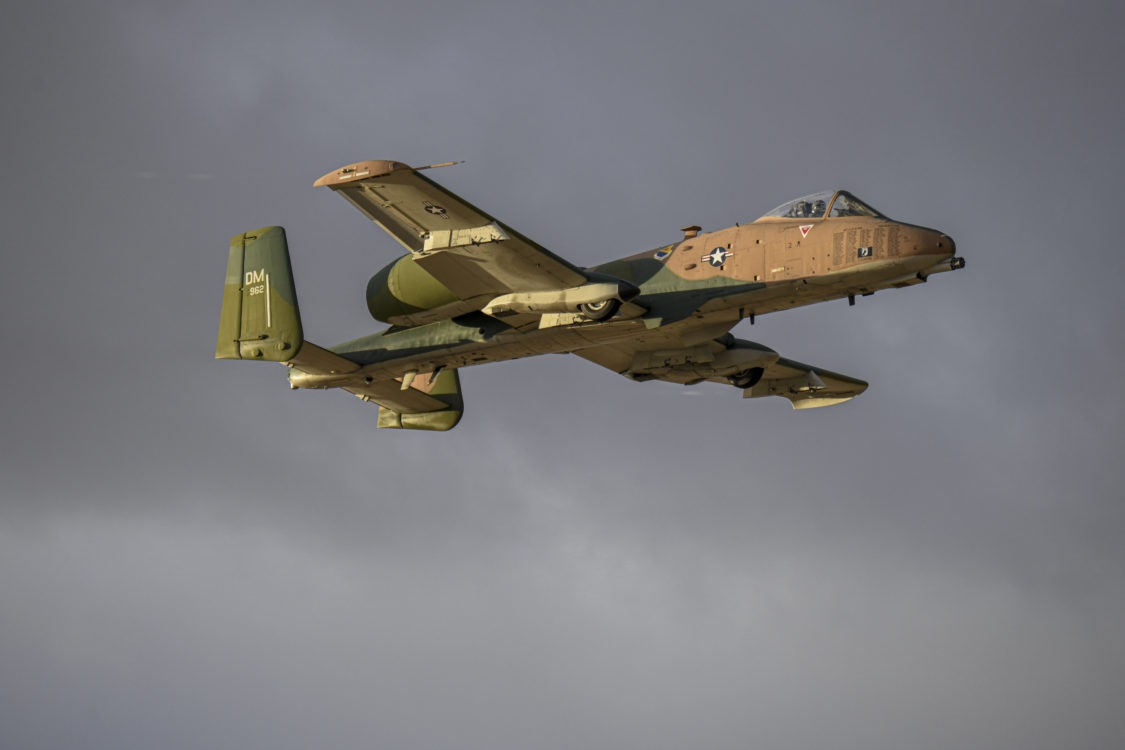
A U.S. Air Force A-10 Thunderbolt II flies over Davis-Monthan Air Force Base, Arizona, Feb. 17, 2022. The A-10 Demonstration Team’s jet has a heritage paint job to pay tribute to the 355th Tactical Fighter Wing’s contributions in the Vietnam War, including special dedication to personnel who were killed in action or became prisoners of war. (U.S. Air Force photo by Senior Airman Jacob T. Stephens)
And that cannon is relatively cheap and easy to maintain. As the Ukraine War has shown, using cheap projectiles, such as machine guns or shotguns, is often more effective than using expensive interceptors. A-10s can also use APKWS laser-guided rockets. It isn’t enough to shoot down enemy drones. One must do so cheaply.
The A-10 provides that capability.
Big Lesson: Old War Machines Still Win Modern Wars
And because the A-10 was meant to loiter over battlefields, they are slower than most other jets. That helps in hunting down drones. Pilots of A-10s can visually track and engage small unmanned aerial vehicles.
The plane’s slow speed, long the bugaboo of Air Force planners who’ve wanted to cut the A-10 in favor of faster jets, is now its greatest feature in the age of drones.
Clearly, the A-10 is not ready for retirement.
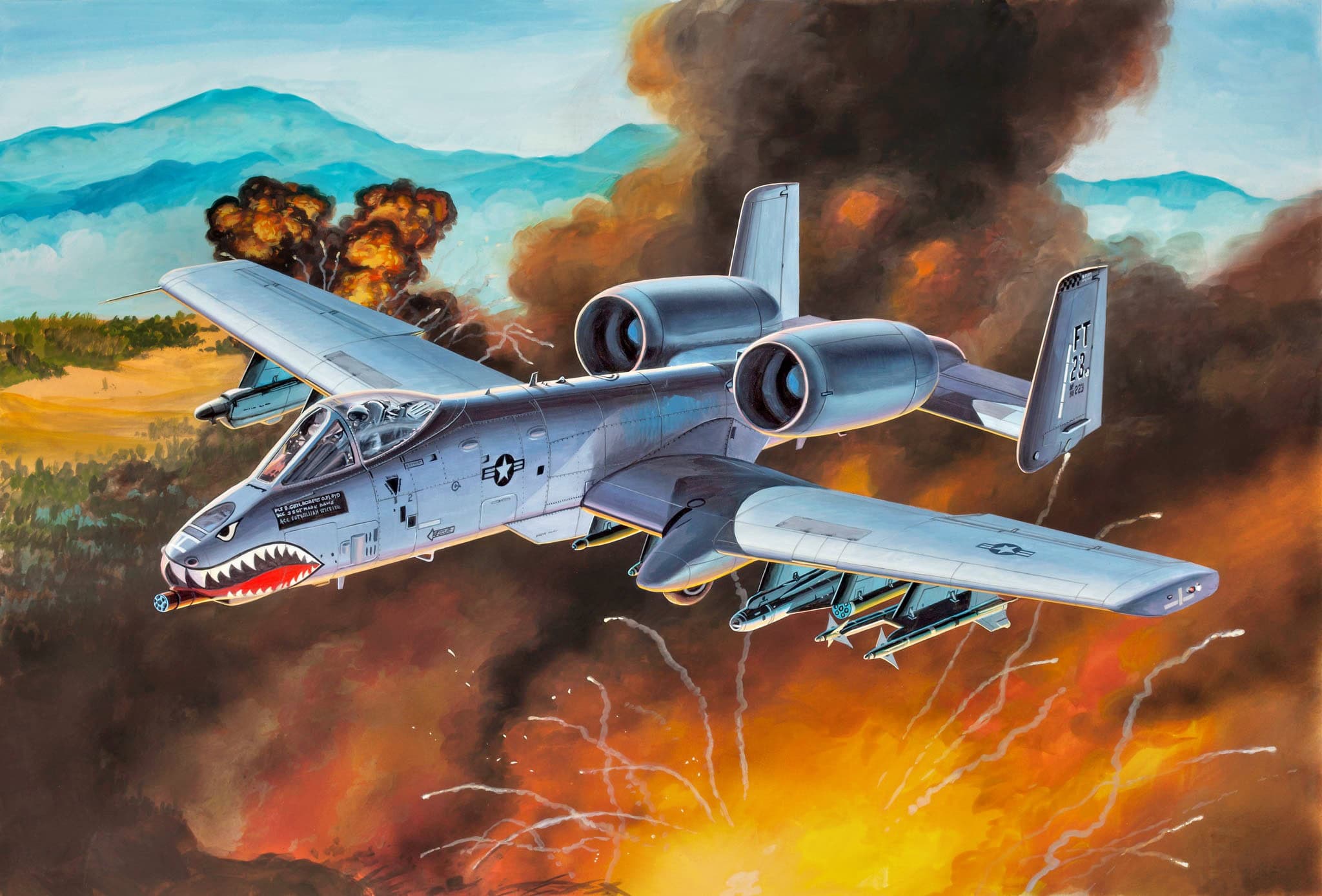
A-10 Warthog. Image Credit: Creative Commons.
Its mission has evolved from tank killer to troop protector to drone hunter. Its low cost, endurance, and weapons make it ideal for countering Iran’s drone-heavy strategy.
This current Iran War is proving what Ukraine had already shown us: not all future warfare favors exquisite, high-end systems.
Sometimes the older, slower, heavier–obsolete–platform wins. The A-10’s demonstration against drones in the Iran War should be all the proof Congress and the Air Force need to abandon any plans for retiring the A-10.
BONUS: 19FortyFive A-10 Warthog Visit at the National Museum of the U.S. Air Force
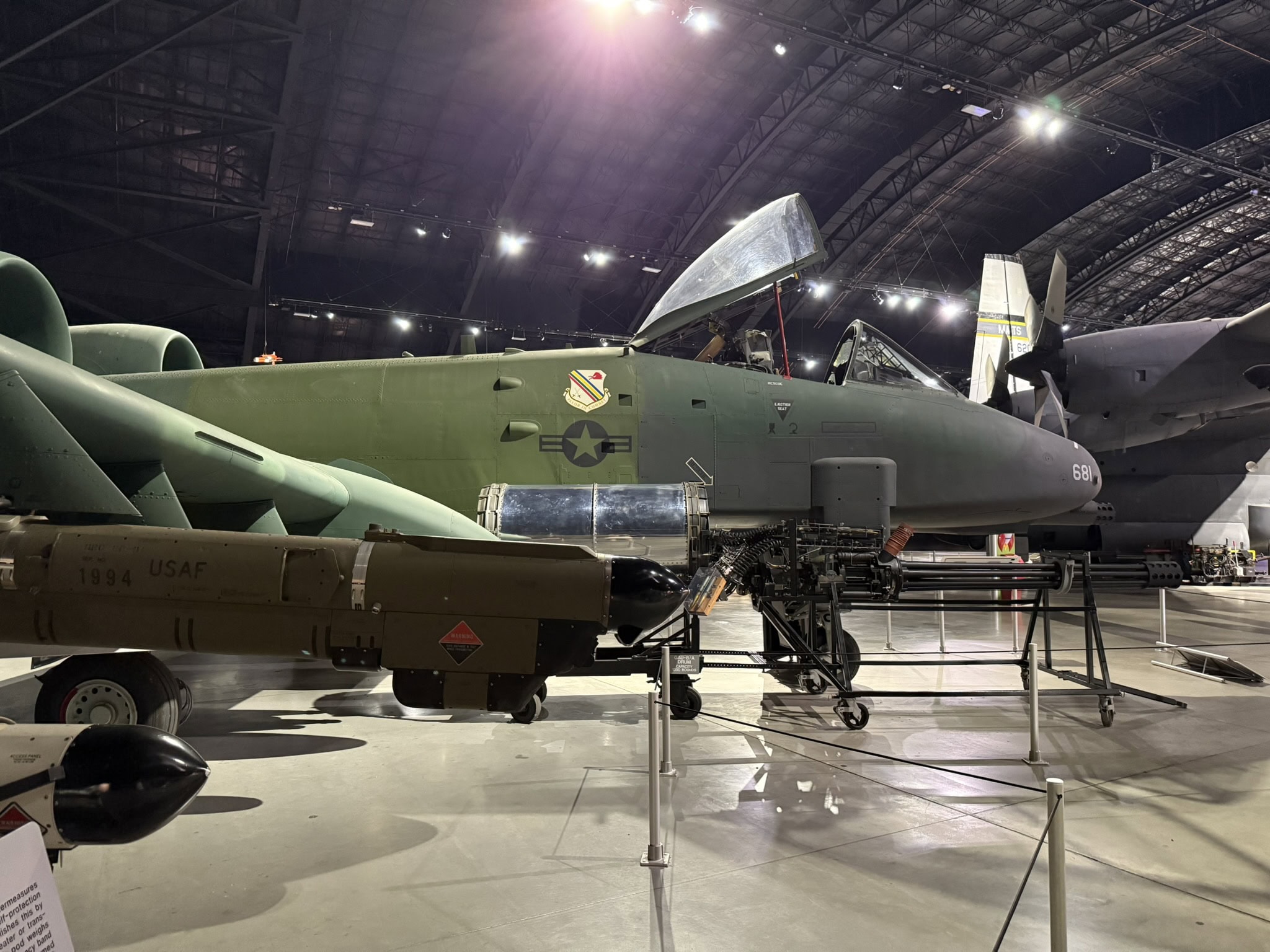
A-10 Warthog. Image Credit: 19FortyFive.com
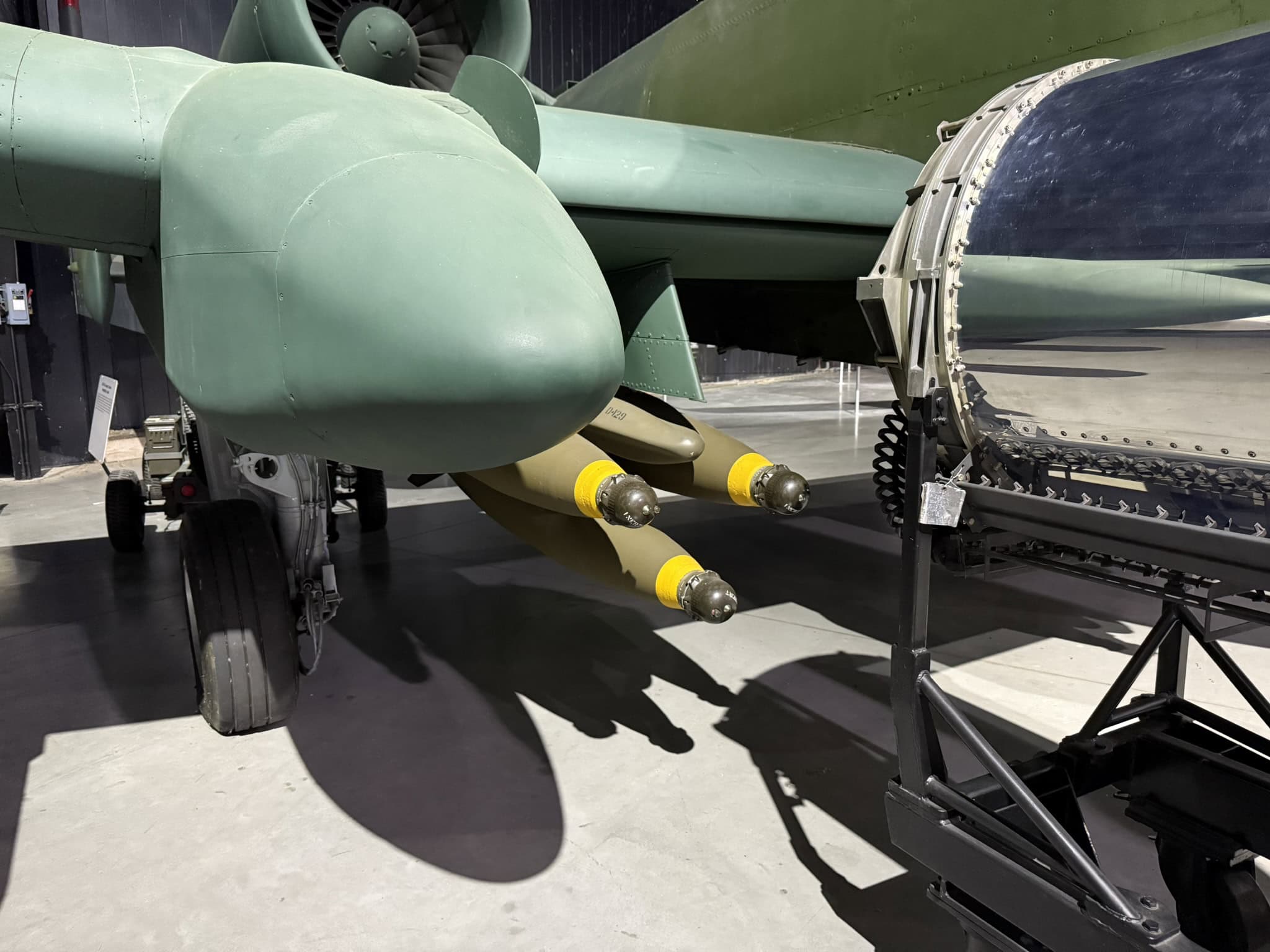
A-10 Warthog. Image Credit: 19FortyFive.com
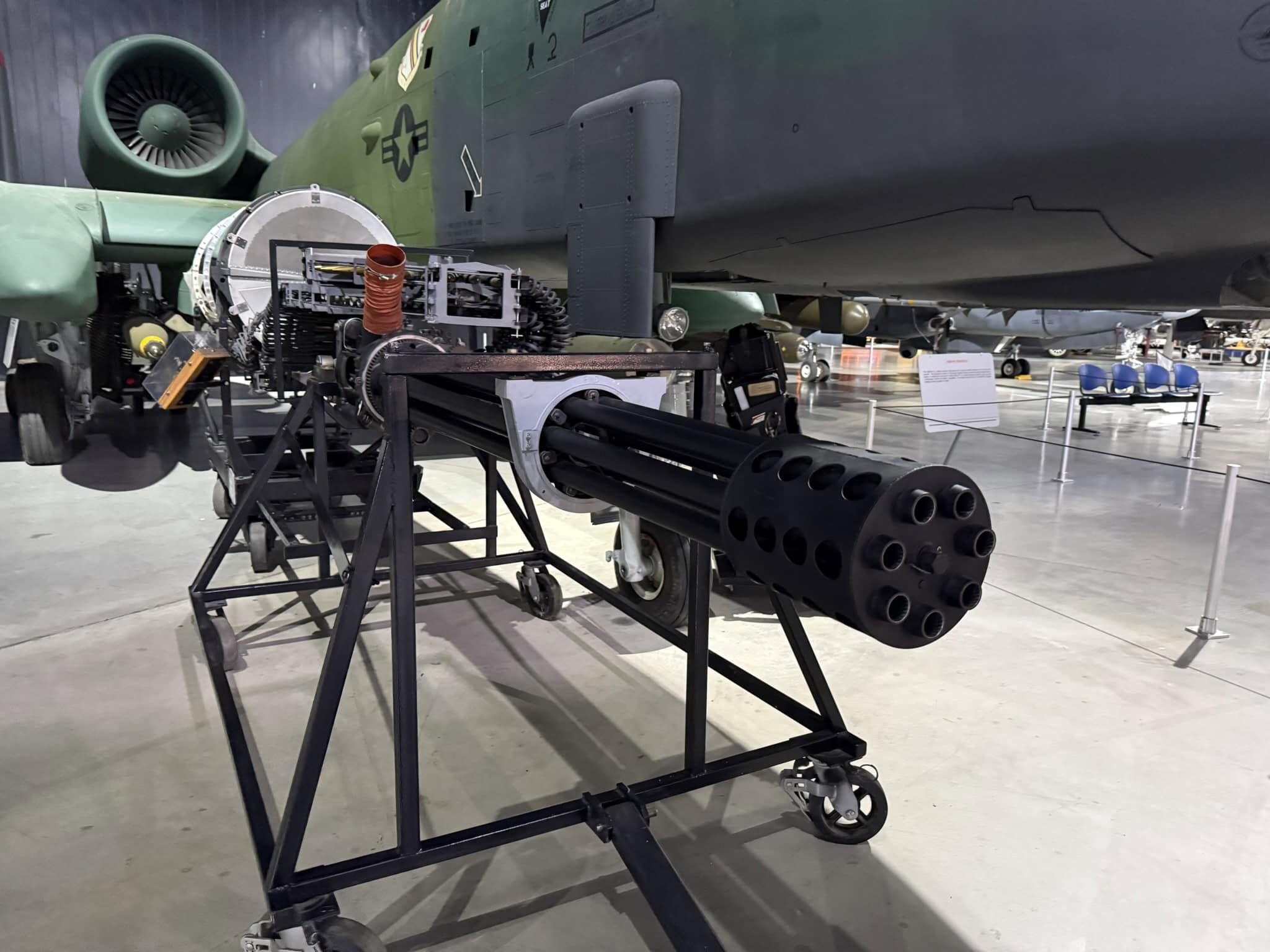
A-10 Warthog. Image Credit: 19FortyFive.com. Taken at the National Museum of the U.S. Air Force.
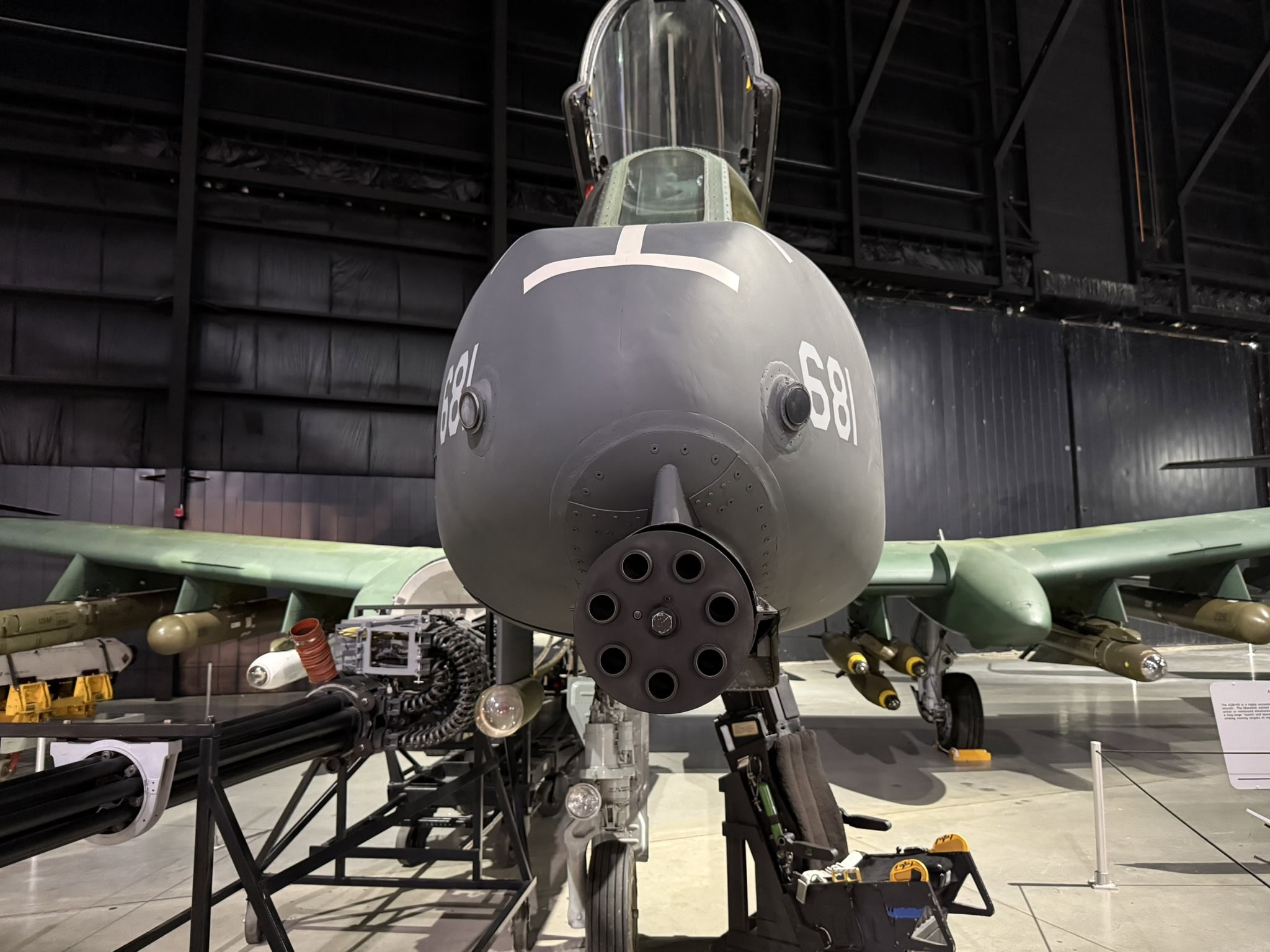
A-10 Warthog. Image Credit: 19FortyFive.com
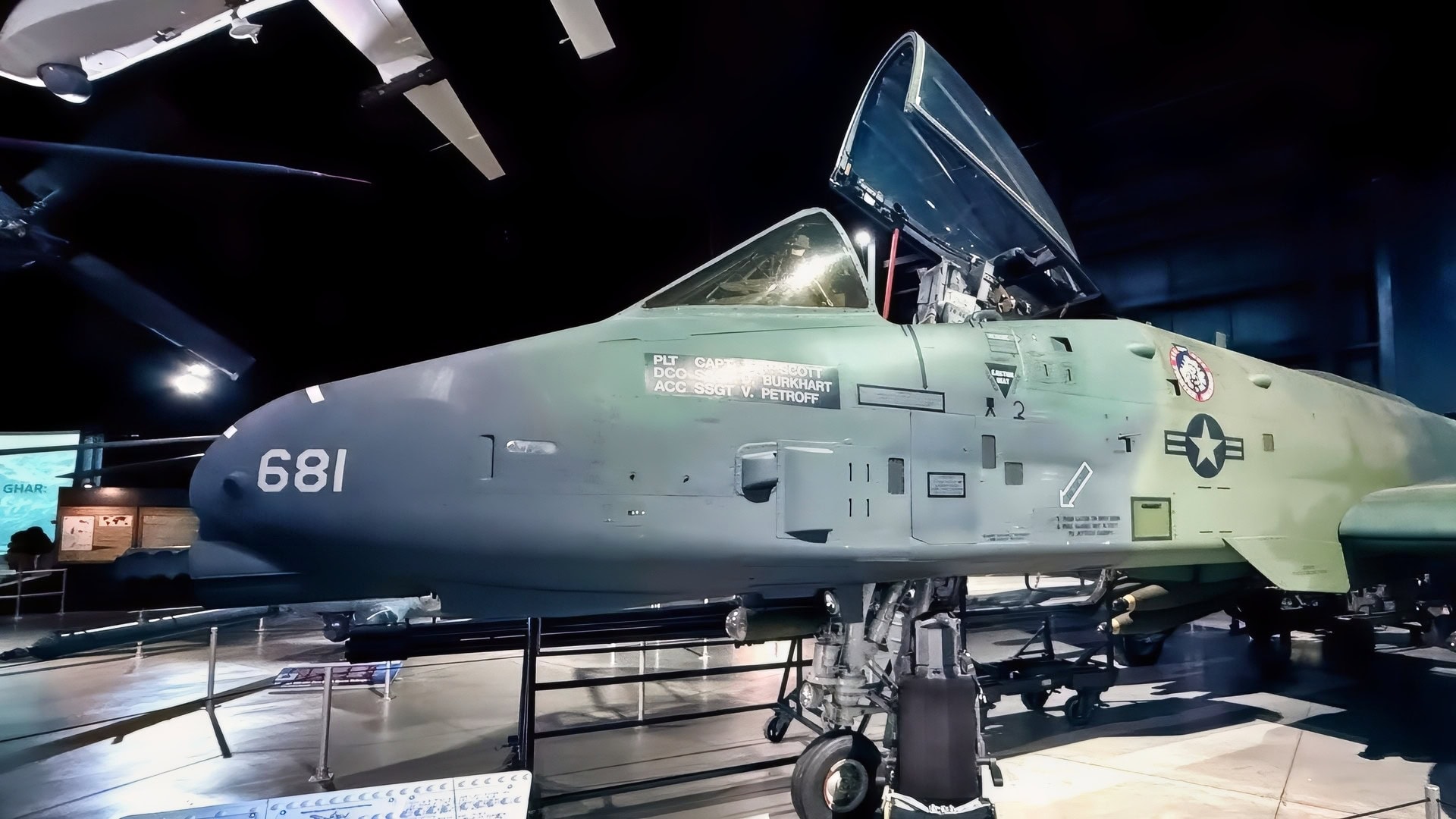
A-10 Warthog 19FortyFive.com Original Image
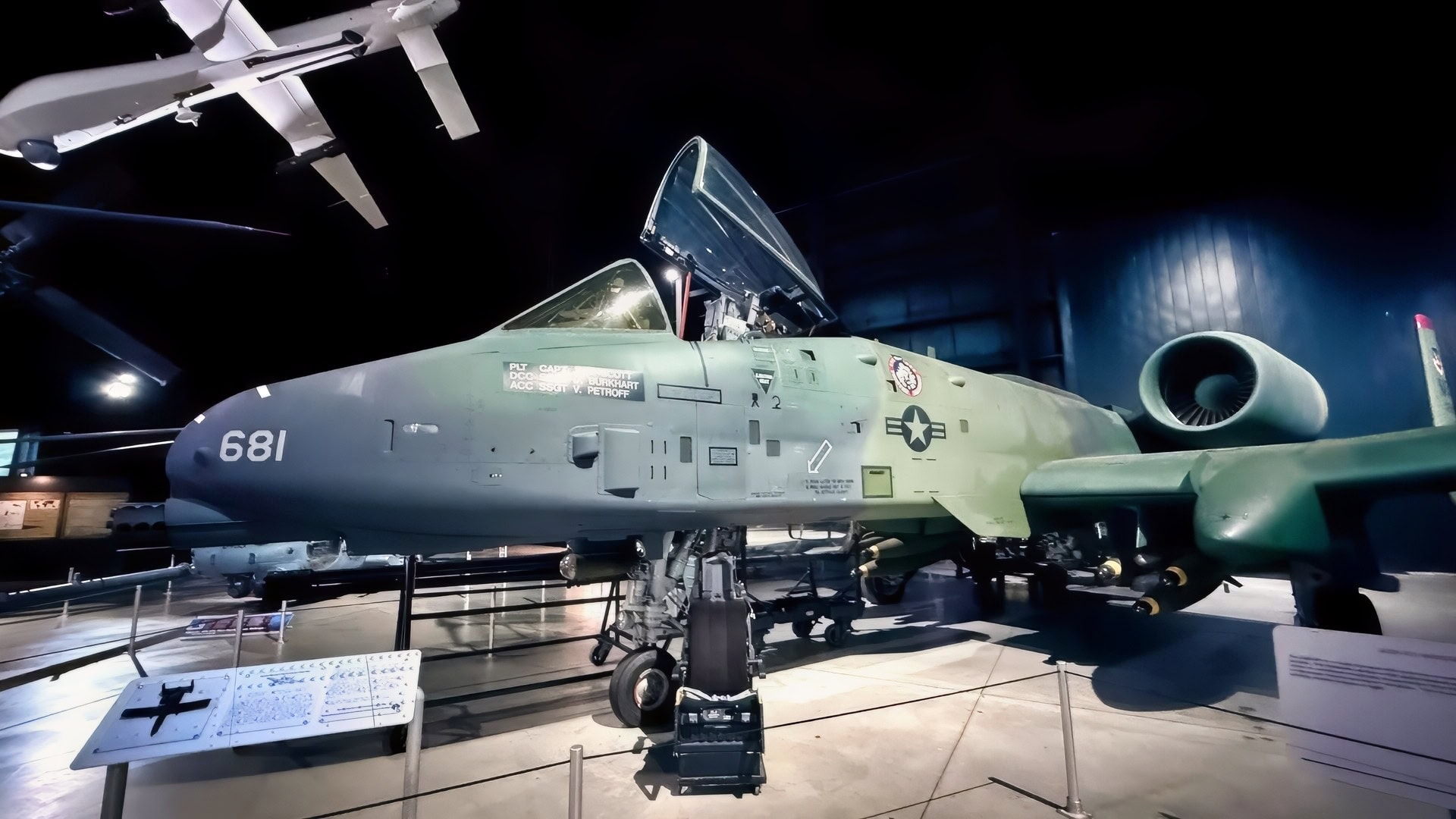
A-10 Warthog At the National Museum of the U.S. Air Force 2025 Image. Image taken by Harry J. Kazianis for 19FortyFive.com
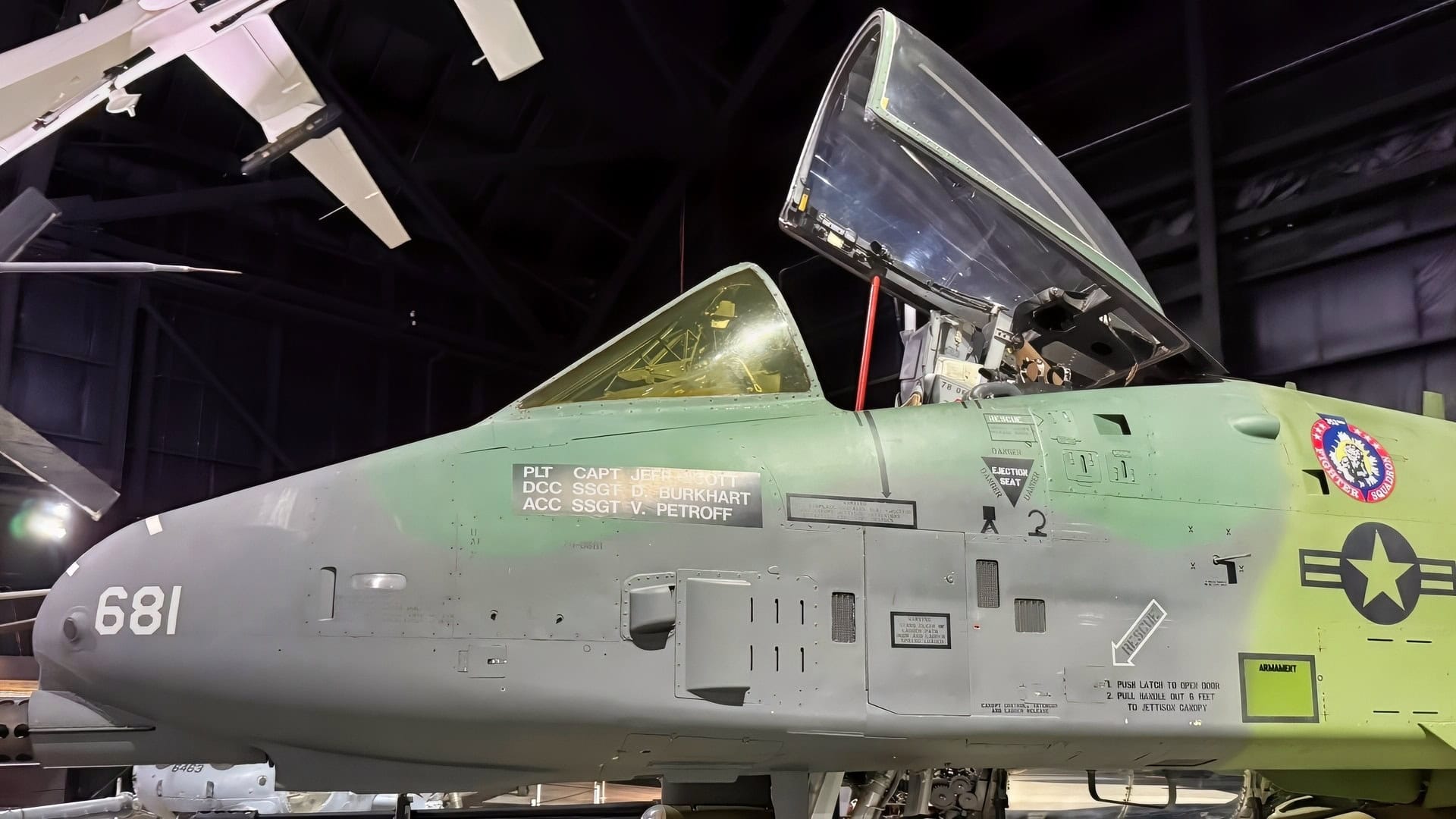
A-10 Warthog 19FortyFive.com Original Image. Take at National Museum of the U.S. Air Force in July of 2025.
About the Author: Brandon J. Weichert
Brandon J. Weichert is the Senior National Security Editor at 19FortyFive.com. Recently, Weichert became the editor of the “NatSec Guy” section at Emerald. TV. He was previously the senior national security editor at The National Interest. Weichert is the host of The National Security Hour on iHeartRadio, where he discusses national security policy every Wednesday at 8 pm Eastern. He hosts a companion show on Rumble entitled “National Security Talk.” Weichert consults regularly with various government institutions and private organizations on geopolitical issues. His writings have appeared in numerous publications, among them Popular Mechanics, National Review, MSN, and The American Spectator. And his books include Winning Space: How America Remains a Superpower, Biohacked: China’s Race to Control Life, and The Shadow War: Iran’s Quest for Supremacy. Weichert’s newest book, A Disaster of Our Own Making: How the West Lost Ukraine, is available for purchase wherever books are sold. He can be followed via Twitter/X @WeTheBrandon.