
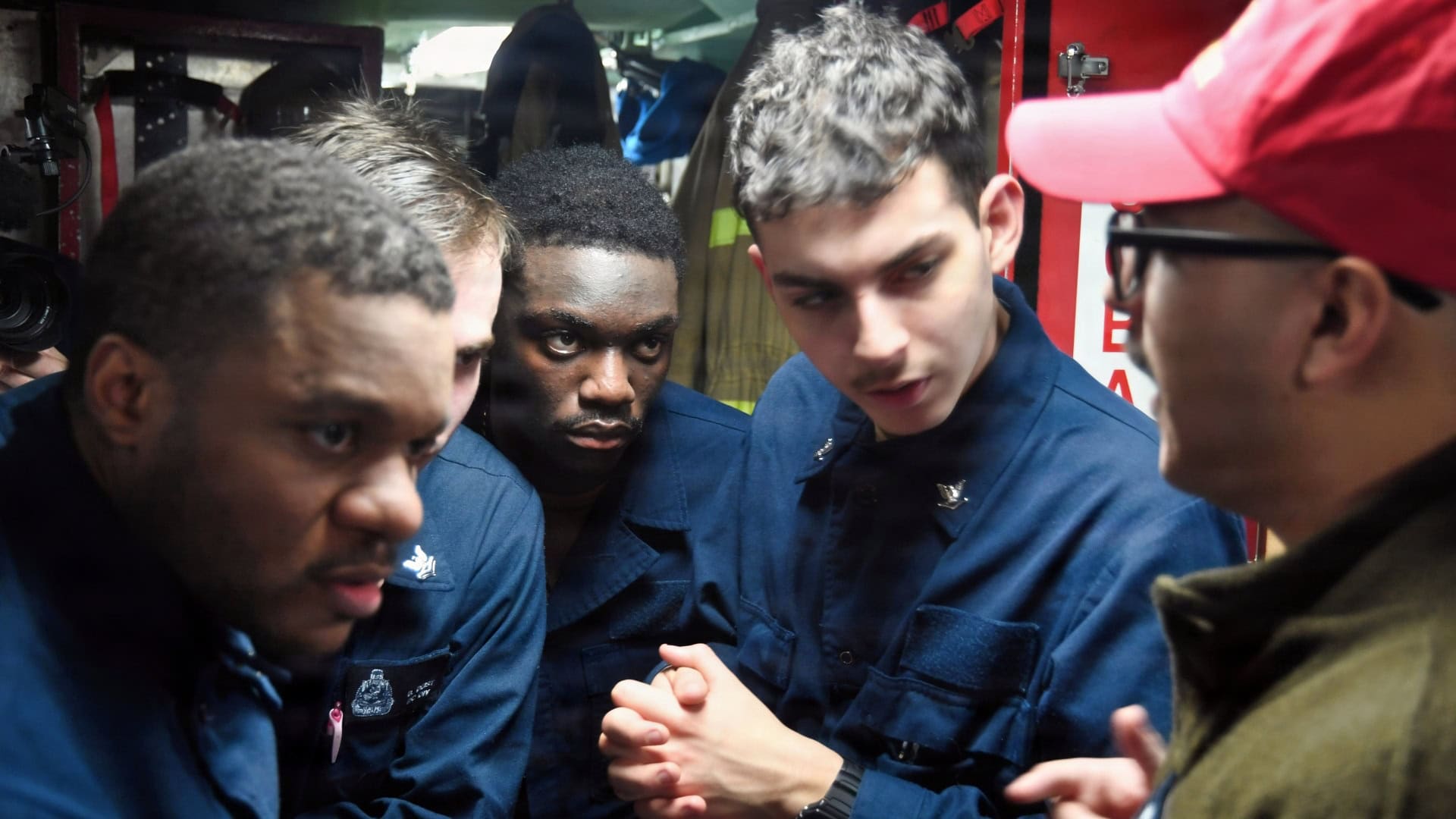
Being on a submarine can be stressful. It’s an enclosed underwater space where many people are crowded. And that’s even before the potential stresses of war are taken into account.
In 2016, the Submarine Force Pacific, seeking to address such issues, touted a mental wellness program for the “silent service.”
“Years of constant training, separation from family, long deployments and work-ups or even misconceptions can lead even the best submariners down a terrifying and lonely state of mental illness in a submarine community historically known as the silent service,” the article by Mass Communication Specialist 2nd Class Michael H. Lee, in 2016, said.
The program entailed a pair of hospital corpsmen scheduling daily visits and client hours, in order to “identify and educate Sailors with various psychiatric illnesses in Joint Base Pearl Harbor-Hickam.”
“We assist Sailors with everything from depression, anxiety, anger, relationship issues, work stress, loss of a loved one, and sleep hygiene,” Hospital Corpsman 2nd Class Seth Sweger said in the 2016 article.. “A large portion of our job is education, but we’re also there in case a Sailor wants to blow off steam.”
Trouble at Nuclear Operations School
Back in 2023, NBC News wrote about mental illness concerns among the fraternity of the Navy’s nuclear operations.
While nuclear operations are one of the most prestigious assignments in the Navy, “a dozen current and former nuclear-trained sailors, as well as loved ones of such operators who have died by suicide, said the unique challenges and pressures of the job have led some to suffer from severe mental health issues beginning at the school and extending well beyond graduation,” NBC reported at the time.
Between 2018 and the report in 2023, the NBC report said, five tailors and instructors at the Naval Nuclear Power Training Command in South Carolina had died of suicide, with an additional 24 attempts reported. The report also said that some in the program are reluctant to admit difficulty, since a mental illness diagnosis could cost them their position.
“Aboard submarines and aircraft carriers, the living conditions become more taxing and are unlike ‘anything else anywhere,’” Douglas Bainbridge, an Electrician’s Mate First Class who taught at the school, told NBC in 2023.
“Nuclear-trained sailors spend the majority of the time below deck, inside dark machinery rooms and reactor plants, where they often work more than 12-hour shifts, see little daylight, get less time off and feel isolated from the rest of the crew, according to a retired Navy chief petty officer who used to work for an aircraft carrier’s Reactor Department.”
In China, Too
Meanwhile, in 2021, a study was done of mental health issues among submarine sailors in China. It was a study of 580 male submariners in the PLA Navy’s South China Sea fleet, most of whom returned complete responses.
As CNN reported at the time, citing work by China’s Second Military Medical University that was published in the British journal Military Medicine, sailors on submarines “reported severe psychological problems at much higher rates compared to People’s Liberation Army (PLA) forces.”
“This study demonstrates for the first time that soldiers and officers in the submarine force in the South China Sea are facing mental health risks and suffering from serious psychological problems,” the authors said.
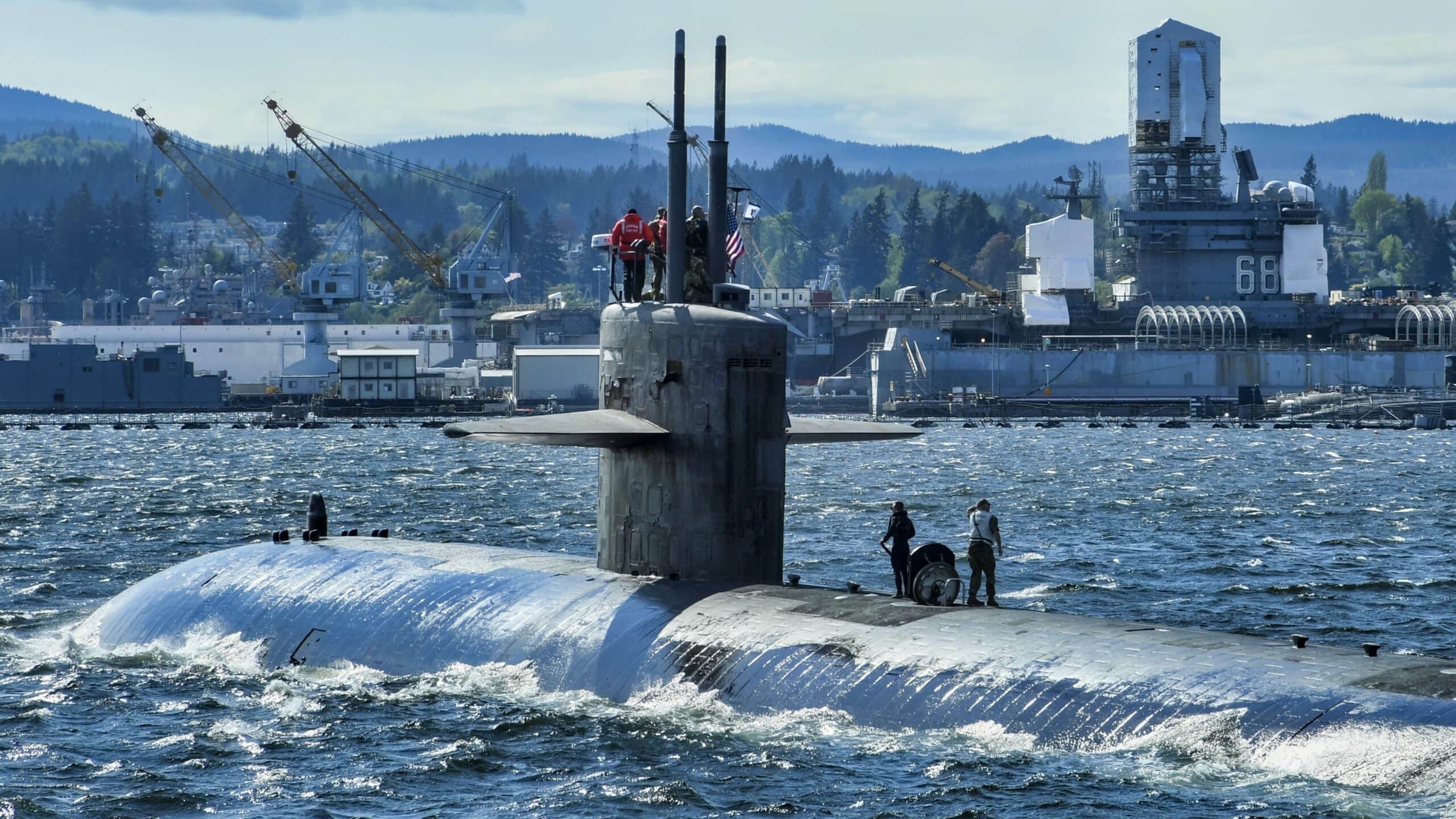
U.S. Navy SSN Submarine. Image Credit: Creative Commons.
The submariners, CNN’s report on the study said, “showed higher rates of anxiety, phobias, paranoia and somatization” than those in China’s main military.
A part of the problem, the report said, was frequent military activity and other tensions in the South China Sea.
“The physically unfriendly environment means that submariners are not only living in an isolated, constantly closed environment, but they also sleep in a cabin that is exposed to excessive noise,” the authors of the study reported.
About the Author: Stephen Silver
Stephen Silver is an award-winning journalist, essayist, and film critic, and contributor to the Philadelphia Inquirer, the Jewish Telegraphic Agency, Broad Street Review, and Splice Today. The co-founder of the Philadelphia Film Critics Circle, Stephen lives in suburban Philadelphia with his wife and two sons. For over a decade, Stephen has authored thousands of articles that focus on politics, national security, technology, and the economy. Follow him on X (formerly Twitter) at @StephenSilver, and subscribe to his Substack newsletter.