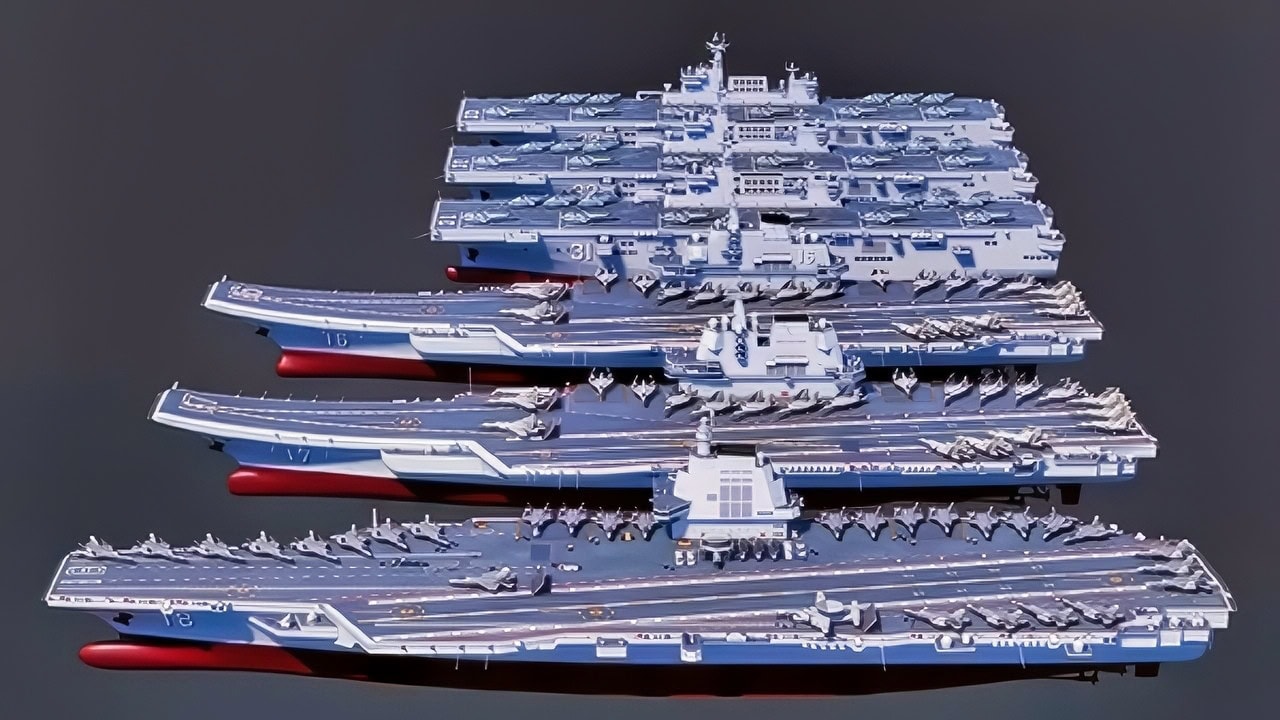
China, Fuel, & The Indirect Approach: In his book Strategy, B.H. Liddell Hart wrote that “[t]he object in war is a better state of peace” and goes on to state that the best way to attain it is the Indirect Approach: focusing on the logistics and economy that sustain the enemy’s forces, ensuring that alternative objectives are present, and exploiting weak points at which the enemy is not concentrated.
Yet U.S. war planning against the People’s Republic of China (PRC) is now dominated by the prospect of a short, high-intensity fight over Taiwan. That operational fixation risks obscuring the larger strategic problem: a PRC able to impose local, or even global, dominance would severely damage U.S. economic interests, challenge alliances, and threaten U.S. international standing. It also plays to Beijing’s advantages. China would be fighting close to home, while U.S. forces would operate at long distances under threat from PLA systems designed specifically for anti-access and area-denial operations.
Rather than focusing narrowly on the destruction of a PLA invasion force, U.S. planners should shift focus to the strategic systems that sustain the PLA — especially its fuel supply.
Historical Precedent
During the Civil War, Winfield Scott’s Anaconda plan sought to strangle the Confederate economy, leaving it unable to field sufficient forces while demoralizing the Southern population. Over time, Philip Sheridan’s Shenandoah Valley campaign, General William Sherman’s March to the Sea, and the Union naval blockade succeeded in denying the Confederacy the ability to sustain its forces or reconstitute after battlefield losses.
During WWII, U.S. strategy relied on crushing the German economy. Germany relied heavily on fuel imports – and in 1943, Allied planners sought to take advantage of this dependency, initiating the Oil campaign with Operation Tidal Wave – the bombing of Romanian oil fields responsible for 30% of Axis oil. While the Ploiești raid achieved only limited success, the campaign that it inaugurated was far more effective, eventually destroying most of Germany’s refining and synthetic fuel capacity. By the end of the war, the Luftwaffe was largely grounded, and its armor was unable to move.
Eighty-three years after Ploiești, the U.S. faces perhaps the most capable adversary it ever has – the PRC. Its military is growing. The People’s Liberation Army Navy (PLAN) now has more ships than the US Navy with over 370 , and a Rocket Force and Air Force specifically designed to deny the Joint Force access to the Indo-Pacific. It has a rapidly growing nuclear arsenal, built with a mix of non-strategic and strategic weapons that indicate an intent beyond pure deterrence. The PLA’s military buildup is sustained by an economy with a GDP of nearly $20 trillion and an economy exceeding the U.S. when measured in Purchasing Power Parity ($41 trillion vs. $30.5 trillion).
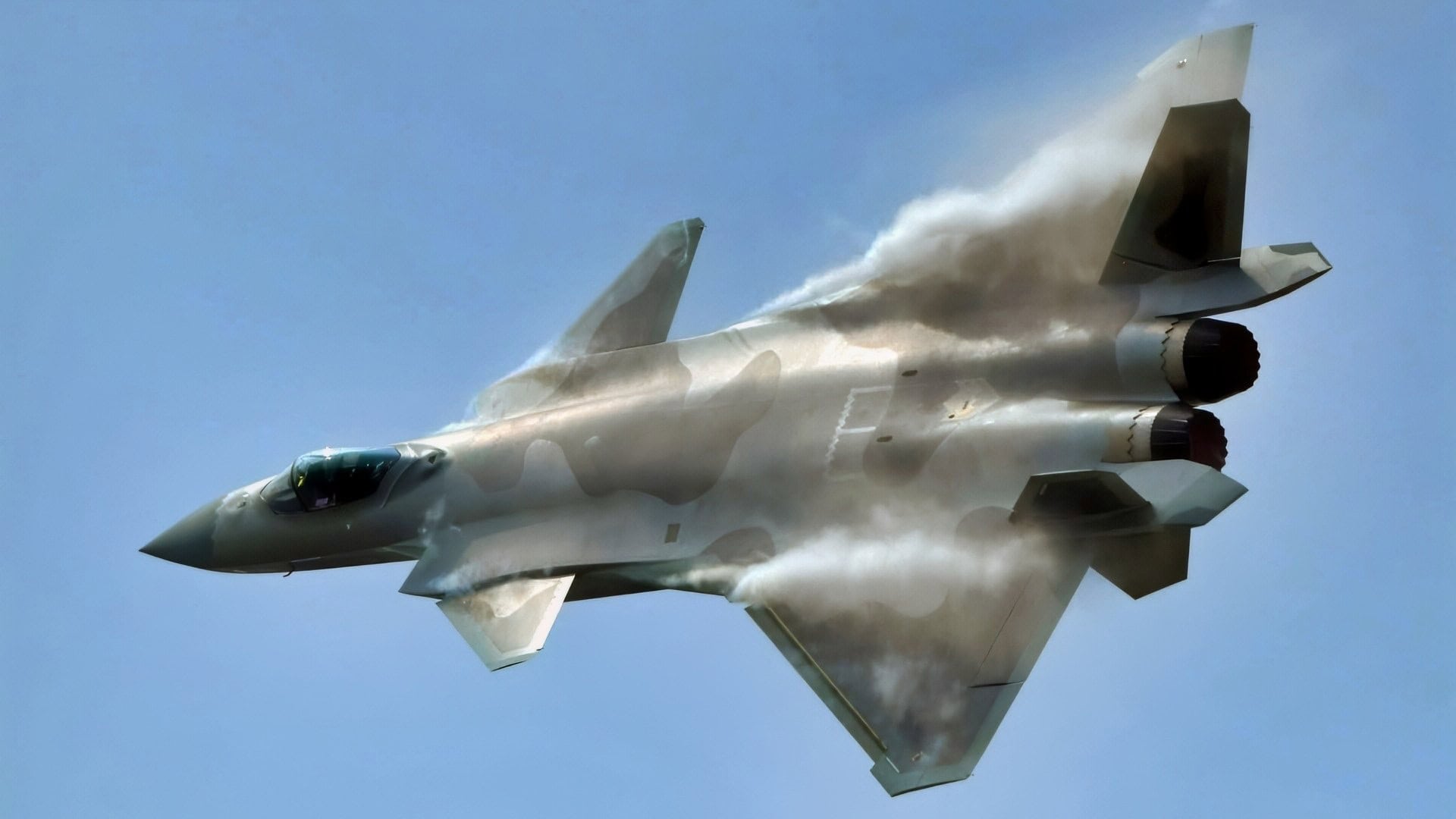
China J-20A Fighter. Image Credit: PLAAF.
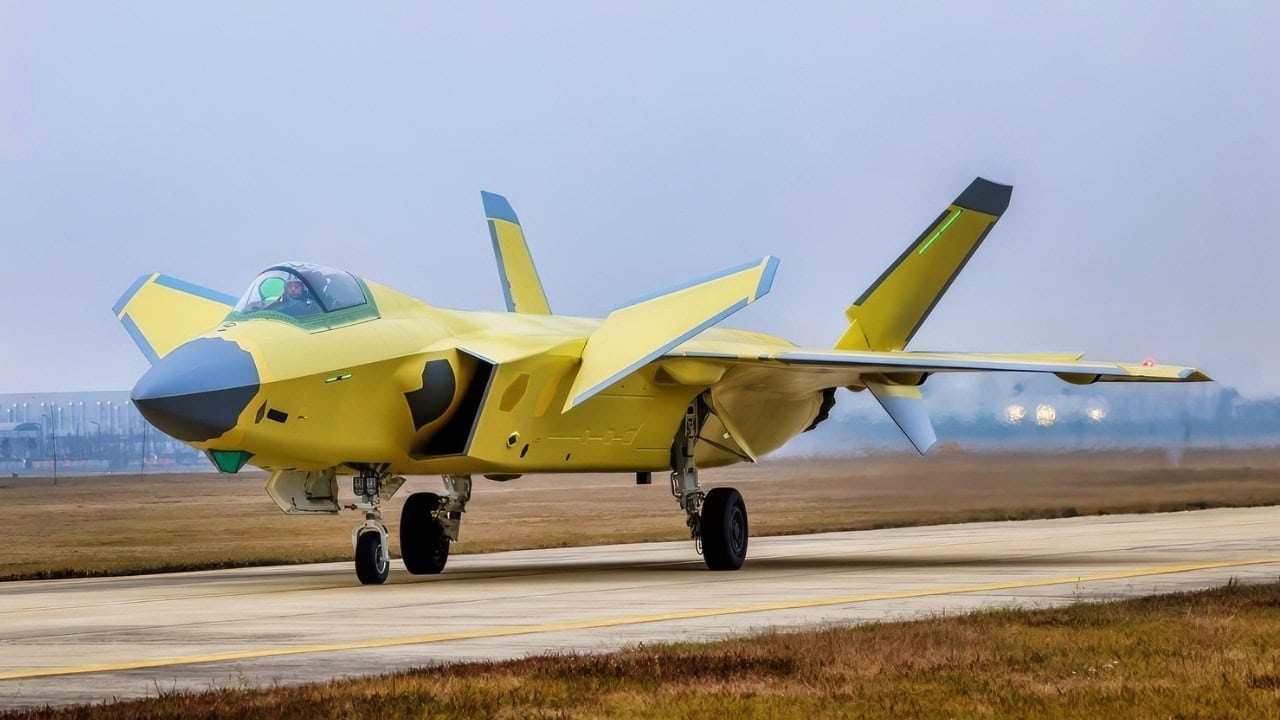
J-20 Fighter from China X Screenshot. Image Credit: Creative Commons.
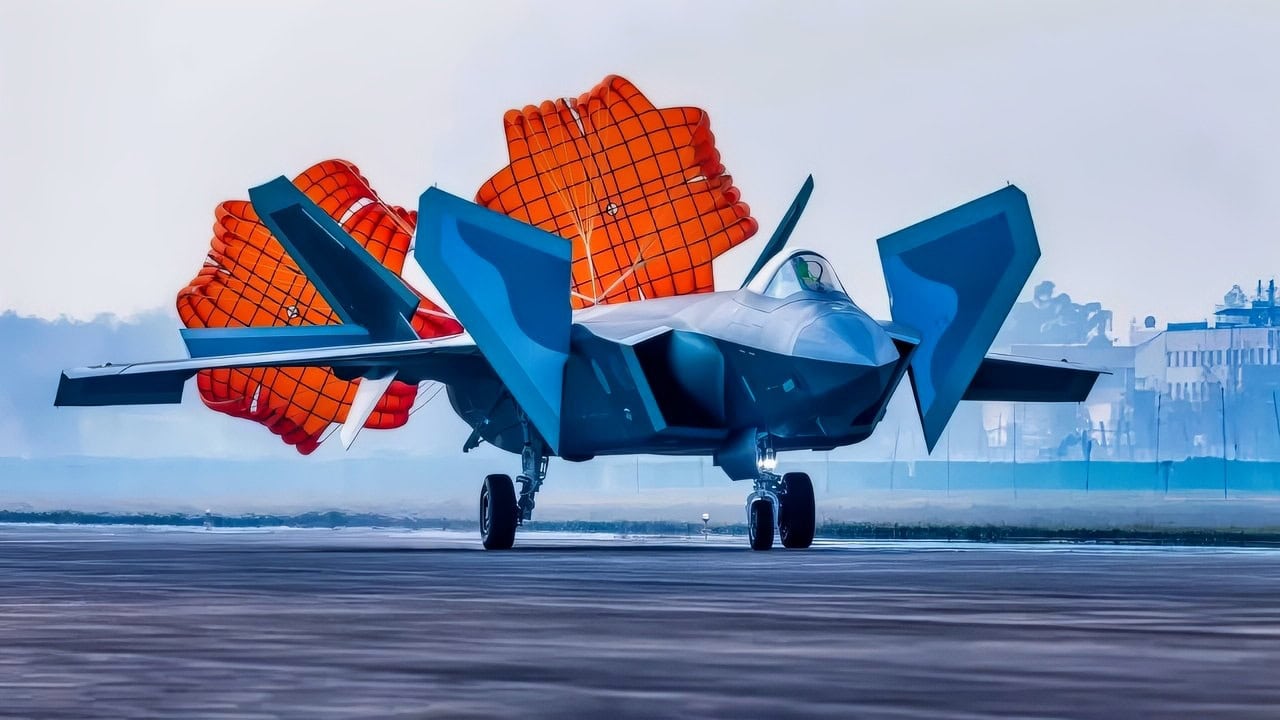
J-20S Fighter from China. Image Credit: Creative Commons.
Yet the PRC is still vulnerable. Both the PRC economy and PLA are heavily dependent on oil imports, which are vulnerable to interdiction. It also has vulnerable refinery infrastructure, which is concentrated, and requires specialized equipment to convert crude oil into military-usable fuel.
The PRC Fuel System
The PRC imports approximately 70% of its oil, mostly by sea. In case of a conflict, it is at risk of being cut off by U.S. actions. While the Strait of Malacca is oft-talked about, PRC oil imports are also vulnerable to military and diplomatic means at their points of origin. Significant amounts of oil come from U.S. allies in the Gulf (43%, primarily from Saudi Arabia, Iraq, Oman, and the United Arab Emirates). Different approaches are available to deal with its two remaining significant sources, Iran and Russia, depending on if they decide to be opportunistic and expand the war worldwide. China has little ability to compensate with overland routes. Russia supplies China with roughly 900,000 barrels per day of crude imports via pipeline, but has limited ability to increase volume.
Beyond imports themselves, the PRC’s military fuel system is vulnerable to disruption at the refinery level. Militaries rely on specially refined fuels to operate naval and air platforms. To refine crude oil into military-grade fuels, such as JP-5, F-76, and JP-8 equivalents, a refinery needs specialized equipment, such as hydrocrackers that are not easily replaced. Targeting hydrocrackers early in a war could prevent the conversion of sufficient quantities of crude oil from the PRC’s SPR into military-grade fuel for a protracted war.
A third critical vulnerability is at points of distribution. There are a limited number of ports where imported crude arrives, such as the port of Ningbo-Zhoushan, which is one of the few Chinese ports with the capability to handle Very Large Crude Carriers (VLCC).
If critical infrastructure is destroyed, not only will China be unable to import fuel at the targeted port, but traffic will need to be rerouted to the limited number of remaining ports, further increasing risks to PLC and PLA fuel supply. A second point of distribution at which the PRA can be disrupted is their oilers. The PLAN only has 11 modern Type 903 Fleet Replenishment oilers, and their destruction would limit the PLAN’s range and force PLAN vessels to port, reducing their engagement windows.
The current narrow focus on a cross-strait invasion of Taiwan ignores these vulnerabilities. The U.S. should seek to exploit China’s vulnerable fuel system at multiple points – choking off China’s ability to sustain, reconstitute, and develop the PLA.
More Than Taiwan – A Strategic Victory Through Imposition of Economic Costs
Cutting crude imports could have additional longer-lasting consequences than targeting hydrocrackers, by setting China’s economy back. For example, cutting off PRC crude imports increases the drawdown rate from the PRC’s strategic petroleum reserve (SPR), forcing the PRC to make tough strategic decisions on how much fuel it allocates for economic use versus military use. The more oil it allocates towards military uses, the less oil it can use to power its economy, causing long-lasting economic damage in addition to immediate pressure.
Depending on the severity of the damage, this long-lasting economic damage could make any Chinese military victory resulting in PRC control of Taiwan pyrrhic, stalling development of critical technologies, reducing available capital by reducing investability, and diverting the capital that is available towards restoration rather than advancement. When the difference in performance between cutting-edge technology, which is even months ahead of its competitor’s product, is significant, this matters.
If China’s economy is set back by far enough relative to the U.S., the U.S. ultimately emerges with a strategic victory, even if the PLA controls Taiwan. This is less optimal than a successful forward defense that repels the PLA, but it presents a second alternative objective to stave off a decisive strategic defeat in the event of the non-viability or failure of a forward defense. It also does not conflict with a forward defense – credibly threatening an alternative objective forces PLA planners to hold back resources, or else face extreme risk. Further, attacks on the PRC fuel system, especially facilities that refine crude into military fuel and distribution points, immediately impact the sustainability of PLA operations.
Conclusion
Economic and logistics-centered strategic thinking is not novel. Rather, it is a continuation of U.S. strategic thought that brought about victories in the Civil War, WWII, and many other U.S. conflicts. The current narrow focus on a cross-strait invasion of Taiwan is understandable from an operational standpoint. But it is also a dangerous deviation that loses focus on the bigger strategic picture.
It mistakes Taiwan as the object of such a war, rather than a trigger.
The moment a war begins, Taiwan’s immediate economic value to the U.S., the PRC, and the rest of the globe plummets, as trade flows are disrupted and critical advanced semiconductor manufacturing plants are cut off or destroyed. According to Bloomberg, the immediate estimated economic damage would exceed $10 trillion, or roughly 10% of global GDP. Long-term disruptions and lost opportunities would drive costs higher.
Should a forward defense of Taiwan be non-viable or fail, U.S. national interests would remain. Those interests include preventing further economic damage, protecting allies, and deterring further PRC expansion. Historical precedents strongly suggest that the PLA will not stop at Taiwan. During WWII, Japan did not stop at the Dutch East Indies.
Even if the PLA stopped after conquering Taiwan, there is no guarantee that it wouldn’t prepare for additional military action soon, such as attempting to secure the South China Sea. Short of military action, an emboldened PRC presents other threats, including control of global oil markets, critical infrastructure, and trade flows in the Indo-Pacific.
Prudence dictates that the U.S. should be prepared for this worst-case scenario – a failure of forward defense – by refocusing from a narrowly operational approach to a strategic one. That means developing options for disrupting the PLA’s means of sustainment, reconstitution, and development – PRC’s fuel system and broader economy.
About the Author: Jim Fein
Jim Fein is a Research Associate for National Security and Defense Industrial Base at The Heritage Foundation.