
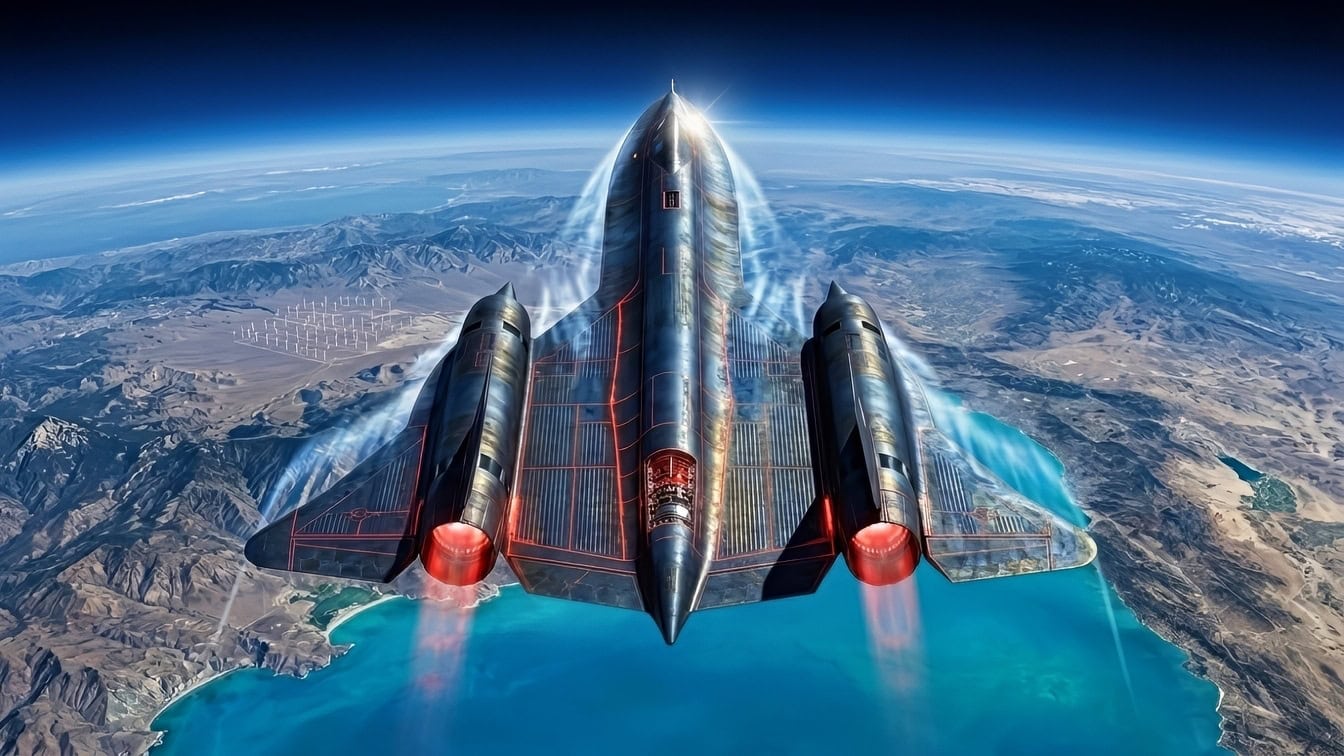
It’s well known that NASA operated SR-71 Blackbird jets throughout the 1990s, which were loaned to NASA by the Air Force after the Blackbird program concluded.
But it’s less known that NASA had an SR-71 two decades before that.
According to a recent report by Aviation Geek Club (ACG), NASA actually received an SR-71 Blackbird in the 1970s, but disguised it as a different jet, the YF-12. NASA, per that report, was “not allowed” to have SR-71s.
AGC published a photo of a pair of jets, taken in 1975, and described as “NASA Blackbirds carrying the so-called ‘coldwall’ heat transfer pod on a pylon beneath the forward fuselage.” One is a YF-12, while the other is an SR-71 that the agency passed off as a YF-12.
That so-called YF-12C was described by Geek Club as “ a then-secret SR-71A (serial no. 64-17951, the second production SR-71A) given the NASA tail no. 60-6937.
Why the secrecy?
“NASA, while flying the YF-12A interceptor version of the aircraft, was not allowed to possess the strategic reconnaissance version for some time,” Geek Club said.
The difference between the two jets was in the nose, as YF-12A’s nose was round while the SR-71 “had its chine carried forward to the nose of the airplane.” There were also various other structural differences between the two jets.
19FortyFive recently visited a YF-12 at the National Museum of the U.S. Air Force, and we present photos from that visit below.
How It Got Its Tail Number
According to Geek Club, there was a specific reason for that jet’s tail number.
“The tail number 06937 was selected because it followed in the sequence of tail numbers assigned to the three existing YF-12A aircraft: 06934, 06935, and 06936,” Geek Club said.
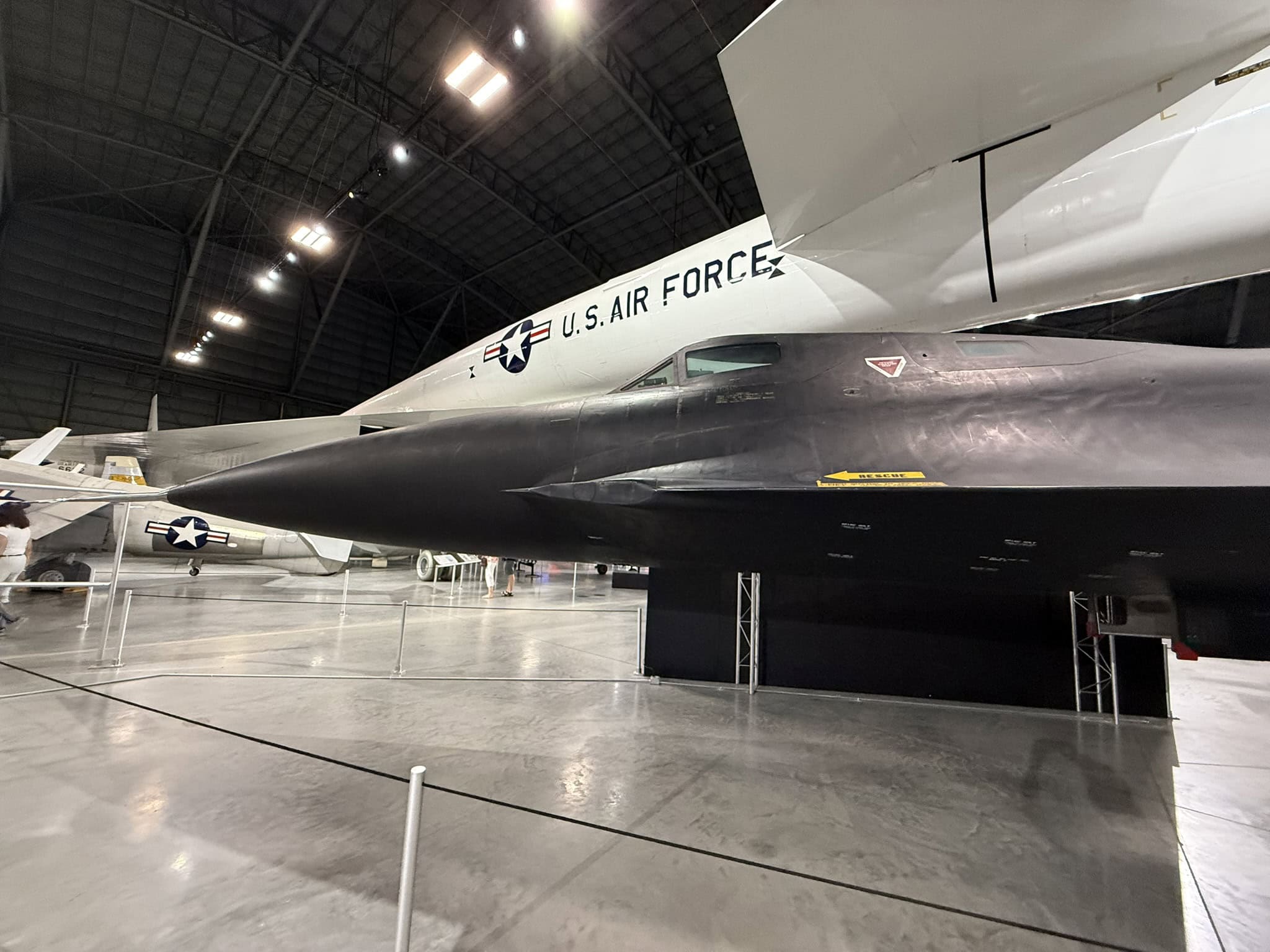
YF-12A. Image taken by Harry J. Kazianis at the National Museum of the Air Force for 19FortyFive.com
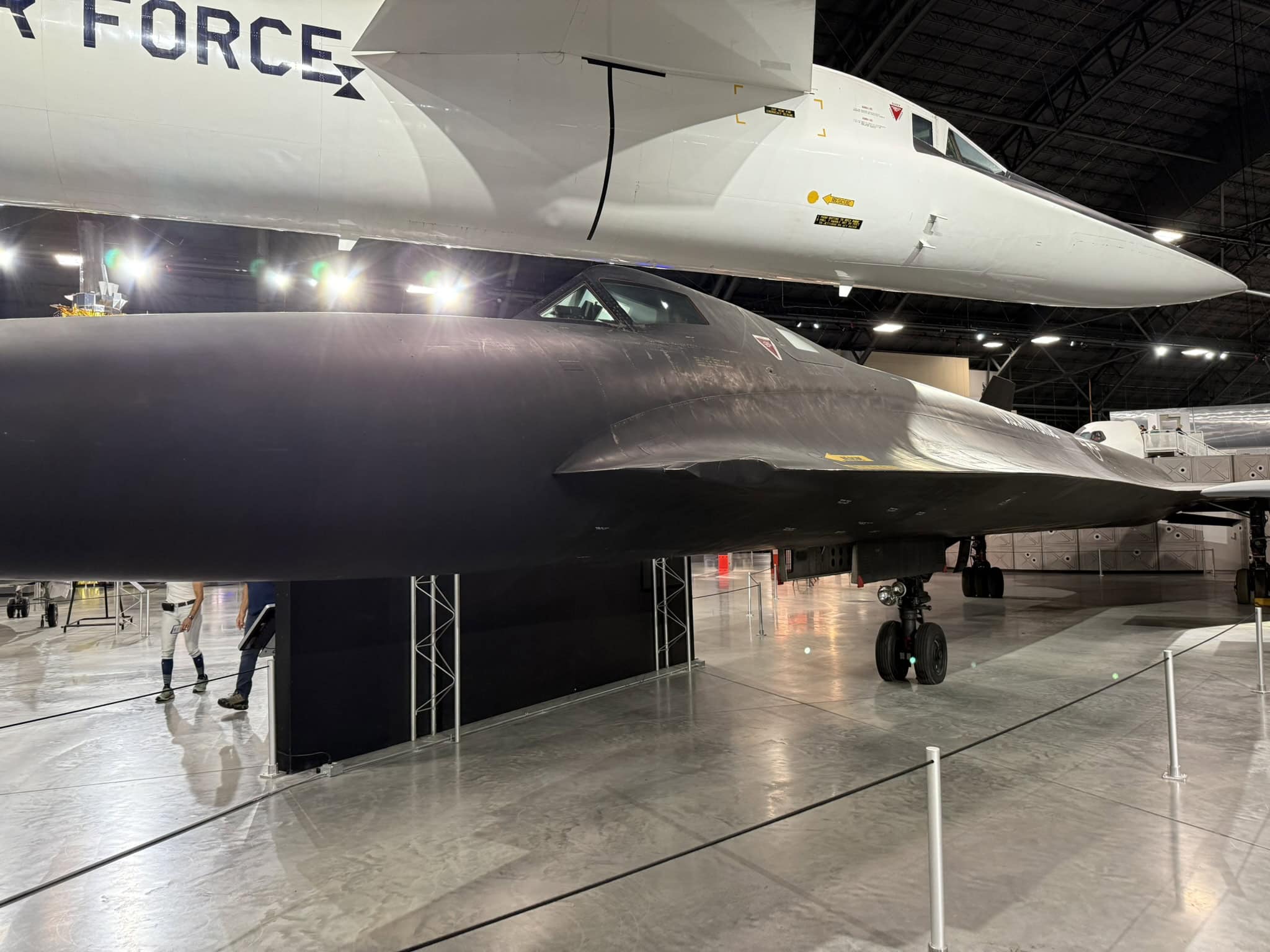
YF-12A. Image taken by Harry J. Kazianis at the National Museum of the Air Force for 19FortyFive.com
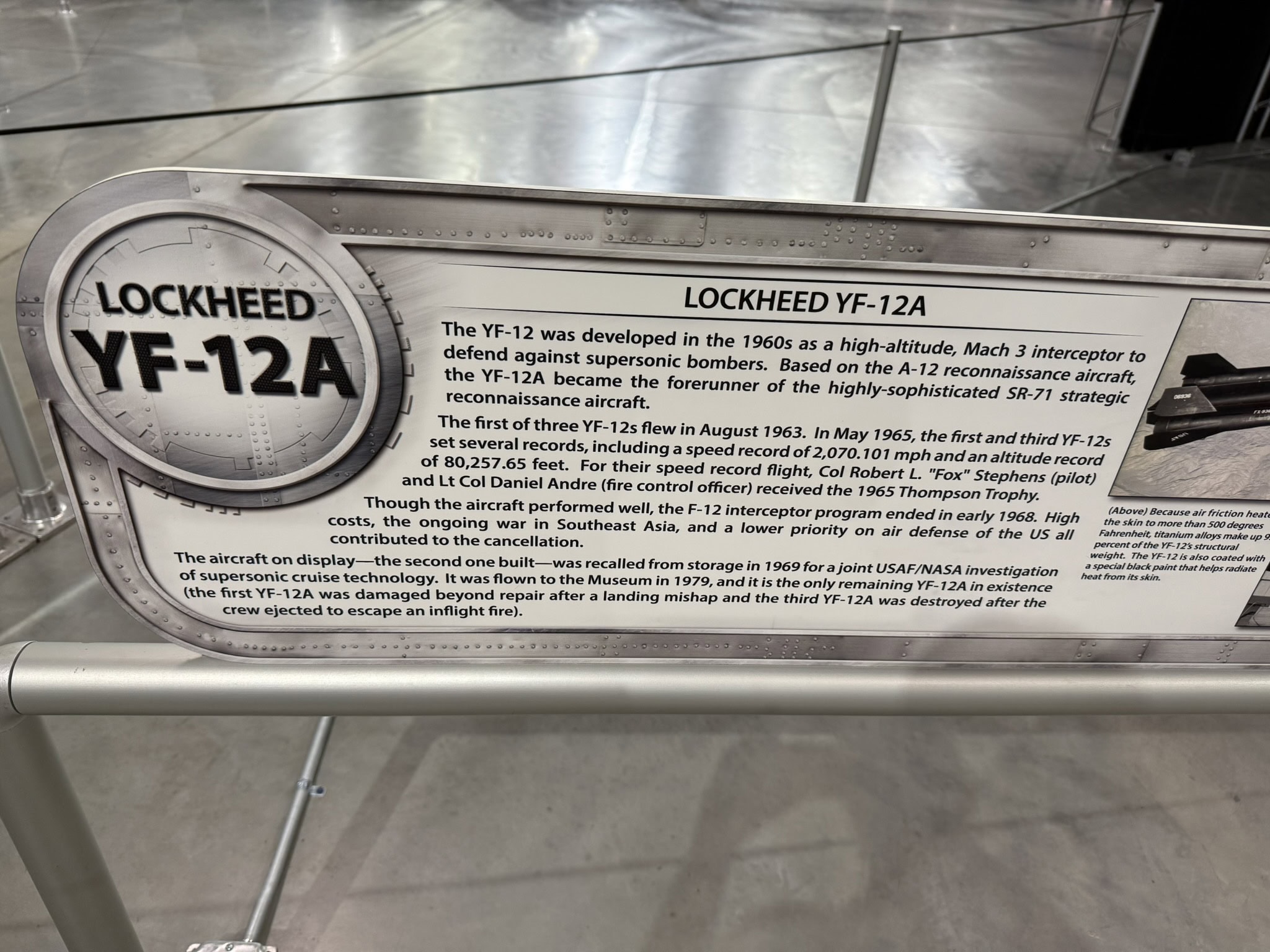
YF-12A. Image taken by Harry J. Kazianis at the National Museum of the Air Force for 19FortyFive.com
A NASA article, uploaded in 2021, went into a bit more detail about this episode.
“The bogus tail number actually belonged to a Lockheed A-12 (serial no. 60-6937), but the existence of the A-12 remained classified until 1982,” the NASA article said.
According to PlaneLogger, that jet was later returned to the Air Force.
The Blackbird’s Second NASA Era
After the SR-71 Blackbird was retired by the Air Force in 1989, two of the spy planes were loaned to NASA and remained with the space agency throughout the 1990s.
“During the 1990s, two SR-71 Blackbird aircraft were used by NASA as testbeds for high-speed and high-altitude aeronautical research at Dryden. The aircraft included an SR-71A and SR-71B (the trainer version),” another NASA document said of that development.
What did NASA want with the Blackbirds? It turned out there were some
“The extreme operating environment in which they flew made the aircraft excellent platforms for conducting research and experiments in a variety of disciplines: aerodynamics, propulsion, structures, thermal protection materials, high-speed and high-temperature instrumentation, atmospheric studies, and sonic boom characterization,” the NASA documentary.
Test flights were done at NASA’s Jet Propulsion Laboratory, while researchers at UCLA used the SR-71 to “investigate the use of charged chlorine atoms to protect and rebuild the ozone layer.”
“As part of NASA’s commercialization assistance program, the SR-71 served as a testbed in the development of a commercial satellite-based, instant wireless personal communications network called IRIDIUM,” the NASA documentary said. “The IRIDIUM system was developed by Motorola’s Satellite Communications Division, and during developmental testing, the SR-71 acted as a surrogate satellite for transmitters and receivers on the ground.”
The SR-71 was also used in what NASA described as “a program to study ways of reducing sonic boom overpressures that are heard on the ground much like sharp thunderclaps by aircraft exceeding the speed of sound.”
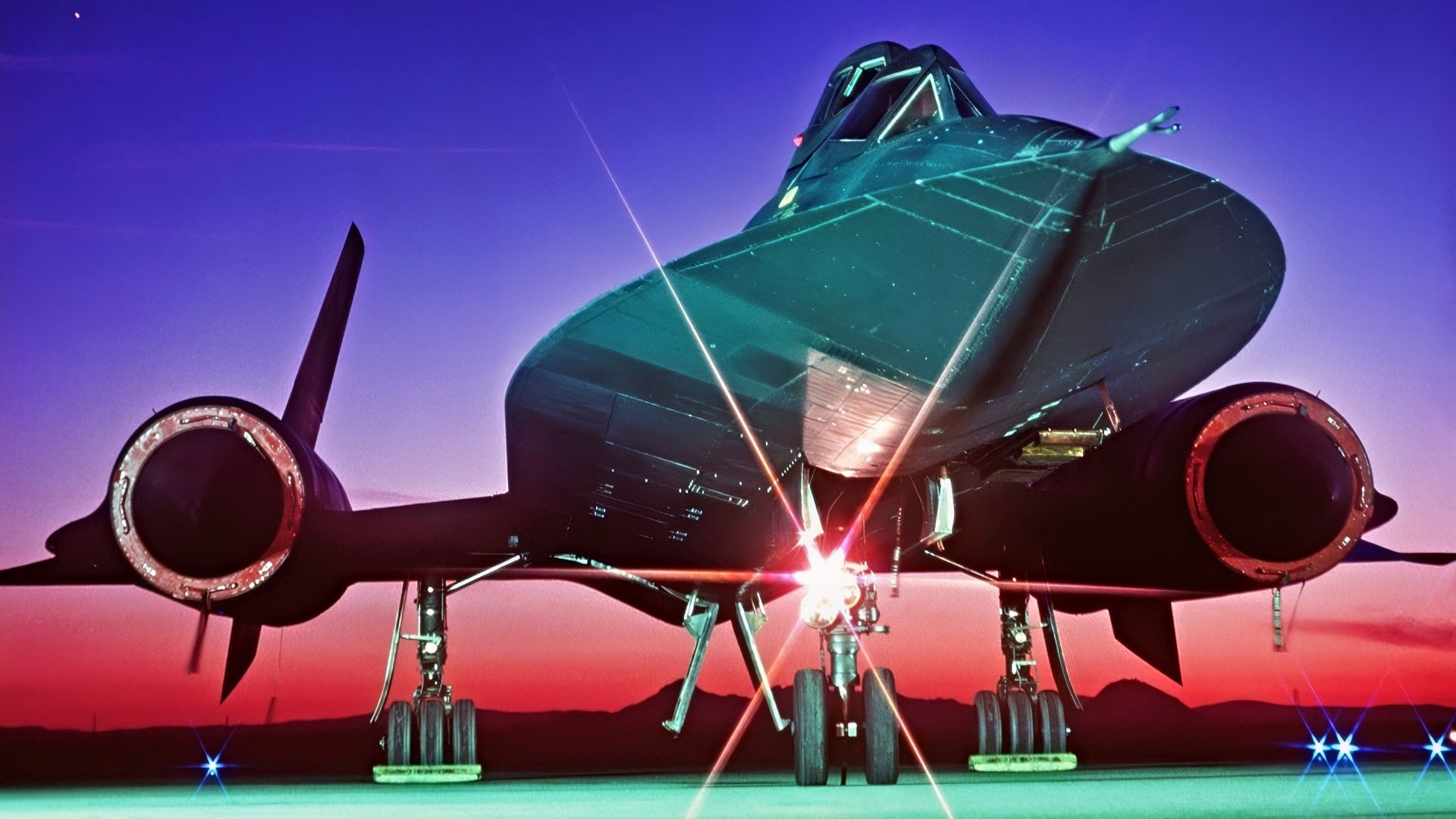
SR-71 Blackbird at Night. Image Credit: Creative Commons.

SR-71 Blackbird Near Ash Cloud. Banana Nano Image.
Ultimately, per the NASA document, four Blackbirds were flown by NASA in the 1990s.
“Two were used for research and two to support Air Force reactivation of the SR-71 for reconnaissance missions. Although the Air Force retired the Blackbirds in 1990, Congress reinstated funding for additional flights several years later,” the NASA document said.
NASA also laid out what ultimately happened to the four planes.
“SR-71A (61-7980/NASA 844) arrived at Dryden on Feb. 15, 1990. It was placed into storage until 1992 and served as a research platform until its final flight on Oct. 9, 1999. SR-71A (61-7971/NASA 832) arrived at Dryden on March 19, 1990, but was returned to Air Force inventory as the first aircraft was reactivated in 1995,” NASA said.
“Along with SR-71A (61-7967), it was flown by NASA crews in support of the Air Force program. SR-71B (61-7956/NASA 831) arrived at Dryden on July 25, 1991, and served as a research platform as well as for crew training and proficiency until October 1997.”
The Final Flight
The Cosmosphere website, meanwhile, offered an account of the SR-71’s final flight, which took place on October 9, 1999. The Blackbird was flown by NASA pilots Rogers Smith and Robert Meyer.
“On October 9, 1999, a sunny day in the Mojave Desert of southern California, the SR-71 made its final flight for the crowd of aviation enthusiasts at an Edwards Air Force Base (AFB) Air Show and Open House,” the Cosmosphere website said.
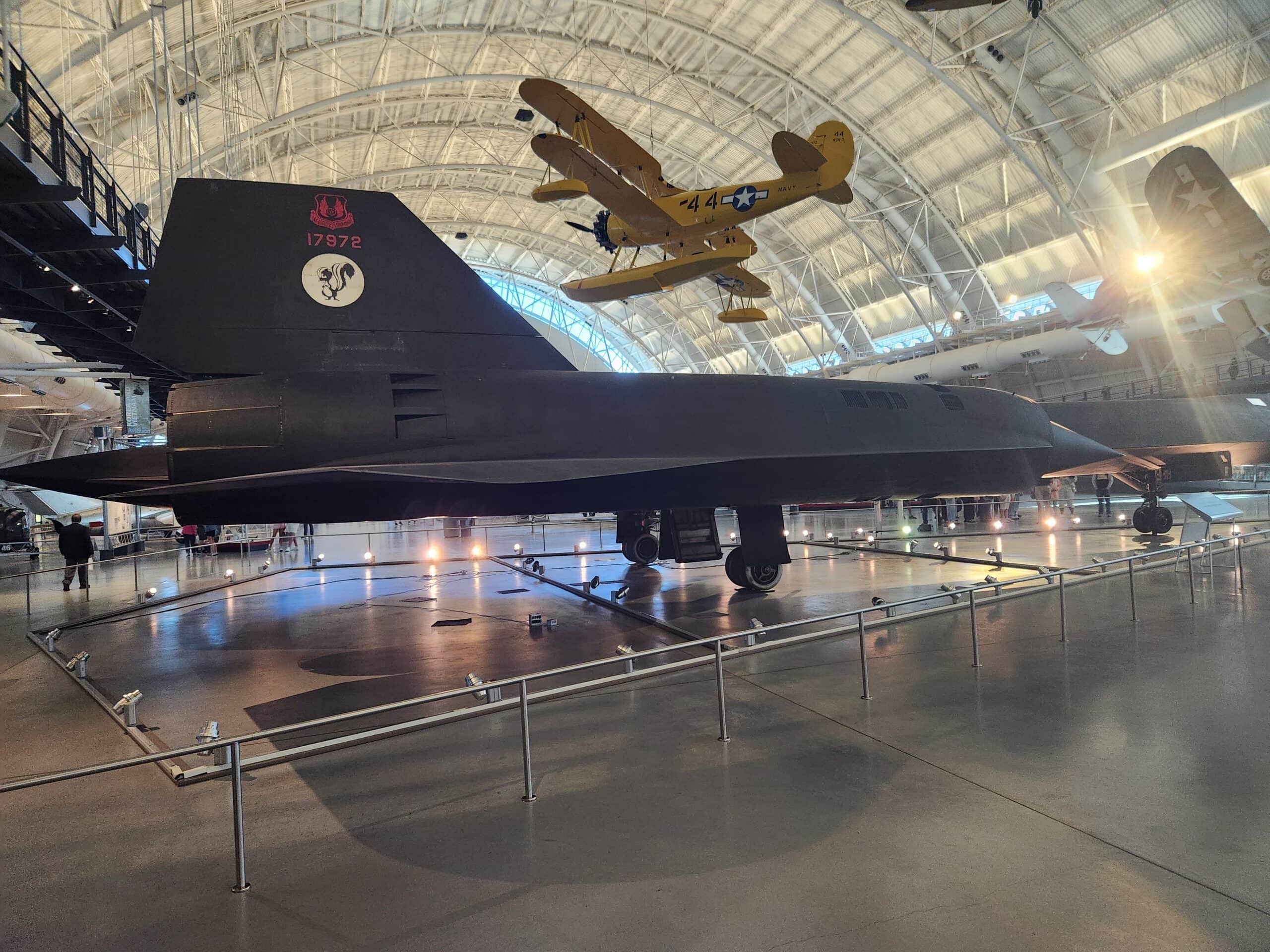
SR-71 from 19FortyFive.com original picture archive. Image taken at the Smithsonian.
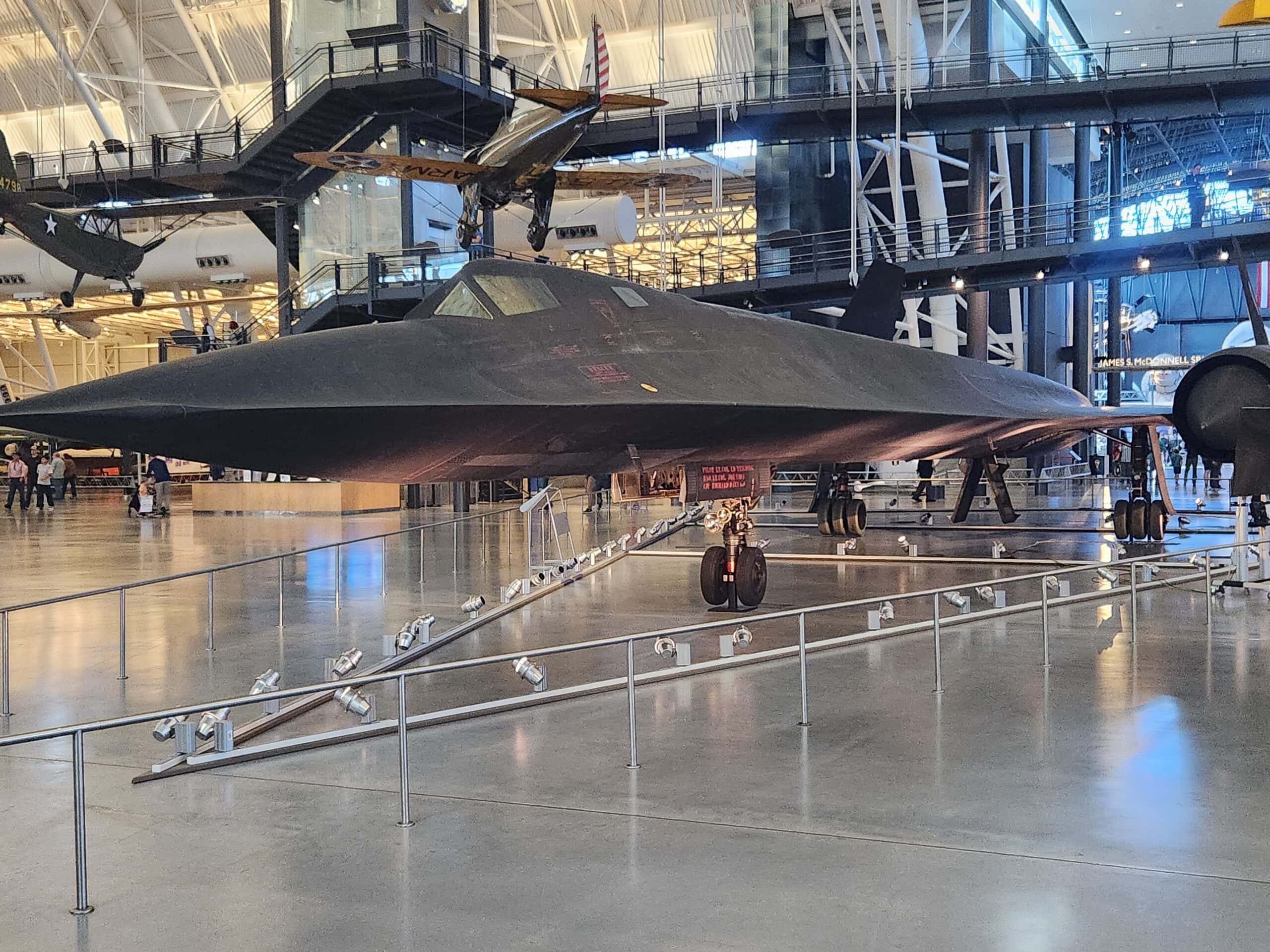
SR-71 from 19FortyFive.com original picture archive. Image taken at the Smithsonian.
“It took off with its chase plane tagging along like a younger sibling and flew out of sight. The SR-71 pilot sent out a fuel dump before the plane went supersonic, so the crowd could use the streaks in the sky to approximate the plane’s location before hearing two sonic booms. They sounded as if the front of the aircraft, then the back of the aircraft, broke the sound barrier.”
“As it passed,” the account added, “the profound elegance of its design brought some onlookers to tears.”
The final flight had been scheduled for the following day, but it was scuttled by a fuel leak. The final flight of the SR-71’s military era occurred in 1990.
“The Lockheed SR-71 Blackbird remains the fastest crewed air-breathing jet ever to fly,” Cosmosphere said.
About the Author: Stephen Silver
Stephen Silver is an award-winning journalist, essayist, and film critic, and contributor to the Philadelphia Inquirer, the Jewish Telegraphic Agency, Broad Street Review, and Splice Today. The co-founder of the Philadelphia Film Critics Circle, Stephen lives in suburban Philadelphia with his wife and two sons. For over a decade, Stephen has authored thousands of articles that focus on politics, national security, technology, and the economy. Follow him on X (formerly Twitter) at @StephenSilver, and subscribe to his Substack newsletter.