
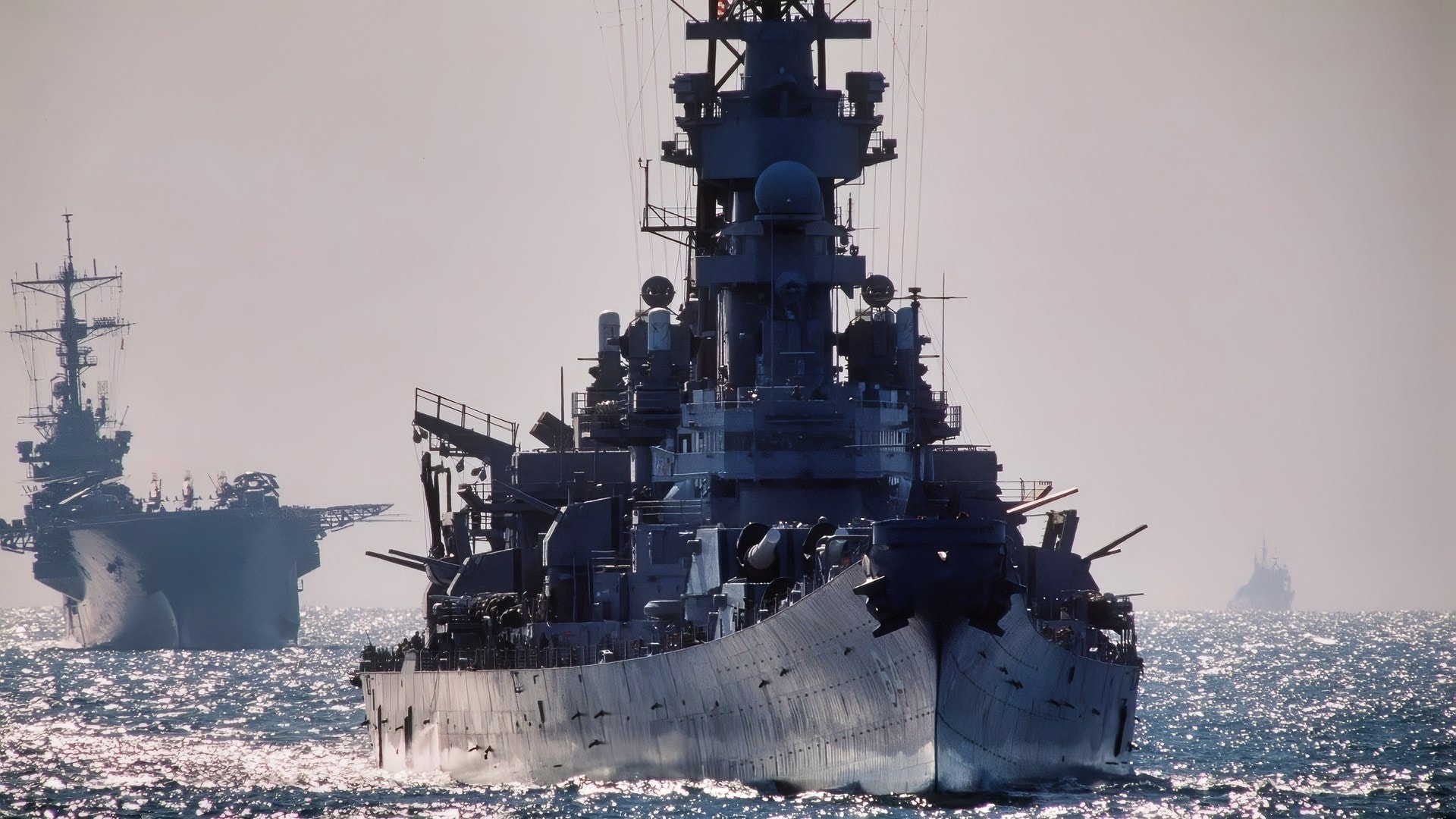
The U.S. Navy’s proposed Trump-class battleship, with a preliminary price tag of $17 billion, has generated debate and attention at the Navy League’s Sea-Air-Space exposition. Navy leaders outlined this estimate as the likely cost for the lead ship, framing the expense within the context of the vessel’s purpose and potential capabilities. The figure is shocking because it means the battleship would cost more than a Ford-class aircraft carrier, which is estimated at around $13.3 billion for the USS Gerald R. Ford (CVN-78) and roughly $13-15 billion for successive carriers.
Importantly, their roles are quite different: carriers are built to project air power via embarked aircraft, while battleships focus on direct ship-to-ship combat.
The enormous cost has led some analysts to question whether the ship is necessary, but the comparison is misleading. Aircraft carriers and Trump-class battleships are built for distinct purposes; carriers support and launch aircraft, whereas the Trump-class emphasizes ship-based missile and defense systems. It is designed as a large, heavily armed surface combatant, prioritizing missile capacity and emerging weapons technologies over traditional battleship functions.
What the Trump-Class Battleship Is Designed to Do
The Trump-class concept differs fundamentally from legacy battleships such as the Iowa-class battleship, which were built around heavy armor and large-caliber naval guns. Modern naval combat is now defined by long-range precision weapons, networked sensors, and missile defense – not gun engagements at visual range.
Current U.S. surface combatants such as the Arleigh Burke-class destroyer rely on the Mk 41 Vertical Launch System (VLS) to carry and fire missiles for air defense, strike missions, and anti-submarine warfare. However, the ships are limited by the number of VLS cells they can carry – typically 90 to 96 per destroyer.
The Trump-class is expected to expand that model significantly. Based on what has been confirmed so far, the ship is expected to feature a much larger hull, potentially in the 30,000-ton range, designed to carry a substantially greater missile load and integrating advanced command-and-control systems.
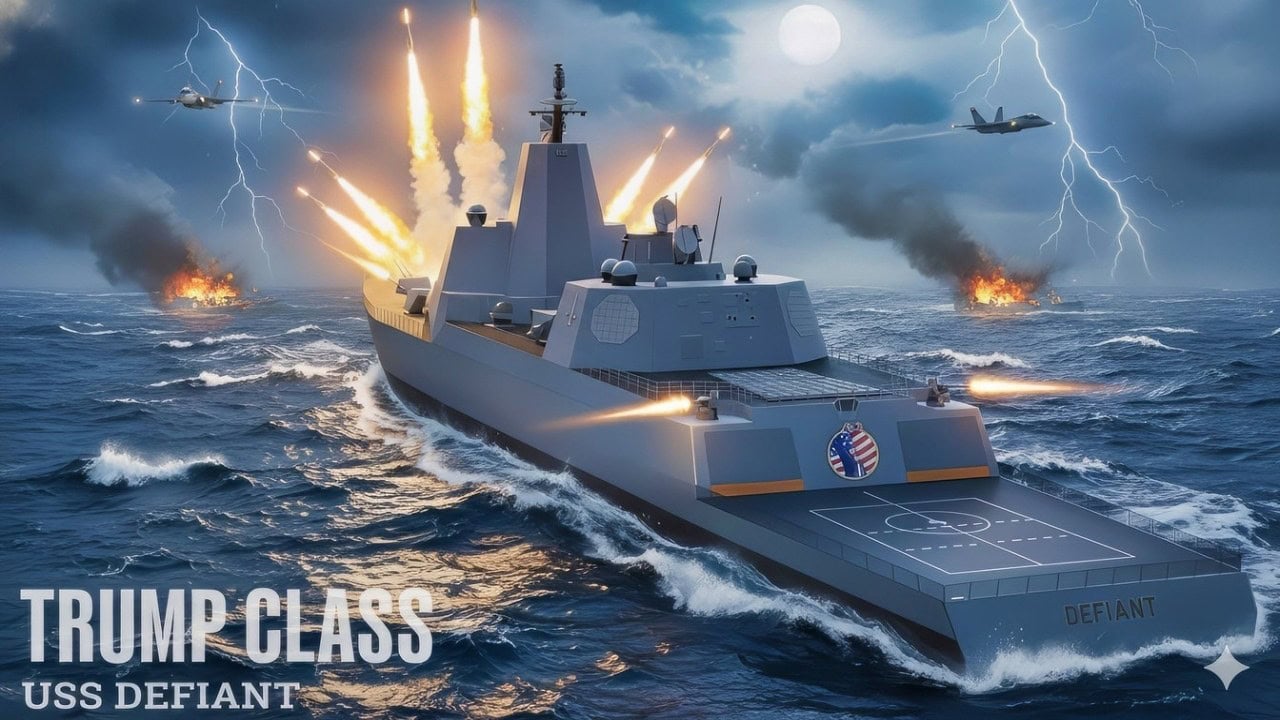
Trump-Class Battleship Image Mockup 16:9. Created Using Nano Banana.
It will be used as a high-end surface combatant in contested environments, combining large strike capacity with layered missile defense to extend American reach and naval power. Those features make it much closer to a heavily armed arsenal ship than a traditional battleship – and that design is intentional.
Why It Costs More Than An Aircraft Carrier
Comparing the cost of an aircraft carrier with a battleship, particularly a design like the Trump-class, is difficult because an aircraft carrier’s cost range typically reflects design priorities rather than inefficiencies.
Carriers derive their combat power from their airwing – the embarked aircraft that deploy with them. Carriers require extensive aviation infrastructure to be useful, including flight decks and catapult systems, as well as maintenance facilities to support the aircraft on their decks.
The Trump-class, however, is being designed around weapons and energy generation – preparing the ship for emerging and future weapons systems that cannot be installed on any existing vessels.
Among them are directed-energy weapons, which require substantial onboard electrical power. The Navy has been developing ship-based laser systems for years, including the Laser Weapon System (LaWS) and more advanced high-energy laser programs that offer a major operational advantage.
Unlike missile interceptors, which are limited by magazine size, lasers can engage targets at a significantly lower cost per shot and are constrained primarily by available power.
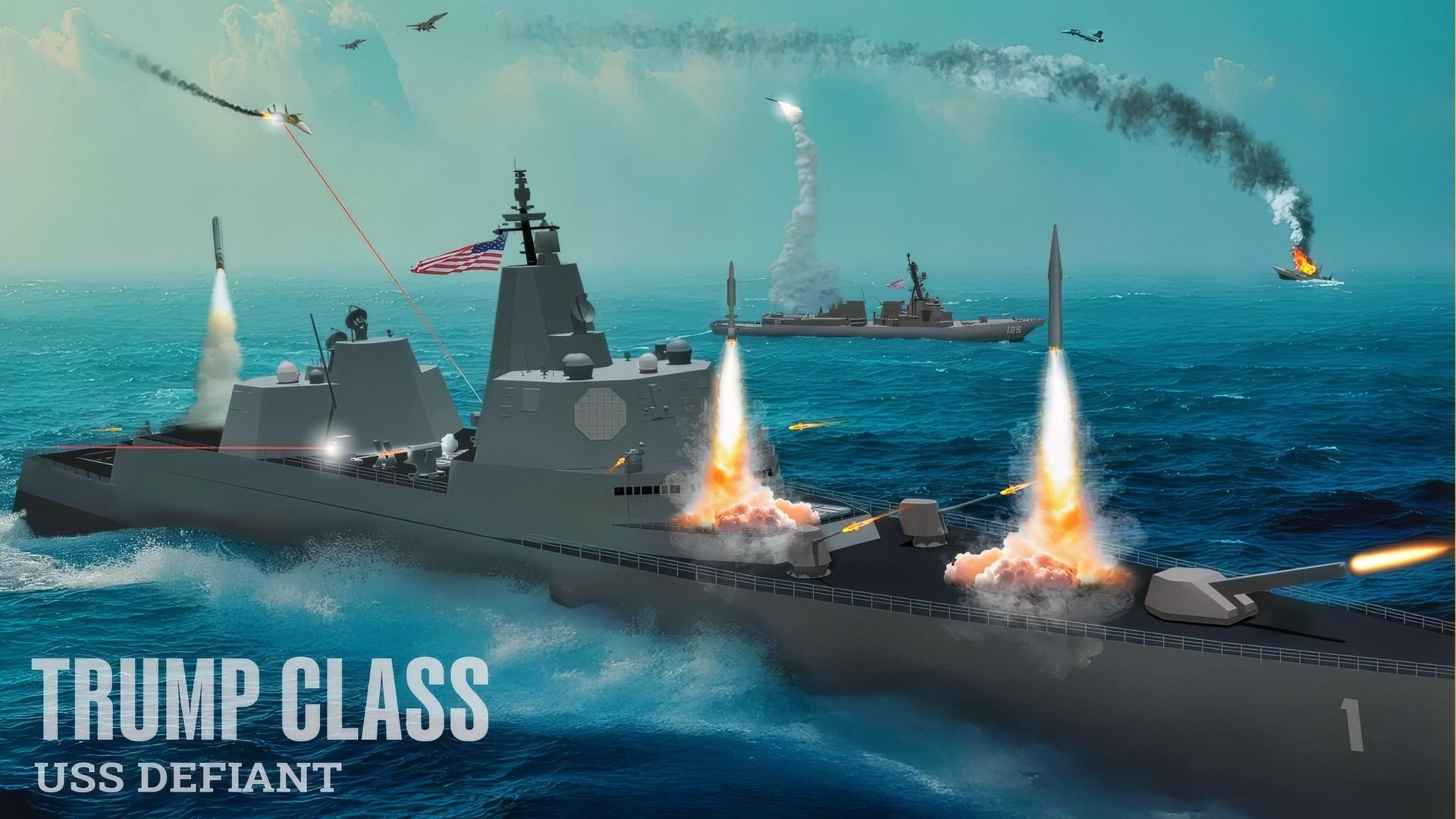
Trump-Class Battleship USS Defiant. Image Credit: Creative Commons.
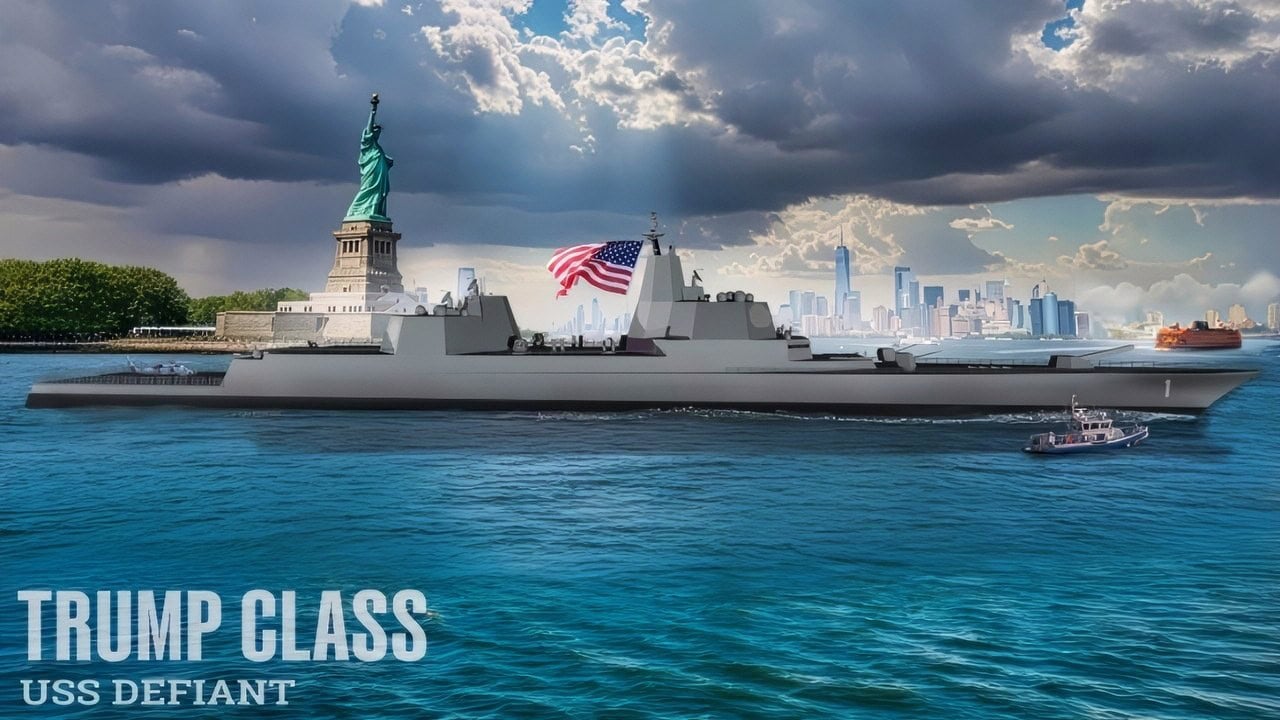
Trump-Class Battleship. Image Credit: Creative Commons/White House.
Designing a ship capable of supporting systems like these requires far greater power-generation capacity and better thermal-management infrastructure.
What’s more, the Trump-class is expected to carry a larger number of missiles than existing surface combatants.
Current U.S. surface combatants are constrained by missile capacity – an Arleigh Burke-class destroyer carries between 90 and 96 vertical launch system (VLS) cells, while the larger Ticonderoga-class cruiser – the most heavily armed surface ship in the fleet – carries 122 cells.
The Trump-Class Is Necessary
The price may be shocking, but the Trump-class is intended to solve a serious problem: the U.S. Navy’s current surface fleet is not optimized for sustained, high-intensity conflict against a peer adversary.
The People’s Liberation Army Navy is now the largest navy in the world by number of hulls and continues to expand its fleet while investing heavily in its own long-range missile systems designed to overwhelm U.S. defenses.
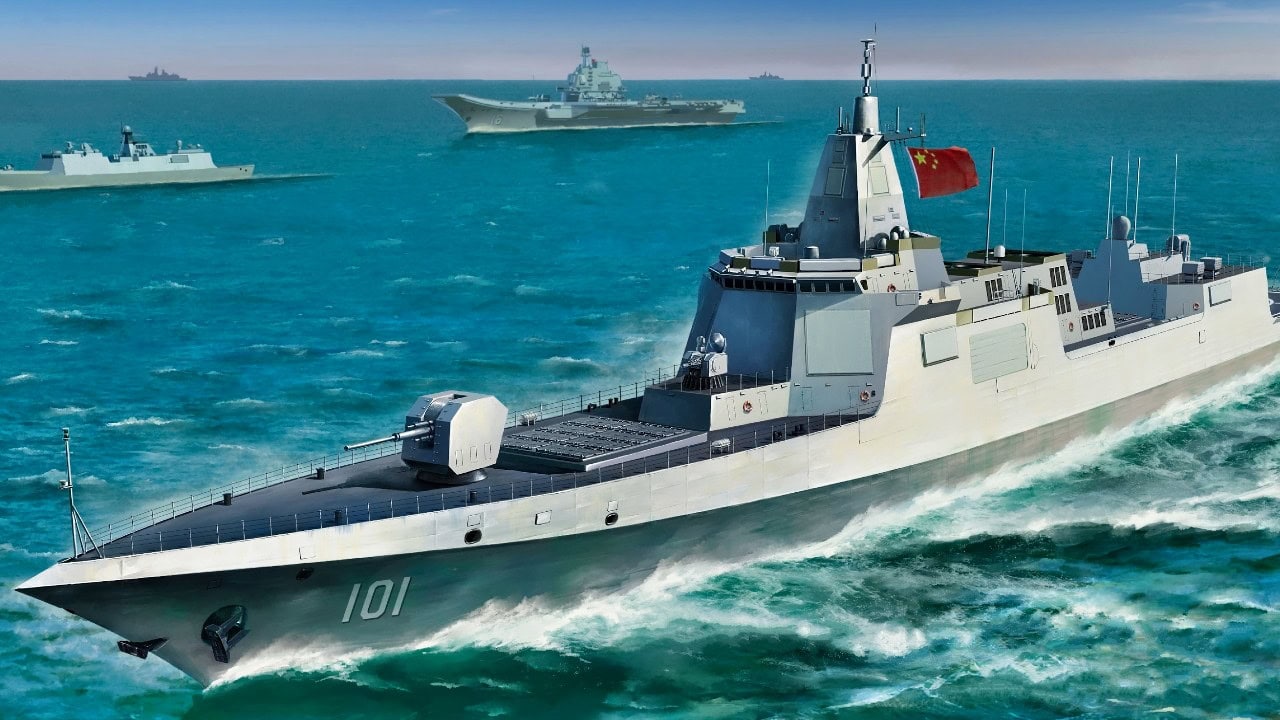
Chinese Navy Warship Created by Artist. Image Credit: Creative Commons.
China’s rapid buildup is putting pressure on the U.S. fleet, with surface combatants relying on finite missile inventories that can be quickly depleted in a high-end fight. The ongoing conflict in Iran is a good example of this, with more than 1,200 Patriot interceptors used in the war so far, along with more than one thousand Tomahawk cruise missiles and a similar number of air-launched JASSM cruise missiles.
Both missile capacity and survivability are drivers of modern naval effectiveness, and the Trump-class is proposed to address them.
A larger hull allows for a significantly expanded missile load, while greater power generation supports future directed-energy systems that can supplement traditional interceptors and extend U.S. defensive reach.
At the same time, the ship’s size and design make it more capable of absorbing damage and continuing to operate in contested environments.
The Trump-class will deliver an entirely new kind of capability that will allow the U.S. to stay in the fight longer and defend itself and nearby forces more effectively, operating in environments where missile saturation and sustained combat are expected.
It is the vessel the U.S. needs to counter a rising China.
About the Author: Jack Buckby
Jack Buckby is a British researcher and analyst specializing in defense and national security, based in New York. His work focuses on military capability, procurement, and strategic competition, producing and editing analysis for policy and defense audiences. He brings extensive editorial experience, with a career output spanning over 1,000 articles at 19FortyFive and National Security Journal, and has previously authored books and papers on extremism and deradicalization.