
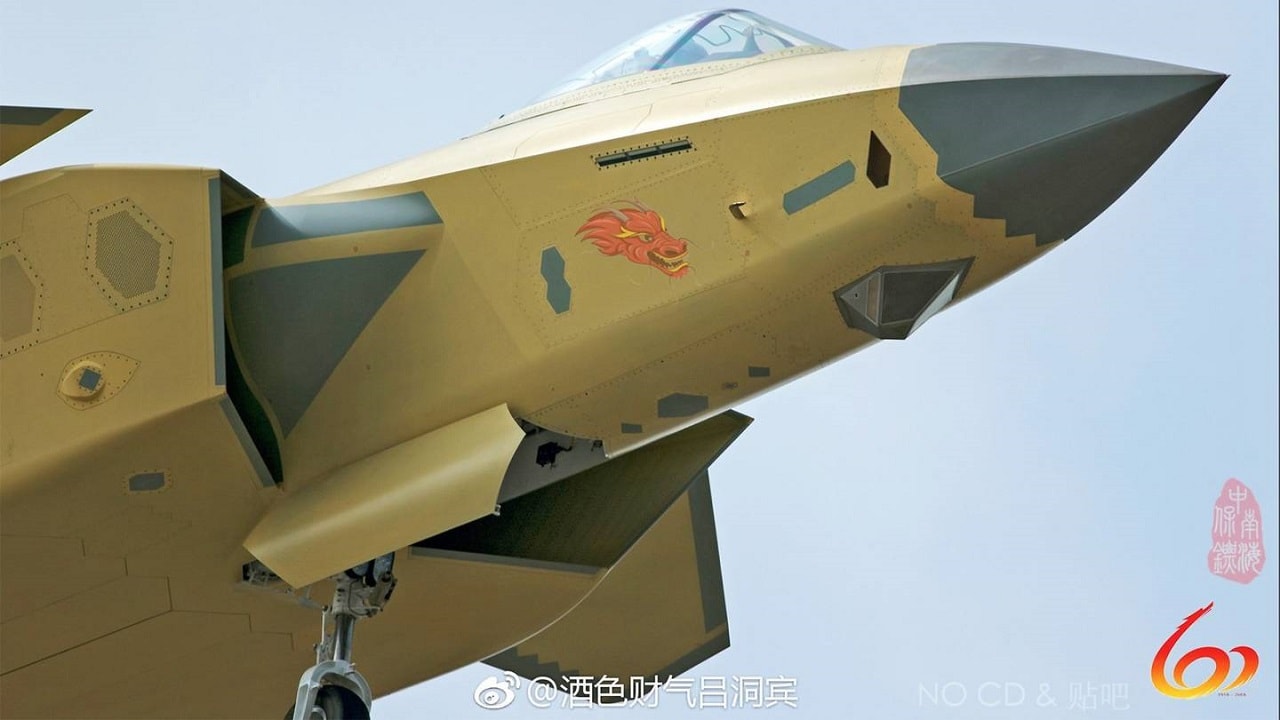
The satellite imagery doesn’t lie. China’s Chengdu facility is running five production lines. The J-20 fleet has crossed 300 aircraft. Annual output runs between 100 and 120 frames per year — a figure that, if sustained, will push the People’s Liberation Army Air Force past 1,000 fifth-generation fighters before the end of the decade. Add the J-35 family, the twin-seat J-20S unveiled at last September’s military parade, and the experimental J-36 turning heads over the Gobi, and the picture seems plain: China has become, by raw measure, the second most capable stealth air power on the planet.
China’s J-20 Stealth Fighter Can’t Make Up for Combat In the Real World
That picture is accurate as far as it goes. The problem is where it stops.
Two factors determine whether a stealth fleet translates into real warfighting capability: the reliability of its powerplants and the quality of the human beings flying them. On both counts, China’s impressive industrial output runs into a quieter but more durable deficit — one that production numbers cannot close and that Beijing’s planners cannot simply engineer away.
Start with the engines. The WS-15 powering the latest J-20 variants is a genuine achievement by any historical measure of Chinese aerospace development. It delivers thrust competitive with American counterparts in raw peak performance.
But GE’s Steve Russell, who runs the Edison Works division, identified the gap that actually matters in sustained conflict: reliability over time. American engines — GE’s and Pratt & Whitney’s — require deep maintenance after thousands of flight hours. China requires it after hundreds. Russell told Flight Global that American reliability runs roughly an order of magnitude better than China’s, while adding that Beijing is improving — which makes protecting that lead more urgent, not less.
In a parade pass or an air show, this difference is invisible. In a sustained air campaign over the Taiwan Strait — the scenario that actually shapes force planning in the Indo-Pacific — it becomes decisive. Sortie generation is everything. An air force that must stand aircraft down for deep maintenance after a few hundred hours cannot sustain the operational tempo that air superiority campaigns demand.
The PLAAF’s J-20 fleet would be formidable in the opening exchange. Whether it could sustain that pressure into week two or week three of high-intensity conflict is a question no production figure can answer.
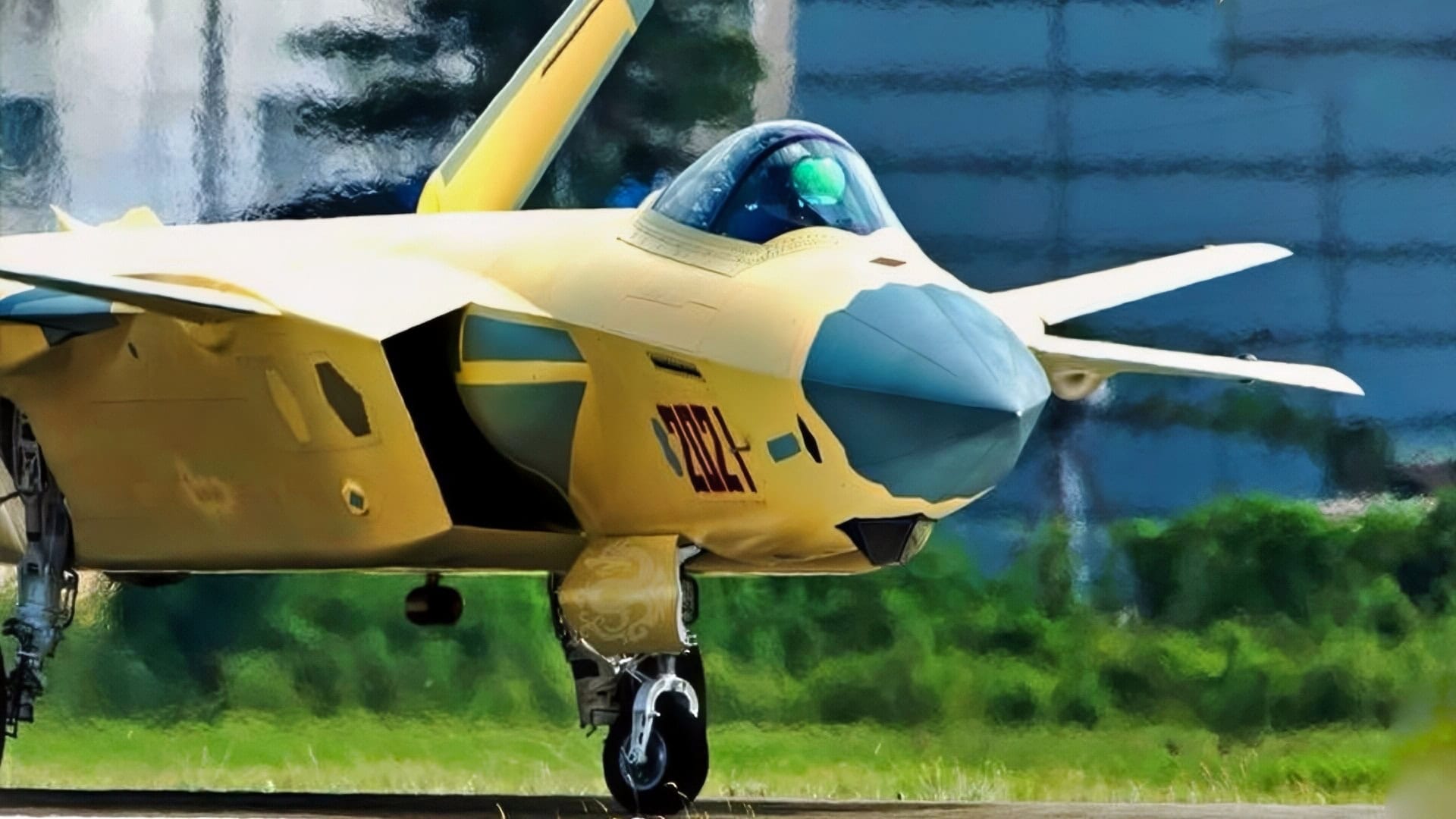
China’s J-20 Mighty Dragon in Yellow. Image Credit: Screenshot.
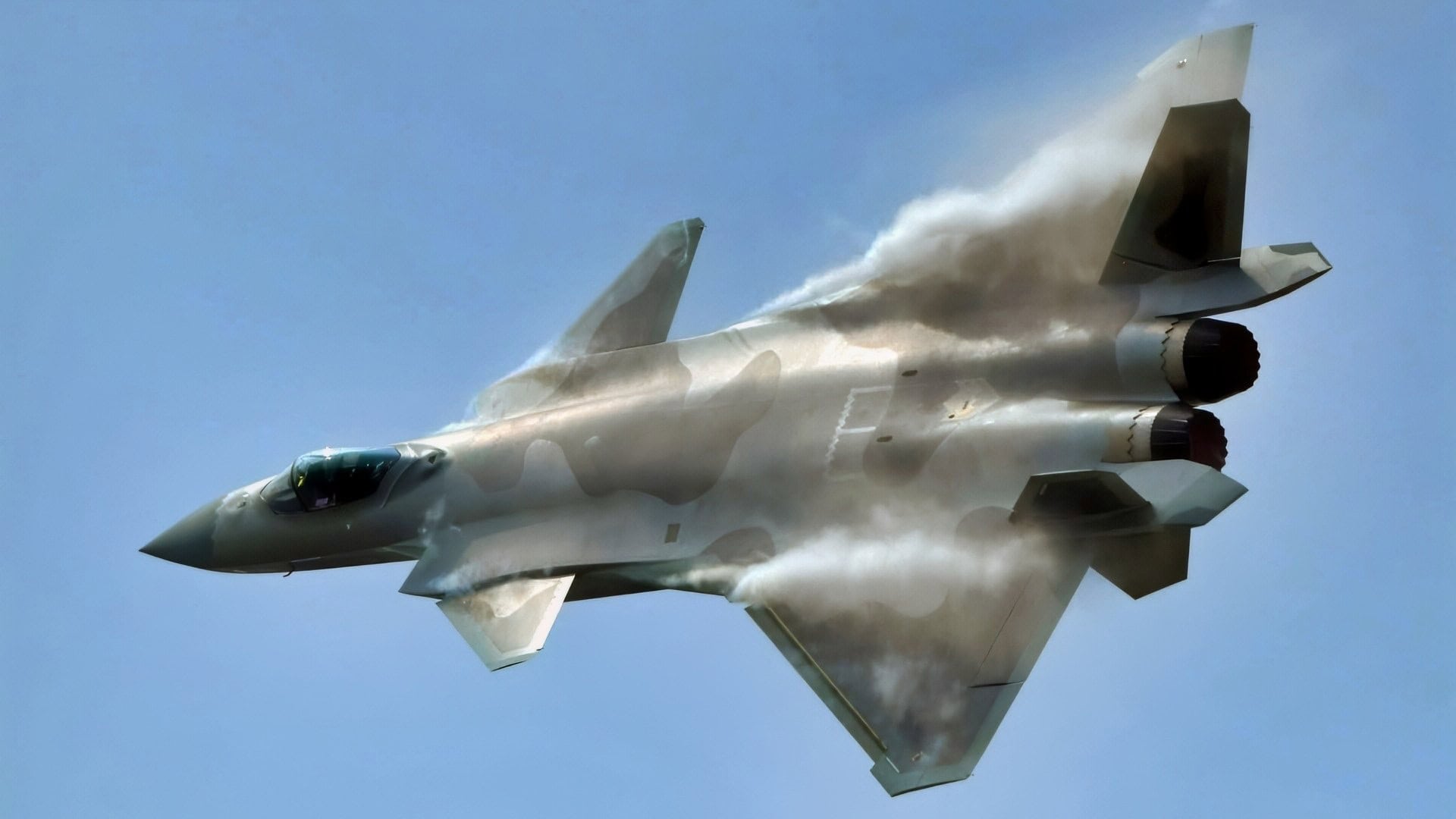
China J-20A Fighter. Image Credit: PLAAF.
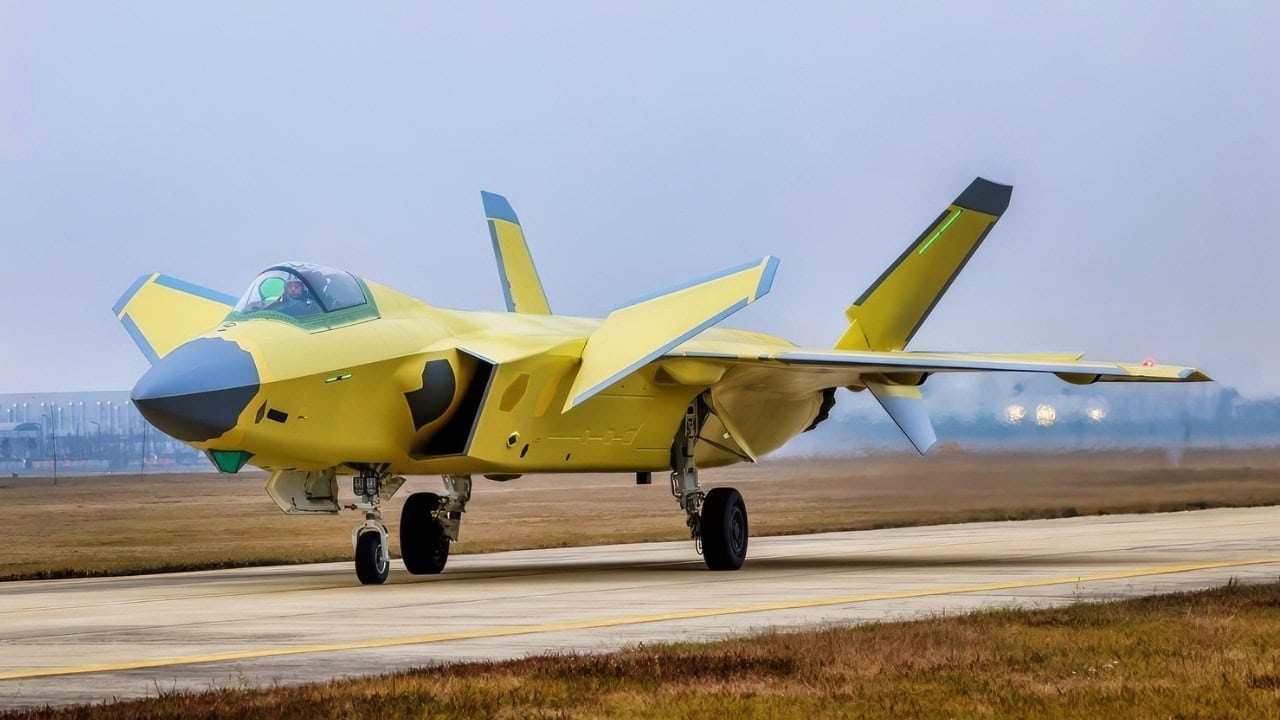
J-20 Fighter from China X Screenshot. Image Credit: Creative Commons.
The J-20 Pilots Have Never Fought a War
The pilot problem is harder to fix, and Beijing knows it.
The PLAAF’s last combat experience was in 1979. The war with Vietnam lasted roughly a month, ended inconclusively, and is not remembered as an advertisement for Chinese airpower. In the nearly five decades since, the People’s Liberation Army has not fired a shot in anger.
American pilots, by contrast, have cycled continuously through real operations — over Iraq, Syria, Libya, and across the broader post-9/11 campaign environment — while running Red Flag exercises against some of the most sophisticated adversary simulations in the world. Their Japanese and South Korean counterparts regularly train alongside them. The resulting human capital gap is not a matter of intelligence or effort. It is a matter of irreplaceable operational exposure under conditions that approximate actual war.
No simulator fully replicates what happens cognitively when the threat is real. Target fixation, threat saturation, the compression of decision-making under fire — these are learned through exposure, not through training ranges.
The J-20S’s twin-seat configuration, with a Mission Systems Officer dedicated to managing drone swarms and coordinating electronic warfare, is partly a technological workaround for this limitation. Beijing is trying to compensate through systems what it cannot yet generate through experience.
The two deficits compound each other in ways the individual numbers don’t capture. An inexperienced pilot operating a jet with limited engine hours before mandatory maintenance will fly conservatively.
He stays closer to base, avoids extended engagements, and manages risk in ways that reduce effectiveness.
High attrition among inexperienced crews — and air combat does produce attrition — accelerates the maintenance crisis, because more sorties get consumed on cautious, low-yield missions rather than decisive ones. An experienced American pilot in a more reliable airframe, meanwhile, can be aggressive, push range, and sustain pressure across an operation. The performance gap between the two forces widens fast once shooting starts — faster than unit counts suggest.
Can China Close the Real World Knowledge Gap?
None of this is an argument for complacency. China’s industrial trajectory is real; its engine development is trending upward, and the PLAAF is systematically building the operational experience it currently lacks. The warning embedded in those Chengdu production figures is legitimate and deserves a serious institutional response.
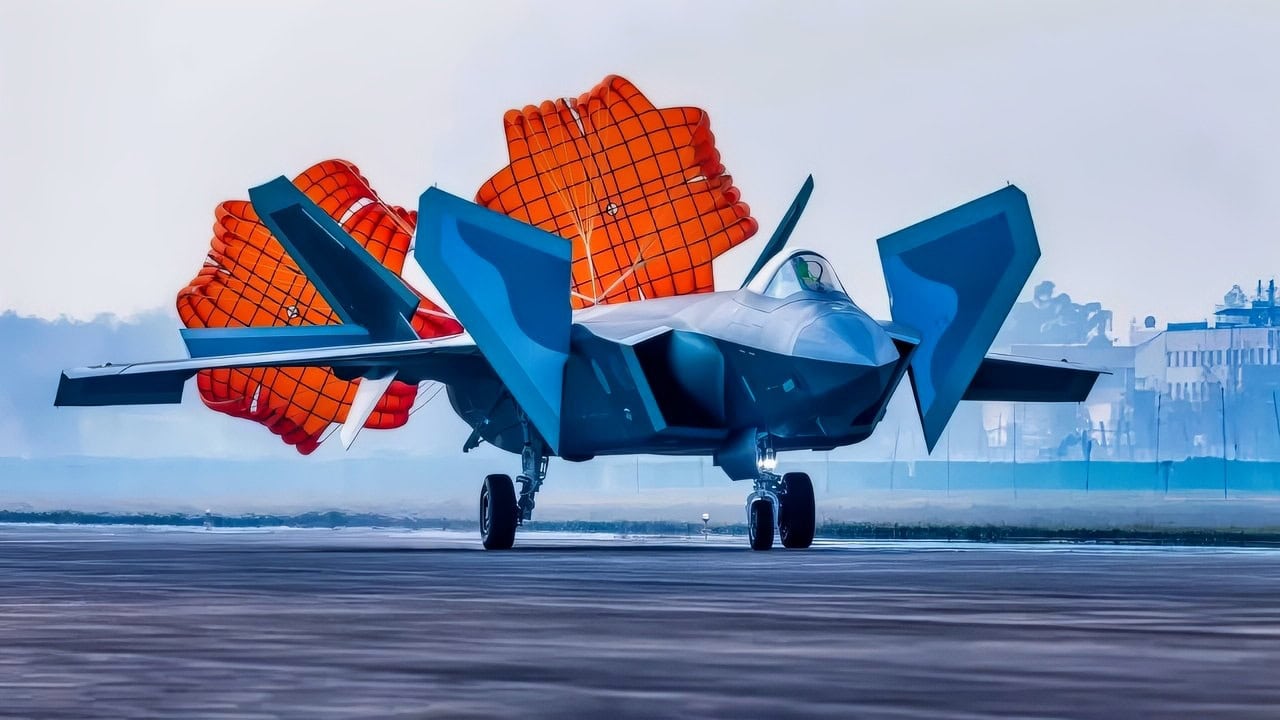
J-20S Fighter from China. Image Credit: Creative Commons.
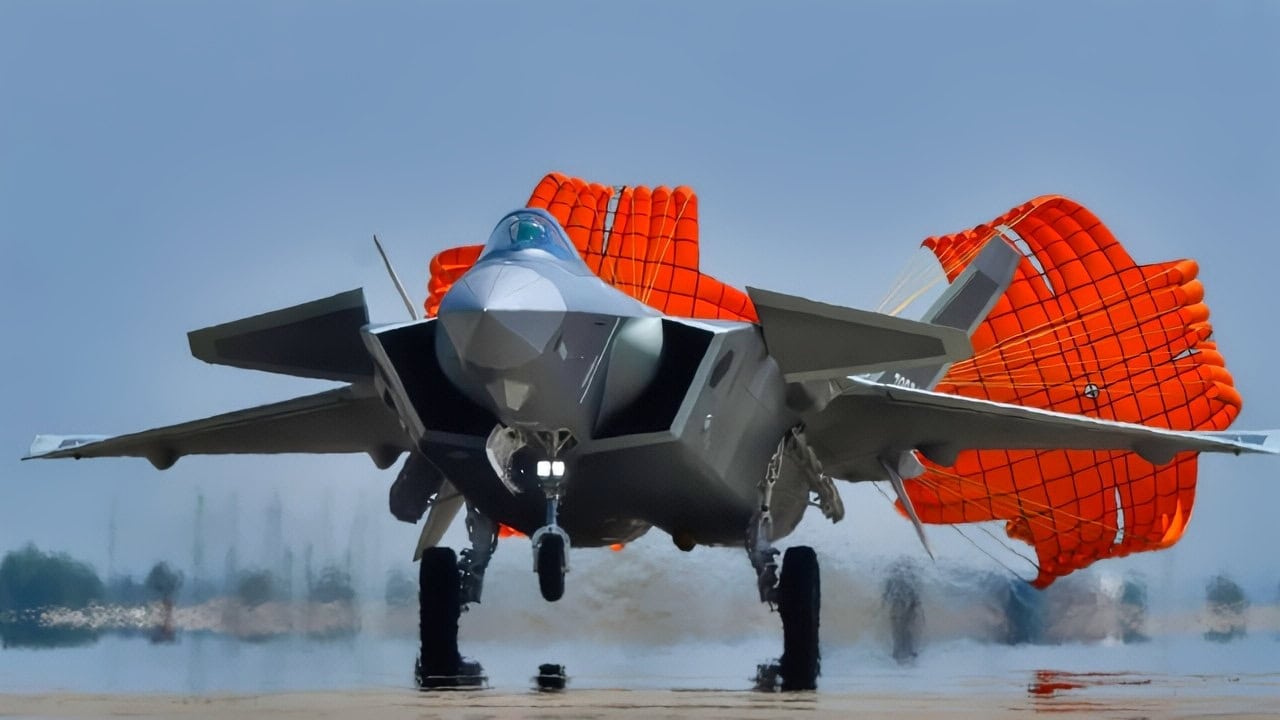
J-20 Stealth Fighter Landing. Image Credit: Creative Commons.
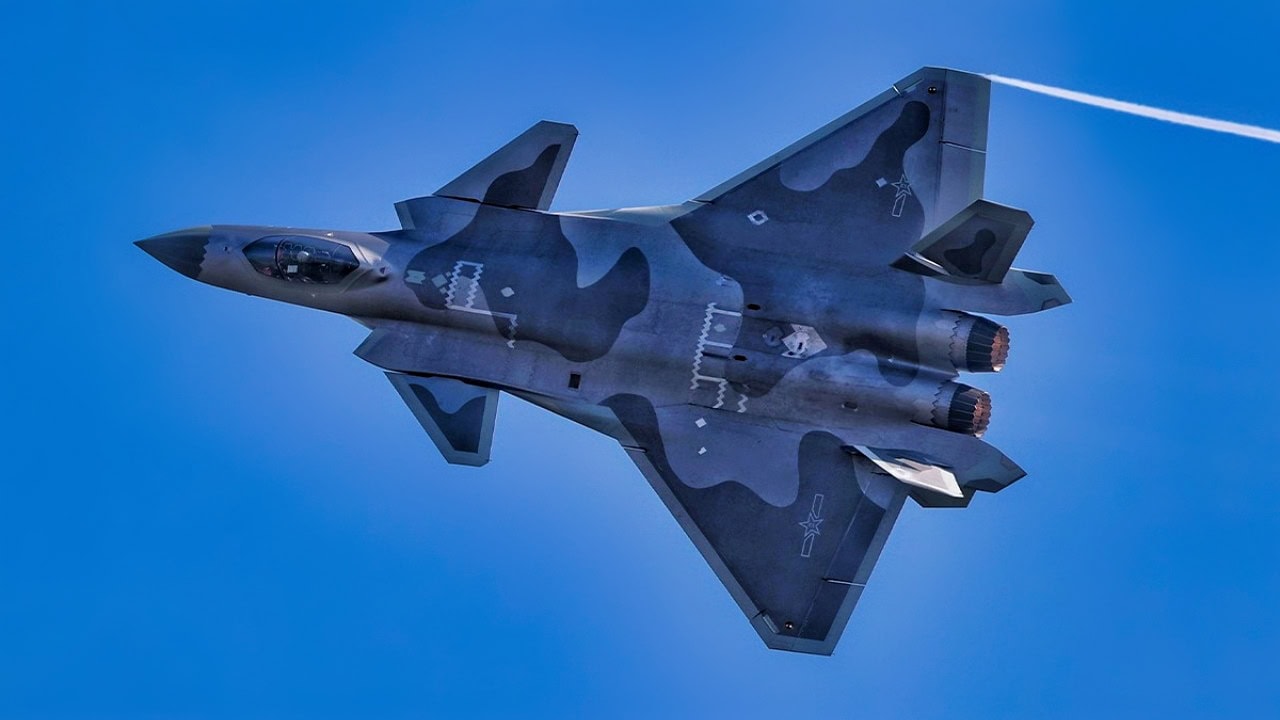
J-20 Fighter. Image Credit: Creative Commons.
But the response should target the actual advantages Washington holds, not the headline numbers it doesn’t.
The engine technology gap must not be allowed to close, which is precisely why next-generation propulsion development deserves the funding and priority it has not always received. And the combat experience advantage must be actively sustained, not passively assumed.
That means never allowing a generation of American aviators to pass without real operational exposure, and never treating the training infrastructure that keeps that edge sharp as a budget line waiting to be cut.
China can mass-produce airframes. It cannot mass-produce instinct.
About the Author: Dr. Andrew Latham
Andrew Latham is a professor of international relations and political theory at Macalester College in Saint Paul, MN. You can follow him on X: @aakatham. He writes a daily column for 19FortyFive.com.