
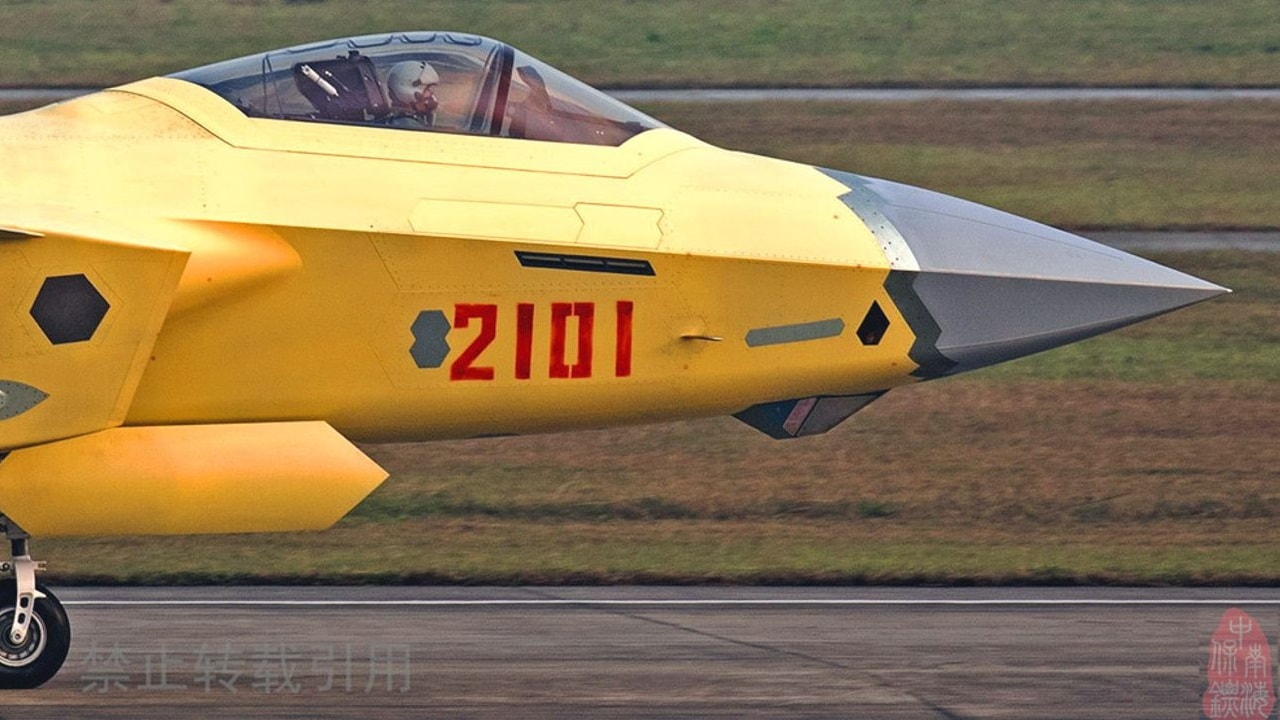
China Will Soon Have a Massive J-20 and J-35 Stealth Fighter Fleet
China’s aerospace industrial base is difficult to beat. The workers, engineers, and designers don’t seem to need any sleep. Existing airframes leading China’s leap into fifth-generation flight, like the J-20 and J-35, are advancing rapidly.
The J-20 is growing in numbers, with the People’s Liberation Army Air Force (PLAAF) reportedly fielding 250 to 500 Mighty Dragon fighters. They are located at bases across the country and can easily threaten Taiwan and the First Island Chain on the east coast, while menacing India on the western coast.
China’s Air Force Is Seeing a Manufacturing Boost for More Stealth Airplanes
We are learning even more about China’s airplane industrial complex. New satellite images show that the PLAAF is gunning hard to produce more J-20s and J-35s. China’s state-owned aerospace conglomerate, the Aviation Industry Corporation of China (AVIC), is dominant.
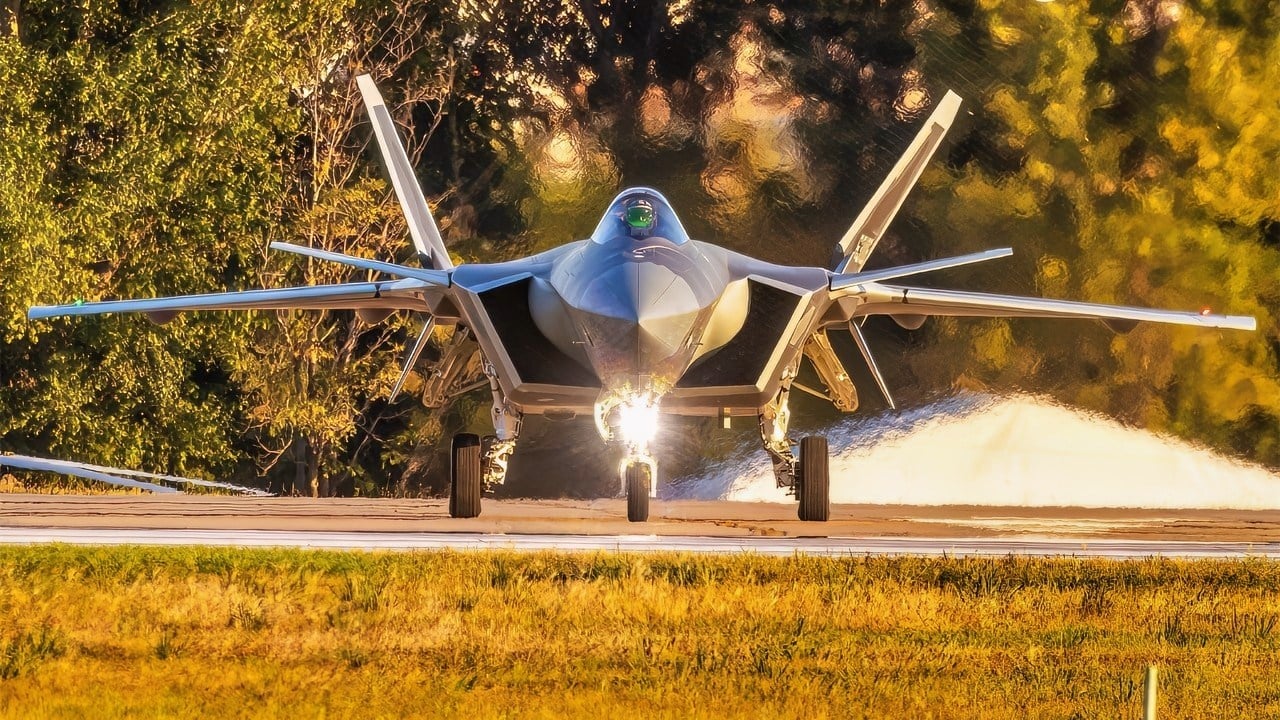
J-20 2026 New Image. Image Credit: PLAAF/Chinese Military.
The employees there are going full-bore, and more production facilities have been spotted in Planet Labs’ open-source commercial satellite imagery.
The Next Five Years Will Be Glory Days for Chinese Airplane Production
The Mitchell Institute for Aerospace Studies is one think tank that is concerned about how much manufacturers like AVIC have spurred the PLAAF’s fighter-building capacity.
“China’s inventory of fighter and attack aircraft is going to grow significantly over the next five years,” said J Michael Dahm, a senior fellow at the Mitchell Institute, as noted by FlightGlobal.com.
No Rest for the Wicked
The AVIC Chengdu plant is being expanded greatly to build even more J-20s and J-35s. There could be as much as 3 million additional square feet of manufacturing space added to the facility. This would enable the Chinese to operate five J-20 production lines simultaneously.
If the Chinese in Chengdu were to work even one 8-hour shift a day, it would trigger a huge productivity spurt. AVIC is likely running two shifts to make even more airplanes.
J-20s Have the Numbers to Make a Difference
The J-20 Mighty Dragon is a fifth-generation fighter jet that rivals the American F-22 Raptor and F-35 Lightning II. The J-20 may not be as stealthy as those two airplanes, but the PLAAF has strength in numbers, and it can police the skies over the country and take the fight to the enemy in the East and South China Seas. This will be China’s main radar-evading fighter, alongside the J-35 stealth warbird.
“Looking back at commercial satellite imagery and substantial infrastructure improvements support the assessment that the Chengdu plant has increased its capacity and could be producing as many as 100 J-20s per year,” said Dahm, who presented his findings at the 2026 Air & Space Forces Association’s recent Warfare Symposium in February.
Could China Have 1,000 J-20s By 2030?
One hundred J-20s each year from now until 2030 could give the PLAAF between 500 and 1,000 J-20s by the end of the decade.
This is a massive number and will provide the Chinese with an excellent transition to its sixth-generation fighter jets, which are already flying, such as the J-36 and J-50.
Taiwan Would Be Dominated
The number of J-20s would completely overwhelm the Taiwanese air force in an attack against the island. China would have the numbers to quickly establish air dominance on Day One of a military operation to forcibly unite China and Taiwan.
The Americans and Japanese, should they choose to intervene, would be hard-pressed to match the numbers of the J-20 and J-35.
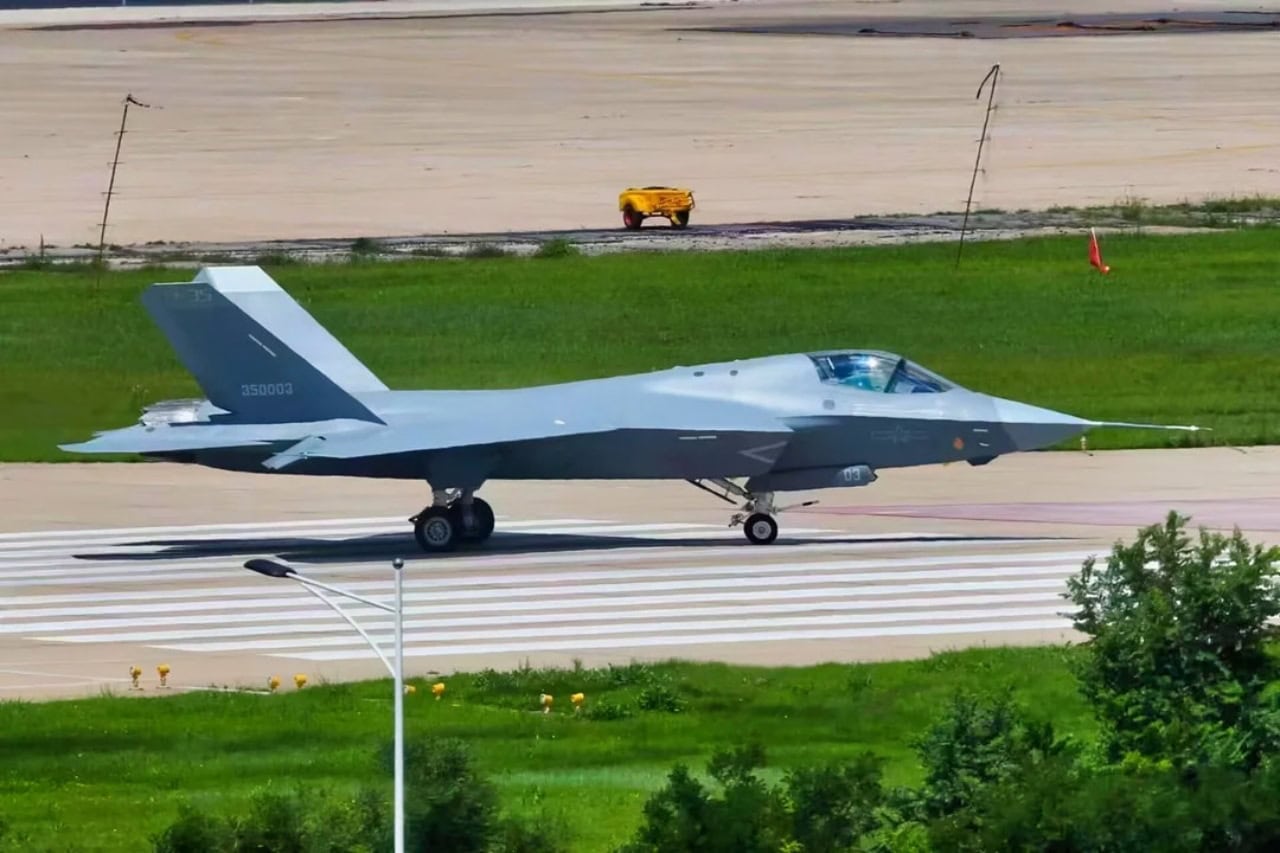
J-35 Fighter. Image Credit: Chinese Internet.
AVIC is not only expanding the Chengdu plant but also appears to be building a new production facility in Shenyang. This factory may have as much as 370,000 square meters of space for airplane production. There is also a 12,000-foot-long runway for testing aircraft.
This could mean the PLAAF has another plant capable of producing the J-35 in greater numbers, giving the Chinese military even more fighter jet options and creating a huge advantage in stealth flight.
China Can Replace Destroyed Fighters Without a Problem
One aspect of the potential air war with China is the need to attrit airplanes faster than they can be produced. But with these factories operating at such high capacity, that may not be possible.
The Chinese can also redeploy and increase numbers as they reposition fighter jets from other parts of the country to surge in the First Island Chain. The PLAAF is certainly ready, with the number of stealth jets it already has, to take Taiwan by force if it chooses.
More Support Aircraft Are Coming Online
It is not just stealth fighters such as the J-20 and J-35 getting a manufacturing boost. There is also an expanded plant at the Changhe Aircraft Industries factory that produces military helicopters and transport aircraft.
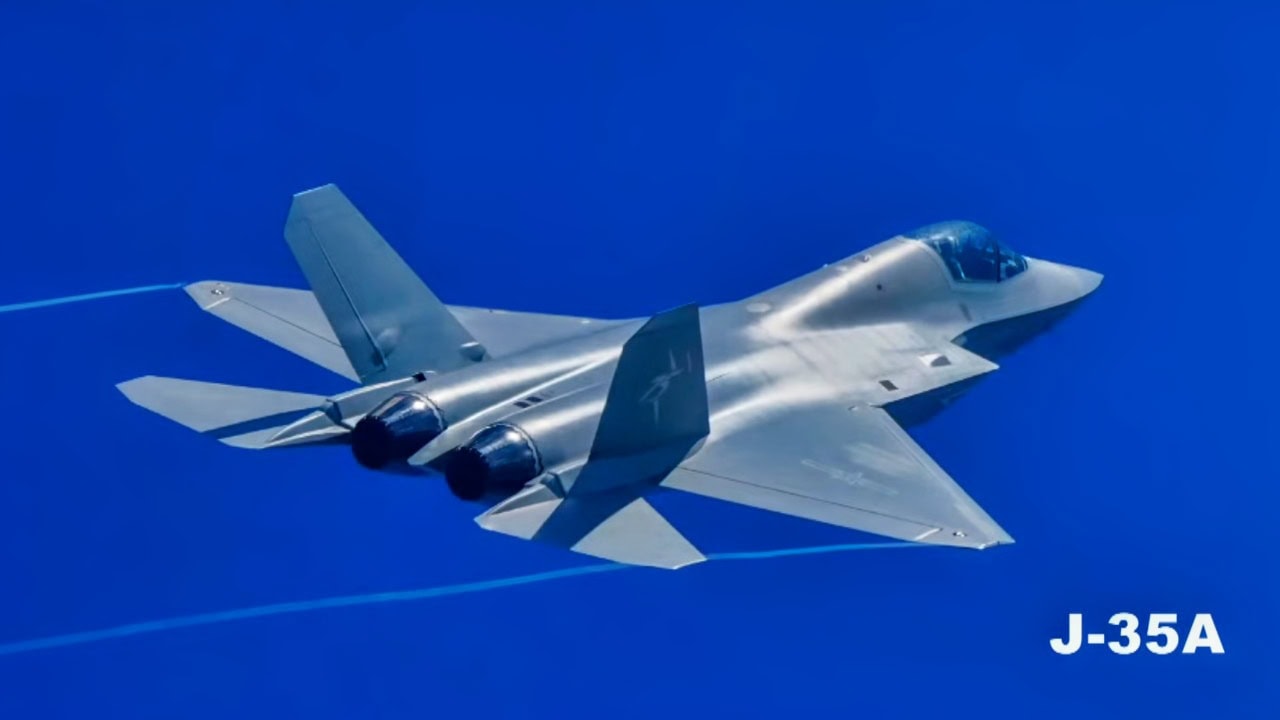
J-35 flying at Zhuhai Airshow 2024.
China’s aerospace industry has never been stronger. Twenty-five years ago, Chinese manufacturing capacity was far from what it is now. Xi Jinping’s leadership has changed that dynamic, and he wants the Chinese aerospace industry to become a world leader.
With these manufacturing additions, Xi may have created a situation in which so many fighter jets are deployed to potential combat that it could deter any adversary from intervening in an attack against Taiwan.
The United States Should Pay Attention
It will be difficult for the Americans to keep up, too. The Pentagon is trying to make a transition to sixth-generation flight with the new F-47 NGAD and F/A-XX fighters. But these next-generation jets will not be ready for active duty until the mid-2030s.
That means the United States will have to depend on the F-35 and F-22 for another ten years.
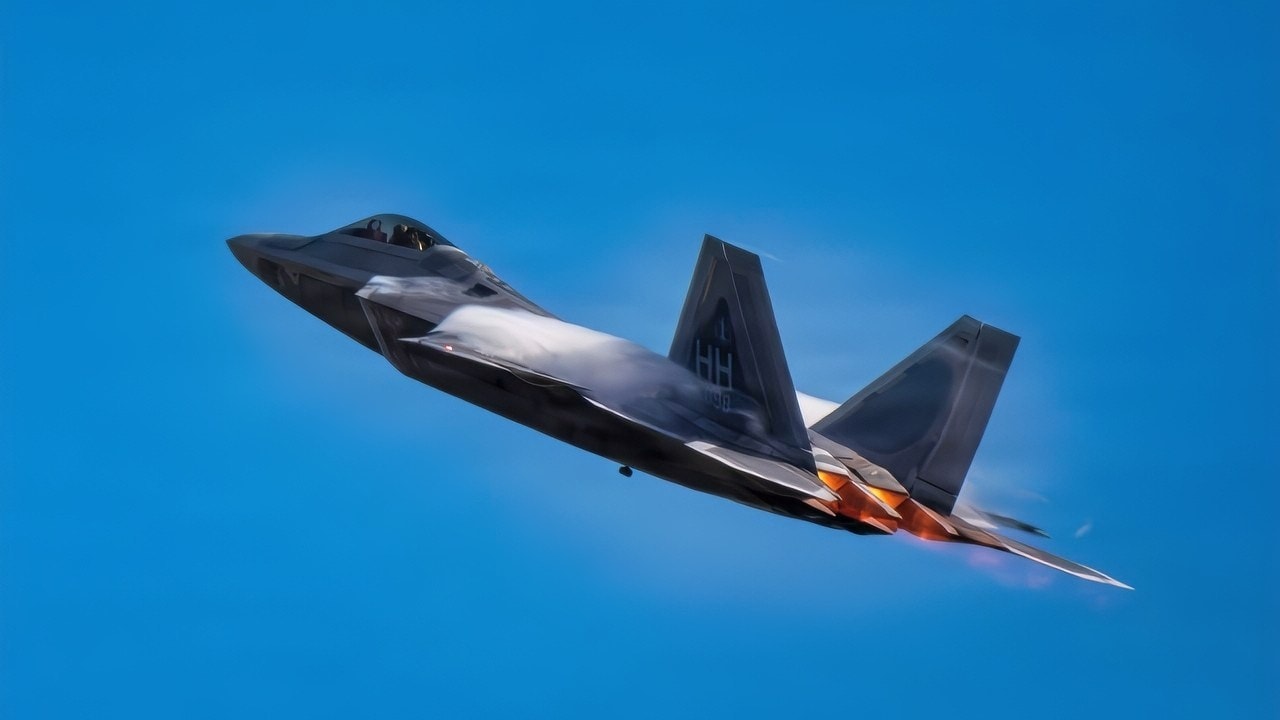
A U.S. Air National Guard F-22 Raptor from the 199th Fighter Squadron, Hawaii Air National Guard, takes off during exercise Sentry Aloha 26-1 at Joint Base Pearl Harbor-Hickam, Hawaii, Jan. 26, 2026. The training demonstrates the 154th Wing’s capability to lead large-force employment exercises, reinforcing the Guard’s position as a vital component of the nation’s operational force. (U.S. Air National Guard photo by Senior Master Sgt. Mysti Bicoy)
Both are fighting a good war over the skies of Iran, but the Chinese will be counting the number of enemy airplanes as they improve their standing with the United States and Taiwan. These new manufacturing boosts are just what Xi wants as he devises a dominant defense strategy in the coming years.
About the Author: Brent M. Eastwood
Author of now over 3,000 articles on defense issues, Brent M. Eastwood, PhD, is the author of Don’t Turn Your Back On the World: A Conservative Foreign Policy and Humans, Machines, and Data: Future Trends in Warfare, plus two other books. Brent was the founder and CEO of a tech firm that predicted world events using artificial intelligence. He served as a legislative fellow for US Senator Tim Scott and advised the senator on defense and foreign policy issues. He has taught at American University, George Washington University, and George Mason University. Brent is a former US Army Infantry officer. He can be followed on X @BMEastwood.