“I am fond of pigs. Dogs look up to us. Cats look down on us. Pigs treat us as equals.” – Winston Churchill
Of all the Western leaders of the Second World War, Winston Churchill stands as one of the most influential.
Winston Churchill Explained in Just 1 Quote of the Day
Through his masterful use of the English language, he roused the bruised and beaten British back into the fight and resisted the forces of Nazi Germany.
Before he became Prime Minister, however, Churchill was an incredibly divisive and controversial figure, regarded as brilliant by some and dismissed as an annoyance by others.
Between 1929 and 1939, he found himself a political outcast due to a series of blunders and his resistance to the prevailing consensus of the time.
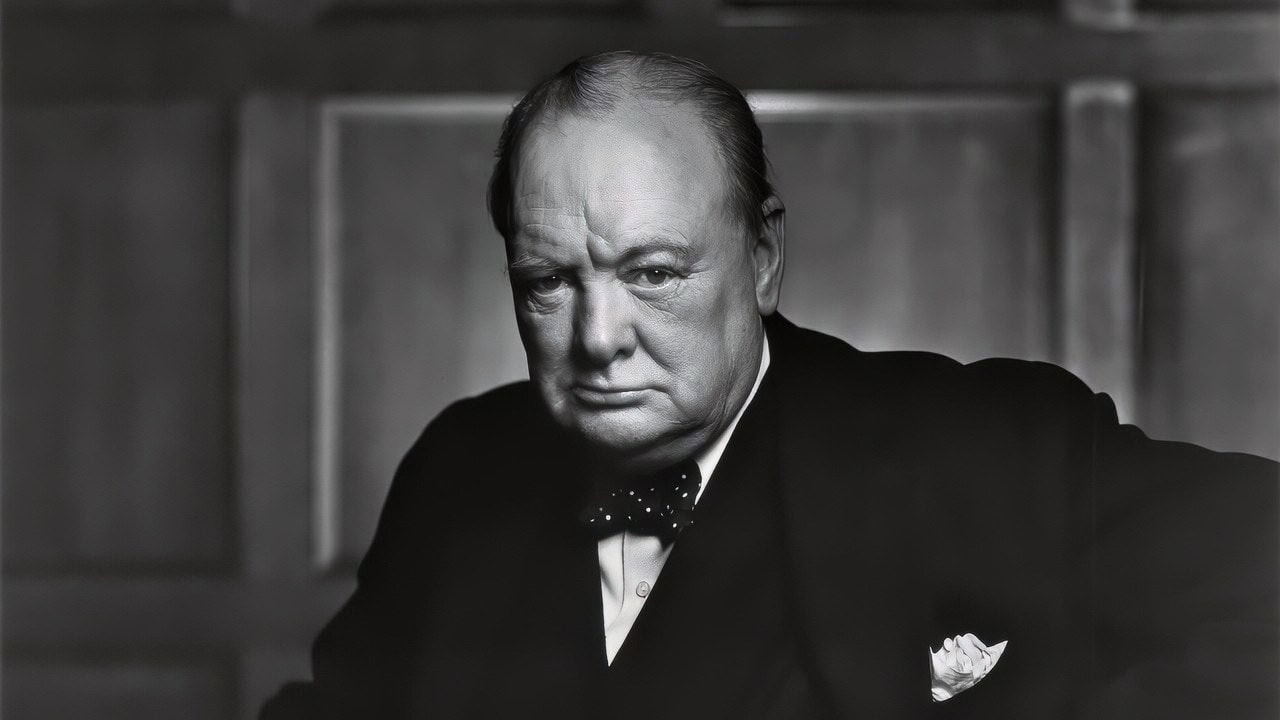
Sir Winston Churchill. Image Credit: Creative Commons.
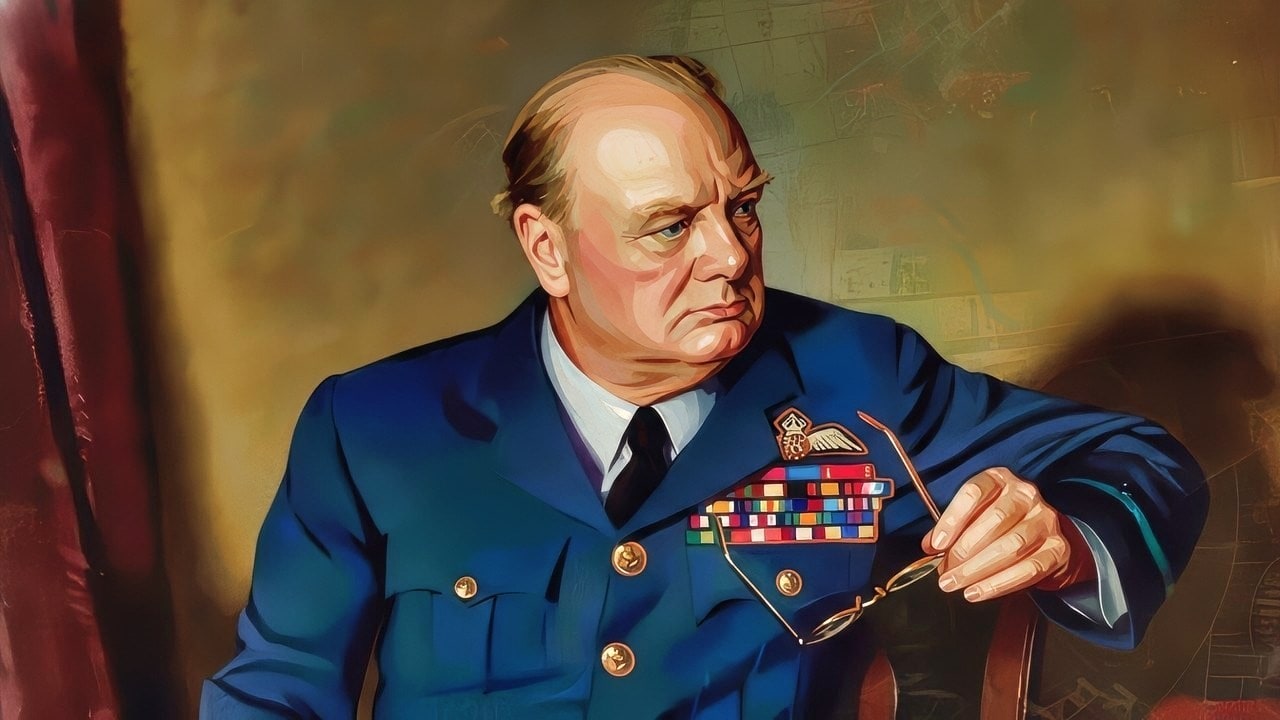
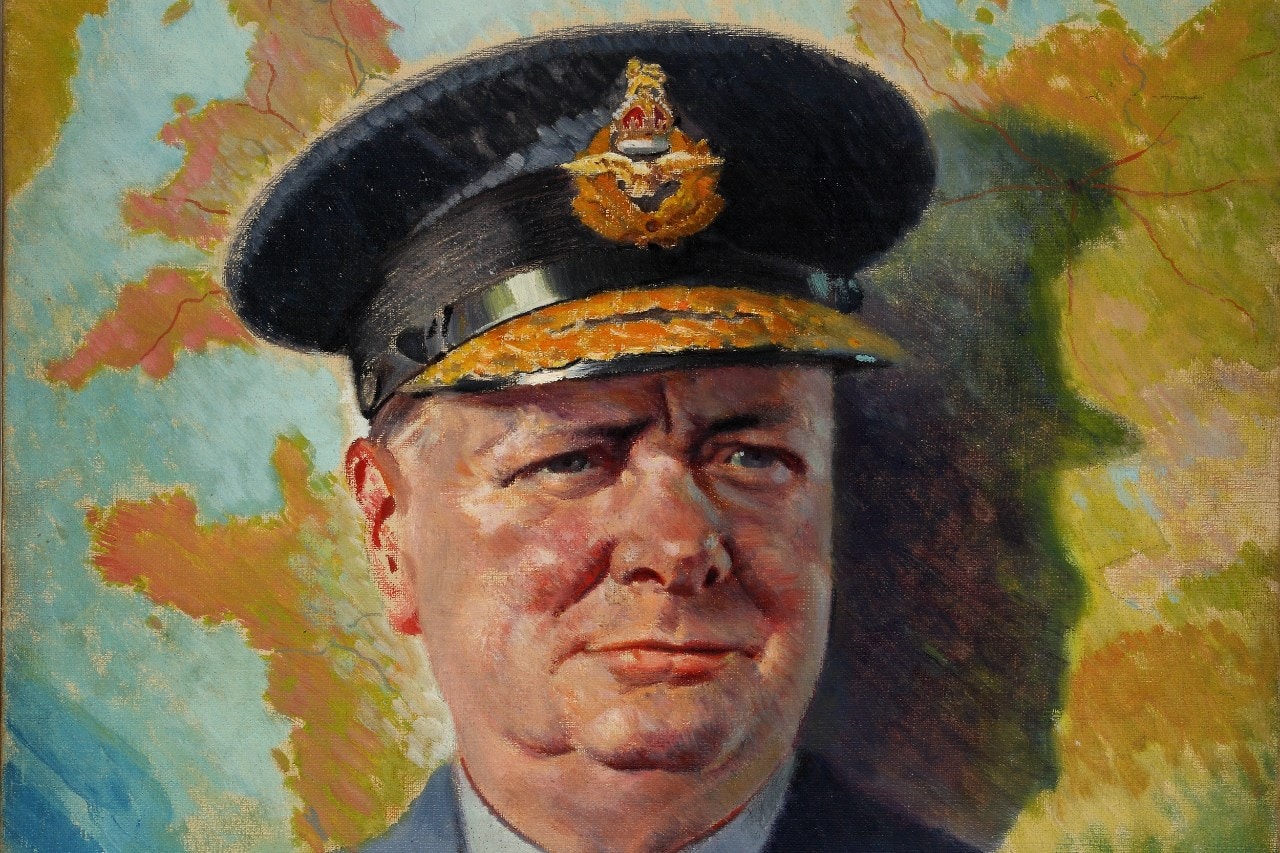
Winston Churchill Watercolor Enhanced with Nano Banana.
These years in the political wilderness nearly killed his career, but the outbreak of World War Two vindicated Churchill and brought him back into the political spotlight.
Churchill’s Fall From Grace
Prior to his political exile in the 1930s, Churchill had already enjoyed a prolific career in Parliament. He made a distinct name for himself with his blunt, uncompromising personality and his fiery rhetoric.
By the time the First World War rolled around, many of his colleagues already considered him something of a nuisance. Even so, he commanded enough respect to earn himself the role of the First Lord of the Admiralty.
During the war, Churchill focused his attention on the Middle East. Hoping to relieve pressure on the Russians in the Caucasus, he staged a naval landing against the Ottoman Empire in the Dardanelles. The following disaster at Gallipoli led to his removal from office, as Churchill was deemed responsible for the operation.
In the 1920s, Churchill rejoined the Conservative Party and rose once more to cabinet rank, serving as Chancellor of the Exchequer under Stanley Baldwin. At this stage, it appeared that his career had largely recovered.
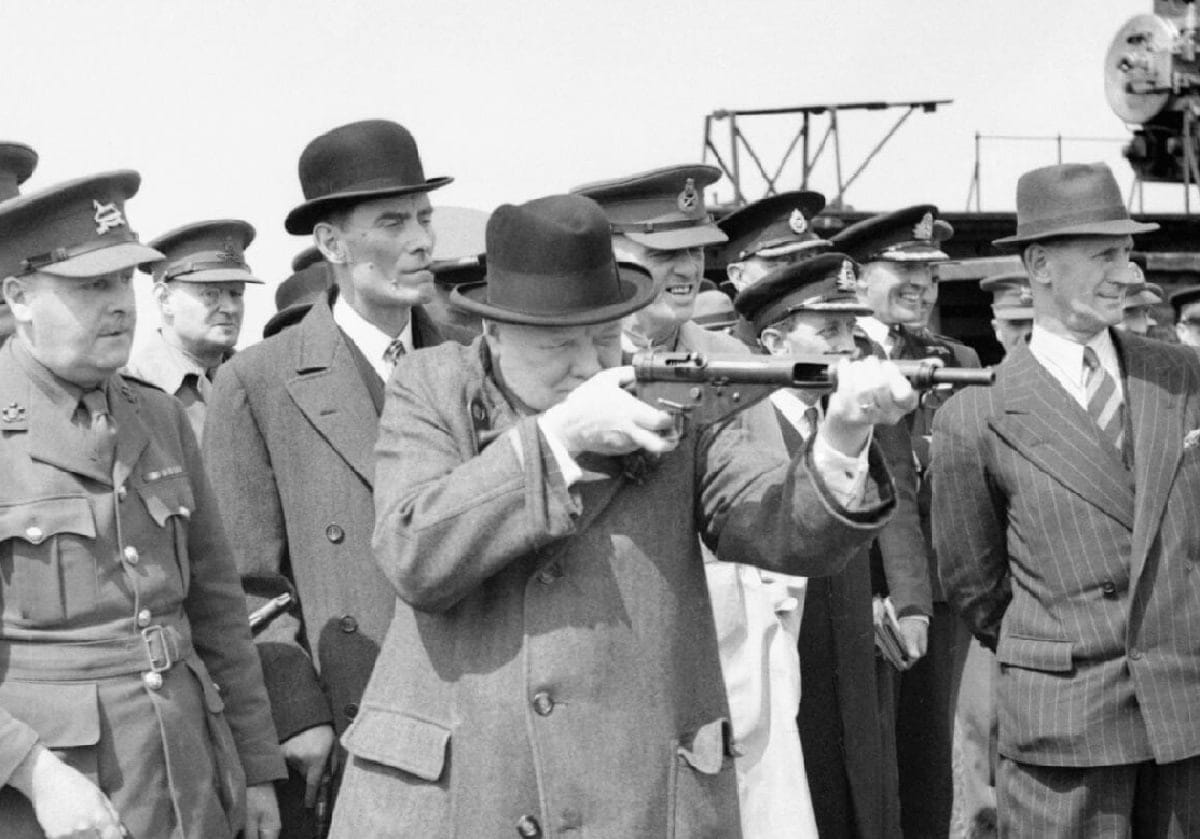
Winston Churchill. Image: Creative Commons.
However, his term as chancellor tied him to policies that would later damage his standing. Most notably, his decision to return Britain to the gold standard in 1925 became increasingly unpopular as economic difficulties worsened. When the Conservatives lost the 1929 general election, Churchill was scapegoated and found himself out of office again. This time, however, returning to political prominence would prove to be more challenging than last time.
As the 1930s began, Churchill’s relationship with Conservative leadership grew strained. He opposed moves toward Indian self-government with fierce determination. He believed that rapid constitutional change would lead to chaos and violence and fracture the British Empire.
This position put him at odds with Baldwin and many younger Conservatives, who believed that Indian autonomy was all but inevitable at that point. Churchill despised the idea of Indian independence.
He particularly hated Mohandas Gandhi, who was quickly rising to prominence at the time.
On this issue, his isolation was largely self-inflicted, and it contributed to his reputation as a disruptive figure.
Anti-Appeasment and the Rise of Hitler
The rise of Adolf Hitler and the Nazi regime gave Churchill a new purpose during the wilderness years. From early on, he closely studied developments in Germany, warning that rearmament and ideological radicalism posed a grave danger to Europe.
He viewed Nazism not as a conventional national revival, but as a movement driven by expansionist ambition and racial hatred. While many British politicians believed that Germany’s grievances could be satisfied through negotiation, Churchill feared that concessions would only encourage further demands.
The Munich Agreement of 1938 marked the lowest point of Churchill’s political fortunes. When Chamberlain returned from Germany, declaring that he had secured peace, much of the country rejoiced. Churchill alone, or nearly so, warned that the agreement was a complete disaster.
In the House of Commons, he condemned the settlement, insisting that Britain had sacrificed a small democracy and gained nothing but a temporary delay. In the immediate aftermath, this stance left him further ostracized, as public opinion overwhelmingly favored Chamberlain. Almost immediately afterward, however, the balance of power shifted back in Churchill’s favor when Germany violated the agreement and dismantled what remained of Czechoslovakia.
Bouncing Back: Churchill’s Return to Prominence
Throughout these difficult years, Churchill was visibly depressed. According to some accounts, he turned to heavy drinking as a means of coping with his seemingly doomed career. To preserve his sanity, he turned to writing as his last means of retaining some recognition. He produced a wide range of essays, articles, and books, including his multi‑volume biography of the Duke of Marlborough.
In Marlborough, Churchill found a kindred spirit who had endured dismissal and misunderstanding, only to return when national need demanded it. He toured across America to give speeches and lectures, and suffered from physical health issues.
By the late 1930s, the coalition that had marginalized Churchill was steadily collapsing. As Germany continued to annex its neighbors, it became abundantly clear that appeasement had failed. With Britain’s slow pace of rearmament, it was also clear that London had shot itself in the foot by ignoring the alarm bells that Churchill had tried to raise.
When war broke out in September 1939, he was brought back into government as First Lord of the Admiralty, the very office he had held at the start of the previous war.
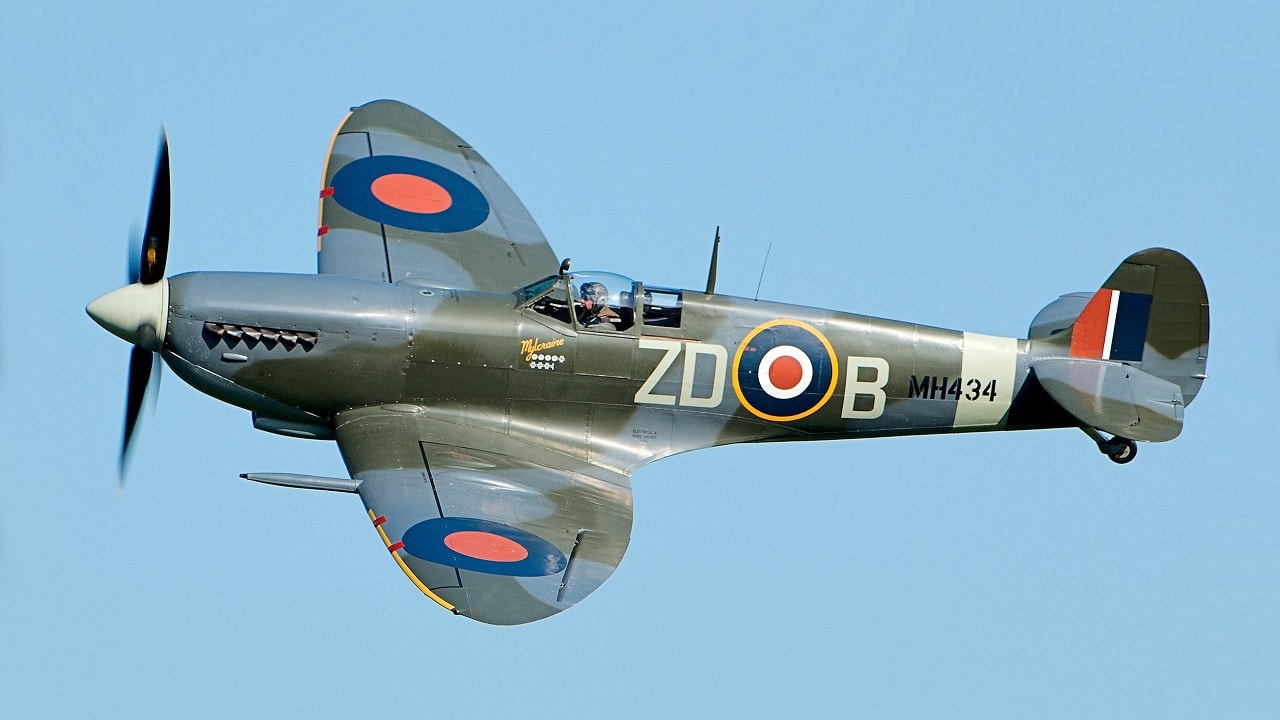
Spitfire MH434 at the Shuttleworth Collection Season Premiere Airshow 2018. Image Credit: Creative Commons.
This return marked the formal end of his political exile, though his ultimate vindication came only in May 1940, when Churchill became prime minister.
About the Author: Isaac Seitz
Isaac Seitz, a Defense Columnist, graduated from Patrick Henry College’s Strategic Intelligence and National Security program. He has also studied Russian at Middlebury Language Schools and has worked as an intelligence Analyst in the private sector.