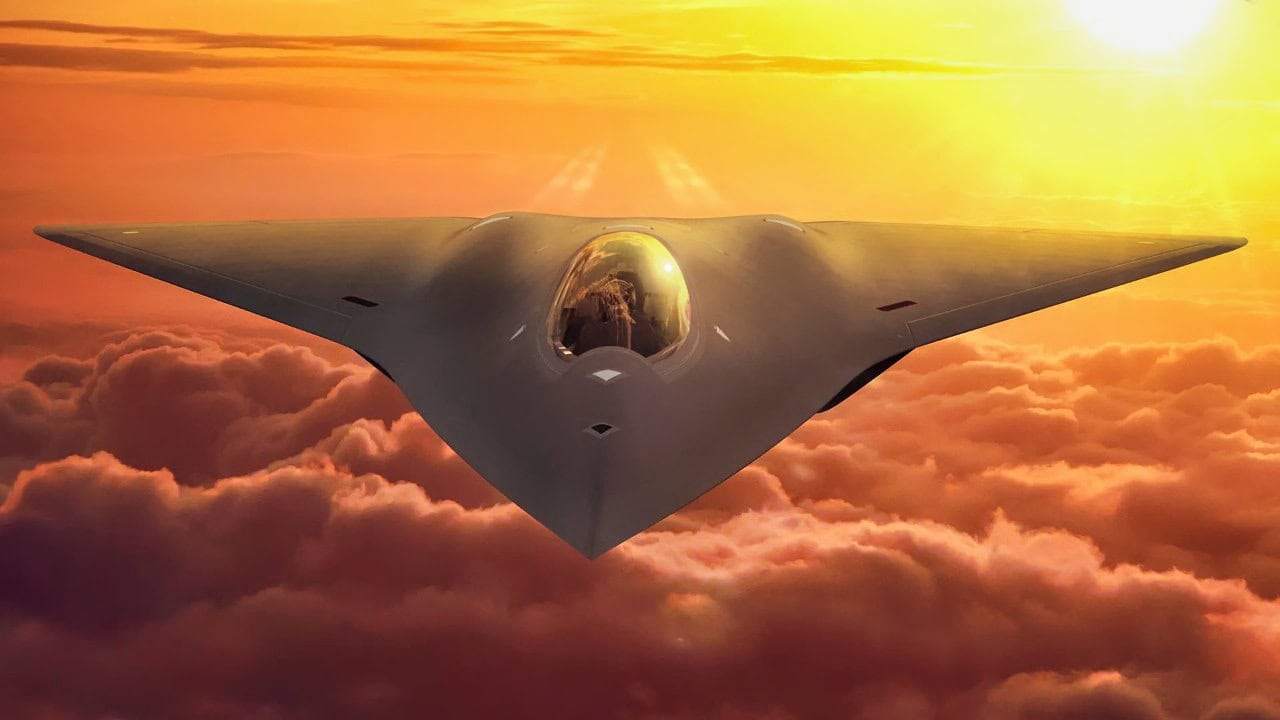
DARPA and the U.S. Air Force are quietly developing what may be the most radical aircraft in American history—a reusable hypersonic strike platform called Next Generation Responsive Strike (NextRS) that will fly at over Mach 5 to penetrate any enemy air defense. Some defense analysts are already arguing the Pentagon should kill the F-47 NGAD program entirely and pour resources into this hypersonic predator instead.
The NextRS Might Be a Mach 5 Hypersonic Bomber
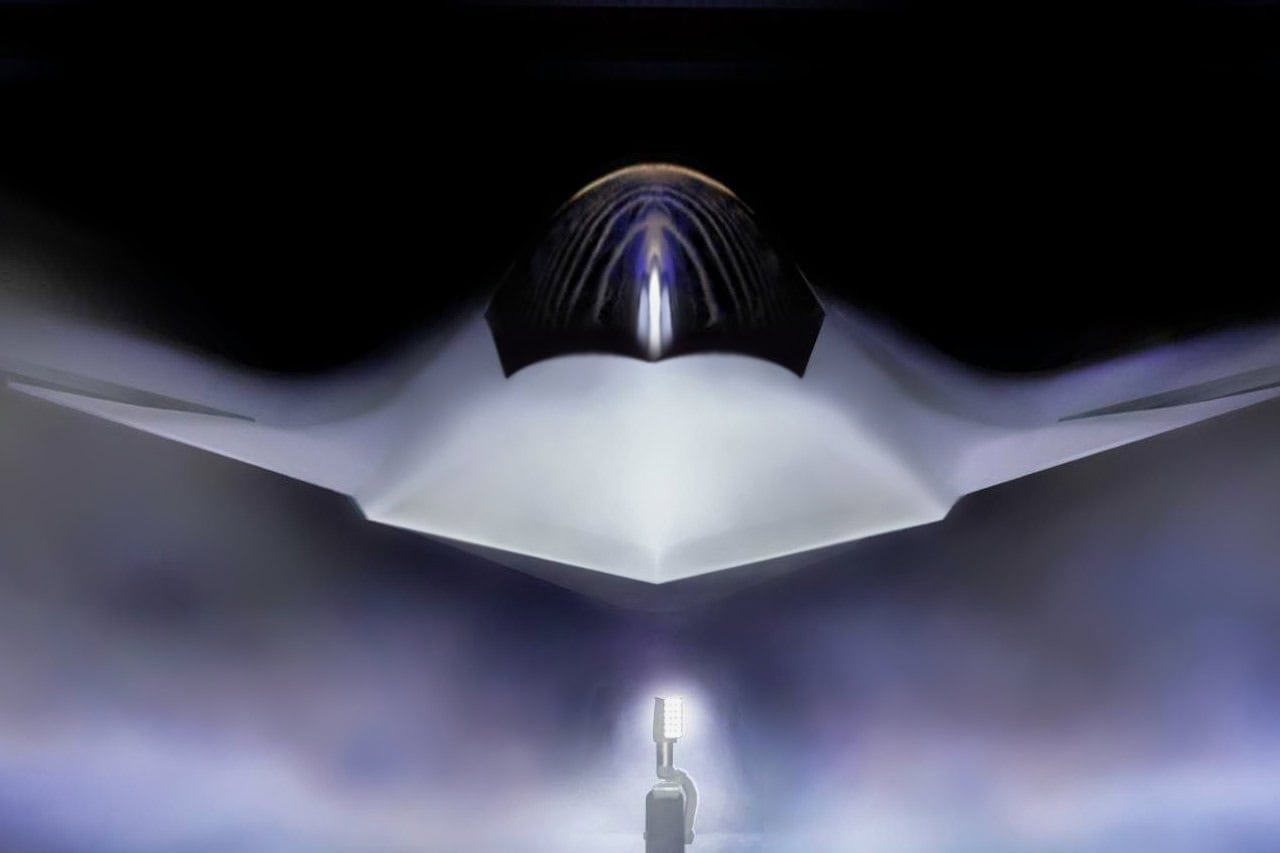
At its core, Next Generation Responsive Strike (NextRS) is a joint effort between the Defense Advanced Research Projects Agency (DARPA) and the United States Air Force. It aims to create a reusable hypersonic strike aircraft that is closer to a Mach 5 (or faster) bomber-drone hybrid than to a traditional bomber.
The Pentagon Wants Speed to Replace Stealth
DARPA and the Air Force hope to create a strike platform that can hit targets globally at hypersonic speeds, survive advanced air defenses, and return to base for reuse. The program is basically the SR-71 Blackbird meets a cruise missile and a bomber, all rolled into one.
Congress has already shown interest, according to a recent Aviation Week report, backing plans for a hypersonic demonstrator aircraft for strike and intelligence, surveillance, and reconnaissance (ISR) mission sets.
Not a Bomber–A Hypersonic Predator
While the military is selling Congress on the notion that the NextRS is essentially a hypersonic bomber-drone, it is more like a reusable hypersonic strike-recon aircraft.
The entire system focuses on rapid response and survivable penetration. It’s not a traditional bomber, like the new B-21 Raider, because it lacks a large payload bay, and the designers emphasized speed, survivability, and responsiveness over payload mass.
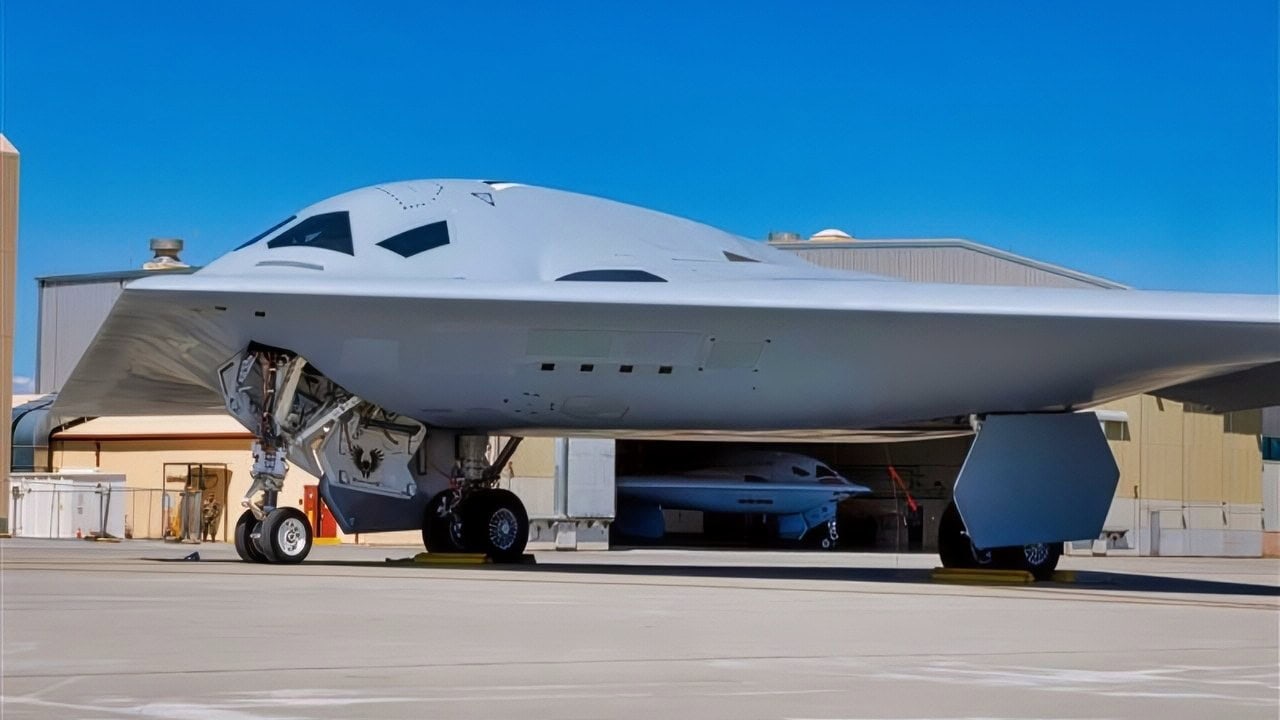
A second B-21 Raider, the world’s sixth-generation stealth bomber, test aircraft arrives at Edwards Air Force Base, Calif., Sept. 11, 2025. The addition of the second test aircraft expands mission systems and weapons integration testing, advancing the program toward operational readiness. (Courtesy photo)
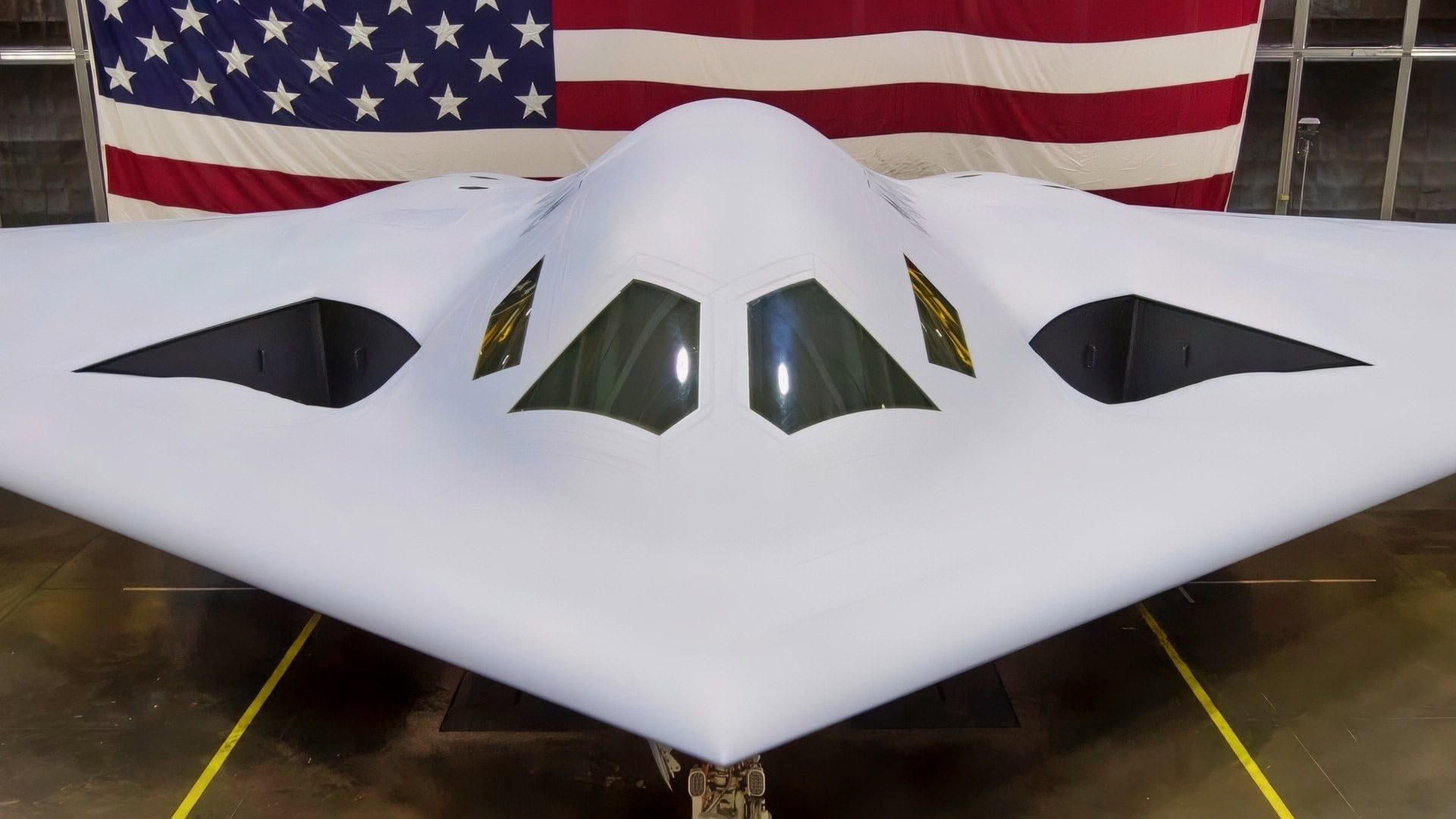
The B-21 Raider was unveiled to the public at a ceremony Dec. 2, 2022 in Palmdale, Calif. The B-21 will provide survivable, long-range, penetrating strike capabilities to deter aggression and strategic attacks against the United States, allies, and partners. (U.S. Air Force photo)
At its core, the creation of and interest in the NextRS indicate a true paradigm shift in how US policymakers think about modern air warfare. Whereas, for decades, the priority in new warplane and bomber designs has been stealth, the new priority is speed.
That’s because the air defenses and stealth detection capabilities of rival nations have largely caught up with the impressive stealth capabilities of the United States. Rather than continue with doctrines that may no longer be as relevant as they once were, the Pentagon is looking for something more dynamic.
Mach 5 Warfare: The Death of Reaction Time
Hence, hypersonic platforms, like the NextRS. By sending an unmanned system deep into enemy territory to either conduct surveillance or drop bombs at more than 3,800 miles per hour, the Air Force and DARPA are attempting to outrun the air defenses of rivals such as China.
By penetrating well-defended enemy airspace at those speeds, even the most advanced air defense system will have difficulty detecting, tracking, and successfully downing the NextRS. That’s because attacking at those speeds compresses enemy decision timelines to mere minutes, or even, in some cases, seconds.
Throw in the high altitude that the NextRS will fly at, as well as the proposed craft’s extreme maneuverability, and the Pentagon is ensuring the NextRS is very likely to survive any mission deep inside enemy territory protected by the most advanced layered air defense systems.
We’ve reached the point in modern warfare where we must outrun and overwhelm enemy air defenses rather than simply evade them via stealth.
Engines That Don’t Exist (Yes)
Interestingly, NextRS is not just another experimental vehicle. It is the apotheosis of multiple bleeding-edge DARPA programs. So, experimental systems like the highly complex High Mach Gas Turbine (HMGT) that DARPA has developed are central to the NextRS.
Without this costly, complex, experimental engine, the NextRS won’t travel at the more than Mach Four speeds it will cruise at. Unlike rockets, the HMGT is an air-breathing engine, so the NextRS is both reusable and cheaper than a craft that employs rockets.
The only issue is that no country has fully mastered reusable turbine-based hypersonic propulsion at scale. That could be a real hindrance to the program if the Pentagon even moved forward with mass production of the NextRS.
Heat That Melts Aircraft
Because hypersonic flight creates extreme heat (in the thousands of degrees), expensive, advanced materials and coatings are required to ensure the NextRS can function properly. DARPA has invested considerable resources in programs like “Carbon Crunch,” which aim to address the scaling and production challenges of these costly, complex materials.
NextRS is less of a missile or even a bomber, since the bird must be able to take off, survive hypersonic flight, and land (and then fly again for another mission). The complications the program has experienced are more like those faced by spaceplane designers than by traditional bomber or missile programs.
Timeline: Don’t Expect This Anytime Soon
While innovative and promising, the program is still far from being deployable in a real combat setting. Right now, the program is undergoing concept refinement and engine development. DARPA and the Air Force anticipate a working prototype not until the mid-2030s.
Once the prototype/demonstrator version of the NextRS proves reliable, the military will greenlight its possible operationalization. And that won’t happen until the 2040s or even 2050s.
Next Big Future has speculated that early Mach-capable test platforms, such as the Hermeus Quarterhorse, are stepping stones toward the full development of the NextRS platform.
The Strategic Debate: Kill NGAD for This?
Within defense circles, there is a growing argument that the military should abandon the expensive Next Generation Air Dominance (NGAD) sixth-generation warplane (the F-47) in favor of the NextRS (or a similar system).
Hypersonic strike aircraft are far more suitable and survivable than expensive stealth fighters are in a missile-saturated battlefield.
Those defense planners raising alarms over the F-47 and calling for a different system entirely, like the NextRS, are right to do so. I’d side with them in those policy debates, too. But we must understand that the engineering risks with the NextRS right now are enormous.
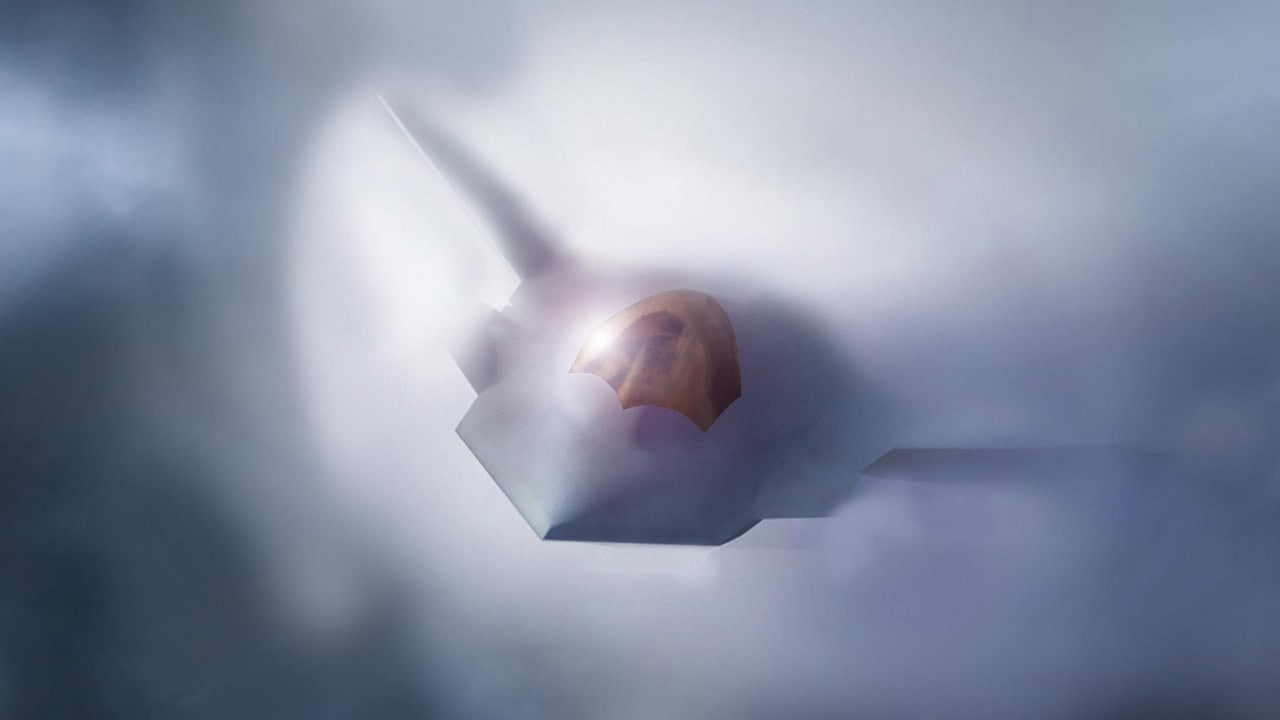
F-47 Fighter. Image Credit: U.S. Air Force.
Shown is a graphical artist rendering of the Next Generation Air Dominance (NGAD) Platform. The rendering highlights the Air Force’s sixth generation fighter, the F-47. The NGAD Platform will bring lethal, next-generation technologies to ensure air superiority for the Joint Force in any conflict. (U.S. Air Force graphic)
Combining hypersonic velocities in a reusable, air-breathing vehicle creates unsolved problems at scale. Meanwhile, hypersonic development programs have already proven expensive (with mixed results) for the US military. This program would be no different.
Plus, there are the industrial base constraints that few in Washington appear willing (or able) to address. The US defense industrial base already struggles with engine production, the scaling of exotic materials, and testing infrastructure.
Now we’d be creating an entirely new, unproven platform and depending on the already unreliable defense industrial base to successfully produce it reliably and affordably?
A Brilliant Idea That May Break Reality
NextRS is technologically plausible. It’s certainly strategically seductive. But it will be brutally difficult to create in any realistic way, given the inherent weaknesses in the current defense industrial base and the likelihood that costs would explode beyond what either Congress or the American taxpayer would be willing to sustain.
Nevertheless, the Pentagon is finally moving its thought process in the right direction.
Stealth isn’t dead. But it can no longer be a priority in American air warfare. Instead, speed, maneuverability, and carrying capacity must take priority.
About the Author: Brandon J. Weichert
Brandon J. Weichert is the Senior National Security Editor at 19FortyFive.com. Recently, Weichert became the editor of the “NatSec Guy” section at Emerald. TV. He was previously the senior national security editor at The National Interest. Weichert hosts The National Security Hour on iHeartRadio, where he discusses national security policy every Wednesday at 8 pm Eastern. He hosts a companion show on Rumble entitled “National Security Talk.” Weichert consults regularly with various government institutions and private organizations on geopolitical issues. His writings have appeared in numerous publications, among them Popular Mechanics, National Review, MSN, and The American Spectator. And his books include Winning Space: How America Remains a Superpower, Biohacked: China’s Race to Control Life, and The Shadow War: Iran’s Quest for Supremacy. Weichert’s newest book, A Disaster of Our Own Making: How the West Lost Ukraine, is available for purchase at any bookstore. Follow him via Twitter/X @WeTheBrandon.