On the morning of 1 May, residents of the municipality of Tuapse had a distinctly unpleasant beginning to the traditional May Day holiday. Ukrainian forces launched yet another attack on the local oil refinery in this southern Russian region of Krasnodar Krai – a facility where fires have been blazing for days amid a series of devastating previous strikes.
This is now the fourth drone attack against the facility in the past two weeks. Ukraine previously confirmed strikes on Tuapse on 16, 20, and 28 April. Following the third attack, a state of emergency was declared in the municipal district.
On 29 April, the Russian Emergency Situations Ministry (MChS) claimed it had finally extinguished the fires in Tuapse caused by these successive Ukrainian attacks. But this latest barrage has reignited the blazes at the oil-production facility, with residents reporting that explosions are once again occurring in the city.
News about the fourth strike on Tuapse is still emerging on the internet and becoming known to the Russian public, despite state-controlled media outlets either blocking it or simply refusing to acknowledge it. Photos and videos showing the damage to the refinery and the co-located marine terminal were posted on social media accounts in the early morning hours of 1 May.
Additional coverage has continued throughout the day on the Telegram monitoring channel Exilenova-Plus.
“It is not difficult to understand why the Russian government keeps seeking to find more effective ways to shut down the Telegram platform for the Russian population,” said a colleague in Moscow. “Not only does it permit people to communicate in ways that the state does not approve of, but through Telegram is also possible to reveal all the news about the war in Ukraine that [Russian President Vladimir] Putin does not want the public to see or hear.”
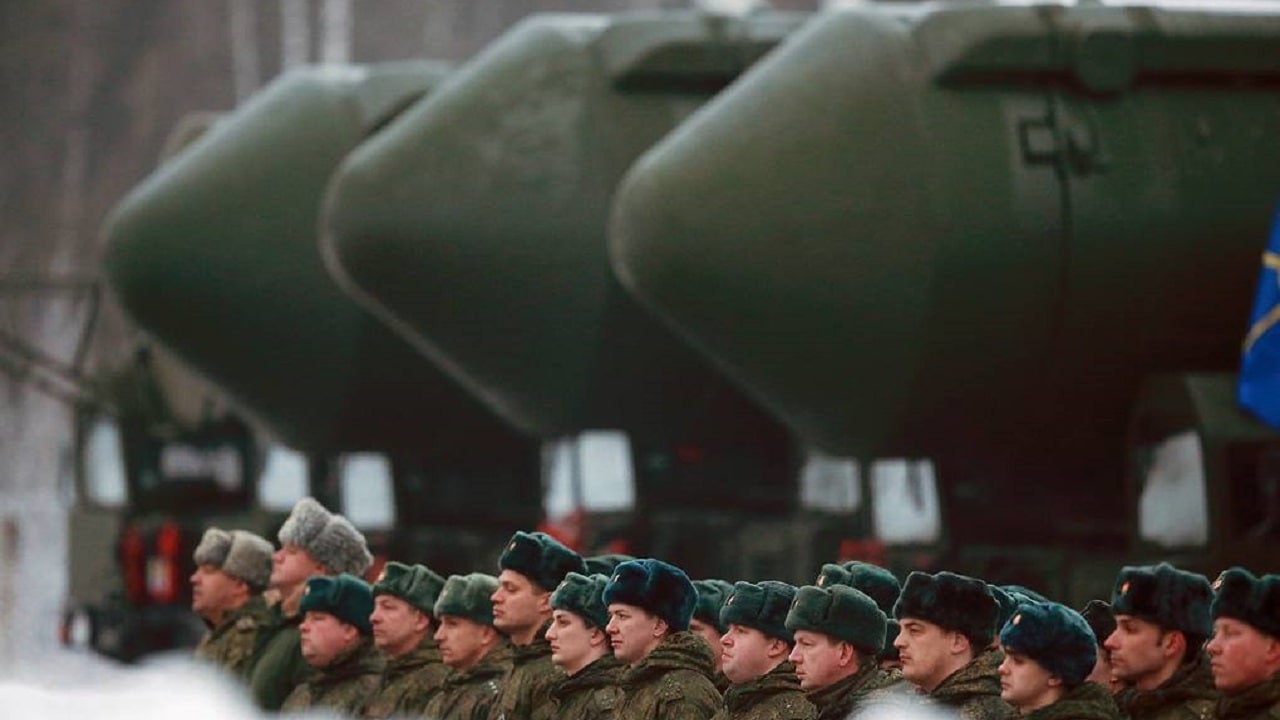
Russian nuclear weapons. Image Credit: Russian State Media.
Microcosm of a Military Campaign
Retired intelligence officials that 19FortyFive spoke to explained, “you can see in these attacks on this refinery and marine terminal complex a blueprint for how Ukraine intends to take this war to every corner of Russia, to every strategically important site, to every installation or base that is critical to Moscow’s war effort.”
This one night after another set of strikes on the Tuapse site is not just putting this one piece of Russia’s oil industry out of commission, explained one former analyst who had spent decades following how the then-Soviet Union – and now Russia – uses its energy industry to support its military and the economy as a whole. “This has all the hallmarks of a sustained campaign to force Russia’s war machine to a breaking point”, he said.
“The effects of four successful assaults on an important refinery complex have to be political as well as economic,” he continued. “Moscow’s attempts to hide what is going on from the public are feckless at best. Everyone in Russia knows what is happening in Tuapse, and they can see that the Putin regime cannot or will not protect them.”
In conversations with Ukrainian defense industry executives from Kyiv, they reveal that there is a plan, and what you are seeing in these past two weeks is the template, the first example of what this campaign is designed to do. “This is not going to be a series of one-off hits to try and disrupt some level of production at a refinery and then move, and we go cause a bit of mischief somewhere else, and so on.”
“This is a campaign that is about shutting down Russia’s ability to supply its own military with petroleum products, as well as cutting off Moscow’s state revenue stream. This is about starving Vladimir Putin of everything that he needs to continue this war.”
Russian President Putin is addressing the nation.
Russian President Putin.
“But equally important is the symbolism attached to these attacks,” said an executive from one of the Ukrainian drone companies. “By hitting Tuapse night after night and then suddenly out of nowhere hitting the city of Perm – 950 miles or more from the border of Ukraine behind Russian lines and 1600 miles from Tuapse.”
“What you are saying to the Russians is, ‘we can hit any target in Russia any night of the week. We can come back night after night and do the same in the same place – and then pivot and hit some other target 2500 km away. And – this is the important point – you are saying ‘Vladimir – there is nothing you can do to stop us. Nothing.”
Affecting the Situation on the Ground
The war on Russia’s oil industry has an impact beyond just petrol supplies and the Russian state budget. There are now beginning to be significant changes on the ground as well due to the Ukrainian drone campaign.
In November 2023, General Valerii Zaluzhnyi, then serving as commander-in-chief of the Armed Forces of Ukraine, described how the war had become a positional form of warfare. The saturation of the front lines with unmanned systems had made maneuvering with forces of any meaningful size impossible.
Russia had continued to mobilize more manpower. In a war of attrition, fortune would favor the nation that has a larger population to draw upon – a traditional Russian strength. Even with Ukraine’s ability to inflict serious casualties using its growing army of drones, those casualties have not had a significant impact on Moscow’s ability to prosecute the war.
Ukraine’s drone campaign is changing all of that. It is designed along the lines of the Allied strategic bombing campaign of WWII.
Long-range strikes of the type Ukraine has carried out in the past two weeks are deliberately targeted at Moscow’s capacity to wage war. Curtailing petroleum production has a direct or indirect impact on almost everything Russia needs to keep operating – particularly in logistics.
According to data compiled by Bloomberg, Ukraine’s strikes on Russian oil infrastructure reached a four-month high in April. This included at least 21 attacks on refineries, pipelines, and offshore oil assets. These attacks have reduced Russia’s average refinery capacity to 4.69 million barrels per day, the lowest level since December 2009, Bloomberg also reported.
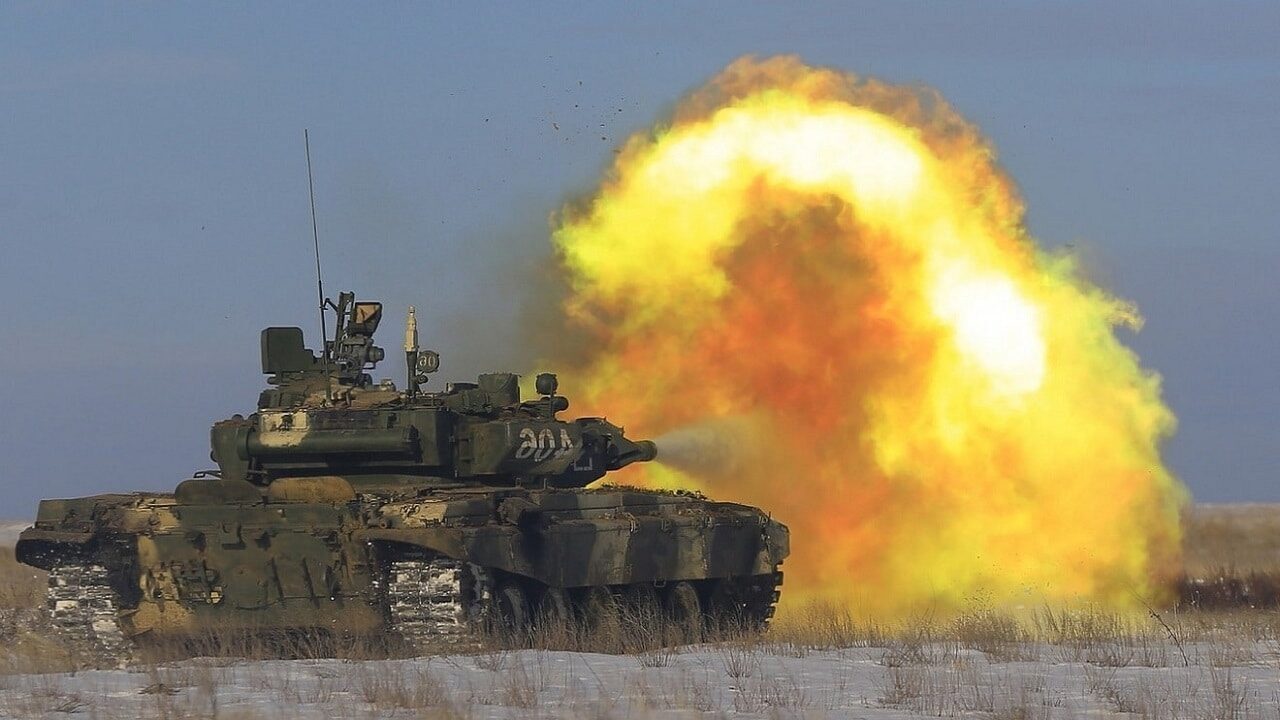
Ukrainian Army Tank Firing. Image Credit: Creative Commons.
In 2024, oil and gas revenues accounted for 30 percent of Russia’s tax and export income, or $120.3 billion. Roughly 85 percent of that revenue came from oil, primarily crude oil sales, and the rest from natural gas. Even with Western sanctions, oil revenue remains significant to the Russian state.
But beginning in the summer of 2025, Ukraine intensified its long-range strike campaign, carrying out 43 strikes from 1 July to 7 September. These targets included oil refineries, transportation infrastructure, and military-industrial complexes.
Ukraine struck Russian oil-industrial infrastructure more than 140 times in 2025, an increase of over 50 percent from 2024. In November, Ukraine began attacking not just refineries but ships and other transportation nodes, storage bunkers, and port facilities.
Impact on Military Operations
It is difficult to precisely quantify the direct effects of these long-range strikes. But when combined with the economic sanctions and other international efforts to reduce Russia’s ability to prosecute the war, evidence to date is that they are having the desired effect.
Recent reports on the impact of the oil war in Russia indicate that Moscow is increasingly unable to pay soldiers. There is also evidence that the campaign has successfully disrupted funding for war production and created even higher domestic fuel shortages by the fall of 2025.
Moscow has also been forced to reallocate some of its air defense assets as a means to battle against increased drone attacks. Reports also indicate the Russian government is contemplating alternative ways to raise revenue to fund the war, which include the highly unpopular option of increased taxation.
It is hard to measure the overall effects on the Russian economy. But there are multiple signs that raising revenue is an increasing struggle for Moscow. And given how adversely their war on major oil industrial sites is affecting Russia’s war effort, Ukraine is likely to pick more targets like Tuapse. Just like with that city, when the Ukrainians attack, they continue until the facility targeted is degraded beyond the level of short-term repair and reconstitution, even remote possibilities.
But the same Russian drone industry executives – as well as European military specialists that NSJ has spoken with recently – state that there are also intangibles at work in this campaign.
Russia’s online community is increasingly hostile and critical of the Putin regime. Some of the Kremlin’s most ardent propagandists appear to be hedging their bets and becoming more circumspect in their public statements.
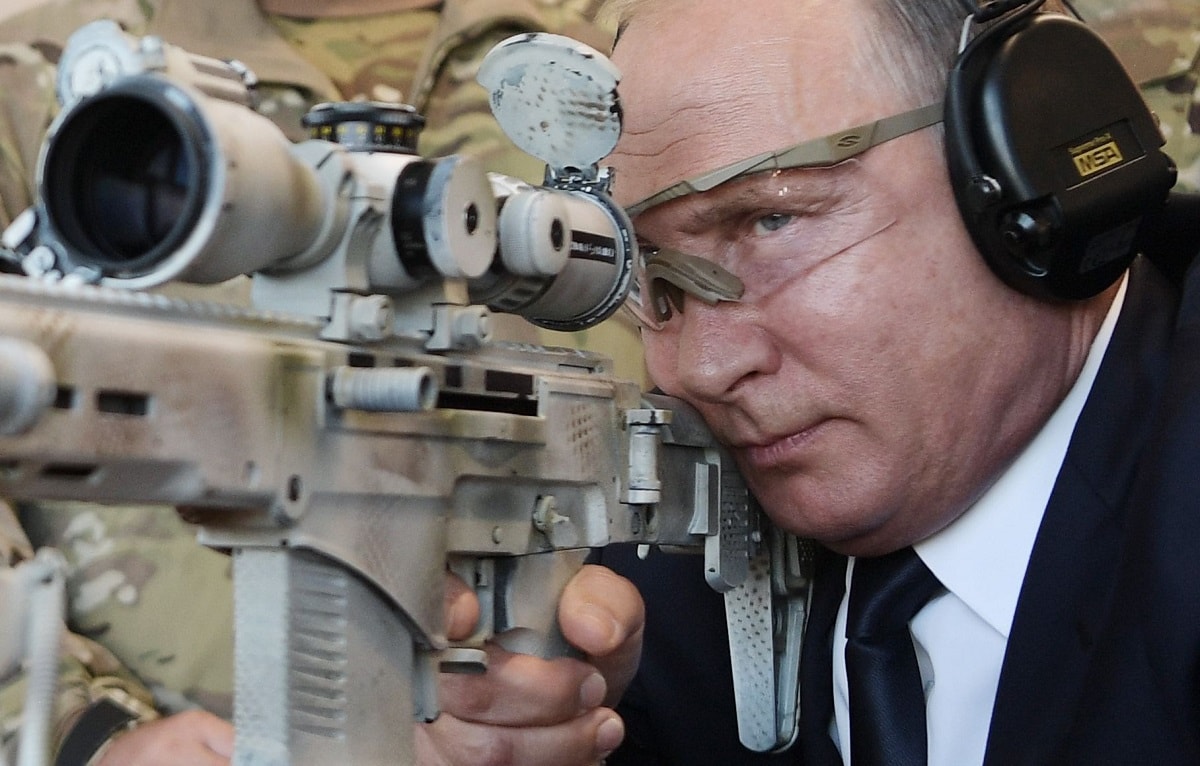
Image: Russian Federation Government.
The assessment of observers, both inside and outside of Russia, is that more than infrastructure, revenue streams, and industrial capacity are being destroyed by the Ukraine drone campaign. The population is increasingly dissatisfied with the war’s progress – or lack thereof.
However, the conflict remains as what has been described as a “high fatigue, low dissent dynamic.” While 73 percent of the population feels “fatigue”, there is still some level of popular support for the “special military operation” that remains relatively stable.
A plurality of about 40 percent still support Putin at this point, but there is growing negative sentiment. A late-2024 poll showed that 47 percent of Russians were already of the mind that the war had now brought “more harm than benefit” to them, a significant increase in negative sentiment compared to previous years.
The most recent commentaries and the barrage of negative coverage of these strikes on Tuapse, Perm, and other sites – not to mention Moscow’s attempts to cover up the entire set of circumstances – are having damaging effects all their own.
There are good reasons to believe that the Ukrainian campaign is working. Meanwhile, the prospects for Russia, the ability to continue the war, and the overall future for the Kremlin leadership only go downhill from here.
About the Author: Reuben F. Johnson
Reuben F. Johnson has thirty-six years of experience analyzing and reporting on foreign weapons systems, defense technologies, and international arms export policy. Johnson is the Director of Research at the Casimir Pulaski Foundation. He is also a survivor of the Russian invasion of Ukraine in February 2022. He worked for years in the American defense industry as a foreign technology analyst and later as a consultant for the U.S. Department of Defense, the Departments of the Navy and Air Force, and the governments of the United Kingdom and Australia. In 2022-2023, he won two consecutive awards for his defense reporting. He holds a bachelor’s degree from DePauw University and a master’s degree from Miami University in Ohio, specializing in Soviet and Russian studies. He lives in Warsaw.