
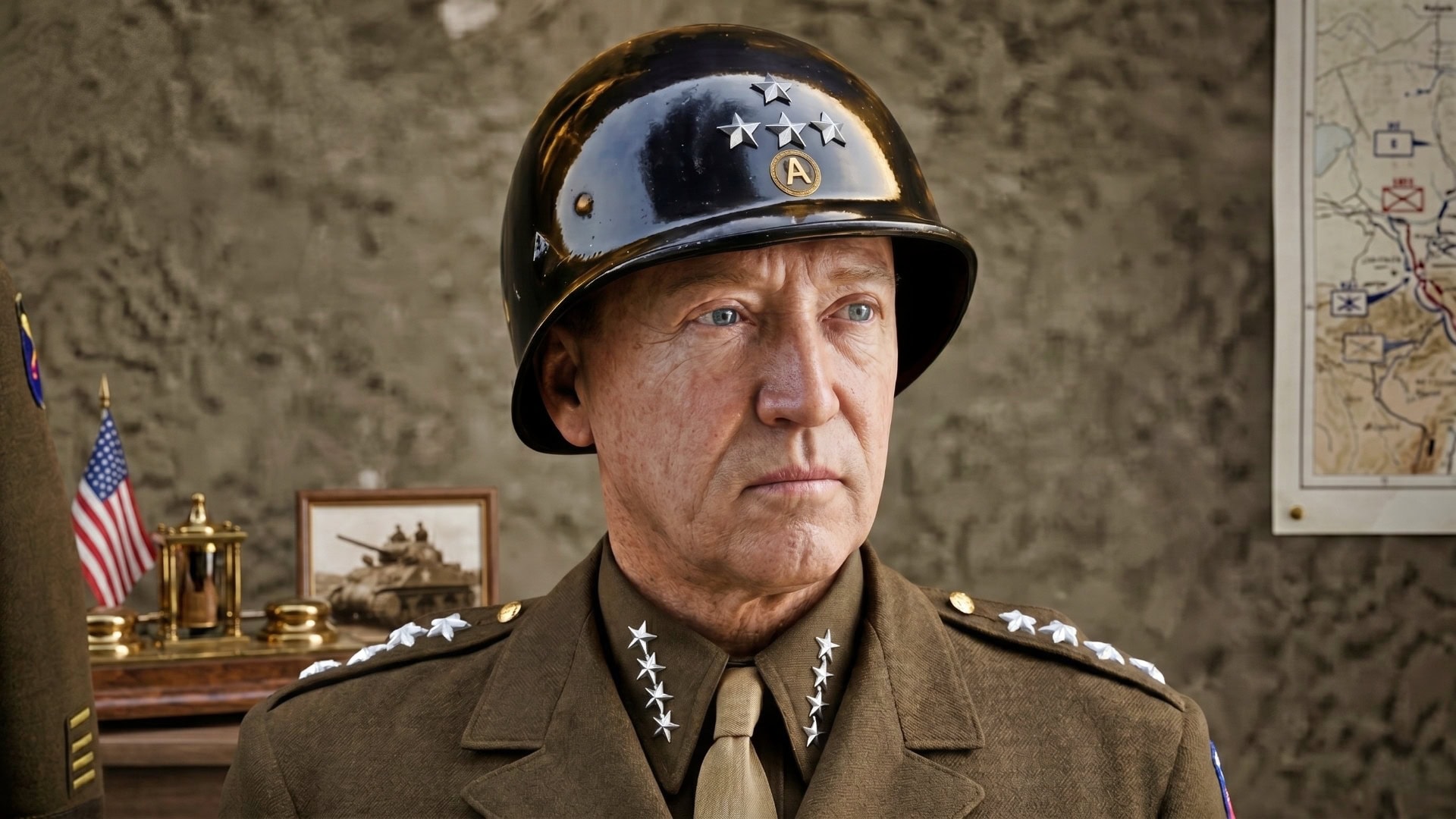
In August 1943, during the Sicily Campaign of World War II, U.S. General George S. Patton — visiting wounded American soldiers in field hospitals — slapped two combat-fatigued infantrymen suffering from what would today be diagnosed as PTSD, berating them as cowards and ordering them back to the front. The incidents triggered a media firestorm, demands for Patton’s removal from command, and a personal apology forced by Supreme Allied Commander Dwight D. Eisenhower; Patton was sidelined from frontline command for several months and missed the initial June 6, 1944 Normandy landings as a direct result. He would return to lead the U.S. Third Army in the breakout across France that summer, but his abrasive personality continued to define his career — admired by the French and Soviets, despised by the British high command, and judged by Field Marshal Alan Brooke as “a dashing, courageous, wild, and unbalanced leader.”
U.S. Army Quote for the Weekend by Patton
“You can’t run an army without profanity.” – General George S. Patton, U.S. Army
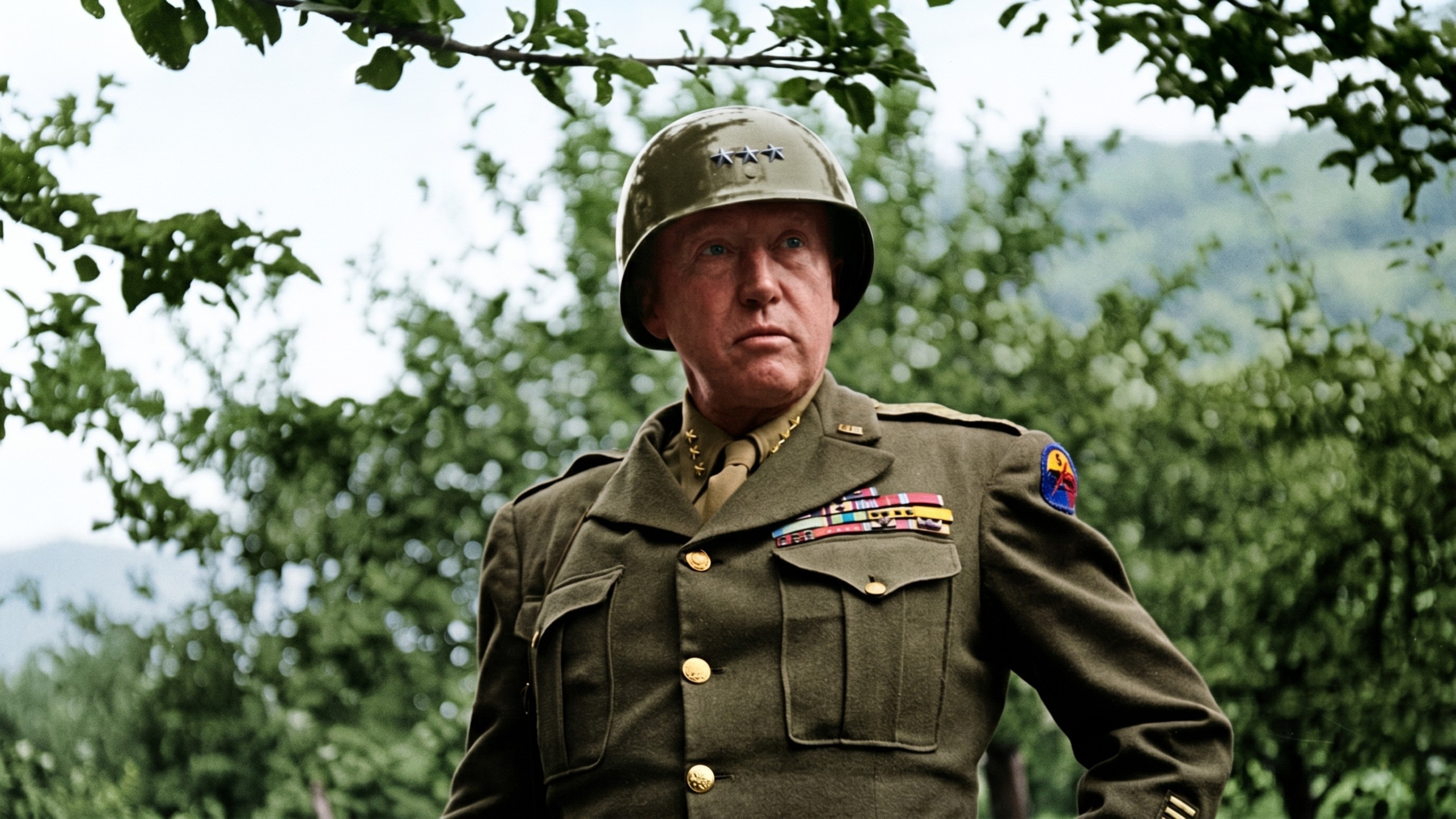
Army General George Patton, legend. Image Credit: Banana Nano.
George S. Patton was famous for his somewhat eccentric personality.
Possessing a blunt and abrasive demeanor, Patton was just as aggressive as his battlefield tactics. His personality was immensely important for rallying the troops and spurring them on to victory. He quickly became known for his energetic and often profane speeches, which resonated deeply with his soldiers’ hearts. At the same time, this rough and gruff attitude often led him into trouble with the press and Allied high command.
The Man Behind the Legend
Patton’s personality blended supreme confidence with a deep and personal sense of insecurity.
In public, he projected a sense of unwavering certainty and a strong contempt for doubt, insisting that hesitation was more dangerous than error. Privately, however, he often wrote in his diaries about his shortcomings and his perceived historical insignificance.
This internal tension drove him to demand perfection both from himself and from others. It also fueled his intolerance for perceived weakness. Patton believed that war rewarded willpower and aggressiveness above all else. As a result, he had a volatile personality that sometimes exploded at the wrong moment, bringing him misfortune.
As a leader, Patton practiced a rigid form of command. He expected orders to be obeyed instantly and executed with enthusiasm. This authoritarian approach fit well within the context of the Second World War and often yielded excellent results.
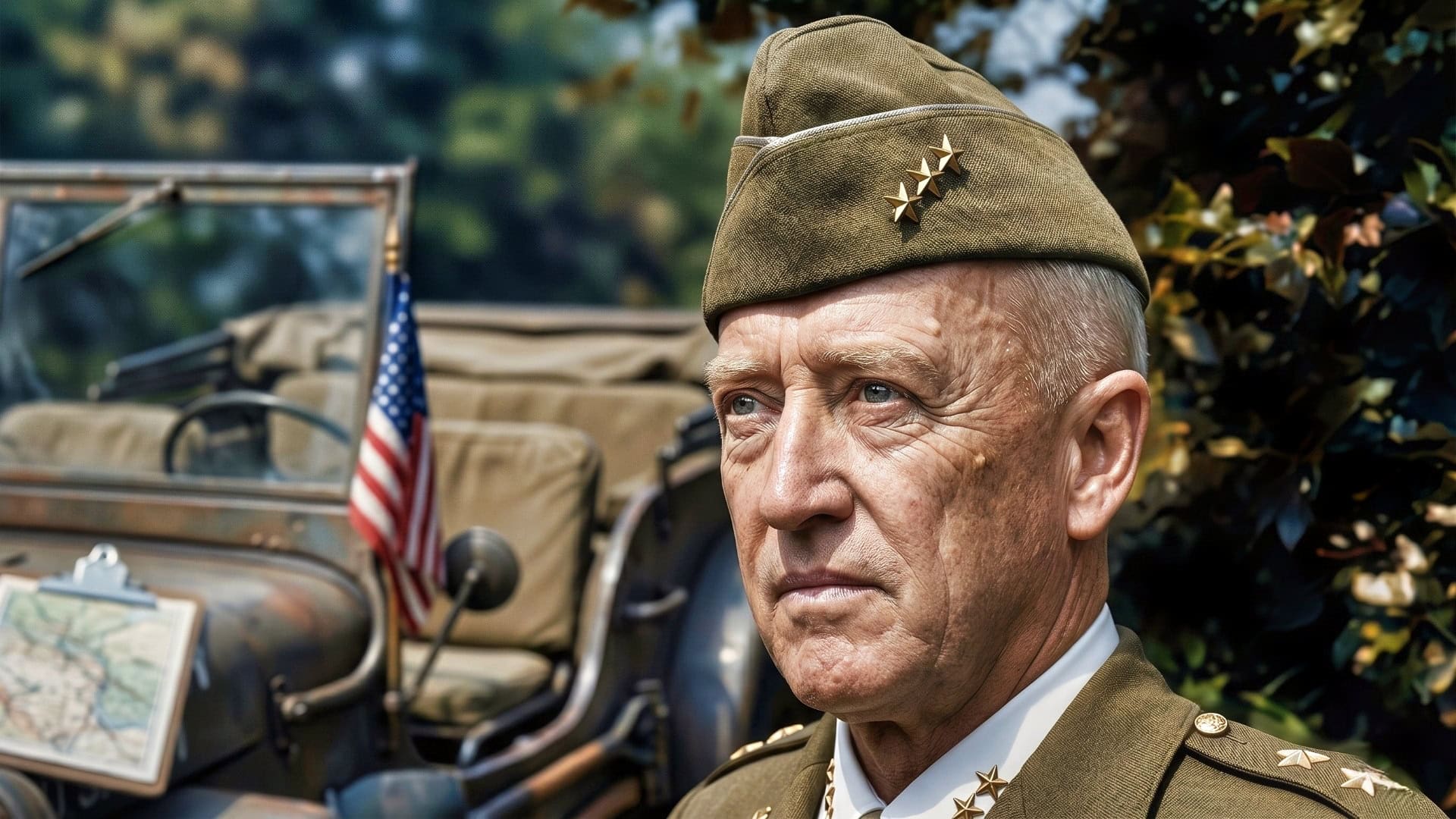
General George S. Patton Near Jeep. Image Credit: Banana Nano.
Patton had little patience for overcautious planning or bureaucratic delays, often demanding quick action.
His intolerance of indecision extended to senior and junior officers alike, and he was quick to replace commanders who failed to move aggressively.
In a crisis, Patton’s firm and aggressive disposition were key to his many victories.
Leadership Style: Patton’s Strengths
While Patton would set firm goals and timelines, he often allowed subordinates leeway in how they achieved them. He demanded results rather than procedural compliance and often rewarded initiative, even when it led to mistakes.
This leadership style made him well-suited to fluid operations, especially in mobile warfare. Patton studied German doctrine closely and admired its focus on momentum and decentralized decision-making, adapting many of those ideas within an American command structure.
One of Patton’s greatest strengths as a leader was his ability to motivate troops under extreme stress. His speeches to his men were profane and unapologetically violent, but they resonated with many precisely because he spoke at their level.

General Patton Portrait. Image Credit: Creative Commons.
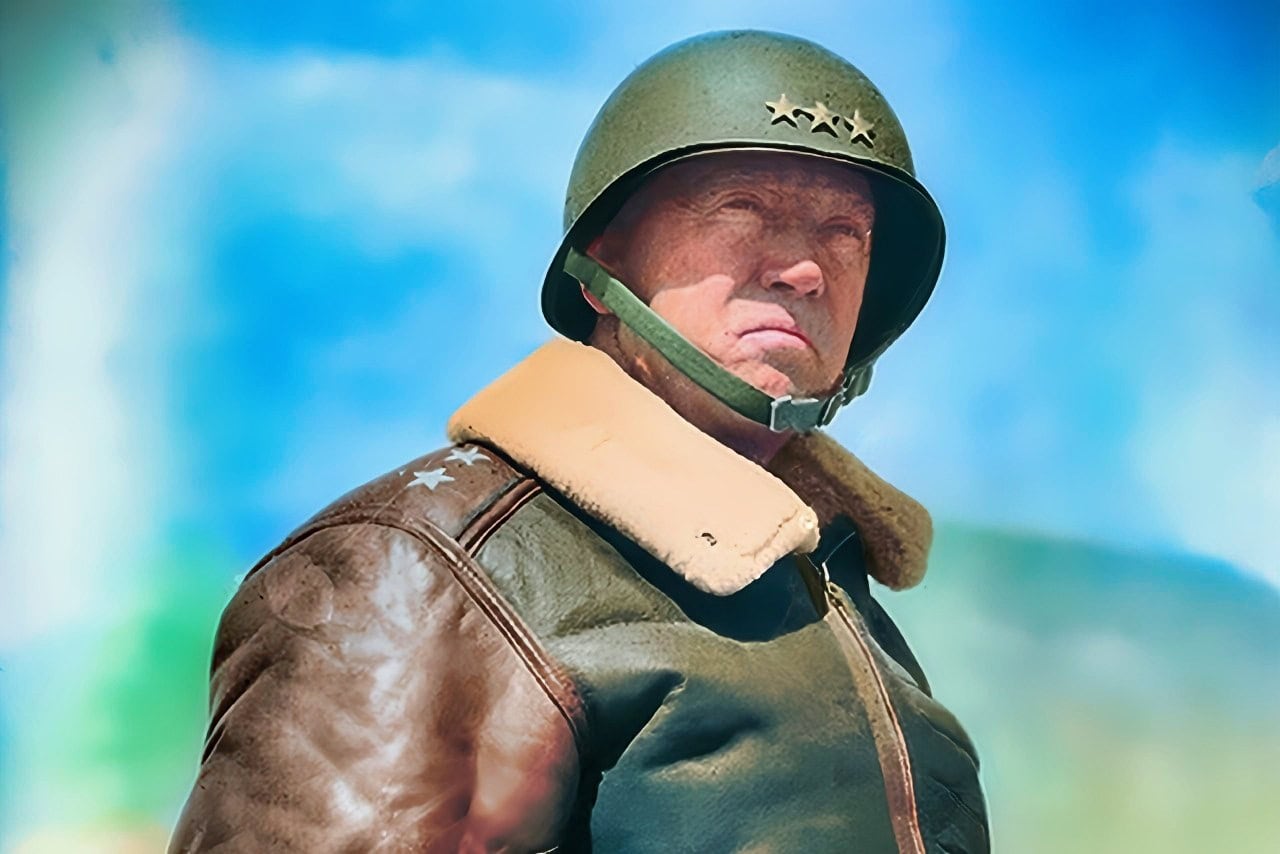
George Patton U.S. Army Photo
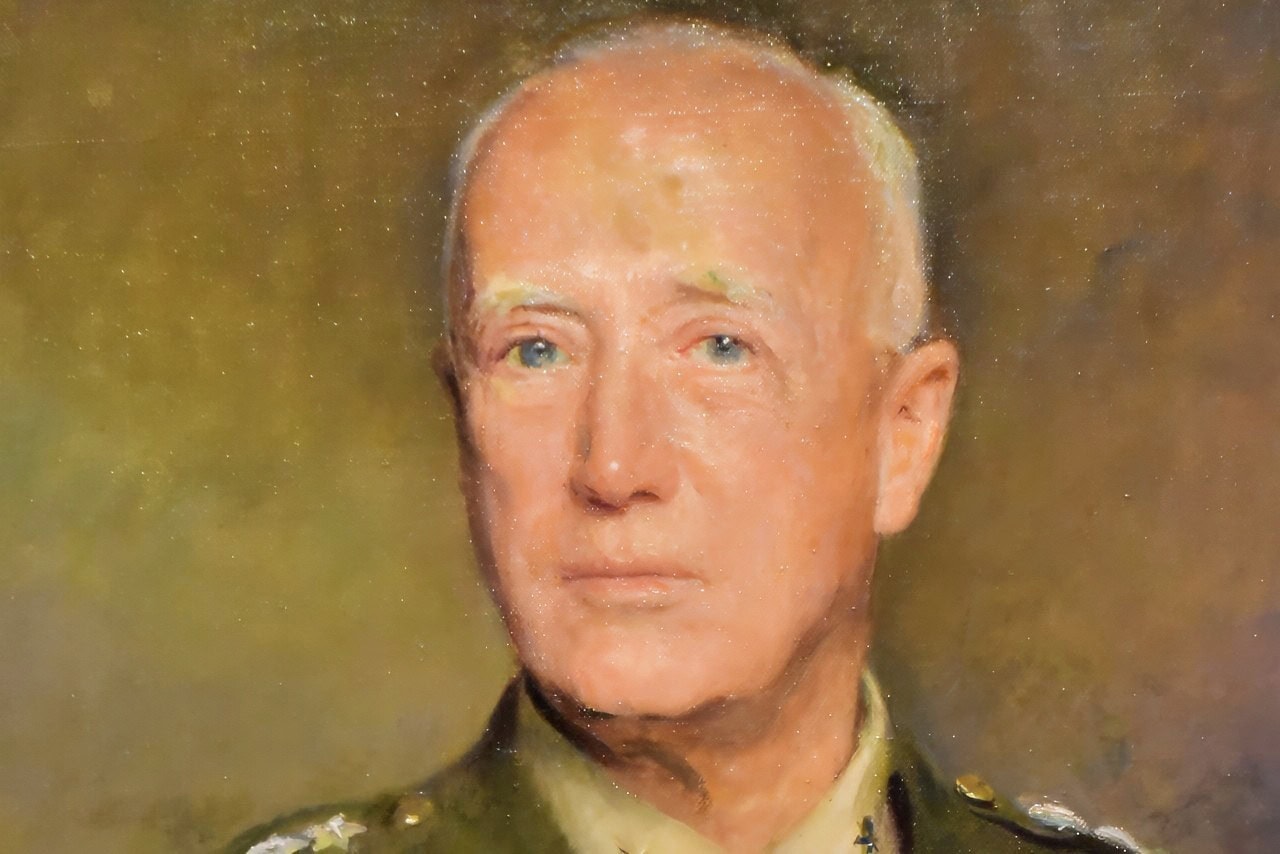
General George Patton National Portrait Gallery Photo. Image Taken by 19FortyFive on 1/23/2026 in Washington, DC.
He would often visit his troops at the front under dangerous conditions, and frequently marched alongside them to boost their morale. Under his command, units often developed a strong identity and confidence in their own aggressiveness.
Additionally, there was a definite method to his madness. His insistence on discipline and orderliness kept his supply lines and logistics in good order, ensuring that his troops almost always received the supplies they needed.
The Dark Side of Patton’s Personality
There was, of course, a darker side to Patton’s excessive personality.
While he was great at arousing the courage of his troops, he showed no mercy to those he viewed as weak.
Nowhere was this more evident than with the slapping incidents during the Sicily Campaign. While Patton was visiting with his wounded soldiers, he struck two men who were suffering from war fatigue, or PTSD as we call it now. He berated them for their cowardice and ordered them to be sent back to the front lines.
Understandably, the media was furious upon learning of this and called for his removal from command.
Eisenhower was also upset and ordered Patton to formally apologize to the soldiers he struck as well as the witnesses of the incident. As a result of the slapping incidents, he was sidelined for several months and missed the initial landings in Normandy.
Patton’s abrasive and flamboyant personality gave him a mixed reputation among his allies. His fellow Americans respected him immensely for the results he delivered, but at times found him incredibly hard to work with.
The British, on the other hand, basically hated him. British General Alan Brooke described him as a “dashing, courageous, wild, and unbalanced leader, good for operations requiring thrust and push, but at a loss in any operation requiring skill and judgment.”
Of the British, only Field Marshal Bernard Montgomery held him in any regard, admiring the respect he commanded from his troops. The French, for the most part, adored him, and even the Soviets held him in high regard.
Assessing General “Blood and Guts” Patton
While Patton received heavy criticism for his abrasiveness, no one could deny the fact that he achieved results.
When he rapidly advanced across France in 1944, his units displayed exceptional coordination across all domains while maintaining relentless pressure on the enemy. Patton was undoubtedly gifted with strategic insight, and he used his gifts to the fullest.
Even his harshest critics acknowledged his instinctive understanding of high-speed maneuver warfare. Few Allied commanders matched his ability to drive formations forward continuously while adapting to changing conditions.
Overall, Patton is a complicated figure. When the United States entered the war, it did so with a limited understanding of armored maneuver tactics. It was because of Patton and the work of many others that the U.S. was able to adapt to new revolutionary tactics so quickly. Patton’s aggressiveness drove the U.S. forward, successfully beating back the Germans wherever they were encountered.
At the same time, Patton was abrasive toward his subordinates, slow to acknowledge his own mistakes, insufferably stubborn, and obsessed with war. These traits frequently landed him in hot water with the press and high command. Without doubt, Patton deserves a lot of credit for his efforts during the war, but he was far from being a perfect general.
About the Author: Isaac Seitz
Isaac Seitz, a Defense Columnist, graduated from Patrick Henry College’s Strategic Intelligence and National Security program. He has also studied Russian at Middlebury Language Schools and has worked as an intelligence Analyst in the private sector.