
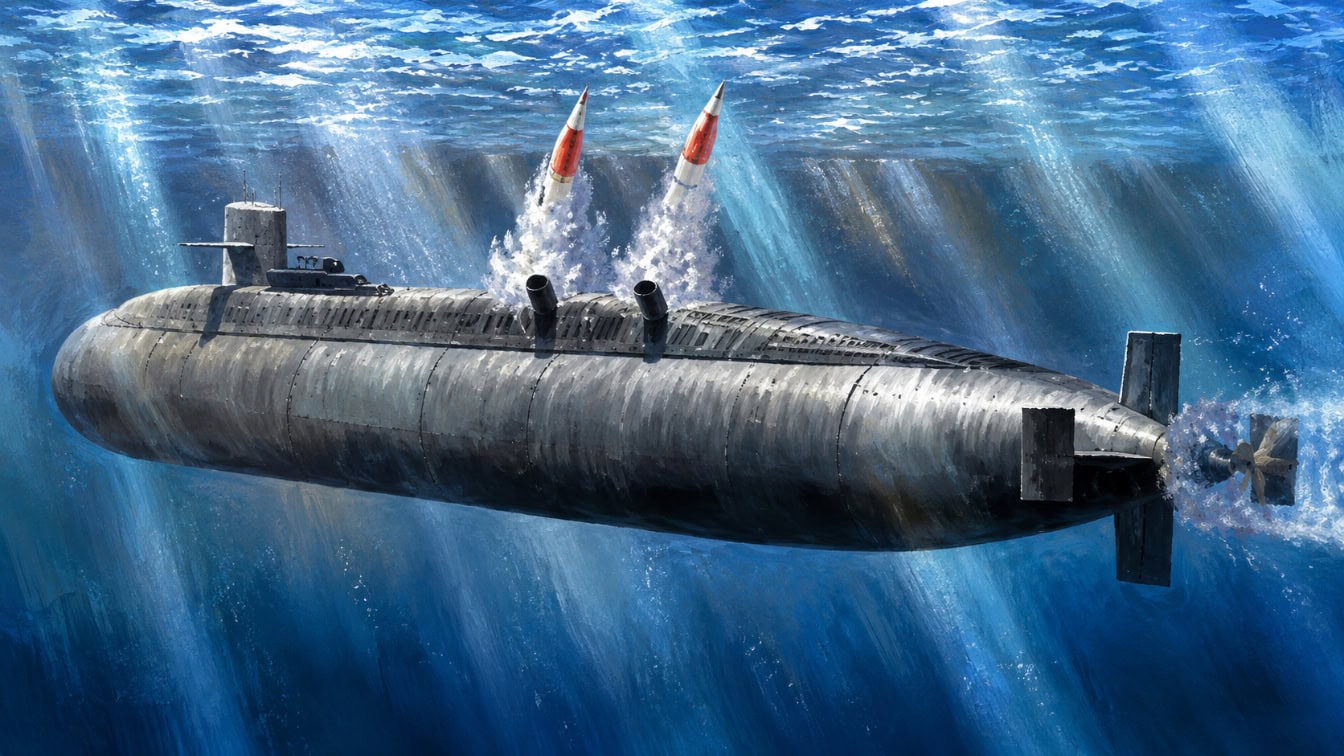
Each U.S. Navy Ohio-class SSGN guided-missile submarine carries up to 154 Tomahawk cruise missiles. Each U.S. Navy Ohio-class SSGN has 22 missile tubes — each capable of carrying 7 Tomahawk cruise missiles. The U.S. Navy operates 4 Ohio-class SSGN guided-missile submarines. All of these, including the Ticonderoga-class cruisers, will be retired. That’s a lot of missing Tomahawk missiles that the U.S. Navy can’t easily replace.
The Tomahawk Missile Crisis: The U.S. Navy Can’t Fix It
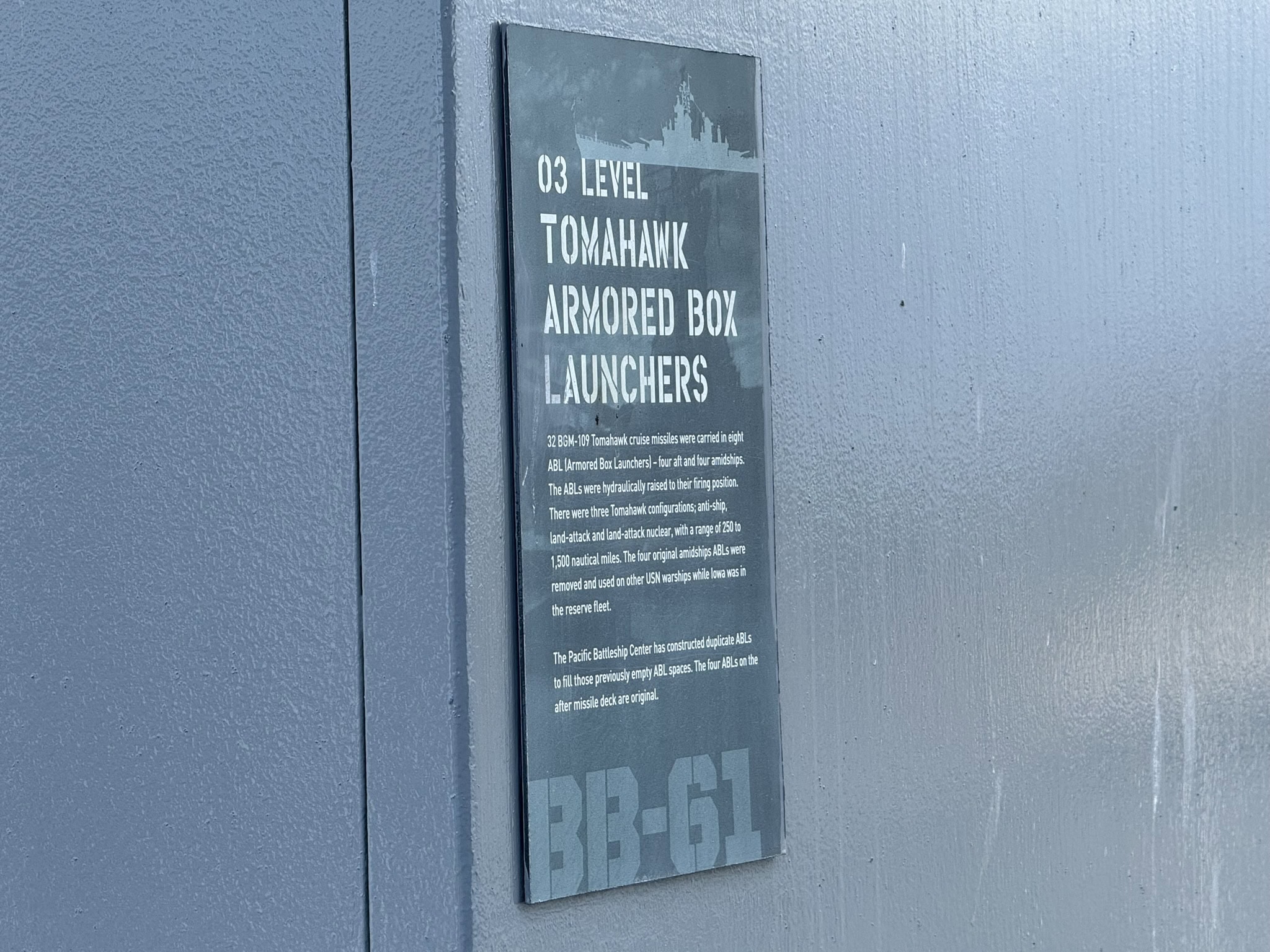
Tomahawk Box on USS Iowa. 19FortyFive.com Image.
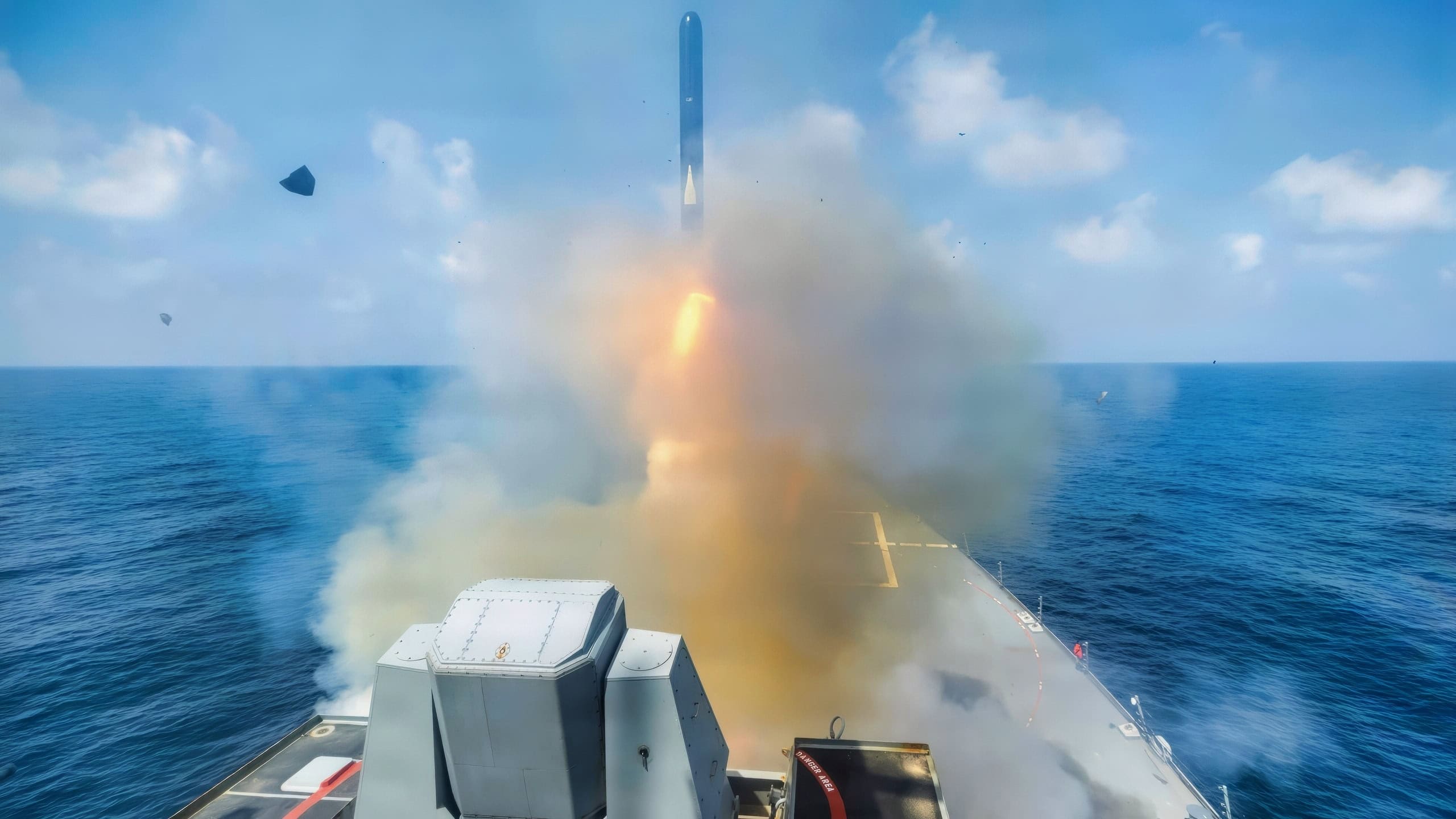
Arleigh Burke-class guided-missile destroyer USS Spruance (DDG 111) fires a Tomahawk Land Attack Missile (TLAM) in support of Operation Epic Fury, Feb. 28, 2026. (U.S. Navy photo)
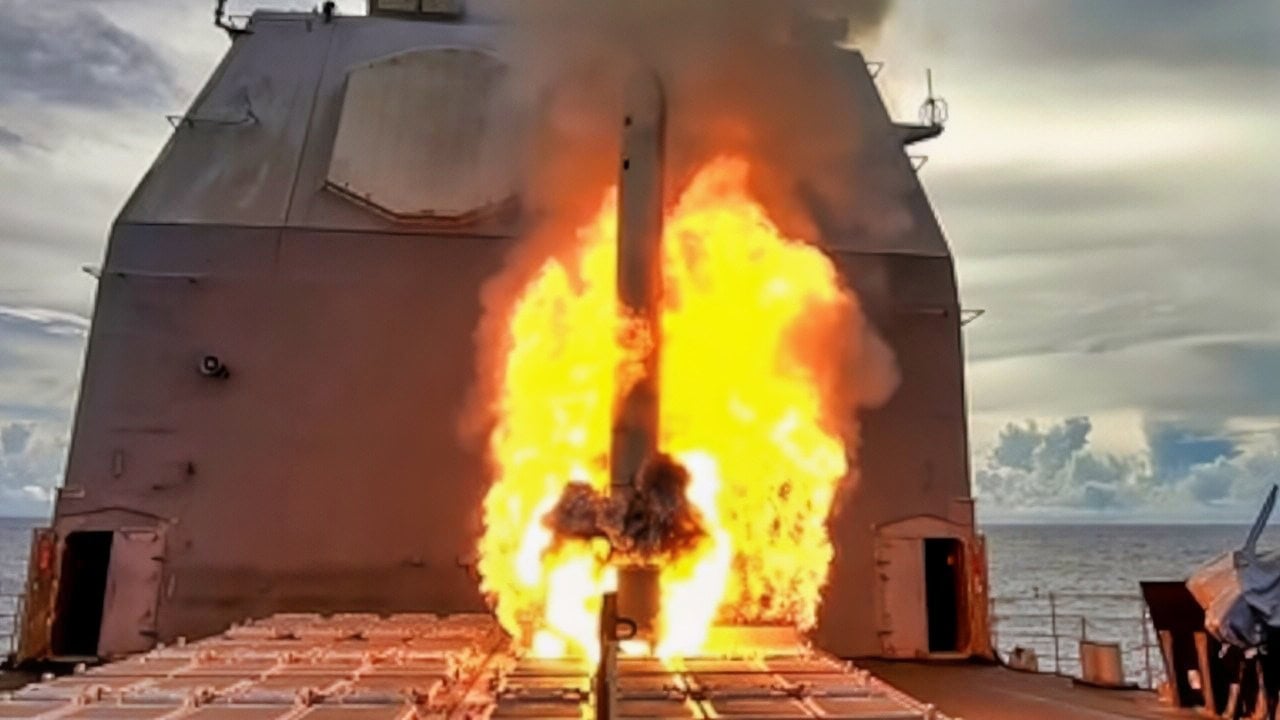
Tomahawk Missile Firing U.S. Navy Photo
The Ohio-class SSGNs are a modified version of the Ohio-class, designed to carry Tomahawk cruise missiles. Because of the Ohio-class’s massive size, these specialized nuclear submarines can carry large numbers of cruise missiles, which gives them a unique role within the U.S. Navy.
Unfortunately, the SSGNs are slated to retire due to their age and maintenance costs. The problem is that the Navy does not currently have a replacement ready for these subs, meaning it is about to lose a significant portion of its naval cruise missile launch capabilities.
The Unique Capabilities of the Ohio-Class SSGN
The Ohio-class SSGN is one of the most powerful conventional strike platforms ever developed by the United States Navy.
Each vessel has 22 missile tubes, each capable of carrying seven Tomahawk cruise missiles, giving each submarine a total capacity of up to 154 missiles.
Across all four submarines, this amounts to 616 Tomahawk missiles available for deployment, a concentration of firepower unmatched by any other class of submarine in the world.
This enormous payload allows an SSGN to deliver a massive, coordinated strike against a wide array of targets. In the opening phase of a conflict, a single submarine can launch dozens or even over a hundred precision-guided missiles in rapid succession, overwhelming enemy air defenses.
Combine this retirement with the Ticonderoga-class cruiser retirement, and the U.S. Navy is out 2,080 VLS Tomahawk tubes. That’s a massive firepower downgrade.
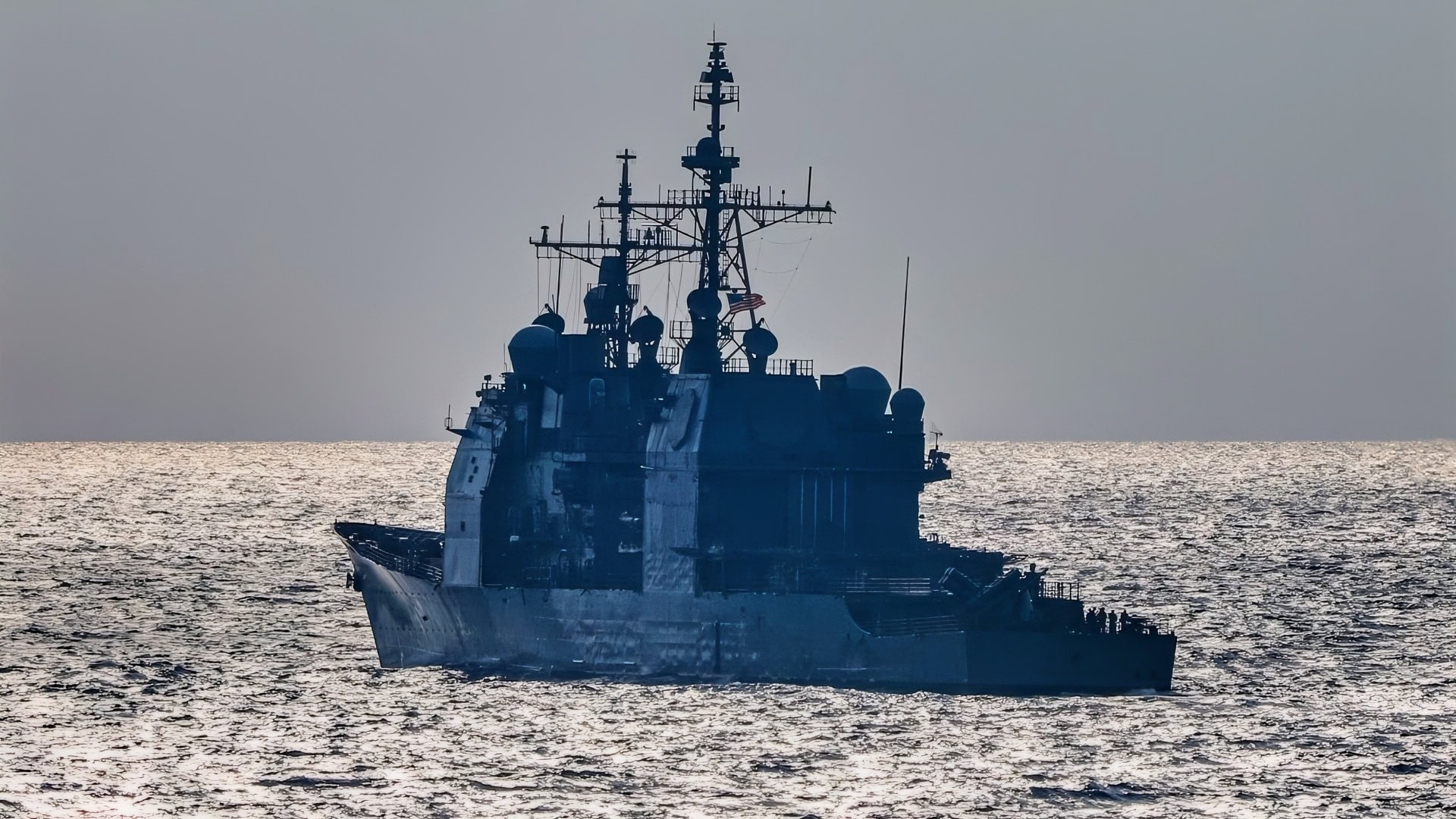
TAIWAN STRAIT (Aug. 28, 2022) Ticonderoga-class guided-missile cruiser USS Antietam (CG 54) transits the East China Sea during routine underway operations. Chancellorsville is forward-deployed to the U.S. 7th Fleet area of operations in support of a free and open Indo-Pacific. (U.S. Navy photo by Mass Communication Specialist 2nd Class Justin Stack)
Because the submarine operates underwater and can remain hidden for extended periods, it offers a level of survivability and surprise that surface ships or aircraft cannot easily match.
In addition to their missile capacity, these submarines also support special operations forces.
They can carry dozens of Navy SEALs and their equipment and deploy them covertly using specialized systems.
This combination of strike capability and special operations support gives the SSGN a level of versatility that extends beyond mere strike capabilities.Set featured image
Why the Navy is Retiring its SSGNs
Despite their impressive capabilities, the Ohio-class SSGNs are nearing the end of their operational lives.
The most important factor driving their retirement is age. These submarines were originally built in the early 1980s, meaning they will be more than forty years old by the time they are retired in the next few years.
Over time, the structural components of the hull, many onboard systems, and, most importantly, their nuclear reactors experience wear that cannot be repaired or extended indefinitely.
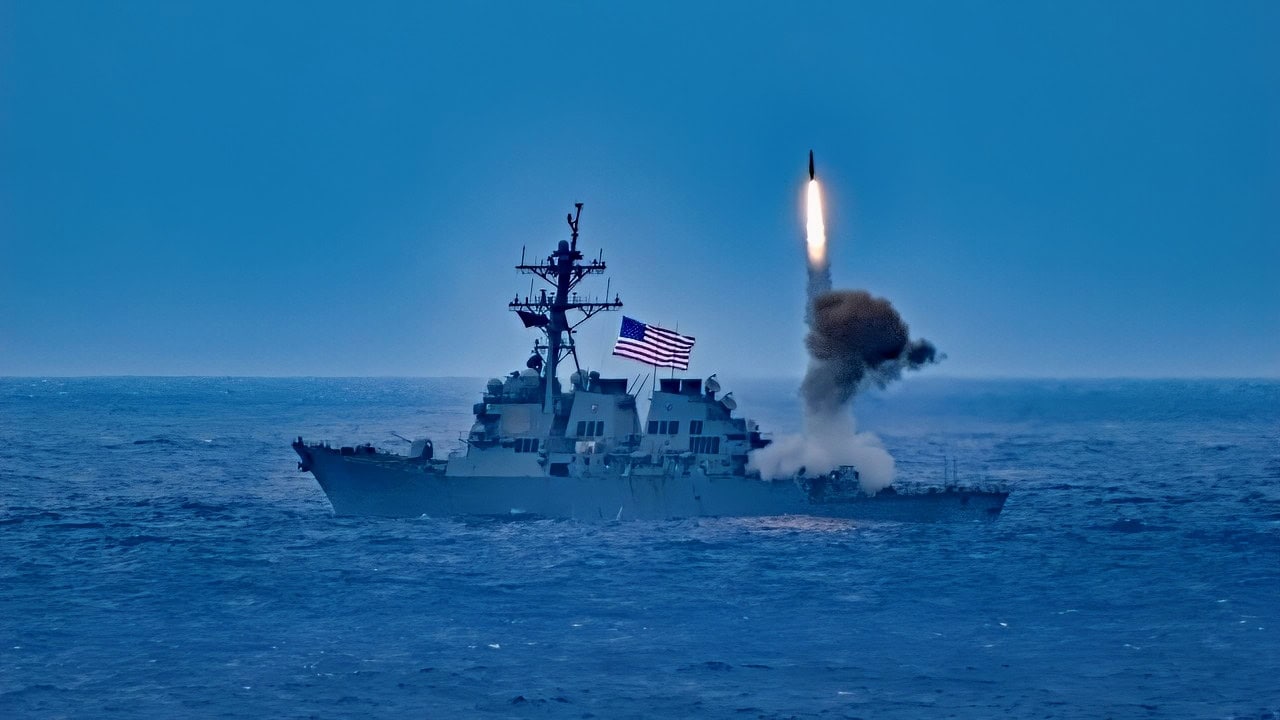
(March 24, 2022) – The Arleigh Burke-class guided-missile destroyer USS Milius (DDG 69) launches a Standard Missile (SM) 2 during Surface Warfare Advanced Tactical Training while operating in the Philippine Sea, March 24, 2022. Milius is assigned to Commander, Task Force 71/Destroyer Squadron (DESRON) 15, the Navy’s largest forward-deployed DESRON and the U.S. 7th Fleet’s principal surface force. (Courtesy photo)
Closely related to age is the growing burden of maintenance.
As these submarines have aged, they require increasingly extensive and time-consuming maintenance periods. Shipyard work has become longer and more complex, reducing the amount of time each submarine can spend deployed and increasing overall costs. This trend makes it difficult to justify extending their service lives, especially when newer platforms are competing for the same maintenance and construction resources.
A Vital Capability Gone
While the Navy has good reasons to retire them, the fleet will lose a significant capability that cannot be easily replaced.
The most immediate effect is the loss of many missile launch cells. Each submarine carries up to 154 Tomahawks, and their combined retirement removes 616 missiles’ worth of capacity from the fleet.
These submarines currently make up a substantial portion of the Navy’s undersea strike capability, and their removal will create a noticeable reduction in available firepower.
This loss is especially significant given how SSGNs concentrate their firepower. The fact is that no other submarine in the U.S. fleet can match their ability to deliver such a large number of missiles from a single platform.
After their retirement, the Navy will no longer have a platform capable of launching more than 150 Tomahawk missiles at once. This reduces the ability to conduct large, rapid-strike operations, particularly at the beginning of a conflict, when overwhelming force can be decisive.
Can the Virginia-class Replace Them?
The Navy’s primary plan to mitigate this loss involves the Virginia-class attack submarines, particularly the Block V variants equipped with the Virginia Payload Module. These submarines can carry significantly more missiles than earlier versions, with a total capacity of around 40 Tomahawks each.
However, this is still far less than the capacity of an Ohio-class SSGN.
To match the firepower of a single SSGN, three Virginia-class submarines would need to operate together, which would be a logistical nightmare to coordinate in actual battlefield conditions.
While the Virginia-class is still plenty capable, it cannot adequately replace the firepower being lost with the Ohio-class.
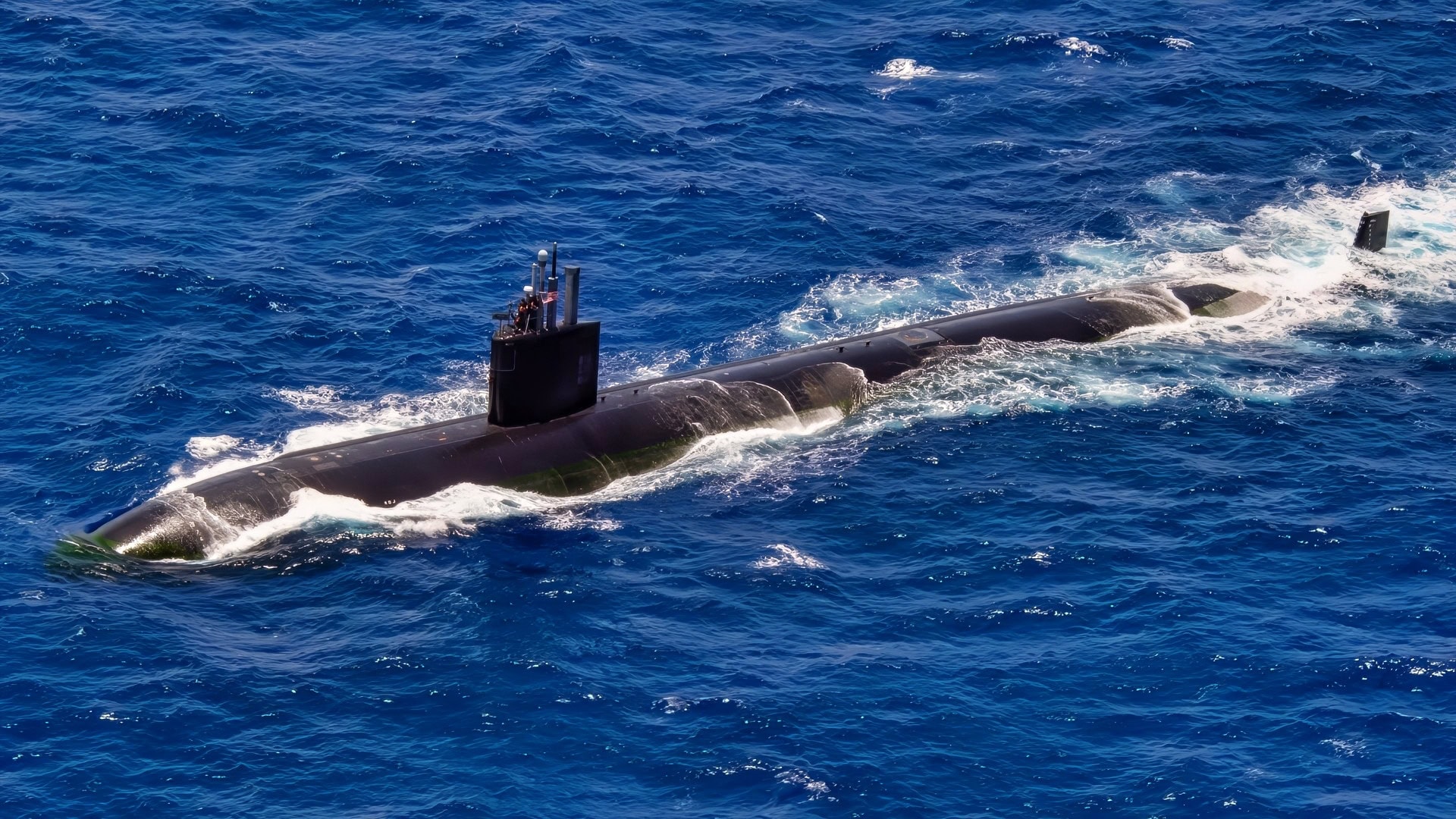
Virginia-class submarine USS North Carolina (SSN-777) sails during the at-sea phase of Exercise Rim of the Pacific (RIMPAC) 2024.
Another important issue is timing. The SSGNs will be retired before enough Virginia-class submarines are available to fully replace their capabilities.
This creates a temporary gap in the Navy’s strike capacity that could last for several years, potentially into the 2030s.
During this period, the Navy will have fewer options for delivering large-scale, stealthy missile strikes, which could affect both deterrence and operational planning.
Some estimates suggest that the retirement of the SSGNs could reduce this capability by around 60 percent, even when accounting for future improvements in other submarines.
It seems that the Navy itself has realized the risk of losing these important capabilities too quickly. Originally intended to be retired in 2026, USS Ohio (SSGN-726) and Michigan (SSGN-727) may potentially remain in service for just a bit longer until their replacements are ready
About the Author: Isaac Seitz
Isaac Seitz, a Defense Columnist, graduated from Patrick Henry College’s Strategic Intelligence and National Security program. He has also studied Russian at Middlebury Language Schools and has worked as an intelligence Analyst in the private sector.