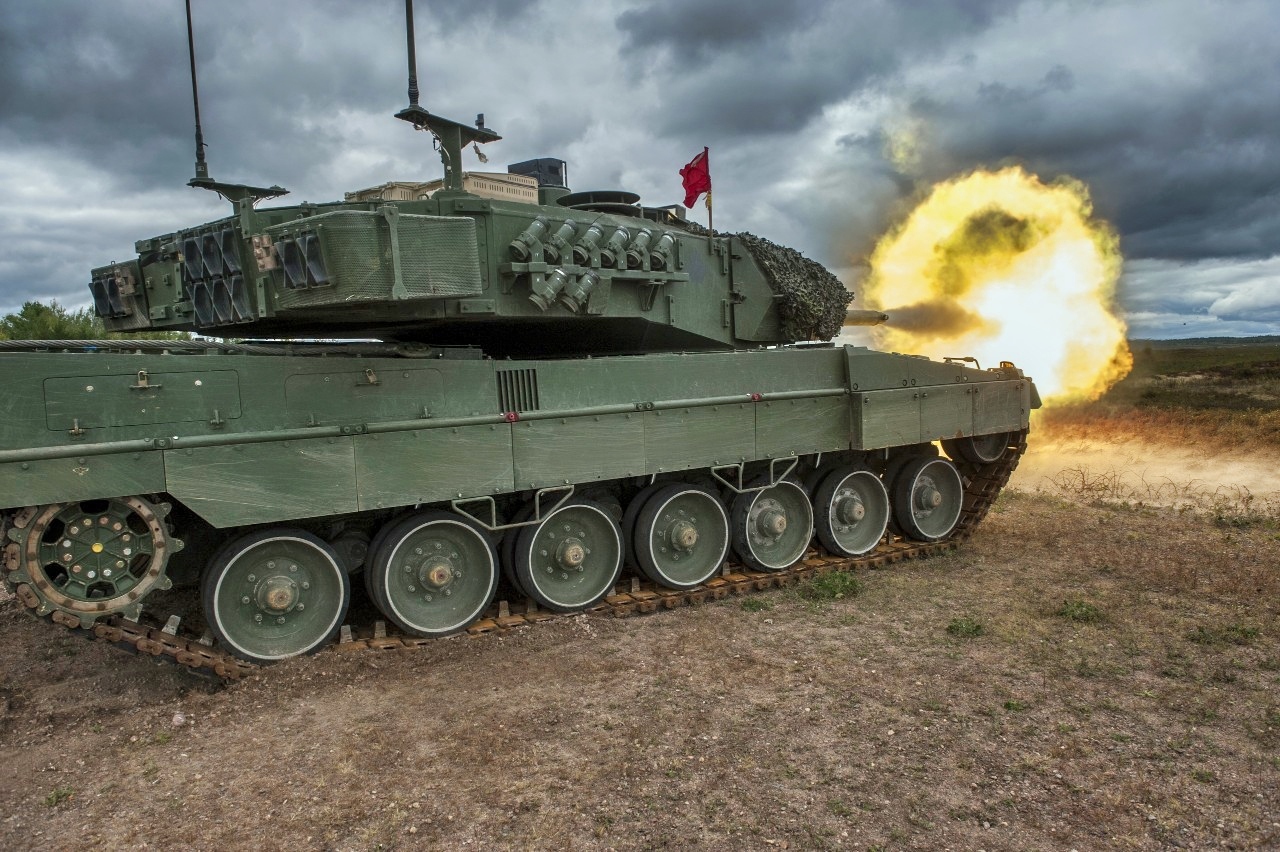
Shortly after Russia’s full-scale invasion of Ukraine, in February 2022, former German Chancellor Olaf Scholz gave his now-famous Zeitenwende, or turning point, speech.
Just days after Russia invaded, the Chancellor explained that Germany was at a crossroads.
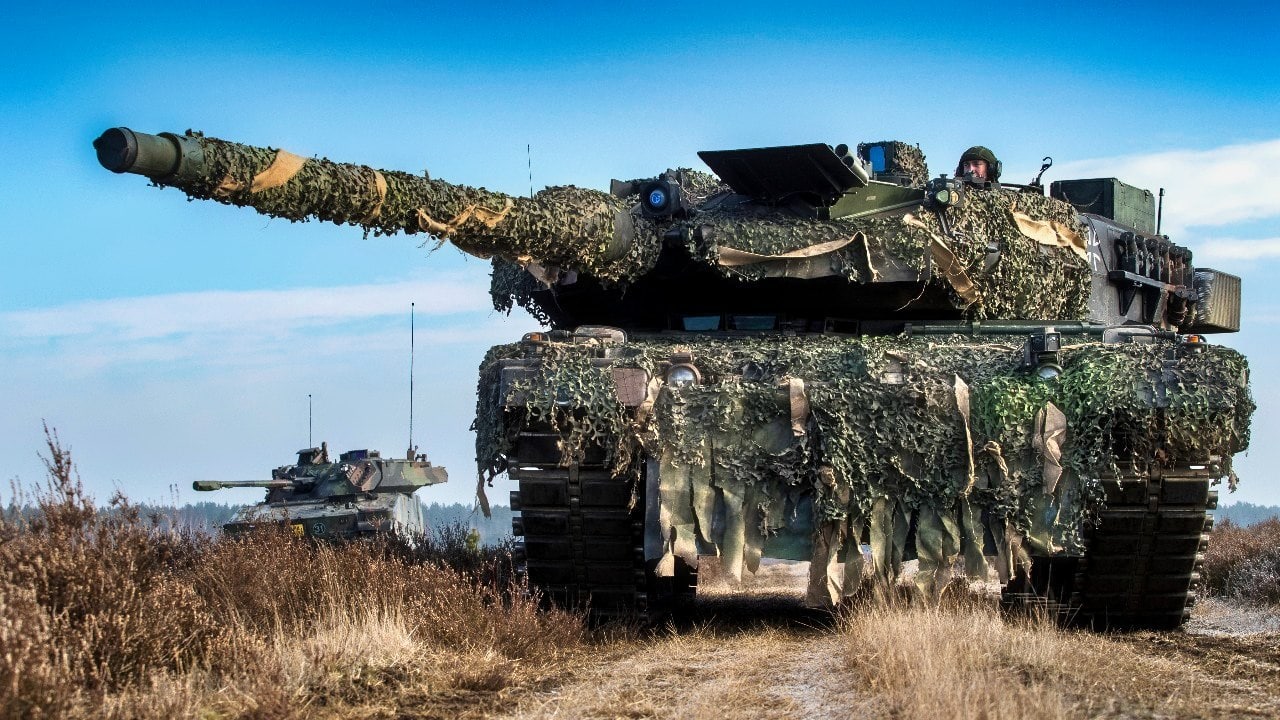
Germany Military Leopard 2 Tank.
The Russian invasion had fundamentally ruptured the existing European order, the Chancellor explained, permanently altering the post-Cold War peace and prosperity the continent had enjoyed.
But Germany, along with much of Europe, had allowed its military capacity to atrophy.
Berlin and many other European capitals were in no shape to help Ukraine and defend themselves if they had to. No more, the Chancellor explained.
In his speech, he said that Germany would set up a one-off €100 billion fund to revamp its military — an injection into a military machine that had once been the pride of the NATO alliance during the Cold War.
But funding would also be sustained over the long term, and Germany would, the Chancellor said, meet its 2 percent of GDP spending targets required by NATO.
Germany would, in short, wean itself off of Russian energy, bolster its defenses, and arm Ukraine to the hilt.
It is a policy direction that the country has adhered to even under the successive administrations. And the results of the policy have been impressive.
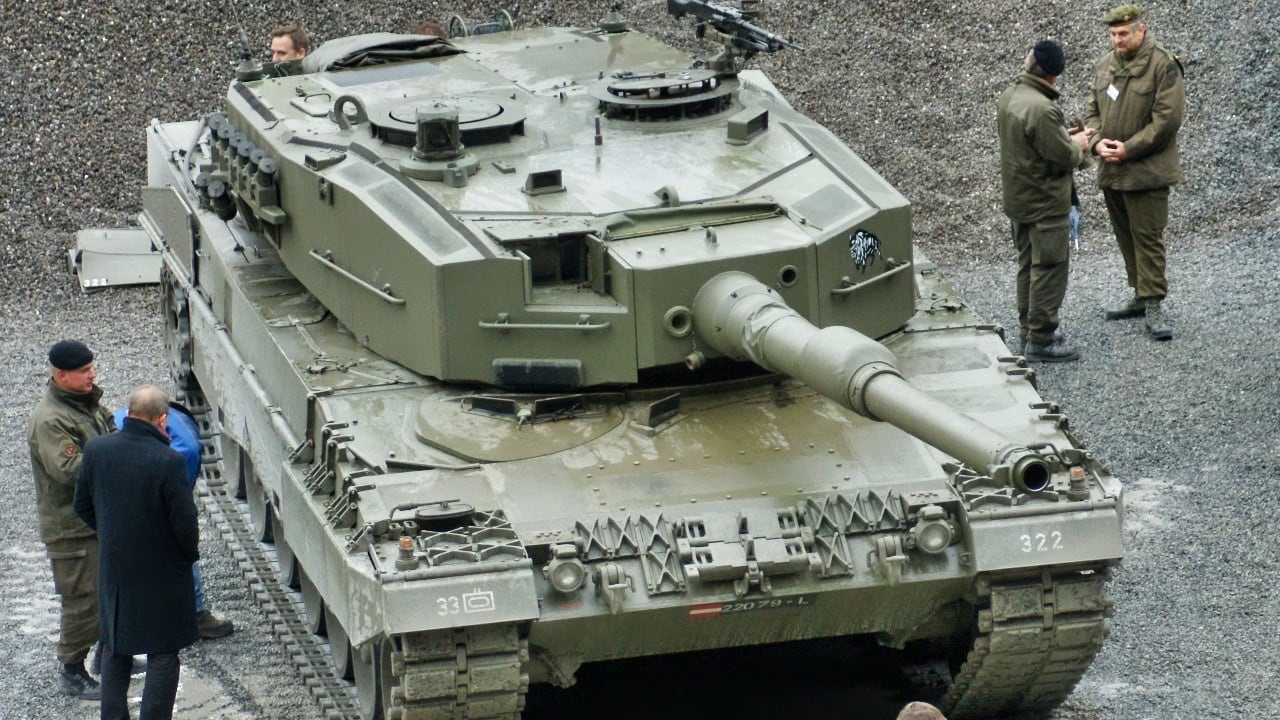
Germany Leopard 2 Tank. Image Credit: Creative Commons.
Procurement Decisions
Germany’s procurement regime has been one of the more significant drivers of the Bundeswehr’s modernization, shifting away from small, slow purchase orders toward significantly larger, multi-year contracts for ammunition, equipment, and related supplies.
In early 2026, German lawmakers passed procurement acceleration legislation aimed at curbing delays and making defense purchases more flexible.
New roles gave the Bundeswehr greater contract-order possibilities and streamlined procurement procedures. The German defense ministry also reorganized its procurement agency as part of the shift to reduce bureaucracy.
Land Systems and Air Defenses
A large part of Germany’s procurement emphasis is on systems that matter for an army that sees Russia as its leading adversary.
To that end, armored platforms, air defenses, and ground-based firepower have been focal points. Germany ordered IRIS-T missile packages and IRIS-T SLM air defense batteries, and new Leopard 2A8 main battle tanks are entering service.
Germany has struggled with insufficient ammunition stockpiles and aging equipment before, so the emphasis on these systems matters.
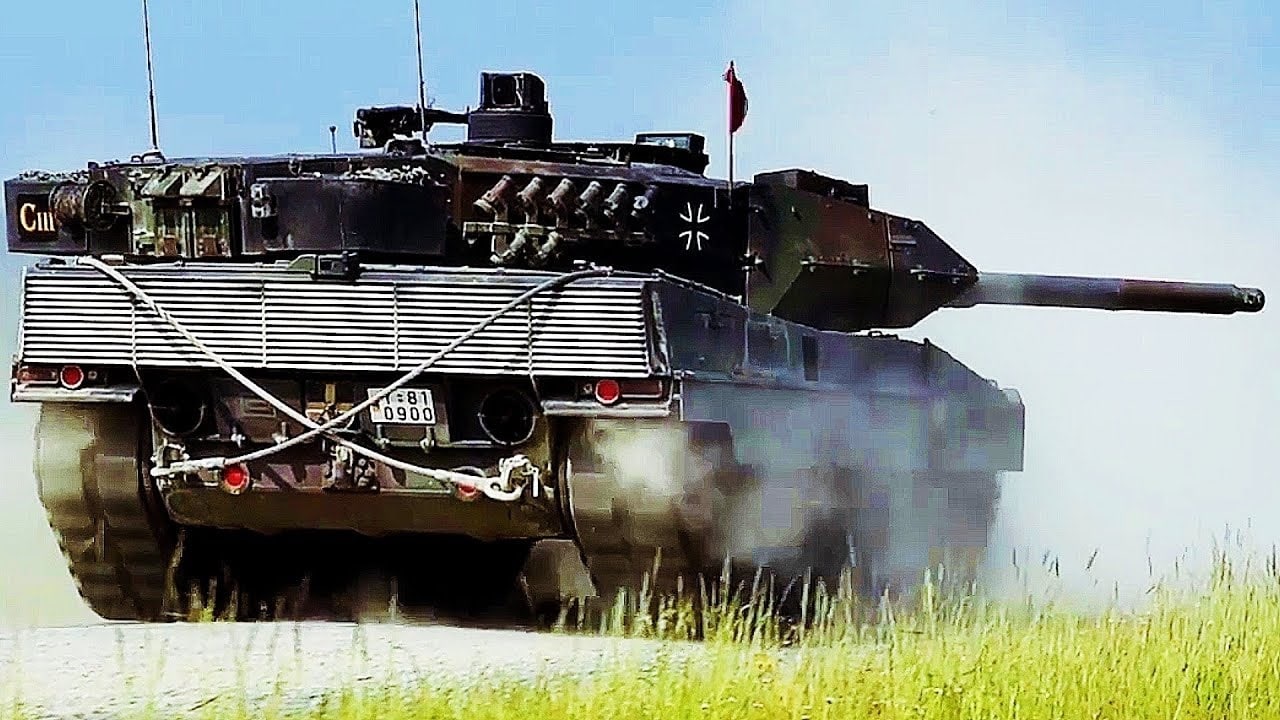
NATO Leopard Tank. Image Credit: Creative Commons.
Germany’s Lithuania Brigade
Arguably one of the clearest pieces of evidence of Germany’s newly assertive defense posture is the Bundeswehr’s Lithuania Brigade, a 5,000-strong contingent of the German Army stationed in the small Baltic country.
There, the 45th Panzer Brigade, a heavy mechanized brigade equipped with Leopard 2 main battle tanks and Puma infantry fighting vehicles, is stationed permanently.
Sandwiched between Kaliningrad, a Russian exclave on the Baltic Sea, and Belarus, Lithuania welcomed the German deployment with open arms — but the historic nature of the German deployment is difficult to overstate.
It marks the first time in post-war German history that Berlin has permanently deployed its forces abroad. Though German troops have been stationed overseas before, in support of United Nations, European Union, and American-led operations, those deployments were strictly on a non-permanent, rotational basis.
But the Lithuania Brigade deployment is, for now, open-ended.
Change, but Some Gaps Remain
Germany still must address a readiness issue: large portions of the army are not considered fully combat-ready, with some readiness estimates for land forces hovering around 50%.
Shortages continue in air defense, artillery ammunition, spare parts for ground vehicles and aircraft, compounded by insufficient maintenance depth and a shortage of trained maintenance personnel.
While new procurement orders are positive, there is a risk that Germany orders equipment faster than it can be integrated, maintained, and fully fielded.
Germany’s Bundeswehr is in a kind of transition phase instead of a complete transformation. Long-term funding for the military appears to be secure, and budgetary obstacles foreseen only a couple of years ago have been successfully surmounted.
But it takes considerable time to rebuild.
And while the Bundeswehr, and indeed the German military writ large, is much stronger and more capable than it was in 2021, prior to Russia’s full-scale invasion, it is not yet fully reconstituted.
Fully implementing the changes that German lawmakers and the general public would like to see will likely take years, as ambition catches up to reality.
About the Author: Caleb Larson
Caleb Larson is an American multiformat journalist based in Berlin, Germany. His work covers the intersection of conflict and society, focusing on American foreign policy and European security. He has reported from Germany, Russia, and the United States. Most recently, he covered the war in Ukraine, reporting extensively on the war’s shifting battle lines in the Donbas and writing about its civilian and humanitarian toll. Previously, he worked as a Defense Reporter for POLITICO Europe. You can follow his latest work on X.