
Iran’s first post-deal danger is not the first Russian aircraft it buys, the first Chinese radar it imports, or the first North Korean missile specialist it quietly hosts.
The danger is the workshop that reopens.
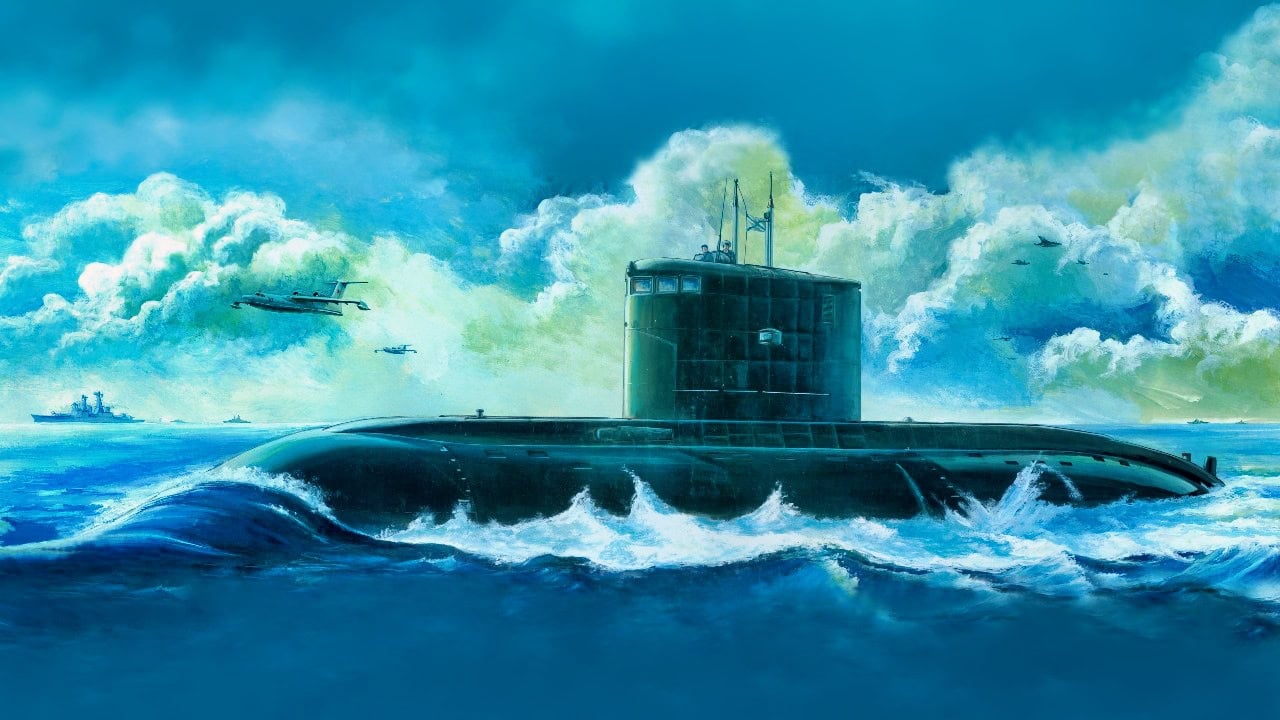
Kilo-Class Submarine
Washington has moved beyond the mid-June rumor stage. The United States has issued a temporary 60-day license allowing Iranian oil sales and related banking, insurance, transport, and dollar transactions. Iran says the paperwork for releasing $12 billion in frozen assets has been finalized. Tehran has also agreed to a communication line for safe passage through the Strait of Hormuz.
The political fight will be about whether Iran is being rewarded. Fair enough. The strategic question is harder. What does that money, even if partial and temporary, let Iran repair?
Iran does not need relief to become a first-rate conventional power. It will not build an air force that can defeat Israel’s. It will not build a navy capable of fighting the U.S. Fifth Fleet straight up. Tehran’s military problem is more crude. It needs enough missiles, drones, air defenses, proxies, and maritime disruption tools to make every American or Israeli decision cost more than Washington or Jerusalem is willing to pay.
The point is not the individual weapon. It is the ability to keep making it.
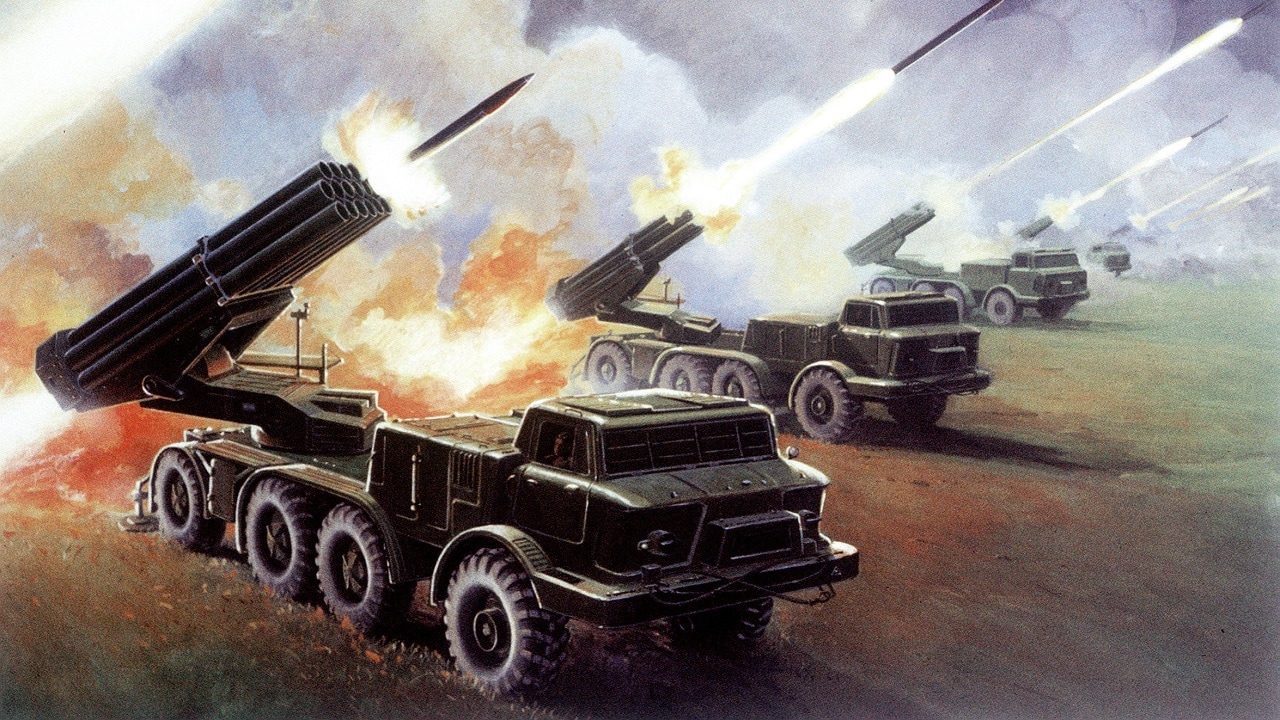
An artist’s concept of several Soviet 220mm BM-27 multiple rocket launchers in operation.
Iran’s Real Military Shopping List
The easy answer is missiles. They remain Iran’s best way to threaten Israel, U.S. bases, Gulf infrastructure, and regional capitals without needing air superiority. Drones come next, though “next” is misleading, as the programs feed into each other. Drones are cheaper, easier to move, useful through proxies, and good enough for a country that prizes pressure over battlefield elegance.
Air defenses now matter more. Recent fighting exposed the old Iranian weakness. Offensive reach is not the same thing as surviving the other side’s air campaign. Missile launchers, drone facilities, command nodes, fuel sites, radar arrays, and leadership targets all need protection. Iran cannot seal its airspace. It can try to make attacks slower and less complete.
Then there is Hormuz.
The new safe-passage line should not be read only as de-escalation. It also shows why the Strait remains Iran’s cheapest strategic asset. Tehran made a narrow waterway part of the bargain. That gives it every reason to preserve the tools that made the waterway matter in the first place: mines, anti-ship missiles, drones, coastal launchers, surveillance, fast boats, and the administrative routines of maritime pressure.
Iran does not need command of the sea. It needs enough uncertainty to make everyone else pay attention.
China Is Where the Supply Chain Lives
China is the most important partner because this is primarily a supply chain problem.
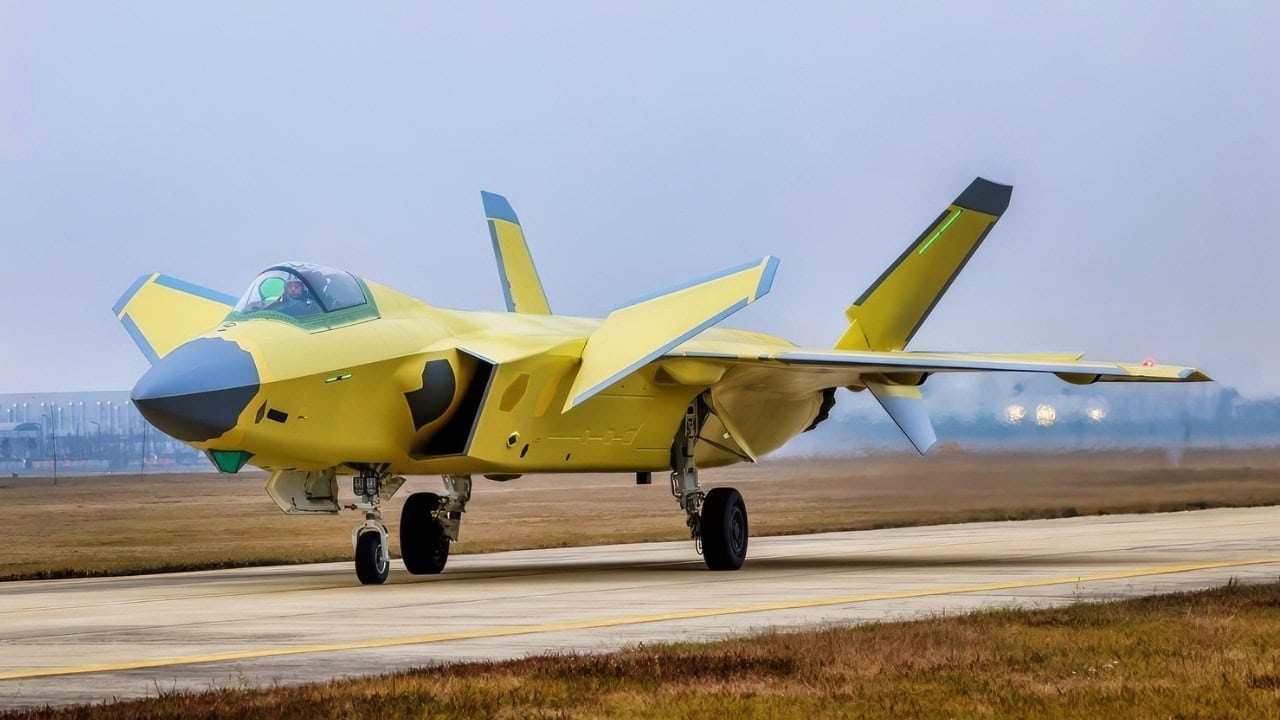
J-20 Fighter from China X Screenshot. Image Credit: Creative Commons.
Beijing does not need to sign an alliance treaty or hand Iran a complete arsenal. Iran needs oil customers, payment channels, front companies, electronics, sensors, engines, navigation systems, machine tools, chips, drone parts, and enough commercial clutter to hide procurement inside ordinary trade. Much of that world runs through China or through firms connected to Chinese manufacturing.
That is harder to police than a fighter sale. A Russian aircraft transfer can be named. A missile shipment can sometimes be tracked. A servo motor, a voltage converter, or a machine tool moving through two intermediaries and a friendly port may look like commerce until it appears in a drone workshop or missile line.
Iran has spent decades learning how to live in that ambiguity. Relief will not make Tehran more transparent. It will give the system more oxygen.
Russia Has the War Notes
Russia offers something different.
Moscow has spent years in Ukraine fighting under Western surveillance, sanctions, drone saturation, air-defense pressure, electronic warfare, long-range strike, and industrial strain. Much of what it has learned is ugly. Iran will not care. States do not shop for virtue.
The Russian contribution may be hardware, but hardware is only part of it. Air-defense integration, electronic-warfare techniques, drone-production advice, decoys, software, training, and hard lessons about keeping a battered military system functioning all have value to Tehran.
Iran and Russia do not need deep trust. Their relationship has plenty of friction. Tehran helped Moscow with drones. Moscow has things Tehran wants. That is enough. For Iran, Ukraine is not a distant European war. It is a laboratory with blood on the floor.
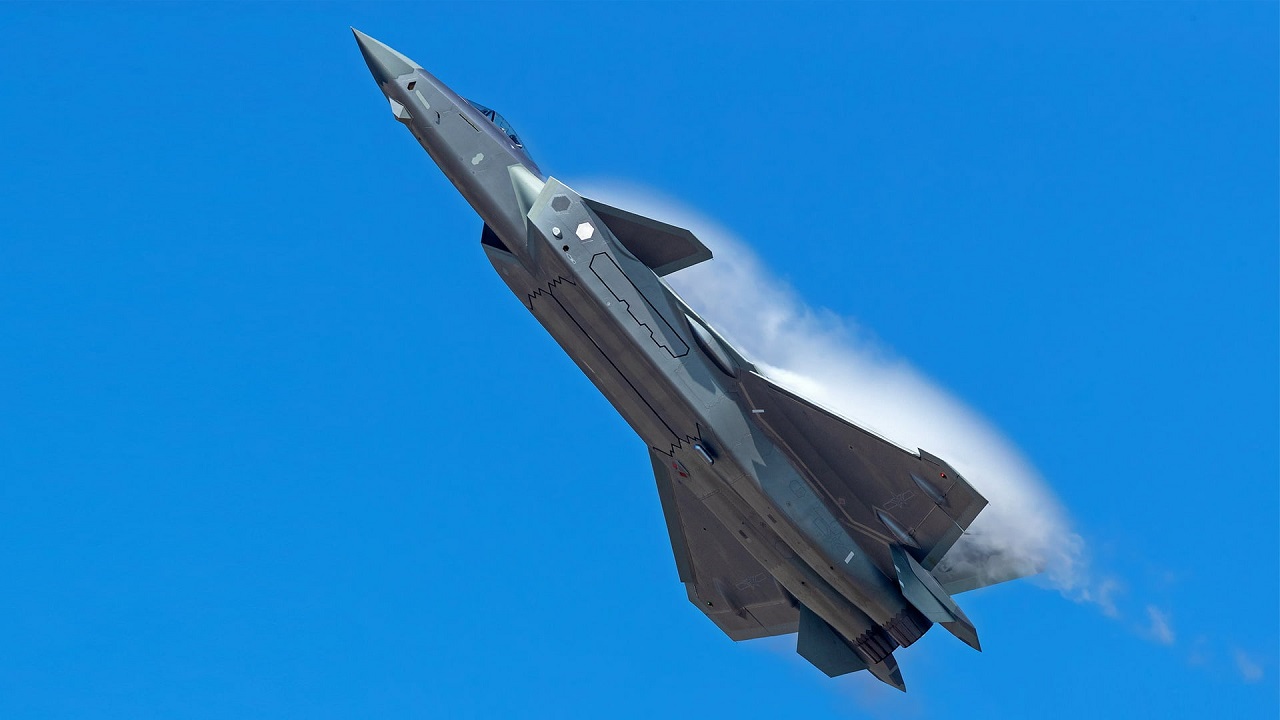
J-20 Stealth Fighter. Image Credit: Creative Commons.
North Korea Knows the Sanctions Game
North Korea is the smaller piece, but not a trivial one. Pyongyang has built missile programs under scarcity, isolation, surveillance, and punishment. That experience matters to a state that assumes today’s waiver can become tomorrow’s snapback.
Iran will not copy North Korea wholesale. It has its own engineers and regional needs. But North Korean missile know-how, evasive procurement habits, sanctions-proof engineering, and old-fashioned stubbornness are useful. They help a weapons program keep moving when the normal routes close.
The Test After the Headlines
The United States will watch the nuclear file first. It should. Iran’s agreement to let inspectors return matters. Nuclear limits matter. Monitoring matters.
But the nuclear file is not the whole of the Iran problem.
A non-nuclear Iran with rebuilt missile production, deeper drone capacity, better air defenses, restored proxy channels, and a sharper Hormuz playbook can still force American presidents into miserable choices. It can still raise oil prices, threaten Gulf partners, pressure Israel, and make every crisis feel larger than the incident that started it.
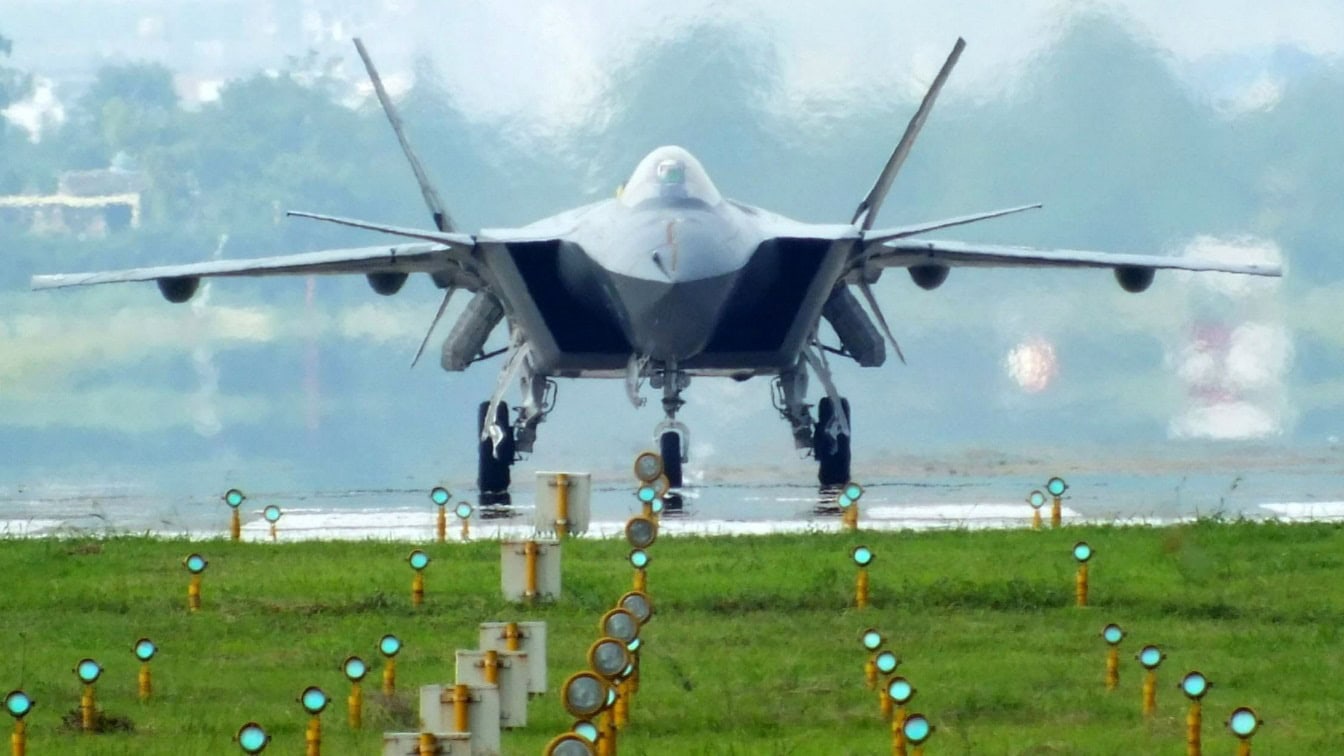
J-20 stealth fighter. Image Credit: Creative Commons.
The current debate over money is too small if it remains only about money. Not every unfrozen dollar becomes a missile. That is not the claim. Money gives damaged systems room to repair themselves. It pays brokers, restarts front companies, buys machine tools, moves engineers, and lets a workshop that should have stayed broken begin to function again.
Washington will notice the dramatic purchase: the Russian system, the Chinese component, or the North Korean link. The quieter danger will be harder to brief: a shipment that clears, a supplier that returns, a line that starts again.
The next Iranian arsenal will not come from a single patron or a single purchase. It will come from Chinese supply chains, Russia’s war experience, North Korea’s evasiveness, and Iranian workshops that are starting to move again.
About the Author: Dr. Andrew Latham
Andrew Latham is a professor of international relations and political theory at Macalester College in Saint Paul, MN. You can follow him on X: @aakatham.