
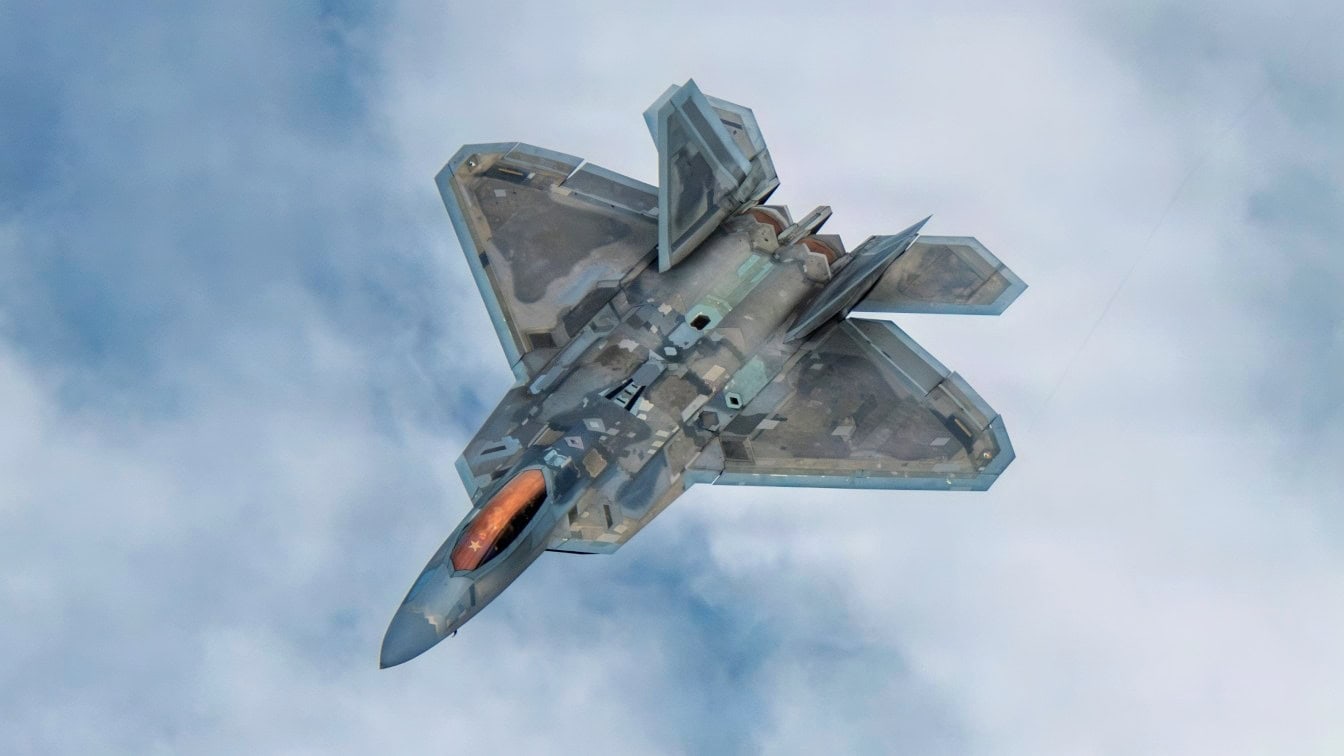
The recently finalized Memorandum of Understanding (MoU) between the United States and Iran to negotiate a permanent end to hostilities is based on a strategic misunderstanding. It assumes Iran can be seen as a standalone regional issue, but in reality, Iran is a key member of an increasingly coordinated “Axis of Dictatorships,” a de facto alliance of Russia, China, Iran, and North Korea. As a result, any concessions to Iran made by the Trump administration are unlikely to remain limited to the Middle East; they will influence Ukraine, the US rivalry with China, U.S. relations with its European allies, Israel, and the Gulf Arab states, as well as the broader emerging global order.
Supporters of the agreement argue that it reduces the danger of a wider Middle Eastern war, reopens maritime commerce through the Strait of Hormuz, and creates space for future negotiations over Iran’s nuclear program and regional activities.
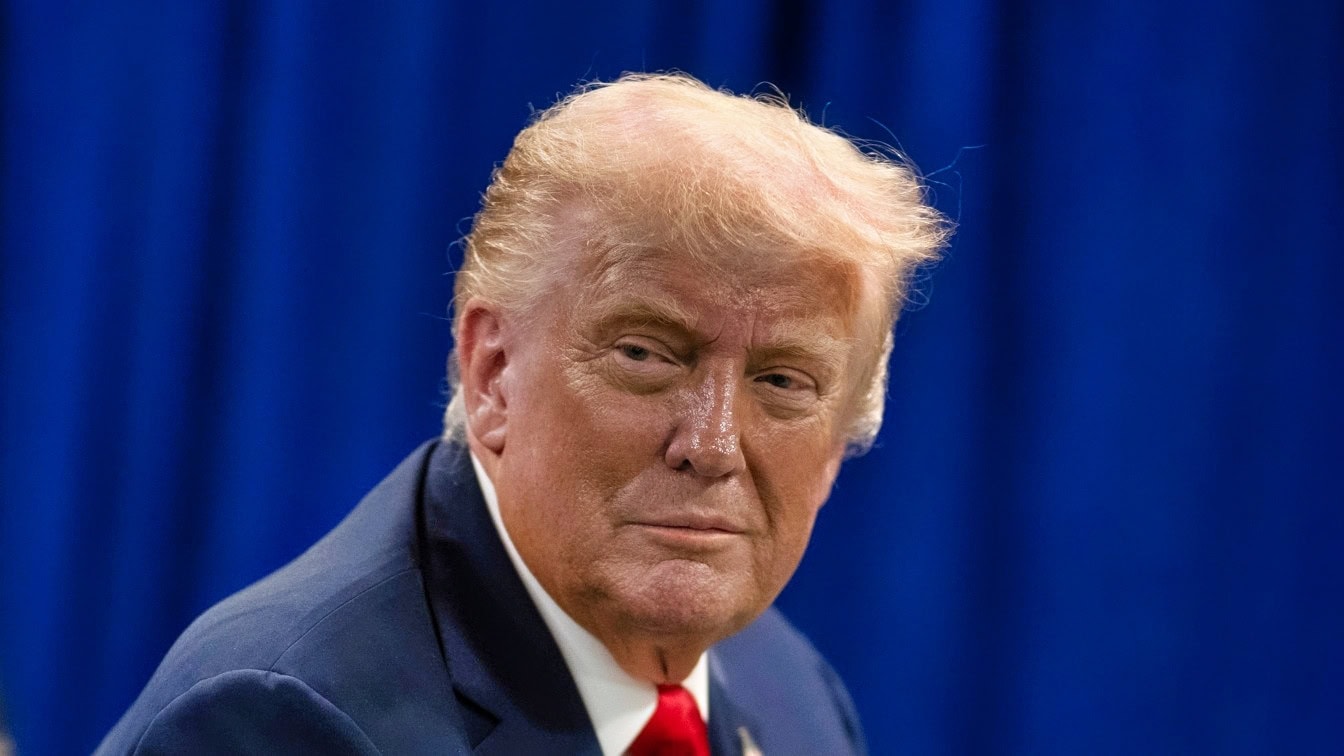
Donald Trump Meeting With French President White House Flickr Photo
These are important objectives, but the likelihood that they are achievable or that Iran would adhere to such a deal is minuscule. Grand strategy requires policymakers to look beyond immediate diplomatic gains and assess the long-term impact of their actions on the balance of power. Simply put, by that standard, the US-Iran MoU weakens the strategic position of the United States and its allies.
Treating Iran as a Standalone Problem
The main flaw in the Trump administration’s approach is that it views Iran as an isolated issue rather than part of a larger geopolitical system. After the Cold War, American policymakers grew accustomed to addressing challenges primarily from a regional perspective. Russia was increasingly regarded as a European problem, China as an Asian concern, and Iran as a Middle Eastern issue.
This way of thinking no longer reflects reality, as the international system has entered a new phase marked by rising structural instability driven by closer cooperation among revisionist powers seeking to limit American influence and reshape the current order.
The Axis of Dictatorships
The growing strategic alignment of Russia, China, Iran, and North Korea is the key geopolitical development of the twenty-first century. Although these states do not form a formal alliance, they cooperate in ways that boost each other’s ability to challenge the West. Russia offers military expertise and strategic depth. China provides economic scale, industrial capacity, and technological resources. Iran contributes energy resources, geographic access, proxy networks, and expanding military capabilities. North Korea supplies manpower and munitions.
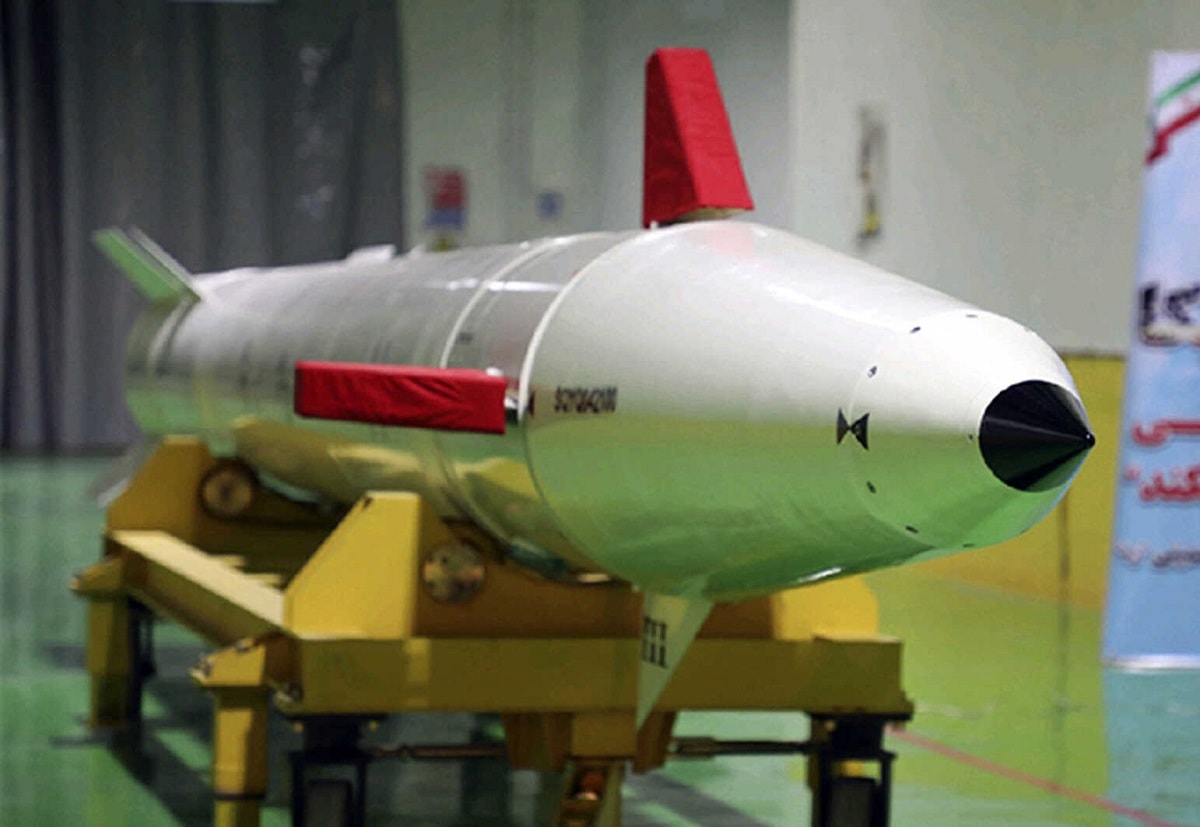
Iranian Missiles. Image: Creative Commons.
Together, they form a loosely connected but increasingly effective coalition of states committed to overturning or at least reshaping the current distribution of power.
Why Strengthening Iran Strengthens the Bloc
Against this backdrop, strengthening Iran as this MOU will likely do cannot be viewed solely through a Middle Eastern lens. Any agreement that expands Iran’s access to financial resources, such as the proposed $300 billion reconstruction aid package, eases economic pressure by lifting sanctions, releasing its frozen assets, and accelerating its reintegration into global markets.
This naturally enhances the capabilities of one member of this broader coalition. States convert economic resources into political influence and military power; Iran is no exception. Additional revenue will support Iran’s military modernization, missile and drone development, cyber capabilities, intelligence operations, the maintenance of Tehran’s regional network of partners and proxies, and ultimately, the deployment of a nuclear weapon.
The Ukraine Connection
The implications of this MOU for the war in Ukraine are especially significant. Since Russia’s invasion, Iran has become one of Moscow’s key strategic allies. Iranian drones have been widely used in Russian military operations, and cooperation between the two countries has grown rapidly in defense industry production, missile technology, intelligence sharing, and evasion of sanctions.
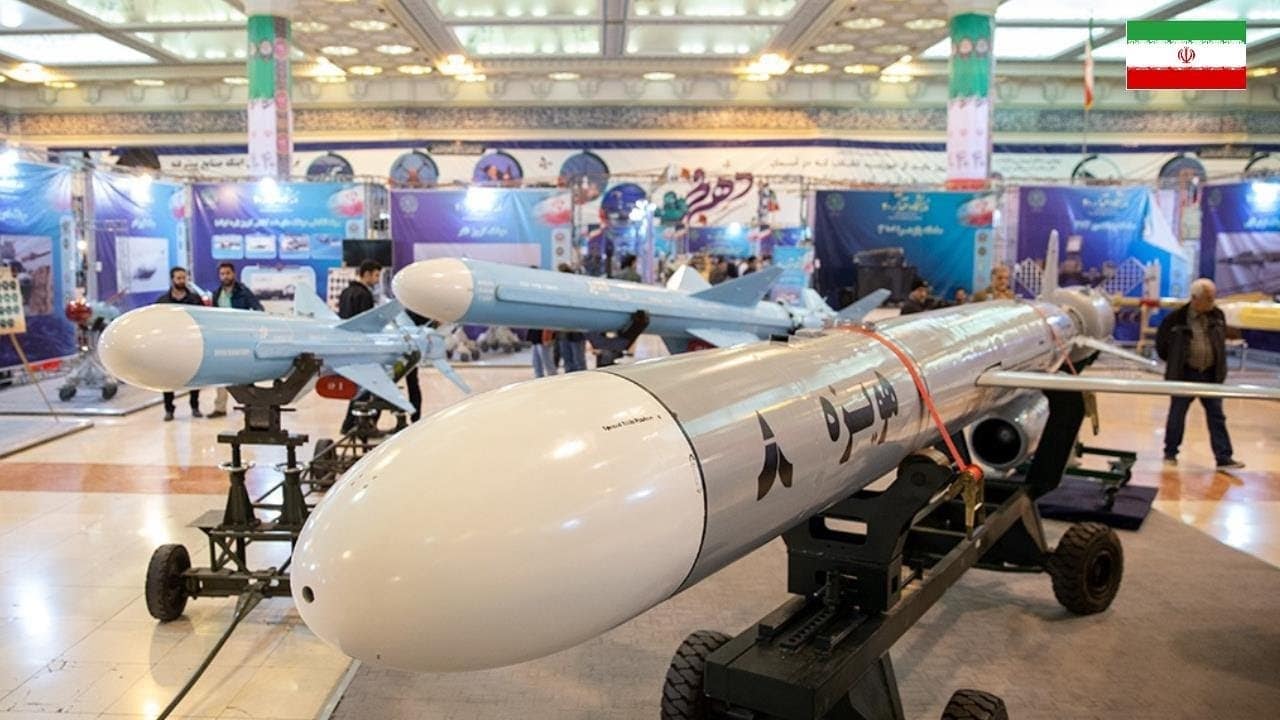
Iranian Missiles. Image: Creative Commons.
Moscow and Tehran now maintain a strategic partnership that extends well beyond simple transactions. That relationship is expected to strengthen as Iran rebuilds and expands its defense industrial base and increases supplies to Russia.
Any policy that enhances Iran’s influence, as this MOU is likely to do if fully carried out, immediately impacts the conflict in Eastern Europe and Russia’s pressure on NATO. Economic aid provided to Tehran will indirectly strengthen Russia’s capacity to sustain its war effort in Ukraine. Resources no longer needed for Iran’s economic stability can be redirected toward military manufacturing and strategic alliances. Even without direct transfers, the overall effect is to support the broader network backing Russian influence. Additionally, Russia’s ongoing military modernization and expansion of its weapons and munitions production, supported by Iran, will increase pressure on NATO’s eastern flank.
This creates a troubling contradiction in Western strategy. The United States and its allies have invested significant political and economic resources in weakening Russia’s ability to fight its war against Ukraine. Moreover, the Iran MoU risks strengthening a state that has become central to Moscow’s wartime strategy. In other words, if this MOU is implemented, the Trump administration’s partly successful effort to weaken one member of the revisionist coalition will end up strengthening another.
What China Gains
The consequences of the US-Iran MOU go beyond Europe. China will benefit greatly from a more economically stable Iran. Beijing has spent years working on a long-term plan to expand its influence across Eurasia while diminishing the United States’ presence in key areas. Iran plays a central role in this plan. It sits along vital transportation routes connecting East Asia, Central Asia, the Middle East, and Europe. Iran is a major energy producer and an increasingly valuable partner in China’s efforts to build alternative economic and political networks across Eurasia.
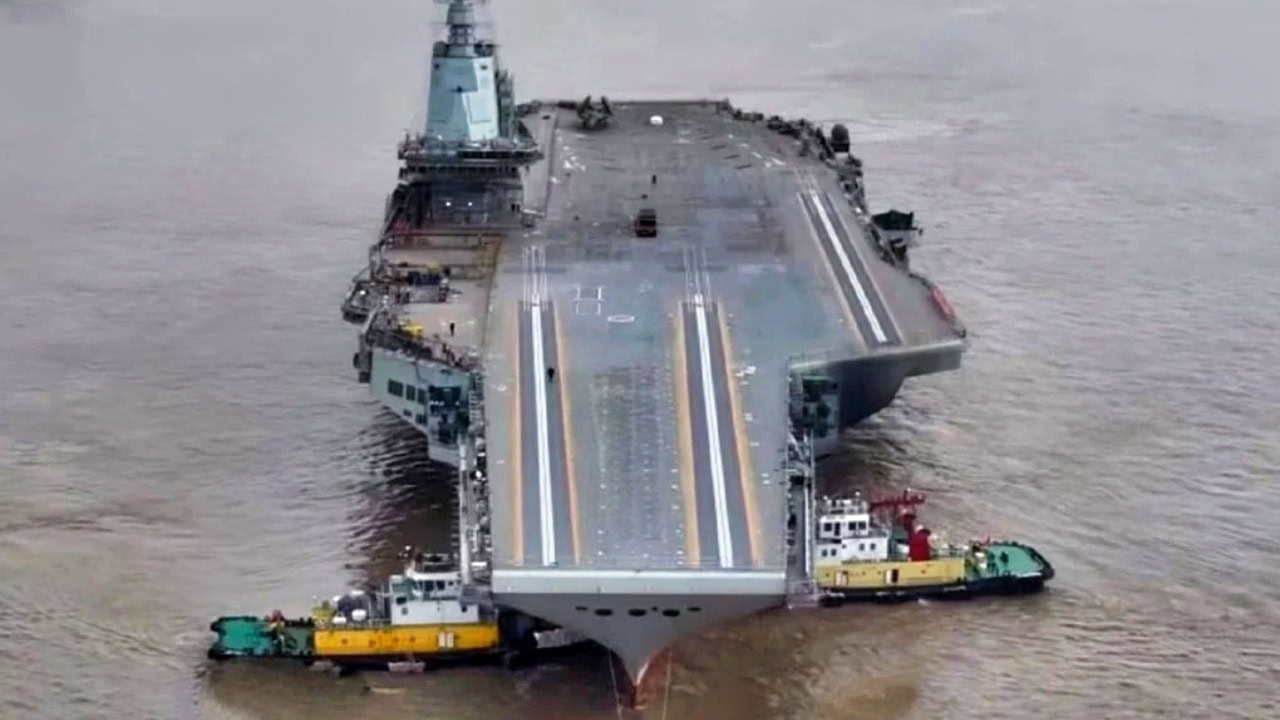
China Aircraft Carrier. Image Credit: Chinese State Media.
As Iran’s economy improves, Chinese firms are likely to expand their involvement in the country’s energy, infrastructure, transportation, and telecommunications sectors. These developments would deepen China’s presence in one of the world’s most strategically important regions while further diminishing Western influence. Ironically, an agreement meant to reduce instability in the Middle East may actually strengthen China’s long-term geopolitical position across Eurasia, potentially causing more instability.
The Problem of Strategic Coherence
The broader issue is one of strategic coherence. The key geopolitical challenge facing the United States is maintaining regional power balances to prevent one local crisis from escalating into a system-changing war. The rise of the Axis of Dictatorships, an increasingly connected coalition of powers striving to reshape the international order, poses the greatest threat to U.S. security. Success in this environment requires policymakers to understand how regional developments impact global security. Decisions in the Persian Gulf influence Europe’s power balance.
Events in Ukraine affect Beijing’s strategic calculations. Worsening security on the Korean Peninsula influences internal power dynamics in the Pacific. Economic ties in Eurasia shape military competition in the Indo-Pacific. These different areas of competition are rapidly becoming interconnected, yet the Trump administration seems to believe – as this MOU illustrates – that they can be separated, that the Atlantic and Pacific are separate theaters rather than part of one problem set.
This is a political misdirection; the defense and foreign policy community claims that “pivoting” can be done while reducing costs. However, the reality of geopolitics is that nothing replaces adequate defense spending to sustain deterrence, and opponents always have a say.
From this perspective, the Iran MoU is less of a diplomatic breakthrough than a sign of a larger strategic problem. It reflects a tendency to compartmentalize issues that are, in reality, deeply interconnected. By narrowly focusing on ending the war and easing tensions with Iran, policymakers risk ignoring the cumulative effects of their actions on the broader balance of power.

STRAIT OF HORMUZ (Nov. 12, 2021) Guided-missile destroyer USS O’Kane (DDG 77) performs a Strait of Hormuz transit with the amphibious assault ship USS Essex (LHD 2), Nov. 12. Essex and the 11th Marine Expeditionary Unit are deployed to the U.S. 5th Fleet area of operations in support of naval operations to ensure maritime stability and security in the Central Region, connecting the Mediterranean and the Pacific through the western Indian Ocean and three strategic choke points. (U.S. Navy photo by Mass Communication Specialist 1st Class Joe Rolfe)
History shows that international orders rarely collapse because of a single decisive event. More often, they weaken gradually as a series of seemingly isolated decisions reshape key regions and shift power in favor of emerging challengers.
The Real Test: The Next Decade
The ultimate question, therefore, is not whether the MoU reduces tensions in the Persian Gulf today. It is whether the agreement strengthens or weakens the strategic position of the United States and its allies over the next decade. If the ultimate outcome is a more resilient Iran, a better-supported Russia, a stronger North Korea, and a more deeply entrenched Chinese presence throughout Eurasia, then the agreement actually accelerates the very geopolitical trends it aims to manage.
A Short-Term Fix With a Long-Term Cost
The biggest challenge of our time is the return of global power politics. Any policy that boosts the resources, resilience, and influence of one member of the Russia-China-Iran-North Korea group must be judged based on its effect on the entire coalition.
By that measure, the Iran MoU is a strategic error: a short-term diplomatic fix that actually leads to a less balanced long-term global power dynamic.
About the Author: Dr. Andrew A. Michta
Andrew A. Michta is Professor of Strategic Studies at the Hamilton School at the University of Florida, a Nonresident Senior Fellow at the Atlantic Council in Washington, D.C., and a Visiting Fellow at the Hoover Institution at Stanford University. The views expressed here are his own. Follow Him on X: @Andrewmichta.