Israel’s Lebanon Gamble is Spiraling Toward Strategic Defeat – With the two-week ceasefire brokered by Pakistan holding between the Islamic Republic of Iran and the United States, the besieged nation of Israel finds itself in an disadvantageous position.
A Ceasefire That Leaves Israel Exposed
Having triggered the crisis between the United States and Iran—which quickly escalated into a regional war impacting the global economy—Israel apparently was not involved in the negotiations between the Pakistanis, the US, and the Iranians that have (so far) stopped this terrible war.
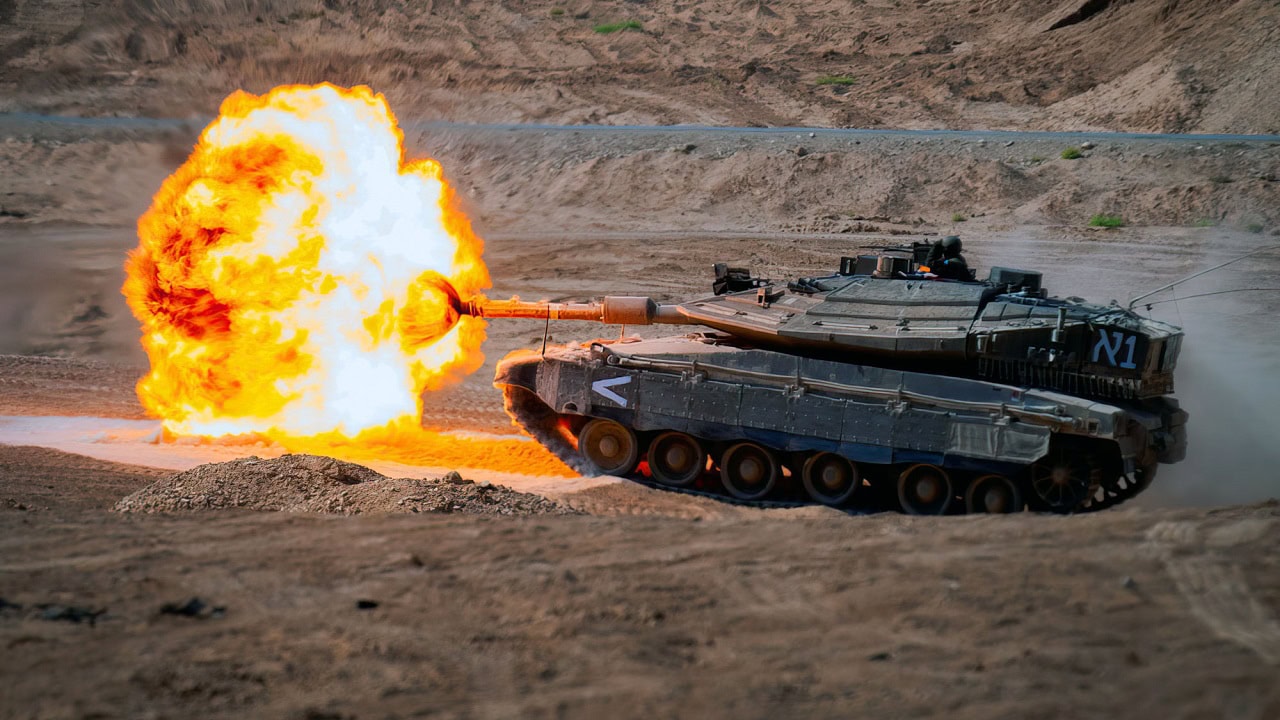
IDF Merkava IV Tank Fire. Image Credit: Creative Commons.
In fact, the Israelis were essentially handed a diplomatic done deal. After a few hours of reflection, realizing they were being left out in the strategic cold, the Israeli government accepted the ceasefire terms. Then the Netanyahu government did something interesting.
They pivoted.
Pivot to Escalation in Lebanon
No, the Israeli leadership did not shift toward peace and rebuilding their devastated country.
Instead, the Israelis showed that while they would follow the two-week ceasefire, Israeli forces would keep pressing their recently started war in Southern Lebanon.
Across social media, many prominent accounts expressed their shock at the decision by the Netanyahu government to escalate the war in Lebanon.
This is because, since starting the war ostensibly against Iran-backed Hezbollah militias in Lebanon, the Israeli Defense Forces (IDF) have struggled to achieve any of their goals. Indeed, two weeks ago, the IDF chief of staff told the Israeli press that the IDF fighting in Lebanon was about to collapse due to ten problems afflicting the IDF in Southern Lebanon, one of them being a severe manpower shortage.
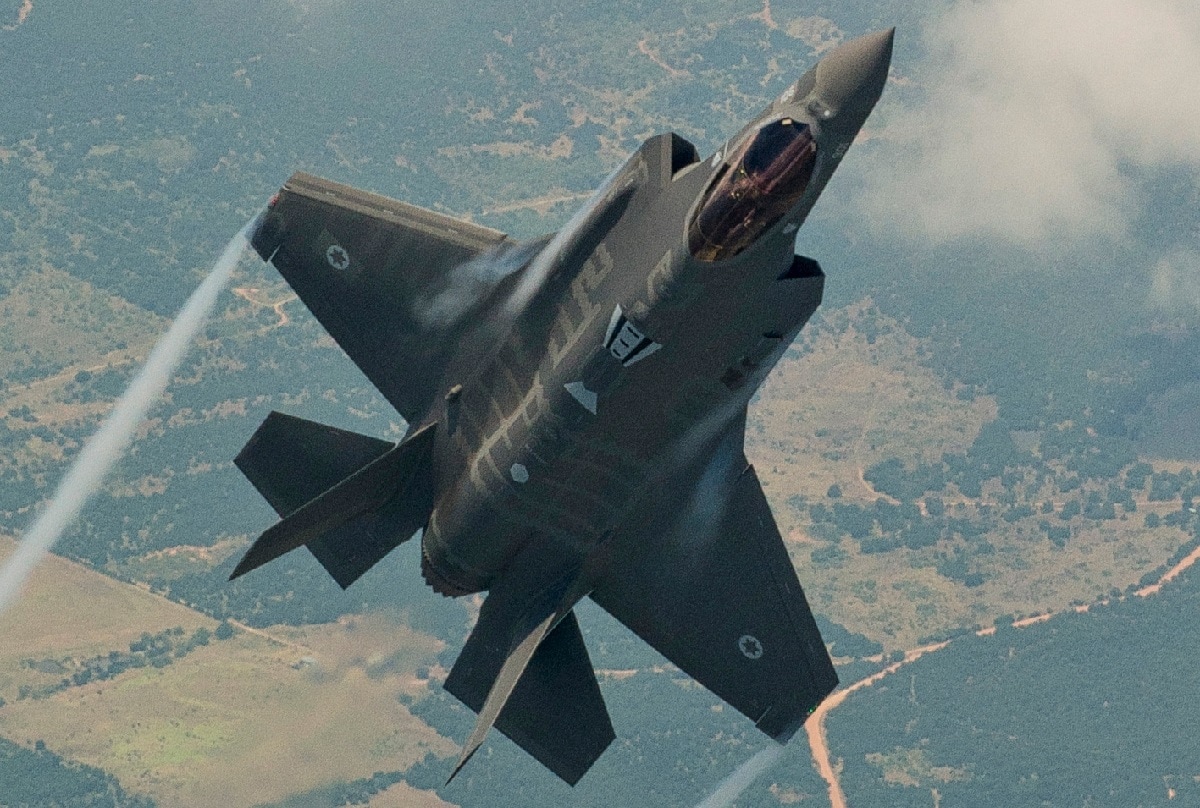
Israeli Air Force F-35I. Image Credit: Creative Commons.
That was quite the admission from the man essentially leading the IDF. And if he was making that statement publicly to the Israeli press, it suggests that the situation behind the scenes is far more serious than they are revealing. Let’s also consider the battle that the IDF is currently struggling to win in Southern Lebanon.
A War That Never Made Strategic Sense
Initially, the IDF has sporadically engaged in the fight against Hezbollah without much provocation from the Iranian-backed Shiite militia in Lebanon.
In fact, Hezbollah has stayed out of the conflict in the Middle East for over a year since the so-called “Pager Operation,” which killed many of their top leaders.
With the Iran War having started, and the US and Israel discovering that the Iranians were much better prepared for that conflict than either American or Israeli intelligence had believed, the idea that Israel could also initiate a war against Hezbollah in Lebanon seemed ridiculous at face value.
But it highlighted the extreme desperation of Israel’s political leaders, who have been trying to keep the true costs of the war hidden from their people and have worked to divert their attention with as many new fronts in their ongoing conflict as needed.
Therefore, achieving success against Iran for Israel’s military was never likely unless the Americans committed significantly more troops, funds, resources, and time to that campaign than what the Trump administration had provided.
The Trump administration was clearly hesitant at best about engaging in another prolonged war in the Middle East against a tough foe like Iran, which meant Israeli leaders had to open another front elsewhere that they believed their military could handle.
Israeli Military Doctrine Meets Modern Warfare—and Fails
Sadly for the IDF, its doctrine had not adapted to the new methods of modern warfare repeatedly demonstrated on the world’s battlefields since the outbreak of the Ukraine War in February 2023.
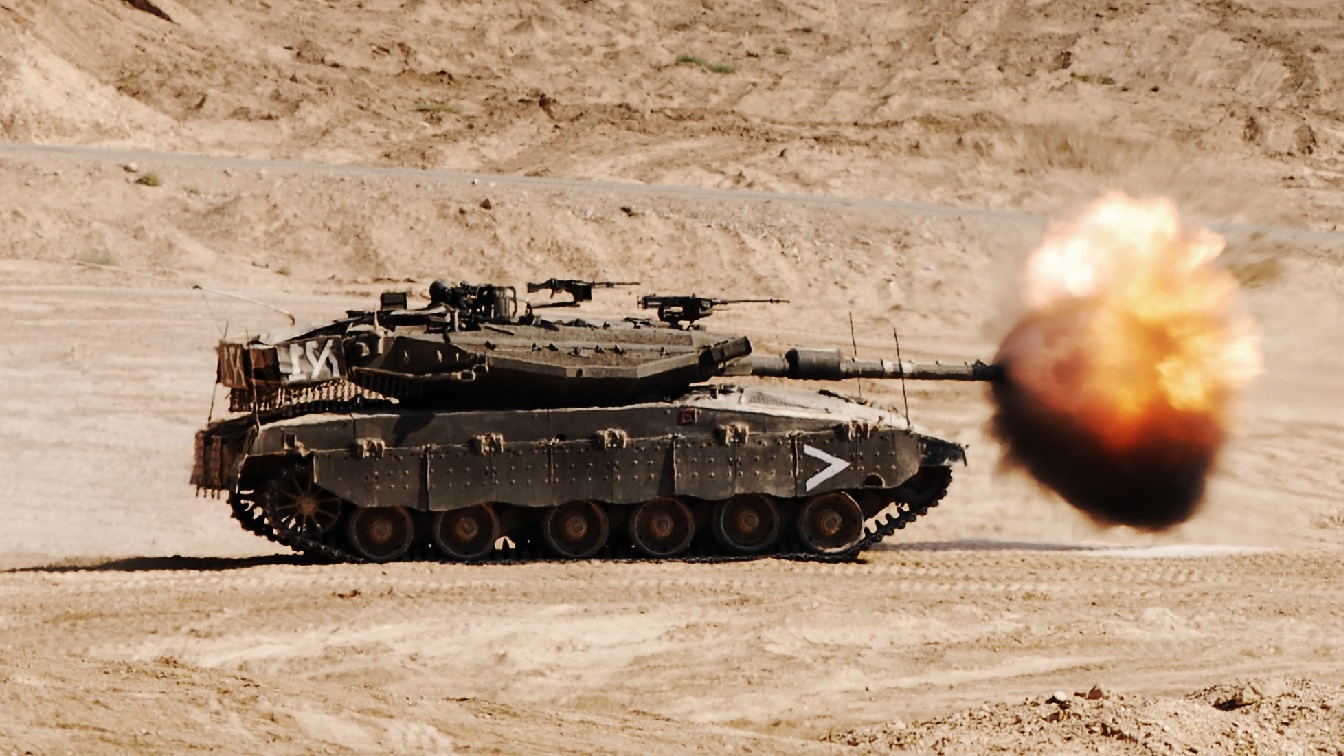
Instead of recognizing the need to rely heavily on drones, missiles, and other beyond-visual-range (BVR) weapons, the IDF charged headlong into the Southern Lebanon War by sending Merkava main battle tanks (MBTs) straight into well-prepared Hezbollah kill zones.
The IDF has struggled to take—let alone hold—any territory in the ongoing Southern Lebanon War. Nevertheless, the Netanyahu government wants this war to continue quickly.
Since the Israelis now have egg on their face due to the way in which the Trump administration secretly negotiated a ceasefire (however temporary), Prime Minister Netanyahu is now essentially holding the biggest bag of excrement imaginable in his long political career. And there is no easy way yet to empty that bag without getting it all over himself and his fellow Likud Party members.
So, Netanyahu climbs higher up the escalation ladder in Lebanon.
The “Gaza Model” Comes to Lebanon
The official strategy of the IDF is to effectively establish a security cordon large enough to push the Hezbollah fighters closest to Israel’s northern border with Lebanon as far away from Israeli territory as possible.
Israel’s government claims that Hezbollah started the conflict when the Shiite militia began firing rockets into northern Israel. The IDF aims to advance into southern Lebanon up to the Litani River and destroy its key military infrastructure there.
This goes beyond just a security buffer zone. Part of the Israeli strategy is to implement what they call the “Gaza Model.”In other words, they aim to depopulate the designated security area, flatten the structures, and prevent unwanted persons or groups from reestablishing a presence so close to the Israeli border.
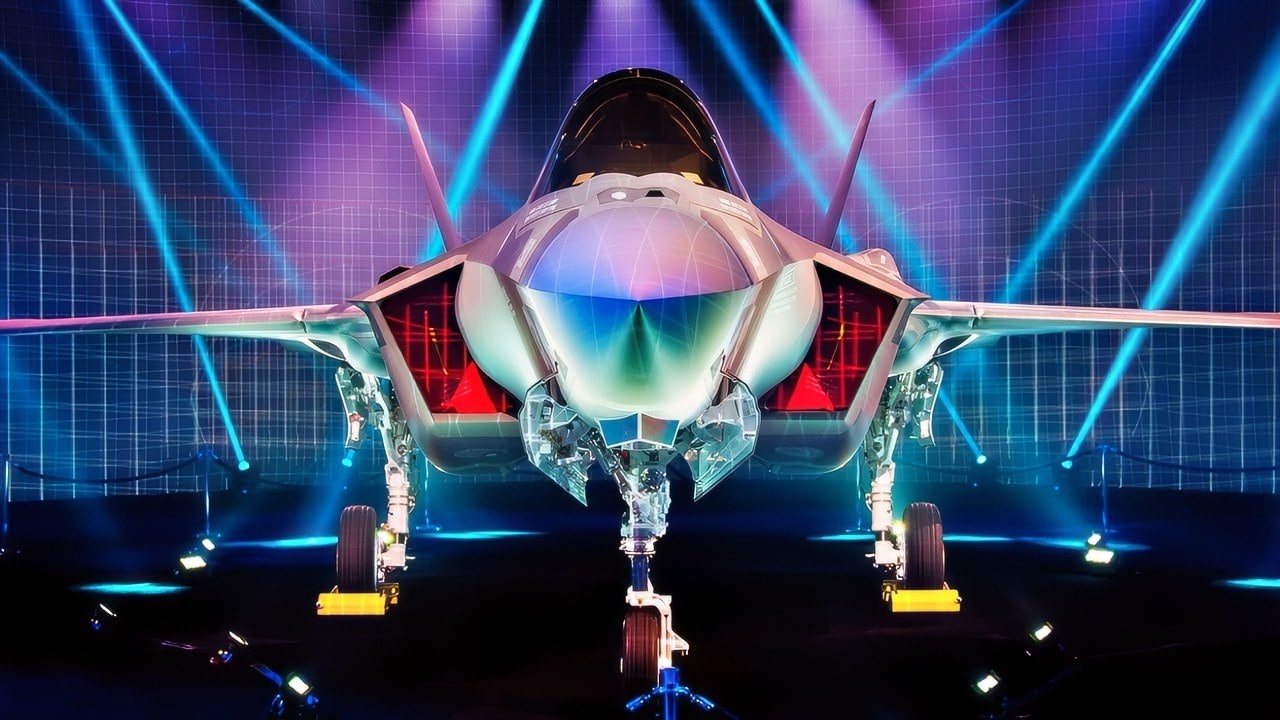
F-35I Adir Lockheed Martin Image
It is an understandable military goal. However, it is both impractical and likely to cause a much larger backlash in the region because Israel has already caused over 1.2 million civilians, many with no connection to Hezbollah, to flee the area.
The Strategic Reality Israel Cannot Escape
Here’s the problem: if Israel truly worries about Hezbollah, it faces a challenge that few have managed to solve. That challenge is that Hezbollah, even if pushed to the far reaches of Northern Lebanon, could still strike deep inside Israel with long-range precision missiles and drones.
Moreover, several Lebanese Christian villages insist that Hezbollah has already scaled back its presence in Southern Lebanon following those successful Israeli targeted strikes against Hezbollah’s leadership during the so-called “Pager Operation.”
The only thing the Israeli mission in Lebanon has achieved is the depopulation of that area. However, depopulating that region, much like what they’ve done in Gaza, will only increase the wrath of their neighbors and further isolate Israel geopolitically.
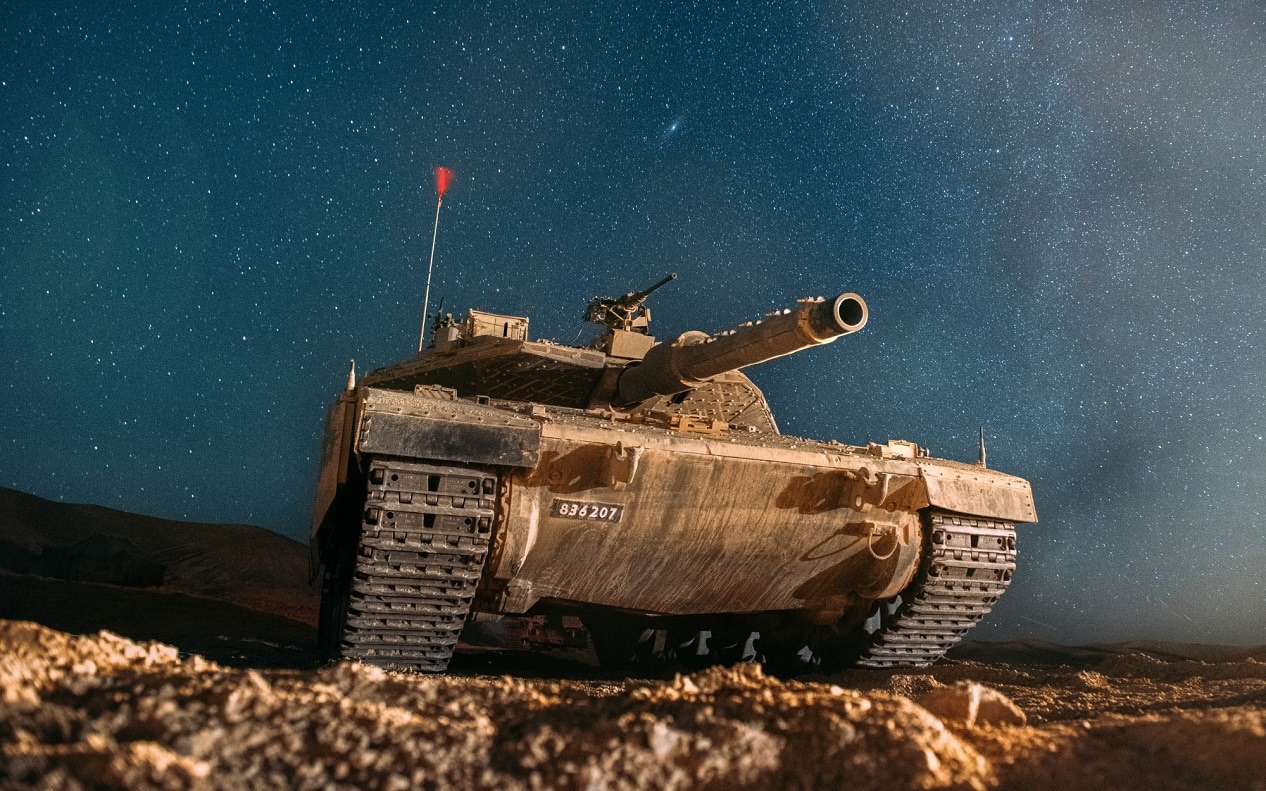
Merkava Tank
In fact, it could ignite the kind of conflict that now threatens to tear the IDF apart. People must remember that for three years, the IDF has engaged in a multifront, high-intensity series of conflicts that have only drained and strained the relatively small military.
A Military and Nation Under Strain
You now witness the decline of that once formidable force on the killing fields of Southern Lebanon, where a supposedly weakened Hezbollah is massacring Merkavas and threatening to break the will of the IDF.
Meanwhile, Israeli home defenses are strained and at risk of collapsing due to ongoing missile sieges inflicted by Iran and its proxies. Consequently, the Israelis face the possibility of full encirclement, strategic defeat, and their government potentially being replaced in a new election if the Israeli people are given a choice.
The Endgame: Isolation or De-Escalation
Basically, Israel has been at war for far too long. Not all of it is their fault. At least half of the conflict has been caused by their Iranian rivals.
Still, the reality is that the Iranians have survived—and won—the recent war with the United States, their allies in China and Russia are gaining influence in the region, and as Israel’s main supporter, the United States is gradually pulling back from the Greater Middle East.
That will leave Israel in a difficult position, especially if the Netanyahu government persists with its impossible war goals in Lebanon and if the Iranians do not stop the missile attacks on the region’s only Jewish democracy.
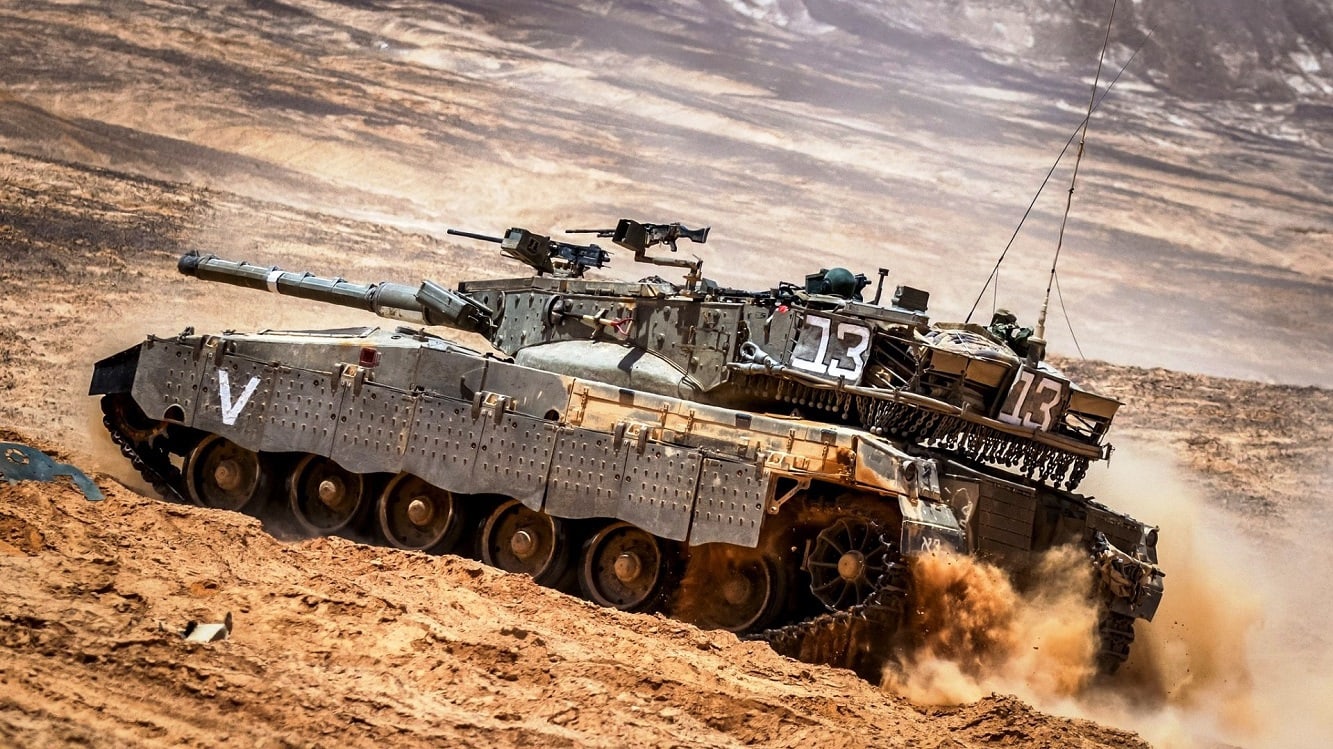
Merkava Tank. Image Credit: Creative Commons.
Israel cannot win the war in Lebanon, and they must now work to de-escalate the conflict so that they, like the United States and the Gulf countries, can begin rebuilding and restoring their fractured civil society.
Failing to shift toward peace everywhere will lead to the collapse of Israel’s strategic position in the region and could potentially result in the end of the Netanyahu government.
About the Author: Brandon J. Weichert
Brandon J. Weichert is the Senior National Security Editor at 19FortyFive.com. Recently, Weichert became the editor of the “NatSec Guy” section at Emerald.TV. He was previously the senior national security editor at The National Interest. Weichert is the host of The National Security Hour on iHeartRadio, where he discusses national security policy every Wednesday at 8pm Eastern. He hosts a companion show on Rumble entitled “National Security Talk.” Weichert consults regularly with various government institutions and private organizations on geopolitical issues. His writings have appeared in numerous publications, among them Popular Mechanics, National Review, MSN, and The American Spectator. And his books include Winning Space: How America Remains a Superpower, Biohacked: China’s Race to Control Life, and The Shadow War: Iran’s Quest for Supremacy. Weichert’s newest book, A Disaster of Our Own Making: How the West Lost Ukraine, is available for purchase wherever books are sold. He can be followed via Twitter/X @WeTheBrandon.